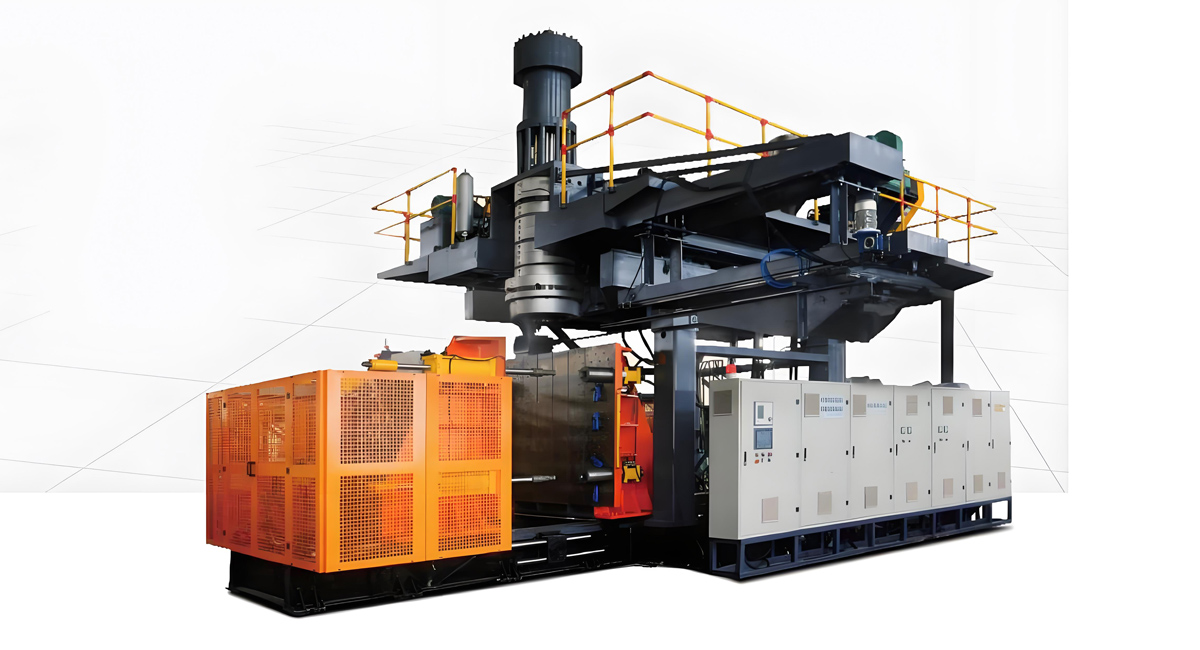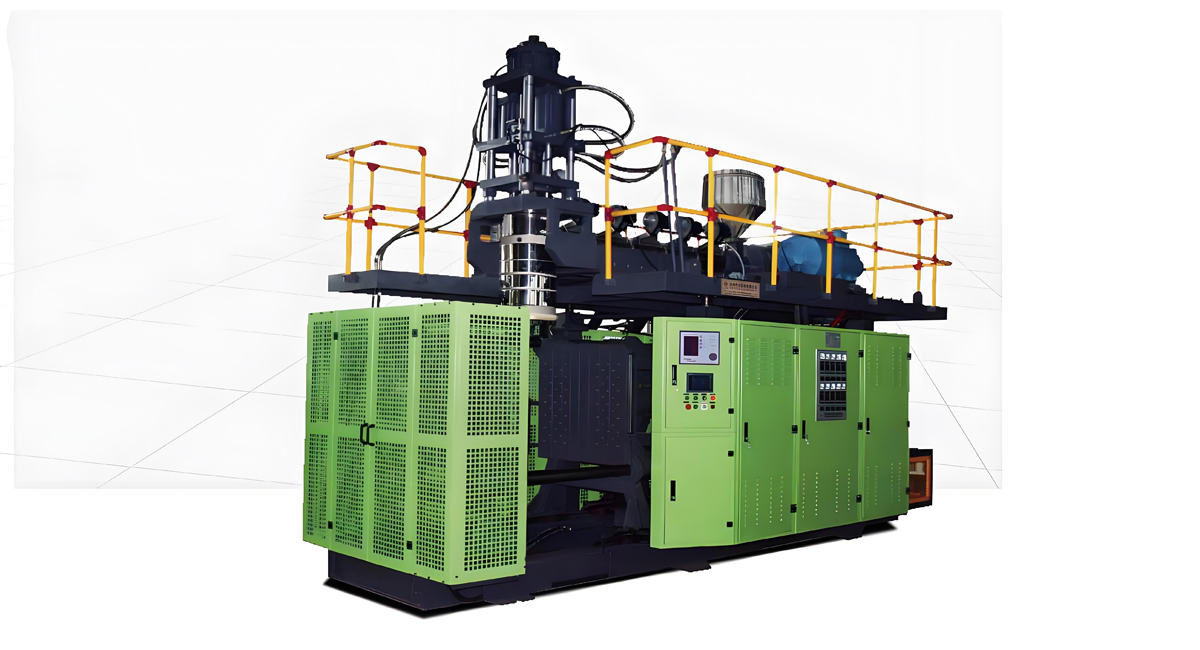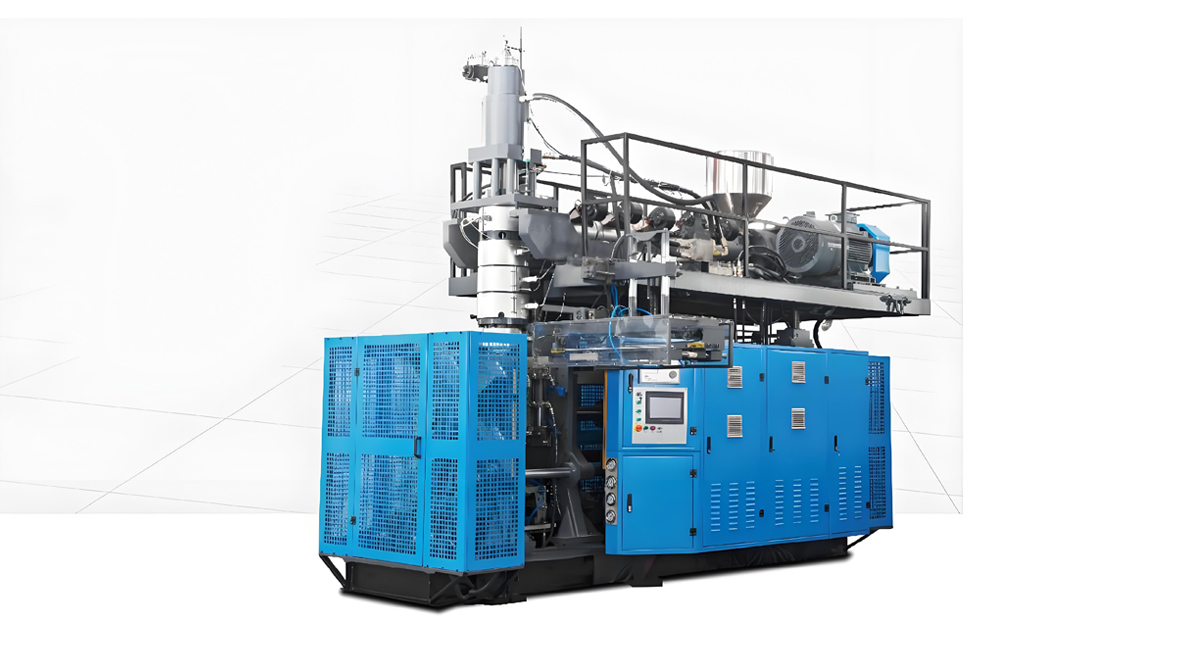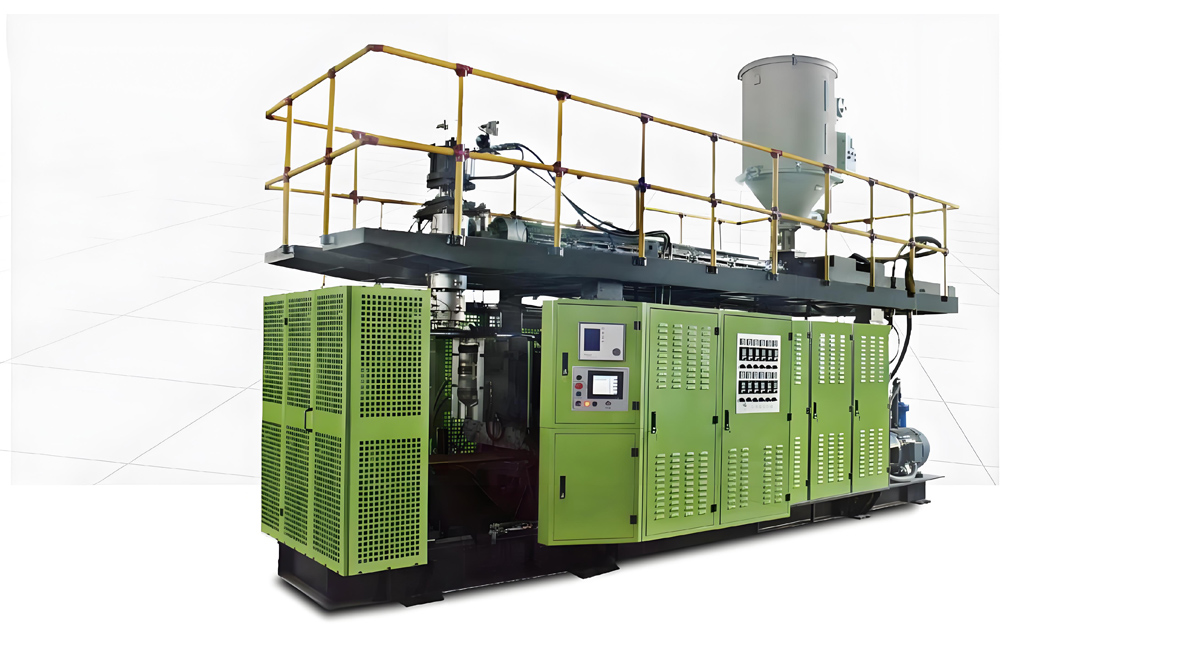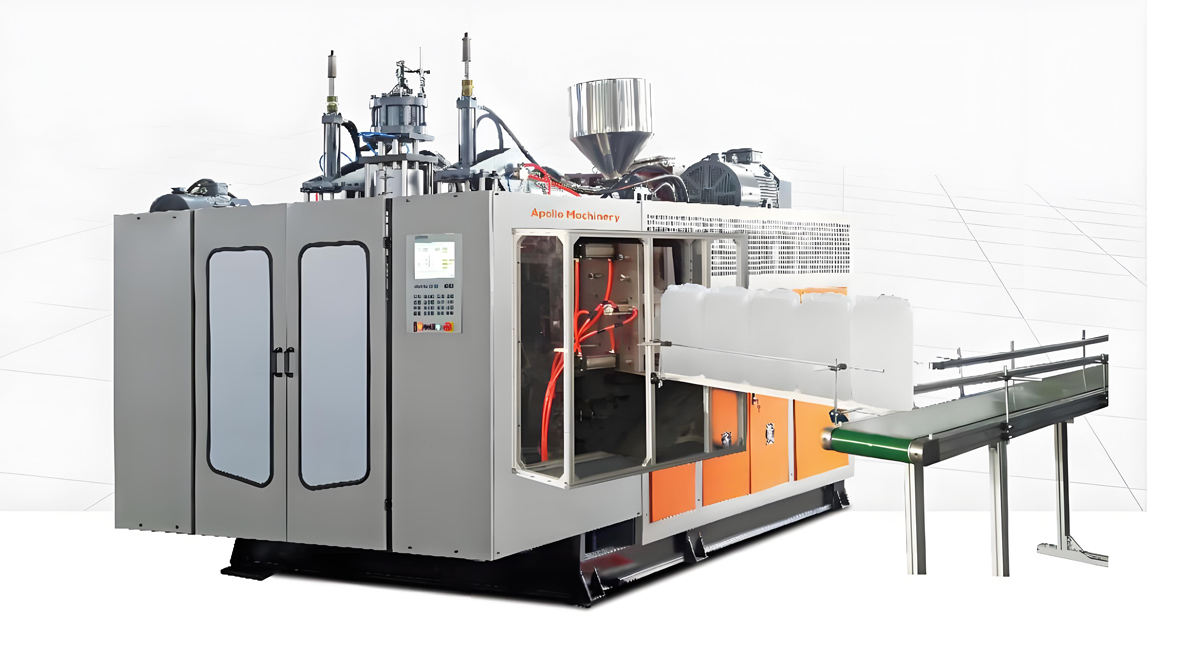
Peralatan EBM yang Terdaftar CE 10L: Solusi Produksi Drum Plastik untuk Kecap Soya dengan Kualitas Makanan
Zhangjiagang Apollo Mesinry Co., Ltd., yakni pabrik Wanplas dengan lebih dari dua puluh tahun pengalaman dalam mesin pembentukan tiup cetak otomatis, menjalankan lokasi produksi
000 meter persegi dan telah mengantarkan lebih dari
000 mesin ke lebih dari 90 negara, menjadikannya mitra yang cocok bagi produsen yang membutuhkan solusi produksi drum plastik berbasiskan bahan, ketersediaan resep, dan standar K7. Artikel ini menjelaskan mengapa pembentukan tiup adalah jalur yang paling ekonomis untuk wadah plastik berukuran sedang, bagaimana pilihan bahan dan mesin menentukan ketahanan kimia dan higiene dari drum kecap, dan bagaimana peralatan pembentukan tiup yang dikonfirmasi oleh CE dari Apollo diatur untuk menghasilkan drum 10L dengan performa stabil dengan ketersediaan kontak makanan secara penuh. Apakah Anda adalah seorang brand permen yang membangunan kapasitas pengemas di rumah, pengemasan kontrak yang melayani pasar ekspor, atau distributor yang memperbarui garis produksi impor, panduan di bawah ini adalah sebuah ketentuan dalam praktek pengembangan pembentukan tiup standar dan platform mesin Apollo yang telah terbukti.
Produksi planning for this drum starts from the real duty cycle rather than from a catalogue number. A single-cavity 10L cetakan on a continuous mesin pembentukan tiup ekstrusi typically yields somewhere in the range of 80 to 140 finished drums per hour depending on parison weight, cooling efficiency, and the time required for in-cetakan deflashing, while a double-cavity tool roughly doubles that figure at the cost of a larger platen and higher clamping force. Tahunan output then scales with shift pattern: a single line running two shifts can cover several hundred thousand drums a year, which satisfies most regional condiment brands and many export contracts. The right machine is therefore selected not by the drum volume alone but by the combination of container size, yearly volume target, available floor space, and the regulatory market the drums are sold into, because the compliance burden for food contact is what ultimately drives the material and hygiene specification of the whole line.
Mengapa penyemperitan pembentukan tiup cocok untuk drum makanan berukuran 10L
penyemperitan pembentukan tiup, yang disingkat sebagai EBM, membuat bagian yang kosong dengan memotong tabung plastik yang sudah cair yang disebut parison, mengaitkan parison tersebut di dalam cetakan berbentuk dua bagian, mengisinya dengan udara kompresi hingga sesuai dengan dinding cavitas, membiarkan bagian tersebut mendingin, dan kemudian melepaskannya dengan menyisipkan bagian yang menjadi sisa. Untuk drum saus 10L, proses ini ideal karena wadah tersebut memiliki bentuk datar yang sederhana dan relatif kecil dengan tubuh yang tidak memiliki pegangan atau tidak memiliki pegangan, piring dengan lalat, dan tidak perlu memiliki dinding yang sangat tipis dan bersifat biaksial (seperti yang dapat dicapai oleh proses melubangi), yang menjadi senjatanya. Hanya, EBM menerima banyak bahan seperti HDPP, PVC, dan PETG, dan lebih toleran terhadap campuran bahan yang telah digunakan kembali dan pemulihan bahan dibandingkan dengan proses melubangi. Proses ini juga menghasilkan sebuah tubuh yang utuh tanpa garis pengelompokan di sisi dindingnya, yang sangat penting dari segi kepedulian terhadap kebersihan untuk wadah makanan bersifat cair, yang harus mudah dibersihkan dan dibersihkan, dan tidak layak bagi bakteri untuk berkembang biak.
Dibandingkan dengan pembentukan tiup secara injeksi dan stretch pembentukan tiup, pembentukan tiup dengan ekstrusi menukar sedikit ketepatan dimensi untuk biaya alat yang lebih rendah dan fleksibilitas materi yang jauh lebih besar, itulah mengapa ia mendominasi kemasan industri dan makanan dari satu liter hingga beberapa ratus liter. Hasil akhir leher dari drum EBM dibentuk oleh pin penusuk dan insert leher daripada inti penusukan dengan akurasi tinggi, sehingga toleransi untuk benang bagus namun tidak mencapai standar obat-obatan; untuk drum kecap dengan tutup yang mudah dilepas atau dipasang baut yang sangat memadai. Proses ini juga cocok untuk ekstrusi berkerangka banyak, sehingga produsen dapat menempatkan lapisan dalam berkualitas makanan asli di dekat produk dan lapisan luar yang terdaur atau berwarna pada permukaan, mengurangi biaya bahan tanpa mengurangi sisi makanan. Platform EBM Apollo dirancang khusus untuk kemasan makanan dan kimia serangkaian volume menengah, itulah mengapa drum kecap 10 liter merupakan aplikasi buku teks, bukan adaptasi yang diperpanjang dari mesin tersebut.
Pemilihan Bahan untuk Baki Saus Kecap Kelas Makanan
Polyetilena berdensitas tinggi, yang dikenal sebagai HDPE, adalah resin default untuk drum saus kecap dan untuk sebagian besar wadah makanan dengan ukuran ini, karena itu menggabungkan ketahanan yang luar biasa terhadap garam, asam ringan, dan minyak dengan tidak mengambil bau, kekuatan tekanan yang baik pada suhu ruang dan dingin, serta mudah diproses pada garis pemanasan dan pemalsuan. Bahan ini semi-kristal dengandensitas sekitar 0,95 gram per sentimeter kubik, kekuatan aliran cair yang dipilih dalam kisaran menengah untuk stabilitas parison, dan ketahanan alami terhadap keretakan tekanan yang melindungi drum dari perkembangan lama di bawah beban bersusun. Polipropilena menawarkan ketahanan suhu yang lebih tinggi dan rasa yang lebih kaku, tetapi lebih rentan terhadap keretakan tekanan lingkungan tertentu akibat paparan deterjen dan surfaktan, sedangkan PETG menghasilkan kejelasan pada biaya yang lebih tinggi dan jarang diperlukan untuk drum kecap yang opak. Tabel di bawah ini menuliskan pilihan praktis yang dipertimbangkan oleh produsen saat menentukan resin untuk drum makanan 10L.
| Material | Kematangan (g/cm³) | Keuntungan utama | Kontak makanan |
|---|---|---|---|
| HDPE | 0.94-0.97 | Ketahanan terhadap garam dan minyak | FDA, UE 10/2011 |
| PP | 0.90-0.91 | Toleransi terhadap panas yang lebih tinggi | FDA, UE 10/2011 |
| PETG | 1.27 | Kejelasan, kilau | FDA |
| Blend regrind HDPE | 0.94-0.96 | Biaya bahan yang lebih rendah | Hanya bagian luar |
Untuk drum kecap kelas makanan bagian dalam yang bersentuhan dengan produk harus terdiri dari HDPE genetik, yang disetujui untuk kontak makanan dengan pernyataan keterikatan yang didokumentasikan yang menutupi pasar tujuan, dan semua regrind atau konten daur ulang sebaiknya dibatasi pada lapisan luar melalui penghalang co-extrusi atau dipisahkan dari produk secara sepenuhnya kecuali ada izin daur ulang makanan tertentu. Warna dan bahan tambahan seperti stabilisator UV dan antioksidan juga harus memiliki izin kontak makanan, karena drum yang tampak benar tetapi melepas zat yang tidak diinginkan gagal mematuhi regulasi, tidak peduli seberapa baik mesin berjalan. Apollo mengkonfigurasi garis pemanasan dan pemalsuan untuk menjalankan HDPE genetik lapisan tunggal untuk pasar ekspor yang paling ketat dan struktur tiga lapis di mana merek memungkinkan kulit daur ulang, memberikan produsen platform mesin tunggal yang beradaptasi dengan berbagai regu kompatibilitas tanpa mengubah perangkat keras inti.
Apollo ABLB Series for 10L Drum Produksi
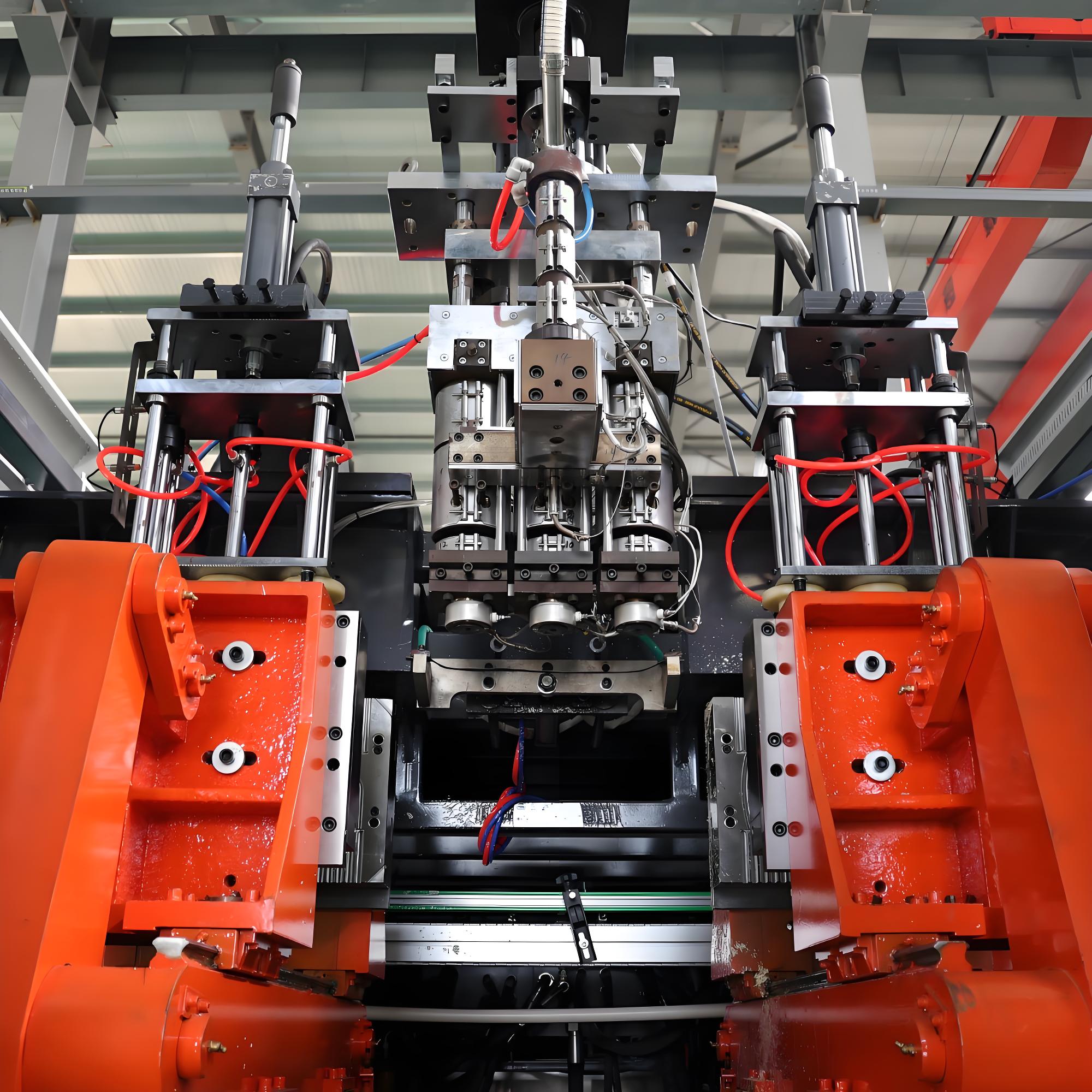
Seri ABLB Apollo meliputi wadah mulai dari 200 mililiter hingga 20 liter di delapan tipe mesin, yang menempatkan drum kecap 10L secara tepat di tengah zona kenyamanan platform dan memberikan produsen kemampuan untuk dikembangkan dari garis pelatihan satu kantong ke sel produksi multiple-kantong dengan filosofi kontrol yang sama. Mesin pemanasan dan pemalsuan kontinu ini menggunakan perang mampat ganda horizontal atau perang mampat tunggal, kepala acuan yang dipenuhi secara sentral dengan jalur cairan yang telah ditingkatkan untuk meminimalkan waktu tinggal dan degradasi, dan unit penyiraman gear dengan obeng tipe penghalang yang disesuaikan untuk homogenisasi HDPE. Untuk drum 10 liter, konfigurasi relevan menggabungkan diameter obeng sedang dengan rasio L/D yang cukup panjang untuk memeras parison yang relatif berat dengan kecepatan yang stabil, dan keterpadatan mesin antara dua stasiun menjaga waktu siklus tetap seimbang sehingga produksi tidak terbatas oleh sisi pintu pembukaan-tutup-pemanas-defla tu yang lebih lambat.
Tabel spesifikasi di bawah ini mencantumkan konfigurasi 10L kelas ABLB yang representatif daripada model tunggal yang tetap, karena Apollo menyesuaikan diameter obeng, kekuatan memampat, dan jumlah stasiun dengan berat drum dan jumlah kantong yang diinginkan pelanggan. Jangkauan ini mencerminkan praktik teknik standar untuk drum HDPE 10L dan harus disertakan dalam gambar bagian akhir atas tahapan penawaran. Poin bagi pembeli adalah bahwa seri ABLB bukan mesin umum dengan drum kecap yang dipaksa ke dalamnya; itu adalah platform pemanasan dan pemalsuan yang terdedikasi di mana drum makanan 10L adalah salah satu konfigurasi umum, dukungan terbaik yang dikirim oleh Apollo, dengan peralatan, insert leher, dan peralatan deflashing yang telah teruji pada banyak proyek drum bumbu dan minyak edible serupa.
| Parameter | Kelas 10L ABLB | Unit | Catatan |
|---|---|---|---|
| Kapasitas maksimum | 20 | L | Jangkauan seri |
| Gaya penjepit | 120-180 | kN | Per station |
| Diameter (Φ) sekrup | 70-90 | mm | HDPE teroptimasi |
| Ratio L/D | 20-24 | – | Rendah pengaruh perubahan suhu |
| Produksi | 80-140 | pcs/h | Satu lipatan |
| Kekuatan menahan panas yang baik | 30-45 | kW | Typical |
Apollo Sepenuhnya Elektrik Series for Clean-Room and Export Kebutuhans
Bila produs memproduksi dengan menargetkan pasar ekspor yang terkuat, bekerja dalam lingkungan pengepakan yang ditinggikan atau dapat dikatakan bersih, atau hanya ingin menghilangkan minyak hidraulik dari area makanan, serangkaian blown-putar eksplosif delapan titik kinerja penuh elektrik dari Apollo mencakup interval yang sama dari 200 ml hingga 20 liter dengan tombol servo, pemotongan parison servo, dan aksi pin pendorong elektrik, bukan alat tenaga hidraulik. Tidak ada sistem hidraulik membuat risiko kecil namun nyata dari minyak kabut atau pecah pelat menguntit kontainer leher dan lantai sekitarnya, dan mengurangi konsumsi energi per drum karena motor servo hanya menarik daya saat bergerak dan tidak mempertahankan tekanan pompa secara terus-menerus. Untuk garis drum rasam putih yang mengalir langsung ke ruang pemenuhan, profil lebih bersih ini sering menjadi faktor penentu saat auditor keselamatan makanan memeriksa operasi pengemasan, dan seimbang dengan perkembangan industri secara keseluruhan sehingga produksi yang memiliki kontaminasi lebih rendah dan rentan terhadap iklim global.
Mesin-mesin penuh elektrik berbagi kepala cetak dan teknologi sekrup yang sama seperti serangkaian ABLB, sehingga perilaku bahan dan kualitas bagiannya tetap konsisten, dan produsen dapat menjalankan kopel yang sama pada kedua platform dengan hanya menyesuaikan jendela proses dengan sedikit. Hak yang dibayar adalah biaya awal peralatan yang dikelompokkan sebagai Mutu Premium dibandingkan Sedang untuk kelas ABLB yang menggunakan tenaga hidraulik, yang diimbangi sepanjang usia mesin karena konsumsi energi yang lebih rendah, penggantian filter dan minyak yang lebih sedikit, dan penurunan hasil pemeriksaan. Tabel di bawah ini memberikan spesifikasi representatif yang sama untuk konfigurasi 10 L yang penuh elektrik, dan pembeli harus membaca dua tabel tersebut bersama: keduanya menghasilkan mesin yang sama, tetapi seri elektrik memperoleh ruang bersihan dan pengurangan biaya operasional, sementara seri ABLB memperoleh biaya awal terendah untuk hasil standar makanan.
| Parameter | Kategori listrik 10L | Unit | Catatan |
|---|---|---|---|
| Kapasitas maksimum | 20 | L | Jangkauan seri |
| Gaya penjepit | 120-180 | kN | Dipersenjatai servo |
| Diameter (Φ) sekrup | 70-90 | mm | HDPE teroptimasi |
| Ratio L/D | 20-24 | – | Rendah pengaruh perubahan suhu |
| Produksi | 80-140 | pcs/h | Satu lipatan |
| Energy use | Low-Sedang | kWh/pc | Tanpa sistem hidrolik |
Parameter Proses Pokok dan Konfigurasi Mesin
Untuk mengatur drum rasam putih 10 L, adalah masalah mengatur bobot parison, suhu pusing, tekanan pandu, dan waktu pendinginan sehingga bagian yang dihasilkan memiliki ketebalan dinding yang sama, leher yang bersih, dan tidak ada tanda penggeseran atau keriput pada tempat atau dasar. Tabung ekstruder dibagi sehingga bagian pemberian ke belakang tetap lebih dingin untuk mengantarkan butiran padat dengan teratur sementara bagian pengukuran di bagian depan mencapai jendela suhu pusing HDPE, dan suhu kepala cetak disesuaikan untuk menjaga parison agar tidak menonjol ke bawah beratnya sendiri selama transfer singkat ke dalam cetakan. Sistem kontrol Apollo menyimpan resep per resin dan cetakan, sehingga setelah drum teruji, parameter disimpan dan dialihkan untuk produksi berikutnya tanpa pengerjaan ulang jendela, yang merupakan keuntungan yang penting untuk pengelolah kontrak yang beralih antara drum rasam putih, minyak makanan, dan pengasinan di mesin yang sama.
Tabel di bawah ini menampilkan jendela proses konvensional untuk drum HDPE 10 L bertingkat satu, diartikulasikan sebagai jaringan karena nilai asli berubah dengan berat parison, suhu ruangan, dan desain pendinginan cetakan. Ini adalah nilai referensi teknologi, bukan jaminan, dan setiap instalasi disesuaikan secara presisi dengan perkakas klien selama instalasi dan komisioning. Masalah yang lebih luas adalah mesin harus memberikan operator pengendalian yang stabil dan teratur terhadap masing-masing variabel ini; variasi suhu pusing atau panjang parison adalah penyebab paling umum variasi ketebalan dinding dan sambaran lembar yang lemah, dan platform EBM yang kuat dengan kepala cetak yang dirancang dengan baik menahan variabel ini dalam jangkauan yang sempit selama shift produksi penuh.
| Parameter | Rentangan biasa | Unit | HDPE bahan and Aditif Formulation |
|---|---|---|---|
| Suhu meluruh | 180-210 | °C | Fluks dan sambaran |
| Tekanan memutar | 6-10 | bar | Detail permukaan tinggi |
| Berat parison | 600-900 | g | Tebal dinding |
| Waktu pendinginan | 12-20 | s | Siklus limit |
| Mold temp | 10-20 | °C | Air dingin |
Kepercayaan Kontak Makanan dan Sertifikasi
Drum rasam putih adalah barang kontak makanan, sehingga kontainer dan proses pembuatan harus mematuhi peraturan pasar di mana drum tersebut akan diisi dan dijual, dan Apollo membangun mesin-mesin EBM berkualitas makanan untuk mendukung kepatuhan, bukan untuk membahayakan. Di Amerika Serikat, kerangka pelaksanaannya adalah pengendalian FDA atas bahan-bahan kontak makanan, di Uni Eropa adalah Peraturan UE 10/2011 untuk bahan plastik dan barang yang dimaksudkan untuk berhubungan dengan makanan, dan di Cina adalah serangkaian standar keamanan makanan nasional GB 4806 untuk bahan kontak makanan. Setiap dari mereka menetapkan batasan pada total migrasi, migrasi substansi tertentu, dan daftar bahan tambahan yang diizinkan, dan produsen drum bertanggung jawab untuk menyiapkan deklarasi dari penyeru resin bahwa kelas HDPE mematuhi batasan yang berlaku; mesin berkontribusi dengan menghindari sumber kontaminasi seperti pusing yang rusak, residu minyak, dan air pendinginan yang kotor yang dapat mencemari bagian kontainer dan lantai sekitarnya, dan mengurangi konsumsi energi per drum karena motor servo hanya menarik daya saat bergerak dan tidak mempertahankan tekanan pompa secara terus-menerus. Pernyataan CE yang dinyatakan dalam judul peralatan adalah lapisan yang berlainan namun penting sama sekali. Marka CE pada mesin EBM Apollo berarti mesin itu sendiri memenuhi direktif yang berlaku di Eropa, terutama Direktif Alat 2006/42/EC, Direktif Rendah Tensi 2014/35/EU, dan Direktif Kompatibilitas Elektromagnetik 2014/30/EU, didemonstrasikan melalui pernyataan kehidupan sehingga kerangka kerja terlindungi, area tempat menarik yang dijaga, pintu akses yang berlapis, sengatan darurat, dan deklarasi kepatuhan. Ini adalah sertifikasi keselamatan mesin, terpisah dari persetujuan kontak makanan untuk bagian drum, dan pembeli yang mengimpor ke Eropa membutuhkan kedua-dua: marka CE untuk mengimpor dan mengoperasikan mesin secara legal, serta kepatuhan kontak makanan untuk resin dan drum siap untuk dijual secara hukum. Apollo menyediakan dokumentasi mesin sebagai bagian dari paket peralatan ter-certifikasikan CE dan mendukung proses kepatuhan drum produsen sendiri dengan pilihan mesin bersih dan bebas minyak.
Drum rasam putih berkapasitas 10 L lebih dari mesin blasting, dan Apollo menyediakan atau mencari peralatan pelengkap yang diperlukan untuk mengubah pellet HDPE menjadi drum yang dapat diisi, terinspeksi, dan siap untuk ruang pemenuhan. Di linier, penyendap udara atau pengeringan/hangat udara mengecilkan HDPE ketika ada penambahan yang rapuh terhadap kelembaban, pengisian elektrik mengangkut bahan dari silo ke tenggorok mesin, dan pengaduk gravimetric atau volumetrik menangani masterbatch atau penambahan. Mesin blasting berfungsi untuk menghasilkan drum dengan menghapus pembakaran dalam cetakan sehingga bagian itu meninggalkan cetakan tanpa lingkaran pembakaran yang harus dipangkas secara terpisah, dan sambungan menuju ketangguhan atau penguji kerosakan, setelah mana mereka bisa melewati pemeriksaan doktrin atau tekanan sebelum dipaleti. Karena Apollo adalah bagian dari Wanplas, grup itu dapat menggabungkan peralatan linier dan sambungan bawah satu tanggung jawab daripada meninggalkan pembeli untuk mengintegrasi pemasok yang tidak berhubungan.
Complete Jalur Produksi and Peralatan Tambahan
Perencanaan utilitas relatif sederhana, tetapi tidak boleh diabaikan, karena garis drum 10L hidup atau mati degan air dingin dan udara bertekanan. Cetakan dan komponen ruang pelelang memerlukan chiller yang bersandar kepada panas terakumulasi parison, biasanya mengambil dari pembangkit udara dingin terhubung secara tertutup atau pembangkit tenaga listrik industri, dan sistem pengosongan memerlukan udara bertekanan bersih di tekanan yang ditunjukkan dalam tabel proses. Sumbangan listrik harus sesuai dengan daya terpadu mesin dan pelengkap, dan Apollo mengonfirmasi tegangan dan frekuensi untuk negara tujuan sebelum pengiriman karena sebuah platform EBM yang sama dibangun untuk pasokan tiga-warna 380 hingga 480 volt 50 dan 60 hertz. Membuat utilitas ini dengan benar selama penataan pabrik, bukan setelah pengiriman, adalah faktor paling besar untuk menghantarkan produksi yang dicapai dan menjaga kualitas drum tetap stabil sepanjang shift penuh.
Luar rasam putih dan produk makanan lain, mesin-mesin eksplosif penembusan dari Apollo melayani sekelompok industri yang memiliki kebutuhan akan wadah plastik tipis yang efisien, yang sebabnya platform 10 L yang sama dengan nyaman mengerjakan drum minyak makanan, susu kedelai, cuka, dan sirup dalam sektor makanan dan minuman. Dalam produksi kimia sehari-hari, mesin-mesin membuat kotak pengisian sabun, sabun tangan, dan sampo, sementara industri kimia menggunakan mereka untuk drum bibit agrokimia dan cairan industri di mana ketahanan HDPE untuk kisaran pH yang luas menjadi penentu. Produksi bahan bangunan menggunakan pengperlakuan penggiat air, dan pelarangan farmasi dan medis menggunakan varian bersih elektrik untuk kotak yang tidak dapat disuntikkan, dan sektor otomotif, transportasi, dan wahana-culturalisir bernafas energi reservoir, saluran, dan barang pelabuhan. Kejirangan ini penting bagi pembeli karena perkakas-, pengetahuan proses-, dan pelengkap berlangganan yang dibangun untuk drum rasam putih dipindahkan langsung ke produk pasar sampingan ini.
Industri Aplikasi Served by Apollo
Selain saus soya dan bumbu lainnya yang berbentuk cair, mesin pembentukan tiup ekstrusif Apollo melayani berbagai sektor industri yang semuanya membutuhkan kontainer plastik berongga yang mulus dan tahan kimia, itulah sebabnya platform 10 L tersebut dengan mudah digunakan untuk drum minyak goreng, susu soya, cuka, dan sirup di sektor makanan dan minuman. Pada produksi kimia sehari-hari, mesin ini digunakan untuk membuat wadah pengisian deterjen, sabun tangan, dan shampoo, sementara industri kimia menggunakannya untuk drum kimia pertanian dan cairan industri di mana ketahanan HDPE terhadap pH yang luas adalah faktor yang menentukan. Produsen bahan bangunan memproduksi pelumas air dan perekat, sektor medis dan farmasi menggunakan varian listrik yang lebih higienis untuk wadah non-injektabil, dan sektor otomotif, transportasi, dan olahraga mengandalkan keahlian penempaan berongga ini untuk tangki cairan, saluran, dan bagian kestabilan. Keanekaragaman ini penting bagi pembeli karena alat, pengetahuan proses, dan suku cadang yang umum dibangun untuk penghantar drum saus soya secara langsung ditransfer ke produk-produk berdekatan ini.
Bagi produsen bumbu, manfaat praktisnya adalah kelancaran operasional: satu sel Apollo EBM dapat di-rekonfigurasi sepanjang tahun untuk mengikuti permintaan musim, mengoperasikan drum kecap pada musim puncak dan drum minyak yang dapat dikonsumsi atau cuka pada lain, hanya dengan mengubah cetakan dan mengisi kembali resep proses yang disimpan. Pengalaman perusahaan Apollo di industri ini berarti tim teknisnya sudah mengatasi mode kegagalan yang umum, seperti ovalasi leher pada drum tinggi, punggungan yang retak pada pengujian penurunan, dan penipisan batas karena pendinginan yang tidak merata, sehingga fase pemasangan menjadi lebih singkat dan drum yang dapat dioperasikan pertama muncul lebih cepat. Kombinasi dengan skala perusahaan Wanplas ini memberikan merek makanan regional akses ke ilmu pengetahuan proses yang sebelumnya hanya tersedia dari mesin impor premium, dengan total biaya operasional yang lebih mirip dengan kelas menengah.
Cara Memilih Model. Desain yang telah dioptimalkan mengurangi konsumsi energi sebesar 20-30% dibandingkan dengan model standar. yang Tepat
Memilih antara seri hidrolik ABLB dan seri penuh listrik, serta memutuskan jumlah ruang kapsul, tergantung pada tiga variabel: target volume tahunan, persyaratan ketersediaan dan kebersihan pasar tujuan, serta anggaran operasional yang tersedia baik untuk biaya pembelian maupun pembiayaan operasional. Produsen yang mengirimkan ke pasar domestik atau regional standar dengan volume tahunan sedang dapat memperoleh nilai terbaik dari konfigurasi ABLB tunggal atau ganda, sementara produsen yang mengekspor ke pasar dengan audit keamanan pangan yang ketat atau beroperasi di pabrik pengisian dengan pengaturan suhu perlu mempertimbangkan seri elektrik penuh karena profilnya yang bebas minyak dan risiko kontaminasi yang lebih rendah. Tabel seleksi di bawah ini menyediakan situasi pelanggan umum untuk konfigurasi Apollo yang disarankan, dan dimaksudkan sebagai titik awal untuk penawaran yang terperinci, bukan sebagai pengganti untuk memeriksa gambar drum dan layanan lokal dengan tim teknik Apollo.
| Kebutuhan pelanggan | Model. Desain yang telah dioptimalkan mengurangi konsumsi energi sebesar 20-30% dibandingkan dengan model standar. yang direkomendasikan | Catatan |
|---|---|---|
| Drum 10L, pasar regional | Seri ABLB, 1-2 jalur | Sedang cost |
| Ekspor, audit yang ketat | Seri yang sepenuhnya elektrik | Oil-free |
| Jumlah tahunan yang tinggi | ABLB, dua lubang | ~2x output |
| Lapisan luar yang terbuat dari bahan daur ulang | Opsi 3-lapisan ABLB | Biaya saving |
| Kelompok kecil, uji coba | ABLB satu lubang | Low entry |
Layanan, Dukungan, and Warranty
Apollo backs every CE certified EBM machine with the Wanplas group service framework, which begins before shipment with a factory acceptance test where the machine runs the customer’s cetakan and material to a agreed output and quality standard, so the buyer witnesses the line working rather than trusting a specification sheet. After delivery, Apollo engineers travel to the customer site for installation and commissioning, tune the process window on the actual resin, train the local operators on safe operation and routine maintenance, and remain reachable for remote diagnostics through the machine control system. The shared Wanplas policy includes USD 500 of free spare parts per year, free replacement of parts found defective within the warranty period, a transportation guarantee on shipped equipment, a production-capacity guarantee that the line meets the agreed output, and a quality-standard guarantee backed by a refund plus ten percent compensation if the machine fails to meet the contracted quality. The group also operates an open-factory policy, welcoming customers to visit the Zhangjiagang plant to inspect manufacturing, review similar drums in production, and discuss customization of cetakans, voltage, and auxiliary scope.
Pertanyaan yang sering ditanyakan
Apa arti sertifikasi CE untuk mesin EBM?
Sertifikasi CE berarti mesin blow cetakaning Apollo sesuai dengan direktif Eropa tentang keselamatan mesin, tegangan rendah, dan kompatibilitas elektromagnetik, yang dialami melalui penilaian risiko, area penangkap berjaga, pintu yang terkunci, dan deklarasi kesesuaian. Ini menandakan bahwa mesin tersebut aman untuk digunakan dan legal untuk diimpor ke Uni Eropa, namun terpisah dari pengakuan kontak makanan drum itu sendiri, yang tergantung pada resin dan bagian yang selesai sesuai dengan FDA, UE 10/2011, atau GB 4806 di pasar target.
Bahan mana yang terbaik untuk drum kecap?
HDPE adalah pilihan terbaik untuk drum kecap 10L karena tahan terhadap garam, asam ringan, dan minyak, memiliki kemampuan menangkap bau yang rendah, dan diproses dengan baik di jalur pembentukan tiup ekstrusi. HDPE berkualitas makanan asal baru dengan deklarasi kewajaran pemberi layanan harus menjadi lapisan berhadapan dengan produk, sedangkan kulit luar yang terdaur ulang atau berwarna dapat digunakan dalam struktur ekstrusi ketika peraturan diperbolehkan, sehingga mengurangi biaya bahan tanpa mengurangi keamanan makanan.
Apakah mesin Apollo dapat menghasilkan drum 10L?
Ya, seri Apollo ABLB mencakup kontainer dengan kapasitas mulai dari 200 mililiter hingga 20 liter, sehingga drum saus kecambah berkapasitas 10 liter terletak di tengah lusinan platform. Sistem kepala penekan, sekrup, dan pengaman yang sama digunakan untuk ukuran ini dengan kayu yang tunggal atau ganda, dan seri yang sepenuhnya berbasis elektronik mencakup volume identik untuk produsen yang membutuhkan konfigurasi yang bebas minyak dan mudah diperiksa untuk ekspor atau lingkungan pengemasan bersih.
Berapa output yang dapat dicapai oleh garis EBM 10 L?
Garis drum HDPE 10 L dengan satu ruang biasanya menghasilkan sekitar 80-140 drum akhir per jam, tergantung pada berat parison, waktu pendinginan, dan deflashing, dan cetakan ganda meningkatkan jumlah tersebut hampir dua kali lipat dengan tekanan penjepit dan ukuran plat yang lebih tinggi. Jumlah produksi tahunan kemudian mengikuti pola shift, dengan garis tunggal dua shift yang mampu menghasilkan beberapa ratus ribu drum per tahun, yang sesuai dengan sebagian besar merek saus regional dan kontrak ekspor.
Bagaimana Apollo mendukung pemasangan di luar negeri?
Apollo engineers travel to the customer site for installation and commissioning, tune the process on the actual resin, and train local operators on safe running and maintenance. Remote diagnostics through the control system support ongoing operation, and the Wanplas framework adds USD 500 of free spare parts per year, warranty replacement of defective parts, a capacity guarantee, and an open-factory policy for pre-shipment visits and inspections.
Apakah mesin Apollo memenuhi persyaratan kontak dengan bahan makanan?
Mesin dilengkapi untuk memproduksi bahan kontak makanan melalui desain kepala palu yang bersih, pengaktifan listrik tanpa minyak yang optional, dan kontrol proses yang stabil yang menghindari kerusakan dan pencemaran. Kehandalan mesin palu untuk kontak dengan bahan makanan tergantung pada deklarasi pengirim resin terhadap FDA, UE 10/2011, atau GB 4806, dan praktik kebersihan produsen; Apollo menyediakan dokumen keamanan dan sertifikasi CE dari sisi mesin dan mengkonfigurasi garis untuk memenuhi persyaratan tersebut.
Kesimpulan dan Langkah Selanjutnya
Garis ekstrusi blow cetakaning CE 10L adalah solusi yang paling tepat untuk drum plastik sirup soya kelas makanan, menggabungkan fleksibilitas bahan dan kehandalan satu potong dari HDPE EBM dengan sertifikasi keamanan dan keterandalan proses yang diinginkan oleh pasar-pasar yang bersifat ekspor dan audit. Apollo, pabrik Wanplas dengan lebih dari dua dekade pengalaman dalam blow cetakaning otomatis dan mesin-mesin yang berjalan di lebih dari 90 negara, menyediakan kemampuan ini melalui seri hidrolik ABLB untuk nilai terbaik dan seri yang bersih dari semua proses listrik untuk profil terkecil pencemaran, keduanya dapat dikonfigurasi untuk satu atau dua lubang dan untuk struktur multi-lapis yang mengurangi biaya bahan. Untuk beralih dari presentasi ini untuk proposal yang jelas, berbagi gambar drummu, volume tahunan target, regulasi pasar tujuan, dan utilitas yang tersedia dengan tim perancang Apollo, yang akan mengonfirmasi model yang tepat, menjalankan tes penerimaan pabrik pada muhl dan bahan, serta mendukung instalasi, pengujian, dan pelatihan operator melalui kerangka layanan Wanplas. Kami menyambut Anda untuk mengunjungi pabrik Zhangjiagang untuk melihat drum-drum kelas makanan serupa yang diproduksi, dan untuk membahas solusi produksi drum sirup soya 10L yang disesuaikan dan disertifikasi CE yang dibuat berdasarkan kebutuhan Anda yang akurat.