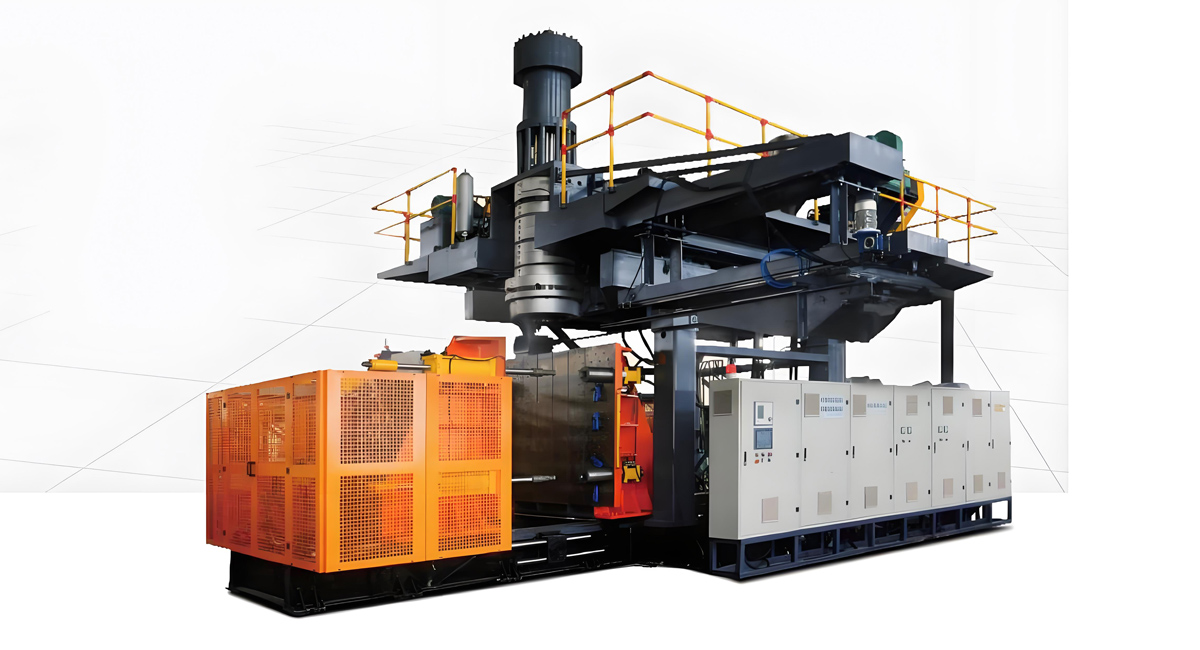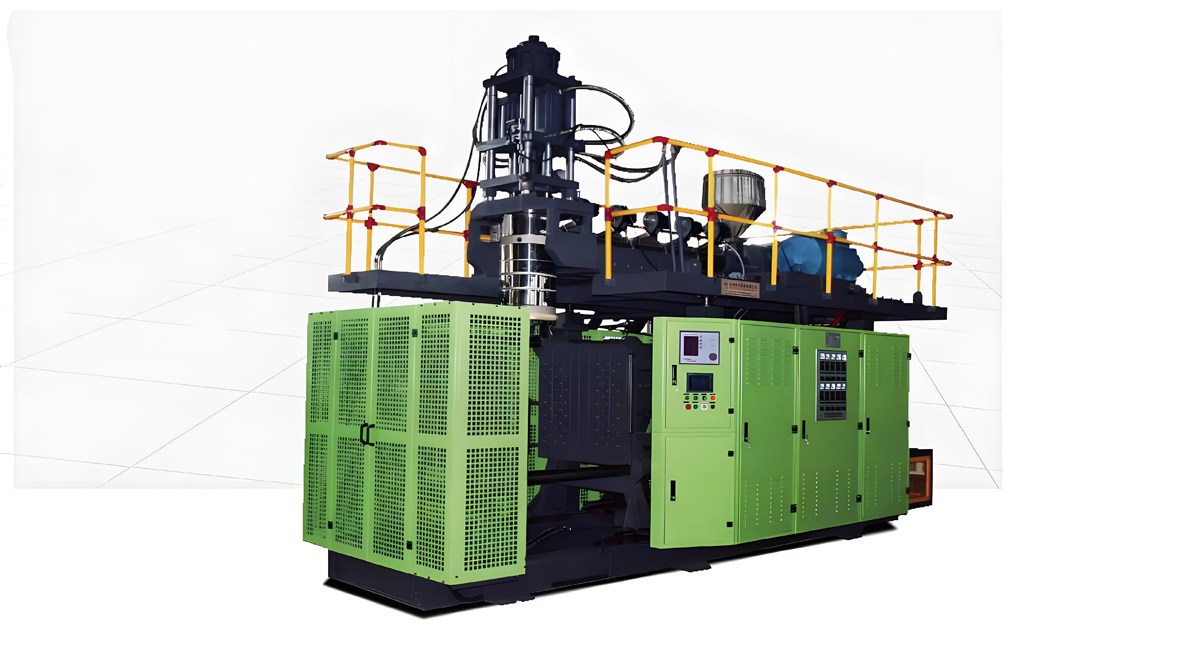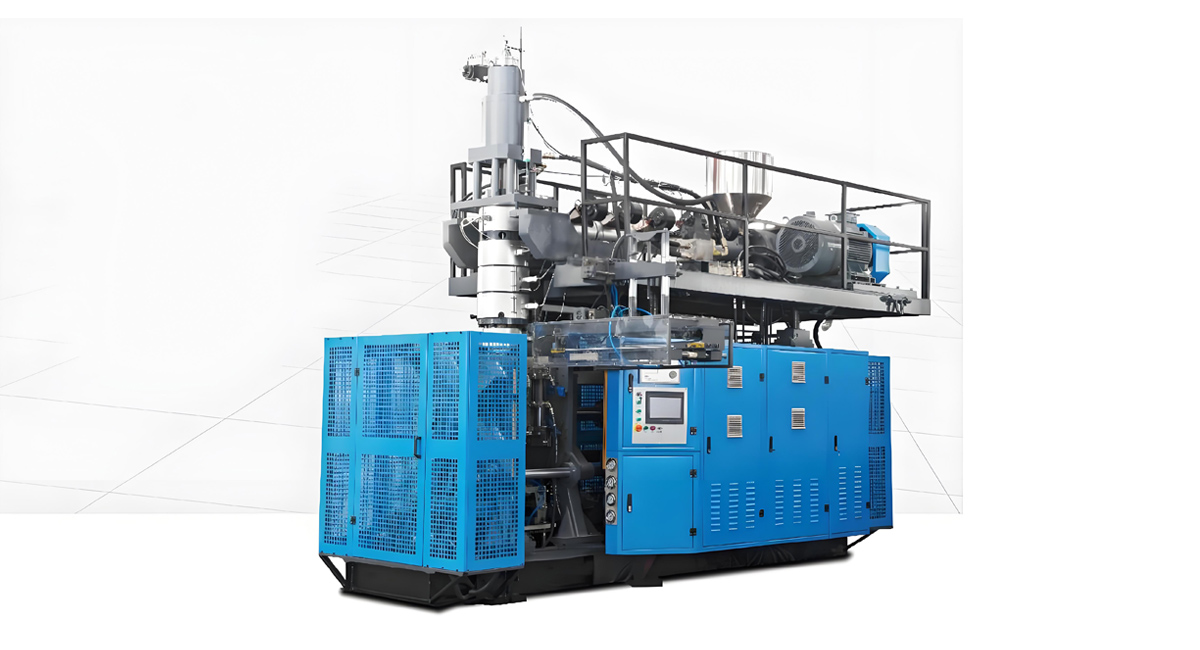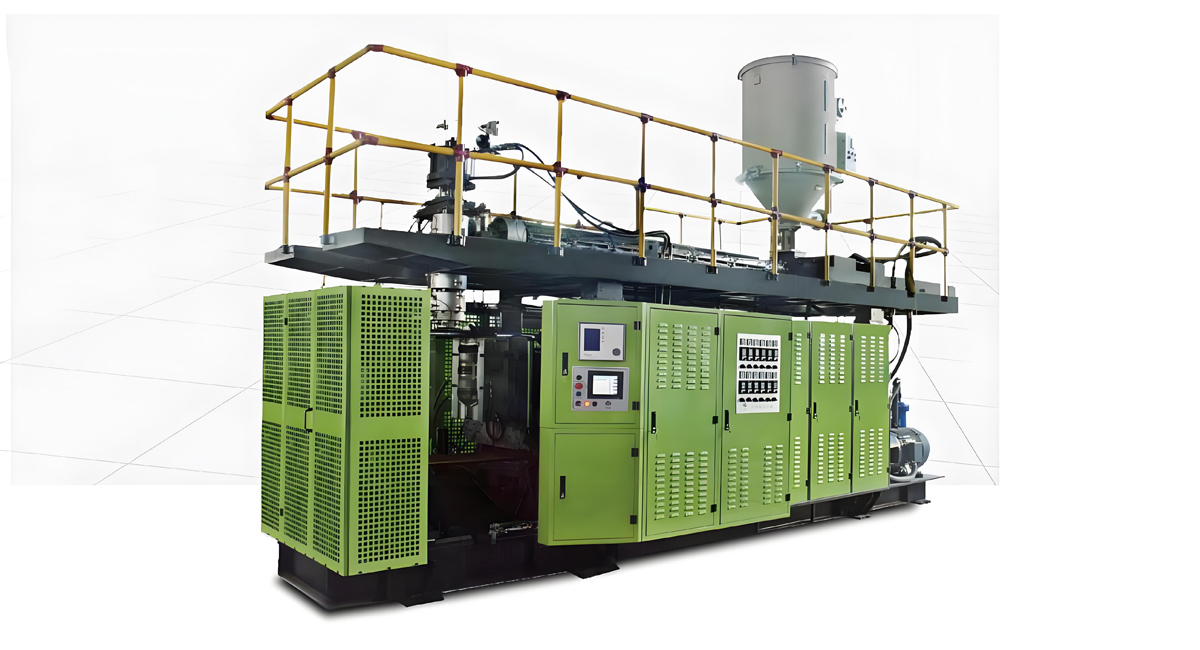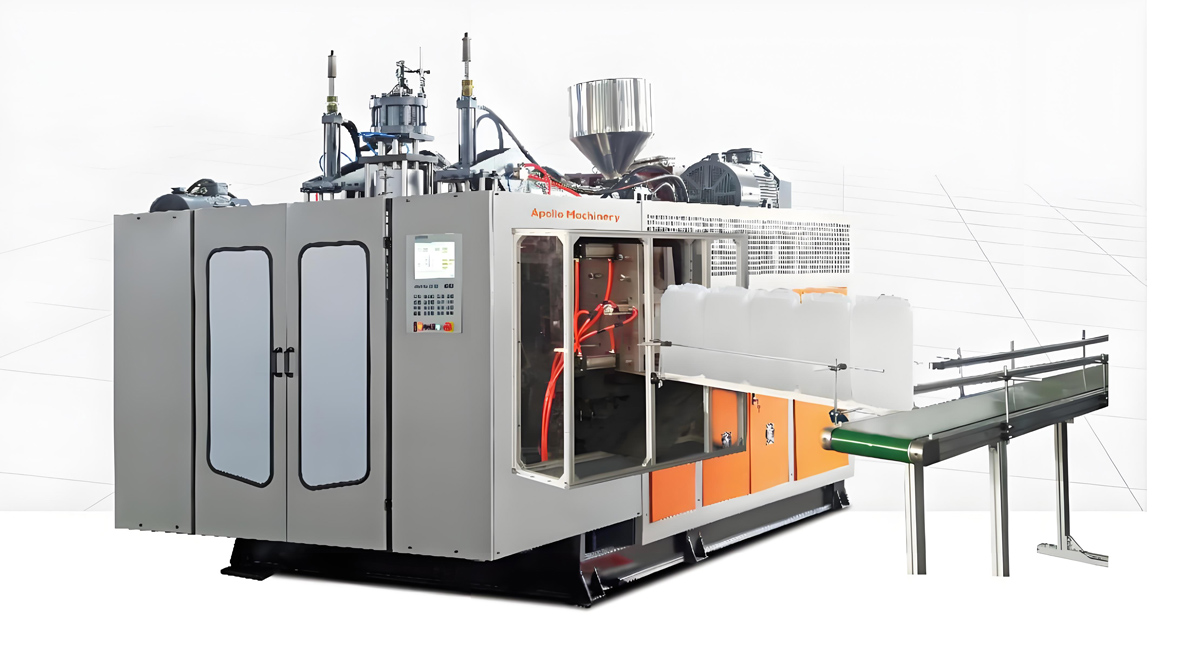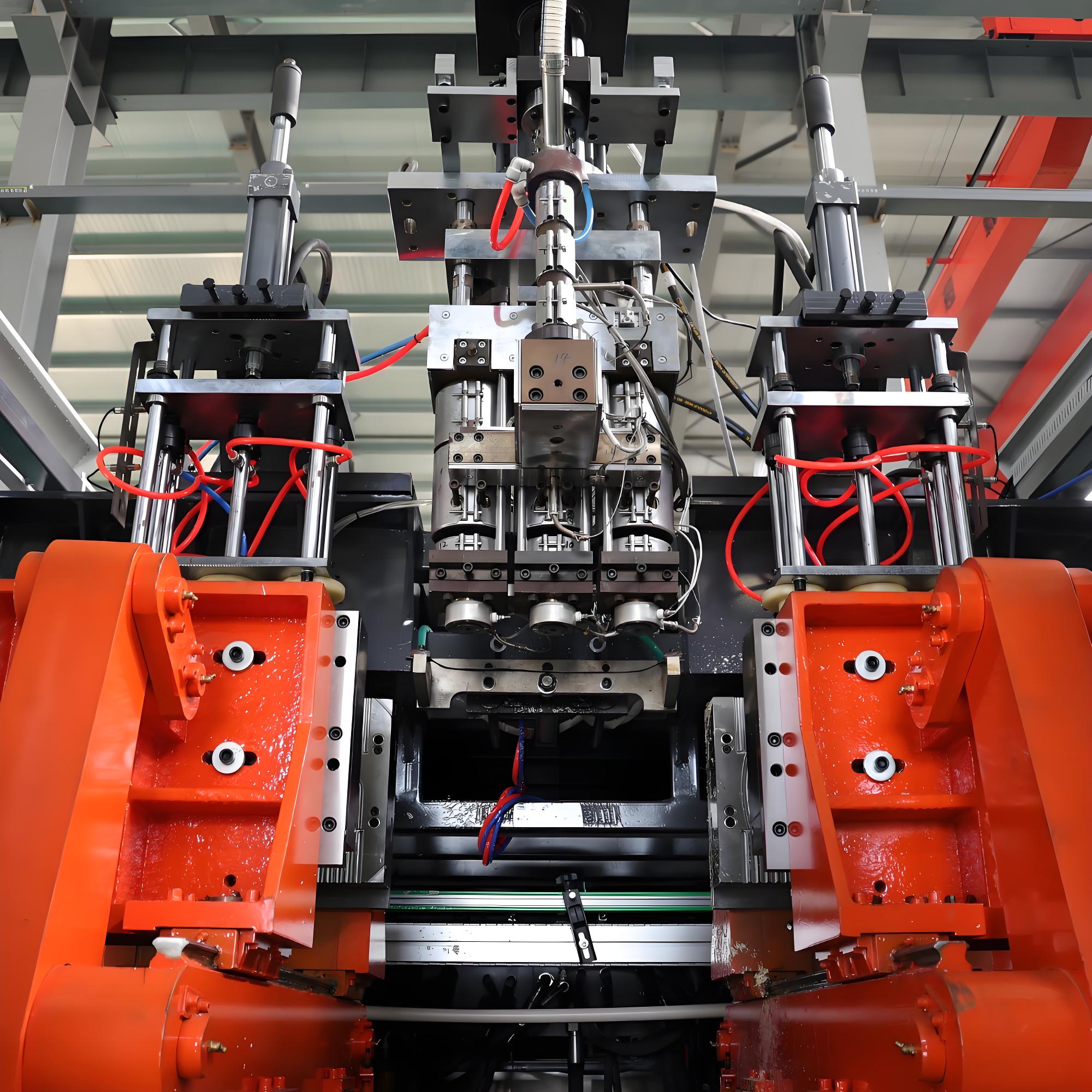

Food-grade plastic packaging sits at the intersection of two demanding requirements: tight container-quality specifications from food brands and filling companies, and strict regulatory compliance enforced by food-safety authorities in every major market. An edible-oil bottle that leaks, a juice container with a cracked neck, or a sauce jar found to carry non-compliant plastic additives can trigger consequences that range from product recall to regulatory enforcement action. An macchina di estrusione a soffiaggio that is correctly specified, cleaned, and validated is the foundation that lets a converter meet both sets of requirements at once. This guide explains the compliance landscape, the material-selection rules, and exactly how the machine and the production line should be configured for genuine food-contact production under FDA, EU, and the other major frameworks.
What "Food-Grade" Actually Means
The phrase "food-grade" is regulated in most export markets, but only if you know how to verify it. A container earns the label when three independent factors are all satisfied: the resin is approved for food contact, every additive is also approved, and the manufacturing process is clean enough that nothing harmful is introduced after the resin leaves the polymer plant. The visual difference between a food-grade bottle and an industrial-grade bottle is often zero; both may be natural white and both may process identically on the same macchina di estrusione a soffiaggio. The distinction lives entirely in composition, certification, and line hygiene.
Resin type is the first gate. Only a handful of polymers are broadly accepted for direct food contact: high-density polyethylene (HDPE), polypropylene (PP), polyethylene terephthalate (PET), and a few specialty copolymers. Resins sold for industrial use may contain fillers, reprocessed content of unknown origin, or colorants and stabilizers that were never tested for migration. Additives are the second gate. Colorants, ultraviolet stabilizers, antioxidants, and mold-release agents must each appear on the relevant food-contact positive list. The third gate is manufacturing hygiene. Even an approved resin becomes non-compliant if the mold, the conveyor, or the regrind stream is contaminated with non-food material. Reputable converters run dedicated or fully cleaned lines for food-grade runs and keep the regrind loop strictly segregated.
The compliance bar is also rising, not standing still, and that is why food-grade discipline now matters more than it did a decade ago. In the United States, the Modernization of Cosmetics Regulation Act of 2022 raised record-keeping and adverse-event obligations for brands, which in turn raises the value of clean supplier documentation even for containers that are evaluated under food-contact rules. In the European Union, the persistent revision of authorized-substance lists and the tightening of recycled-content expectations mean that a Declaration of Compliance valid today must be rechecked against the version in force at shipment. At the same time, mandatory recycled-content laws in several jurisdictions push more post-consumer resin toward food contact, and that recycled stream can only enter legally through a verified process with its own letter of non-objection. For any macchina di estrusione a soffiaggio cell, the practical implication is that compliance is a continuing obligation, documented per batch, rather than a one-time certificate.
The Regulatory Framework: FDA, EU 10/2011, and Beyond
Food-contact plastic packaging is regulated in every major market, and an macchina di estrusione a soffiaggio operator who exports must understand the framework that applies to each destination. The two dominant systems are the United States FDA rules and the European Union’s Regulation (EU) 10/2011.
United States: FDA 21 CFR
The U.S. Food and Drug Administration regulates plastic food-contact materials under 21 CFR 174 through 186. For blow-molded bottles the key sections are 21 CFR 177.1520, which covers olefin polymers such as HDPE and PP, and 21 CFR 177.1630, which covers PET. Each regulation specifies the permitted resin grades, the allowable additive package, and the use conditions, including the temperature, the fat content of the food, and the duration of contact. The FDA does not pre-approve a finished container; instead it sets the conditions under which a material is generally recognized as safe for a defined application. A supplier claims compliance by issuing a written Letter of Guaranty or a food-contact compliance statement that references the specific CFR section and the exact resin grade used.
European Union: Regulation (EU) 10/2011
The EU governs plastic food-contact materials through the framework Regulation (EC) No 1935/2004 and the specific plastics regulation (EU) 10/2011. The regulation establishes a positive list of authorized monomers and additives, sets an overall migration limit (OML) of 10 mg per square decimeter of food-contact surface or 60 mg per kilogram of food, and sets specific migration limits (SML) for individual substances such as heavy metals and plasticizers. Finished containers must be supported by a Declaration of Compliance (DoC) that is batch-traceable and that names the OML and the substances used. Migration testing with standardized food simulants, water for aqueous foods, acetic acid for acidic foods, ethanol for alcoholic or fatty foods, and olive oil for fatty foods, must demonstrate compliance before the article is placed on the market.
Other Major Markets
Beyond the United States and the EU, food-grade blow molding must respect several other regimes. China uses the GB 4806 series, with its own positive lists and migration limits. Japan applies the JHOSPA positive-list framework for synthetic resins. The Gulf Cooperation Council applies GSO standards that align loosely with international practice. The United Kingdom, after Brexit, retains a framework similar to EU 10/2011, and importers should confirm current UK-specific requirements. Australia e Nuova Zelanda regulate through the FSANZ Food Standards Code and generally accept materials that comply with FDA or EU rules, provided additive approvals are confirmed. For a converter running a single macchina di estrusione a soffiaggio cell, the practical rule is simple: specify resin and additives that satisfy the strictest target market, then document that compliance for every customer.
Material Selection: Food-Grade HDPE, PP, PET, and Recycled Content
Resin selection for food-grade blow-molded containers is driven by three criteria: regulatory approval for the specific food type, chemical compatibility with that food, and processing compatibility with the macchina di estrusione a soffiaggio at the required output rate. Food-grade HDPE typically falls within a density range of 0.941 to 0.965 grams per cubic centimeter, with melt flow indices between 0.2 and 30 grams per ten minutes depending on the processing method. Blow-molding grades for bottles generally use lower melt-flow resins for better melt strength, while closures use higher melt-flow materials for faster cycles.
HDPE is the workhorse of food-grade blow molding. It is tough, chemically resistant, free of bisphenol A and phthalates in its base form, and approved under both FDA 21 CFR 177.1520 and EU 10/2011. It is the natural choice for edible oil, vinegar, sauces, milk, water, and condiments, and it performs well below the global migration thresholds under normal processing. PP wins where heat is involved. With a safe-use temperature around 140 degrees Celsius, it suits hot-fill sauces, ketchup, yogurt drinks, and containers that must survive dishwasher cycles. PET is chosen for high-clarity jars, premium dressings, and specialty sauce bottles, but it requires strict pre-drying and is regulated under 21 CFR 177.1630. The critical watch point for every resin is the same: confirm the food-contact grade, because not all HDPE, PP, or PET is authorized for food contact.
Recycled content adds a separate compliance layer. The FDA does not automatically approve recycled HDPE for food contact; it issues individual letters of non-objection (LNOs) for specific recycling processes and applications. Post-industrial recycled HDPE may be acceptable when the stream is controlled and segregation is verified. Post-consumer recycled HDPE requires case-by-case evaluation and an LNO or EU compliance verification. The food-grade recycled-HDPE segment for rigid food bottles and closures is itself growing fast, with market value projected to climb from approximately 8.7 billion USD in 2026 to 18.5 billion USD by 2036, a compound annual growth rate near 7.8 percent, so the documentation discipline described here is becoming mainstream rather than exceptional.
Configuring the Macchina di formaggio a sfondatura for Food-Grade Runs
Compliance is decided on the production line, not in a certificate folder. An macchina di estrusione a soffiaggio that makes food-grade containers needs specific configuration choices that an industrial-grade line can skip.
Dedicated or fully cleaned lines are the first requirement. The cleanest approach is a machine and mold reserved only for food-grade resin, so cross-contamination from industrial colorants or unknown regrind is impossible. Where that is not economical, a documented full clean-out procedure between grades, with purge compound and verification, is the minimum. Oil-free or food-grade-lubricated components matter because hydraulic or gear lubricant that reaches the melt becomes a contaminant; specifying grease-free bearings and sealed screw drives reduces that risk. Dust and powder removal, often called dedusting, matters because fine polymer powder on the parison surface can char and create black specks in the bottle. A clean-air enclosure or a simple air-knife station at the parison or the take-away point keeps the article clean. Regrind segregation is non-negotiable: only food-grade, same-formulation in-house scrap may re-enter the food-grade melt, and it must be weighed, labeled, and kept physically separate from any non-food stream.
Multi-layer co-extrusion is the tool of choice when a barrier is required. A food-grade skin layer of virgin approved resin over a core that may include controlled recycled content lets a converter combine economy and compliance, and it is the same architecture used for oxygen-sensitive foods. Mold hygiene is the final gate: molds should be polished, easily disassembled for cleaning, and stored in a clean environment, because a dirty cavity transfers directly to the food-contact surface. An macchina di estrusione a soffiaggio with precise parison control also helps here, because uniform walls reduce thin spots where contaminants or odors are more noticeable.
Beyond those basics, several additional practices separate a food-grade cell from a general-purpose one. Clean-air enclosure of the parison formation and bottle ejection zone limits airborne dust and insect contamination, and a simple positive-pressure cabinet is often enough for non-sterile food packaging. In-process inspection, typically a vision system checking for black specks, short shots, and neck defects, catches contamination before it reaches the filler. Conveyors and trimming stations should use food-compatible belts and minimal exposed lubricant, and the trimming flash should be evacuated by a dedicated, segregated regrind line rather than mixed with floor scrap. Temperature control of the melt and the mold is tightened for food runs because thermal degradation is a source of both off-odor and gel defects. None of these additions requires a different macchina di estrusione a soffiaggio; they are configuration and procedure decisions that any capable cell can adopt with documentation.
How Migration Testing Actually Proves Compliance
Regulations set the limits; testing proves the article meets them. The two tests that matter are overall migration and specific migration. Overall migration measures the total mass of substances that transfer into a food simulant and must stay under the global limit, 10 mg per square decimeter or 60 mg per kilogram depending on the framework. Specific migration measures a single substance, such as a heavy metal, a residual catalyst, or a plasticizer, against its own limit. Bisphenol A and phthalate plasticizers are restricted in food-contact plastics, and approved alternatives are used instead.
Simulant selection mimics the real food. Water stands in for aqueous foods, dilute acetic acid for acidic foods such as vinegar and tomato sauce, ethanol solutions for alcoholic or some fatty foods, and olive oil for fatty foods such as edible oil. The test conditions, temperature and contact time, are chosen to represent the worst credible use. A genuine report from an accredited laboratory such as SGS, TUV, or Intertek names the simulant, the conditions, and the measured result values; a bare "food-grade" claim with no report is not compliance. For a converter, the disciplined move is to request migration testing for the specific stock-keeping unit being produced, not merely a resin certificate, because conversion can introduce contaminants that the raw-material certificate does not capture.
Food Applicazioni and Their Compliance Notes
Food and non-alcoholic beverages are the largest application segment for HDPE blow-molded bottles, accounting for roughly 42 percent of the blow-molded bottle market, so the compliance discipline described above is exercised most often here. Each food type carries its own note.
Edible-oil bottles demand chemical resistance and light protection; natural or pigmented HDPE performs well, and the neck finish must be precise to avoid leakage of a low-viscosity, high-surface-tension liquid. Bottles in the 500-milliliter to 5-liter range are typical, with wall thickness programmed heavier near the shoulder to survive stacking and transport. Juice and beverage bottles need clarity or barrier depending on shelf life; single-layer HDPE is common for short-life products, while multilayer structures extend shelf life for oxygen-sensitive drinks. Capacities from 200 milliliters to 2 liters dominate the retail segment, and hot-fill versions require PP or heat-set HDPE to avoid paneling. Condiment and sauce bottles, including ketchup, soy sauce, and vinegar, need acid resistance and often hot-fill tolerance, which points toward PP or high-temperature HDPE grades, with dispensing necks that demand tight parison control. Dairy bottles, milk and yogurt drink containers, rely on HDPE toughness and cold-chain impact resistance down to refrigerator temperatures. Water and bulk food-storage containers, from 1-liter bottles to 10-liter and 20-liter jerrycans, are the high-volume backbone of the segment and are usually produced on multi-cavity or double-station machines for economy. Each of these runs is a routine job for a well-specified macchina di estrusione a soffiaggio, provided the resin and line hygiene are documented.
Extrusion Blow Molding vs Injection Blow Molding for Food Grade
Within food-grade bottle production, two processes compete, and the choice affects both compliance ease and product shape. Extrusion blow molding forms the parison by extruding a tube and then closing it in the mold; it handles a wide viscosity range, large capacities, and multi-layer structures, and it is the natural fit for jerrycans, dairy bottles, and barrier containers. Injection blow molding forms the parison by injecting a preform, giving a precisely molded neck finish and a zero-flash process with no trimming scrap, which simplifies regrind control and reduces a contamination pathway. For food contact, injection blow molding’s cleaner neck and absence of flash are advantages where neck precision and hygiene are paramount, typically in the 30-milliliter to 2-liter range for condiments, edible oil, and single-serve drinks.
The trade is capacity and cost. An macchina di estrusione a soffiaggio scales far more economically into 5-liter, 10-liter, and 20-liter food containers and into multi-layer barrier structures, while injection blow molding is constrained to smaller vessels and is less suited to large or multilayer parts. From a compliance standpoint, both processes must satisfy the same FDA and EU rules; the difference is operational. Extrusion blow molding demands stricter regrind segregation and flash handling, whereas injection blow molding demands tighter preform mold hygiene. A converter serving both small premium jars and large bulk containers will often run both processes, but the regulatory file, resin approval, and migration testing are required regardless of which machine makes the bottle.
The Documentation Chain Buyers Must Request
A compliant food-grade bottle is a chain of documents that traces every container back to a tested, authorized resin. Before placing a production order, buyers should request a defined package. A material or resin statement confirms the exact polymer, grade, and any masterbatch or additive used. A U.S. FDA food-contact statement is written confirmation that the article meets the relevant 21 CFR provisions. An EU Declaration of Compliance under (EC) 1935/2004 and (EU) 10/2011 is batch-traceable and states the OML and the substances used. A migration or heavy-metal test report from a third-party lab covers overall and specific migration where required. Quality-system certificates such as ISO 9001 demonstrate consistent, documented manufacturing. A REACH or RoHS attestation confirms the absence of restricted substances for the EU market.
The most common pitfall is accepting a verbal "it is compliant" assurance. If it is not on paper, it does not exist at the border. A second pitfall is assuming one Declaration of Compliance covers every resin; PET, HDPE, and PETG each need their own documentation. A third is mixing up food versus cosmetic standards; bottles are evaluated under food-contact rules even when the contents are cosmetic. For a converter, issuing this package per batch, matched to the real production run, is what turns a capable macchina di estrusione a soffiaggio into a trusted food-grade supplier.
Defect Prevention in Food-Grade Production
Food-grade production has its own defect priorities because the failure mode is contamination rather than merely appearance. Black specks and gels come from charred powder, degraded regrind, or a contaminated hopper; dedusting, sealed feeding, and strict regrind control prevent them. Off-odor transfers from residual oil, degraded polymer, or unapproved additives; oil-free components and approved additive packages prevent it. Weak or leaking necks come from poor parison control or worn blow pins; precise wall-thickness programming and scheduled pin maintenance prevent them. Surface streaking comes from mold contamination; documented mold cleaning prevents it. Because the cost of a food-safety field failure dwarfs any saving at the press, the disciplined line treats these as compliance events, not cosmetic complaints.
Traceability and Recall Prevention
Food-grade compliance is only as strong as the ability to trace a bottle back to its resin and its production run. A disciplined macchina di estrusione a soffiaggio cell stamps or logs batch numbers, date codes, and the resin lot on every run, and keeps that record linked to the Declaration of Compliance and the migration test for the corresponding stock-keeping unit. If a customer audit or a market incident occurs, the converter can produce, within hours, the document chain from finished bottle to approved resin. This traceability is also what turns a potential recall into a targeted withdrawal: when every carton is batch-identified, a problem is contained to the affected lot instead of the entire product line.
Recall prevention is built from the same habits that build compliance. Approved-resin verification at receiving stops non-food material from entering the hopper. Line clean-out records prove separation from prior industrial runs. In-process vision inspection catches black specks and contamination before filling. Per-batch migration and heavy-metal documentation proves the article met limits at the time of production. Together these practices mean the most likely food-safety event, a documentation gap discovered at a border or an audit, is closed before it becomes a shipment rejection. For buyers, the question to ask a supplier is not only "is this food-grade" but "show me the batch record and the test report for this exact lot"; the answer separates serious food-grade producers from casual ones.
Supplier and Machine Selection Checklist
For a buyer specifying an macchina di estrusione a soffiaggio for food-grade work, the evaluation should go beyond output and price. Confirm that the supplier can run dedicated or fully cleanable food-grade lines. Confirm oil-free or food-grade-lubricated drive components. Confirm dedusting or clean-air provision at the parison and take-away. Confirm regrind segregation capability and documented procedure. Confirm mold hygiene and rapid disassembly for cleaning. Confirm parison-control precision for uniform walls. Confirm multi-layer capability if a barrier skin is needed. Confirm the supplier holds ISO 9001 and can issue per-batch DoC, migration reports, and FDA or EU compliance statements. A supplier that presents this validated package wins food-grade programs even when the unit price is not the lowest, because the cost of a recall or a border rejection is far larger than any saving on the machine.
Cost Perspective in US Dollars
Food-grade production carries a measurable cost premium over industrial-grade runs, and a buyer should budget for it explicitly. Food-contact-approved resin typically costs more per ton than industrial grade of the same polymer, commonly in the range of 50 to 200 USD more per metric ton depending on grade and region. Validation and third-party migration testing for a new stock-keeping unit can run from roughly 800 to 3,000 USD per test package, depending on the number of simulants and substances analyzed. A dedicated or reserved food-grade line avoids cross-contamination but reduces scheduling flexibility; many converters recover this through premium pricing on certified food packages. A capable macchina di estrusione a soffiaggio configured for quick, documented clean-out lowers the cost of switching between food and non-food grades. Over a multi-year program, the compliance cost is small relative to the protection it buys against recall, rejection, and brand damage.
Market Outlook Through 2035
The market context supports sustained investment in food-grade blow molding. The global HDPE bottle market was valued at about 57.1 billion USD in 2025 and is projected at roughly 59.9 billion USD in 2026, growing at a compound annual rate near 4.9 percent to about 71.6 billion USD by 2030. The broader HDPE used for blow-molded bottles, covering resin rather than finished containers, is estimated at 58.76 billion USD in 2026 and is forecast to reach 80.08 billion USD by 2035, a compound annual growth rate of 3.5 percent. The HDPE blow molding and injection molding containers market, combining both processes, is projected at 95.3 billion USD in 2026 and 140.2 billion USD by 2033, a compound annual growth rate of 5.8 percent. Food and beverages remain the largest application, and recycled-food-grade HDPE is the fastest-growing sub-segment. Regionally, North America and Europe are mature but standards-driven, rewarding suppliers that can issue airtight compliance packages, while Asia Pacific is the fastest-growing region for blow-molded bottle resin, propelled by urbanization and rising packaged-food consumption, and it is where most new food-grade capacity is being added. For a converter deciding where to deploy an macchina di estrusione a soffiaggio, food-grade production offers durable demand, regulatory moats that protect qualified suppliers, and a clear path to premium positioning.
Getting Started With Food-Grade Production
Entering food-grade blow molding is less about buying a different macchina di estrusione a soffiaggio and more about building a documented system. Start by selecting one or two resin grades that already carry FDA and EU food-contact compliance, and lock the additive package with the supplier. Reserve or rigorously clean a line, document the clean-out, and segregate regrind. Commission migration testing on your first stock-keeping unit from an accredited lab, and build the per-batch documentation package. Train operators on hygiene as a compliance requirement, not a housekeeping nicety. With those pieces in place, the same machine that makes industrial drums can make trusted food containers, and the compliance file, not the steel, becomes the competitive asset.
Food-grade production and recycled content are no longer separate ambitions, and the convergence is where the next decade of compliant blow molding will be won. Mandatory recycled-content laws push more post-consumer resin toward food contact, but that resin can only enter legally through a verified recycling process with its own letter of non-objection, layered behind a virgin food-grade skin in a multi-layer structure. A converter running a barrier-capable macchina di estrusione a soffiaggio can therefore satisfy both a sustainability target and a food-safety target on the same line, provided the documentation for the recycled core is maintained separately from the virgin skin. The capability that used to be a differentiator, recycled food-grade HDPE, is becoming a baseline expectation for brands selling into Europe and an expanding list of jurisdictions, and the compliance discipline described throughout this guide is exactly what makes that convergence safe.
Conclusione
Food-grade blow molding is where container quality and food-safety regulation meet, and an macchina di estrusione a soffiaggio is only as compliant as the resin, additives, and line hygiene behind it. The rules are clear: approve the polymer under FDA 21 CFR or EU 10/2011, test migration with the right simulant, segregate regrind, keep the line clean, and document every batch back to the resin. With a food and beverage segment that is the largest end-use for HDPE bottles and a recycled-food-grade market growing near double-digit rates, the converters who build this competence now will own the lower-risk, higher-trust position for the next decade. Around the world, regulators and retailers are raising the bar at the same time that demand for safe, recyclable food packaging keeps climbing. The technology is ready; the frameworks are established; the only variable left is execution.