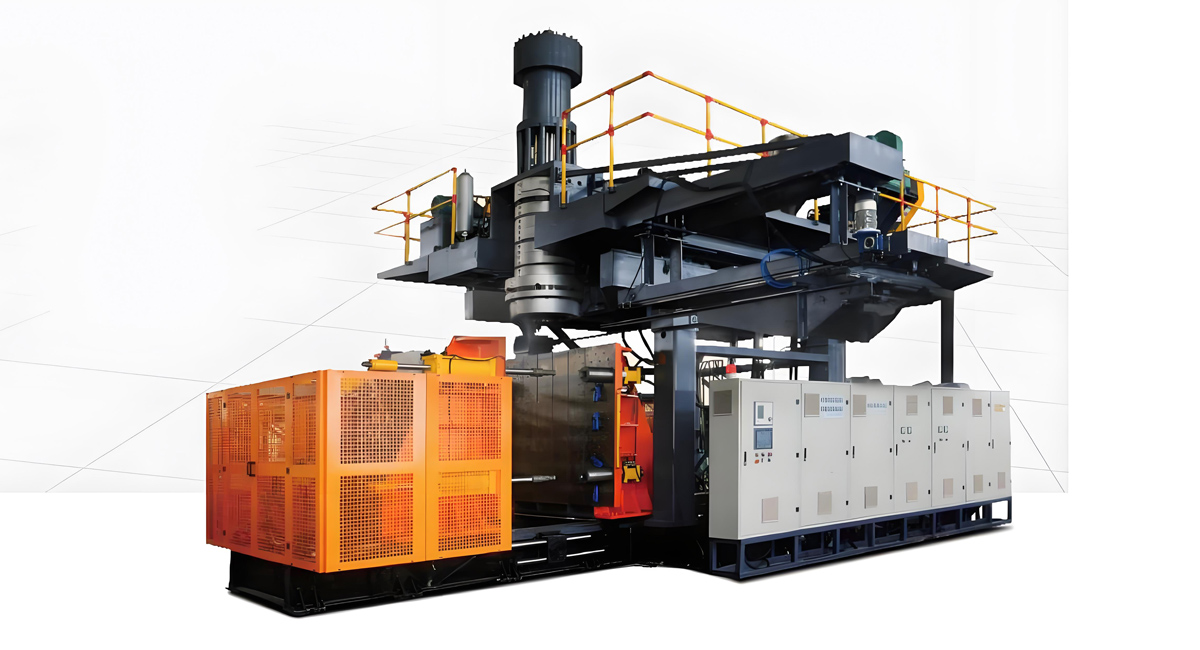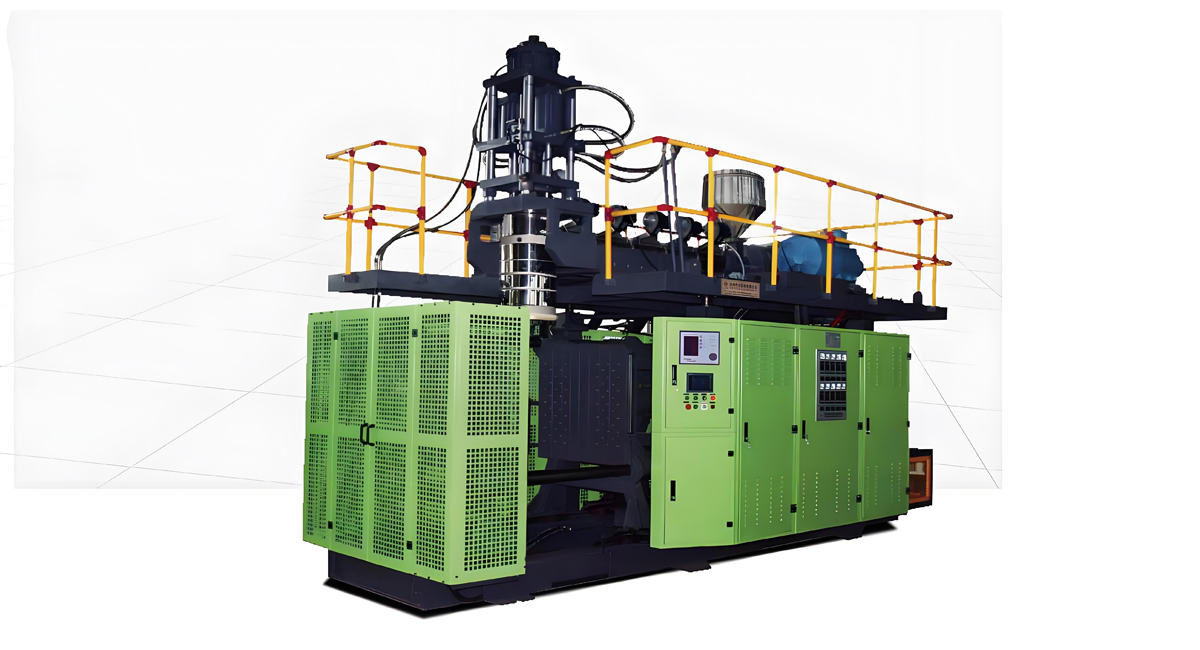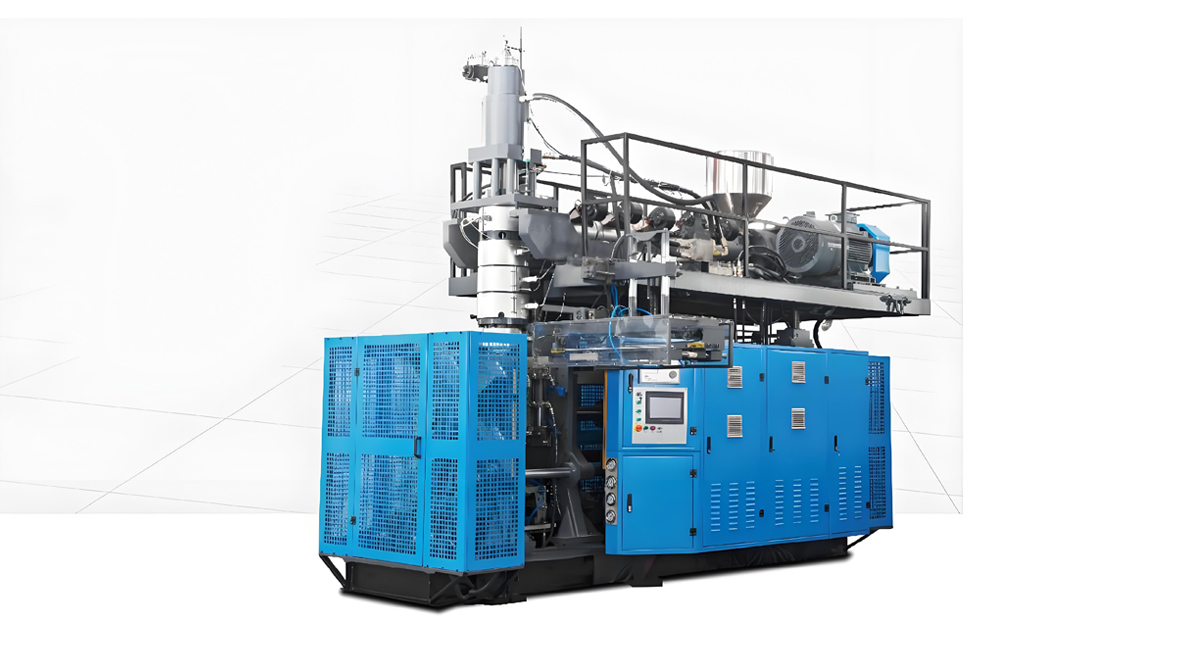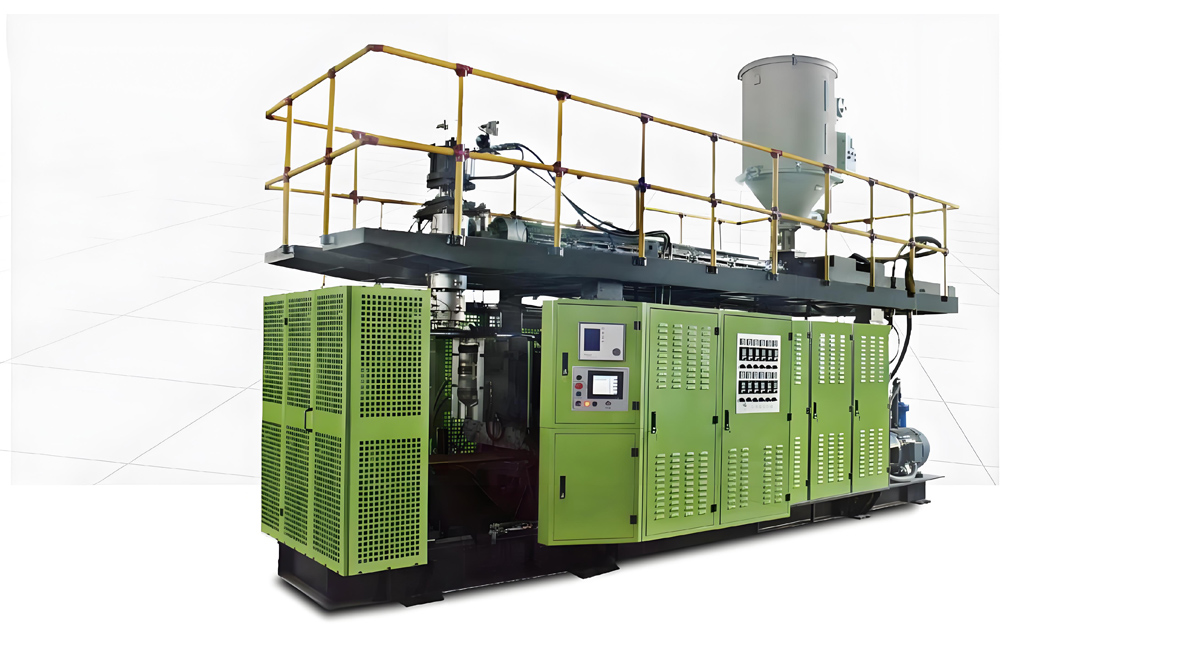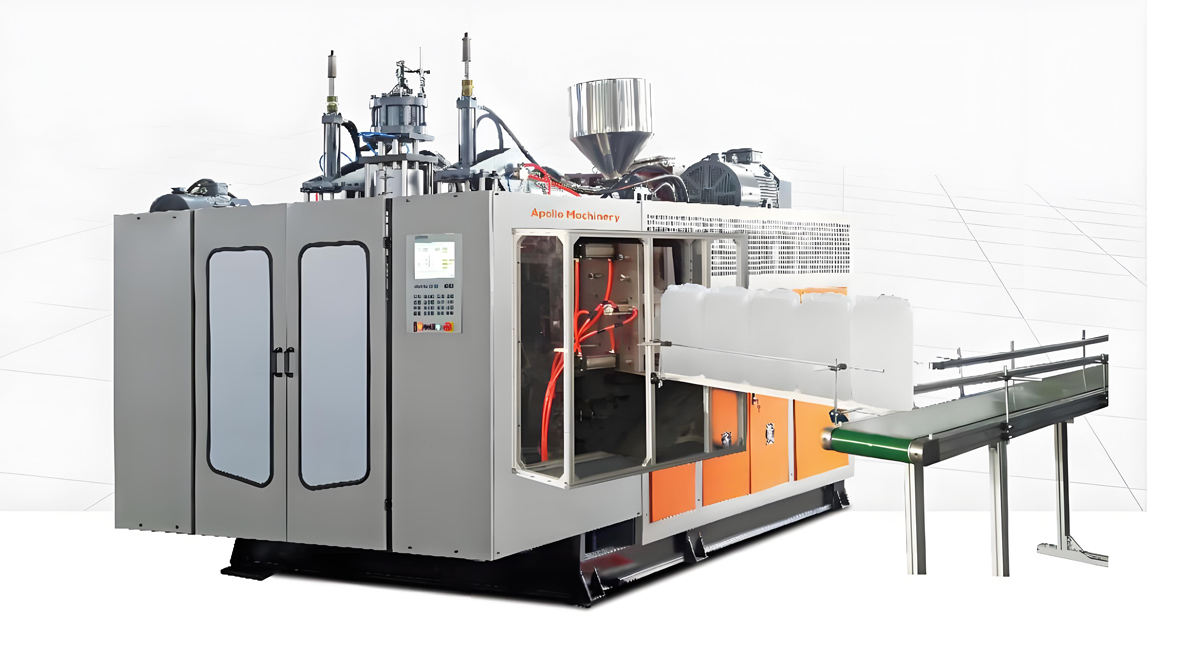

Stackable 3-liter sauce bottles have become a standard format for cooking oil, soy sauce, ketchup, chili paste, and BBQ sauces across food service and retail channels. The 3-liter size combines a comfortable carry weight with high shelf presence, while the stackable shoulder and base geometry lets distributors build stable pallet columns without secondary packaging. Producing this container economically demands an extrusion blow molding (EBM) machine matched to the 2-liter to 3-liter range, a custom mold engineered for stack interlock, and tight parison control to keep material cost low. Apollo, a Wanplas factory, has over 20 years of experience building automatic EBM machines and runs more than 4,000 sets in over 90 countries. This guide explains how custom-mold EBM equipment manufactures stackable 3L kitchen sauce bottles, from resin choice and parison programming to machine selection and line layout.
Why Stackable 3L Sauce Bottles Need Custom Extrusion Blow Molding
The 3-liter sauce bottle sits in a capacity band that is too large for most stretch blow molded PET preforms to form economically in a single stage yet ideal for continuous extrusion blow molding. EBM forms the container directly from a molten parison, so it handles wide-mouth openings, integrated handles, and complex stack shoulders that injection-based routes struggle with. A custom mold lets the brand owner define the exact stack interlock geometry, label panel flatness, and pour neck that fit the product and the filling line.
Extrusion blow molding also supports a broader resin set than PET-only routes. High-density polyethylene (HDPE) dominates sauce and edible-oil bottles because of its chemical resistance, low odor, and low cost, but polypropylene (PP) and recycled-content blends are viable when heat filling or stiffness targets require them. EBM accepts PE, PP, PVC, PA, PC, ABS, PS, EVA, TPU, and PETG, which gives the converter flexibility as formulations evolve. A custom mold built for the ABLB series turns that material freedom into a finished, stackable bottle at a competitive cycle.
From a business view, the 3-liter stackable format reduces logistics cost. Bottles nest and lock, so a pallet carries more volume per square meter of warehouse and truck space. The mold and machine must therefore hold tight vertical tolerances so every bottle stacks flush. That tolerance discipline is where custom EBM tooling and a well-tuned parison program pay back the investment across millions of units.
Extrusion Blow Molding Process Fundamentals for 3L Containers
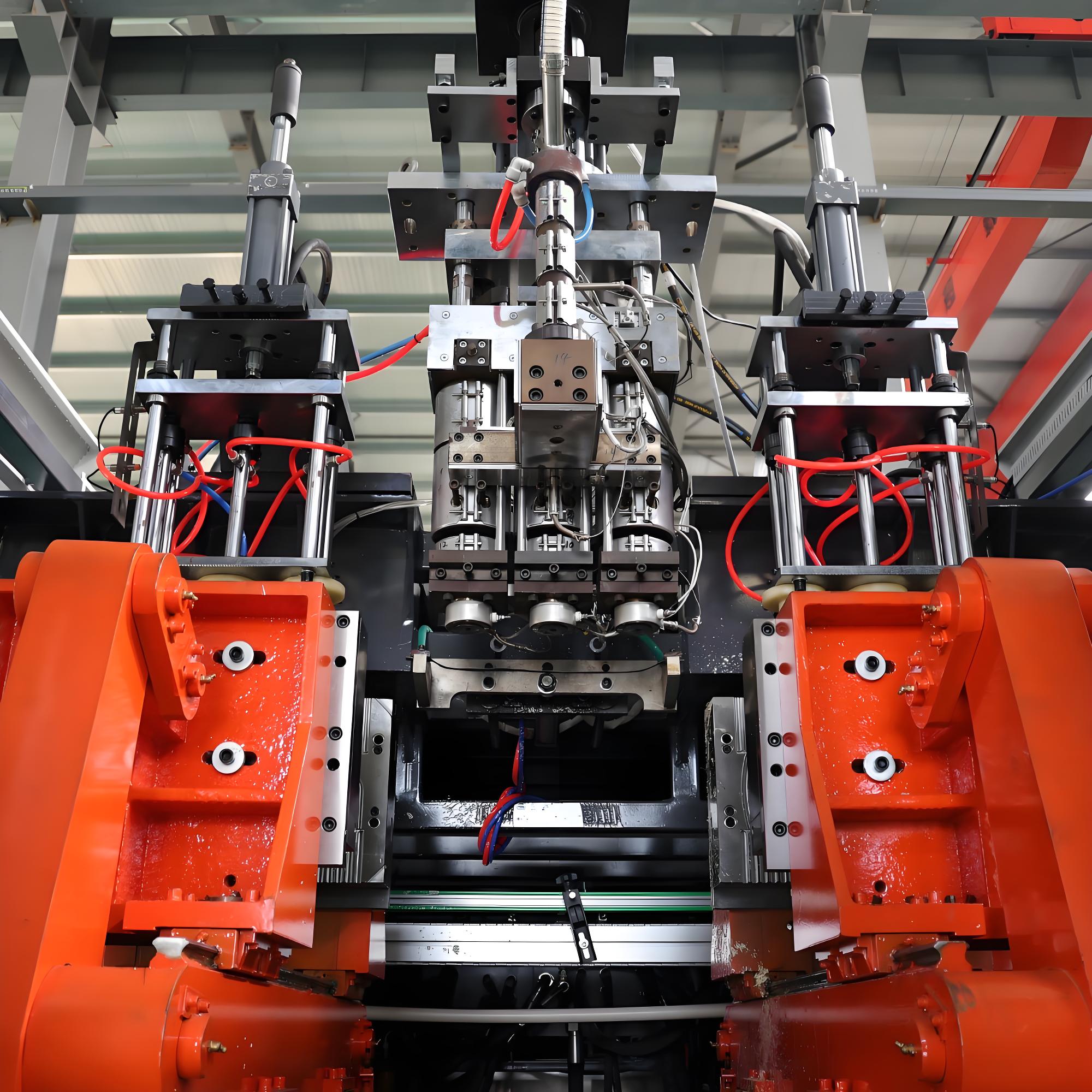
Extrusion blow molding builds a hollow part in four movements: extrude a parison, capture it in a closing mold, blow it against the cavity wall with compressed air, and eject the cooled part. For a 3-liter bottle the parison is a hollow tube of molten polymer whose wall thickness profile decides the final bottle wall. The extruder plasticizes the resin, the die head forms the parison, and the clamp unit closes the two mold halves around it.
The die head geometry deserves attention because it sets parison uniformity. A typical EBM die head uses a spider or a breaker-plate-free center-fed design where the melt flows around a mandrel and rejoins, then exits through a gap set by the programmer. Any imbalance in that flow shows up as a thickness seam in the parison, which becomes a weak line in the bottle. Apollo die heads are built to keep the flow symmetric so the parison wall is even around its circumference before the programmer adds the deliberate zone variation.
Blow pressure and timing are tuned to the resin and wall. A thick 3-liter HDPE parison needs enough air pressure to push the melt to the far corners of the cavity, especially the base, but too much pressure marks the surface or stretches the wall thin at stress points. The blow pin often uses a spike of higher pressure followed by a holding pressure, and the timing is linked to the parison temperature so the bottle sets before the air drops. This pressure sequence is stored in the machine recipe alongside the parison program.
Cooling is the silent partner of cycle time. The mold steel pulls heat from the parison through its cooling channels, and the rate of heat removal decides when the bottle is rigid enough to eject. A 3-liter bottle has a lot of mass, so the base and neck, the two thickest zones, set the minimum cooling time. Apollo sizes the channel layout and recommends a chiller temperature so the cycle is as short as the wall allows without risking a soft, deformed ejection.
The extruder is the heart of the system. A single-screw extruder with a properly sized barrel and screw builds melt at a steady temperature and pressure. For HDPE sauce bottles the melt temperature typically sits between 200 and 230 degrees Celsius, with the exact setpoint tuned to the resin’s melt flow rate. The die head uses a concentric mandrel and bushing to shape the parison into a uniform tube, and a programmed accumulator or continuous extrusion method delivers the right volume for a 3-liter part.
Blowing expands the parison against the mold cavity. The blow pin injects low-pressure plant air, usually around 6 to 10 bar, which pushes the soft parison to conform to the cavity. Cooling channels in the mold solidify the part, and the cycle ends when the bottle is rigid enough to eject. For a 3-liter HDPE bottle the dry cycle typically ranges from 8 to 16 seconds depending on wall thickness, cooling efficiency, and machine clamp speed.
The clamp unit holds the mold closed against the internal blow pressure. Because a 3-liter part has a large projected area, the clamp must deliver enough force to prevent flash at the parting line. Apollo machines use a toggle or hydraulic clamp sized for the container, and the ABLB series covers the 200-milliliter to 20-liter band that includes the 3-liter sauce bottle.
Parison Programming and Wall Thickness Control
A parison programmer is the single most important feature for controlling material cost on a 3-liter bottle. The programmer varies the die gap during extrusion so the parison is thick where the bottle needs strength, such as the base and handle, and thin in low-stress zones such as the upper shoulder. Without programming, the parison is a constant wall, and the bottle ends up over-weight to survive the weak spots.
Modern EBM controllers divide the parison into 20 to 100 points and let the operator assign a thickness to each. A typical 3-liter sauce bottle profile puts extra material at the base corner for drop resistance and at the neck for thread strength, while trimming the belly wall to the minimum that survives stacking load. The result is a bottle that meets performance at the lowest gram weight, which directly lowers resin cost per unit.
Wall thickness also affects cooling time. A thinner, well-distributed parison cools faster, so a good program shortens the cycle as well as the weight. The trade-off is process window: thinner sections demand more stable melt temperature and cleaner regrind. Apollo machines pair the parison programmer with closed-loop temperature control on the barrel and die head to keep that window wide and repeatable.
Operators should validate the program on the actual mold before locking it in. A weigh-and-section check on the first bottles confirms the distribution matches the target. The table below shows a representative target profile for a 3-liter HDPE sauce bottle optimized for stacking and drop performance.
| Parison Zone | Target Wall (mm) | Purpose | Risk if Wrong |
|---|---|---|---|
| Neck and thread | 2.2 to 2.6 | Thread strength, cap seal | Leak or cross-thread |
| Upper shoulder | 1.4 to 1.8 | Light weight, fast cool | Soft shoulder dent |
| Belly | 1.0 to 1.3 | Minimal resin use | Paneling under vacuum |
| Lower shoulder | 1.6 to 2.0 | Stack load transfer | Crush when stacked |
| Base corner | 2.4 to 3.0 | Drop impact resistance | Split on fall |
Custom Mold Design for Stackable Bottles
The mold turns the parison into a stackable bottle. For a 3-liter sauce container the mold must define four functional features at once: a stable base that interlocks with the bottle above, a strong neck that holds the cap and pour insert, a flat label panel for printing, and a handle or grip if the product calls for one. Custom tooling lets the brand owner set each feature to the product and filling line.
Stackability comes from matching geometry at the base and shoulder. A common approach is a recessed base that accepts the shoulder of the next bottle, plus a slight taper so columns self-center. The mold cavity must hold the base diameter and shoulder angle to tight tolerances, usually within 0.3 millimeter, so a full pallet does not wobble. Cooling lines in the base and neck regions need balanced flow so those thick sections freeze without sink marks.
Mold material choice affects life and finish. Aluminum molds are lighter and cool faster, which suits shorter runs and rapid prototyping. Steel molds, often hardened and chrome-plated, deliver longer life for high-volume sauce production where a single cavity may make millions of bottles. Apollo supplies both and helps the customer pick based on expected annual volume.
Venting is another mold detail that decides surface quality. Trapped air during blow leaves dull or burned marks, so the cavity needs fine vents at the extremities. A well-vented custom mold gives a glossy, uniform finish that prints and labels cleanly. The table below lists the main mold decisions for a 3-liter sauce bottle program.
| Mold Element | Recommended Choice | Reason |
|---|---|---|
| Cavity material | Hardened steel, chrome plated | Long life at high volume |
| Base design | Recessed, interlocking | Stable stacking column |
| Neck finish | 38mm or 45mm with tamper band | Fits standard capping |
| Label panel | Flat, 120mm wide | Wrap label or print |
| Cooling | Balanced base and neck lines | No sink, faster cycle |
| Venting | Fine perimeter vents | Clean surface finish |
Material Selection for Kitchen Sauce Packaging
Sauce and edible-oil bottles face three material demands at once: chemical resistance to oils, acids, and salts; sufficient stiffness to stack; and food-contact compliance. HDPE meets all three at the lowest cost, which is why it leads the 3-liter sauce segment. Its density near 0.95 grams per cubic centimeter, good stress-crack resistance, and easy processability make it the default resin for EBM.
Stress-crack resistance is the property that keeps a sauce bottle intact on the shelf. Many sauces contain oils, salt, and surfactants that can attack a polymer over months, causing fine cracks that leak. HDPE resists environmental stress cracking far better than rigid clear plastics, which is a major reason it dominates the category. When a brand wants a clear bottle, PETG trades some of that resistance for appearance and must be validated against the specific formula.
Color and additive packages are part of material selection, not an afterthought. A white or custom-tinted masterbatch gives the opaque look and blocks light that would degrade some oils. A UV stabilizer protects bottles stored in sunlight at a market stall. An anti-slip or anti-block agent tunes the surface so stacked bottles do not fuse. These are added at the feeder as masterbatch, so the EBM line must meter them accurately alongside the base resin.
Moisture control matters for the resins that absorb it. PP and PETG pick up water that turns to steam in the melt and creates bubbles or a rough surface, so a dehumidifying dryer is required before those resins enter the hopper. HDPE is less sensitive but still benefits from dry, clean feed. The dryer capacity must match the extruder throughput so the line never waits on material, which is a common hidden bottleneck on a continuous EBM cell.
Polypropylene is the choice when the product is hot-filled or needs higher temperature resistance. PP tolerates filling temperatures above 90 degrees Celsius that would distort HDPE, and it gives a crisper, more rigid bottle. The cost is a narrower process window and slower cooling, so the cycle runs longer unless the mold cooling is strong. For a 3-liter sauce bottle filled warm, PP is often worth the trade.
Recycled content is rising in food packaging. Many converters blend a controlled percentage of food-grade HDPE regrind into the virgin stream to cut cost and meet sustainability goals. EBM is forgiving of regrind because the melt is filtered and re-formed, but the blend ratio must be controlled to protect impact strength and odor. Apollo machines handle virgin-plus-regrind feeds when the material is prepared and dried correctly.
Additives shape the final bottle. A white pigment masterbatch gives the opaque look buyers expect for light-sensitive sauces. A UV stabilizer protects户外 storage. Slip and anti-block agents tune the surface for labeling. The table below compares the common resins for a 3-liter sauce bottle so the converter can match material to product.
| Resin | Density (g/cm3) | Max Fill Temp | Cost Level | Best Use |
|---|---|---|---|---|
| HDPE | 0.94 to 0.96 | 60 to 70 C | Low | Cold and ambient sauce |
| PP | 0.90 to 0.91 | 90 to 100 C | Medium | Hot-filled sauce, oil |
| HDPE + regrind | 0.94 to 0.96 | 60 to 70 C | Low | Cost-cutting runs |
| PETG | 1.27 | 70 C | High | Clear display bottle |
Apollo ABLB Series Machine for 3L Production
Apollo is a Wanplas factory focused on extrusion blow molding and builds ten series with over eighty models. For the 3-liter sauce bottle the ABLB series is the natural fit because it covers plastic containers from 200 milliliters to 20 liters with standard EBM technology. The ABLB line includes eight machine types, and a double-station configuration lets two molds run in parallel to lift output.
The ABLB series uses a single-screw extruder sized to the parison volume of a 3-liter part, a programmable parison controller, and a hydraulic or toggle clamp matched to the cavity. Apollo engineers set the screw and die head for HDPE or PP according to the customer’s resin, and the control system stores recipes so a changeover between sauce SKUs is a few parameter taps rather than a reconfiguration.
Apollo’s own factory in Zhangjiagang near Shanghai has produced automatic EBM machines for over 20 years, with 4,000-plus sets running in over 90 countries. That installed base means spare parts, tooling know-how, and process recipes are well proven for food container production. The ABLB machine for a 3-liter bottle typically runs one or two cavities depending on the target cycle and output.
Below is a representative specification set for an ABLB-class machine configured for 3-liter HDPE sauce bottles. Exact values are confirmed against the customer’s mold and resin during the quotation and test phase.
| Specification | ABLB 3L Typical Value | Note |
|---|---|---|
| Container range | 200 mL to 20 L | Covers 3 L bottle |
| Clamping force | 40 to 60 kN | Holds 3 L cavity |
| Screw diameter | 60 to 80 mm | Matched to output |
| L/D ratio | 22 to 25 | Good plasticizing |
| Number of stations | Single or double | Double lifts output |
| Die head | Continuous or accumulator | Per parison volume |
| Installed power | 22 to 37 kW | Depends on screw |
| Output (1 cavity) | 180 to 280 bph | HDPE, 3 L |
For converters wanting lower energy use and a cleaner plant, Apollo’s Fully Electric series covers the same 200-milliliter to 20-liter band with no hydraulic system. The fully electric machine drives extrusion, clamp, and blow with servo motors, cutting energy and eliminating hydraulic oil. For a 3-liter sauce bottle where the plant targets a low-carbon footprint, the electric series is a strong alternative to the ABLB hydraulic line.
Machine Specification Comparison and Selection
Choosing between the ABLB and Fully Electric series comes down to energy budget, noise rules, and floor-space cooling. Both form the same 3-liter bottle; the difference is the drive system. The ABLB hydraulic line costs less up front and is robust in high-heat plants, while the electric line saves energy and needs no oil management. The table contrasts the two for a 3-liter sauce program.
| Factor | ABLB Hydraulic | Fully Electric |
|---|---|---|
| Drive system | Hydraulic clamp and extruder | Servo, no hydraulics |
| Energy use | Medium | Low |
| Oil management | Required | None |
| Noise | Medium | Low |
| Upfront cost | Lower | Higher |
| Best for | General sauce plants | Green, quiet plants |
Within the ABLB line the choice is station count and screw size. A single-station single-cavity layout is simpler and cheaper, suited to 180 to 280 bottles per hour. A double-station layout nearly doubles output on the same footprint by molding two parisons per cycle. The selection should follow the required daily volume after accounting for plant efficiency, which is covered in the output planning section.
Mold cavity count is the other lever. A 3-liter bottle is large, so most lines run one cavity per station to keep the parison manageable and cooling even. Two cavities per station are possible with a wider die head and stronger clamp, but the cycle stretches. Apollo’s application team models this trade with the customer before the mold is cut.
Production Line Layout and Output Planning
A 3-liter EBM cell is more than the blow molder. The line includes resin feeding and drying, the machine with mold, in-mold cooling, bottle deflashing, leak testing, and packing. Each step sets the real output, so planning must start from the bottleneck, which is usually the blow cycle or the cooling capacity of the mold.
Deflashing is the step that surprises new buyers. A 3-liter bottle leaves the mold with a tail at the parison pinch and a neck flange that must be trimmed. Manual deflash is slow and inconsistent; an integrated rotary or inline deflasher trims the bottle in the machine cycle and drops clean parts on the conveyor. For a stackable sauce bottle the trimmed base must be flat, or the column wobbles, so the deflash quality directly affects the stacking claim.
Leak testing protects the brand. A pressure-decay or vacuum test on every bottle, or on a statistical sample at high speed, catches a pinhole at the seam or a bad neck seal before the bottle reaches the filler. For a sauce that stains and spoils, one leak in a packed case is a recall risk, so inline testing pays for itself. Apollo layouts place the tester right after deflash so a reject is pulled before packing labor is spent.
Packaging ties the cell to the business. Sauce bottles may ship bulk in gaylords for a filler, or pre-packed in printed cases for retail. The outfeed conveyor and case packer must match the molder rate, and the packed case weight for a 3-liter product is high, so the packing height and handling should suit the workers. Wanplas, as the parent brand, can specify the full cell including packing as one coordinated package so the buyer avoids gaps between vendors.
To size the machine, take the daily bottle target, divide by effective operating hours, and add a loss factor for changeover and maintenance. A plant targeting 5,000 bottles per day over two shifts of 16 hours at 85 percent efficiency needs a rate near 370 bottles per hour, which points to a double-station ABLB layout or two single-station machines. The table below maps common daily targets to a recommended Apollo configuration.
| Daily Target | Needed Rate (bph) | Recommended Apollo Setup |
|---|---|---|
| 2,000 bottles | 150 | ABLB single station, 1 cavity |
| 5,000 bottles | 370 | ABLB double station, 1 cavity |
| 8,000 bottles | 590 | Two ABLB single stations |
| 12,000 bottles | 880 | Two ABLB double stations |
Floor space matters for a 3-liter line because the bottles are bulky. Plan for resin silo or gaylord feed at the infeed, the machine in the center, and a packing table or conveyor at the outfeed. Deflash and leak test stations sit between the machine and packing. Apollo’s engineers review the customer’s plant drawing and propose a layout that keeps the operator path short and the material flow straight.
Auxiliary equipment rounds out the cell. A dehumidifying dryer protects PP and PETG from moisture defects. A granulator recovers the flash and neck scrap into regrind for controlled reuse. A chiller stabilizes the mold cooling water so cycle times stay consistent through a summer day. Wanplas, as the parent brand, supplies matched auxiliary equipment across its factory network, so an Apollo sauce line can be specified as one coherent package.
Quality Control and Food Contact Compliance
Food sauce bottles must meet food-contact rules in every market they enter. In the United States that means compliance with FDA resin and additive rules; in the EU it means EU 10/2011 and related regulations; in China it means GB 4806 standards. The resin supplier provides the declaration, and the converter must keep the material pure by controlling regrind and line hygiene.
In-process checks keep the bottle within spec. Wall thickness is measured on a cross-section at startup and then sampled per shift. Top-load strength is tested by stacking a column and applying weight to confirm the base and shoulder hold. Leak testing by pressure decay catches pinholes at the seam or neck. A consistent parison program makes these checks stable rather than a daily fight.
Cleanliness protects taste and safety. The EBM machine and deflash area should be separated from dust and oil, and the resin path should be closed from dryer to hopper. Apollo machines are built for food container duty and the company’s quality standard promises refund plus 10 percent compensation if quality fails to meet the agreed specification, which gives the converter a contractual backstop.
Odor and taste transfer are the quiet risks in sauce bottles. They come from residue in regrind, contaminated resin, or an overheated barrel that degrades the polymer. Closed-loop barrel temperature control and a clean regrind stream prevent both. The converter should qualify each resin lot and keep a retention sample of finished bottles for traceability.
Service, Support, and Factory Verification
Buying an EBM line is a long relationship, not a one-time purchase. Apollo, as a Wanplas factory, backs its machines with a concrete service package. Every machine is inspected at the factory before shipment, and engineers travel for on-site installation and commissioning so the first production run hits target. Apollo also tracks usage status and makes irregular customer visits to catch issues early.
The Wanplas group shares a spare-parts promise of USD 500 free parts every year, plus free replacement of damaged parts within warranty. Apollo adds a transport guarantee, a production-capacity guarantee, and the quality-standard guarantee. These promises turn a capital purchase into a supported production asset rather than a risk the buyer carries alone.
Training is part of the handover. Apollo trains the customer’s operators on parison programming, mold change, and daily maintenance so the plant runs independently after commissioning. Remote support lets Apollo engineers read PLC data and guide fixes without a flight, which shortens downtime when a setting drifts.
Wanplas and its factories keep an open-factory policy. Buyers are welcome to visit the Zhangjiagang plant, watch a machine run, and verify the build quality before committing. A factory audit also lets the buyer confirm the 8,000-square-meter facility, the 100-set annual production capacity, and the 20-plus years of EBM experience that sit behind every Apollo machine.
Frequently Asked Questions
What resin is best for a 3L sauce bottle?
HDPE is the default for cold and ambient sauces because it is low cost, chemical resistant, and easy to blow. Choose PP when the product is hot-filled above 90 degrees Celsius.
How many bottles per hour can one ABLB make?
A single-cavity ABLB running a 3-liter HDPE bottle typically yields 180 to 280 bottles per hour. A double-station layout nearly doubles that on the same footprint.
Why is parison programming important?
The programmer varies wall thickness by zone so the bottle is strong at the base and neck yet thin at the belly. This cuts resin weight and cooling time without losing performance.
Can I use recycled HDPE in the bottle?
Yes, within a controlled blend ratio and only with food-grade regrind. Keep the ratio managed to protect impact strength and avoid odor transfer into the sauce.
Is the fully electric series worth the extra cost?
For plants with a low-carbon or low-noise target, the fully electric series saves energy and removes hydraulic oil. It costs more up front but lowers operating cost over the machine life.
How do I confirm stackability before buying?
Apollo builds the custom mold to your base and shoulder geometry, then runs sample bottles on the actual machine so you can stack and drop-test them before full production.
What warranties come with an Apollo machine?
Apollo provides factory inspection, on-site installation, USD 500 free parts per year under the Wanplas policy, warranty replacement, and a quality refund plus 10 percent compensation guarantee.
Conclusion
A stackable 3-liter kitchen sauce bottle is a sweet spot for extrusion blow molding: large enough to need a robust parison and mold, small enough to run fast and cheap. Success comes from three coordinated choices: the right resin for the fill condition, a custom mold that locks the stack geometry, and an EBM machine tuned with a parison program that minimizes weight. Apollo, a Wanplas factory with over 20 years in EBM and 4,000-plus machines in 90-plus countries, delivers the ABLB series and Fully Electric series to cover this need, backed by factory inspection, on-site commissioning, and the Wanplas parts and quality promises. If you are planning a 3-liter sauce bottle program, send your target volume, resin, and stack geometry to Apollo for a tailored machine and mold configuration, and schedule a factory visit to verify the build and run a sample on the line.