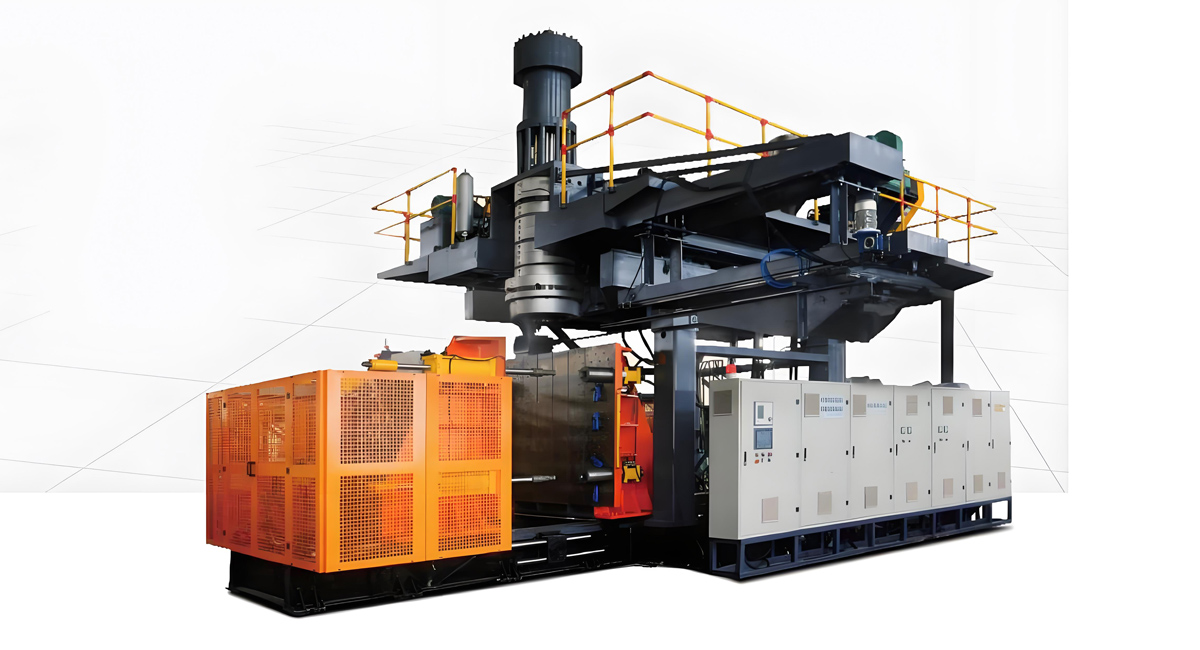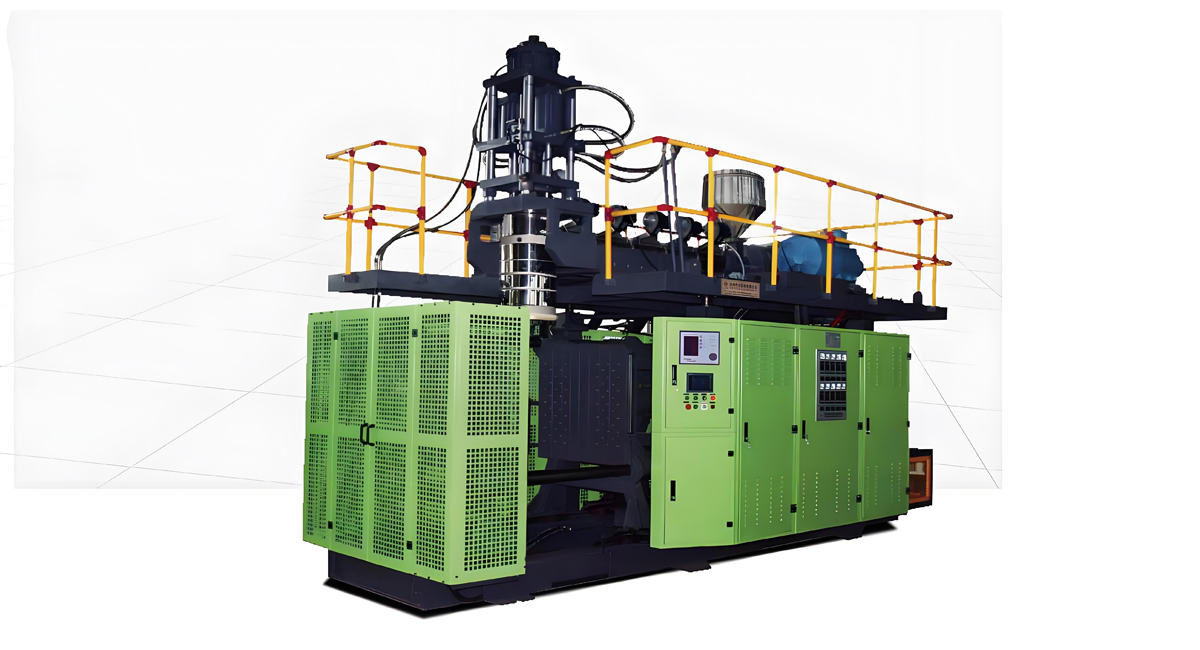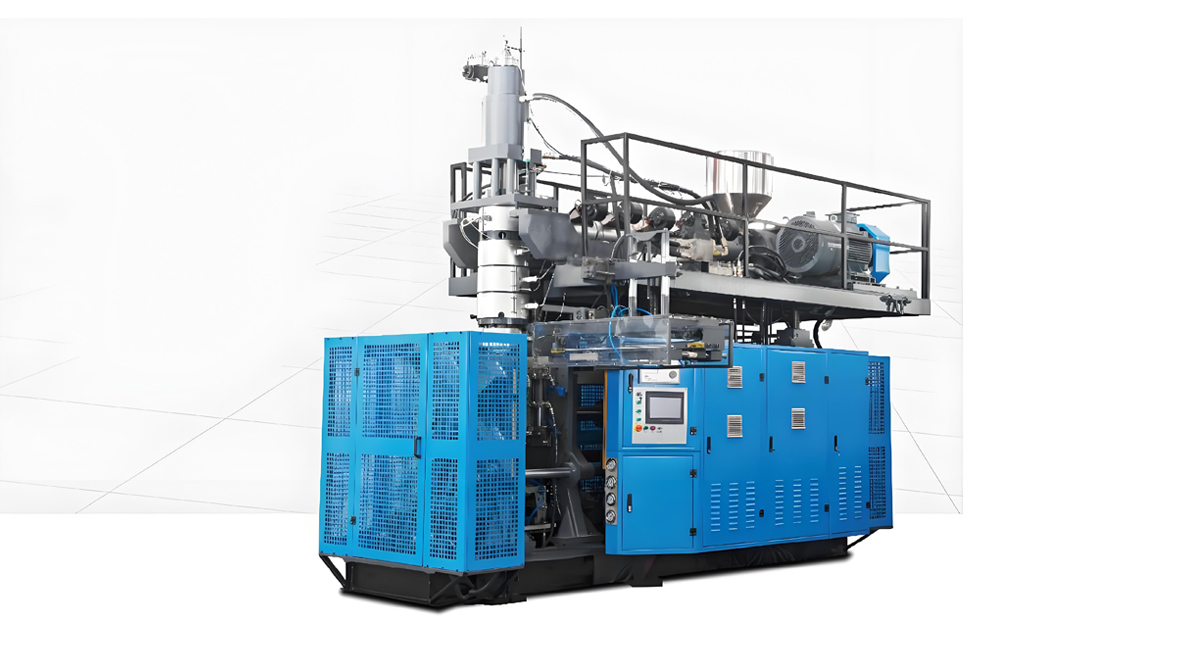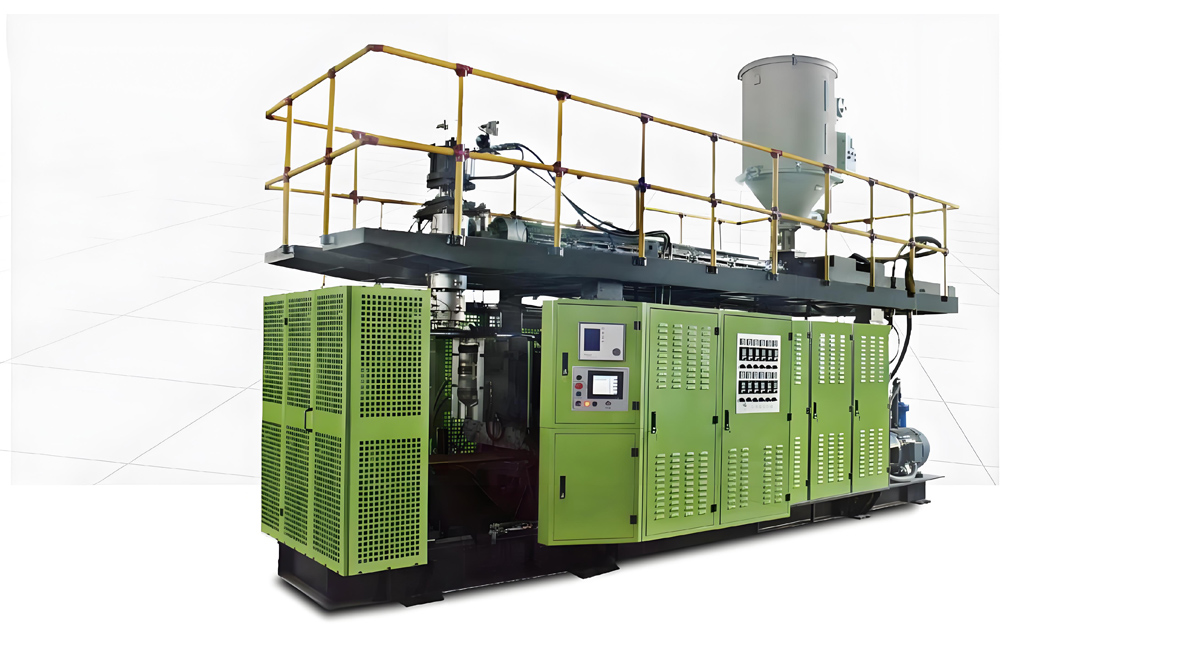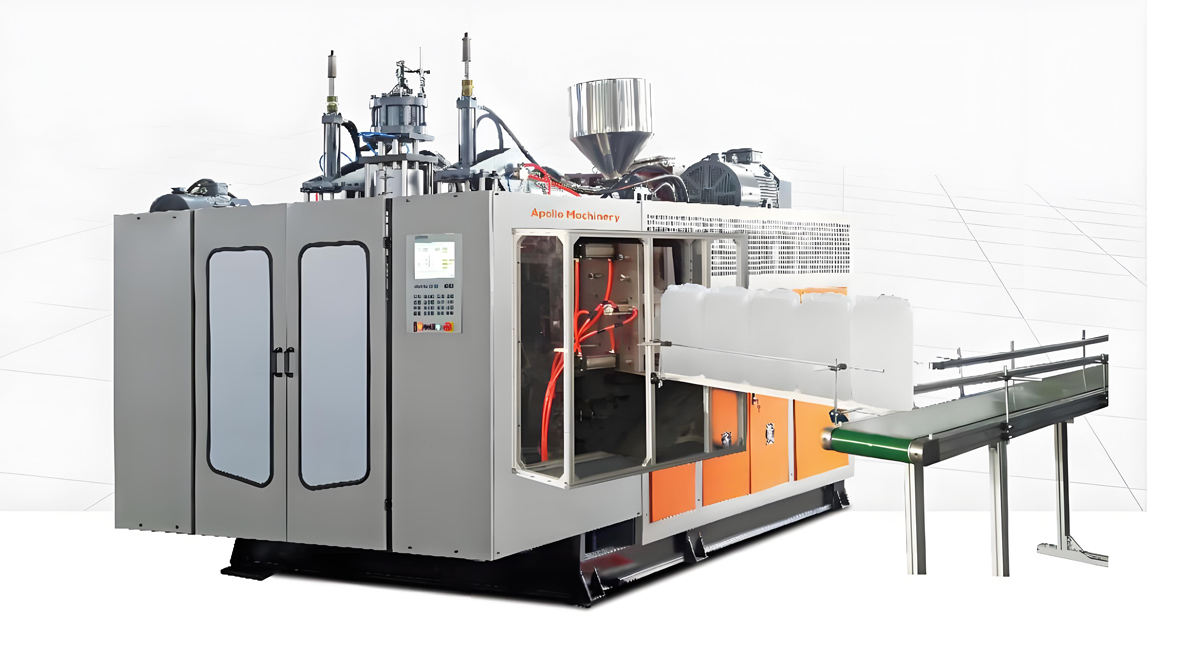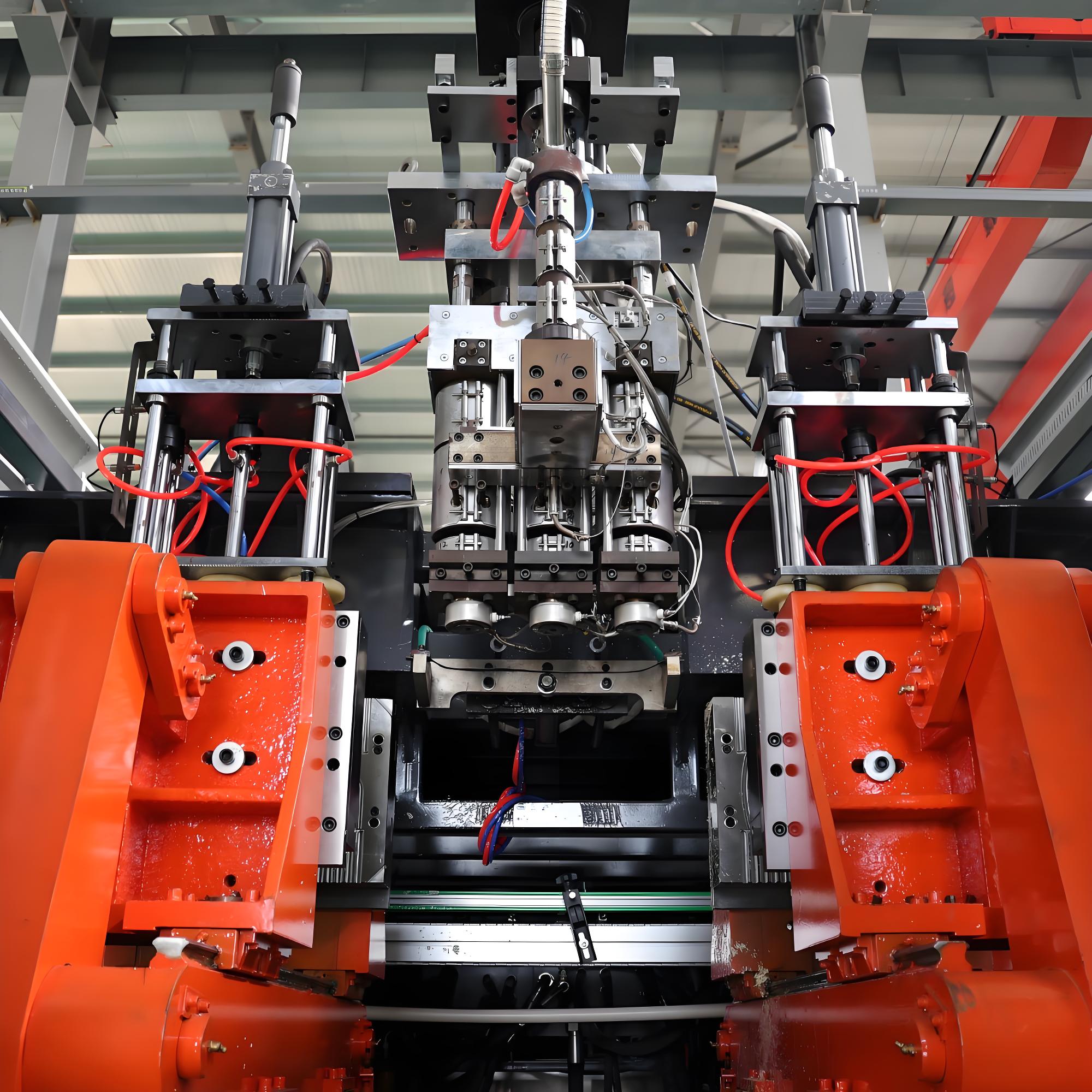
Apollo, a Wanplas factory, is a professional manufacturer of automatic extrusion blow molding (EBM) machines built for hollow plastic products such as drums, jerrycans, tanks, cosmetic bottles, and pharmaceutical containers. With more than 20 years of manufacturing history, an 8,000 square meter facility in Zhangjiagang near Shanghai, and over 4,000 machines in operation across 90-plus countries, Apollo has become a recognized name in continuous extrusion blow molding production lines for both commodity and technical packaging. This profile explains the company’s strengths, complete machine portfolio, representative specifications for the ABLB 55, ABLB 75, and ABLB 90 models, the materials each line can process, the industries it serves, how to select the right model, and the service framework that comes with the Wanplas group backing.
Understanding a blow molding equipment supplier is about more than a single machine specification. Buyers need confidence in engineering depth, component quality, repeatability of wall thickness, energy consumption, spare-part availability, and the supplier’s ability to support commissioning in a distant market. Apollo answers these concerns through vertical integration of machining, in-house mold and parison programmer development, standardized quality verification, and a shared Wanplas service policy that includes USD 500 free spare parts every year. The following sections give a transparent view of what the company delivers and how its machines translate into stable production for container makers around the world.
Whether the target is a 200 ml cosmetic bottle, a 20 L chemical jerrycan, a 200 L industrial drum, or a large 1000 L intermediate bulk container, the right extrusion blow molding platform depends on clamping force, extruder plasticizing capacity, parison control, and downstream automation. Apollo organizes its offering into clearly bounded model families so that a purchaser can match machine size to container volume and output without over-buying capacity. The rest of this article details each family with concrete parameters and selection logic.
Company Overview: Apollo as a Wanplas Factory
Apollo operates as a specialized factory within the Wanplas group, the main brand that aggregates multiple Chinese plastic machinery factories under one quality and service umbrella. Within this structure Apollo focuses exclusively on extrusion blow molding technology, while sister capabilities across the group cover compounding extrusion, PET blow molding, injection blow molding, recycling systems, pipe and profile extrusion, and film or sheet extrusion. For the buyer this means a single accountable brand for blow molding equipment plus access to the broader Wanplas engineering and service network when a project spans several process steps.
The company is based in Zhangjiagang, a manufacturing cluster near Shanghai that concentrates plastic machinery supply chains, skilled labor, and component vendors. The location shortens lead times for machined parts and simplifies logistics for export shipment. The production site covers roughly 8,000 square meters and supports an annual production capacity of about 100 blow molding machine sets. More than 4,000 Apollo machines are running in over 90 countries, a footprint that spans Asia, the Middle East, Africa, Europe, and the Americas. That installed base gives the engineering team a broad field database for optimizing screw geometry, cooling, and parison control across climates and resin grades.
Apollo’s development path reflects the broader Chinese plastic machinery trend from basic hydraulic machines toward servo-driven, energy-efficient, and electronically controlled lines. The company’s slogan, “Extrusion Blow Molding Machine Top Manufacturer In China,” signals its positioning, but the practical differentiator is the combination of in-house CNC machining, configurable parison programmers, and a standardized pre-shipment verification routine. These elements reduce the risk that a machine arrives unable to hold tolerance on wall thickness or cycle time in the customer’s plant.
The Wanplas group relationship also brings governance benefits. Shared brand promises cover free spare parts, transport guarantees, production capacity guarantees, and quality standards with a refund plus compensation clause if quality requirements are not met. For an overseas buyer who cannot easily visit the factory every month, this structure provides a layer of accountability that a small standalone workshop may struggle to match. Apollo therefore sells not only a machine but a managed supply relationship.
From an organizational standpoint, Apollo maintains engineering, manufacturing, assembly, electrical integration, and after-sales departments under one roof. This internal continuity shortens the loop between a customer’s container specification and the machine configuration that delivers it. When a buyer requests a non-standard mold, voltage, or parison profile, the change is engineered, machined, and tested within the same facility rather than outsourced piecemeal. That control over the full build chain is central to the company’s strength claim.
Apollo’s core strength is vertical control: CNC-machined components, in-house parison programming, and standardized pre-shipment testing delivered under the Wanplas group service framework.
Complete Product Lines and Machine Series
Apollo organizes its blow molding portfolio into several clearly defined families so that container makers can match machine size to product volume and performance needs. The main families are the ABLB standard extrusion blow molding series, the ABLD heavy-duty series for very large containers, a fully electric series for environmentally sensitive and cleaner production, the AML multi-layer blow molding line for barrier and fuel-tank applications, and IBM injection blow molding machines for precision small bottles. Together these lines cover a container range from a few milliliters up to 1000 L, addressing most hollow plastic packaging demands.
The ABLB series is the workhorse family for containers from 200 ml to 20 L. It includes multiple machine sizes such as the ABLB 55, ABLB 75, and ABLB 90, each named after its screw diameter and tuned for a specific container volume band. These machines use continuous extrusion with a moving mold shuttle or rotary station, a programmable parison controller for wall-thickness profiling, and a hydraulic or servo clamping system sized to the container. They are the most common choice for dairy bottles, household chemical jerrycans, lubricant bottles, and similar volume products.
The ABLD series extends the concept to large containers from 20 L to 1500 L, including industrial drums, fluid tanks, and intermediate bulk containers. These machines use accumulator heads or large extruders to deliver the high melt volume needed for big parts, with reinforced clamping and platen structures. For manufacturers of chemical storage tanks or agricultural containers, the ABLD line provides the structural rigidity and output required at scale.
The fully electric series replaces the hydraulic power unit with servo-electric drives for clamping, parison transfer, and blow functions. The benefit is a cleaner shop floor with no hydraulic oil, lower energy consumption, reduced noise, and tighter repeatability. It suits factories with strict environmental or cleanroom-adjacent requirements and customers who want to minimize the total cost of ownership over the machine’s life.
The AML multi-layer blow molding line adds co-extrusion capability so that multiple resin layers can be combined in a single parison. This is essential for fuel tanks that need a barrier layer to reduce hydrocarbon permeation, for containers that need a recycled-content core with a virgin skin, and for products requiring enhanced chemical resistance. Multi-layer tooling is more complex, but it unlocks applications that a single-layer machine cannot serve.
The IBM injection blow molding machines serve precision small containers from 5 ml to 1 L, commonly used in pharmaceutical, oral-care, and cosmetic production where neck finish accuracy, tamper-evidence, and consistency matter more than maximum volume. By injecting a preform and then blowing it, IBM delivers tight dimensional control and eliminates the flash and trimming typical of extrusion blow molding for small parts.
Machine Family Overview
| Machine Family | Container Range | Process Type | Typical Application |
|---|---|---|---|
| ABLB series | 200 ml to 20 L | Continuous EBM | Bottles, jerrycans, dairy and cleaning containers |
| ABLD series | 20 L to 1500 L | Accumulator EBM | Drums, tanks, IBC components |
| Fully electric series | 200 ml to 20 L | Electric EBM | Clean-production bottles |
| AML multi-layer | Up to large parts | Co-extrusion EBM | Fuel tanks, barrier containers |
| IBM series | 5 ml to 1 L | Injection blow | Pharma, cosmetic, oral-care bottles |
The container coverage of 200 ml to 1000 L means a single supplier relationship can serve most hollow packaging programs, from a pilot line for a new cosmetic serum to a high-volume plant for industrial drums. In practice, most customers standardize on one or two ABLB sizes for their core volume and add an ABLD or AML line when they enter large-container or barrier markets.
ABLB 55 Extrusion Blow Molding Machine Specifications
The ABLB 55 is the entry and mid-size workhorse of the Apollo ABLB family, aimed at containers from 200 ml to 3 L with single or multiple cavities depending on the bottle geometry. The model number reflects a 55 mm screw diameter, which sets the plasticizing rate and therefore the maximum container volume and output. For a blow molding machine, the screw and barrel assembly is the heart of the system: it must plasticize the resin uniformly, build stable melt pressure, and deliver a consistent parison so that wall thickness stays within tolerance part after part.
In the ABLB 55, the screw runs an L/D ratio around 24:1, a balanced geometry that gives enough shear and residence time for homogeneous melting of HDPE, PP, and similar polyolefins without excessive heat history. The barrel is heated in multiple independently controlled zones so the temperature profile can be tuned per material. A programmable parison controller adjusts die gap during extrusion to thicken or thin the parison at defined heights, which is the primary tool for saving material while keeping strength at the handle, base, and neck.
Clamping is handled by a system sized to about 55 kN, sufficient for small to medium bottles and stable enough to hold the mold during blow and cooling. The maximum extrusion output for HDPE is approximately 60 kg/h, which translates into a practical output that depends on container weight, cavity count, and cooling time. Installed power of about 22 kW keeps the line compatible with standard three-phase supplies found in most manufacturing plants, and the electrical cabinet uses a PLC with HMI for recipe storage and fault diagnosis.
ABLB 55 Representative Specification
| Parameter | ABLB 55 Value | Notes |
|---|---|---|
| Max container volume | 3 L | Single cavity; multi-cavity for smaller bottles |
| Clamping force | 55 kN | Hydraulic or servo option |
| Screw diameter | 55 mm | Model designation |
| L/D ratio | 24:1 | Stable plasticizing for polyolefins |
| Max extrusion output | 60 kg/h (HDPE) | Material dependent |
| Installed power | 22 kW | Three-phase supply |
| Container range | 200 ml to 3 L | Core ABLB 55 band |
The ABLB 55 is typically deployed for dairy bottles, edible-oil bottles, household cleaner bottles, and personal-care containers where annual volume justifies automation but the container stays under a few liters. Because the parison programmer is standard, customers can optimize material distribution and often reduce gram weight after the first trials, which directly improves margin on high-volume runs. The 22 kW installed power also keeps utility cost per thousand bottles competitive against older hydraulic lines.
In selection terms, the ABLB 55 is the default when a customer’s largest container is around 3 L and output requirements are moderate. Once container volume pushes toward 10 L or output demands exceed what a 60 kg/h extruder can sustain, the ABLB 75 becomes the logical step up, as detailed in the next section.
ABLB 75 and ABLB 90 Side-by-Side Comparison
The ABLB 75 and ABLB 90 extend the same continuous extrusion architecture to larger containers and higher output. The ABLB 75 targets the 5 L to 10 L band, common for lubricant jerrycans, water jars, and food containers, while the ABLB 90 covers 10 L to 20 L drums and large industrial bottles. Both share the ABLB control philosophy, parison programmer, and modular mold clamping, so an operator trained on one size can move between them with minimal relearning.
Moving from 55 mm to 75 mm and 90 mm screws increases plasticizing capacity substantially, which is necessary because larger containers require more melt per shot and longer parisons. The clamping force scales up to keep the bigger mold faces sealed during blow, and the installed power rises accordingly. The table below compares the three models so the capacity step between them is clear.
ABLB 75 and ABLB 90 Specification Comparison
| Parameter | ABLB 75 | ABLB 90 |
|---|---|---|
| Max container volume | 10 L | 20 L |
| Clamping force | 90 kN | 120 kN |
| Screw diameter | 75 mm | 90 mm |
| L/D ratio | 24:1 | 24:1 |
| Max extrusion output | 110 kg/h (HDPE) | 160 kg/h (HDPE) |
| Installed power | 38 kW | 55 kW |
| Container range | 5 L to 10 L | 10 L to 20 L |
The comparison shows a clear capacity ladder: ABLB 55 for up to 3 L, ABLB 75 for the 5 L to 10 L middle band, and ABLB 90 for the 10 L to 20 L upper band of the standard series. Output per hour scales with extrusion capacity, but cooling time becomes the limiting factor for thick-walled large containers, so mold cooling design and blow-air pressure matter as much as screw size. Apollo addresses this with optimized cooling channels and adjustable blow timing in the control system.
For a customer deciding between the ABLB 75 and ABLB 90, the decisive factors are the largest container in the product mix and the required hourly count. Choosing the smaller machine for a product that occasionally needs a 20 L drum risks under-capacity, while choosing the larger machine for a pure 5 L program wastes floor space and power. The selection table later in this article converts these trade-offs into a direct model recommendation.
Specify the machine for your largest container and peak output, not your average, so the line never becomes the bottleneck when demand rises.
AML Multi-Layer Blow Molding and IBM Injection Blow Technology
Beyond the standard ABLB line, Apollo offers the AML multi-layer blow molding platform for applications where a single resin layer is insufficient. Co-extrusion blow molding builds the parison from two or more melt streams that fuse at the die, creating a container wall with distinct functional layers. A typical three-layer structure might place a virgin resin skin on both surfaces for appearance and cleanliness, a recycled or cost-optimized core in the middle, and optionally a thin barrier layer for chemical or fuel resistance.
The engineering challenge in multi-layer blow molding is die design and layer uniformity. The AML line uses a co-extrusion head that maintains separate melt channels until the final convergence, with layer thickness controlled by individual extruder output. For fuel tanks, a barrier layer such as a modified polyamide dramatically lowers hydrocarbon permeation compared with a monolayer HDPE tank, helping vehicles meet evaporative emission limits. For industrial containers, a barrier layer can improve resistance to aggressive solvents that would otherwise stress-crack a standard wall.
The IBM injection blow molding machines complement the EBM range for small, high-precision containers. The process has three stations: injection of a preform onto a core rod, transfer to the blow station, and blowing the preform against a chilled mold to form the bottle, followed by ejection. Because there is no flash and no separate trimming, IBM produces clean-neck bottles with excellent dimensional consistency, which is why it dominates pharmaceutical and high-end cosmetic packaging in the 5 ml to 1 L range.
IBM advantages include superior neck finish accuracy for tamper-evident closures, uniform wall thickness, and the ability to mold complex shapes such as asymmetric or oval small bottles without the sag and variability of a free extruded parison. The trade-off is lower output per cavity for very large parts and higher tooling precision requirements, which is why Apollo positions IBM for the small-container precision segment rather than for bulk drums.
From a buyer’s perspective, combining EBM and IBM capability under one Wanplas factory relationship simplifies procurement when a product portfolio spans both large jerrycans and small dropper bottles. The control philosophies differ, but both benefit from the same service framework, spare-part policy, and factory acceptance routine described later in this profile.
EBM Versus IBM at a Glance
| Aspect | Extrusion Blow Molding | Injection Blow Molding |
|---|---|---|
| Typical volume | 200 ml to 1500 L | 5 ml to 1 L |
| Neck finish | Good, trimmed | Excellent, flash-free |
| Flash and scrap | Some,可回收 | Minimal |
| Best use | Drums, jerrycans, large bottles | Pharma, cosmetic, precision |
Processable Materials and Their Engineering Properties
Apollo extrusion blow molding machines process a broad set of thermoplastics, and the correct resin choice determines whether a container meets its performance target. The most common material is high-density polyethylene (HDPE), valued for chemical resistance, impact strength, and easy processing. Low-density and linear-low-density polyethylene add flexibility and toughness for squeezable bottles. Polypropylene (PP) brings higher temperature resistance and a more rigid feel, suitable for hot-fill or dishwasher-exposed containers.
PVC is used for rigid, clear bottles where clarity and cost matter, though it requires careful thermal control to avoid degradation. PETG offers excellent clarity and impact resistance for cosmetic and display packaging without the crystallization issues of PET in blow molding. Polycarbonate (PC) and ABS serve technical and durable containers where impact or heat resistance is critical. Engineering materials such as polyamide (PA) appear in multi-layer fuel tanks for barrier performance, while TPU and EVA support specialty flexible or soft-touch parts.
The table below summarizes typical property ranges for the main blow molding resins. These are representative values that shift with grade and modification; the actual datasheet from the resin supplier should always be confirmed before finalizing a container design and process window.
Material Property Reference
| Material | Density (g/cm3) | Melt Temp (C) | Key Property | Typical EBM Use |
|---|---|---|---|---|
| HDPE | 0.94 to 0.97 | 130 to 180 | Chemical resistance | Drums, jerrycans |
| PP | 0.90 to 0.91 | 200 to 280 | Heat resistance | Food, hot-fill bottles |
| PVC | 1.38 to 1.40 | 160 to 210 | Clarity, rigid | Clear bottles |
| PETG | 1.27 | 220 to 260 | Clarity, impact | Cosmetic bottles |
| PC | 1.20 | 280 to 320 | Impact, heat | Technical containers |
| PA (barrier) | 1.13 to 1.15 | 240 to 290 | Fuel barrier | Multi-layer tanks |
Material selection also drives screw and barrel configuration. Polyolefins like HDPE and PP are forgiving and run on general-purpose screws, while PVC and PETG demand gentler shear and tighter temperature control to avoid thermal degradation. Apollo configures the plasticizing unit and temperature profile to the customer’s primary resin, and for plants running multiple materials the parison programmer and zone setpoints can be saved as recipes for fast changeover.
For food and pharmaceutical contact, the resin must meet the applicable regional standard, and the machine must support clean handling of the melt. Apollo can configure material routing, drying where needed, and contamination control to support these requirements, but final compliance with food-contact regulations should be validated through official testing in the destination market.
Application Industries and End Products
Apollo blow molding machines serve a wide span of industries because hollow plastic containers are ubiquitous in modern packaging and storage. The chemical industry uses HDPE drums and jerrycans for lubricants, detergents, agrochemicals, and solvents, where chemical resistance and stack strength are essential. The food and beverage sector uses bottles and jars for edible oil, dairy, water, sauces, and condiments, often in PP or HDPE with food-contact grades.
The daily chemical and household segment covers shampoos, liquid soaps, cleaners, and disinfectants, where bottle shape and surface finish influence shelf appeal as much as function. Cosmetic producers need clear PETG or PP bottles and jars with precise necks for pumps and droppers, a segment well served by the IBM line. The pharmaceutical industry requires consistent small bottles with reliable closures for syrups, tablets, and oral-care products, where IBM’s flash-free neck is an advantage.
Building and infrastructure applications include water tanks, septic tanks, and conduit or ducting, produced on the larger ABLD line. The automotive sector uses blow molded fuel tanks, reservoirs, and ducts, frequently in multi-layer constructions for barrier performance. Transportation and logistics rely on intermediate bulk containers and fluid reservoirs, while cultural and sports goods use a variety of custom hollow parts.
Industry to End Product Mapping
| Industry | End Product | Material | Apollo Line |
|---|---|---|---|
| Chemical | Drums, jerrycans | HDPE | ABLB, ABLD |
| Food and beverage | Bottles, jars | PP, HDPE, PETG | ABLB, IBM |
| Cosmetic | Cream jars, lotion bottles | PETG, PP | IBM, ABLB |
| Pharmaceutical | Medicine bottles | PP, HDPE | IBM, ABLB |
| Building material | Water tanks, containers | PE | ABLD |
| Automotive | Fuel tanks, ducts | HDPE, PA layer | AML multi-layer |
This mapping shows how a single Apollo product range can supply multiple departments of a diversified packaging manufacturer. A company making both industrial chemicals and consumer cosmetics could run ABLD drums on one floor and IBM cosmetic bottles on another, sharing the same service relationship and spare-part policy. That breadth reduces vendor-management overhead and creates consistency in quality documentation.
Selection Guide: Requirement to Recommended Model
Choosing the correct Apollo model starts from three variables: the largest container volume in the product mix, the resin family, and the required hourly or annual output. Container volume sets the screw size and clamping force, the material sets the plasticizing requirement and cooling strategy, and the output target sets the number of cavities and the need for multi-station or continuous operation. The table below converts common requirements directly into a recommended model.
Requirement to Model Recommendation
| Container Volume | Material | Output Target | Recommended Model |
|---|---|---|---|
| 200 ml to 3 L | HDPE, PP | Moderate | ABLB 55 |
| 5 L to 10 L | HDPE | Medium | ABLB 75 |
| 10 L to 20 L | HDPE, PP | Medium to high | ABLB 90 |
| 20 L to 1500 L | HDPE, PE | Industrial | ABLD series |
| Barrier or fuel tank | HDPE plus PA | Specialized | AML multi-layer |
| 5 ml to 1 L precision | PP, PETG | Pharma, cosmetic | IBM series |
When a product mix spans two bands, it is usually more economical to run two dedicated machines than one oversized line, because dedicated machines optimize cycle time and material for their band. A plant making both 1 L cleaner bottles and 20 L drums would typically install an ABLB 55 or 75 for the small bottles and an ABLB 90 or ABLD for the drums, rather than forcing both through a single compromised machine.
Output targets also influence station count. Continuous extrusion with double or multi-station molds multiplies throughput without increasing screw size, so a customer with very high volume of a single small bottle may choose a multi-station ABLB configuration rather than moving to a larger screw. Apollo’s engineering team analyzes the target gram weight, cycle time, and cavity count to propose the most cost-effective layout, which is part of the pre-sales selection service.
For multi-layer or barrier products, the AML line is selected on layer count and barrier resin rather than volume alone, because die complexity and extruder count dominate the configuration. These are typically project-based quotations rather than catalog selections, and they benefit from a sample or detailed drawing so the layer structure can be engineered correctly.
Manufacturing Capability and Quality Verification
Apollo’s strength rests on in-house machining and a disciplined verification routine. The facility operates CNC machining centers that produce critical components such as platens, clamping structures, and mold bases to tight tolerances, reducing the fit-up problems that arrive when parts are sourced from loosely coordinated vendors. Controlling the machining step internally shortens lead time and keeps dimensional consistency across a production batch of machines.
On-line wall thickness detection is a standard capability for verifying that the parison programmer delivers the intended distribution. By measuring wall thickness on sample containers, the engineering team can confirm material savings and structural margins, then tune the parison profile to eliminate thin spots at stress points such as the handle hinge or base radius. This closes the loop between the programmed profile and the physical part, which is essential for lightweighting without risking failure.
Before shipment, Apollo performs factory acceptance that includes hydrostatic pressure testing of sample containers, drop testing from a defined height, and continuous trial running of the machine with the customer’s mold where available. Hydrostatic testing confirms that a filled container can withstand internal pressure without leakage or deformation, while drop testing validates real-world handling resistance. Continuous running reveals intermittent faults in heating, clamping, or control that a short demonstration might miss.
The company also maintains an open-factory policy, inviting customers to witness assembly, attend the acceptance run, and perform a mold trial on site. For an overseas buyer, a factory visit before payment of the final balance is a practical way to de-risk the purchase and confirm that the machine matches the agreed specification. Apollo’s Wanplas group affiliation reinforces this transparency through shared quality standards and a documented compensation commitment if quality requirements are not met.
Component selection follows a conservative reliability philosophy. Electrics and hydraulics use internationally recognized component brands configured for industrial duty, and the control system supports recipe management, fault logging, and remote monitoring so that field issues can be diagnosed quickly. The combination of CNC machining, detection, and acceptance testing is what lets Apollo claim consistent machine quality rather than merely competitive pricing.
Verification is not a final inspection step but a loop: CNC machining sets the tolerance, on-line detection confirms the wall profile, and hydrostatic and drop tests prove the container performs.
Service, Support, and the Wanplas Group Commitment
Apollo delivers its machines as part of the Wanplas group service framework, which is a key reason international buyers choose the brand. The most visible element is the policy of USD 500 free spare parts every year, which cushions customers against the cost of routine wear items such as seals, heaters, and sensors during the early operating years. Alongside this, the warranty covers replacement of damaged parts within the agreed period, reducing unexpected downtime cost.
Installation and commissioning are handled by Apollo engineers who travel to the customer site, install the line, connect utilities, run the first production, and train the local operators. Training covers machine operation, mold change, parison programmer adjustment, routine maintenance, and basic fault diagnosis, so the customer team can run the line independently after handover. Remote operation and maintenance support lets Apollo engineers review PLC data and guide corrections from the factory, shortening response time when an issue appears.
The group also commits to transport guarantees, production capacity guarantees, and quality standards with a refund plus compensation clause if requirements are not met. These promises are part of the Wanplas brand-level commitment and apply across its specialized factories, giving buyers a consistent accountability model regardless of which product line they purchase. For blow molding specifically, this means the delivered output, container quality, and delivery schedule are backed by a documented standard rather than a verbal assurance.
Apollo further supports customers through irregular follow-up visits and machine inspection at the factory, helping plants plan preventive maintenance before failures occur. Customization services cover mold design, cavity count, voltage configuration, and parison settings so the machine fits the local grid and the exact container specification. Because the Wanplas group spans multiple machinery categories, customers expanding into related processes can extend the same service relationship rather than qualifying a new supplier.
For a buyer comparing options, the differentiator is rarely the headline machine price. It is the total cost of ownership over years of operation: energy per thousand containers, spare-part availability, speed of technical response, and the confidence that the supplier will still exist and support the line in five years. Apollo’s Wanplas-backed service structure addresses exactly these concerns, which is why the company emphasizes support as a core strength rather than an afterthought.
Why Choose Apollo Over Conventional Hydraulic Machines
When evaluating blow molding equipment, many buyers benchmark Apollo against conventional hydraulic machines and entry-level imported units. The comparison should be made on technology and specification, not on brand names. Conventional hydraulic machines remain widespread because of lower initial cost, but they carry higher energy consumption, more noise, hydraulic oil maintenance, and slower, less repeatable motion compared with modern servo or electric-assisted designs.
Apollo’s lines emphasize controllable motion and energy efficiency. Servo-driven clamping and parison transfer reduce idle power draw, lower noise, and improve repeatability of wall thickness and container weight. Over a multi-year production horizon, the energy and scrap savings can offset a meaningful portion of the initial price difference, especially for high-volume runs where small per-bottle savings accumulate quickly.
Repeatability is the quieter advantage. A machine that holds container weight within a tight band wastes less resin and produces fewer out-of-spec parts, which protects both margin and customer relationships. The programmable parison controller, on-line detection, and standardized acceptance testing are the tools Apollo uses to deliver that consistency, and they are the practical reason to choose a structured supplier over a loosely assembled alternative.
Against entry-level imported units, Apollo offers the benefit of direct factory engineering, faster spare-part response within the Wanplas network, and customization without long lead times. The trade-off is that a buyer should still validate local utility compatibility, container samples, and after-sales responsiveness during the selection process. A factory visit and acceptance run, as described earlier, are the most reliable way to confirm the match before commitment.
Ultimately the choice depends on the product program. For drums, jerrycans, tanks, and most industrial and consumer hollow containers, a well-specified Apollo EBM line delivers the volume range, material flexibility, and service backing that a sustainable operation needs. The next section answers common buyer questions and the closing invitation explains how to start a tailored configuration.
Frequently Asked Questions
What types of blow molding machines does Apollo manufacture?
Apollo, a Wanplas factory, specializes in extrusion blow molding (EBM) machines covering the ABLB series for containers from 200 ml to 20 L, the ABLD heavy-duty series for large containers up to 1500 L, a fully electric series for environmentally sensitive production, the AML multi-layer blow molding line for barrier and fuel-tank applications, and IBM injection blow molding machines for precision small bottles in the 5 ml to 1 L range used in pharmaceutical and cosmetic production.
Which materials can be processed on Apollo EBM machines?
Apollo extrusion blow molding machines process a wide range of thermoplastics including PE (HDPE, LDPE, LLDPE), PP, PVC, PA, PC, ABS, PS, EVA, TPU, and PETG. Material selection depends on the end product requirement such as chemical resistance, clarity, temperature resistance, or barrier performance, and the screw and barrel configuration can be optimized for each resin family.
How do I choose the right Apollo model for my container?
Selection is based on container volume, material, and required output. Containers from 200 ml to 3 L typically use the ABLB 55, 5 L to 10 L use the ABLB 75, 10 L to 20 L use the ABLB 90, and large drums or tanks from 20 L to 1500 L use the ABLD series. Multi-layer barrier products use the AML line, while precision pharmaceutical or cosmetic bottles from 5 ml to 1 L use the IBM injection blow series.
What quality verification does Apollo perform before shipment?
Every machine is built with CNC-machined components, equipped with on-line wall thickness detection, and verified through factory acceptance including hydrostatic pressure testing of sample containers, drop testing, and continuous trial running. Apollo also welcomes customers to the open factory for in-person inspection and mold trial before delivery.
What after-sales service does Apollo provide as part of the Wanplas group?
As a Wanplas factory, Apollo provides engineers for on-site installation and commissioning, operator training, remote operation and maintenance support, irregular customer follow-up visits, machine inspection at the factory, and the group-wide policy of USD 500 free spare parts per year plus a warranty replacement commitment and a production capacity guarantee.
Can Apollo customize machines for special voltage or molds?
Yes. Apollo offers machine customization covering mold design, cavity count, parison programmer settings, and voltage configuration to match the destination market. Customization is handled within the Wanplas engineering framework so that the delivered line matches the customer’s container specification and local utility conditions.
Does Apollo supply machines for food and pharmaceutical contact applications?
Apollo machines produce food and pharmaceutical bottles using compliant resins such as PP, HDPE, and PETG. Material and process settings must follow the applicable food-contact standards for the target market, and Apollo can configure clean processing and material handling to support these requirements. Final compliance should be confirmed with official testing for the destination region.
How long has Apollo been manufacturing blow molding machines?
Apollo has more than 20 years of history in automatic extrusion blow molding machine manufacturing. The facility in Zhangjiagang near Shanghai covers about 8,000 square meters, runs an annual production capacity of around 100 sets, and has placed over 4,000 machines into operation across more than 90 countries.
Conclusion
Apollo, a Wanplas factory, combines two decades of extrusion blow molding experience, in-house CNC machining, configurable parison control, and a verified pre-shipment routine to deliver machines that range from 200 ml cosmetic bottles to 1000 L industrial containers. The ABLB 55, ABLB 75, and ABLB 90 provide a clear capacity ladder for standard containers, the ABLD series covers very large drums and tanks, the AML multi-layer line serves barrier and fuel-tank needs, and the IBM series handles precision small bottles for pharmaceutical and cosmetic markets.
The company’s strength is not a single specification but the integration of engineering, manufacturing, and the Wanplas group service commitment, including USD 500 free spare parts every year, on-site installation, training, remote support, and an open-factory policy. For container manufacturers evaluating equipment, Apollo offers a transparent, accountable path from specification to stable production.
If you are planning a new blow molding line or upgrading an existing one, share your container drawings, target volumes, and material plans with the Apollo team. The engineering staff will analyze your requirement, recommend the right model from the ABLB, ABLD, AML, or IBM families, and invite you to the factory for a mold trial and inspection before you commit. Whether your goal is a high-volume jerrycan plant or a precision cosmetic bottle line, Apollo is ready to configure a solution that fits your product and your market.