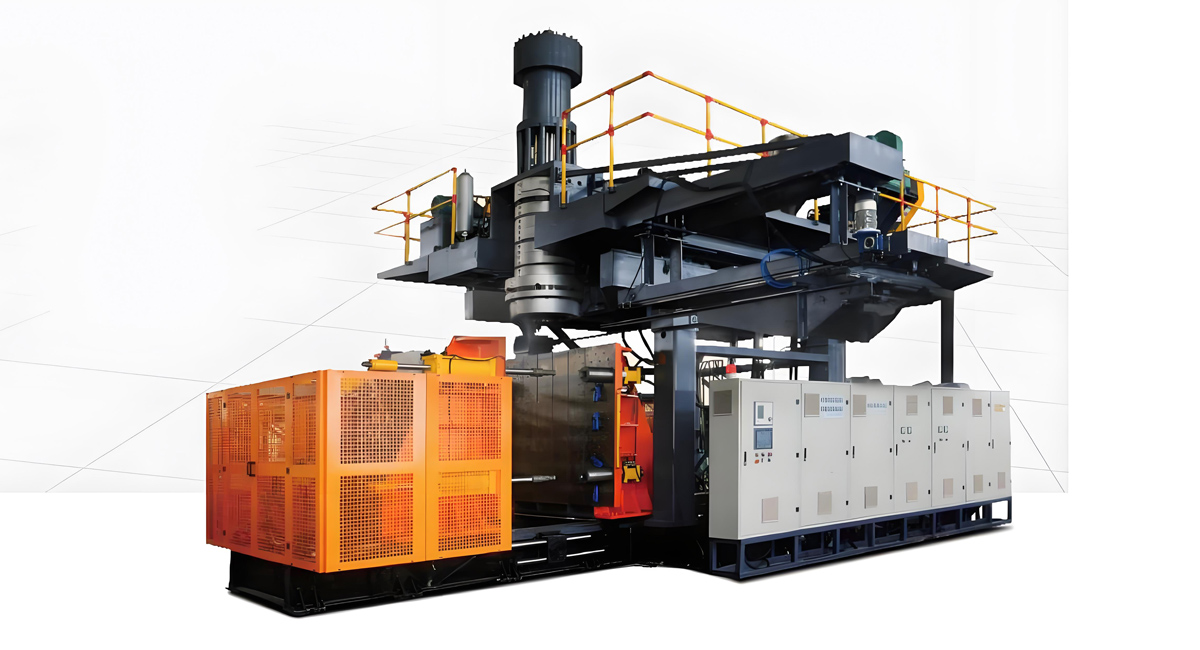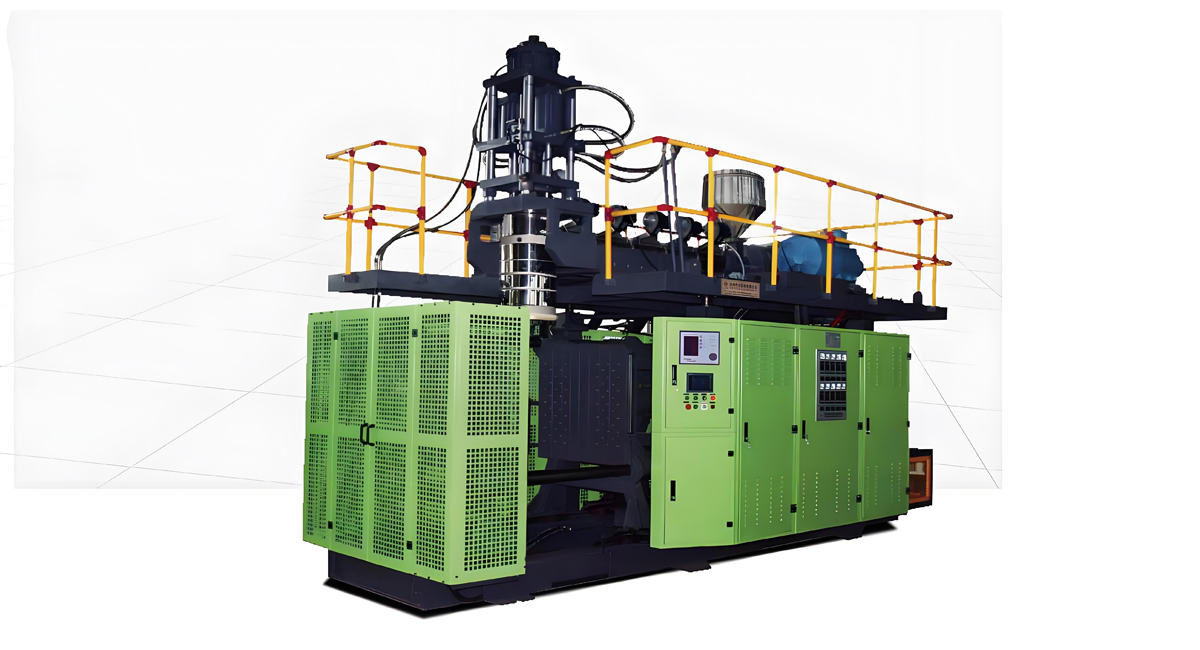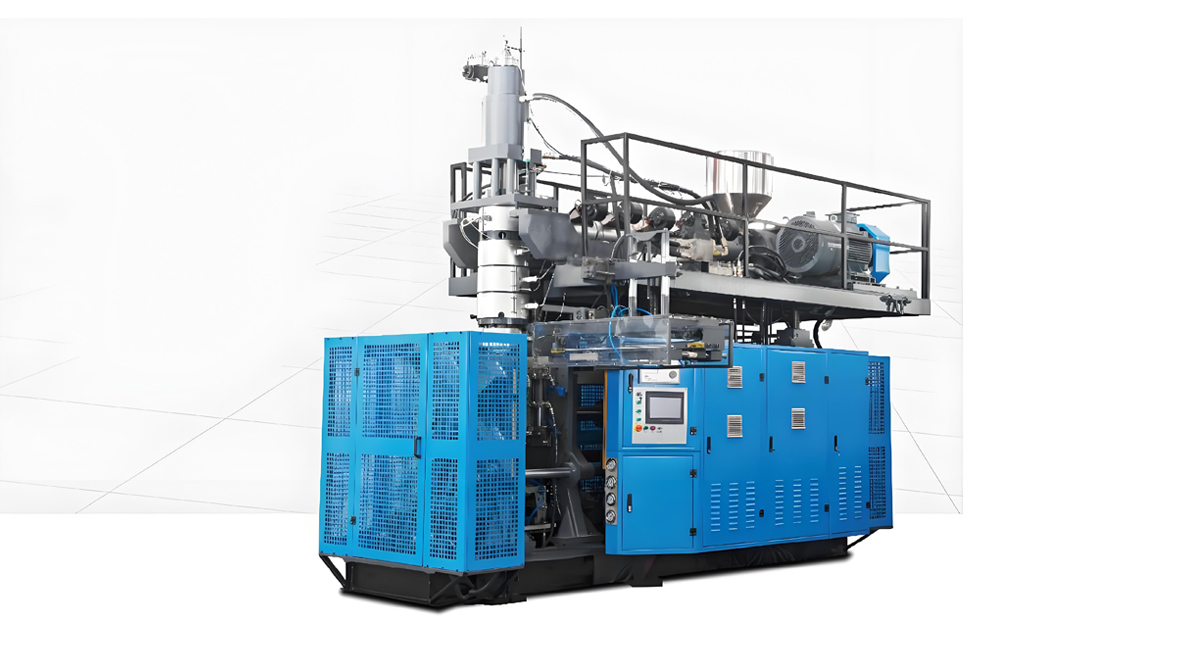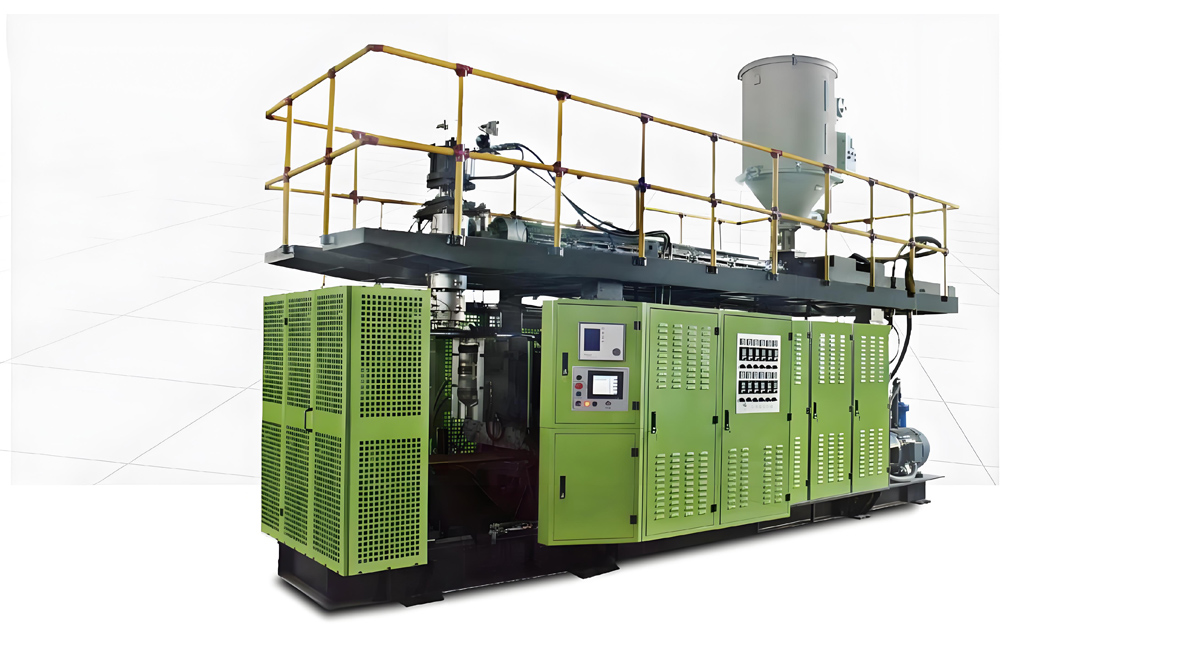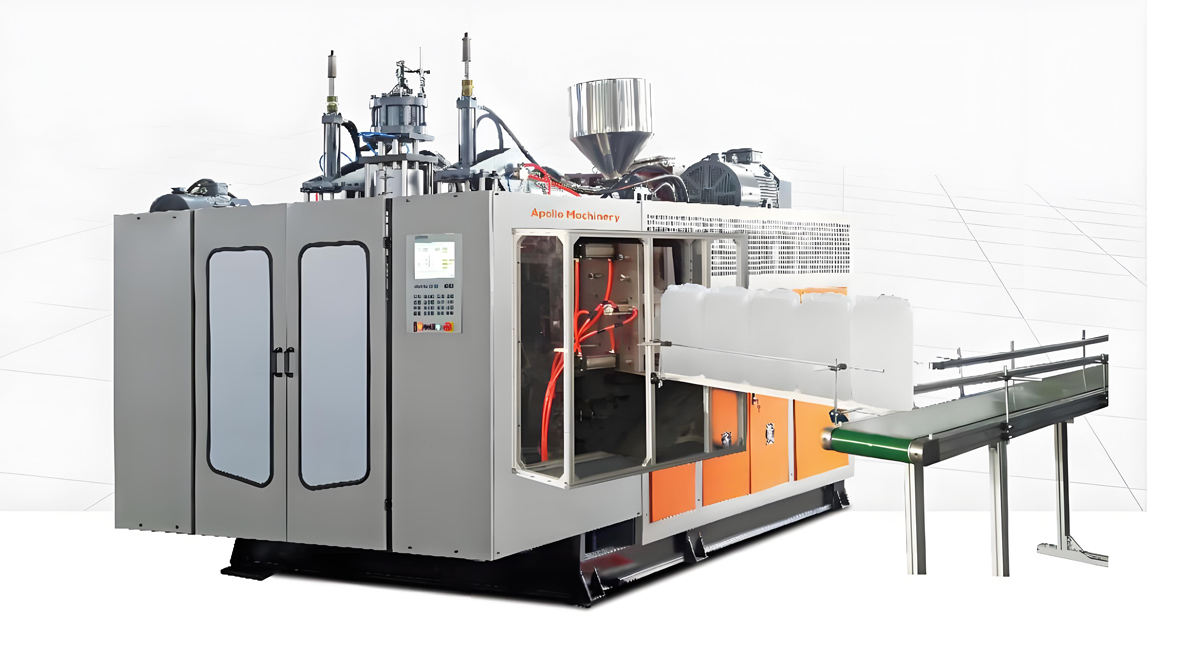
A moagem por extrusão é uma das formas mais práticas de fabricar recipientes plásticos machos em escala industrial e a demanda nos mercados africanos continua a aumentar à medida que os setores da embalagem, químico, alimentar e de infraestrutura se expandem. Desde jerricans empilháveis de 20 litros para água e óleo comestível, até garrafas de detergente, recipientes para pesticidas, reservatórios de refrigeração para automóveis e barreiras de trânsito, a economia da produção destas peças na proximidade do ponto de consumo é apelar. O desafio não está em saber se a moagem por extrusão funciona no continente; o que está em causa é se a máquina continua a funcionar sob as condições que as fábricas africanas realmente enfrentam: eletricidade instável, calor ambiental elevado, poluição por poeira, ambientes úmidos e costeiros, água de resfriamento dura e acesso limitado a técnicos qualificados e peças de reposição. Este artigo explica como uma máquina de moagem por extrusão deve ser projetada, especificada, operada e mantida exatamente para estas condições, e apresenta as soluções de produção construídas pela Apollo, uma fábrica da Wanplas.
A Apollo é uma fábrica da Wanplas situada em Zhangjiagang, perto de Shanghai, com mais de 20 anos de história na produção de máquinas de moldagem por sopro de extrusão. A fábrica dispõe de instalações de 8.000 metros quadrados, com uma capacidade de produção anual de cerca de 100 máquinas, e mais de 4.000 máquinas das suas dez séries e mais de oitenta modelos estão em operação em mais de 90 países. Esse histórico é importante para os compradores africanos porque reflete o conhecimento acumulado sobre climas tropicais, redes eléctricas fracas e cenários de serviço remoto. As orientações seguintes são de engenharia prática, não de marketing genérico, e baseiam-se nas práticas padrão de moldagem por sopro, além das séries reais de máquinas que a Apollo vende em todo o mundo.
Condições de operação na África e por que a durabilidade decide o ROI
O facto mais importante na hora de implantar uma máquina de injeção a frio em África é que o meio de operação local, e não as especificações nominais da máquina, determina o custo total de propriedade. Uma máquina que funciona perfeitamente em uma fábrica europeia ou chinesa, com energia trifásica estável e ar ambiente a 22 graus Celsius, pode falhar dentro de meses em um local com quedas diárias de tensão, calor ambiente de 45 graus Celsius e poeira de concreto no ar. A durabilidade e a capacidade de manutenção não são características opcionais; são o centro do caso de investimento.
No continente, as condições que mais diretamente afetam uma linha de estiramento por injeção podem ser agrupadas em tensões elétricas, térmicas, de partículas e relacionadas com a água. Cada uma dessas tensões se relaciona com um modo de falha específico numa máquina convencional e possui uma medida de controlo de projeto correspondente. Antes de selecionar um modelo, o comprador deve auditar o local em si, em vez de confiar na placa nomeada. Medir a tensão na painel principal durante a carga máxima, registrar a temperatura ambiente mais alta no salão de produção ao longo de um ano inteiro , recolher amostras de água de refrigeração para determinar a dureza e as partículas suspensas e estimar quantos técnicos treinados estão realistically disponíveis num raio de meia jornada.
Estresse elétrico: redes instáveis e interrupções frequentes
Muitas zonas industriais da África funcionam em redes que fornecem voltagem inferior ao nominal por longos períodos, sofrem desequilíbrio trifásico e caem completamente de forma regular. Quando a energia volta a ser fornecida, muitas vezes chega como um pico. Um controlador padrão de máquinas, um contator e uma unidade de acionamento podem ser danificados por perda de fase, sequência de fase invertida, sobretensão ou sub-tensão. Os componentes de servo e inversor são sensíveis a estes eventos, e um motor de bomba hidráulica pode estagnar ou sobreaquecer quando a fonte de alimentação é insuficiente. O resultado é um período de paralisação não programado que, num local remoto, pode estender-se de alguns dias a várias semanas enquanto se procura um componente de substituição.
Estresse térmica: calor que não permite que a máquina se resfrie
As temperaturas ambiente variam entre 35 e 45 graus Celsius numa boa parte do continente, durante um longo período. Uma máquina de blow molding gera seu próprio calor por extrusão, força hidráulica, compressores e gabinetes de controle. Quando o ar em redor já está quente, todos os trocadores de calor trabalham mais, o óleo hidráulico sobe acima dos limites de segurança, os componentes eletrónicos do gabinete aquecem, e os tempos de ciclo aumentam pois as peças não refrigeram com a rapidez suficiente. Sem um projeto térmico deliberado, a produção diminui e a vida útil dos componentes é reduzida ao mesmo tempo.
Estresse por partículas e corrosão: pó, umidade e sal
Vãos de ventilação para a infiltração de pó de betão, cimento, grãos e poeira de estradas e para a deposição sobre placas de circuito, relés e lamelas de refrigeração, causando falhas por falta de tração e bloqueio do fluxo de ar. Em regiões costaneiras e húmidas, o ar carregado em sal e a alta umidade relativa aceleram a corrosão em quadros de aço, fixação e terminais elétricos. Uma máquina que fecha seu gabinete de controle e protege as superfícies estruturais garantirá maior durabilidade do que uma que se depende de refrigeração passiva com lvores abertas.
Estresse por água: água de resfriamento calcária e endurecida
O blown molding consome intensivamente água de refrigeração para o molde, o tubo do extrusor e, muitas vezes, o óleo hidráulico. Em muitos locais africanos, a água disponível é dura, transportando cálcio e magnésio que precipitam como escama nos canais do molde, trocadores de calor de placa e evaporadores de refrigeração. A escama isola as superfícies de transferência de calor, aumenta as temperaturas e, finalmente, bloqueia o fluxo. Uma linha que ignora o tratamento da água perderá capacidade de refrigeração e exigirá descalcificação agressiva, que por si só danifica os componentes.
Estresse humano e logístico: apoio local limitado
Provavelmente o fator mais subestimado é a distância do apoio. Em muitas regiões, o engenheiro de serviços qualificado mais próximo, as peças de reposição mais próximas, os senhores e os sensores mais próximo e a fonte mais próxima do óleo hidráulico adequado podem estar longe. Uma máquina que exige uma atenção especial frequente torna-se um problema. O objetivo de design para o deslocamento na África é, portanto, uma máquina que consiga executar longos intervalos entre as manutenções, utilize componentes que sejam fáceis de encontrar e possa ser diagnosticada remotamente para que o operador local consiga corrigir a maioria dos problemas com orientações simples.
Princípio fundamental: para a produção africana, a máquina certa é aquela que sobrevive à pior semana do ano no local, e não a que apresenta as melhores especificações na bancada de testes da fábrica.
Engenharia para energia instável e ambientes rigorosos.
A construção de uma máquina de moldagem por sopro que tolera as condições elétricas e ambientais africanas começa pelo envoltório elétrico e pela arquitetura do acionamento. As decisões tomadas aqui determinam se a linha continua em operação durante oscilações de tensão, surto elétrico e ondas de calor.
Compromisso hidráulico versus totalmente elétrico sob uma rede fraca
A primeira escolha arquitetética é entre um conjunto de fixação hidráulica convencional e um sistema de plásticização, e um sistema totalmente elétrico. As máquinas hidráulicas convencionais utilizam uma bomba movimentada por um motor de indução para gerar força de fixação e estiramento, e armazenam energia em óleo hidráulico. Sob tensão instável, o motor da bomba sofre perda de torque e aquecimento, e o próprio óleo aquece-se ainda mais em uma sala quente. As máquinas totalmente elétricas substituem a unidade de energia hidráulica por servomotores que acionam parafusos de esferas para a fixação e o parafuso extrator. Isto elimina o óleo, a bomba e uma grande fonte de calor, e os motores servo são naturalmente mais tolerantes a arranques suaves e fornecimento variável, pois são controlados eletronicamente e não por comutação de contactores.
Para locais africanos com frequentes quedas de energia ou sem um refrigerador confiável, a série totalmente elétrica (200 ml a 20 L) oferece um caminho de menor manutenção e menor calor. Para contêineres muito grandes, da ordem de 20 L a 1500 L, o aperto hidráulico permanece a solução prática porque a força necessária nessa escala ainda é entregue de forma mais eficiente por meio de circuito hidráulico, e a Série ABLD foi projetada com proteção robusta para exatamente esse contexto.
Proteção do gabinete elétrico e resfriamento interno.
O painel principal de controlo deve ser um compartimento hermético e à prova de pó, com ventilação filtrada a pressão positiva. O ar é aspirado através de um filtro lavável e impulsionado a uma leve pressão positiva para evitar que o pó seja aspirado por furos. Um circuito interno de ar-ar ou ar-refrigeração remove o calor do painel, sem ensopar o ar da instalação. Isto mantém o PLC, os motores, os relés e as fontes de alimentação na sua faixa de temperatura nominal, mesmo em ambientes com uma temperatura de 45ºC.
Relés de proteção contra sobrecarga e estabilidade
É essencial ter uma estrutura de protecção em camadas. Os relés de fase-sequência impedem os danos em caso de alimentação invertida, isto é, quando a instalação é ligada ou reativada com a rotação invertida. Os relés de perda de fase desligam a máquina em segurança, caso uma fase se perca, em vez de permitir que os motores funcionem em monofásico e se queimem. Os relés de tensão excessiva e de tensão insuficiente desligam a eletrónica sensível durante surto e deflação. Os inicadores lentes limitam a corrente de indução durante a reativação, reduzindo o choque mecânico e elétrico que surge após uma interrupção de energia. Quando a rede local é extremamente instável, um estabilizador de tensão externo ou um pequeno buffer de reserva podem ser especificados para que o sistema de controlo seja capaz de suportar uma breve cedência, que poderia, de outra forma, redefini-lo ou danificá-lo.
Tolerância do servo e do inversor
Os sistemas de acionamento modernos, servo e inversor, já incluem proteção contra queda de tensão e sobrecarga, mas funcionam melhor quando associados aos relés e ao início suave descritos acima. As máquinas Apollo usam controle servo em loop fechado para o posicionamento e transferência do parágrafo, o que também melhora a repetibilidade e reduz o desperdício. O firmware do acionamento pode ser configurado para gravar o histórico de falhas, o que suporta a diagnóstica remota: quando uma falha ocorre, o operador local lê um código e os engenheiros de suporte analisam o log de eventos para recomendar uma solução sem que seja necessário fazer viagens.
| Estresse do local africano | Falha típica sem proteção | Controlo de erro do projeto Apollo |
|---|---|---|
| Flutuação da tensão e desequilíbrio trifásico | Superaquecimento do motor da bomba, falha de acionamento, solda do contactor; | Relés de tensão baixa e excessiva e perda de fases, partida suave, tolerância de servo |
| Frequentemente são ocorridos blackouts e recargas rápidas. | Rede inicial, componente queimado ao voltar a operar | Relé de sequência de fase, partida suave, estabilizador de tensão opcional |
| Temperatura ambiente de 35 a 45ºC | Superaquecimento do óleo hidráulico, falha da eletrónica do gabinete | Gabinete filtrado selado com resfriamento interno, refrigerador de óleo, opção totalmente elétrica. |
| Partículas de pó e cimento | Falhas de acompanhamento de placas, finas bloqueadas, erros de sensores | Filtração por pressão positiva, caixas herméticas, filtros laváveis |
| Sal e umidade costeira | Corrosão da estrutura, terminais e fixadores; | Partes elétricas revestidas, opções de hardware inoxidável, projeto de drenagem |
| Água de resfriamento dura e calcificada. | Mold blockage, chiller capacity loss | Orientações de tratamento de água, programa de descalcificação, caminhos resistentes à corrosão |
Resistência à abrasão e longa vida útil: rigidez do tambor, do parafuso e do molde.
O extrator é o coração de qualquer máquina de blow-molding e o cilindro e a hélice são os componentes que desgastam primeiro durante a processamento de compósitos copos ou reciclados. Na produção na África, a proporção de compósitos reciclados e com adição de cálcio é muitas vezes elevada, devido à tendemça de redução dos preços da matéria-prima a influenciar as opções de formulação. Isto torna a resistência ao desgaste numa medida importante de durabilidade.
Tubo e parafuso nitridados em 38CrMoAlA
O barril padrão e o parafuso são fabricados a partir de aço de liga 38CrMoAlA e levados a acabamento por nitretação. A nitretação cria uma camada superficial muito dura, tipicamente com uma profundidade da bainha no intervalo de 0,4 a 0,7 milímetros e uma dureza superficial de 900 a 1050 HV. Esta camada endurecida resiste à ação abrasiva do pigmento, dos emendadores e do re-granulado, e protege contra o desgaste por ação dos produtos adesivos. O componente nitritado também resiste à corrosão dos aditivos e da umidade, o que é importante em condições de armazenamento úmido.
Opção de tambor bimaterial para misturas abrasivas
Quando a formulação inclui cargas elevadas de aditivos, alto teor de reciclagem ou fibra de vidro, o tambor bimetálico é recomendado. Um tambor bimetálico é um tubo de base revestido com uma liga resistente ao desgaste, como carboneto de tungstênio ou uma matriz de níquel, que proporciona uma vida útil substancialmente mais longa do que uma superfície nitrida sob compostos agressivos. A seleção da opção bimetálica na fase de encomenda é bastante mais barata do que a reconstrução de um tambor desgastado após uma temporada de produção.
Rigidez da chapa, barra de descanso e alçado
A rigidez do fixação determina se a linha de separação mantém a sua integridade e não apresenta respingos ao longo de anos de operação. A placa e os barramentos devem manter o alinhamento sob a força de fixação máxima e o ciclo de temperatura. As máquinas Apollo utilizam uma placa reforçada e um diâmetro generoso dos barramentos, com lubrificação centrada das colunas de guiamento, de modo que a placa se mova de forma paralela. A lubrificação é entregue às colunas de guião em um ciclo cronometrado, reduzindo o erro do operador e mantendo o atrito baixo. A viagem paralela evita o desalignamento do molde, que é uma causa comum de respingos, tiros curtos e desgaste prematuro do molde.
Qualidade do canal de fluxo de cabeça;
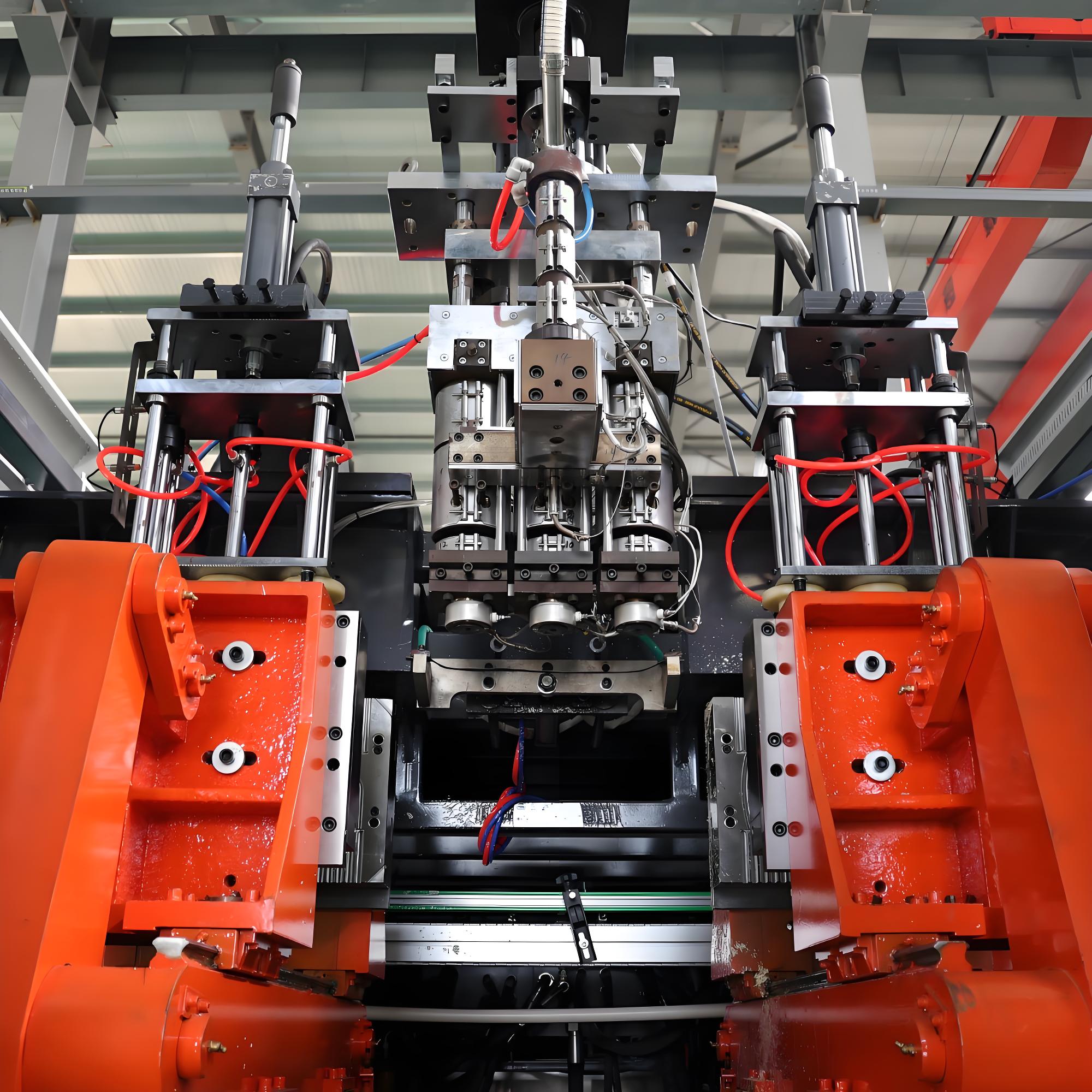
A cabeça do moldo é o lugar onde o parison é formado e seus canais de fluxo interno devem ser polidos para um acabamento liso, para que o material não fique estagnado e decaia. A resina estagnada e sobreaquecida torna-se uma acumulação carbonizada que se desfalecia no parison, causando manchas pretas e pontos fracos na embalagem. Uma cabeça de moldo bem polida e estilizada, com zonas mortas mínimas, é um contribuinte direto para a qualidade e o intervalo de manutenção. A cabeça do moldo também precisa chegar e manter uma temperatura homogênea, por isso estão dispostos os ganchos de aquecimento e os sensores para controle estável sobre o trajeto da fusão.
A especificação de uma túbia mais dura e uma revestimento bimetálico na compra é uma pequena melhoria que protege toda a linha de produção desde o dia em que a resina reciclada ou preenchida entra na vaga.
Seleção da cabeça de matriz e controle do espessamento da parede de parafina
A cabeça do moldo e o sistema de controlo de espessura das paredes são os elementos em que se decide o ganho ou a perda de matéria-prima. Na produção na África, onde a resina é muitas vezes o maior custo individual, a melhoria de algumas percentagens no utilizador da matéria-prima tem efeitos financeiros significativos em todo o volume anual.
Cabeças de usinagem contínuas versus de acumulação
As cabeças de extrusão contínuas são utilizadas para recipientes menores, normalmente com volume até cerca de 10 a 20 litros, no qual é possível extrusar o parasito de forma confiável e capturá-lo no molde. Para recipientes maiores, especialmente a partir dos 20 litros, é utilizada uma cabeça de manto (armazenamento). O manto armazena uma carga de fusão medida e em seguida a descarrega com rapidez para formar um grande parasito numa única injeção. Isto evita que o parasito se fique a desvanecer ou se resfriar de forma desigual durante uma extrusão lenta e contínua de uma secção muito extensa. A série ABLB utiliza cabeças de extrusão contínuas na sua configuração padrão, enquanto a série ABLD para recipientes de 20 L a 1500 L é construída em torno de cabeças de manto adaptadas ao peso da injeção.
Programação do espessamento da parede de parison
Um programador de parison controla a espaçamento da forma durante a extrusão para que o espessamento da parede varie ao longo da extensão do parison. O objetivo é colocar o material onde o recipiente acabado necessita de resistência, como a base e a área do manípulo, e afiná-lo onde o material extra é desperdiçado. O número de pontos de controle determina a precisão com que o programador pode seguir o perfil necessário. Mais pontos representam uma correspondência mais rígida entre o espessamento real e o necessário, o que reduz tanto o uso de material como o risco de seções fracas.
| Volume da embalagem | Cabeça de matriz recomendada | Ponto de controle do espessamento da parede | Impacto do material |
|---|---|---|---|
| De 200 mL a 5 L | Cabeça única ou dupla continua; | 16 a 32 pontos | O controle preciso economiza resina em frascos de parede fina. |
| 5 L to 20 L | Cabeça contínua, única ou dupla | 32 points typical | Resistência básica e do cabo de empurrar |
| 20 L a 220 L | Cabeçote acumulador | 32 a 64 pontos | Tiro rápido evita a flexão da parafina |
| 220 L a 1500 L | Cabeça de acumulação grande, várias estações | 64 a 100 pontos típicos. | Parede uniforme em tambores muito grandes |
Etiquetagem incorporada e manipulação de flash.
Para garrafas para consumo, a etiquetagem em moldagem pode ser integrada para que a etiqueta seja fundida ao recipiente durante o formigamento, eliminando uma etapa de etiquetagem separada e melhorando a resistência à umidade e ao manuseio. O flash, o material em excesso na linha de separação, é removido por um sistema automatizado de desobstrução que atenua o colo e a base. A desobstrução limpa reduz a força de trabalho necessária por parte e melhora a consistência, o que é valioso quando a habilidade do operador é variável. O projeto do molde e a ferramentaria de desobstrução devem ser adequados ao recipiente para que o desperdício seja minimizado e o re-moinho esteja limpo suficiente para ser reintroduzido no processo.
Parâmetros de processamento de materiais para a produção africana
A maior parte da produção de moldagem por sopro africana é de HDPE, com PP, PVC e polímeros de engenharia, como PA e PC, usados para peças especiais. A obtenção da janela de processamento certa protege tanto a máquina como o produto e reduz a parte descartada que, de outra forma, consumiria resina cara.
HDPE blow molding grade
O polietileno de alta densidade para moldagem por sopro é tipicamente um grau com uma taxa de fluxo de fusão no intervalo de 0,3 a 0,8 gramas por 10 minutos e uma densidade de cerca de 0,950 a 0,960 gramas por centímetro cúbico. Para recipientes que contêm detergentes, solventes ou produtos químicos agrícolas, a resistência à trincagem por estresse ambiental (ESCR) é uma propriedade crucial; um grau com ESCR forte resiste à trincação quando o recipiente é exposto a estresse e a conteúdos agressivos. Os processadores devem selecionar uma resina compatível com o produto, em vez de um grau de uso geral, uma vez que o nível de ESCR errado é uma causa comum de falhas no campo em recipientes de produtos químicos e pesticidas.
Janela de processamento e configuração de parafusos
O HDPE é geralmente processado a temperaturas de fusão compreendidas entre cerca de 160 e 210 Celsius, em função da grade e da camada. A razão de compressão do parafuso é tipicamente moderada, rondando 2,5 a 3,5 para 1, com pressão de retorno ajustada para estabilizar a fusão e melhorar a homogeneidade. As zonas do tambor são controladas de forma independente, de modo que o posterior é mais fresco que a frente, prevenindo o derretimento prematuro e melhorando a condução. O secagem geralmente não é necessária para o HDPE, mas para materiais higroscópicos, como PA e PC, é necessário um secador desumidificador para evitar a abertura e linhas de solda fracas.
PP, PVC e polímeros de engenharia
O polipropileno é processado a uma temperatura ligeiramente maior do que o HDPE e oferece rigidez e resistência química adequada a alguns fechos e artigos de parede fina. O PVC requer um cuidado controle de temperatura e uma cabeça de parafuso e matriz projetada para a sua sensibilidade térmica, pois o PVC degrada facilmente quando é sobreaquecido ou deixado estagnar. O PA e o PC são processados para peças técnicas, como reservatórios automotivos e sistemas de fluidos, onde a resistência, a resistência ao calor ou a clareza são importantes; estes exigem secagem e um controlo de temperatura mais apertado. As máquinas Apollo foram concebidas para processar PE, PP, PVC, PA, PC, ABS, PS, EVA, TPU e PETG, proporcionando aos produtores africanos flexibilidade nas linhas de produtos.
| Material | MFR / Densidade (normal) | Intervalo de temperatura da fusão. | Necessidade de secagem | Produtos típicos. |
|---|---|---|---|---|
| HDPE | MFR de 0,3 a 0,8 g/10min; 0,950 a 0,960 g/cm3 | 160 a 210 graus Celsius | Não necessário | Latas, garrafas e tambores |
| FLS PP | MFR 0,5 a 3,0 g/10 min; 0,900 a 0,910 g/cm3. | De 200 a 240 Celsius | Baixo; opcional; | Fechamentos, artigos de parede fina |
| PVC | Classe rígida; densidade de 1,35 a 1,45 g/cm 3 | 170 a 200ºC, controle rigoroso. | Não necessário | Chemical bottles, profile |
| PA (nylon) | Grade dependent | De 240 a 280 ºC | Necessário, desumidificação | Peças fluidas para automóveis. |
| PC | Densidade 1,20 g/cm3; | De 260 a 300 graus Celsius | Necessário, desumidificação | Peças técnicas e claras. |
Tempo de ciclo e resfriamento
O tempo de resfriamento é a parte maior do ciclo para recipientes de parede espessas e é fortemente afetado pela eficiência de resfriamento do molde e pelo calor ambiente. Um molde bem projetado, com canais de resfriamento equilibrados e fluxo de água adequado, reduz o ciclo e melhora a estabilidade dimensional. Como os ambientes africanos são altos, o sistema de resfriamento deve ser especificado com margem, de modo que o tempo do ciclo não aumente durante os meses mais quentes. Portanto, otimizar o circuito de resfriamento é uma via direta para maior produção sem a necessidade de comprar uma máquina maior.
Design de baixa manutenção e sistema de manutenção preventiva
Uma máquina que é fácil de manter é a base do tempo de atividade em locais onde ajuda especializada está longe. O projeto deve minimizar o número de itens consumíveis, facilitar o acesso e a substituição desses itens e fornecer um plano claro para que a equipe local saiba exatamente o que fazer e quando.
Óleo hidráulico e filtragem
Nas máquinas hidráulicas, a vida do óleo e da bomba depende da limpeza e da temperatura. A ISO VG46 é a classe de graus de óleo hidráulico padrão. Em condições africanas quentes e poluídas, uma troca completa de óleo é planejada aproximadamente a cada 12 meses, com a substituição do elemento de filtro de linha de retorno e aspiração a cada 3 a 6 meses, dependendo da carga de poeira. A temperatura do óleo deve ser mantida abaixo de cerca de 55 graus Celsius utilizando o refrigerador integrado; acima disso, a vida útil dos selos e da bomba diminui drasticamente. Um vidro e um termômetro no tanque fazem com que os controles diários sejam simples para o operador.
Intervalos de inspeção mecânica
A espaçamento entre o parafuso e a haste deve ser verificado periodicamente, porque o desgaste nela reduz a eficiência de plastificação e aumenta a temperatura do derretimento e o consumo de energia. Os canais de refrigeração do molde devem ser descalcados de acordo com um calendário ligado à dureza da água local, utilizando um agente descalcante compatível, seguido de neutralização e enxágue. A linha de ar comprimido deve incluir um separador de óleo e água para que a umidade e o óleo não cheguem aos cilindros e válvulas, onde causam incômodo e corrosão. As colunas de guia devem estar lubrificadas e limpas da sujeira.
Agenda de manutenção preventiva.
Um calendário de manutenção prático transforma a fiabilidade da máquina de extrusão a partir da sorte para uma rutina. O cronograma abaixo é um ponto de partida; os engenheiros da Apollo o ajustam ao local específico após a comissão.
| Intervalo | Tarefas | Por que é importante na África. |
|---|---|---|
| Diário | Verifique o nível e a temperatura do óleo, limpe os filtros do gabinete, verifique se existem fugas e verifique o dreno do filtro de ar. | Identifica problemas de calor e poeira antes que eles se agravem |
| Semanalmente | Lubrificar guias, verificar os anéis das tirantes, inspecionar os aquecedores da cabeça da matriz e limpar os filtros de água | Água dura e poeira entupem filtrações rapidamente |
| Mensal | Troque os elementos do filtro de sucção/retorno, inspecione os terminais eléctricos, teste os relés de protecção. | Vibrações e calor solam os terminais e desgastam os relés |
| A cada 6 meses; | Óleo hidráulico de amostra, descalcinação dos canais do molde, calibragem dos sensores, recuperação das receitas | Evita o acumulo de depósito e a perda de dados em falhas. |
| Anual | Troca total de óleo, verificação de espaçamento do tambor, alinhamento total, auditoria de peças de reposição. | Alinha-se ao calor sazonal e ao plano de produção anual |
Filosofia de peças de reposição
Em vez de armazenar todas as peças, a estratégia consiste em manter um pequeno kit de itens de desgaste intenso adequados para um ano: selos, filtros, sensores, aquecedores, pinos de sopro e um conjunto de relés elétricos comuns. A Apollo fornece um pacote de peças de reposição recomendado para cada linha e o complementa através da política do grupo Wanplas: US$ 500 de peças gratuitas por ano. A equipe local aborda a grande maioria das paradas sem esperar pelo envio internacional. Sensores críticos são padronizados em tipos industriais comuns que podem ser adquiridos localmente, se necessário.
Sistemas de refrigeração dimensionados para temperaturas ambiente elevadas.
O resfriamento é o gargalo oculto do moldagem por sopro tropical. O molde, o cilindro e o óleo hidráulico rejeitam calor, e o equipamento de resfriamento deve transferir esse calor para um ambiente já quente. Um resfriamento inadequado silencia a produção e a qualidade.
Capacidade do refrigerador e redução da potência
A capacidade de resfriamento nominal de um refrigerador de água é normalmente declarada em condições ambientais moderadas, como 35 graus Celsius. Em salas africanas que atingem 45 graus Celsius, a capacidade real diminui, portanto, o refrigerador deve ser selecionado com deratação aplicada, geralmente dimensionado entre 20 e 40 por cento acima da exigência nominal. O refrigerador deve utilizar um circuito de refrigerante dimensionado para altas temperaturas de condensação e incluir um grande condensador com bom fluxo de ar. Quando o abastecimento de água é limitado, um refrigerador de circuito fechado com torre de resfriamento ou secador é preferível para economizar água.
Torres de refrigeração e tratamento de águas
Uma torre de refrigeração aberta é eficaz em climas secos, pois a evaporação remove o calor de forma eficiente, mas concentra as substâncias sólidas dissolvidas e promove formação de depósitos e crescimento biológico. Nestes casos, é obrigatório um programa de tratamento da água com um inibidor de depósitos e um biocida, e a filtragem de corrente periférica ajuda. Para locais da costa ou húmidos, um circuito fechado com um refrigerador seco ou um refrigerador de fluido reduz o risco de corrosão e contaminação. De qualquer forma, a água do molde deve ser filtrada e tratada para que os canais internos permaneçam limpos.
Prioridade de resfriamento do molde e do óleo
A água de refrigeração do molde é a mais sensível ao fluxo e à temperatura porque define diretamente o tempo de ciclo e a qualidade da peça. Deveria ser fornecida a partir de um circuito dedicado, filtrado e controlado pela temperatura, em vez de ser partilhado com o tanque ou o refrigerador de óleo, sempre que possível. A separação dos circuitos evita que o refrigerador de óleo contaminado fique a ficar sem água para moldear. A orientação de layout da Apollo durante a instalação coloca estes circuitos em posição correcta em relação à água local e ajuda o comprador a escolher entre um refrigerador, uma torre ou um híbrido com base na disponibilidade e no custo da água.
Apollo Product Lines: ABLB, ABLD, and Série totalmente elétrica
A Apollo fabrica dez séries com mais de oitenta modelos, fornecendo aos compradores africanos uma máquina perfeitamente adequada a quase todos os recipientes tubulares, desde uma garrafa farmacêutica de 200 ml até uma tambor industrial de 1500 l. As três séries mais relevantes para a produção industrial africana são descritos abaixo, com os intervalos de especificações representativos. Os valores são intervalos típicos de engenharia entre os modelos de cada série; os valores exatos para um modelo específico são confirmados contra a configuração pedida.
Série ABLB (200 mL a 20 L) - moldagem por sopro com extrusão convencional.
A Série ABLB é o principal motor da linha, composta por oito modelos que cobrem recipientes de 200 mililitros até 20 litros. É a plataforma padrão para a extrusão por moldagem a sopro de garrafas, bidões e tambores pequenos em HDPE, PP e PVC. Ela suporta ferramentaria de uma e duas cavidades, cabeças de entalhe contínuas e controle programável da espessura da parede do parison. Para compradores da África, a Série ABLB é o ponto de partida recomendado para a maioria das linhas de embalagens e recipientes para produtos químicos até 20 litros.
| Parâmetro | Gama da série ABLB (8 modelos) | Notas |
|---|---|---|
| Container volume range | 200 mL a 20 L | Cavidade única ou duplo. |
| Força de fechamento | De 40 a 220 kN | Escalas com tamanho do modelo. |
| Tamanho da placa | 300 x 350 a 700 x 800 mm | Depende do número de cavidades |
| Diâmetro da rosca | 45 a 90 mm | É usado um parafuso maior para peças maiores |
| Relação L/D | 20 a 24 para | Good melt homogeneity |
| Produção por extrusão | 40 a 160 kg/h | 2. Referência HDPE. |
| Tipo de cabeça de estampa | Contínuo (individual/biposto). | Acessório opcional em máquinas maiores |
| Pontos de controlo da espessura da parede | 16 a 32 pontos | Programação da parison |
| Potência instalada | De 15 a 55 kW. | Excluída a auxiliar |
| Machine weight | 2. 4 a 12 toneladas. | Model dependent |
| Dimensões gerais | 3,2 x 2,0 x 2,4 a 5,5 x 2,6 x 3,0 m | Planificar a disposição adequadamente. |
Série ABLD (20 L a 1500 L) — moldagem por sopro de alta capacidade
A série ABLD compreende três modelos construídos para grandes recipientes e produtos industriais, desde 20 litros até 1500 litros, incluindo tambores, tanques e embalagens a granel. Tratam-se de máquinas de alto desempenho, dotadas de cabeças de matriz com acumulador, forte força de fixação e platós grandes, para processar formas grandes e peças de parede espessas. São a escolha ideal quando o produto é um tambor químico, um tanque de água ou um dispositivo de bloqueio de estrada que excede o envelope da série ABLB.
| Parâmetro | Gama da série ABLD (3 modelos) | Notas |
|---|---|---|
| Container volume range | 20 L a 1500 L | Baterias, tambores, bloqueios |
| Força de fechamento | De 300 a 1200 kN. | Quadro de alta resistência |
| Tamanho da placa | 800 x 900 a 1600 x 1800 mm. | Large mold support |
| Diâmetro da rosca | De 100 a 180 mm | High throughput |
| Relação L/D | De 18 a 22 para | Forma maciça estável |
| Produção por extrusão | 180 a 600 kg/h | 2. Referência HDPE. |
| Tipo de cabeça de estampa | Cabeça de acumulação (armazenamento) | Parison rápido e de um só fuso |
| Pontos de controlo da espessura da parede | 32 a 100 pontos. | Parede uniforme em peças grandes. |
| Potência instalada | De 75 a 250 kW | Excluída a auxiliar |
| Machine weight | 18 a 60 toneladas. | Foundation required |
| Dimensões gerais | De 6,0 x 3,0 x 4,0 a 11 x 4,5 x 6,0 m | Planificar a disposição adequadamente. |
Série totalmente elétrica (200 mL a 20 L) — no hydraulics, low maintenance
A Série Totalmente elétrica cobre o mesmo intervalo de recipientes de 200 ml a 20 L, mas substitui totalmente o sistema hidráulico por uma fixação e acionamento servo-elétrico. Isto elimina o óleo hidráulico, a bomba e uma fonte principal de calor, o que é uma grande vantagem em locais com energia instável ou capacidade de resfriador limitada. A série elétrica também reduz o risco de contaminação para aplicações limpas ou de contacto com alimentos e reduz o consumo de energia por peça. É a opção recomendada onde o recipiente tem menos de 20 litros e o ambiente de operação é especialmente exigente.
| Parâmetro | Gama da série totalmente elétrica | Notas |
|---|---|---|
| Container volume range | 200 mL a 20 L | Operação limpa, sem óleo |
| Força de fechamento | 40 a 200 kN | Fachada da articulação de rolamentos dos servos |
| Tamanho da placa | 300 x 350 a 700 x 800 mm | Conforme com o envelope da ABLB. |
| Diâmetro da rosca | De 45 a 80 mm. | Extrusão acionada por servo |
| Relação L/D | 20 a 24 para | Derrete em consistência |
| Produção por extrusão | De 35 a 140 kg/h | 2. Referência HDPE. |
| Tipo de cabeça de estampa | Contínuo (individual/biposto). | Programação da parison |
| Pontos de controlo da espessura da parede | 16 a 32 pontos | Mesmo controle do que o ABLB |
| Potência instalada | 12 to 45 kW | Inferior ao hidráulico. |
| Machine weight | De 3,5 a 10 toneladas | No reservatório de petróleo |
| Dimensões gerais | 3,2 x 2,0 x 2,4 a 5,4 x 2,6 x 3,0 m | Padrão compacto |
Aplicações em toda a indústria africana e nos produtos finais
As máquinas Apollo atendem a uma ampla variedade de indústrias que se alinham às demandas mais crescentes da África: alimentos e bebidas, produtos químicos diários, indústria química, materiais de construção, médicos e farmacêuticos, produção de automóveis, transporte e artigos culturais e esportivos. Os tipos práticos de recipientes produzidos nessas linhas nos mercados africanos incluem os seguintes exemplos concretos.
Alimentos e bebidas.
Garrafas de óleo comestível, jarra de água potável, recipientes de iogurte e molhos, e tanques de armazenamento de água são produzidos em HDPE e PP. Para o contacto com água potável, é necessário resina de qualidade alimentar e um processamento limpo, e a série totalmente elétrica suporta o perfil de baixa contaminação preferido por alguns compradores.
Química e limpeza diárias
Garrafas de detergente, garrafas de shampoo e cosméticos e bidões de limpador são itens de grande volume. Esses produtos requerem um bom material de revestimento para minimizar a expansão das paredes do recipiente, já que o seu conteúdo pode gerar pressão sobre as paredes. A Série ABLB trata toda a gama, desde garrafas pequenas até bidões de 20 l.
Industrial, agrícola e química
Garrafas de óleo lubrificante, recipientes de pesticidas e agroquímicos, recipientes de líquidos fertilizantes e tambores de produtos químicos industriais requerem um excelente revestimento e uniformidade das paredes. A Série ABLD produz tambores de 20 l a 220 l de produtos agroquímicos e de lubrificantes, enquanto a Série ABLB cobre as garrafas menores.
Automobilismo, transporte e construção
Reservatórios para refrigerantes e lavadores de para-brisas, tubos de abastecimento de combustível e tanques de fluidos sob o capô são feitos de HDPE e, ocasionalmente, de PA ou PC para resistência ao calor. As aplicações de transporte incluem cones de sinalização e barreiras de isolamento, produzidos pelas maiores máquinas ABLD em peças de parede espessa e resistentes aos impactos. Os materiais de construção incluem tanques de água e condutas.
Medicina, farmácia e esportes
Os frascos farmacêuticos e os recipientes técnicos são produzidos onde a operação limpa e a espessura de parede consistente são essenciais. Os bens culturais e esportivos incluem bolas, bóias e componentes esportivos retos. A flexibilidade de processar PE, PP, PVC e polímeros de engenharia na mesma plataforma permite que uma única fábrica atenda a vários desses mercados.
Nesses setores, o fio condutor é que o recipiente deve manter a integridade sob as condições de armazenamento e transporte africanas: altas temperaturas, manuseio brusco e produtos agressivos. As escolhas de máquinas e materiais devem ser feitas com esse uso final em mente.
Guia de seleção: equilibrar volume, rendimento e material com a máquina correta
A escolha da série correta evita frustrações de capacidade insuficiente ou investimentos excessivos em força e espaço físico que não são necessários. A tabela abaixo mapeia uma exigência típica para uma série recomendada Apollo. Os números de produção são indicativos e dependem do número de cavidades, do espessamento das paredes e do arrefecimento; os engenheiros Apollo confirmam a configuração exata durante a cotação.
| Perfil de requisitos | Série recomendada | Por que |
|---|---|---|
| Garrafas de 200 ml a 5 l, produção média, HDPE/PP | 16000–28000 | Standard, cost-effective, fast changeover |
| 5 L a 20 L de contentores, de cavidade simples ou duplo | 16000–28000 | Cobre a totalidade da gama de garrafas de pequeno a médio tamanho |
| Alta temperatura, rede instável, contato com alimentos, inferior a 20 L | Série totalmente elétrica | Sem hidráulica, baixo calor, operação limpa |
| Tambores e tanques de 20 L a 220 L. | Série ABLD | Cabeça do acumulador, força de fixação alta |
| Contêineres a granel de 220 L a 1500 L, barreiras | ABLD Series (large model) | Quadro robusto e placa larga |
| PVC ou compostos suscetíveis à temperatura | ABLB ou completamente elétrico com parafuso de PVC | Junta de parafusos e controle térmico rigoroso |
| Peças técnicas automotivas para PA/PC | ABLB ou totalmente elétrico com secador | É necessário secagem e controle térmico preciso |
Custo relativo e retorno do investimento.
Para manter a comparação significativa sem citar valores, o perfil de investimento e operacional de cada série pode ser expresso em termos de índice, onde uma linha hidráulica pequena de referência é definida como 100 pontos de índice. A série totalmente elétrica tem um índice de aquisição mais elevado, mas um índice de custo de operação mais baixo, porque consome menos energia e não requer serviço de óleo hidráulico ou bomba. A série ABLD tem um índice de aquisição e volume de instalação muito mais elevado, devido ao seu tamanho e força, mas é a única opção para recipientes muito grandes. A tabela abaixo utiliza faixas de Baixo, Médio, Alto, Muito Alto e Premium, além de pontos de índice, para que os compradores possam pesar os compromissos obviamente.
| Factor | 16000–28000 | Série totalmente elétrica | Série ABLD |
|---|---|---|---|
| Custo de aquisição (parâmetro de referência 100) | Baixo a médio (100 a 130) | Médio a alto (130 to 170) | Muito alta a prémium (300 a 600) |
| Energy per part | Medium | Baixo | Materiais de alta qualidade |
| Carga de manutenção | Medium | Baixo | Médio a alto |
| Calor rejeitado para o hall | Medium | Baixo | Materiais de alta qualidade |
| Índice de espaço do piso | Baixo (100) | Baixo (100) | Muito alta (250 a 400) |
| Adéquação ao retorno do investimento | Garrafas de grande volume. | Localizações severas, peças limpas | Grande demanda de recipientes |
Serviços e suporte para operação a longo prazo
Uma linha de moldeamento por sopro é um ativo de longa duração e sua rentabilidade depende tanto do suporte que o sustenta como do aço que se encontra à sua frente. Como fábrica da Wanplas, a Apollo oferece um modelo de suporte projetado para mercados remotos e exigentes.
Inspeção e testes antes do embarque
Todas as máquinas são executadas e inspecionadas na fábrica antes do envio, incluindo a produção de prova no molde encomendado, para que o desempenho seja verificado em relação ao recipiente e à produção acordadas. Os compradores são convidados a participar nesta inspeção, que faz parte da política de fábrica aberta partilhada ao longo do grupo Wanplas.
Instalação e comissionamento in loco
Os engenheiros da Apollo visitam o local do comprador para a instalação e comissionamento, configurando a máquina, ajustando o programa de fabricação, verificando a refrigeração e a proteção elétrica e treinando a equipe local. Este arranque prático reduz a curva de aprendizagem longa e propensa a erros que os compradores remotos enfrentam.
Peças de reposição, treinamento e rastreamento remoto
A política do grupo Wanplas prevê, anualmente, a fornecimento de peças gratuitas no valor de 500 USD, completada por um pacote de peças de reposição recomendado, enviado juntamente com a linha. Os operadores recebem formação em operação e manutenção, com gradação da análise diária básica às diagnósticas de falhas. O monitoramento remoto do status de utilização permite que os engenheiros da Apollo monitorem o estado de funcionamento e identifiquem problemas precocemente. Visitas periódicas de acompanhamento mantêm a linha otimizada após o comissionamento.
Garantias que protegem o investimento
A Apollo suporta suas máquinas com uma garantia de transporte, uma garantia de capacidade de produção e uma garantia de padrões de qualidade. Sob a garantia de qualidade, se os equipamentos não atenderem ao padrão acordado, a política fornece um reembolso com um compenso de 10%. Esses compromissos transferem o risco para o comprador e refletem a confiança construída com mais de 4.000 máquinas em operação em mais de 90 países.
Apoio à localização.
Para tornar a linha verdadeiramente auto-suficiente, o Apollo ajuda a classificar os operadores pelo nível de habilidade, fornece uma interface de operação bilíngue quando necessário e oferece conselhos sobre os estoques locais de consumíveis. O objetivo é que as paradas de rotina sejam resolvidas no local, durante o mesmo turno de trabalho, com o apoio de engenharia remota apenas a uma mensagem de distância para as raras falhas complexas.
Perguntas Frequentes
Qual a série de moldagem por injeção mais adequada para uma garrafa empilhável de 20 litros na África?
Para uma lata de HDPE de 20 litros, a série ABLB cobre a faixa de 200 mL a 20 litros e é a escolha padrão para ferramentaria de latas de um e dois compartimentos. A série ABLD começa em 20 litros e é recomendada quando você precisa de golpes únicos maiores, seções de paredes mais espessas ou cabeças de moldes para acumulação para saída muito elevada. Ambas funcionam bem em condições africanas, quando associadas à proteção elétrica adequada.
Devo escolher uma máquina de moldagem por sopro hidráulica ou totalmente elétrica para um sistema energético instável?
Uma máquina totalmente elétrica remova a unidade de energia hidráulica, pelo que não há óleo hidráulico para sobreaquecimento, nenhum desgaste da bomba devido a quedas de tensão e as unidades servo toleram melhor arranques suaves e variações de fase. Para locais com intermitências frequentes ou sem capacidade de arrefecimento, a série totalmente elétrica reduz tanto a carga de manutenção como a rejeição de calor. As máquinas hidráulicas continuam sendo preferíveis em tamanhos muito grandes de contêineres, onde a economia de força de fixação conta mais.
Como a Apollo protege as máquinas contra a poeira e a elevada temperatura ambiente?
O gabinete elétrico principal utiliza uma gaiola hermética e filtrada com ventilação a pressão positiva e um circuito de refrigeração interno. Relés de perda de fase, sequência de fase, sobretensão e subvolta, além de acionamentos suaves e estabilizadores de tensão opcionais, protegem o sistema de acionamento de perturbações da rede comuns nas regiões industriais africanas. A opção totalmente elétrica reduz ainda mais o calor no hall.
Que material é utilizado para os parafusos e os tanques para garantir uma longa vida útil?
A barra padrão e o parafuso são feitos de aço de liga 38CrMoAlA com tratamento de nitretação, resultando numa superfície endurecida que resiste ao desgaste dos compostos carregados de enchimentos. Barrel bimetálicos são oferecidos para formulações abrasivas ou com conteúdo reciclado para prolongar os intervalos de serviço. Ambos os opções são selecionados no momento da encomenda, em função da mistura de materiais planejada.
Com que frequência deve ser trocado o óleo hidráulico e os filtros em climas quentes?
Com óleo hidráulico ISO VG46, planeie uma troca completa do óleo a cada aproximadamente 12 meses, em condições africanas quentes e poluídas, com a substituição do filtro do retorno e do elemento de aspiração a cada 3 a 6 meses. A temperatura do óleo deve ser mantida abaixo de aproximadamente 55 graus Celsius, utilizando o refrigerador integrado para proteger as juntas e a vida do motor. O controlo diário inclui o nível de óleo e a temperatura do tanque.
A APACOL pode personalizar as máquinas para a tensão local e os designs dos containers?
Sim, a Apollo personaliza a configuração de tensão, a ferramentaria de moldes, a programação do parison e os pacotes auxiliares para se adequar à oferta local (380 V, 415 V ou 220 V, 50 Hz), aos desenhos do recipiente e à saída pretendida. Os engenheiros realizam a instalação e a comissionamento no local, e a fábrica aceita a inspeção antes da expedição e a realização de testes com amostras.
Como é gerada a refrigeração quando a temperatura ambiente atinge os 45 graus Celsius?
O refrigerador é dimensionado com uma redução da potência aplicada para altas temperaturas do ambiente, geralmente de 20 a 40 por cento acima da capacidade nominal, usando um condensador grande e um circuito de refrigerante classificado para temperatura de condensação elevada. O resfriamento do molde, do tanque e do óleo está organizado em circuitos separados ou prioritários, e o tratamento da água evita a formação de depósitos em regiões de água dura. Isso mantém o tempo do ciclo estável durante toda a estação quente.
Que peças de reposição um comprador africano deve manter em estoque?
Recomenda-se um kit de um ano de itens de alto desgaste, como juntas, filtros hidráulicos e de ar, sensores comuns, bandas de aquecimento, pinos de pedal e relés elétricos padrão. A Apollo fornece um pacote de peças de reposição com a linha e oferece o benefício do grupo Wanplas, que dá US$ 500 em peças gratuitas por ano. Os sensores críticos são escolhidos entre tipos industriais comuns que podem ser obtidos localmente, se necessário.
Conclusão
A extrusão da moldagem por sopro é um investimento industrial sólido para os mercados africanos, mas apenas quando a máquina é projetada para as condições às quais irá ter que enfrentar: energia inconstante, elevada temperatura, poeira, água dura e suporte limitado na região. A solução certa combina uma plataforma durável e de baixa manutenção com a proteção elétrica adequada, margem de refrigeração, rolamentos e parafusos resistentes ao desgaste, controle preciso do prosímem em posições especiais e um sistema de manutenção preventiva que uma equipe local possa administrar. A Apollo, uma fábrica da Wanplas com mais de 20 anos de experiência, uma instalação de 8 000 m², capacidade para 100 máquinas por ano e mais de 4 000 máquinas em operação em mais de 90 países, constrói exatamente este tipo de máquina. A Série ABLB abrange garrafas standard de 200 ml a 20 l, a Série ABLD trata tambores e tanques resistentes de 20 l a 1 500 l, e a Série Totalmente elétrica oferece uma opção sem hidráulica e a temperatura baixa para os locais mais severos abaixo de 20 l.
Se está planejando a produção, convidamos você a compartilhar o desenho do contêiner, a produção diária alvo e os parâmetros da rede local para que possamos configurar a máquina, o molder e o pacote auxiliar mais adequados para o seu local. Convidamos você a visitar nossa fábrica para a inspeção, rever a execução de testes no seu próprio molder e verificar o desempenho antes do envio. Nossos engenheiros oferecem suporte à instalação, comissionamento e treinamento no local, e nosso acompanhamento remoto ajuda a manter a linha em operação durante muito tempo após a comissionamento.