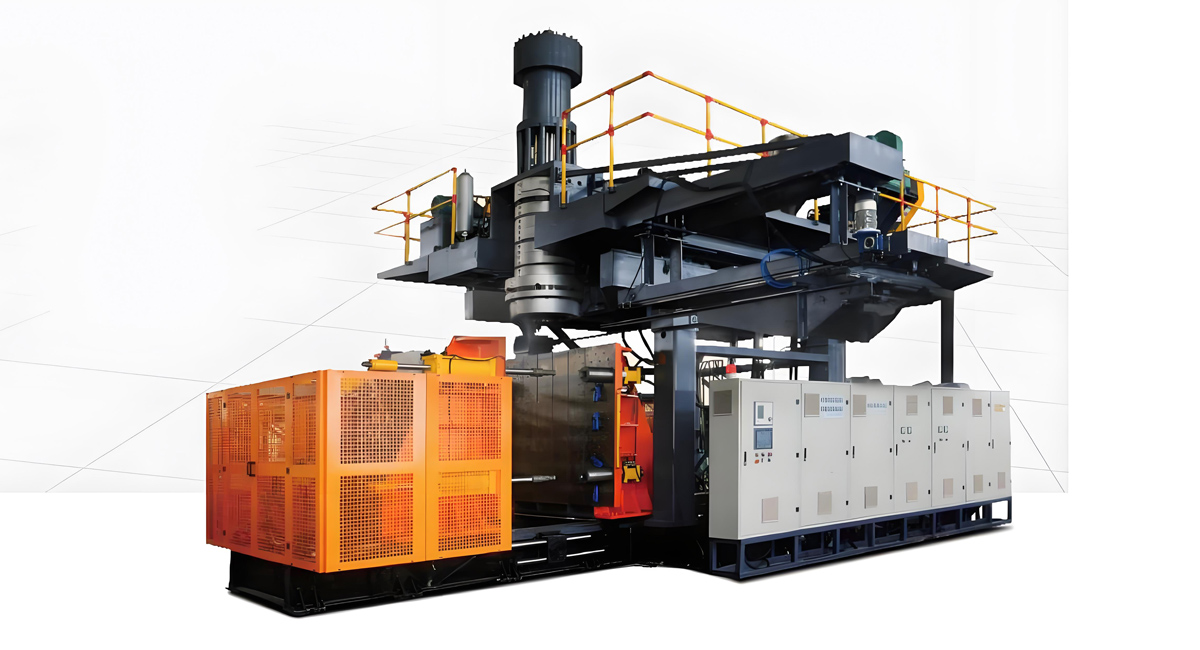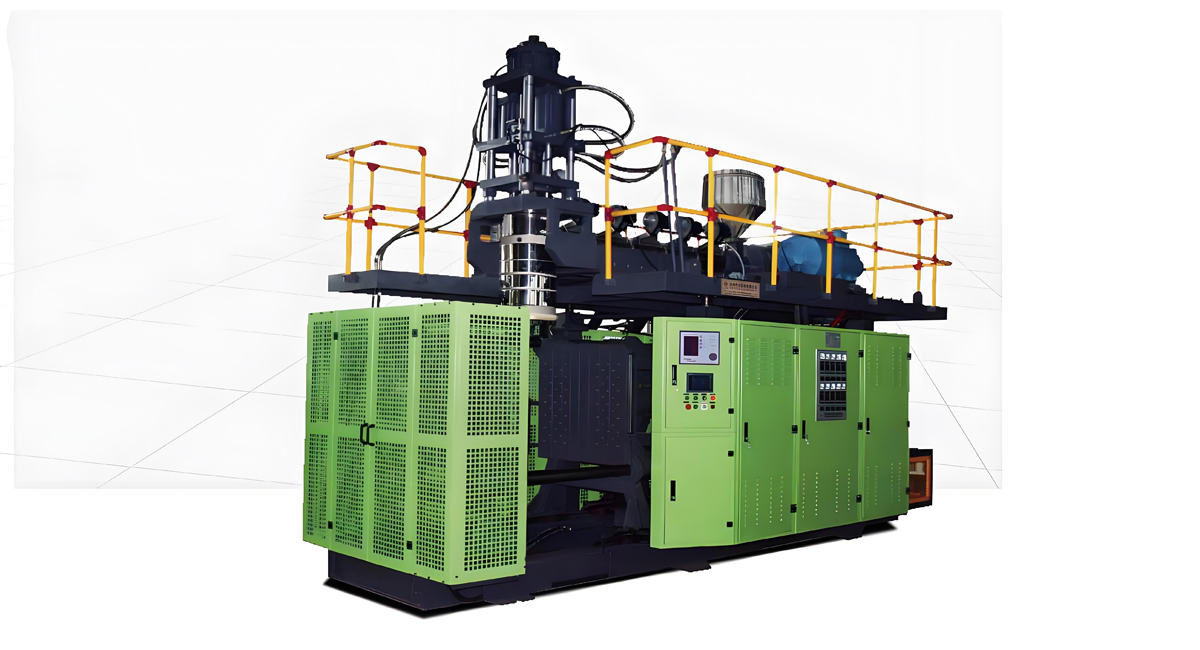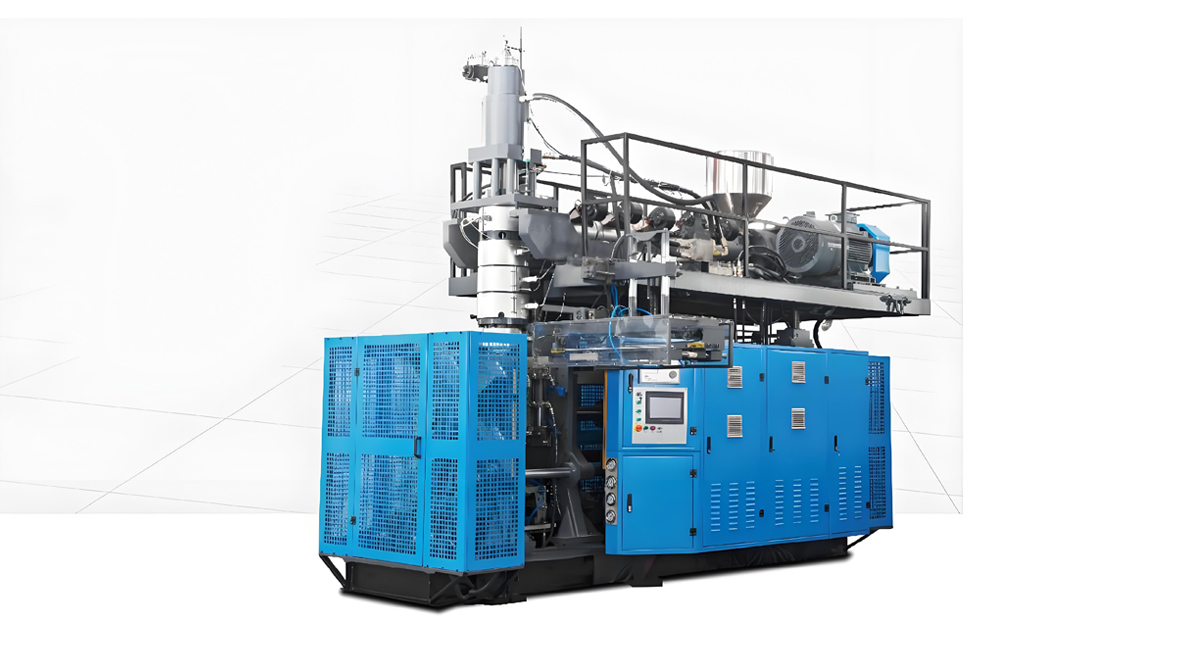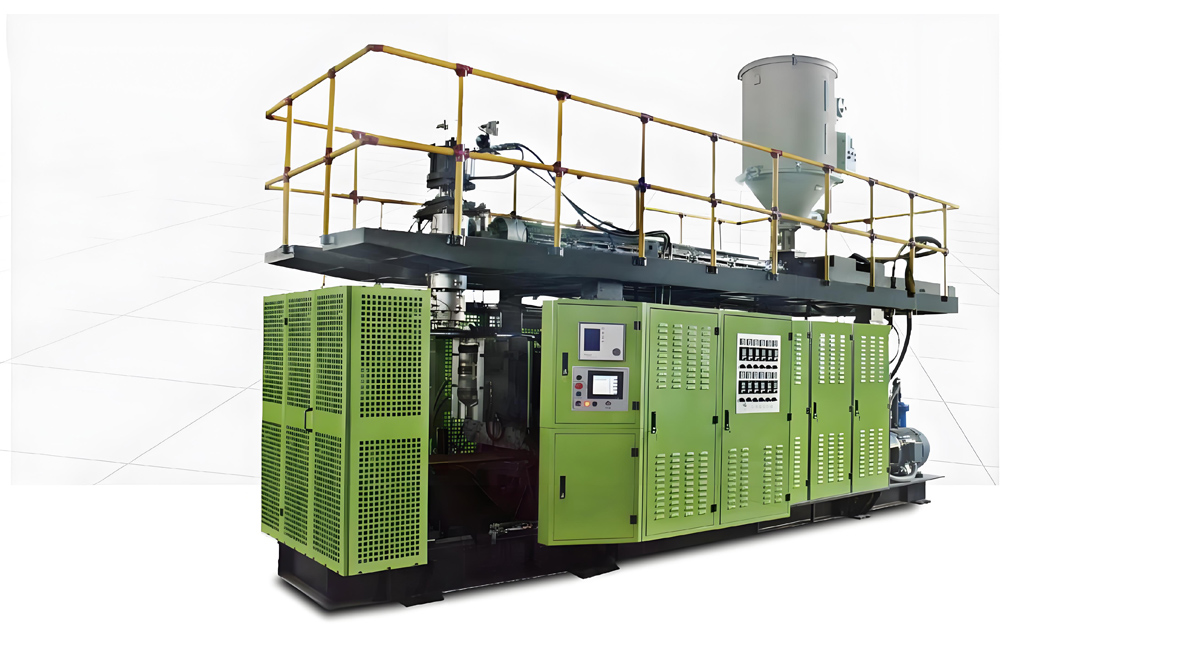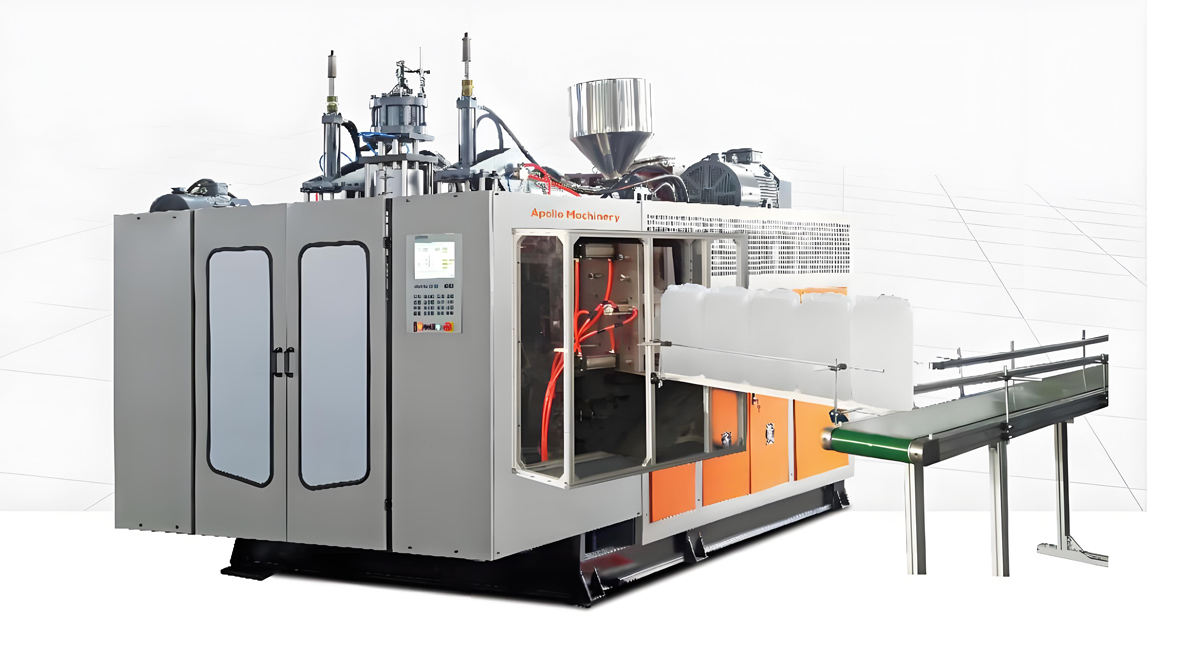

Apollo, sebuah pabrik Wanplas, adalah produsen mesin extrusi eksplorasi otomatis (EBM) dengan sejarah lebih dari 20 tahun, area produksi seluas 8.000 meter persegi, dan lebih dari 4.000 mesin yang beroperasi di lebih dari 90 negara. Artikel ini menyajikan sistem pelatihan operator EBM yang lengkap yang digunakan insinyur Apollo untuk membawa teknisi baru dari kontak pertama dengan mesin hingga menjadi ahli yang teraktivasi. Program studi dirancang dengan sengaja agar terstruktur, dapat diulangi, dan dapat diukur, karena satu jalur EBM tidak menerima kesalahan dalam penggunaannya. Satu parison yang tidak stabil, pengaturan tenaga pengencang yang salah, atau langkah yang dikesampingkan dapat mengubah proses yang menguntungkan menjadi limbah, penutupan pabrik, atau cedera. Dengan menganggap kompetensi operator sebagai tingkatan empat tingkat daripada penugasan informal, pabrik dapat melindungi peralatan, stabilkan kualitas, dan membentuk para pekerja yang dapat meningkatkan proses tersebut daripada hanya menjalankannya. Bantuan yang diberikan di bawah ini ditulis untuk manajer produksi, pengawas perawatan, dan calon pemula yang ingin menempuh jalan yang jelas untuk menguasai mesin Apollo ABLB, ABLD, dan jalur EBM dengan sistem elektrik penuh.
Mengapa Pelatihan Operator yang Terstruktur Penting
Onboarding yang tidak terstruktur adalah mode kegagalan yang menjadi pilihan default di banyak pabrik pengecoran dengan tabung. Seorang karyawan baru akan mengikuti pengoperasian yang berpengalaman selama beberapa hari, mempelajari serangkaian tekanan tombol, dan kemudian ditinggalkan sendiri di mesin yang mereka tidak benar-benar memahami lingkar, sekrup, kepala cetakan, dan unit perekatnya. Konsekuensinya mudah diprediksi dan mahal, bahkan ketika tidak disebutkan uang. Tarif limbah meningkat karena program ketebalan dinding parison ditinggalkan dalam pengaturan default yang ditulis ulang, bukan diatur untuk bahan dan cetakan. Waktu siklus melambat karena pendinginan dan pengaturan waktu pengcoran ditetapkan secara konservatif dan tidak pernah dioptimalkan. Permukaan cetakan mengalami kerusakan yang dapat dihindari karena penutupan sempit ditutup melawan celah yang tidak sejajar. Yang paling serius, kejadian kecelakaan meningkat karena pelajar tidak pernah mempelajari urutan lockout dan tagout (LOTO) atau fungsi jendela cahaya.
Tabel di bawah ini mengkaji kesenjangan yang dialami antara operator yang dilatih tidak resmi dan pelatihan secara terstruktur menggunakan tingkat berkualitas relatif, bukan dalam mata uang. Ini adalah kisaran kinerja yang ilustratif yang dapat digunakan oleh manajer pelatihan sebagai target, bukan angka keuangan yang diadakan audit.
Dampak Performa relatif dari Kualitas Pelatihan
| Indikator operasi | Onboarding Tak Resmi | Kurikulum yang disusun dengan baik | Perbaikan Relatif Biasa. |
|---|---|---|---|
| Angka Kadal Masuk pada Bulan Pertama | Tinggi | Rendah | 30 hingga 50 persen lebih rendah |
| Kesetimbangan Parison setelah Dimulai | Tidak stabil | Tetap stabil | Penyelesaian lebih cepat, jumlah produk yang ditolak lebih sedikit |
| Insiden kerusakan akibat gerak kencang pada molak | Frekuensi | Langka | Penurunan yang signifikan |
| Tindakan yang tidak aman dekat zona penjalin | Diteliti. | Near zero | Penyelesaian yang sesuai |
| Evaluasi Kerja, Penyelesaian, dan Dril Masalah | Panjang dan berubah-ubah | Dapat diprediksi | Shorter, konsisten |
Sistem yang terstruktur juga melindungi usaha saat operator berpengalaman meninggalkan organisasi. Pengetahuan yang tidak resmi akan keluar bersama orang tersebut; kurikulum yang ditulis tetap berada di pabrik. Kontinuitas ini memastikan bahwa Apollo mengirimkan setiap mesin dengan SOP yang diilustrasikan dan menyiapkan tim pelanggan untuk standar yang sama yang digunakan di pabrik Zhangjiagang.
Model kompetensi empat tingkat
Tingkat pengembangan operator Apollo terdiri dari empat rantai. Setiap level memiliki durasi yang ditentukan, sejumlah item penilaian, dan standar pemberian kelayakan yang harus diverifikasi oleh evaluator sebelum operator tersebut melaju ke tingkat berikutnya. Model ini sengaja memisahkan tingkat keterkenalan dengan keahlian sehingga supervisor dapat menempatkan pelatihan di pihaknya pada hari pertama dan mengukur kemajuan secara objektif.
Definisi tingkat dan standar rilis
| Tingkat | Judul | Durasi Biasa. | Poin-poin Asesmen Utama | Standar rilis |
|---|---|---|---|---|
| Level 1 | Pelatihan terhadap mesin | 3 sampai 5 hari | Menentukan unit utama, menyebutkan perangkat keamanan, melakukan LOTO, navigasi HMI dasar | Dapat berjalan di mesin, menemukan stop darurat, dan mengakhiri penguncian secara mandiri |
| Tingkat 2 | Operasi mandiri | 3 hingga 4 minggu | Pengoperasian awal, panggilan resep, produksi normal, dan pemeriksaan kualitas dasar | menjalankan pekerjaan lapisan tunggal standar dalam spesifikasi tanpa bantuan. |
| Level 3 | Optimalisasi proses | Waktu untuk operasi independen | Programmeran ketebalan dinding, pengurangan siklus, pengaturan energi, perubahan bahan | Meningkatkan kecepatan yang baik dan waktu siklus saat mempertahankan kualitas |
| Tingkat 4 | Penyelesaian Masalah dan Pelatih | 6 sampai 12 bulan | Penyebab utama kesalahan, perubahan, koordinasi perawatan, memberi pelatihan kepada orang lain | Menyelesaikan kesalahan dan mengukuhkan pelatihan tingkat 1-2 |
Angka durasi ini mengasumsikan praktek terawasi secara harian di mesin sungguhan dan kombinasi produk yang stabil. Pabrik dengan kombinasi yang sangat tinggi atau ekstrusi berulang akan memperpanjang Tingkat 3 dan Tingkat 4 karena ruang optimalisasi dan penyelesaian masalah lebih luas. Apollo menyarankan untuk mendokumentasikan setiap promosi dengan checklist yang ditandatangani agar rekaman kompetensi dapat bertahan setelah perubahan peran personel.
Jadwal pelatihan campuran 12 minggu
Tanda-tanda (ladder) tidak menjadi tindakan yang dapat dilakukan kecuali jika diletakkan pada kalender. Jadwal berikut adalah rencana 12 minggu yang digunakan insinyur Apollo untuk membawa pelamar dari induksi keamanan hingga rilis Level 2 dan masuk ke topik-topik Level 3 pertama. Jam praktik adalah jam yang diawasi yang dihabiskan di mesin, meliputi waktu kelas dan studi mandiri. Setiap minggu diakhiri dengan gate atau ujian berbentuk pengujian praktis singkat yang di-tandatangani atau diulangi oleh pemimpin. Gate yang gagal diulangi, tidak pernah dilewatkan, karena kesenjangan yang dipertahankan pada minggu keempat muncul sebagai limbah pada minggu ke sembilan.
Week-by-Week Plan with Assessment Gates
| Minggu | Fokus Utama | Jumlah jam praktek yang diawasi | Gerbang akhir pekan |
|---|---|---|---|
| Minggu 1 | Induksi keselamatan, LOTO, pemeriksaan mesin yang diawasi | 20 | Menerapkan penutupan permanen dengan mandiri dan mencari setiap akses stop darurat. |
| Minggu 2 | Identifikasi subsistem, navigasi HMI, pemeriksaan alarm. | 22 | 2 hingga 3 bulan |
| Minggu 3 | Menyebut lima belas komponen dan menafsirkan tiga alarm yang sedang berlangsung | 18 | Membuat pembalikan warna di dalam kisaran target 1 sampai 4 persen |
| Minggu 4 | Persiapan zona, disiplin basa basah, pembersihan, aturan pemakaian gigi | 20 | Eksekusi SOP pemanasan dari awal hingga akhir tanpa diprotes |
| Minggu 5 | Panggilan resep, persetujuan pengerjaan pertama, operasional operasional | 24 | Menahan berat bagian dalam kisaran plus atau minus 2 persen selama empat jam |
| Week 6 | Alat inspeksi: gauge ketebalan, skala, penguapan, penurunan | 20 | Pemprosesan resin, pengeringan, kontrol penurunan masterbatch |
| Minggu 7 | Penerimaan Tingkat 2: pengamatan perubahan individu pada tiap shift | 24 | Mengoperasikan pekerjaan satu lapisan selama delapan jam tanpa bantuan dan sesuai dengan spesifikasi |
| Minggu 8 | Pemrograman perbandingan, pemanfaatan pusat data, distribusi ketebalan | 22 | Memperbaiki parison yang renggang tanpa menambah berat bagian. |
| Minggu 9 | Pembagian siklus: pengelasan, pengikatan, penyemprotan, pendinginan, pemindahan. | 20 | Memperpendek waktu siklus tanpa kerusakan pengerutan atau kebocoran |
| Week 10 | Gunakan format ini dengan benar: "1. " per baris, tidak ada apa pun selain itu. | 22 | Menyelesaikan lembar pengendalian lengkap dengan waktu pengambilan sampel yang benar |
| Minggu 11 | Bor kesalahan, peta akar penyebab kerusakan, respons alarm | 20 | Memperbaiki tiga kesalahan yang ditaruh saat waktu boran habis |
| Minggu 12 | Pengaturan utilitas dan energi, pemeliharaan catatan, pembinaan rekrutan | 18 | Menyajikan portofolio tingkat 3 dari peningkatan proses yang telah tercatat. |
Fasilitas yang menjalankan mesin tunggal dengan beban penuh masih dapat mengikuti rencana dengan memindahkan blok praktis ke jendela yang wajar: periode pemanasan, perubahan yang direncanakan, dan penghentian perawatan yang dijadwalkan. Minggu-minggu 1 hingga 4 hampir tidak memerlukan pengorbanan produksi karena ini adalah topik inspeksi, identifikasi, dan persiapan. Minggu 8 dan 9 merupakan blok yang benar-benar memerlukan izin untuk mengubah parameter pada pekerjaan yang sedang berjalan, dan eksperimen tersebut lebih baik dijadwalkan pada produk yang sudah mapan dan banyak volume di mana jendela prosesnya telah dipahami dengan baik.
Lembar penilaian keterampilan
Keputusan promosi berubah menjadi pendapat jika penilaian tidak dituliskan secara detail dan diukur dengan berat. Evaluator Apollo menilai delapan item keterampilan dengan skala satu hingga lima, dan menggabungkannya menjadi indeks yang berdiferensiasi, di mana hasil yang sempurna sama dengan 100 poin indeks. Keterangan-keterangan berikut menjelaskan kepada evaluator bagaimana kinerja yang lemah dan kinerja yang kuat sebenarnya terlihat di mesin, yang membuat dua evaluator yang berbeda mendekati kesimpulan yang sama.
Matriks kompetensi terukur
| Skill Item | Berat (dalam persentase dari indeks) | Menyelesaikan peralatan dalam waktu standar SOP dan menyetujui prioritas pertama | Skor 4 hingga 5 terlihat seperti |
|---|---|---|---|
| Perilaku keselamatan dan LOTO | 20 | Membutuhkan peringatan, hanya mengisolasi energi listrik | Menghilangkan energi listrik, hidrolik, dan pneumatik serta memverifikasi keadaan nol |
| SOP startup dan pemanasan | 12 | Memutar baut sebelum masa penyimpanan selesai | Menghubungkan setiap zona, memantau tren tekanan saat memulai |
| Manajemen resep dan parameter | 12 | Skor 1 hingga 2 Masih Mirip | Pilih resep yang benar dan cek kembali lembar data bahan. |
| Program Parison | 15 | Tidak dapat menjelaskan apa perubahan pada titik profil | Mengubah profil zona pengontrol dan dasar sambil menjaga berat tetap |
| Disiplin inspeksi | 12 | Melompati interval sampel dan menambal lembar di kemudian hari | Sampel dalam waktu dan menunjukkan tren yang menyimpang sebelum gagal. |
| Diagnosis kerusakan | 12 | Melakukan restart pada mesin dan berharap gejala tersebut hilang | Menyelisik penyebab fisik dan memperbaikinya dari tempat sumbernya |
| Pelaksanaan Perubahan Prosesan | 10 | Menyalin resep yang tak terkait dan mengeditnya dengan sendirinya | Eksekusi seluruh swap dan persetujuan yang pertama dilakukan secara independen |
| Catatan dan penyerahan | 7 | Membiarkan lembaran tipis dan penyerahan secara verbal saja | Rincian lengkap termasuk daftar penyerahan yang disiapkan, ditandatangani, dan diserahkan |
Tiga peraturan mengatur hasilnya. Pertama, total yang diperhitungkan harus mencapai setidaknya 80 dari 100 poin indeks untuk promosi. Kedua, tidak ada satu item pun yang dapat berada di bawah skor tiga, karena rata-rata yang kuat tidak dapat mengimbangi satu titik terluar pada mesin yang menutup cetakan dengan ratusan kilonewton tenaga. Ketiga, barang keamanan harus mendapat skor setidaknya empat; apapun yang lebih rendah adalah penahan otomatis terlepas dari totalitas, dan peserta pelatihan mengulangi modul keamanan sebelum penilaian ulang. Penilai mencatat lembar dengan tanggal, model mesin, dan produk yang sedang diproses, sehingga skor selalu terkait dengan konteks produksi nyata daripada demonstrasi di kelas.
Modul 1: Struktur Mesin dan Keamanan.
Sebelum operator menyentuh garis beroperasi, mereka harus dapat menyebutkan dan menentukan setiap subsistem utama. Mesin ekstrusi pembentukan tiup dibangun dari beberapa blok fungsional besar, dan kebingungan tentang blok mana yang melakukan apa merupakan sumber umum kesalahan operator.
Unit Penjepit
Unit pengencangan menutup tabung memadat, menahannya di bawah gaya pengencangan selama pembentukan dan pendinginan, dan membukanya untuk melepaskan wadah yang sudah jadi. Operator harus memahami bahwa gaya pengencangan bukan preferensi yang lunak tetapi persyaratan fisik: kekuatan yang terlalu kecil akan memungkinkan terjadinya tingkap dan pemisahan cetakan; kekuatan yang terlalu tinggi akan mempercepat kerusakan batang pengikat dan platen. Hubungan antara area cetakan yang direncanakan, tekanan pembentukan internal, dan gaya pengencangan yang diperlukan diajarkan sejak awal sehingga perubahan resep tidak pernah menjadi tebakan.
Ekstruder, silinder, dan sekrup
Ekstruder memelihara resin. Polimer masuk ke hopper, diangkut, dan dicemari di dalam tabung oleh baut yang berputar, dan dipaksa menuju kepala penggergajian sebagai puncak padat yang homogen. Baris Apollo EBM menggunakan desain satu baut dengan rasio L/D biasanya pada kisaran 24:1 hingga 30:1. Peserta pelatihan belajar bahwa tabung adalah rumah tetap dan baut adalah elemen yang berputar, dan hubungan jarak antara keduanya menentukan kualitas pelumasan dan penggunaan energi. Istilah tabung digunakan dalam seluruh dokumentasi Apollo; kata cylinder yang lebih lama dihindari untuk menghindari kebingungan dengan silinder hidrolik.
Gunakan format ini secara akurat: "1. " pada satu baris, tidak ada yang lain.
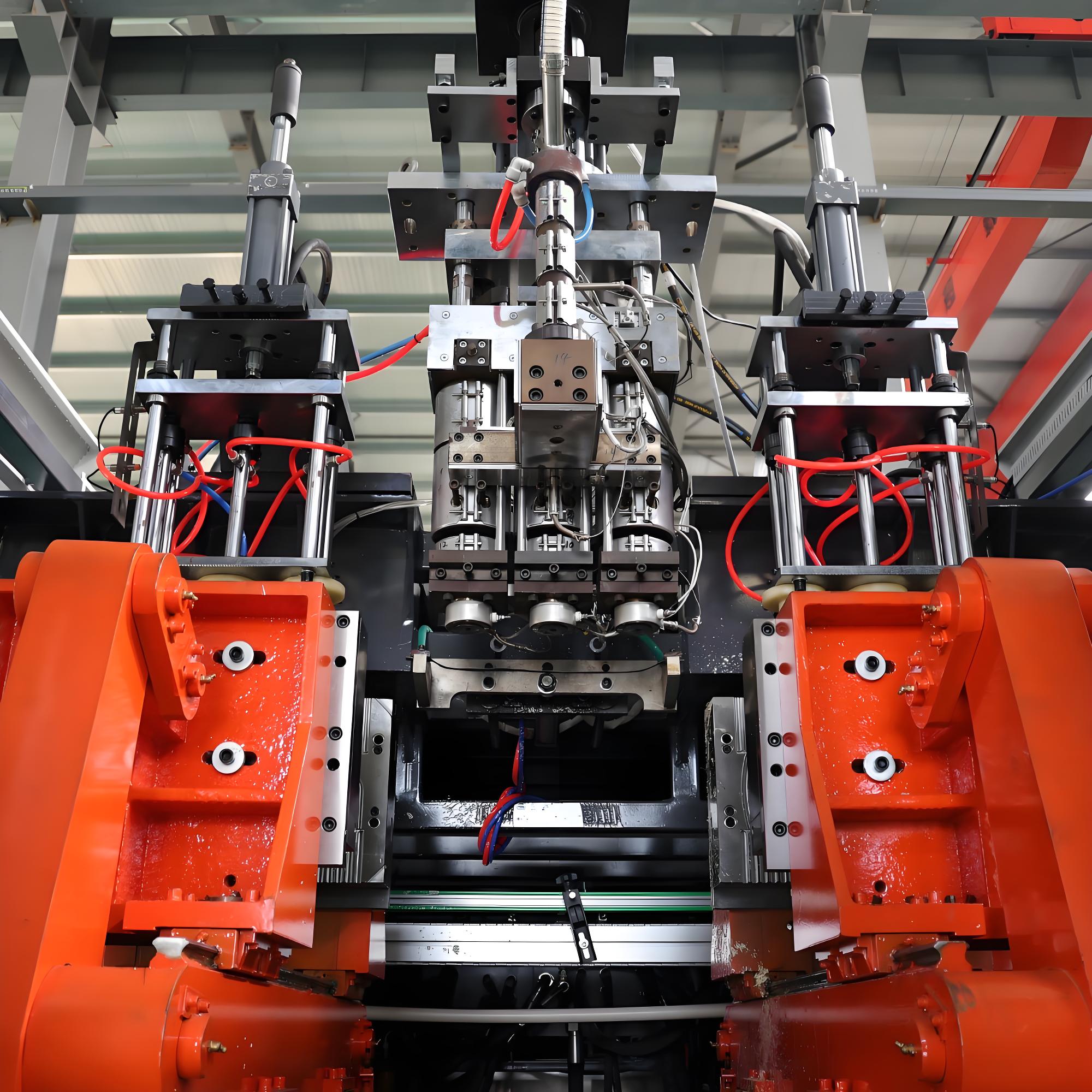
Kepala penekan membentuk bahan cair menjadi parison. Ada dua jenis arsitektur yang perlu diperhatikan. Kepala eksplosif yang terus-menerus akan menghasilkan parison yang stabil untuk wadah yang lebih kecil serta produksi ganda atau bertingkat. Kepala akumulasi menyimpan dugaan jumlah bahan cair yang sudah ditetapkan dan mengirimnya dengan cepat, untuk bagian besar seperti drum berkapasitas 200 liter dan kontainer IBC berkapasitas 1000 liter, dimana parison yang lambat dan kontinu akan tampak melebar. Operator harus mengidentifikasi kepala yang digunakan mesin mereka dan mengapa logika pemrograman parison berbeda di antara kedua kepala tersebut.
Penyangga, sirkuit udara, penggerak, dan perangkat keamanan
Pijakan bukaan dimasukkan ke leher matra dan menyediakan udara yang telah dipersempit untuk membuat matra menjadi lebih besar melawan dinding acuan. Jalur udara itu terdiri dari filter, pengatur, dan valve yang harus bersih dan telah ditetapkan dengan benar. Sistem penggerak adalah hidrolik atau elektrik yang sepenuhnya; serinya yang elektrik sepenuhnya menghilangkan unit daya hidrolik dan bergantung pada motor servo untuk penarikan, pemaparan, dan gerakan. Perangkat keamanan mencakup pintu keamanan, curtain cahaya, kontrol yang dimanfaatkan oleh dua tangan di beberapa stasiun, dan sirkit berhenti darurat. Prosedur LOTO mengajarkan operator untuk mengisolasi energi listrik, hidrolik, dan pneumatik sebelum pintu pelindung dibuka atau alat dimasukkan ke zona pemasangan.
Modul 1 Bukti Keselamatan
| Sistem pendukung | Apa yang Harus Diketahui Operator | Kriteria lulusan |
|---|---|---|
| Unit pemangkasan. | Tujuan penguatan, urutan pembukaan/tutup, pengaman saling terkendali | Menyatakan penyebab flas dari kekuatan yang rendah |
| Tabung dan baut | Jangkauan L/D, peran plastifikasi, tidak ada jalur startup dingin | Aturan pemanasan keadaan |
| Die head | Logika kontinu vs akumulasi, perbandingan | Identifikasi jenis kepala pada mesin sendiri |
| Penyambung dan udara | Rute udara, pengaturan tekanan, perawatan filter | Menentukan pengatur dalam spek |
| Alat keamanan. | Pintu, langkah gelap, E-stop, LOTO | Melakukan penguncian penuh tanpa bantuan |
Daftar Isi
Blow molding ekstrusi menerima berbagai jenis resin, dan pelajaran pertama operator tentang material adalah bahwa setiap polimer memiliki jendela pengolahan yang berbeda. Mesin-mesin Apollo mengolah PE, PP, PVC, PA, PC, ABS, PS, EVA, TPU, dan PETG. Dua yang paling umum adalah HDPE dan PP, namun kurikulum mencakup seluruh rangkaian karena banyak pabrik menjalankan jadwal material yang bervariasi.
Jendela Panas Prosesan
Suhu pencairan mengontrol kekuatan parison, kendur, kualitas permukaan, dan integritas garis peleburan. Jangkauan di bawah ini adalah jaringan yang umum digunakan untuk pelatihan; titik pengaturan yang tepat selalu dikonfirmasi melawan data lembaran bahan dan part target. PVC membutuhkan kontrol suhu yang ketat dan rendah karena terdegradasi jika terlalu panas, sementara PC perlu suhu pencairan yang tinggi dan terdistribusi dengan baik untuk menghindari stres yang tertimbun.
Pakai format ini dengan tepat: "1. "per baris," tidak ada yang lain.
| Material | Suhu pencairan/tembakan rata-rata (derajat Celsius) | Catatan Operator Utama |
|---|---|---|
| HDPE (Polietilen Hitam) | 170 hingga 210 | Jendela yang luas, rendah, dan paling toleran |
| PP. | 190 hingga 230 | Suhu yang lebih tinggi, ketegangan leher jam |
| PVC | 165 to 185 | Jendela yang sempit, risiko degradasi termal |
| PETG | 200 sampai 230 | Membersihkan komponen kosmetik, kering jika perlu |
| TPU | 180 hingga 210 | Hipersimetris, pengeringan sering diperlukan |
| Ekstrusi pelapisan berulir. | Jaringan jendela yang digabungkan | Proporsi lapisan dan kontrol resin pengikat |
Kecepatan aliran cair, atau MFR, menggambarkan seberapa mudah cairan cair mengalir di bawah beban standar. MFR yang lebih tinggi berarti viskositas yang lebih rendah dan pembentukan parison yang lebih cepat, tetapi juga penurunan parison yang lebih besar karena cairan yang lunak melebar karena berat padanya sebelum penutup alat cetak tertutup. Operator belajar untuk mengantisipasi penurunan: HDPE dengan MFR tinggi akan mengental di bagian bawah parison yang panjang, sehingga program ketebalan dinding harus menambah bahan yang memiliki kekerasan rendah dalam profil. Kebutuhan pengeringan bervariasi; resin higroskopik seperti PETG, PC, PA, dan TPU membutuhkan pengeringan dengan dehumidifier sebelum diproses, sementara PE dan PP umumnya tidak. Masterbatch warna ditambahkan dengan 1 sampai 4 persen berdasarkan berat, tergantung pada opacity yang diperlukan dan resin dasar, dan pelatihan mempraktikkan kontrol rasio pemisahan yang konsisten agar warna tetap seragam sepanjang perdagangan.
Modul 3: SOP untuk tindakan awal dan pengaturan parameter
Rentang suhu pemrosesan yang biasa sesuai dengan bahan
Nyala sampai panas, kecepatan baut, dan tekanan balik
Modul ini mengubah teori menjadi rutinitas awal yang dapat direplikasi. Apollo menyajikan SOP tertulis bersama setiap mesin, dan pelamar harus dapat menjalankannya tanpa penugasan sebelum mencapai Tingkat
Penentuan titik kepala matra, penjadwalan pengujian, pengaturan pengontrolan, dan pendinginan
Suhu mesin acuan dikelola dalam zona sehingga parison keluar dari mesin dengan viskositas yang seragam dan dapat dikontrol. Pengaturan ketebalan dinding menjadi inti dari kualitas EBM: programmer parison membagi parison menjadi titik dan menentukan ketebalan lokal untuk setiap titik. Kontroler Apollo mendukung pemrograman 100 titik, sementara banyak pekerjaan standar menggunakan 20 hingga 100 titik tergantung pada kompleksitas part. Operator belajar untuk menebalkan parison di tempat part membutuhkan kekuatan, seperti pegangan dan dasar botol jerry, dan menebalkannya di tempat yang dapat menghemat bahan. Tekanan dedakan ditetapkan dalam kisaran 0,6 sampai 1,0 MPa, dengan penundaan tekanan yang diselaraskan sehingga parison tertangkap pada saat yang tepat, dan masa pendinginan disetel cukup lama untuk memperbaiki bentuk tanpa perlu melanjutkan siklus. Waktu siklus kemudian dihitung dari waktu ekstrusi, penutupan klip, tekanan dedakan, penyejukan, dan penutupan/kegiatan, dan pelatihan memeriksa nilai tersebut terhadap target.
Referensi parameter awal
| Parameter | Konfigurasi Biasa / Batas | Tindakan operator |
|---|---|---|
| Zona pemanasan. | Per lapisan band, terkecil | Konfirmasi semua zona sebelum memulai |
| Kecepatan obeng | Tergantung dari Recepie | Naik secara bertahap, perhatikan tekanan pencairan |
| Tekanan Balik | Tergantung dari Recepie | Pengaturan untuk kehomojenan warna dan pencairan |
| Titik perbandingan | 20 sampai 100 (hingga 100 maksimal) | Profil program untuk bagian yang diperlukan |
| Tekanan pengisapan | 0,6 hingga 1,0 MPa | Menentukan bentuk dan dinding per botol |
| Penundaan pembersihan | Ditentukan berdasarkan waktu penangkap parison | Sesuaikan agar mencegah deformasi pembekuan |
| Waktu pendinginan | Tergantung pada bentuknya | Minimalkan tanpa keriput |
Modul 4: Inspeksi Kualitas
Inspeksi kualitas adalah ketika operator membuktikan bahwa proses berada di bawah kendali. Modul ini mengajarkan kedua alat dan disiplin pengambilan sampel, karena bahkan pengukuran yang sempurna akan kehilangan nilai jika rencana pengambilan sampel salah.
Metode Pengukuran
Ketebalan dinding diukur dengan meteran ketebalan magnetik pada titik-titik yang telah ditentukan, biasanya sisi pengarah, sisi samping, dasar, dan pegangan. Berat dan volume isi diperiksa terhadap toleransi plus atau minus 2 persen. Tes beban vertikal menunjukan bahwa kontainer ini tahan terhadap tumpukan beban atas. Tes dropping mengkonfirmasi ketahanan dari benturan pada ketinggian yang ditetapkan. Tes kebocoran dengan penurunan tekanan atau pengisian air mengkonfirmasi bahwa kontainer ini terpelihara dengan baik. Ukuran sisir dan leher diukur dengan alat pengukur, serta pemeriksaan kosmetik meliputi transmisi sinar dan cacat titik putih atau gel. Pelamar kerja mencatat hasil pada lembar kontrol agar dapat terlihat trend sebelum lot gagal.
Rencana frekuensi pengambilan sampel
| Cek | Frequency | Tindakan atas produk di luar spesifikasi |
|---|---|---|
| Berat | Setiap 30 menit | Sesuaikan program perbandingan |
| Ketebalan dinding | Setiap 2 jam | Mereformasi zona yang lemah |
| Leak test | Setiap 4 jam atau per lot | Memperhatikan lot, memeriksa garis pelebaran |
| Tes tumbukan | Per lot produksi | Meninjau bahan dan pengereman |
| Sikat dan tali bilah | Setiap perubahan cetakan | Periksa ketinggian cetakan |
Modul 5: Diagnosa kerusakan sebagai lapisan keterampilan
Penentuan kerusakan diajarkan sebagai lapisan keterampilan yang dikaitkan melalui tingkat 3 dan 4, bukan sebagai manual rujukan terpisah. Tujuannya adalah untuk membentuk refleks memadukan gejala yang terlihat dengan penyebab fisik dan tindakan pencegahan, dan tidak untuk menghafal katalog besar. Tabel di bawah ini mencantumkan keluarga kerusakan utama yang harus dikenali oleh operator EBM; setiapnya adalah pemberitahuan untuk memikirkan penyebab sekunder saat melakukan latihan pengecekan masalah.
Symptom to Root Cause to Action
| Gejala | Ciri penyebab kemungkinan terbesar | Tindakan operator |
|---|---|---|
| Flash terlalu tebal | Tekanan pemerahan rendah atau pelebaran terlalu panas | Tingkatkan kekuatan sandaran, kurangi suhu pencairan |
| Tergolong rendah dalam pengelolaan | Pisau yang usang, kelambatan, dan penutupan terlambat | Inspeksi ketidakcocokan bilah, ulangi penataan cetakan |
| Garis las yang lemah | Tekanan rendah atau parison dingin | Meningkatkan tekanan, menyesuaikan penundaan |
| Permukaan kulit hiu | Area pemotongan terlalu lama atau terpotong terlalu tinggi | Sesuaikan suhu dan kecepatan baut |
| Bubbles internal | Kelembaban atau kerusakan | Bahan kering, periksa suhu |
| Pengurangan bentuk | Pemanasan yang tidak memadai | Perpanjang pendinginan, periksa pemanas |
Modul ini sengaja tetap kompak. Atlas defect visual terpisah termasuk dalam artikel yang berbeda; disini operator dapat mempelajari pola analisa sehingga setiap kerusakan baru dapat dianalisis, bukan dipindahkan secara panik.
Modul 6: Pengujian dan perubahan
Kompetensi perpindahan memisahkan pabrik yang fleksibel dari yang kaku. Module ini mengajarkan SOP penggantian cetakan yang dokumentasi: isolasi energi, membuka unit penahan, melepaskan cetakan, membersihkan saluran pendingin, memasang cetakan baru, menyesuaikannya, menentukan daya penahan, dan memverifikasi jarak pertama.
Perawatan jepit dan pemanasan
Gunakan format ini dengan tepat: "1. " per baris, tidak ada lagi yang lain.
Target perubahan
| Activity | Tujuan yang dilatih | Mengapa penting |
|---|---|---|
| Pengambilan dan penempatan cetakan | Dalam jangka waktu SOP standar | Mengurangi waktu downtime |
| Periksa ketidakcocokan antar bilah | 0,05 – 0,1 mm | Membran bersih, tidak bocor |
| Luaran pemanasan kanan kiri | Pisau potong adalah fitur pembentukan yang paling sering rusak dan paling kritis. Sisi pemotongan harus dipelihara dengan kesenjangan 0,05 sampai 0,1 mm agar dapat menyambungkan parison dengan bersih tanpa merusak leher. Operator belajar untuk memeriksa pisau setiap pergantian dan melaporkan kerusakan mikro sebelum menjadi rute kebocoran. Kanal air pendingin dibersihkan untuk menghilangkan karat dan biofilm yang secara diam-diam menaikkan waktu siklus; saluran yang tersumbat merupakan biaya produktivitas tersembunyi yang dapat dimulai oleh operator yang terlatih. | Waktu siklus yang stabil |
| Verifikasi pertama kali | Tes kualitas lengkap | Menghindari kerugian yang berlebihan |
Modul 7: Perawatan dan Inspeksi
Operator adalah lini pertama pencegahan pemeliharaan. Modul ini mengajarkan rencana inspeksi titik berurut sehingga pergeseran kecil dapat terdeteksi sebelum menjadi kerusakan.
Poin Harian, Mingguan, Bulanan, dan Triwulanan
| Jarak | Barang utama | Standar penerimaan |
|---|---|---|
| Harian | Filter udara, penguncian pintu, pemeriksaan kebocoran, bersihkan | Tidak ada kebocoran, interlock berfungsi |
| Proses mingguan | Setiap pergantian atau sesuai rencana | Tingkatan dalam rentang, tidak longgar |
| Bulanan | Kebersihan minyak, elemen filter, pendinginan | NAS 8 / ISO 4406 kelas |
| Triwulanan: | Tebing dan penurunan untuk bilah dan silinder, batang kait, penataan | Perawatan dalam batas layanan |
Kebersihan minyak hidrolik dinilai berdasarkan NAS 1638 atau ISO 4406; panduan perawatan Apollo bertujuan untuk kebersihan NAS 8 untuk layanan normal. Suhu minyak disimpan dalam kisaran 40 hingga 55 °C karena suhu yang tinggi mempercepat penambahan oksigen dan penggunaan sel isolasi. Elemen filter diganti sesuai jadwal, bukan setelah mengalami kegagalan. Ujung dan tabung dicheck dengan pengukuran jarak untuk menjaga efisiensi plastifikasi dan mempertahankan kontrol energi.
Modul 8: Keselamatan dan Kesepakatan
Keamanan bukanlah modul yang berakhir; ini adalah kerangka yang mengelilingi setiap modul lainnya. Mata kuliah mengacu pada konsep keamanan mesin CE, evaluasi risiko ISO 12100, dan standar GB yang relevan dalam teks yang ringkas, tanpa mengubahnya menjadi tautan yang bisa diklik. Operator belajar bahwa ketaatan adalah perilaku harian, bukan sertifikat di dinding.
Pola keselamatan inti
Bacakan hasil berat dan tebal dinding yang paling baru dan status ketika sampel terakhir diambil.
Referensi Produk Apollo EBM
System pelatihan hanya setara dengan mesin-mesin yang digunakan untuk melatih operasi. Apollo mengembangkan sepuluh seri dengan lebih dari 80 model yang mencakup produk plastik kosong dari 200 ml sampai 1500 liter. Tiga keluarga menetapkan kurikulum: seri ABLB untuk wadah 200 ml hingga 20 liter, seri ABLD untuk komponen berat 20 L hingga 1500 L, dan seri sepenuhnya listrik untuk wadah 200 ml hingga 20 L dengan target-target lingkungan dan energi yang ketat. Tabel spesifikasi di bawah ini menggunakan konfigurasi representatif dalam setiap seri; nilai yang tepat dapat diverifikasi sesuai dengan model yang dipesan dan cetakan yang dipilih.
Seri ABLB (200 ml hingga 20 L) — Model Utama
| Model | Volume wadah | Tekanan pemerahan | Diameter Sekrup | L/D Ratio | Power yang diinstal | Output Bias |
|---|---|---|---|---|---|---|
| ABLB 55 | 2 L hingga 3 L | 50 kN | 55 mm | 24:1 | 22 kW | hingga 500 pcs/h |
| ABLB 65 | 3 L hingga 5 L | 80 kN | 65 mm | 24:1 | 30 kW | Maksimal 360 pcs/detik |
| ABLB 75 | 5 L – 10 L | 120 kN | 75 mm | 25:1 | 37 kW | Hingga 240 pcs/h |
| ABLB 90 | 10 L hingga 20 L | 180 kN | 90 mm | 25:1 | 45 kW | Hingga 160 pcs / jam |
ABLB 55 adalah perangkat kerja untuk botol kecil dan wadah bulat, sedangkan ABLB 90 digunakan untuk jerry can dan wadah 20 L teknis. Pelatihan bermain program pemeriksaan dilakukan pada model ini karena ukurannya cukup toleran untuk pelajaran namun cukup representatif dengan kondisi produksi.
Seri ABLD (20 L hingga 1500 L) – Model yang mewakili
| Model | Volume wadah | Tekanan pemerahan | Diameter Sekrup | L/D Ratio | Power yang diinstal | Output Bias |
|---|---|---|---|---|---|---|
| ABLD 120 | 30 L hingga 120 L | 400 kN | 120 mm | 24:1 | 110 kW | Mencapai 60 buah per jam |
| ABLD 250 | dari 120 L sampai 250 L | 600 kN | 150 mm | 25:1 | 160 kW | Mampu menghasilkan hingga 30 pcs/h |
| ABLD 500 | 250 L hingga 500 L | 900 kN | 180 mm | 28:1 | 220 kW | Maksimal 15 buah per jam |
Seri ABLD menggunakan kepala penyimpan guna ukuran part yang besar yang dibutuhkan untuk drum, tangki, dan wadah IBC. Pelatihan tahap 3 dan tahap 4 menghabiskan waktu khusus di sini karena pergantian part yang besar dan penentuan waktu penyimpan guna memerlukan penilaian operator yang paling banyak.
siri Multiguna (200 ml hingga 20 L)
| Fitur | Penjelasan |
|---|---|
| Pergi | Sepenuhnya listrik, tidak ada unit tenaga hidraulik |
| Rentang wadah | 200 ml hingga 20 liter |
| Best for | Tantangan lingkungan yang tinggi, pabrik yang sensitif terhadap energi |
| Fokus pelatihan | Penjugian servo, pemantauan energi, operasi bersih |
Industri yang disediakan
Mesin Apollo EBM melayani berbagai industri, dan kurikulum pelatihan mengatur setiap produk akhir secara konkret sehingga operator memahami risiko kualitas dalam pekerjaan mereka. Di industri makanan dan minuman, jalan produksi menghasilkan botol minyak nabati, preform gelas air, dan wadah bumbu. Dalam produksi kimia sehari-hari, mereka membuat botol deterjen, flakon shampo, dan wadah kosmetik yang terbuat dari PETG dan HDPE. Industri kimia mengandalkan mereka untuk botol kimia agro, kaleng pelarut, dan drum kimia dengan ketentuan UN yang dirancang untuk transportasi yang aman. Aplikasinya dalam industri bahan bangunan mencakup tangki plastik dan muat. Produksi medis dan farmasi menggunakan mesin ini untuk botol pembersih, wadah solusi, dan sumur sistem tertutup yang dibuat di bawah kontrol kontaminasi yang ketat. Produksi mobil mengkonsumsi botol cairan pembersih kaca, pipa dan sumur reservoir, sedangkan barang transportasi, budaya, dan olahraga mencakup pengganti kaleng bahan bakar, barang floatasi, dan rumah peralatan.
Saat melatih operator untuk menjalankan tugas yang berkaitan dengan makanan atau obat, Apollo menambahkan pelajaran pengendalian kontaminasi yang merujuk pada persyaratan FDA dan EU 10/2011 dalam bentuk teks sederhana dan meningkatkan kecepatan pemeriksaan yang dijelaskan dalam Modul 4. Pembahasan yang mempertimbangkan sektor industri ini membantu operator menghubungkan pengaturan di HMI dengan wadah yang sebenarnya di rak yang sebenarnya.
Panduan Pemilihan Mengingkatan Kebutuhan ke Model
Salah satu pertanyaan pelatihan yang sering muncul adalah mesin mana yang sesuai dengan tugas tertentu. Tabel di bawah ini diajarkan sebagai alat untuk mengambil keputusan: cocokkan keluaran yang diperlukan, volume wadah, dan bahan dengan model Apollo yang dianjurkan. Tabel ini sengaja disusun dalam istilah fisik, bukan harga, karena tugas operator adalah mempertemukan kemampuan dengan produk.
Persyaratan untuk rekomendasi model
| Kebutuhan produksi | Volume wadah | Material | Model Apollo yang dianjurkan |
|---|---|---|---|
| Botol kosmetik kecil, volume tinggi | 200 ml hingga 2 L | HDPE, PETG | ABLB 55 |
| Botol sabun dan shampoo | 3 L hingga 5 L | HDPE, PP | ABLB 65 |
| Jerry cans dan panci teknis | 10 L hingga 20 L | HDPE (Polietilen Hitam) | ABLB 90 |
| Drum dan tangki kimia | 30 L hingga 120 L | HDPE, PP | ABLD 120 |
| Layanan penyimpanan besar dan kontainer IBC | 250 L hingga 500 L | HDPE (Polietilen Hitam) | ABLD 500 |
| Ruang bersih, proses yang sensitif terhadap energi | 200 ml hingga 20 liter | HDPE, PP, PETG | Seri lengkap listrik |
Metode penyampaian pelatihan
Apollo menyediakan kurikulum melalui beberapa saluran sehingga pelatihan dapat disesuaikan dengan lokasi dan jadwal klien. Pelatihan di pabrik di Zhangjiagang menggunakan mesin dan cetakan yang beroperasi secara nyata, memberikan pengalaman praktis yang paling lengkap. Pelatihan di tempat klien berjalan bersamaan dengan pemasangan dan pengujian, sehingga tim belajar pada jalur yang tepat yang akan mereka operasikan. Panduan video jarak jauh mendukung pertanyaan yang terus-menerus setelah para insinyur pergi. Dokumen SOP yang diilustrasikan dan perangkat pembelajaran video memungkinkan pabrik menjalankan pertemuan pemulihan internal tanpa perlu menunggu kunjungan. Setiap lulusan ujian formal menerima sertifikat keterampilan yang mencatat tingkat, model yang dilatih, dan keterampilan yang diuji.
Jadwal Pelatihan dan Konfigurasi Grup
| Mode Pengiriman | Duration | Pembina Pelatihan yang Dianjurkan | Sertifikat |
|---|---|---|---|
| Pelatihan di pabrik | 5 sampai 10 hari | 2 sampai 4 operator per lot | Ya, per tingkat |
| Di lokasi selama instalasi | Sesuai dengan setelan | Tim penuh shift | Ya, setelah dilakukan evaluasi |
| Sampai 500 pcs / jam | Sesi yang dijadwalkan | Dari 1 hingga 3 per panggilan | Tidak, hanya coaching |
| SOP dan video pelatihan sendiri | Dipegang sendiri | Bebas internal | Hanya internal |
Efektivitas Pelatihan dan KPI.
Nilai pelatihan terbukti dengan KPI fisik, dan bukan estimasi keuangan. Apollo mengikuti lima indikator yang harus diikuti oleh operator yang terlatih dalam arah yang benar selama kuartal pertama berjalan secara mandiri.
Dashboard KPI (KPI)
| KPI | Definisi | Panduan video jarak jauh |
|---|---|---|
| Tingkat produk yang baik | Piecestandar yang dibagi dengan total | Tinggi dan stabil |
| Waktu pemindahan | Menit dari bagian terakhir yang bagus ke bagian pertama yang bagus | Diminusi vs baseline (nilai dasar) |
| Waktu kerja yang tidak terencana | Kegagalan yang tidak sesuai dengan rencana | Rendah |
| Energi per 1000 buah | kWh per 1000 potongan | Didukung secara optimal |
| OEE | Ketersediaan waktu kinerja kualitas, persentase | Persentase yang meningkat |
Efisiensi seluruh peralatan dinyatakan secara ketat sebagai persentase dan didukung oleh kuantitas fisik di atas, sehingga kembalian pelatihan diukur berdasarkan perilaku produksi, bukan berdasarkan angka mata uang. Pabrik yang menjalankan model empat level biasanya melihat kecepatan produk yang baik meningkat dan waktu pergantian turun saat operator beralih dari Tingkat 2 ke Tingkat 3.
Modul 2: Dasar-Dasar Bahan dan Proses
Nilai di kelas menurun; perilaku yang diamati di jalur operasi tidak. Tiga rutinitas dalam bagian ini adalah yang membuat operator yang bersertifikat tetap terlatih dalam praktik.
Form Evaluasi Berdasarkan Pengamatan
Pengevaluasi menghabiskan setengah jam setiap dua jam berdampingan dengan operator, tidak berkata apa-apa kecuali jika keselamatan terancam, dan mencatat enam pengamatan dalam urutan: (1) bagaimana operator memulai operasi dan apakah sampel pertama diambil dalam jendela standar; (2) apakah pemeriksaan pengaman dan interlock dilakukan sebagai kebiasaan atau hanya ketika diingatkan; (3) waktu reaksi antara deviasi massa atau ketebalan yang muncul pada lembar kontrol dan perbaikan yang dilakukan; (4) apakah perbaikan merupakan perubahan tunggal yang sengaja atau beberapa perubahan sekaligus yang membuat penyebab dan akibat tidak dapat dibaca; (5) kebersihan di sekitar kepala cetakan dan area pembuangan, karena stasiun yang berantakan memprediksi kontaminasi dan bahaya gangguan; dan (6) bagaimana operator melaporkan masalah ke atas, termasuk informasi apa yang mereka bawa. Setiap pengamatan ditetapkan sebagai hadir, sebagian, atau tidak ada, dan form tersebut dibahas pada hari yang sama, saat peristiwa masih segar.
Rutinitas Peralihan
Sebagian besar penyimpangan dalam proses diwarisi, bukan diciptakan. Pengamanan yang disiplin dapat mencegah variasi kecil yang terjadi di luar batas shift sehingga tidak terdeteksi. Prosedur di bawah ini hanya membutuhkan sepuluh sampai lima belas menit, dan dilakukan di mesin, bukan dalam kantor.
- Ekspor atau cetak jurnal proses shift terakhir bersama dengan nomor resep yang aktif
- Berjalan di sekitar mesin berpasangan, operator keluar menjelaskan dan operator masuk menanyakan.
- Gunakan format ini secara tepat: "1. " per baris, tidak ada lain.
- Target operator yang dilatih
- Bandingkan setiap zona tabung dan kepala acuan dengan setpoint dan tandai zona mana pun yang bergerak.
- Cari di wadah limbah bersama-sama dan sebut kelainan dominan yang ada pada batch tersebut.
- Konfirmasikan tahapan resin, tingkat hopper yang tersisa, dan pengaturan pengeluaran masterbatch.
- Periksa tekanan udara kompresi, suhu air dingin, dan, pada mesin hidrolik, suhu minyak.
- Verifikasi bahwa guard, curtain cahaya, dan sirkuit berhenti darurat berfungsi dan belum dielakkan.
- Jelaskan perubahan yang direncanakan berikutnya dan apakah acuan, blow pins, dan inserts sudah dipersiapkan.
- Kedua operator menandatangani lembar penyerahan; segala hal yang belum diselesaikan menjadi tindakan terbuka dengan pemilik yang ditunjuk.
- Operator yang baru masuk mengambil sampel independen dalam waktu tiga puluh menit untuk menetapkan batas dasar mereka sendiri.
Tindakan simulasi kegagalan
Peserta ujian level 3 dan level 4 berlatih pada kegagalan yang disebabkan oleh pengenalan masalah selama waktu berhenti yang direncanakan, bukan menunggu kegagalan yang sebenarnya. Lima latihan meliputi sebagian besar gangguan produksi sebenarnya.
- Beritahu setiap alarm dari shift, apa yang memicu alarm tersebut, dan bagaimana memulihkannya.
- Suhu air dingin meningkat beberapa derajat: bagian keluar dari cetakan menjadi lunak dan terdistorsi. Operator perlu menyambungkan deformasi ke fasilitas teknis, melanjutkan pendinginan sebagai langkah sementara, dan mempercepat masalah kompresor.
- Gunakan format ini dengan tepat: "1. " per baris, tidak ada yang lain.
- Kerusakan perekat pengaman pada tengah siklus: mesin berhenti dengan bahan yang ada di kepala penanam. Kriteria sukses adalah bahwa operator tidak pernah melewati pengaman dan menyelesaikan penutupan pengaman sebelum membuka apapun.
- Tekanan udara yang terkonsentrasi turun: proses penembakan kurang lengkap dan garis las melemah. Operator mengecek filter dan sistem pengatur, memastikan apakah kerugian tersebut lokal atau terjadi di seluruh pabrik, dan melaporkan sesuai dengan peristiwa tersebut.
Setiap sesi latihan diakhiri dengan sesi debrief selama lima menit di mana operator menjelaskan jalur pemikiran yang mereka ikuti, bukan hanya tindakan yang mereka lakukan. Penjelasan itu yang dinilai oleh instruktur, karena tindakan yang benar yang dicapai dengan menebak tidak akan ditransfer ke kesalahan yang tidak dikenal berikutnya.
Tingkat sertifikasi, perpanjangan sertifikasi, dan riwayat
Catatan keterampilan kadaluarsa di praktek, bahkan ketika kertas itu tertinggal. Oleh karena itu, Apollo terkait setiap sertifikasi dengan periode kedaluwarsa, sinyal pembaruan, dan batasan pekerjaan yang diizinkan, sehingga superuser dapat melihat dengan cepat siapa yang boleh secara legal dan aman melakukan tugas tertentu pada mesin tertentu.
- Pemahaman tingkat 1 berlaku selama operator tetap berada pada keluarga mesin yang sama dan diperbarui setiap kali pelindung, pengendali, atau perangkat keamanan baru diinstal.
- Operasi independen tingkat 2 diulas setiap tahun dengan waktu operasi yang dipantau yang singkat dan uji keamanan ulang; ketinggian lebih dari tiga bulan dari mesin akan memicu shift masuk kembali yang diatur.
- Optimisasi proses tingkat 3 diaudit setiap tahun terhadap perbaikan yang dihasilkan, yang mencegah tingkat tersebut menjadi sebuah judi ketimbang keterampilan yang telah dilatih.
- Status instruktur tingkat 4 mengharuskan pemegang sertifikat untuk melatih setidaknya dua operator dalam periode evaluasi dan telah menyelesaikan masalah yang tercatat tanpa penyelarasan.
- Setiap sertifikat menyebutkan seri mesin yang telah dilatih, jadi operator yang bersertifikasi pada mesin kepala terus menerus tidak akan secara otomatis dipindahkan ke jalur kepala akumulator.
Perubahan titik perbandingan terlindung: satu titik profil dipindahkan tanpa memberi tahu operator. Diketahui bahwa deteksi ini akan terjadi dalam dua sampel berurutan dari tren berat dan ketebalan.
Kesalahan Latihan Umum
Mengetahui apa yang tidak boleh dilakukan adalah setengah dari kurikulum. Kesalahan paling sering yang dilihat oleh para insinyur Apollo termasuk: melewatkan latihan LOTO, menganggap program penyusun sebagai kotak hitam, pendinginan yang berlebihan untuk menyembunyikan masalah titik welder, mengabaikan kebersihan minyak hidrolik, dan memberikan promosi kepada operator berdasarkan jangka waktu kerja, bukan kinerja yang dinilai. Salah satu jebakan lain adalah hanya melatih satu orang per shift, yang menyebabkan satu titik kerusakan ketika operator itu tidak ada. Model empat tingkat mengatasi hal ini dengan mensyaratkan penilaian yang didokumentasikan dalam setiap promosi dan dengan mengajak setidaknya dua operator terlatih per mesin.
Catatan tetap sengaja kecil: satu lembar kompetensi per operator, satu daftar cek pintu yang disetujui per minggu pelatihan, dan satu lembar penyaluran per jadwal kerja. Pabrik yang mencoba melacak lebih dari ini biasanya tidak melacak apa pun, karena pekerjaan kertas melebihi jadwal kerja.
Pada mesin itu sendiri, kesalahan yang berulang lebih sempit dan lebih mudah diperbaiki setelah disebutkan. Mengganti tiga parameter sekaligus menyembunyikan perubahan mana yang membantu, sehingga aturan adalah satu perubahan, kemudian mengamati periode stabilisasi yang lengkap. Meningkatkan suhu cairan untuk memperbaiki permukaan kasar sering membuat kerendahan menjadi lebih buruk; kecepatan sekrup dan keseimbangan zona acuan perlu dievaluasi terlebih dahulu. Menghilangkan sisi tebal dengan menambah berat di seluruh parison mengakibatkan pemborosan bahan dan memperpanjang waktu pendinginan, sementara titik profil lokal menyelesaikannya. Memotong waktu pendinginan untuk mencapai kuantitas output menghasilkan kerusakan yang hanya muncul setelah kotak itu dipacking dan diposisikan. Menghindari tekanan cairan yang perlahan meningkat sampai alarm menghentikan proses mengubah perubahan layar lima menit menjadi jam kebangkrutan yang tidak direncanakan. Menyeka kepala cetakan yang panas dengan handuk lembab mengintroduksi kelembaban yang muncul kemudian sebagai gelembung internal. Terakhir, menonaktifkan alarm berulang tanpa mencatatnya menghilangkan bukti yang sangat dibutuhkan oleh pergantian berikutnya.
Pelayanan dan Dukungan dari Apollo
Apollo menyediakan pelatihan dengan jaringan layanan grup Wanplas lengkap. Setiap mesin diuji sebelum dikirim, dan teknisi melakukan instalasi dan penyetelan langsung di tempat yang sekaligus berfungsi sebagai pelatihan operator praktis. Kebijakan suku cadang menawarkan pinjaman sambungan tahunan untuk suku cadang yang sifatnya biasa, didukung dengan penggantian garansi untuk komponen yang rusak. Operator akan mendapatkan petunjuk praktis dan bahan ajar video, serta dukungan operasi jarak jauh yang tersedia setelah penyerahan. Apollo juga menyambut kunjungan pelanggan ke pabrik Zhangjiagang untuk pemahaman langsung dan percobaan penggunaan sampel, yang memperkuat budaya pabrik terbuka yang diperuntukkan untuk merek Wanplas secara keseluruhan.
Kesimpulan
Sistem pelatihan operator EBM yang terstruktur ini adalah asuransi paling murah yang dapat dibeli oleh pabrik pembentukan tiup. Dengan menjelajahi tangga empat tingkat mulai dari pengenalan mesin hingga penanggulangan masalah dan pelatih, seorang operator beralih dari hanya menekan tombol-tombol ke aktivitas pengoptimalan proses. Program Apollo menghubungkan setiap pelajaran dengan mesin-mesin asli seperti ABLB, ABLD, dan seri yang dirancang seluruhnya secara elektrik, bahan-bahan asli, jendela suhu, dan KPI yang dapat diukur yang diungkapkan dalam satuan fisik. Dikombinasikan dengan uji coba sebelum pengiriman, penyiapan di lokasi, diskon tahunan gratis untuk spare parts, dan kebijakan pabrik terbuka, pelatihan ini memberikan pabriknya jalur yang dapat diulangi untuk kualitas stabil dan tenaga kerja yang tangguh. Jika anda rencanakan pembangunan jalur baru atau meningkatkan jalur generasi lama, kirim spesifikasi produk Anda dan pengrajin Apollo akan menyiapkan konfigurasi yang disesuaikan, merencanakan audit pabrik, dan menjalankan produksi uji coba sampel agar tim anda dapat melatih pada mesin yang tepat sebelum mencapai lantai pabrik.
Pertanyaan yang Sering Diajukan
Berapa lama yang dibutuhkan untuk mengajari operator EBM baru untuk bekerja secara mandiri?
Operator baru biasanya mencapai operasi mandiri tingkat 2 setelah tiga hingga empat minggu pembelajaran kombinasi, asalkan praktik pendampingan dilakukan setiap hari di mesin yang sebenarnya. Model tingkat empat menetapkan sekitar 40 sampai 60 jam pendampingan sebelum operator dilepaskan untuk menjalankan pekerjaan satu lapisan standar tanpa bantuan. Pabrik dengan jadwal multi-lapisan yang kompleks sebaiknya menyediakan waktu yang lebih lama untuk tahap optimasi.
Apakah pelatihan Apollo dapat disampaikan di pabrik sendiri kami daripada di Zhangjiagang?
Ya. Teknisi Apollo melakukan pemasangan dan pengaturan di lokasi pelanggan, dan jendela di lokasi tersebut juga digunakan untuk pelatihan operator. Panduan video jarak jauh dan paket SOP yang terstruktur memperpanjang pelatihan setelah teknisi pergi, sehingga tim tetap dapat diperbaiki bahkan saat kunjungan berikutnya.
Apa sertifikat yang diterima operator setelah mengikuti pelatihan?
Operator yang lulus ujian di level tersebut menerima sertifikasi kompetensi Apollo yang mencatat level yang dicapai, model mesin yang dilatih, dan keterampilan yang diuji. Sertifikasi ini mendukung pelacakan kualifikasi internal dan persiapan audit, dan disertakan dalam file personel operator, sehingga tidak bergantung pada memori informal.
Gunakan format ini dengan tepat: "1. " pada setiap baris, tidak ada yang lain.
Ya. Kurikulum tersebut mencakup konfigurasi penggerak hidraulik dan penggerak elektrik yang sepenuhnya. Mesin yang menggunakan penggerak elektrik menghilangkan sirkulasi hidraulik dari perhatian sehari-hari tetapi menambahkan topik-perkembangan servomotor dan pemantauan energi, yang dipecah menjadi modul khusus agar operator memperoleh pemahaman tentang mode kegagalan yang berbeda dan alat optimalisasi.
Gunakan format EXAKTA ini: "1. " per baris, tanpa tambahan apa pun.
Efektivitas ini dipantau hanya dengan KPI fisik, yaitu tingkat produk yang bagus, waktu peralih, putaran kerja yang tidak direncanakan, energi per 1.000 potong, dan efektivitas peralatan secara menyeluruh yang dinyatakan dalam persentase. Tidak ada angka finansial yang digunakan untuk menilai keterampilan operator, sehingga penilaian tetap bersifat objektif dan dapat dipertanggungjawabkan antar shift.
Apakah pelatihan ini cocok untuk produksi wadah kontak makanan dan farmasi?
Ya. Modul pengolahan bahan, pembersihan, dan pengendalian kontaminasi mengacu pada persyaratan kontak makanan, seperti FDA dan EU 10/2011, dalam bentuk teks. Bagian inspeksi kualitas mencakup pemeriksaan tambahan yang diperlukan dalam aplikasi tersebut. Operator mempelajari mengapa pengambilan sampel yang lebih ketat dan pengolahan yang lebih bersih melindungi konsumen dan merek.
Apa yang terjadi jika kita perlu melatih shift kedua di kemudian hari?
Komponen SOP set dan materi pembelajaran video memungkinkan pelatih yang berlisensi Level 4 di pabrik Anda memperbarui kurikulum bagi karyawan baru tanpa harus menunggu kunjungan Apollo. Apollo menyarankan agar setidaknya ada dua operator yang berlisensi per mesin sehingga tidak pernah ada gangguan atau pergantian karyawan yang menghentikan produksi, dan pemberian panduan remote tersedia saat muncul tantangan baru dalam proses.