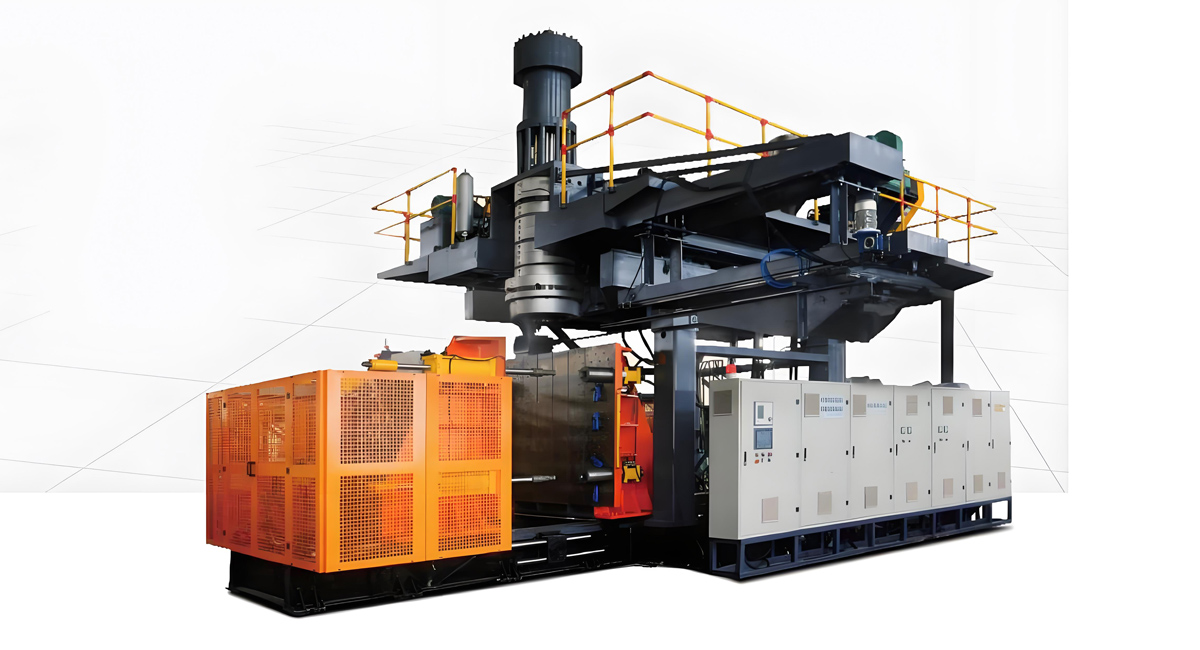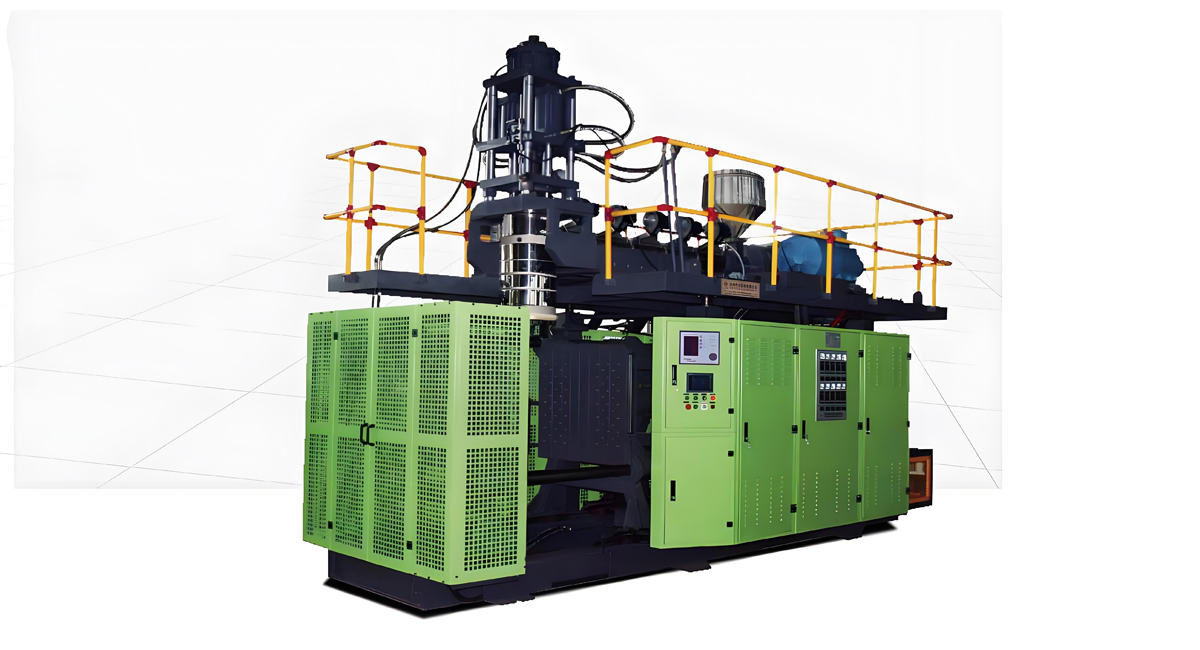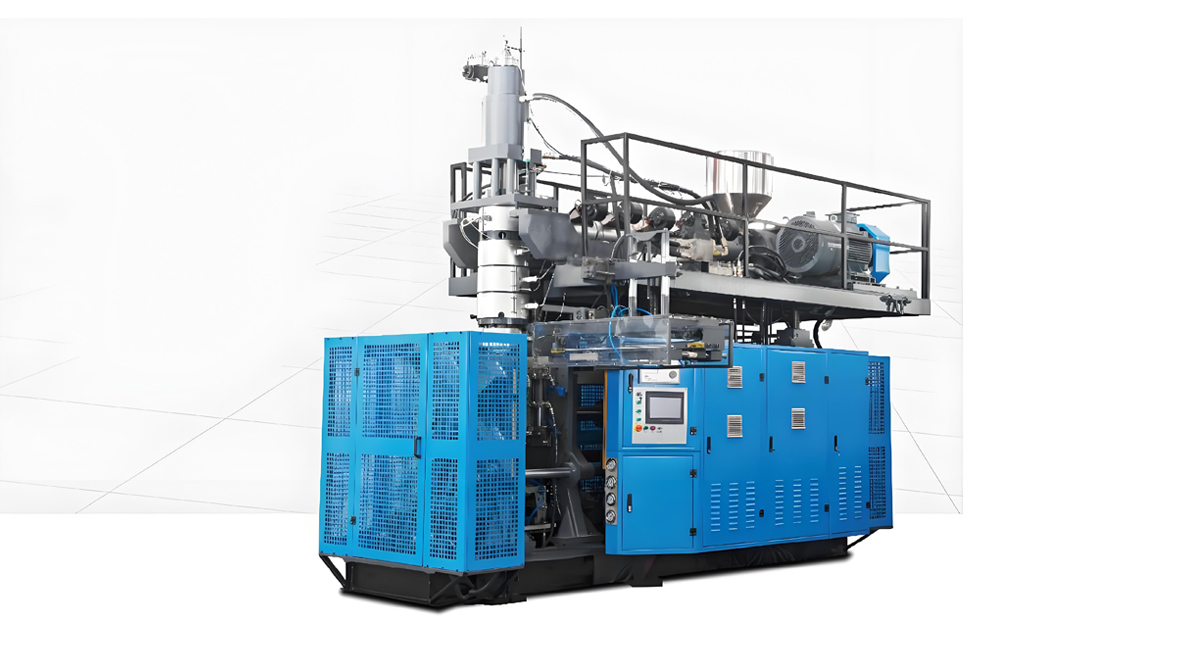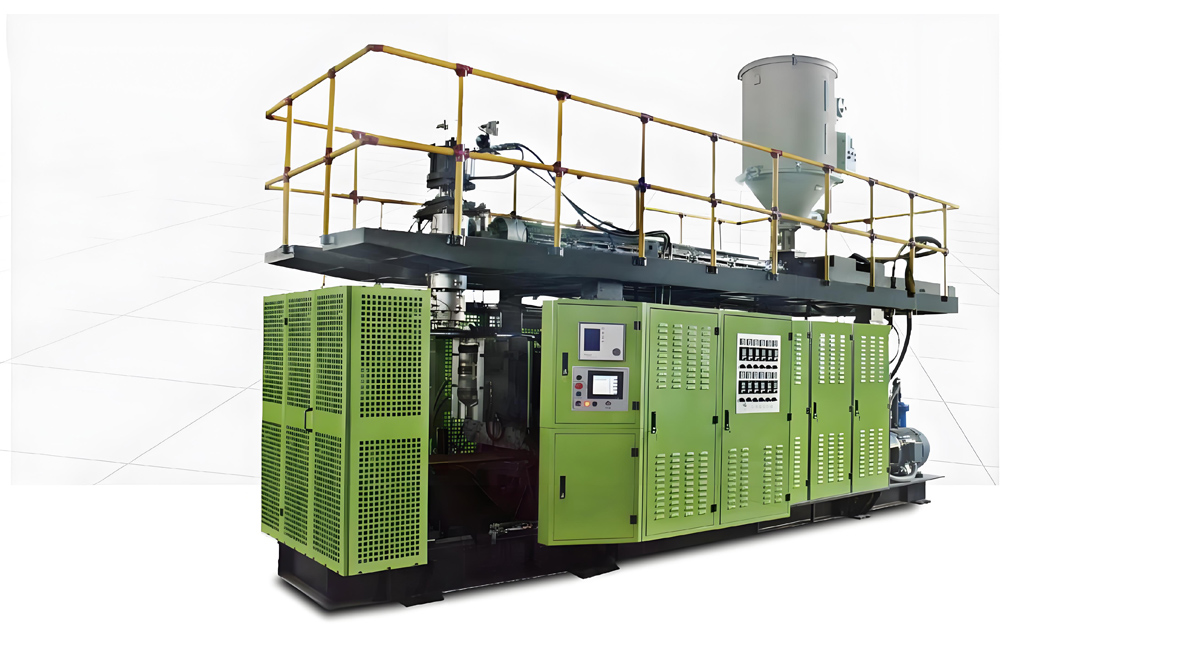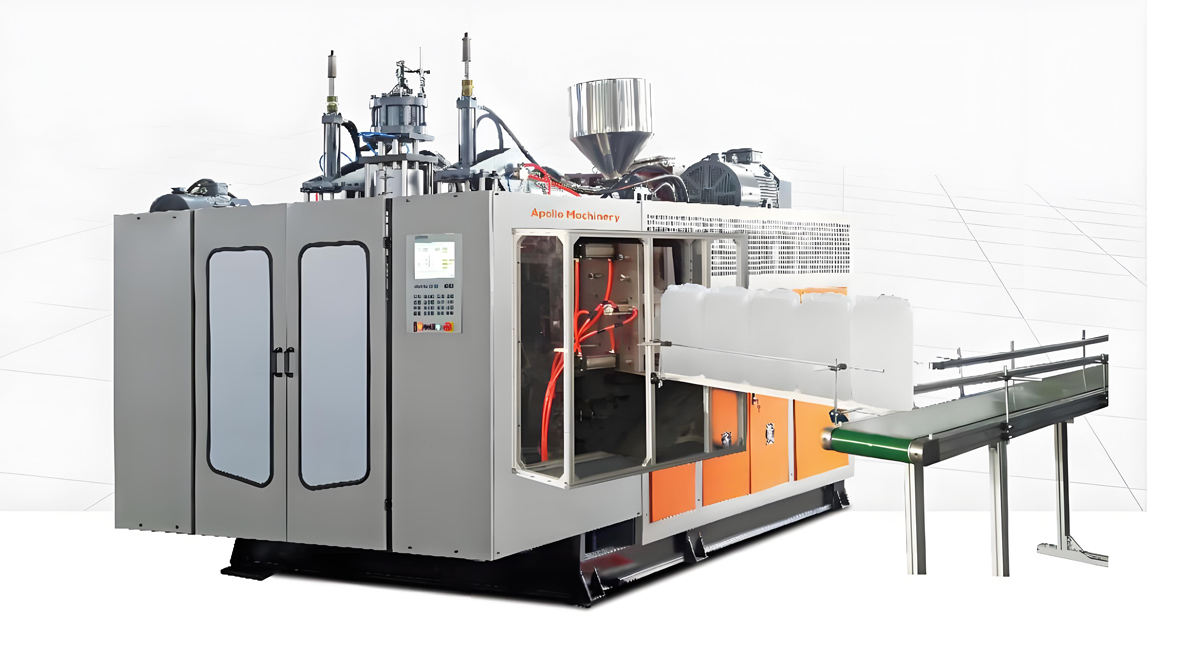

Apollo, завод Wanplas, це виробник автоматичних прес-формувальних машин (EBM), розташований в Zhangjiagang, який має більш ніж 20 років історії, виробничу площу в 8 000 квадратних метрів і більше ніж 4 000 машин, які працюють у понад 90 країнах. У цьому матеріалі представлено повний систем автоматичного навчання операторів, який використовується інженерами Apollo для ведення нового техніка від першого контакту з машиною до сертифікованого тренера. Курс розраховано з урахуванням повторення і мірюваності, оскільки виробнича лінія EBM не прощає помилок. Експлуатація однорідної неправильно встановленої опори, невідповідного настройки зусилля фіксації або пропущення кроку заблокованого стану може перетворити прибутковий цикл в негодне продукт, простори робочих часів або травму. Використовуючи компетентність оператора як чотириступеневий сход, а не неформальну стажування, завод може захистити своє обладнання, стабілізувати якість і обласити робочу силу, яка покращує процес, а не тільки запускає його. Наведені нижче рекомендації направлені на менеджерів виробничих підприємств, керівників технічного обслуговування і підопічних, які бажають досягти вищого рівня на лініях Apollo ABLD, ABLN, ABLP і повністю електричних лініях EBM.
Чому структурне операторне навчання має значення
Неструктуроване навчання є звичайним виходом з ситуації в багатьох виробничих центрах з екструзії з оболонок. Новий працівник стежить за досвідченим оператором протягом декількох днів, запам'ятовує декілька натискань кнопки та потім залишається сам на машині, у якій її барабан, гвинт, головку прес-форми та пристрій притискання вони не знають і не розуміють. Враження від цього є передбачуваними та дорогими відносно до вартості. У розходженні шматочків збільшується тому, що програма для товщини стінки парізану залишена на скопійованій замовній настройці, а не налаштована на конкретний матеріал та прес-форму. Час циклу збільшується, тому що спосіб охолодження та регулювання ударної зарядки робіт виставлені занадто консервативно та ніколи не оптимізуються. На поверхнях прес-форм виникає можлива деформація, якщо програма припинення прорізання закрита проти похилою порожнини. Найважче — підвищення рівня аварій, через те що стажер не знав процедури LOTO (локауту та етикетування) чи функції світлонастусного спорудження.
У таблиці нижче перераховані типові відмінності між оператором, який пройшов неформальне навчання, та цими формальними на основі відносних балів, а не в грошовому вираженні. Ці приклади коефіцієнтів результативності можна використовувати викладачами для націлювання, а не як аудитовані фінансові показники.
Стовідсотковий вплив якості навчання на результати
| Оперативні показники. | Неформальне навчання | Структурований навчальний план | Типове відносна поліпшення. |
|---|---|---|---|
| Розмір втрат першого місяця | Маркування проводу в стіні | Низький | На 30–50% знижені витрати |
| Стабільність процесу після запуску | Нестабільно | Стабільний | Більш швидка осадка, менша кількість відмовиваних деталей |
| Інциденти, пов'язані із пошкодженням форм внаслідок защемлення | Часто | Рідкісні випадки несправностей. | Значне зменшення |
| Небезпечні дії в районі запобіжної гайки | Обсервації. | Near zero | Досягнута відповідність |
| Час для самостійної роботи | Довго і непостійно | Прогнозуваність | Коротший час роботи, більша турбулентність |
Структурована система також захищає бізнес в разі від'їзду досвідченого оператора. Неофіційні знання виходять із компанії разом з людиною на контракті; документована програма залишається на заводі. Саме цісність завдяки чому компанія "Аполлон" постачає кожну машину з ілюстрованими інструкціями та навчає колектив клієнтів за тією ж методикою, яку використовують на заводі в Чжанджаігуан.
Чотирирівнева модель компетенцій.
Стрічка розвитку оператора „Аполлона” складається з чотирьох ступенів. Кожен рівень має визначену тривалість, набір оцінюючих пунктів та стандарт випуску, який перевіряє інструктор-презентатор, перед тим як оператор переходить на наступний рівень. Ця модель свідомо відділяє підготовність від вміння, щоб керівник з першого дня правильно розмістив тренера та об’єктивно оцінив його прогрес.
Дефініції рівнів і стандарти видачі.
| Урівень | Заголовок | Типовий термін. | Основні елементи оцінювання | Стандарт випуску |
|---|---|---|---|---|
| Level 1 | Ознайомлення з обладнанням | 3−5 днів | Ідентифікувати основні агрегати, назвати охоронні пристрої, виконувати LOTO, основну навичку управління інтерфейсом користувача (HMI) | Оператор може пройтись по машині, знайти аварійний стоп та відключити машину самостійно, без нагляду |
| Рівень 2 | Незалежна робота. | 3 — 4 тижні | Старт, виклик рецептури, нормальна виробництво, основні перевірки якості | Виконує стандартну одношарову операцію в рамках погодженої специфікації без допомоги персоналу. |
| Level 3 | Оптимізація процесу | 2–3 місяці | Програмування товщини стінок, скорочення циклів, налаштування енергії, зміна матеріалу | Збільшується коефіцієнт корисної продуктивності та час циклу під час підтримки якості |
| Режим 4 | Вирішення проблем та обучение інструктора | 6–12 місяців | Причина виявлення несправностей - недоліки конфігурації, порушення процедур, координація технічного обслуговування, надання рекомендацій іншим фахівцям. | Вирішення несправностей і сертифікація учасників навчання 1 — 2 рівнів |
Цифри часу виділено для щоденної підготовки з наглядом на реальному обладнанні і для стабільної комбінації продуктів. Заводи з дуже обмеженою комбінацією продукції або багаторівневою екструзією збільшать рівень 3 і рівень 4, оскільки поле оптимізації та подолання проблем ширше. Компанія "Аполлон" рекомендує документувати кожний перехід на вищий рівень застосовуючи підписану перелік дій, щоб буде можливість перевірити відповідність навичок в разі зміни штатів.
12-титижневий графік змішаних занять
Ступінчатий риштування стає дієвим тільки після його включення в графік. Нижче представлений двадцятитижневий план, який використовують інженери в компанії «Apollo» для перетягування стажування від інструкції з питань безпеки до випуску другого рівня і вивчення перших тем третього рівня. Години практикування — це надзвичайно контрольовані години, проведені біля машини, без розгляду часів в класах та самостійних занять. Кожен тиждень завершується «ворітьм», тобто коротким практичним демонстрацій, з якими інструктор робить одразу ж висновок або повторює заняття. Незавершений підсумковий доклад повторюється, та його пропуск залишається непередбаченим, тому що втрата не виконаного завдання відновлюється наприкінці дев'ятої неділі.
Week-by-Week Plan with Assessment Gates
| Тиждень | Основна сфера діяльності | Підтримані практичні заняття | Шлюз на кінець тижня |
|---|---|---|---|
| Тиждень 1 | Індукція з питань безпеки, LOTO, нагляд за заземленими робочими машинами | 20 | Виконує повну блоковання без сторонньої допомоги та знаходить кожну аварійну зупинку |
| Перша тиждень | Ідентифікація підсистем, навігація HMI, читання сигналів тривоги | 22 | Назває 15 компонентів і тлумачить три живі сигнали аварій |
| 3 тижні тренування | Обробка смоли, сушка, контроль витискування майстерних сумішей | 18 | Виготовляється колірний склад всередині заданої межі в 1−4 відсотки |
| Тиждень 4 | Передстартовий нагрів, регулювання частчого обслуговування, промивання, правила початкових обертів | 20 | Виконання процесу розігріву стандарту операційної практики від початку до кінця без підказок |
| 5 тижнів | Прокладка рецептури, затвердження першого пробування, постійна експлуатація | 24 | Маса части зберігається у межах плюс або мінус 2% протягом чотирьох годин |
| Week 6 | Інструменти контролю: вимірювач товщини, шкала, виявлення дроселя, ліквідування | 20 | Виконує повну контрольну карту з правильними часовими показниками відбору зразків |
| 7 тиждень | Усереднення 2 рівня: спостерігається незалежний зміст зміни | 24 | Пропрацювання чотиригодинної одношарового завдання безпосередньо та в рамках установлених норм |
| 8-а тиждень навчання | Програмування пароструму, картування точок, розподіл товщини | 22 | Виправляє просадку колишок без збільшення ваги деталей |
| Дев'ята тиждень | Розбиття циклу: екструзія, кріплення, викид повітря, охолодження, викидання | 20 | Знімає час циклу без деформації або витоку |
| Week 10 | Зміна форми, відстань регулювання, заповнення, охолодження | 22 | Виконує заміну в рамках стандартизованого режиму виконання процесу і схвалює перший випуск продукції |
| 11 тиждень | Затворення несправностей, аналіз причин несправностей, реакція на сигнали | 20 | Вирішення трьох проривів середнього ступеню складності, які введені в процесі роботи, протягом граничного проміжку часу для проведення кожного прориву |
| 12-а тиждень навчання | Використання додаткових технологій і налаштування енергозбереження, ведення записів, індивідуальне навчання | 18 | Представляє портфоліо з обробленими в процесі покращень рівня 3 |
Заводи, які працюють на одній машині з повною завантаженістю, ще можуть дотримуватися плану, спочатку обмінюючи практичні блоки на природні вікна: періоди термічних навантажень, заплановані зміни технологічних процесів та заплановані технічні перерви. Перші і четверті тижні майже не потребують жертв у виробництві, оскільки вони присвячені проведенню аналізів, ідентифікації та підготовки. Останні дев'ятий та десятий тижні є єдиними блоками, які справді вимагають дозволу на зміну параметрів при роботі, і за ці експерименти потрібно планувати на досконалому та високовольковому продукті, де процесуальне вікно добре знайоме.
Картка оцінювання навичок
Діяльність, пов'язана з прийняттям рішень щодо просування, зводиться до оцінки, за умови, що оцінка записана і оцінена. Оцінювачі маркетингових команд дають оцінку восьми навичкам, використовуючи шкалу від 1 до 5, і об'єднують ці оцінки в ваговий індекс, де ідеальні результати дорівнюють 100 індексним пунктам. Нижче наведено описи, які роз'яснюють оцінювачу, як виглядають слабка і дбайлива праця на машині, що дозволяє різним оцінювачам отримати стабільні результати.
Вагова матриця компетентностей
| Skill Item | Вага (відсоток від індексу) | Бали: 1–2; "Походить на…" | Рейтинг від 4 до 5 |
|---|---|---|---|
| Захист і LOTO | 20 | Потрібні нагадування, ізоляція тільки електричної енергії | Захист електричної, гідравлічної та пневматичної енергії та перевірка нульового стану |
| Старт і розігрів процесу стандарту операційної практики | 12 | Затискають гвинт, перш ніж зілля повністю вимочиться | Перевіряє всі зони, стежить за плавністю тиску при заповненні циліндра |
| Обробка рецептів та параметрів | 12 | Копіює невідносну рецептуру і редагує по влаштові | Вибирає правильну формулу та перевіряє дані технічного паспорта матеріалу |
| Програмування за зразком | 15 | Не може пояснити, як змінилася точкова змінна структури | Репрофільовування зон ручки і основи при стабільному рівноважній навантаженні |
| Висвітлення дисципліни | 12 | Промінювання інтервалів зразків і заповнення листів пізніше | Обробляє зразки у встановлений строк і попереджає про порушення процесу, перш ніж до нього стане допущено |
| Диагностика дефектів | 12 | Повертає машину в початковий стан і сподівається, що причини несправностей зникнуть | Зв'язує симптом з фізичною причиною та усуває недоліки у джерелі |
| Виконання зміни технологічних параметрів | 10 | Потрібна допомога в монтажі і налаштуванні прес-форми | Сам вказує час заміни та відповідає за перший запуск безпомилкового процесу |
| Записи та передача даних | 7 | Лисень листок залишається тонким, передання інформації здійснюється в переважній частині у словесній формі | Повний журнал журналізації та підписане лист передачі всіх наявних категорій інформації |
Для оцінки результату застосовуються три правила. Перше правило: загальний коефіцієнт, взятій до уваги, повинен становити не менше 80 процентів від 100, щоб процес був успішно завершений. Друге правило: ні один з пунктів не може падати нижче трьох балів, оскільки середній бал не зможе виправити недоліки машини, що закриває форму під впливом сотень кілонутон. Третє правило: пункт про безпеку повинен оцінюватися не менше чотирьох балів; будь-який нижчий бал, крім загального, і є причиною відкладення процесу. Практиканти повторюють модуль про безпеку, перш ніж бути переоціненими. Оцінителі записують інформацію на листок з датою, моделлю машини та продуктом, що проходить обробку, щоб оцінка завжди була пов'язана з конкретним виробничим контекстом, а не демонстрацією в класі.
Модуль 1: Конструкція машини та її безпека.
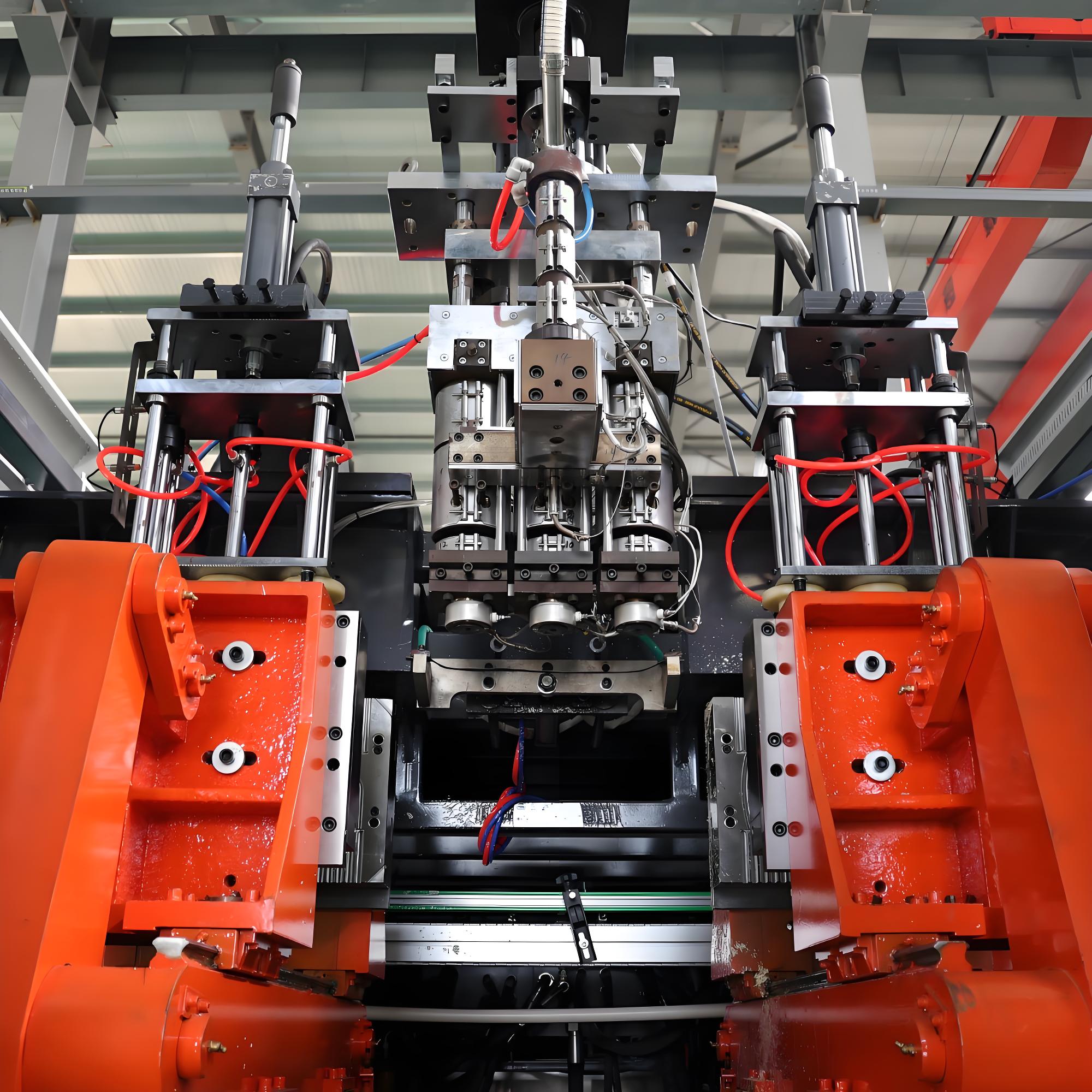
Перед тим, як будь-який оператор торкається рухомої лінії, він повинен бути здатний назвати й знайти кожну велику підсистему. Машина для екструзійного лиття з подальшим пресуванням складається з декількох великих функціональних блоків, і розбіжність у тому, яким блоком що управляється, є звичайною причиною помилки оператора.
Вузол змикання
Апарат для затиску закриває формовану форму, тримає її під тиском під час видування і охолодження, а потім відкриває, щоб викинути готовий контейнер. Оператори повинні розуміти, що тиск затиску не є завадою, а фізичним вимогам: надмірно слабкий тиск дозволяє утворенню вдавлень і розділенню форми; надмірно великий тиск призводить до пошкодження хомута та траверси. Відносини між проектованими розмірами форми, внутрішнім тиском видування та необхідним тиском затиску вчаться на початковому етапі, щоб внесення змін в рецептуру не було сприйнято як умовне.
Налаштовує екструдер, циліндр і ручку натискання
Екструдер пластифікує смолу. Полімер надходить у бункер, транспортується і розплавлюється всередині циліндра завдяки обертаючомуся гвинту, а потім натискається в бік дросельного головки як гомогенний розплав. Лінії Apollo EBM використовують конструкції з одним шнеком з співвідношенням L/D в діапазоні від 24:1 до 30:1. Стажувані працівники дізнаються, що циліндр є стаціонарним корпусом, а гвинт - рухомим елементом, і що зазор між ними визначає якість пластифікації та використовувану енергію. У документації Apollo використовується термін "циліндр"; старовинне слово "циліндр" уникається для уникнення плутливості з гідравлічними циліндрами.
Die Head: Accumulator vs Continuous
Головка преси формує розплавлений матеріал в прототип. Головне значення має архітектура: безперервно режим подачі низької продуктивності використовується для виробництва невеликого виробництва, а для великих деталей, таких як баки на 200 літрів та контейнери IBC на 1000 літрів, використовується режим дозаторного руху з підготовкою паршина, оскільки при роботі безперервно паршина витягується. Оператори повинні розуміти, яка головка використовується їхньою автоматичною установкою, і чому принцип програмування паршини відрізняється між ними.
Штифт накручування, повітряна циркуляція, привід і системи безпеки
Струсиний шпіндел подає стиснутий повітря на розпір порізаного блоку і розширює його проти стінки прес-форми. Пневматична система включає фільтри, регулятори та клапани, які повинні бути чистими та правильно налаштовані. Системи приводу є або гідравлічними, або повністю електричними; в повністю електричній серії відсутній гідравлічний привод, і позиціонування, екструзія та рух забезпечуються серво-моторами. Запобіжні пристрої включають безпечну оббивку, світлове спорудження, двоманеврові контролери на деяких станціях та підключення аварійного зупинення. Процедура LOTO навчає оператора ізолювати напругу на електрообладнанні, гідравліку та пневматичному устаткуванні, перш ніж відчинити будь-яку захисну оббивку або вставити інструмент у зону притискання.
Пункт перевірки безпеки модулю 1
| Підсистема | Що повинен знати оператор | Критерії оцінки процесу |
|---|---|---|
| Затримуюча установка | Специфічне застосування, послідовність відкриття/закриття, взаємодія охоронних механізмів | Опояснює причини непридатності матеріалу, викликаного невеликим тиском експансії |
| Циліндр і гвинт | Довжина / діапазон L / D, роль пластифікації, відсутність холодного пуску | Правило подачі тепла |
| Die head | Режим роботи без переривань або з накопичувачем, логіка присирання | Ідентифікує тип голови на власному обладнанні |
| Стрілка і повітря | Шляхи повітря, регулювання тиску, догляд за фільтрами | Пропонує перезапустити регулятор, якщо антифриз перевищує норму |
| Засоби безпеки | Гвардійські корпуси, світлонастну спорудження, екстрену зупинку та LOTO | Виконує повне блокування без допомоги |
Module 2: Materials and Process Fundamentals
Виливне розтягування високоскоростного аспіраційного бункера дозволяє застосовувати широкий діапазон смол, і першим уроком оператора є те, що кожна полімерна маса має власну віконечко обробки. Машини марки Apollo здатні обробляти ПЕ, ПП, ПВХ, ПА, ПК, ABS, PS, EVA, TPU і PETG. Два найбільш поширених матеріали – HDPE і ПП, але навчальний курс включає в себе повний спектр, тому що в багатьох заводах використовуюється комбінована графік роботи з різними матеріалами.
Вікна температури обробки
Температура розплавлювання впливає на міцність складниць, рублення, якість поверхні та цілісність швів. Нижче вказані типове діапазони, які використовуються для тренувань; точний параметр настановки завжди потрібно перевіряти за даними про матеріал та за схемою предмета. ПВХ вимагає щільного, нижнього контролю температури, тому що деформується, якщо перегрівається, тоді як ПЕ потребує високої, добре розподіленої температури розплавлення для запобігання утворенню заморожених напружень.
Типовий діапазон температури обробки за матеріалом
| Матеріал | Типова температура плавки/цистерни (°С) | Зауваження ключового оператора |
|---|---|---|
| HDPE (високощільний поліетилен) | 170–210 | Широка вікно, відсутність провисання, більша необхідна толерантність |
| PP | 190 – 230 °C | Висотіє температуру, стежить за кристалізацією горловини циліндра |
| ПВХ. | 165 to 185 | Узко закрите вікно, ризик термічного руйнування |
| PETG | 200–230 °С | Потрібні частини, що завдають косметичних пошкоджень, висушуйте, якщо необхідно |
| TPU (термопластична ультраплівка) | 180–210 | Хигроскопічність, сушка часто вимагається |
| Многошарові екструдовані вироби | Скомпоновані вікна на кожному шарі | Контролює співвідношення шарів і процес з'єднання смоли із наповнювачем |
швидкість перетечу розплаву або MFR – описує, наскільки легко розплав складається під стандартним навантаженням. Високий показник MFR означає низьку в'язкість і швидку формування прокату, але і значні «листи» прокату, тому що м'який розплав розтягується під власною вагою до моменту закриття форми. Оператори вивчають, як ці «листи» можна передбачити – розплав з високим показником MFR рідшає внизу довгого прокату, тому програма товщини стінок повинна додувати матеріал у нижній частині форми. Вимоги до сушіння різні – гігроскопічні смоли, такі як PETG, PC, PA і TPU, потребують обезводнюючих сушарок перед переробкою, тоді як PE та PP, як правило, не вимагають цього. Мастіруючий компонент додають у кількості від 1 до 4 % за вагою залежно від необхідної прозорості та базисної смоли, а практикантами практикується контроль постійного співвідношення розподілу, щоб мастиковий компонент не сковзів по всій довжині виробу.
Модуль 3: Послідовність робіт при запуску і налаштуванні параметрів
Цей модуль перетворює теорію в повторювану процедуру запуску. Компанія Apollo надає писаний ПУ під кожним обладнанням, а навчальників необхідно навчити виконувати його без попереджень, перш ніж перейти до рівня
Розігрів, швидкість обертання, зворотне тиск
5. Перший крок – ніколи не пропускати матеріал через холодний барабан. Підігрівники включаються у зонах і тримаються до тих пір, поки кожна зона не досягне установленої температури та просочується рекомендований час. Крива прогревання важлива, тому що гвинт, який обертається проти незмішаного полімеру, може розбити розплав і перевантажити привід. Після досягнення температури швидкість обертання гвинта та тиск утяжки встановлюються за рецептурою: більша швидкість обертання гвинта викликає зростання продуктивності, але може підвищити температуру розплаву та здавлення; тиск утяжки покращує змішування та розподілення кольору за рахунок трохи більшого витрати енергії та тривалості проживання. Навчальники практикують читання тиску розплаву та розпізнавання, коли він сигналізує про забитий екран чи зношений пластинку розривача.
Зонування штурвала, програмування присирання, момент акумуляції і охолодження
Температура прес-форми керується в зонах, тому завдяки цьому готовий паріон виходить з прес-форми з однаковою, регульованою в'язкістю. Контроль товщини стінки є серцем якості EBM: програмувальник паріону поділяє паріон на пункти і присвоює кожному з них локальну товщину. Контроллери Apollo підтримують 100-точкове програмування, в той час як багато стандартних завдань використовують від 20 до 100 пунктів, що залежить від складності деталей. Оператор навчається заламувати паріон там, де частині потрібна міцність, наприклад, в ручках і основи контейнера для води, і робити його тоншим там, де можна заощадити матеріал. Діапазон тиску для блокування становить від 0,6 до 1,0 МПа, а час затримки блокування відстежується таким чином, щоб паріон потрапив в оптимальний час, а час охолодження встановлюється так, щоб форму зафіксувати без зайвого навантаження циклу. Потім час циклу обчислюється за час екструзії, закриття тиглі, блокування, охолодження та відкриття/вилучення, і навчайся перевіряє його на відповідність завданню.
Нормативні дані для параметрів запуску процесу
| Параметр | Типове значення / діапазон | Дія оператора |
|---|---|---|
| Загвантаження зони | Завдяки кожній зоні утилізації матеріалу, вони просочуються | Перевіряє все робочі зони до початку |
| швидкість нагнітання шнека; | Залежить від рецептури | Підвищення температури поступово, спостерігаючи натиск розплавлення |
| Протитиск | Залежить від рецептури | Тонал до кольору та гомогенності розплаву |
| Точки присирання | З 20 до 100 (до 100 максимально) | Профіль програми, що відповідає потребам деталі |
| Тиск струменя повітря | 0,6–1,0 МПа | Встановлює залежно від форми пляшки і товщини стінок |
| Відстрочення ударної дії | Розраховано на затиск починального буталу | Налаштовує, щоб уникнути деформації від затискання |
| час охолодження; | Залежить від форми | Мінімізація без деформування |
Модуль 4: Інспекція якості
Перевірка якості – коли оператор доведе, що процес контрольований. Модуль навчає як працювати з інструментами та при цьому дотримуватися методики збирання зразків, тому що навіть ідеальні виміри втрачають значення, якщо план збирання зразків не правильний.
Послідовність вимірювань
Показник товщини стінки вимірюється магнітним засіб для вимірювання товщини в задекрованних точках, як правило, прикордонній зоні, боковині, основи та ручці. Вага та об’єм заповнення перевіряються щодо допустимого розбіжності плюс або мінус 2 відсотки. Перевірка вертикальної навантаження підтверджує, що контейнер витримує тиск при піднятті зверху. Перевірка падіння посвідчує стійкість до удару на визначеній висоті. Перевірка проникності за допомогою зменшення тиску або занурення підтверджує, що контейнер герметичний. Розмір гвинтової шийки і відварювання перевіряється за допомогою мірних інструментів, а візуальна перевірка охоплює пропускання світла та дефекти білого плямистості або геля. Навчений співробітникзаписює результати на контролюючому аркуші, щоб тенденції були видно ще до увіщень партії.
План частоти зразкування
| Перевірка | Frequency | Дія при виявленні несправності |
|---|---|---|
| Вага | Кожні 30 хвилин | Налаштовує програмний режим підготовки вихідного матеріалу |
| товщина стінки; | Кожні 2 години | Перепрофілювання слабкого місця штампу |
| Leak test | кожні 4 години або за кожним паром | Кілька реалізованих пар пар, перевірка лінії зварювання |
| Тест на падіння | За кожен партію виробництва | Переглядає матеріал і охолодження |
| гачка і шийка | Кожному зміненню форм | Перевіряє аксіальну лінію прес-форму |
Модуль 5: діагностика дефектів як рівень навичок.
Диагностику несправностей викладають як навичкову шару, вплетену у рівні 3 і 4, а не як самостійну довідкову книгу. Мета полягає в тому, щоб навчити операторів побудувати рефлекс при виявленні видимого симптому, простежуючи його початкову причину і відповідне коригувальне заходо, а не вивчити гігантський каталог. У нижче наведеній таблиці перераховано основні роди холодо провідності, яку оператор ЕБМ повинен визнавати; кожна з них є підстави для роздумів про початкову причину під час практики розв'язання проблем.
Symptom to Root Cause to Action
| Симптом збоїв пострілу | Найімовірніша причина | Дія оператора |
|---|---|---|
| Промінь занадто товстий | Сила захвату низька або розплав занадто гарячий | Повищення сили затискного пристрою, зниження температури плавлення |
| Погана відсічка | Втрата гостроти, неузгодженість, запізнювання закривання | Перевірка зазору в ножі, повторна реалініація пресу |
| Вразлива лінія зваріння | Низкий тиск або холодний парисон | Підвищення тиску, налаштування затримки |
| Поверхня шкіри акули | Зайве триває процес нагрівання матриці або затяжка занадто велика | Налаштування температури і швидкості скручування |
| Внутрішні бульби | Вологість або занесення якістю | Сухе матеріал, перевірка температури |
| Деформація деталі | Недостатнє охолодження | Розширення охолодження, перевірка холодильника |
Цей модуль навмисно залишається компактним. Відсторонений атлас візуальних дефектів відноситься до іншого матеріалу; тут оператор вивчає алгоритм розрахунків, щоб використовувати його, коли аналізують будь-який новий дефект, а не панікувати та відключати машину.
Розділ 6: Вузол і зміна технологічного процесу
Компетенція з переходу дає змогу відрізнити гнучку установку від жорсткої. Цей модуль охоплює документований процес заміни інструменту: ізоляція енергії, відкриття пристрою для затиску, розблокування інструменту, очищення відливних каналів, встановлення нового інструмента, його настрої, регулювання сили затиску та перевірка першого клонового відливу.
Увага на поперечний контакт – догляд та технічне обслуговування охолодження
Кромка розкриття – найчастіше використовувана і найважливіша деталь прес-форми. Її ріжучий край повинен підтримуватися на відстані 0,05–0,1 мм, щоб утворити з'єднання без руйнування горлечка заготовки. Оператори навчаються контролювати кромку кожного перехідного етапу і повідомляти про розвиток мікротріщини, доки вона не стане шляхом проникнення повітря. Канали для охолодження води чистять, щоб зняти наліт і біоплівку, які тихо збільшують час проходження циклу; засорившийся канал – це прихована оплата продуктивності, яку професійний оператор виявляє на ранній стадії.
Цілі зміни процесу
| Activity | Навчено об'єкт | Чому це важливо |
|---|---|---|
| Видалення прес-форми і монтаж | У межах стандарту SOP | Знижує простої в роботі |
| Перевірка зазору у витіканні | від 0,05 до 0,1 мм | Чиста ущільнення, без протікань |
| Потужна лінія охолодження | Кожний перехідний етап або за планом | Стабільний час циклу |
| Перевірка першого виливу | Повний контроль якості | Виключається розкісання |
Модуль 7: технічний обслуговування та інспекція
Оператори є першою лінією профілактичного технічного обслуговування. Модуль навчає шкалу поточного контролю, щоб невеликі відхилення були виявлені пізніше, ніж вони призвели до поломок.
Добові, тижневі, місячні та квартальні показники
| Інтервал | Ключові елементи | Стандарт приймання |
|---|---|---|
| Дізнайтеся щодня! | Фільтр повітря, взаємозамкнування воріт, перевірка течі, очищення | Немає прориву, блокировка працює |
| Час циклу щомісячно | Діаметр дерева ХВП, виходячи з числового значення 54 А1 = 30 мм | У межах діапазону, без розхитування |
| Місцевий (місячний) | Чистота масла, фільтруючий елемент, охолодження | Захід класу NAS 8 / ISO 4406 |
| Кварталовий: | Зношений штуцер і стовбур, стяжна стрічка, реалініація | Термін експлуатації |
Чистоту гідравлічного масла оцінюють за стандартом NAS 1638 або ISO 4406; для нормальної експлуатації рекомендації компанії «Аполлон» передбачають чистоту масла рівнем NAS 8. Температуру масла підтримують у діапазоні від 40 до 55 градусів Цельсія, оскільки при високій температурі швидше відбувається оксидація та зношування ущільнень. Часозачепні елементи фільтрів замінюються за графіком, а не після поломки. Перевіряють зношування гвинтових і барабанних ущільнень за допомогою вимірювання зазору, щоб зберегти ефективність пластифікації і контролювати споживання енергії.
Модуль 8: безпека та відповідність вимогам
Безпека – це не окремий модуль, а рамка навколо будь-якого іншого модуля. Курс з довідкових матеріалів посилається на концепцію безпеки обладнання CE, оцінку ризиків відповідно до ISO 12100 і пов'язані нормативні документи Китаю в прямому тексті, без перетворення їх на натискові посилання. Оператори вивчають, що за службове дотримання нормативів є щоденна поведінка, а не сертифікат, вивішений на стіну.
Гігієна безпеки
Керуючу ланку екстренного зупинення необхідно перевіряти при початку зміни. Безпека роботи вимагає двома руками. Зону запрямування захищають захисні конструкції та світлові завіси, скидання яких заборонено. У контейнерах, що використовуються для контактного з їжею та фармацевтичних засобів, після перевезення і очищення слід дотримуватися обмежень у стислій формі, відповідних вимогам FDA і EU 10/2011. Остаточними звітом завершується курс навчання. Перед отриманням допуску до роботи II ступеня учасник підписує контракт про безпечну роботу, проходить тестування по LOTO, стану захисних конструкцій та реагуванню на аварії.
Справочник продуктів Apollo EBM
Система навчання – абсолютно реальна, адже по нею тренуються машини. Фірма «Аполлон» випускає більше восьми зразків з правилом більш ніж вісімдесяти моделей, призначених для пластикових тари, обсяг яких становить від 200 мл до 1500 л. Три сім'ї як би закріплюють навчальний план: серія ABLB для контейнерів з об'ємом 200 мл–20 л, серія ABLD для великогабаритних виробів, обсяг яких від 20 л до 1500 л, і повністю електрична серія для пляшок з об'ємом 200 мл–20 л, яка необхідна для виконання жорстких екологічних і енергоефективних норм. У таблицях з видом приведено представницькі конфігурації для кожної серії, точне значення підтверджується в зв'язку з замовитим зразком та вибраною формою.
Серія ABLB (200 мл до 20 л) — представницькі моделі
| Модель | Обсяг контейнера | Сила захвату | Діаметр шнека | L/D Ratio | Напруга, що підтримується | Типовий вихід |
|---|---|---|---|---|---|---|
| ABLB 55 | Від 2 л до 3 л | 50 кН | 55 мм | 24:1 | 22 kW | До 500 шт / год |
| ABLB 65 | 3 л до 5 л | 80 кН (8000 Н) | 65 мм | 24:1 | 30 кВт | До 360 одиниць на годину |
| ABLB 75 | від 5 до 10 л | 120 кН | 75 мм | 25:1 | 37 кВт | До 240 одиниць на годину |
| ABLB 90 | 10-20 л | 180 кНм | 90 мм | 25:1 | 45 кВт | До 160 шт / год |
АБЛБ 55 — це робочий конь для невеликих пляшок та круглих контейнерів, а АБЛБ 90 — для бочок-гір і технічних баків об'ємом 20 л. Стажування проходить на цих моделях, тому що їх розмір витримує помилки в навчанні, але впродовж цього виявляється репрезентативним для реальних виробничих умов.
Серія АБЛД (від 20 л до 1500 л) — представні моделі
| Модель | Обсяг контейнера | Сила захвату | Діаметр шнека | L/D Ratio | Напруга, що підтримується | Типовий вихід |
|---|---|---|---|---|---|---|
| ABLD 120 | 30 л – 120 л | 400 кН | 120 mm | 24:1 | 110 кВт | До 60 пар / год |
| ABLD 250 | Від 120 до 250 л | 600 кН | 150 мм | 25:1 | 160 кВт | До 30 шт/год |
| ABLD 500 | 250 л до 500 л | 900 кН | 180 mm | 28:1 | 220 кВт (268 конічних кіл) | До 15 одиниць на годину |
Серія ABLD використовує головки акумуляторів для великих розмірів дріб, необхідних для баків, цистерн та контейнерів IBC. Учіні мовних рівнів 3 і 4 приділяють тут багато часу, тому що зміна великого об'єму та терміну роботи акумулятора вимагає від оператора найбільш власного вибору.
Повністю електрична серія (від 200 мл до 20 л)
| Функціональність | Опис |
|---|---|
| Водка | Ця машина повністю електрична і не має гідравлічного силового агрегату |
| Порядок поставки контейнерів | Від 200 мл до 20 л |
| Best for | Високий екологічний стандарт, енергоємні виробництва |
| Навчальний фокус | Сервокоррегування, моніторинг енергії, безперервна робота |
Промислові галузі, що працюють з такою продукцією.
Машини Apollo EBM використовуються в широкому спектрі галузей і навчальний курс орієнтує кожну з них на конкретні кінцеві продукти, щоб оператори розуміли потреби якості своєї роботи. В сфері харчових продуктів і напоїв лінії виробляють флакони з їстівною олією, штуці з водою та контейнери з подрібненими приправами. У сфері продукції щоденного хімічного призначення вони виготовляють флакони з миючим засобом, флакони з шампунем і косметичні банки з ПЕТГ і ПЕТ. Хімічна промисловість базується на них для виготовлення пляшок з аграрними хімікатами, каністр з розчинниками і ємностей з хімічними речовинами з рівнем ризику, призначених для безпечного транспортування. У застосуванні будівельних матеріалів до таких обладнання належать пластикові цистерни та пристрої для трубопроводів. Медична та фармацевтична промисловість використовує машини для виготовлення флаконів з миючим засобом, контейнерів для розчинів, а також резервуарів із затвореними системами, що виробляються за суворими нормами запобігання зараженню. Промисловість автомобілів споживає флакони з рідиною для миття кузова, труби та резервуари, а перевезення, культурні та спортивні товари - замінники флаконів з пальним, плавучі предмети та корпуси обладнання.
При підготовці операторів до операцій з харчових продуктів або фармацевтичних препаратів компанія Apollo додає уроки контролю за зараженням, які містять прямі посилання на вимоги FDA та ЄС 10/2011, а також підвищує частоту контролю, описану в модулі 4. Таке узгодження з потребами галузі допомагає операторам пов'язати налаштування на HMI з конкретними контейнерами на конкретних полицях.
Налаштування від вимоги до моделі
Одним з обов'язкових питань навчання є те, яку машину вибрати для конкретного завдання. Нижче наведено таблицю, яку викладають як допоміжний елемент для прийняття рішення: з'єднати необхідні показники обсягу, випуску та матеріалу з рекомендованим зразком Apollo. Таблицю задумано викласти у фізичних термінах, а не за ціною, тому що основне завдання оператора – до складу відповідні можливості виробництва для конкретного продукту.
Вимога до рекомендації моделі
| Потреба в продукції | Обсяг контейнера | Матеріал | Рекомендований тип машини Apollo |
|---|---|---|---|
| Невеликі косметичні флакони, великий обсяг | Від 200 мл до 2 л | HDPE, PETG | ABLB 55 |
| Пляшки з миючими засобами та шампунями | 3 л до 5 л | HDPE, PP | ABLB 65 |
| Бутилки та технічні ковші для зберігання рідкого азоту | 10-20 л | HDPE (високощільний поліетилен) | ABLB 90 |
| Хімічні баки та цистерни | 30 л – 120 л | HDPE, PP | ABLD 120 |
| Великі контейнери для зберігання та IBC | 250 л до 500 л | HDPE (високощільний поліетилен) | ABLD 500 |
| Чиста кімната, процеси, що чутливі до енергії | Від 200 мл до 20 л | ППА, ППГ, ПЕТГ | Повністю електрична серія |
Методи доставки навчання
Компанія «Аполлон» забезпечує навчальний курс через кілька каналів, щоб навчання відповідало місцезнаходженню та графіку роботи замовника. Фахівці, що пройшли стаціонарне навчання в заводі Цзіянчжаганг, використовують справжні машини і форми, щоб отримати багату практичну практику. Навчання на місці замовника проходить паралельно встановленню та пусконалагодженню, щоб команда вивчала процеси, від яких залежить безперервна робота. Додаткові онлайн відео надають можливість отримувати технічну підтримку після того, як інженери від'їдуть. Ілюстрований документ зі стандартами праці та відеокурси дозволяють проводити навчання безпосередньо на заводі. Кожен випускник формального оцінювання отримує свідоцтво про кваліфікації, в якому вказано рівень, модель, на якій проводилось навчання, і тестовані навики.
Training Schedule and Group Конфігурація
| Режим доставки | Duration | Рекомендовані стажисти. | Сертифікат |
|---|---|---|---|
| Фахівці заводу проводять навчання | Від 5 до 10 днів | 2-4 оператори за партию | Так, за рівнем |
| Передбачено на місці під час налагодження | Схожість з налаштуваннями | Ця команда отримує повноцінну зміну | Так, після оцінки |
| Віддалене відео-наведення | Заплановані сеанси | 1-3 за виклик. | Ні, лише навчання |
| Правила безпеки та відеосамоукладання | Самостійний темп навчання | Безмежна внутрішня | Для внутрішнього використання |
Ефективність навчання і показники результативності.
Значення навчання підтверджується фізичними показниками, ніколи фінансовими оцінками. Компанія «Аполлон» відстежує п'ять індикаторів, за якими повинен рухатися належним чином навчений оператор в першому кварталі після самостійної роботи.
Графік показників ключових результатів роботи (KPI)
| КІП | Определення | Встановлений оператор |
|---|---|---|
| Ставка на хороший продукт | Відповідні деталі, розділені на загальну кількість. | Високий і стабільний |
| Час переведення процесу | Хвилини з моменту останньої гарної части до першої гарної части | Порівняння з базовими показниками. |
| Незапланованої простою | Простої не виконується за планом. | Низький |
| Електроенергія на 1000 виробів | кВт/годин на 1000 штук | Оптимізований упор знизу |
| OEE | Час доступності, час роботи, якість, відсоток | Порівняльний відсоток. |
Загальне ефективність обладнання виражається виключно у відсотках і підтверджується фізичними величинами, переліченими вище, тому окупність навчання оцінюється за поведінкою виробництва, а не за даними у фінансовій оцінці. На заводах, які працюють за чотириступеневою моделлю, нормівання доброго продукту стає вищим, а час переходу на новий вид продукції – коротшим, коли оператори переходяться з другого на третій рівень.
Оцінювання на місці, передача та перевірка несправностей
Бали на лекції втрачаються, а пріоритет має поведінка оператора на діючій лінії. Третій блок з трьох процедур є гарантом сертифікації оператора в практичній діяльності.
ФОРМА ОЦІНКИ НА ОСНОВІ НАДСОРЮВАННЯ
Оцінител проводить двадцять хвилин біля оператора, не говорить нічого, якщо не загрожує безпека, і записує шість зобов'язань у певному порядку: (1) як оператор починає зміну і чи збирається перший проби відріз у стандартні терміни; (2) чи виконують перевірку роботи охоронника та блокування як звичайну рутину або лише нагадують про неї; (3) час реакції між вирізкою відхилення ваги або товщини, що виявилася на контрольному листі, і внесенням корекції; (4) чи корекція представляє собою одне послідовне зміна або декілька одночасно виконуваних змін, з яких неможливо визначити причину та наслідок; (5) спосіб ведення роботи навколо матриці та у зоні відходу шуму, оскільки на заваленому робочому місці можуть перебувати матеріали, що загрожують безпеці; і (6) як оператор повідомляє проблему начальнику, включаючи ту інформацію, яку він з собою несе. Кожну з вимог оцінюють як «поніману», «частично надана» або «не виконана», а форму дискутують того ж дня, поки події ще свіжі.
Рутинна передача зміни
Непрямий зсув по процесу передається у спадок, а не створюється. Дисциплінований передаточний захід запобігає незаконченому відхиленню за межами мінливості, що має місце зміні у обслуговуючому персоналі. Щоденна процедура займає від десяти до чотирнадцяти хвилин і проводиться на машині, а не в офісі.
- Експортувати або друкувати журнал процесу останньої зміни разом з активним номером рецептури.
- Одночасно керівники проходять навчання на машинах, при чому виходять оператори розповідають, а вхідні оператори ставлять запитання.
- Спостережуй кожну барель і зону головки пресів за тиском, що встановлений оператором, і познач акумуляторну зону, що деформується.
- Зачитати останні результати ваги та товщини стінок і повідомити, коли була взята остання проба
- Надавайте звіт про кожен тревожний сигнал, що виник за зміну, про те, що його викликало та як було його виключено з обліку.
- Спільно подивіться в контейнер з відходи і назвіть домінантну дефекцію зміни.
- Підтвердити партію смоли, залишковий рівень бункера і параметри для скидовання майстербуш. Сировина
- Перевірка тиску стиснутого повітря, температури охолодженої води та, у випадку гідравлічних машин, температури масла.
- Перевірте, чи функціонують охорона, світлове відділення і коло екстреної зупинки, чи не обходить їх.
- Зазначення наступного запланованого переходу і того, чи поставлені формовочні сталі, затискні кулачки і вкладиші.
- Обоє операторів підписують лист передачі; будь-які не вирішені питання стають відкритими дії, у яких розписано ім'я відповідального за виконання
- Приходящий оператор проводить самостійний тест за тридцять хвилин, щоб визначити базові показники.
Симульовані практичні заняття з розв'язання несправностей
Кандидати на рівнях 3 і 4 практикуються на введенних дефектах під час планового простою виробництва, а не чекають на реальні відхилення. П'ять тренингових заходів охоплюють більшість реальних перерв в виробництві.
- Обмежений пакет відображення: тиск захисту підвищується, проте вихідна продуктивність падає. Оператору слід перечитати тренд тиску, припинити примус, а не підвищувати швидкість обертання шпинделя, щоб компенсувати проблему.
- Температура охолодженої води підвищується на декілька градусів: деталі залишаються м'якими і деформуються. Оператор повинен визначити причину деформації і повідомити про неї службі обслуговування, продовжити охолодження як тимчасове заходи та виправити проблему з охолодженням.
- Використовуйте точно цей формат: «1. » на одній лінії, більше нічого.
- Невиконання блока захисту в середині циклу: машина зупиняється, коли в головці прес-форми знаходиться матеріал. Критерій успішної перевірки полягає в тому, що оператор ніколи не обходить блок захисту і перед тим, як відкривати що б то не було, виконує розблоковування.
- Випадкове зниження тиску стисненого повітря: розпилювання неповне, а лінія зварювання слабка. Оператор перевіряє фільтрувальні пристрої і регулятор, виявляє, чи є втрата локальної або по всій установці, і повідомляє відповідно.
Кожна практика закінчується п'ятимтижневим аналізом, в якому оператор доводить шлях логічного викладу, а не тільки прийнятий заход. Саме цей опис і займає значну частину оцінки інструктора, тому що правильне рішення по виникненому випадку не збережно передається на наступне невідоме несправність.
Рівні сертифікації, обмеження термінів дії та документи
Документи з компетентностями втрачають свою валідність на практиці, навіть якщо на папері значать назви. Компанія «Аполлон» зв'язує кожен сертифікат із терміном дії, тригером відновлення та дозволеним обсягом робіт, щоб керівник міг одразу побачити, хто зможе законно і безпечно виконати ту чи іншу роботу на конкретній машині.
- Ознайомлення на рівні 1 є дійсним, якщо оператор застосовує одні і ті ж машини і проходить перевірку, кожен раз, коли встановлюється новий захист, контролер або прилад безпеки.
- Незалежну роботу на рівні 2 оглядають один раз на рік за допомогою короткого спостереження за процесом роботи та повторного огляду безпеки; проміжок, що перевищує три місяці, значно відступає від роботи, що призводить до переведення оператора на зміну під наглядом.
- Оцінювання оптимізації процесу 3-го рівня щороку проводиться за даними про вносимі зміни, що запобігає заміщенню цього рівня наявністю титру, а не практичним навичкам.
- Статус тренера 4 рівня вимагає, щоб володілець під час періоду перевірки підтвердив навичок мінімум двох операторів і розв'язав недоліки, про які було складено документи, без попереджень.
- У кожному свідоцтві вказується серія машин, на які проводилося навчання, тому оператор, який проходив навчання на машині з безперервним головним шнеком, автоматично не може перейти на лінію з накопичувальним шнеком.
Схований зсув точки порівняння: одна точка профілю відхилена без повідомлення оператора. Виявлення очікується в рамках двох послідовних зразків із тренду ваги та товщини.
Спільні помилки в навчанні
Знати, що не варто робити, – половина навчання. Найпоширенішими помилками, які помічають інженери компанії «Аполлон», є пропуск занять з питань безпеки на підприємстві, віднесення програвача форми до «чорного ящика», надмірне охолодження, щоб приховати проблему з зварюванням лінії, ігнорування чистоти гідравлічного масла та переведення працівників на посаду стихійно, залежно від стажу роботи, а не від їх реалізованих навичок. Іншою пасткою є навчання лише одного працівника на зміну, що створює одне точка збою, коли цей працівник відсутній. Чотирирівнева модель роботи це запобігає, вимагаючи документування оцінки праці при кожному переведенні на іншу посаду та заохочуючи наявність мінімум двох сертифікованих працівників на кожній машині.
Operator-Level Mistakes and Their Corrections
У самому станку повторні помилки більш локалізовані і простіше виправити після того, як їх назвали. Змінюючи три параметри одночасно, неможливо відразу визначити, яка змінна допомогла виправити помилку. Отже, правило полягає в тому, щоб змінювати один параметр і спостерігати за повною періодом стабілізації. Якщо підвищити температуру розплаву, щоб виправити грубу поверхню, це часто призводить до подальшого тріскування; спочатку необхідно перевірити швидкість пристрою і баланс зона промежуточної фрези. Компенсування тонкої стінки шляхом додавання ваги по всій довжині полуматриці призводить до втрати матеріалу та до збільшення часу охолодження, тоді як локальний профільний пункт вирішує цю проблему. Зменшення часу охолодження, щоб прискорити вихід продукції, призводить до кривизни, яка проявляється тільки після того, як ферму завантажили. Ігнорування поступово зростаючого тиску розплаву до тих пір, поки сигналізатор не зупинить лінію, перетворює п'ятиминуту одне значне перезавантаження на годину непланового простою. Обтирання вологим рушником гарячої фрези-голови вводить в конструкцію вологу, яка проявляється пізніше як внутрішні плями. Нарешті, приглушення повторюваного звуку сигналізатора без оформлення запису позбавляє наступну зміну можливості скористатися даними, необхідними для вирішення завдання.
Сервіс і підтримка від компанії «Аполло»
Компанія Apollo забезпечує своє навчання упродовж всього терміну служби компанії Wanplas. Всі машини тестуються перед відправкою, а інженери здійснюють монтаж і налаштування на місці, і це є одночасно навчанням операторів. Політика щодо запасних частин передбачає щорічну надбавку на безкоштовні зношені деталі, яку підтримують гарантійні заміни пошкоджених складових. Оператори отримують ілюстровані процедури роботи і відео курс матеріалу, а після передачі обладнання доступна також підтримка дистанційного управління. Крім того, компанія Apollo歞овми запрошує відвідати завод в Цянджіаганґані для практичного знайомства з обладнанням і випробувань зразків, що ще раз підкреслює культуру відкритого виробництва, яку розділяють інші бренди Wanplas.
висновок
Система структурованої підготовки операторів EBM – це найдешевше страхування, яке може придбати завод з виливного лиття. Подолавши по дорозі від вдосконалення фахівця до налагодження та навчання оператора, оператор перетинає весь шлях від хіба що натискання кнопок до активного оптимізації процесу. Курс Apollo пов'язує кожне заняття з реальними машинами, такими як ABLB, ABLD і повністю електронні серії, з реальними матеріалами та вікнами температури, а також із вимірюваними показниками KPI, вираженої в фізичних одиницях. В поєднанні з передпродажним тестуванням, налаштуванням на місцях, щорічним дозволом на безкоштовну заміну зношених деталей та політикою відкритого заводу навчання дає заводом повторювану можливість досягти стабільної якості та життєздатної робочої сили. Якщо ви плануєте відкрити новий лінію чи модернізувати дощею попередньої генерації, надішліть технічні специфікації своєї продукції, а інженери Apollo складуть персональну конфігурацію, організують аудит заводу та проведуть контрольну пробну виробництво, щоб ваша команда змогла підготовлятися на конкретній машині, перш ніж вона дістанеться на ваше підприємство.
Найчастіше задавані питання
Скільки часу потрібно, щоб навчити нового оператора EBM самостійно працювати?
Новий оператор досягає рівня 2 самостійної роботи за три-чотири тижні після комбінованої навчання, якщо кожен день здійснюється спостережений протокол з використанням справжньої машини. У моделі з чотирма рівнями спостережених годин для переходу на стандартну однолітну операцію без допомоги відводиться близько 40-60 годин. Заводам із складними графіками роботи з необхідністю кожного нового храповика потрібно відвести більше часу для стадії оптимізації.
Чи можливо провести навчання з використанням Apollo в нашій власній фабриці замість в Чжанджагна?
Так, інженери компанії "Аполлон" виконують інсталяцію і запуск обладнання на об'єкті клієнта, а також на цьому ж місці проводять навчання операторів. Дальнобійне відеоспрямування і структуровані пакети СОП продовжують навчання після від'їзду інженерів, тому команда й далі удосконалюється навіть між візитами.
Який сертифікат отримує оператор після проходження курсу?
Оператори, які пройшли оцінку рівня, отримують свідоцтво компетентності компанії «Аполлон», де вказується досягнутий рівень, модель машини, на якій проводилося навчання, а також перевірені навички. Це свідоцтво дозволяє вести внутрішню триваючу оцінку стосовно кваліфікації персоналу та забезпечує готовність до аудиту, а також він передається в пакет персоналу оператора, а не залежить від неписаних правил.
Помилки оператора-людей і їх усунення
Так. Курс охоплює як гідравлічні, так і повністю електронні конфігурації. Повністю електронні машини виключають необхідність приділяти щоденну увагу гідравлічній оболонці, але додають теми про налаштування сервоприводів та моніторинг енергії, які розглядаються в спеціальних модулях, щоб оператори розуміли різні режими виходу з ладу та можливості оптимізації.
Навчаєте на повністю електричних машинах для виробництва листових металів, а також на гідравлічних установках?
Ефективність відстежується тільки за допомогою фізичних КФП: рівень продуктивності, час зміни, непланований простої, енергія на 1000 штук і загальна ефективність обладнання, виражена в процентах. При оцінюванні навичок операторів не використовується жодних грошових показників, що дозволяє зробити оцінку об'єктивною і порівняти результати між змінами.
Чи підходить навчання для виробництва контейнерів, які використовуються у контакті з продуктами харчування та в фармацевтичній промисловості?
Так. Модулі обробки матеріалів, чищення та контролю за зараженням відображають вимоги до контакту харчових продуктів, наприклад, установленій відповідно до FDA та положень ЄС 10/2011, а в розділі контролю якості присутні додаткові перевірки, необхідні в цих випадках. Оператори дізнаються, чому більш суворе відбір і чисте оброблення захищають і споживача, і бренд.
Що відбувається, якщо потрібно навчити другу зміну працівників пізніше?
Модульний набір SOP і відеоосвітній курс дозволяють досвідченому інструктору 4-го рівня вашої фабрики повторити навчальний курс для нових працівників без обміну візитом на завод Apollo. Компанія Apollo рекомендує мати не менше двох сертифікованих операторів на кожну машину, щоб у випадку відсутності чи переходу персоналу не зупинялося виробництво, а також щоб отримувати віддалену інструкцію при виникненні нових завдань у технологічному процесі.