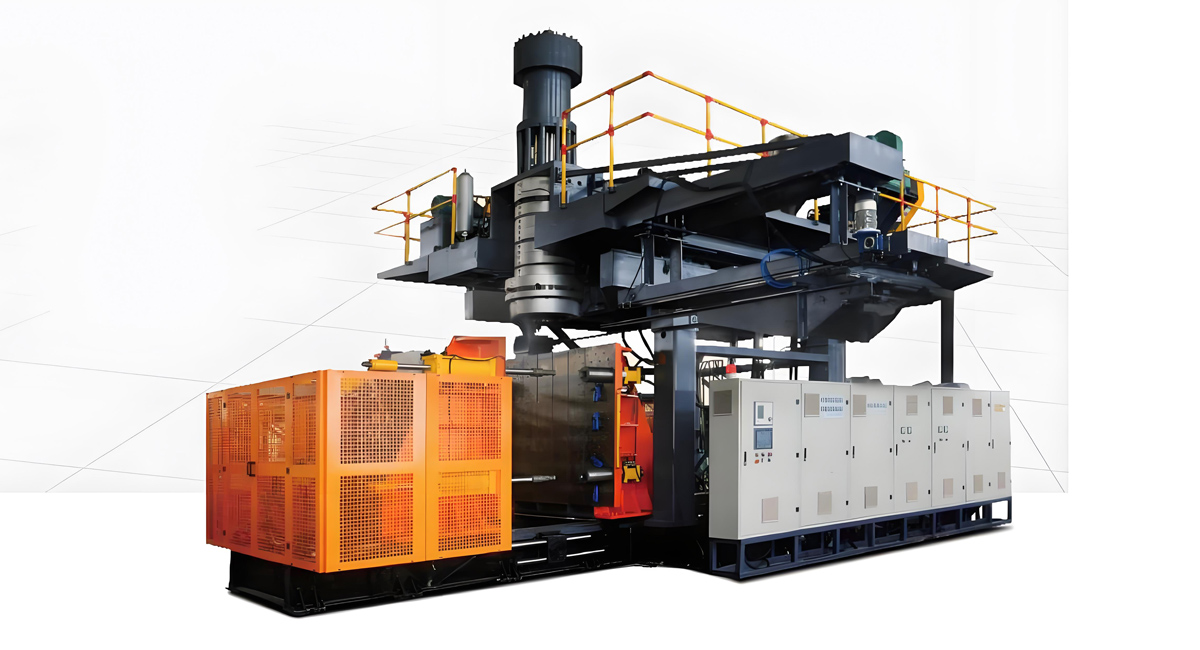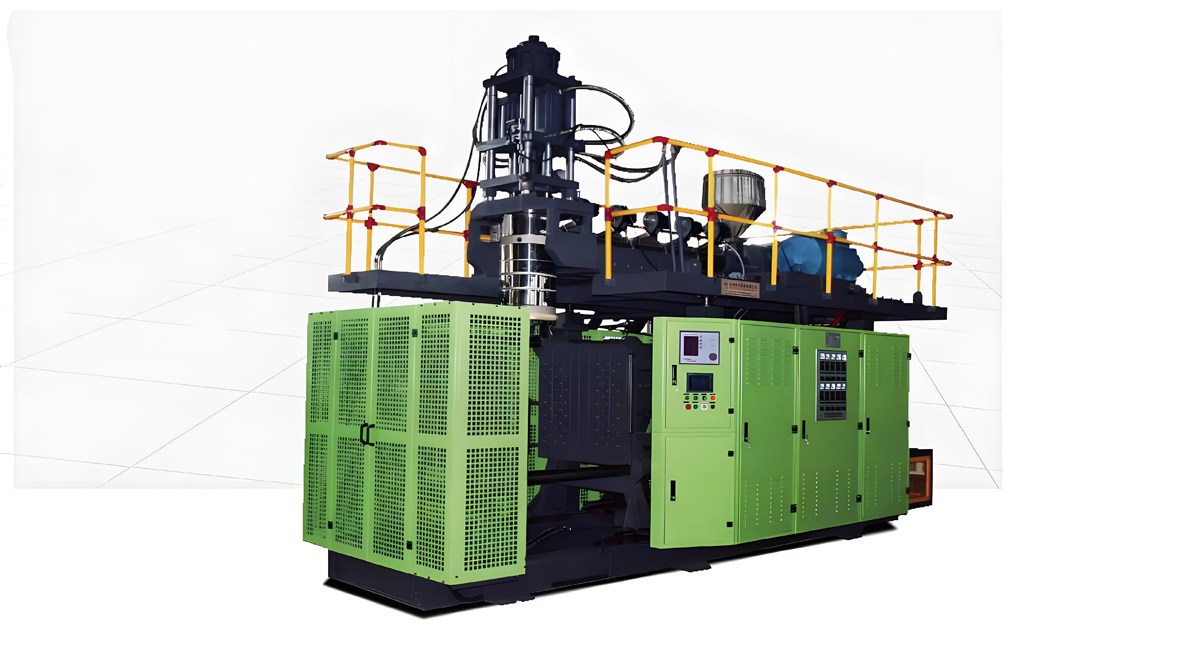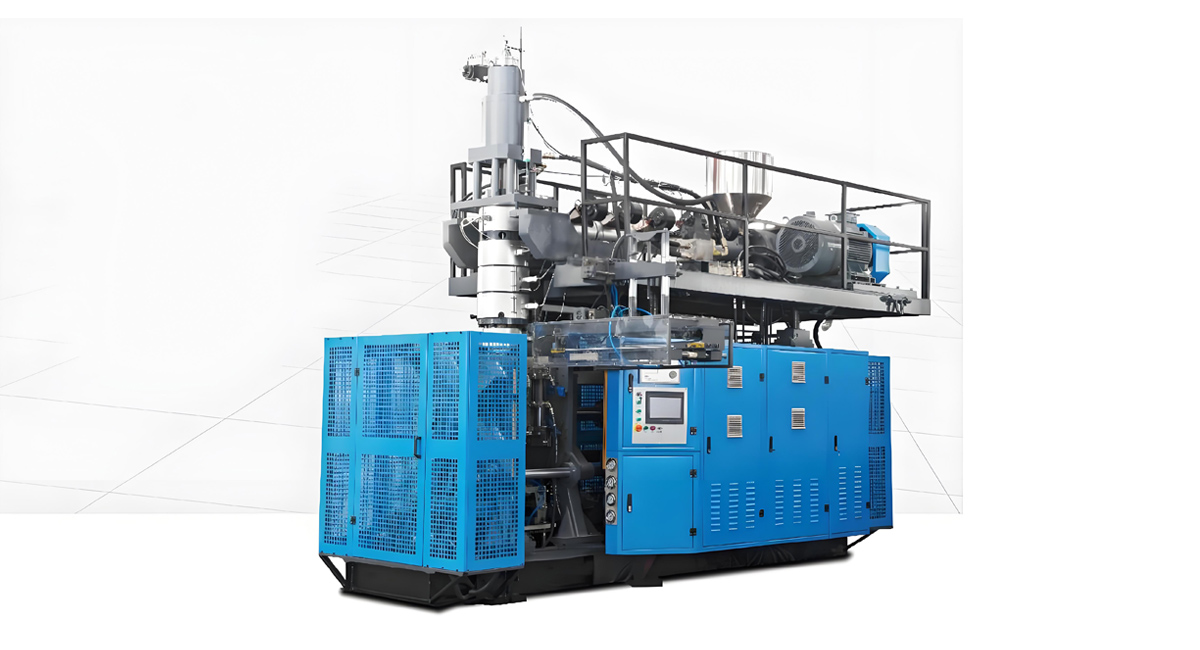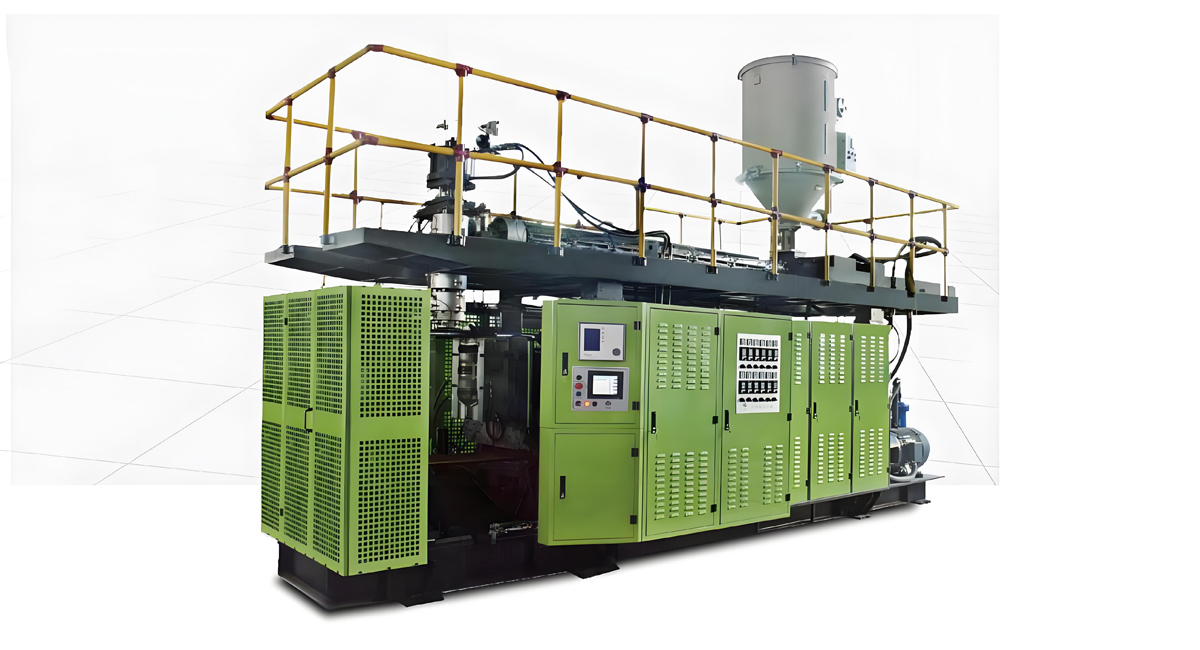

Walk into any hospital ward, surgery center, or vaccine clinic and you will be surrounded by a class of plastic product that most patients never name but that modern medicine cannot do without: blow-molded medical and pharmaceutical hollow items. Intravenous fluid bottles, respiratory-therapy components, sterile irrigation and enteral-feeding containers, diagnostic reagent vials, and single-use device housings are overwhelmingly formed by extrusion blow molding from pharmaceutical-grade polymers. This is one of the most exacting and socially vital applications of the extrusion blow molding machine, and it sits at the center of global obsessions that touch everyone: healthcare access, aging populations, pandemic preparedness, and the safety of single-use medical devices. This article provides a global application analysis of medical and pharmaceutical product production on extrusion blow molding machines, covering the materials, the clean-process requirements, machine configurations, regulatory and biocompatibility compliance, quality control, sustainability, automation, and the trends reshaping medical plastics. For medical-device manufacturers, contract manufacturers, and equipment buyers, understanding this production system is the key to compliant, sterile, and affordable healthcare products worldwide.
What Are Medical and Pharmaceutical Blow-Molded Products
A medical or pharmaceutical blow-molded product is any hollow plastic item, formed by extrusion blow molding, that contacts or contains a drug, fluid, or biological material intended for diagnosis, treatment, or prevention of disease. The category is far broader than a single bottle. Intravenous and infusion fluid bottles deliver saline, dextrose, and medications directly into the bloodstream. Irrigation bottles rinse wounds and body cavities during surgery. Enteral-feeding containers deliver nutrition to patients who cannot swallow. Respiratory-therapy components such as nebulizer reservoirs and humidification chambers deliver aerosolized medicine to the lungs. Diagnostic reagent bottles and wash bottles support laboratories and point-of-care testing. Single-use device housings enclose instruments that must never be reused. What unites them is a seamless, low-particle, biocompatible hollow geometry that must remain sterile or clean until the moment of use, which is why extrusion blow molding is preferred for these parts over injection molding with welded seams or glass, at the volumes and purity that healthcare demands.
Why Extrusion Blow Molding for Medical Products
Among forming technologies, extrusion blow molding is uniquely suited to seamless, leak-tight, contaminant-controlled hollow medical items. Glass is fragile, heavy, and breakage creates sharp hazards in clinical settings. Injection molding can make a hollow part only by welding two halves, and the weld line is a potential leak and particle path that medical specifications penalize. Extrusion blow molding, by extruding a parison and inflating it inside a cooled, clean cavity, produces a single seamless shell with no internal joint, excellent clarity where needed, and reliable wall control. It also scales economically from small wash bottles to large multi-litre infusion containers on the same machine family. For healthcare, where a leak or contaminant in an IV line can harm a patient, the seamless integrity of blow molding is not a convenience but a safety requirement, and it is the reason the technology anchors medical fluid packaging.
The Global Scale of Medical Product Demand
Medical and pharmaceutical blow-molded products are needed on every continent, and demand is structural rather than cyclical. Aging populations in many regions raise chronic-care needs that depend on infusion therapy, enteral nutrition, and respiratory support. Universal-health-coverage and rural-care programs extend IV and irrigation products into places that previously lacked them. Pandemic preparedness stockpiles, exposed sharply by recent global health emergencies, have driven governments to secure domestic and regional supply of essential medical plastics. Unlike consumer goods, many medical products face strict regulatory gating, so production clusters near established pharmaceutical and device ecosystems in Asia, Europe, and North America, with emerging capacity in other regions. This global, regulated demand means medical blow molding is a resilient, strategically important application of the machine, and it makes medical hollow products one of the most quietly essential outputs of the plastics industry.
Materials for Pharmaceutical-Grade Parts
The resins behind medical blow-molded products are chosen first for biocompatibility and chemical inertness, then for clarity, toughness, and processability. Polyethylene, in low-density and high-density grades, is the workhorse for IV and irrigation containers because it is inert to most infusates, low in extractables, and easy to process. Polypropylene offers higher temperature resistance for products that may be autoclaved or heat-sterilized. Specialty copolymers and cyclic-olefin materials enter where clarity, moisture barrier, or low extractables are critical. For any resin, pharmaceutical-grade certification, documented traceability, and freedom from harmful additives are non-negotiable, and suppliers publish compliance with standards such as USP Class VI or ISO 10993 biocompatibility. Unlike many engineering plastics, these polyolefins need no energy-intensive drying, simplifying cleanroom handling, and their chemical stability is precisely why regulators accept them for direct contact with drugs and fluids.
The Blow Molding Process in Clean Conditions
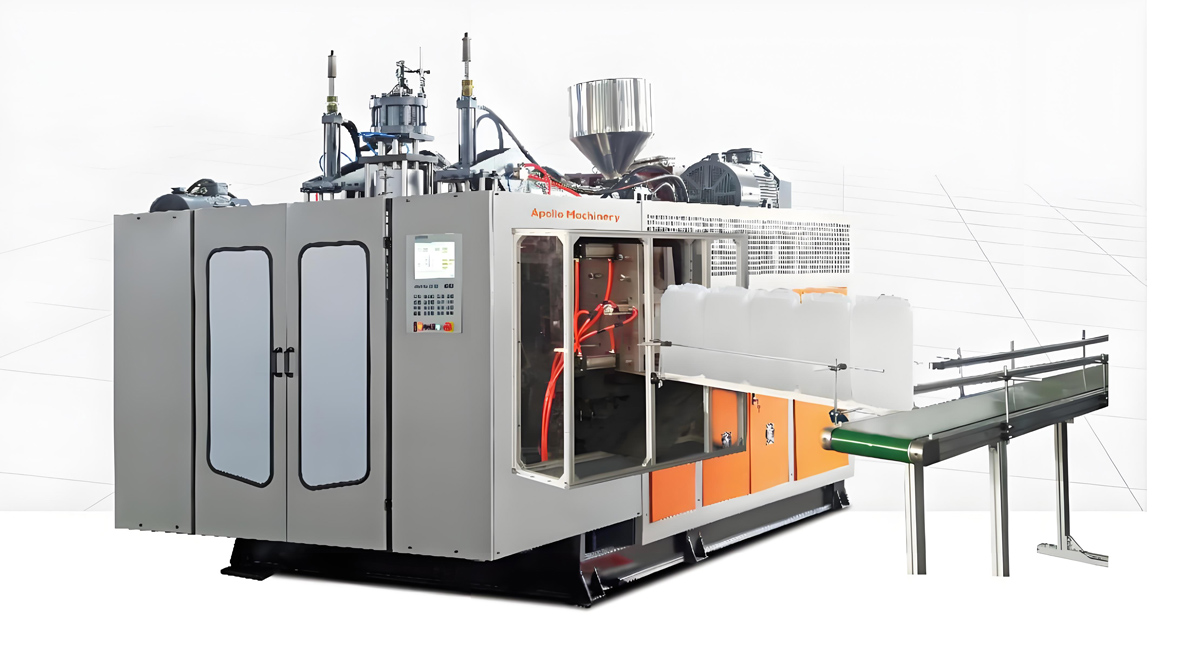
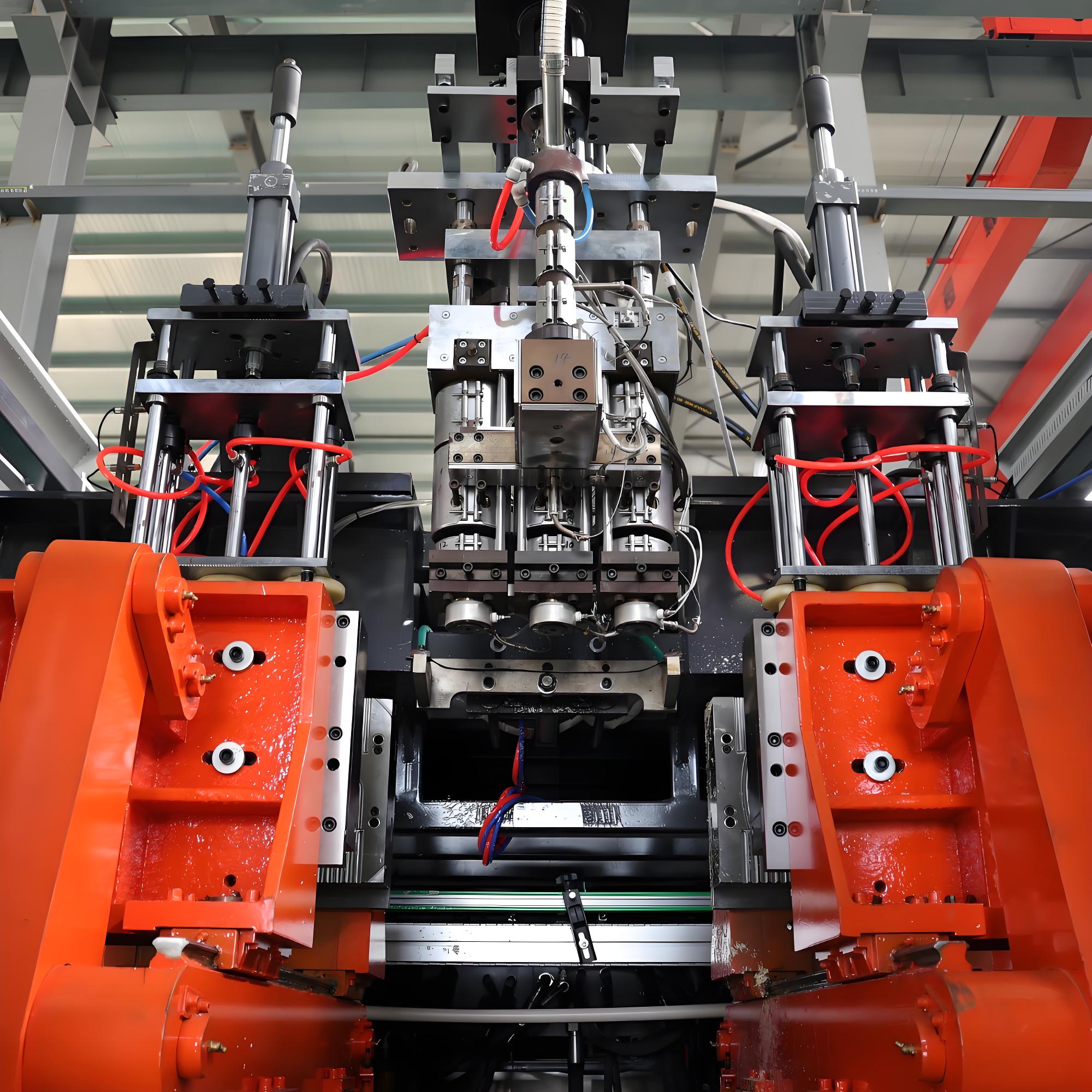
The extrusion blow molding cycle for a medical product begins with one or more extruders melting pharmaceutical-grade resin and feeding a die head that forms a parison, the tube of molten plastic that becomes the vessel. For small and mid-size medical items, continuous-extrusion machines with reciprocating or wheel configurations are common, delivering consistent, low-particle parisons. The mold closes around the parison, pinches off the base, and a blow pin inflates the parison against the cooled cavity, forming the seamless shell. After cooling, the mold opens and the part is ejected to trimming and inspection stations that remove flash and prepare necks and caps. Because medical parts contact the human body, the surrounding environment, tooling cleanliness, and air quality matter as much as the machine itself, and production is often located in controlled or cleanroom conditions to limit particulates and microbial load on the product surface.
Machine Configurations for Medical Volumes
Medical producers select machine architecture around part size, annual volume, and product mix. Continuous-extrusion shuttle and reciprocating-blow machines dominate small bottles and vials because they balance output and flexibility. Wheel and rotary configurations multiply throughput for high-volume infusion and irrigation bottles where millions of units per year are required. Multi-cavity molds raise output further while holding dimensional repeatability. Because medical programs often run for years with stable specifications, machine builders emphasize repeatability, recipe storage, and gentle, low-particle handling, and modern lines integrate deflashing, neck finishing, leak testing, and vision inspection into a single cell around the blow molder. Cleanroom-compatible frames, stainless contact surfaces, and filtered cooling air are standard expectations rather than options.
Parison and Wall-Thickness Control
The economic and quality engine of blow-molded medical products is parison programming. A controller varies die-gap and parison thickness along its length so material lands where stress concentrates, such as near necks and bases, while thinning on cylindrical walls to save resin. Without careful programming, a bottle would be thickened everywhere to avoid thin spots, wasting polymer on every unit. With it, the same burst, drop, and leak performance is achieved at lower weight, and the savings multiply across hundreds of millions of medical units per year. Recipe management stores the parison profile per container size, enabling rapid, repeatable changeovers between product families without re-engineering tooling. For medical containers where wall uniformity governs both patient safety and cost, programming precision is the single most important capability a medical line can invest in.
Sterility, Cleanliness, and Particulate Control
Medical blow-molded products are defined less by shape than by cleanliness. Depending on the product, the requirement ranges from visually clean to sterile, and each level changes the production environment. Controlled-environment rooms limit airborne particulates and microbial counts. Mold and air handling are designed to avoid generating fines, and compressed air for blowing is filtered and often dried to prevent moisture and oil contamination. Personnel gowning, air showers, and unidirectional airflow protect the product surface. Because a single particle or microbial colony in an IV line can cause a serious infection, producers document environmental monitoring, validate cleaning procedures, and audit them at intervals. For suppliers, cleanliness certification is a market-entry requirement in regulated markets, and it is the reason medical blow molding carries more environmental overhead than general packaging.
Sealing, Closures, and System Integration
A medical container is rarely a bare shell; it becomes a system through closures, ports, and integration. Molded necks accept screw caps, tamper-evident seals, and sterile ports. Spike ports and injection sites let clinicians connect IV lines without breaching sterility. Overcaps and tear-off seals protect contents until use. Because these features concentrate stress and are the interface between product and patient, they must be located in thicker wall regions and finished with care to avoid leak paths and sharp edges. Designing the container and its closure as one engineered system, rather than bolting parts on afterward, is what separates a reliable medical product from a hazardous one, and it is a key criterion when qualifying a production line for pharmaceutical service.
Biocompatibility and Chemical Compatibility
Medical containers spend their lives in contact with drugs, saline, nutrients, or biological fluids, many of which interact with plastics. Polyolefins resist a broad spectrum of infusates, but compatibility depends on grade, contact time, temperature, and the specific formulation being delivered, so producers validate container materials against the actual drug or fluid. For the most sensitive agents, barrier or low-extractable inner layers and specialty polymers protect product stability and patient safety. Compatibility studies, extractables and leachables testing, and documented validation guide specification, and reputable suppliers publish which infusates their containers may hold. Getting this wrong is dangerous: a container that leaches a substance or softens under a drug can harm a patient, which is why compatibility validation is a non-negotiable step in medical production.
Regional Production and Supply Chain Resilience
Medical blow-molded products follow healthcare demand and regulatory ecosystems closely, and recent global health emergencies reshaped how supply is organized. Established pharmaceutical and device clusters in Asia, Europe, and North America host the bulk of qualified capacity, but the strategic value of regional and redundant supply is now understood more sharply. Resin is sourced globally, so producers watch polymer feedstock prices and logistics, but the finished sterile container is bulky and time-sensitive, favoring local or near-shore production for essential items. Machinery, cleanroom consumables, and certified resin supply are more concentrated, with a handful of global suppliers of medical-grade blow molders and low-extractable polymers. For healthcare systems, a regional, qualified medical-container supply improves resilience and reduces freight and lead time, while for equipment buyers the global machine market offers a range of capability and price. Trade policy and tariffs can reshuffle sourcing, but the logic of making essential medical plastics near the patient remains dominant.
Regulatory and Quality Frameworks
Medical blow-molded products are shaped by stringent regulatory frameworks that vary by region but converge on patient safety. Good Manufacturing Practice governs facilities, documentation, and traceability. Biocompatibility standards such as ISO 10993 and pharmacopeia tests such as USP Class VI assess material safety for body contact. Drug and device authorities such as the US FDA, the European EMA, and their counterparts review submissions and inspect sites. For sterile products, validation of sterilization and aseptic processing is required. Because a single design may be sold across regions, leading suppliers certify to the strictest relevant standard and maintain the documentation auditors demand. For producers, regulation is a market-entry gate, and it is the reason medical blow molding carries more compliance overhead than general industrial containers, but also why it is a defensible, high-value business.
Quality Control and Testing
Blow-molded medical products expose process drift seriously because failure carries infection, leakage, or dosing risk. Wall-thickness mapping verifies that no section falls below specification, especially near necks and bases. Leak and pressure tests check the shell and seams under load to confirm it will not weep in an IV line. Visual and automated vision inspection detect flash, short shots, and surface defects that could harbour contaminants. For sterile products, microbial and particulate testing confirms the cleanliness level. The correct response to any defect is to treat it as process data, trace it to a controllable parameter such as die-gap program, melt temperature, or blow timing, and correct the root cause rather than patching individual parts, which only hides a systemic issue that will recur across the next batch of millions.
Defects and Troubleshooting
Several defects recur across medical programs, and each points to a controllable cause. Thin walls at the base or neck indicate poor parison programming and risk burst under pressure. Weld-line or pinch-off weakness, where melt fronts meet, signals uneven temperature or low blow pressure and is dangerous on a fluid container. Flash or sharp parting lines reflect worn molds or clamp issues and can compromise seals or injure handlers. Sink marks or short shots reveal material or temperature problems. Bubbles, gels, or contamination indicate resin or environmental issues in a clean-dependent process. The disciplined response is to stabilize the parison program, verify melt temperature and blow pressure, and inspect tooling on a schedule, because a medical part that fails in the field can directly harm a patient rather than merely leaking water.
Single-Use Devices and Waste
Single-use medical devices have transformed infection control by eliminating reprocessing and cross-contamination, and blow molding is central to many of them. Spike ports, nebulizer chambers, wash bottles, and device housings are produced as clean, sealed, disposable items that clinicians open and discard. The pandemic reinforced the strategic value of single-use supply, but also intensified scrutiny of medical plastic waste. Leading producers respond with design for recycling, mono-material choices, and take-back or energy-recovery programs where regulation permits. For a product often criticized during the plastic-debate, demonstrating that a medical device is necessary, efficient, and responsibly recovered is a powerful story, and it rewards producers who control material purity and contamination precisely rather than chasing the cheapest feedstock.
Automation and Industry 4.0
Medical lines are highly automated because labor cost, consistency, and traceability all matter under regulation. Robotic handling moves fragile, clean shells without touching or marking them. Automated deflashing, neck finishing, leak testing, and vision inspection integrate around the blow molder for a largely hands-free flow. Recipe management, remote diagnostics, and data logging support the batch traceability that regulators and pharmaceutical customers require. Advanced sites feed cycle and quality data into manufacturing systems and apply predictive maintenance to avoid unplanned downtime that could interrupt supply of an essential medical product. Because a stopped medical line can strand a hospital’s fluid supply, the digital layer is not optional; it is a contractual requirement, and equipment buyers should choose machines with open data interfaces rather than isolated controls.
Choosing the Right Machine for a Medical Program
Selecting a machine begins with the product mix: small reagent vials, mid-size irrigation bottles, or large infusion containers, then annual volume and target markets. Define the largest and smallest parts and the peak volume first, then match continuous or wheel architecture, number of cavities, and cleanroom compatibility to the target. Decide automation and downstream integration from labor cost and regulatory expectations. Confirm material compatibility for your pharmaceutical, sterile, or device strategy. Verify wall-thickness capability, leak testing, and vision inspection. Insist on reference installations at similar medical scale and on local technical support, because a stopped medical line can interrupt critical supply. Finally, model total cost per unit of compliant output rather than comparing headline machine prices. The right machine delivers your products, at your volume, sterile and compliant, at the lowest sustainable cost.
Safety and Functional Requirements
Medical product safety is designed in, not inspected in. Structural design keeps wall thickness and geometry within limits that survive filling, transport, and clinical handling. Fluid containers must resist the specific infusates and remain leak-tight under pressure. Sterile products must protect contents until the point of use and resist contamination during opening. Device housings must enclose instruments without sharp edges or particulates. Venting, cap retention, and port integrity prevent spillage and breach. Because a medical part failure can directly harm a patient, producers document design limits and operating guidance, and leading suppliers provide specification and validation support rather than simply selling a container.
Comparing Blow-Molded Medical Parts with Alternatives
Understanding the blow-molded medical part requires comparing it with alternatives. Glass containers are inert but fragile, heavy, and hazardous when broken near patients. Injection-molded two-piece containers require welding and carry a seam that medical specifications penalize. Blow-molded polyolefin’s sweet spot is a seamless, lightweight, low-extractable, leak-tight hollow item with programmable wall control and cleanroom compatibility, produced at medical volumes. Choosing the right method is a function of sterility, volume, and total cost rather than a single best technology, but for mainstream IV, irrigation, and respiratory products extrusion blow molding is the settled choice that balances safety and economics.
Applications by Care Setting
The blow-molded medical product serves an unusually wide set of care settings, which is why global demand is deep and resilient. Hospitals and surgical centers use IV, irrigation, and enteral containers in enormous volume. Chronic and home care rely on infusion and feeding products for long-term patients. Respiratory care uses nebulizer and humidification chambers for asthma, COPD, and post-surgical recovery. Diagnostics and laboratories use reagent and wash bottles for testing. Vaccination and emergency programs use fluid containers at massive scale during outbreaks. Each setting layers its own sterility, biocompatibility, or pharmaceutical standard on top of the common structural need, but all rely on the same manufacturing DNA: seamless polyolefin, precise blow molding, and rigorous quality control. This breadth means a single blow-molding platform can serve many healthcare programs, stabilizing capacity utilization for producers through demand shifts.
Common Mistakes in Medical Production
Several mistakes recur across medical programs. Under-investing in parison control forfeits the easiest weight and cost savings on a high-volume part. Ignoring cleanliness and environmental monitoring introduces particulate or microbial risk that passes inspection only until a patient is harmed. Treating molds as commodities leads to flash and weak pinch-offs that compromise seals. Skipping or under-sampling leak and vision testing ships risk on a safety-critical product. Neglecting resin certification and traceability destabilizes biocompatibility compliance. Failing to document recipes and batch history makes audits and recalls harder. Under-specifying automation invites labor and consistency problems at medical volumes. Each of these is avoidable with disciplined engineering, and avoiding them is often the difference between a compliant, trusted medical supplier and a chronic source of deviations and customer escalation.
A Cost-and-Compliance Case Study
To illustrate the economics, consider a producer of infusion bottles applying precise parison programming to move wall thickness from a uniform heavy section to a programmed profile that thickens only at the neck and base. At the scale of hundreds of millions of units per year, even a small per-bottle weight reduction removes a substantial tonnage of resin from the supply chain and lowers material cost, provided leak and drop tests still pass with margin. Combined with a cleanroom upgrade, automated vision inspection, and a documented extractables validation package, the producer turns a commodity container into a demonstrably safe and compliant product. The investment is mostly in parison-control capability, cleanroom discipline, and quality data systems, which pay back through material savings, regulatory approval, and brand preference. Multiply this logic across a national healthcare supply, and wall-thickness and cleanliness control become two of the highest-return actions available, which explains why leading medical blow molders invest in them now.
Frequently Asked Questions
Why are many medical containers blow-molded? Because the process produces seamless, lightweight, low-extractable, leak-tight hollow items with programmable wall control in clean conditions, ideal for IV, irrigation, and respiratory products. Are blow-molded medical products safe for the body? They are safe when made from certified biocompatible resin and compliant with standards such as ISO 10993 and USP Class VI and validated for the specific contact. Can they hold all drugs? Polyolefins resist many infusates but compatibility must be validated against the specific drug, concentration, and contact time. How are they kept sterile or clean? Through controlled-environment production, filtered air, gowning, validated cleaning, and sealed closures until the point of use. Why is medical blow molding regulated? Because products contact the human body, so Good Manufacturing Practice, biocompatibility, and pharmaceutical authorities govern production.
Conclusion
Blow-molded medical and pharmaceutical products are among the most vital outputs of the extrusion blow molding machine, quietly underpinning safe infusion therapy, surgery, respiratory care, diagnosis, and pandemic response for billions of people. From seamless polyolefin integrity and parison programming to cleanroom discipline, biocompatibility validation, sterile closures, single-use device safety, and the responsible recovery of medical plastic, the production system is mature yet continuously evolving. For suppliers and buyers, success lies in matching machine and tooling to the product mix and regulated volume, designing for sterility and biocompatibility, controlling wall distribution and cleanliness to save mass and risk, and choosing partners who support the line through audits and demand surges. As global attention on healthcare access, aging populations, and pandemic preparedness intensifies, the medical blow-molding industry’s ability to deliver compliant, sterile, and affordable products will define its next decade, and the extrusion blow molding machine will remain at the center of that essential story.