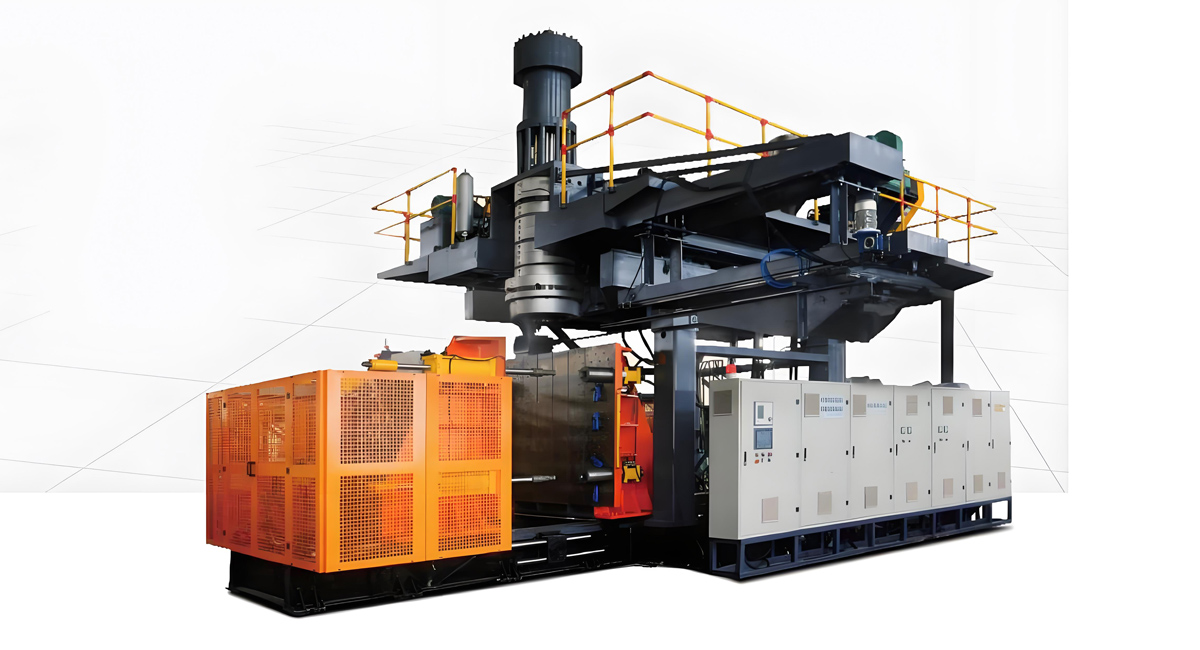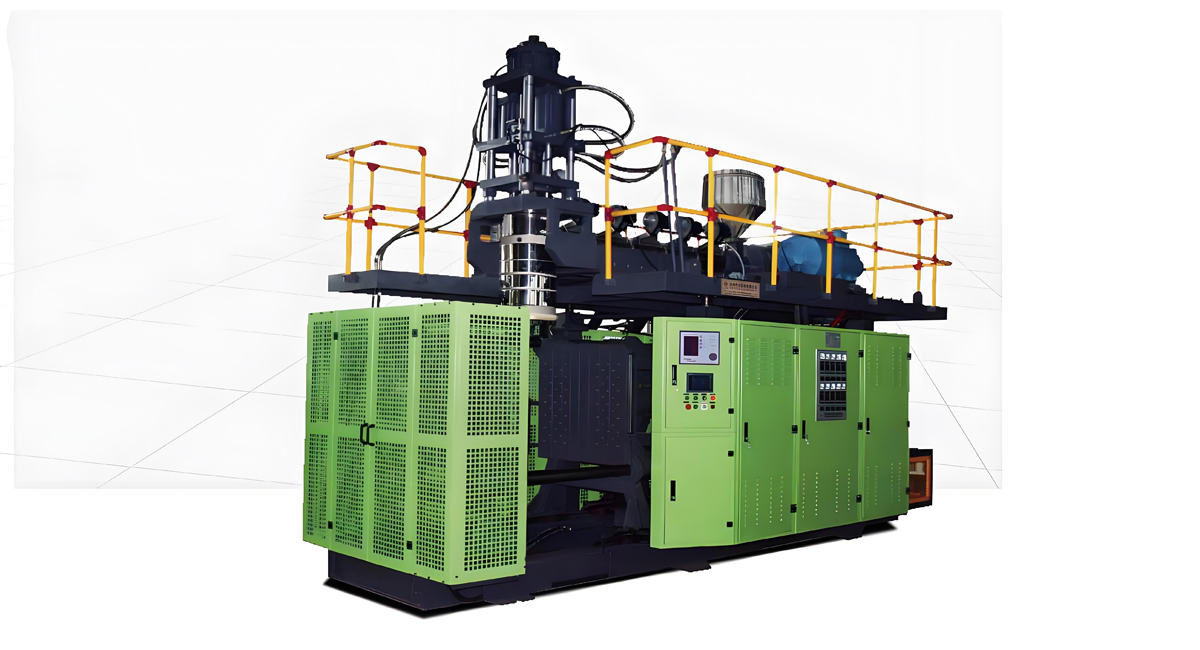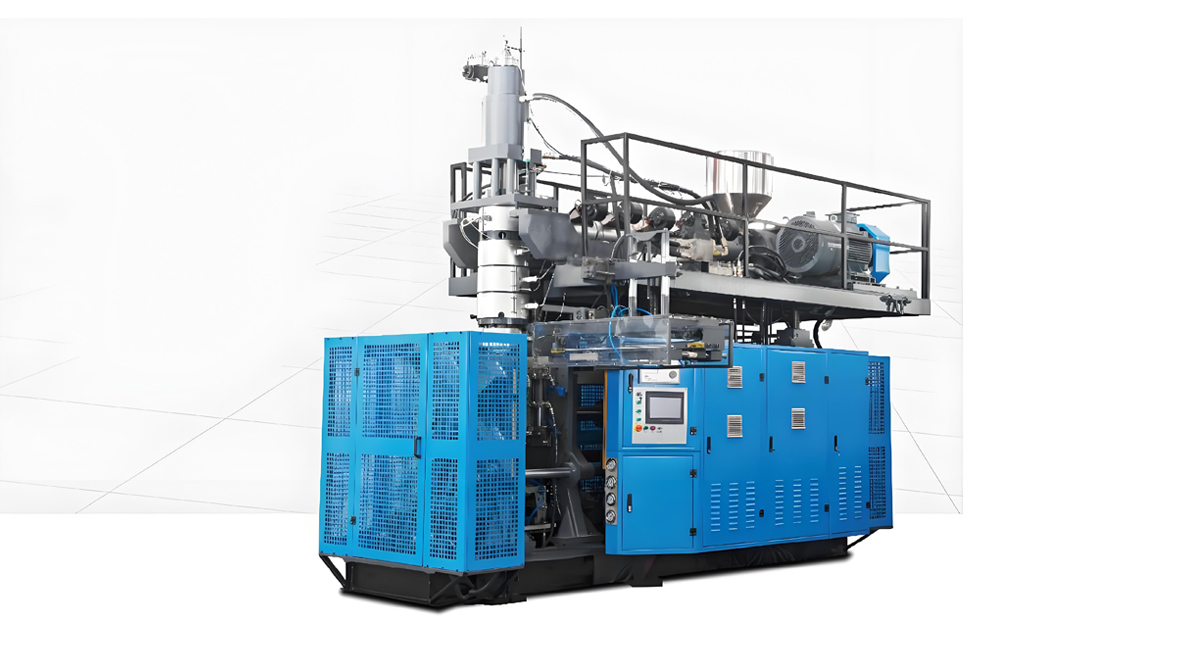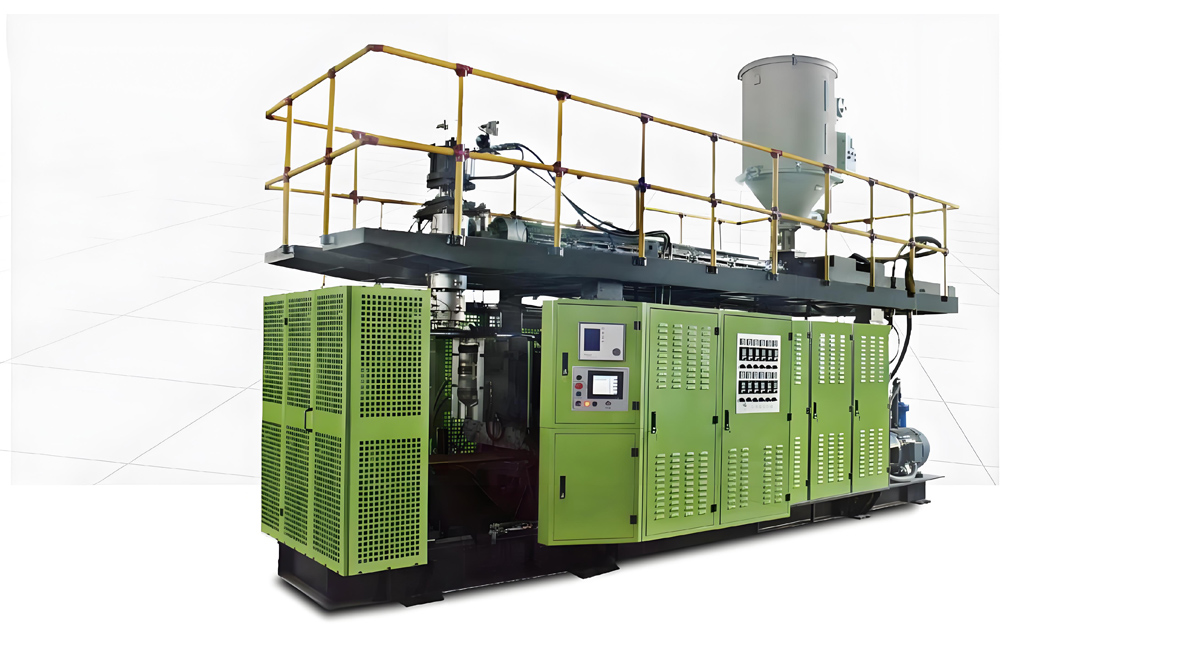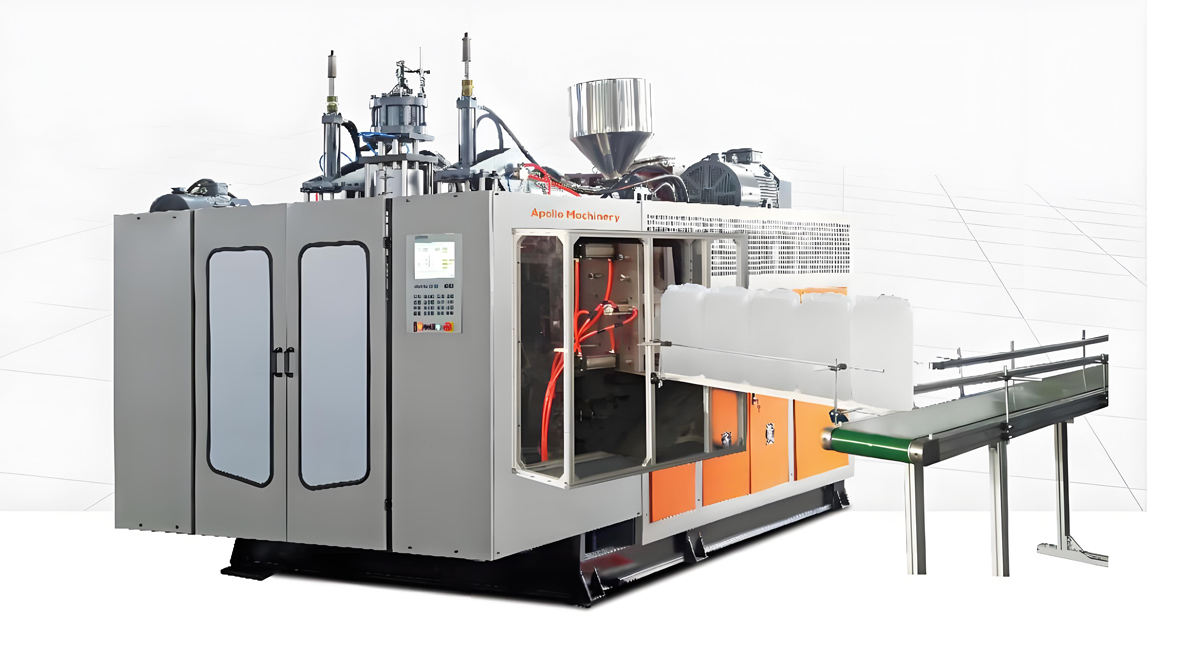
남미 지역 내에 압출 블로우 몰딩 기계를 수입하는 것은 단순한 운송 대행 이상의 사항입니다. 그것은 관세 분류, 국가별 통관 절차, 인증 일치, 전기 규격화 및 해양 물류 등을 적용하는 방식으로, 생산 라인이 예정대로 시작되느냐 포트 울타리에서 운송 대행 업체의 저장 비용을 부담하느냐의 여부를 결정합니다. 이 가이드는 구매 관리자, 공장 엔지니어 및 프로젝트 소유주들에게 중국 내 업체의 공장에서부터 브라질, 아르헨티나, 칠레, 페루, 콜롬비아, 또는 그 인근 시장의 운영 중인 압출 블로우 몰딩 라인으로까지의 모든 과정을 안내합니다.
Apollo는 Wanplas 공장의 지앙지아강(漳州港) 기반 기계 제조업체로서 20년 이상의 제조 역사를 보유하고 있습니다. 이 공장은 양쯔 강 하구 산업 벨트에 위치해 있으며, 창사 공항에서 약 2시간 거리에 있으며 8,000m²의 시설을 보유하고 있으며 연간 100대 이상의 자동 압출 기계를 생산합니다. 현재까지 4,000대 이상의 Apollo 장비가 90개 이상의 국가에서 운용되고 있으며, 특히 남아메리카 지역 여러 시장에서 사용되고 있습니다. 이러한 기록을 바탕으로 여기에서 설명하는 문서 패키지, 전압 조정, 그리고 포장 방식을 말하기에 이론적인 문제가 전혀 없습니다. 바로 Apollo가 모든 수출 물량에 준비하는 동일한 패키지입니다.
이 문서에서는 기술 또는 규제 비교와 브랜드 비교를 엄격하게 분리합니다. 기존 유압 기계나 엔트리급 수입 기기와 같은 일반 범주의 벤치마킹을 실시하고, Siscomex, SUNAT, VUCE, INMETRO, IRAM, Mercosur, ISPM 15 및 NR-12와 같은 공식 체계들을 일반의 시장으로서 기술합니다. 목표는 리드타임을 보호하고, 수입 비용을 통제하며 목적지의 안전 당국의 요건도 충족하는 반복적인 수입 방법서를 고객에게 제공하는 것입니다.
블로우 몰딩 기계의 HS 분류와 관세 처분은 어떻게 되나요?
아르헨티나, 칠레, 페루, 콜롬비아: 다릅니다. 그러나 관리가 용이합니다.
Auxiliary and peripheral equipment does not automatically share that heading. Deflashers, leak-test stations, granulators, conveyors, water chillers and compressed-air systems are ordinarily entered under their own subheadings, and the mold, die head and parison tooling are classified separately as molds for rubber or plastics. Treating the complete line as a single machine is possible only when the components are presented as a functionally complete unit with a principal operating machine; otherwise authorities expect a split declaration. The practical takeaway is to ask the supplier for a per-item bill of materials mapped to HS subheadings so the invoice lines line up with the customs entries.
지역 블록은 자신만의 코딩 계층을 추가합니다. 네 개의 메르코수르 회원국인 브라질, 아르헨티나, 우루과이 및 파라과이는 공동 외무 관세(CET)에 따라 HS 기본에 대해 8자리 또는 10자리의 확장인 NCM(남미 자유 무역 협정)를 사용하고 있습니다. 안데스 커뮤니티 회원국은 콜롬비아, 페루, 에콰도르, 볼리비아가 NANDINA 코드 세트를 사용하며, 이 역시 6자리 HS 핵심에 대한 확장과 안데스 특유의 확장 부분만을 포함하고 있습니다. 두 시스템도 HS로부터 파생되기 때문에 첫 세 자리은 일반적으로 동일하며, 차이점은 최종 자리수와 적용되는 관세율에 나타납니다.
관세 수준은 고정된 금액 대신 일률적 비율로 표현하는 것이 더 적절합니다. 이는 관세액이 관세 가치에 적용되기 때문이며, 따라서 부과되는 세금은 거래 가격에 비례합니다. 남미 전역에서 이러한 유형의 자본 기계에 적용되는 수입 관세는 일반적으로 적당한 비율에 속하며, 멕시코 무역 포럼 (Mercosur)의 CET는 개별 회원국이 제한된 범위에서 적용하는 일반적인 최대의 관세 상한선을 설정합니다. 일부 품목은 국내에서 생산되지 않은 자본 재화의 경우 일시적인 관세 면제나 감면을 받을 수 있지만, 이는 조건부이며 기간이 제한되어 있기 때문에 이를 적용하기 전에 현재 분류 체계에 대한 검증을 진행해야 합니다. 절대적으로 0%의 관세율을 가정하지 마십시오. 항상 라이센스가 부여된 중개업체를 통해 현재 NCM 또는 NANDINA 비율과 일시적 면제 기간을 확인해야 합니다.
부가가치세와 내부 세금은 상황의 그림을 더 복잡하게 만듭니다. 브라질에서는 연방 IPI(산업화된 제품 세금), PIS 및 COFINS(사회적 공제), 그리고 주 단위의 ICMS(재화 및 서비스 순환세)가 수입 세에 더해 적용될 수 있습니다. 또한 환급 및 교체 조합의 영향으로 인해 실제 부담이 변화할 수 있습니다. 안데스의 국가에서는 수입 시 부가가치세가 더 두드러진 면모를 나타냅니다. 계획에 있어 중요한 것은 금액이 아니라 메커니즘입니다: 세무를 관세 가치의 백분율로 예산하고, 현지 적용 VAT 또는 그에 상응하는 금액을 별도 백분율로 추가하고, 청산 전에 이 금액이 지불되기 때문에 일관된 급여를 유지해야 합니다.
왜 분류 규정이 리드 타임을 보호하는지
분류오류는 국경에서 보류사유를 일으키는 주된 원인입니다. 잘못된 분류는 예상치 못한 라이선스 요건, 다른 세율, 또는 수일간 소요되는 추가 기술적인 증빙 요청 등 여러 이유로 발생할 수 있습니다. Apollo는 기술적인 설명서를 발급하여 작동 원리(지속적 밀출 또는 아큐미터 헤드), 처리된 재료 제품군, 최대 용기 용량, 기계 기능 등을 명시함으로써, 중개업체가 8477.30 항목을 방어할 수 있도록 지원합니다. 또한 운송물에 금형 또는 별개의 냉각기 등이 포함되어 있다면 해당 라인은 자체 코드를 적용하여 자체 세율이 적용됩니다. 이러한 점에서 투명한 라인별 청구서는 상호 교섭이 불가능합니다.
남미 국가별 사용 세관 클리어런스 매트릭스
남미는 하나의 통관조합이 아니다. 메르코수르에서는 회원국을 공통의 외관 관세 및 공통 명세 체계로 묶지만 각 국가마다 자체의 통관 당국, 면허 규칙, 안전 규정 및 문서 언어가 있다. 안데스 공동체는 코딩을 동일하게 하지만 절차는 종속되지 않는다. 아래의 행렬은 계획해야 하는 구조적 차이들을 요약하고 있으며, 이를 계획지도로 여기시고 면허 취득 중개업체의 현재 조언을 대체하는 것으로 이해하시기 바랍니다.
| 국가 | 통관 체계/기준 | 라이센스/허가 요건 | 안전/전기 운영 규정 | Document Language | 관세 정책 |
|---|---|---|---|---|---|
| Brazil | Siscomex 전자 시스템, NCM 코드, RADAR 수입자 등록부 | 중고 기계 및 통제 대상 품목에 대한 수입 허가(LI); 새 기계의 경우 일반적으로 면제되며 특정 규제가 적용되지 않는 경우 | NR-12 기계 안전; 해당되는 경우 INMETRO 범위; ICMS/IPI/PIS/COFINS 세금 | 도움말, 레이블, 위험 파일용 포르투갈어 | 적정한 CET 기반 대역; 관세 면제 가능 |
| 아르헨티나 | AFIP/통관 신고; NCM 코드; 외환 승인 | FX의 경우 사전 수입 신고 및 중앙은행 지급 승인 | IRAM 기준; 스페인어 문서 | 스페인어 | 스페인 문서, 제품 설치 시 전기 적합성 확인 |
| Chile | 상대적 개방 관세, NALADISA 코드, 자유 무역 협정 원산지 | 일반적으로 허가가 필요한 품목이 적음; FTA 우대 목적의 원산지 증명서 필요 | SEC 전기 안전 요구 사항; 스페인 문서 | 스페인어 | 낮은 기본 관세; FTA 원산지를 적용하면 관세를 낮출 수 있음 |
| 페루 | SUNAT 통관; Ventanilla Única (VUCE); NANDINA 코드 | 단일 창구를 통한 증서 제출; 식품 접촉품의 최종 사용 단계는 위생 감독을 통해 관리됩니다. | 스페인 관련 문서; 식품 접촉용 최종 제품의 위생적 절차 | 스페인어 | 온건한 안데스 레인; FTA 우대 항목 제공 |
| Colombia | 신원 확인 및 조건 검증 | Single-window declaration; INVIMA role only for food-contact end products | 스페인어 문서, RETIE 전자 기구 설비 체계 | 스페인어 | 중화 지역 스트립 및 중화 가격 체크 |
| 우루과이 | DNA 관세; NCM 코드 (메르코수르) | 메르코수르와 국경을 맞대고 있으며, 브라질보다 관제가 더 편리하다 | 스페인어 문서; 단위 수준의 안전기준 | 스페인어 | CET 기준 대장대응 |
| 에콰도르 | 관세; 난디나 코드 (안데스) | Declaration with supporting technical docs | 스페인 문서; 설치를 위한 전기적 준수성 | 스페인어 | Andean band; FTA preferences |
| 볼리비아 | 관세; 난디나 코드 (안데스) | 기술적 및 상업적 문서와 함께 신고 | 스페인 문서; 현지 전기 안전 검사 | 스페인어 | 앰버 밴드 |
| 파라과이 | 통관; NCM 코드 (메르코수르) | Mercado Común del Sur(MERCOSUR)의 대장대응 증서 | 스페인어 문서; 단위 수준의 안전기준 | 스페인어 | CET 기준 대장대응 |
브라질: Siscomex, RADAR, LI 및 NR-12에 대한 자세한 정보
브라질은 절차가 가장 까다로운 나라이며, 최대의 준비를 요한다. 수입은 수입업자가 Siscomex 전자 시스템에서 먼저 시작하는데, 이 시스템에서는 기업의 수용 요건을 평가하는 RADAR 인증을 보유해야 한다. NCM 코드는 수수료와 심한 통제 유형을 결정한다. 완전히 새로운 EBM 기계의 경우, 사전 수입 허가는 일반적으로 필요하지 않지만 해당 제품이 통제된 품목 목록에 포함되는 경우 허가를 요청해야 한다. 중고 기계의 경우, LI는 일반적으로 필수이며 수입업자는 해당 제품에 соп쩍한 국내 생산 기계가 없는지를 증명해야 한다. 이 신품 대 중고 기계 구별은 많은 남미 수출업자들이 새로운 단품만을 구매하는 이유다. 신품은 적격한 적을 증명하는 검증 부담을 없앜다.
On the safety side, NR-12 is the Brazilian regulatory framework for machinery and equipment safety. It mandates fixed and movable guards, interlocking safety doors, light curtains on accessible danger zones, clearly marked emergency stops, two-hand start where the risk assessment requires it, a documented risk assessment, and Portuguese-language labeling and operation manuals. INMETRO applies where a product standard exists within its scope; not every blow molding machine falls under an INMETRO certification, but the NR-12 obligations apply broadly to the workplace machine. The tax stack — ICMS at the state level, IPI at the federal level, and PIS and COFINS as social contributions — is applied through a credits-and-debits mechanism that the broker reconciles at clearance.
아르헨티나, 칠레, 페루 및 콜롬비아: 분명한 차이가 있으나 관리 가능한 수준
Argentina layers a prior import declaration and a foreign-exchange payment approval step onto the NCM-based duty, and expects Spanish-language documentation aligned with IRAM references. Chile runs a relatively open tariff with free-trade-agreement origin benefits and SEC electrical safety requirements; a correct certificate of origin can materially lower the applied duty. Peru processes the declaration through SUNAT and the Ventanilla Única (VUCE) single window, with Spanish documents, and where the blown container is a food-contact article the end-product chain connects to sanitary oversight rather than to the machine itself. Colombia uses its own VUCE single window under DIAN, with NANDINA coding; INVIMA’s role is limited to food-contact and pharmaceutical end products, not to the machinery, so the buyer should not expect a machine-level INVIMA certificate but should keep end-product compliance in view.
Required Shipping Documents and Certificate Package
관세 서류 중 깨끗한 서류 패키지가 성공하거나 실패합니다. 남미 당국은 수량, 무게 및 가치에 대해 상업 인보이스, 패킹 리스트 및 선적 증명서가 일치하고 기술 파일이 신고된 등급 및 안전 규정을 뒷받침하는 일관된 세트를 요구합니다. 아래 표는 아폴로가 일반적으로 준비하는 문서와 각각의 역할에 대해 나열되어 있습니다. 한 상자에는 인증된 사본 한 개와 도착 전 전자적으로 송부된 세트 한 개를 보관하십시오.
| 문서 | 주요 목적 | 핵심 노트 |
|---|---|---|
| 상업 인보이스 | 거래 가치 및 당사자 명시 | 기계, 금형 및 부품별로 구성이 완전하며 포장명표와 정확하게 일치 |
| 패킹 리스트 | 세부 사항 패키지, 치수, 총/순중량 | 컨테이너 및 크레인 계획에 매우 중요하며 운반비와 창고료를 지원합니다. |
| 관세 조항 | 운송계약의 증거입니다. | 출하를 위해 원래의 B/L이 일반적으로 필요합니다. 수취인을 확인하고 당사자에게 통보하십시오. |
| 원산지 증명서 | 보통 관세 또는 우대 관세 지원 | 대부분의 경우 일반적인 편의선 서류; FTA FORM이 목적지가 중국 FTA 특전을 인정하는 경우 |
| ISPM 15 포장 선언서 | 목재 포장물에 대한 검역 규정 준수 | 견목은 열처리 또는 훈증 후 IPPC 표기를 해야 합니다. 합판은 면제됩니다. |
| 보험 증명서 | 국제 운송 중 화물의 위험을 보험금으로 보장합니다. | 판매 계약서에 적용될 적용 범위 가치 및 인코텀즈를 조율합니다. |
| 포장 및 명판 사진 | 선적 서식지(해양 선적 서식지) | 명판에는 모델, 일련번호, 전압, 주파수, 용량이 표시되며 입고서류와 일치합니다. |
| 기술 도면 및 매뉴얼 | 분류 및 운영 지원 | 목적지에 따라 포르투갈어 또는 스페인어 버전; HMI 언어 맞춤 설정 |
| CE 기술 파일 및 적합성 선언문 | 설계 준수에 대한 증거 | 수출을 위한 기준; 브라질을 위한 NR-12 위험 파일 추가 |
| 보증 및 예비 부품 명부 | 애프터세일즈 및 평가 지원 | 연간 500달러 상당의 무료 부품 정책과 권장 예비 부품 세트에 대한 링크 |
원산지증명은 신중한 선택이 필요합니다. 일반적인 원산지증명서(CO)는 일반 관세율에 대응하며 일반적으로 허용됩니다. 목적지가 자국에서 중국과의 원산지로 인정되는 자유무역 협정을 유지하고 있다면 특혜 형태는 적용된 세율을 낮추거나 제로로 설정할 수 있으며, 보상이 되는 것은 엄격한 원산지 기준과 공식적인 발행 절차입니다. 이 결정은 기계 모델별이지 배송별로 성립합니다. 따라서 중개업자와 함께 선적 전 목록에 들어 있어야 합니다.
ISPM 15는 흔히 과소평가됩니다. 크레잍에 사용되는 모든 단단한 목재 — 스키드, 브레이스, 스페이서 —는 표백을 해야 하며, 표준에 따라 열처리 또는 방사화 처리되어야 한 뒤 IPPC 마크를 표기해야 합니다. 합판 또는 지향 산림판 같은 가공된 목재 패널은 일반적으로 범위에 포함되지 아니하며, 이 때문에 많은 수출업자들이 이 단계의 처리 과정을 피하기 위해 합판 크레잍을 선호합니다. 문서와 함께 처리 증명서를 항상 보관하십시오. 남미의 모든 항구에서는 도착 시에 마크를 검사하므로, 누락되거나 판독 불가능한 브랜드는 재처리나 구매자의 비용으로 거부될 수 있습니다.
Incoterms 및 책임 분배 파트너 네트워크 오늘날의 산업은 전 세계의 이점을 누리고 있으며, 더욱이 복잡한 규정과 국제 무역 협정은 최신 자동화 기술에 대한 수요를 계속 증가시키고 있습니다. 자동화 솔루션은 인건비를 절감하고 생산성을 높일 수 있으며, 부품 교환 시간을 단축하고 품질 보증을 강화할 수 있습니다. 표준 패키징 용기를 제작하는 자동화가 된 단일 기계 라인은 일반적으로 여러 기기를 다루는 한 명의 운영자와 함께 작동되며, 운영자는 수동 작업이 아닌 시작 및 품질 검사, 재료 공급 감시 및 경고 대응을 담당합니다. 자동 폐기, 통합 탈피, 자동 누수 테스트 및 하향 파킹 또는 충전 작업으로의 수송이 이러한 비율을 달성하게 만듭니다. ABLD 등급의 대형 컨테이너 생산은 제품이 무거우며 처리 과정이 쉽게 자동화되지 않기 때문에 더 직접적인 관리가 필요합니다. 두 경우 모두 금형 변경 과정이 최대 노동력 수요이므로 다양한 컨테이너 형식을 사용하는 공장에서는 빠른 금형 변경 조치가 비용을 회수 해줍니다.
Incoterms에서는 세 가지 차원에서 판매자의 책임이 끝나는 곳과 구매자의 책임이 시작되는 곳을 정의합니다. 즉, 어떤 당사가 위험이나 손상의 책임을 지는지, 어떤 당사자가 운송의 각 단계 비용을 부담하는지, 그리고 원산지 및 목적지에서의 통관 절차를 누가 처리하는지에 대한 것입니다. 남미 수입 때 잘못된 용어를 선택하는 것은 상당히 흔한 비싼 실수입니다. 이는 목적지 항만 수수료, 내륙 운송 및 통관 대행사를 지정할 수 있는 권리 등이 일관된지가 아니기 때문입니다.
| 인코텀 (Incoterms) | 위험 이전 | 비용 보상 | 남미 실용 노트 |
|---|---|---|---|
| EXW (공장 외): | 판매자의 공장 적재 지점 | 구매자는 픽업부터 모든 비용을 부담합니다 | 구매자가 수출 허가를 관리합니다. 중국 수출에 익숙하지 않으면 위험합니다. |
| FOB (무선 장비) | 중국 항구에 있는 선박 | 최대 큐브 크기: 기계는 문높이와 내부 길이의 제한을 준수해야 합니다. | 공통적이고 균형잡힌 구매 상태에서 해상운송 계약에 관한 통제는 구매자가 수행합니다. |
| CFR(운송비 부담자) 비용의 지불 및 운송비 부담자 | 중국 항구에 있는 선박 | 판매자가 해상 운임을 지불하며, 구매자가 보험료와 목적지를 부담 | 구매자는 여전히 화물 보험을 별도로 준비해야 합니다. |
| CIF(운영비, 보험, 운송비) | 중국 항구에 있는 선박 | 판매자는 항구로 운송료와 보험을 부담합니다. | 편리하지만 판매자는 운송회사를 선택하며, 구매자는 통관을 조절 |
| DAP(착시지된 장소) | 지정된 장소에 도착했을 때, 화물을 내릴 때까지 | 판매자는 대부분의 운송비용을 부담하며, 구매자는 수입 관세를 내야 합니다 | 전체 설비를 기획부터 공급까지 하는 경우가 많으며, 구매자는 여전히 관세를 처리합니다 |
| DDP(배달·통관료 지불) | 목적지에 배달 및 정산 완료 | 판매자가 관세와 모든 운송비를 지불합니다. | 최대 편의성; 국내 입고 허가를 받으려면 판매자는 등록해야 함 |
반복되는 남미 함정은 목적지 항구입니다. CIF에서도 판매자의 의무는 배출 항구에서 끝나며; 터미널 조작, 보관, 공장까지의 내륙 운송 및 세관 신고는 구매자의 몫이며, 이러한 현지 비용은 예상보다 종종 높습니다. 두 번째 함정은 클리어링 에이전트의 지명입니다. 기록 상의 수입원은 품목을 클리어링하는 사람이 누구인지 통제해야 하며, 먼 곳에서 선정된 에이전트가 마진을 추가하거나 의사 소통을 지연시킬 수 있습니다. DAP는 흔히 이용되는 타협 방법입니다. 판매자는 지정된 장소까지의 국제 운송을 관리하면서 구매자는 수입 클리어링과 브로커의 선택권을 유지합니다. DDP는 가장 간접적인 형태로 그러나 판매자가 현지 등록되어 있거나 재정 담당자를 사용해야 합니다. 이는 언제나 현실적인 경우가 아닙니다.
어떤 용어가 선택되더라도 계약서는 해운업자를 지정하고, 목적지 터미널 유무처리를 누가 지불하며, 관세 브로커를 누가 지정할 것이며, 무료 보관 기간을 초과하는 경우 화물을 누가 소유해야 하는지 명확히 기재해야 합니다. 이 할당 사항을 기재함으로써, 거래 제안 이력지가 명시된 기계 가격을 훨씬 큰 당해 시 비용으로 변할 수 있는 은밀한 비용 상승을 방지할 수 있습니다.
Ocean Freight and Containerization Engineering
EBM 기계의 물리적 모양과 무게는 컨테이너 계획을 결정하며, 컨테이너 계획은 운송 비용의 상당 부분을 결정합니다. Apollo의 ABLB 소형 및 중형 모델은 표준 상자에 완전하게 적재할 정도로 작아 서, ABLD 대형 기계는 내부 용량치를 초과하므로 개방형 상자, 평직 라커 또는 무해지船舱로 나누어 운송해야 합니다. 견적 작성 단계에서 이 사항을 정확히 파악하면 마지막 순간에 재 컨테이닝 및 항로 교란을 피할 수 있습니다.
| 컨테이너 / 모드 | 가장 적합한 경우 | 엔지니어링 노트 |
|---|---|---|
| 40HQ 건조 컨테이너 | ABLB 소형/중형 완제품 기계, 예비 부품 키트, 금형 | 가장 큰 구획. 기계는 문 높이와 내부 길이를 모두 통과해야 합니다. |
| 개방형 컨테이너 | 기계를 크레인으로 통해 상단에 적재합니다. | 대게시용 포장자재로 덮여 있음; 상자의 높이가 커 광폭이 보일 때 적합 |
| 플랫 랙 | 넓거나 하중이 큰 ABLD 프레임, 플래턴 어셈블리 | 측벽이 없으며 인증된 업비드와 기상 조건 보호가 필요함 |
| 부단별 / 과대 | 임대 용량이 컨테이너를 초과하는 가장 큰 ABLD 장비 | 관리 가능한 단위로 분해됩니다. 국제 운송 기간이 가장 길다고 하며 처리 비용이 가장 큽니다. |
컨테이너 선택은 기계 사양 표에서 공개된 전체 치수 및 순 중량에서 시작됩니다. 40HQ 건조 컨테이너는 넉넉한 내부 높이를 제공하지만 문 열림에서 약 2.7m를 초과하지 않습니다. 들어맞는 ABLB 유닛은 그냥 이동시키거나 스키드 적용한 다음 차단하고 균형 장치를 장착합니다. 컨테이너의 인클로저보다 높고 넓은 ABLD 기계는 플랫 랙 또는 개방형 상단으로 선적되며, 플레이트와 조인트 프레임은 분리될 수도 있습니다. 가장 큰 ABLD 유닛은 규격 미달 품목으로 선적이 이루어질 경우 기판, 조인트 스테이션 및 압출 헤드로 분할한 후 공장에서는 엔지니어 감독하에 재조립됩니다.
운송 도중의 보호 안건은 박스만큼 중요합니다. 강제 표면은 VCI(치수용 부식 방지 필름)로 감싸고, 습한 짠 바다를 건너는 긴 항해 기간을 대비하여 탈수기 팩과 짝지어집니다. 박스 설계로 인해 리프트 포인트, 중력 중심 및 리핑 포인트는 명확하게 표시되며, 기계는 길이, 가로 및 세로 방향으로 움직이는 것을 방지하기 위해 차단됩니다. 발품을 내어 작업을 거치지 않고 화주의 배차 사실을 인지할 수 있도록 문서화된 리핑 계획이 예약서와 함께 제공됩니다.
50Hz 모터; SEC 전기 규정 준수
항구 보관 및 자유 시간을 관리
모든 목적지는 제한된 무료 보관 및 무료 장비 기간을 부여합니다. 수입 계획은 선박이 도착하기 전에 문서 준비를 목표로 해야 합니다. 시계는 운하에서 내릴 때 시작되므로 중개인이 포르투갈어 설명서 또는 수정 된 인보이스를 기다리는 동안 터미널에 머무는 기계는 책임자인 당사자 이외의 누구도 전가하지 않는 비용을 발생시킵니다. Apollo는 선적 전 통신 문서를 전송하고 구매자와 언어나 인증서 요구 사항을 인계하기 전에 크레이트화함으로써 이에 대처합니다.
남미 전력망에서 전기 및 안전 적응 문제가 발생합니다.
전기 adapté는 대만의 수입품의 한 부분으로, 이를 무시하면 작동 중인 기계가 과열되거나 제대로 작동하지 않을 뿐 아니라 추가적인 하자가 발생하게 됩니다. 이 대륙은 50Hz 및 60Hz의 전력망과 여러 전압 사이에 나뉘어져 있으며, 압출 결로 성형 기계는 주 전동기에서 냉각 팬까지, 수력 펌프에 이르기까지 모든 시스템이 주파수에 민감하게 작동됩니다.
| 국가 | 일반적인 3상 전압 | 주기 | 적응 영역 |
|---|---|---|---|
| Brazil | 220V 또는 380V | 60Hz | 60Hz 모터 및 인버터, NR-12 안전 로프 |
| 아르헨티나 | 380V | 50Hz | 50Hz 모터; IRAM 기준 서류 |
| Chile | 380V | 50Hz | 50Hz 모터; SEC 전기 규정 준수 |
| 페루 | 220V 또는 380V | 60Hz | 60Hz 모터; 사이트 전압 확인 |
| Colombia | 110V, 220V 또는 440V | 60Hz | 정확한 사이트 전압을 확인하십시오(변압기 또는 직접) |
| 우루과이 | 380V | 50Hz | 50Hz 모터 |
| 에콰도르 | 380V | 60Hz | 60Hz 모터 |
| 볼리비아 | 380V | 50Hz | 50Hz 모터 |
| 파라과이 | 380V | 50Hz | 50Hz 모터 |
50Hz 대 60Hz는 실제로 기계의 동작을 어떻게 변화시키는가
비동기 주동기의 동기 속도는 공급 주파수에 비례합니다. 50Hz에 맞게 설계 및 기여된 모터는 60Hz 공급에 연결될 때 약 20% 더 빨리 회전하며, 스크류 회전 속도가 증가하고, 시간당 용윗 처리량이 증가하며, 냉각 팬의 공기 흐름과 유압 펌프의 흐름이 증가하고, 히터의 운전 주기 비율이 변합니다. 반대로, 60Hz로 평가된 기계를 50Hz의 그리드에 연결하면 약 17% 느려져 스크류 속도가 낮아지며, 산출량이 감소하고, 팬 및 펌프 흐름이 감소하며, 사이클 시간이 길어집니다. 어느 경우든 자동적으로 안전하지는 않습니다: 더 빠른 경우 스크류를 과속시키고 구동장치를 과부하시킬 수있게 되지만, 더 느린 경우 배럴이 부족히 공급되어 냉각이 설정 지점보다 적게 될 수 있습니다.
세 가지 수정 사항이 지원됩니다. 첫 번째는 대상 주파수를 제작 시점에 메인 모터 및 감속기에 설정하는 것이며, 이는 가장 단순하고, 대상 전력망이 알려진 경우 아폴로가 실행하는 방법입니다. 두 번째는 인버터(주파수 변환기) 보정으로, 이와 같은 보정은 구입한 기계가 도착하는 전력망을 무조건 따라가지 않도록 하며, 단일 하드웨어 구성이 다양한 전력망에 서비스를 제공하도록 합니다. 이 방식은 현대 EBM 라인에서 표준이 되는 보정 방식으로 가장 유연한 옵션입니다. 세 번째는 기어박스 또는 감속기 비율을 변경하여 스크류 속도가 사용 가능한 전력망의 적절한 주파수 범위에 맞게 조정하는 것입니다. 올바른 선택은 공장이 후에 다양한 소스의 기계를 수입할 수 있는지를, 또는 구매자가 단일 글로벌 예비 모터 표준을 원하는지를 판단하는 데 기초합니다.
주 드라이브와 제어 회로 전압, 지구 시스템 및 사용 가능한 단락 용량을 확인해야 합니다. 남미 산업 현장은 다양한 신고 수준으로 TN-S 또는 TT 지면화 방식을 사용하며, 전기 캐비넷은 현장의 보호 조정과 일치해야 합니다. 캐비넷 보호 등급(IP 등급)은 현지 환경에 맞게 선택되며, 습하고 해안에 위치한 경우 또는 광산 인접 지역에 있는 경우 더 고가입니다. Apollo는 주요 패널, 인버터 매개변수 및 확인된 값에 맞게 변압기 또는 직접 연결을 구축하고, 명찰에 이를 기록하여 클리어링 기관과 현지 전기기사를 일관된 선언을 할 수 있도록 합니다.
안전 루프 구성 및 NR-12 정렬
안전은 전기 설계와 별개가 아닙니다. 기계는 압출 및 클램핑 영역에 고정 보호장치가 부착되어 있으며, 열쇠를 돌리면 움직임에 대한 제어를 갖춘 안전장치가 탑재되어 있으며, 접근 가능 위험 영역에 가벼운 커튼이 설치되어 있고, 적외선 신호 회로를 통해 명확하게 표시된 종전 및 이중적 중단이 설치되어 있으며, 필요에 따라 2손으로 시작이 가능합니다. 브라질의 경우, 이러한 요소를 NR-12 위험 평가 파일과 포르투갈어 라벨 및 설명서로 지원합니다. 아르헨티나 및 안데스 회원국의 경우 동일한 물리적 안전 조치가 요구되며, 스페인어 문서화 및 현지 표준 참조에 일치해야 합니다. 중요한 점은 안전 얼개가 공장에서 구성되어야 하고, 현장에서 improvis하지 않아야 한다는 것입니다. 따라서 대상 국가를 결정하기 이전에는 제어판을 연결해야 한다는 것입니다.
남미 지역용 아폴로 EBM 기계 시리즈
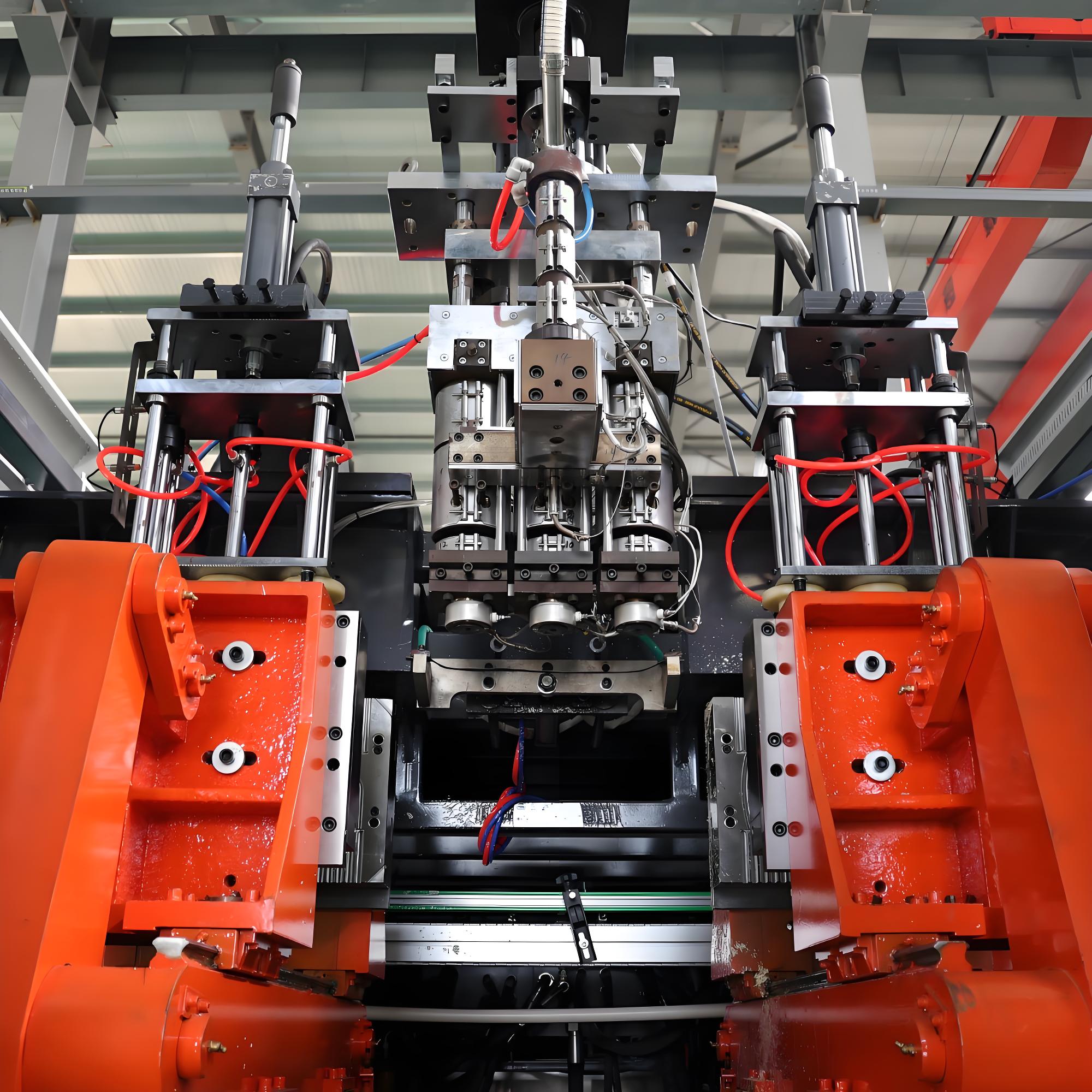
아폴로의 압출 블로우 몰딩 프로그램은 200ml에서 1,500리터까지의 용기를 공급하는 세 가지 시리즈를 중심으로 합니다. ABLB 시리즈는 8종의 모델로 200ml부터 20L까지를 취급하며, ABLD 시리즈는 거동 용량의 대형 용기에 해당하는 3종의 모델로 20L부터 1,500L까지를, 마지막으로 전전동식 시리즈는 엄격한 에너지 목표나 청결도 목표를 갖춘 공장에서 전용 전동 장치를 사용하여 200ml부터 20L까지를 공급합니다. 아래의 사양표에서는 모델별로 일반 설계 범위를 표시하고 있으며, 최종 확정된 파라미터는 견적서와 라벨에 함께 제공됩니다.
ABLB 시리즈(200ML–20L), 8가지 모델 타입
| 모델 | 컨테이너 범위 | 압착력 (kN) | 나사 직경 (mm) | L/D | 출력 (kg/h) | 묘 단위 | 출력 (kW) | 전체 길이 × 너비 × 높이 (mm) | 순 중량(kg) | 공급 |
|---|---|---|---|---|---|---|---|---|---|---|
| ABLB 55 | 200ml~3L | 40–80 | 45~55 | 20–24 | 25–60 | 지속적/ 축보호기 | 15–30 | 3200–4000 × 1800–2200 × 2200–2600 | 4000–7000 | 380V 50/60Hz |
| ABLB 65 | 1L–5L | 60–120 | 55–65 | 20–24 | 40~90 | 지속적/ 축보호기 | 22–40 | 3600–4500 × 2000–2400 × 2400–2800 | 6,000–10,000 | 380V 50/60Hz |
| ABLB 75 | 2L–10L | 100–180 | 60–75 | 20–24 | 60–130 | 지속적/ 축보호기 | 30–55 | 4000–5000 × 2200–2600 × 2600–3000 | 8000–14000 | 380V 50/60Hz |
| ABLB 80 | 3L–15L | 150–250 | 70~80 | 20–24 | 80–160 | Accumulator | 40–70 | 4500–5500 × 2400–3000 × 2800–3200 | 10000–18000 | 380V 50/60Hz |
| ABLB 90 | 5L–18L | 200–320 | 80–90 | 20–24 | 110~200 | Accumulator | 55–90 | 5000~6000×2600~3200×3000~3400 | 14,000–22,000 | 380V 50/60Hz |
| ABLB 100 | 10L–20L | 280–420 | 90–100 | 20–24 | 150–260 | Accumulator | 75–120 | 5500~6500×3000~3600×3200~3600 | 18000–28000 | 380V 50/60Hz |
| ABLB 120 | 10L–20L | 400~600 | 100–120 | 20–24 | 200–340 | Accumulator | 110–160 | 6000~7000×3200~3800×3400~3800 | 24000–36000 | 380V 50/60Hz |
| ABLB 150 | 15L–20L | 550–800 | 120–150 | 20–24 | 280–450 | Accumulator | 150–220 | 6500~7500×3400~4000×3600~4000 | 30,000–45,000 | 380V 50/60Hz |
ABLD 시리즈(20L부터 1500L), 3가지 모델 타입
| 모델 | 컨테이너 범위 | 압착력 (kN) | 나사 직경 (mm) | L/D | 출력 (kg/h) | 묘 단위 | 출력 (kW) | 전체 길이 × 너비 × 높이 (mm) | 순 중량(kg) | 공급 |
|---|---|---|---|---|---|---|---|---|---|---|
| ABLD 50 | 20L–200L | 600–1000 | 100–120 | 18–22 | 250~450 | 축합기/다수 헤드 | 150–260 | 7000~9000×3500~4200×4000~5000 | 40000–70000 | 380V 50/60Hz |
| ABLD 80 | 200L~800L | 1,000–1,800 | 120–150 | 18–22 | 400–700 | 축합기/다수 헤드 | 250~450 | 9000~12000×4000~5000×5000~6000 | 70000~130000 | 380V 50/60Hz |
| ABLD 150 | 800L–1500L | 1800~3000 | 150–200 | 18–22 | 700–1200 | 축합기/다수 헤드 | 450–800 | 12000~16000 × 5000~6500 × 6000~8000 | 130000~240000 | 380V 50/60Hz |
완전 전기 시리즈(200ml–20L)
| 용량 계층 | 컨테이너 범위 | 압착력 (kN) | 나사 직경 (mm) | L/D | 출력 (kg/h) | 묘 단위 | 출력 (kW) | 전체 길이 × 너비 × 높이 (mm) | 순 중량(kg) | 공급 |
|---|---|---|---|---|---|---|---|---|---|---|
| 작은 | 200ML–2L | 40–120 | 45~55 | 20–24 | 20–50 | 연속 | 12–28 | 3000~4000×1800~2200×2200~2600 | 3500–6000 | 380V 50/60Hz |
| 중반 | 2L–10L | 120–250 | 60–75 | 20–24 | 50–120 | 지속적/ 축보호기 | 25 – 55 | 4000–5200 × 2200–2800 × 2600–3000 | 7000–14000 | 380V 50/60Hz |
| 대형 | 10L–20L | 250–500 | 80–100 | 20–24 | 110–240 | Accumulator | 55–110 | 5200~6500×3000~3600×3200~3600 | 16000~28000 | 380V 50/60Hz |
세 시리즈 모두 PE, PP, PVC, PA, PC, ABS, PS, EVA, TPU 및 PETG라는 비슷한 수지 계열을 가공하며, 이 수지들은 남미 전체에서 공통적으로 사용되는 농업-화학제품, 윤활제, 광석-화학제품, 식수, 세제, 냉각제, 그리고 유여통 등을 생산하는 데 사용됩니다. 다이 헤드는 소규모 용기용 연속 압출용 또는 더 큰 파리온 중량용 축적 헤드로 제공되며, 설치된 출력은 유압식 또는 전동식 드라이브를 선택할 수 있는 옵션입니다. 전체 크기와 순중량이 모델별로 명시되어 있으므로, 구매자는 기계가 조립되기 전에 테이블을 바로 화물 운송업자에게 넘겨서 컨테이너 계획을 확정할 수 있습니다.
남미 지역의 응용 산업 및 최종 제품
아폴로 시스템은 음식 및 음료, 일상 화학 제품, 화학 산업, 건축 자재, 의료 및 의약품, 자동차 생산, 교통, 문화 및 스포츠 용품 등 8개의 산업 분야를 지원합니다. 남미의 맥락에서 이러한 산업 분야는 첫째로 수입을 정당화하는 지역의 핵심 제품으로 지정되었습니다.
브라질, 아르헨티나 및 그 주변 지역의 농업 벨트에 있어서, 가장 주된 유통품은 농약 용기이다. 콩을 기르고 있는 내륙 전체에서 사용하는 화학제품 저항성 드럼과 병에 해당하는 것이 바로 농약용기이다. 칠레, 페루, 볼리비아의 광산 경제는 시약과 현장 소모품의 가공에 필요한 화학용기를 요구한다. 윤활유 병과 자동차 냉각액 탱크는 모든 주요 도시에서 차량 시장분야를 충족시키고, 마시기 위한 물병과 병은 해안과 내륙의 마을들에서 마실 물의 유통량을 공급한다. 세제 및 주방용품 용기는 일상 화학제품 시장사업을 지원하며, 20리터짜리 통(젤리칸)은 대륙 전역에서 연료, 물 그리고 산업용 유체들을 운반하는 폭넓게 이용되는 용기이다.
건축 자재의 사용 범위에는 접착제, 코팅재 및 건축 화학물질용으로 사용하는 밀폐용 항아리와 탱크가 포함됩니다. 의료 및 제약 산업 분야에서는 소용량의 청결한 블로우 몰딩 용기가 사용되며, 이러한 용기는 공정 구역에서 유압유가 사용되지 않기 때문에 전동식 시리즈가 매력적입니다. 운송 및 자동차 생산 분야에서는 덕트, 저수조 및 유체 탱크와 같은 기술용 유성 부품이 사용됩니다. 문화 및 스포츠 용품 분야에서는 특정 형태의 유성 부품이 광범위하게 사용됩니다. 수입사 입장에서 중요한 사실은 같은 ABLB 또는 ABLD 플랫폼을 금형 교환 형식으로 여러 채널에 적용할 수 있기 때문에 한 대의 기계 투자로 다양한 고객층을 상대할 수 있다는 점입니다.
남미의 구매자는 한 제품만을 위한 기계를 거의 수입하지 않습니다. 빠른 폼 변경이 가능한 ABLB 플랫폼은 농약 드럼을 심은 시기에는, 비 시기는 세탁제 병을 처리하여 활용도를 높여 수입 관세와 운임을 정당화할 수 있습니다.
요구 사항에 따라 모델 선택 권고 사항 ◦ 오세아니아 시장에 절삭식 벨로우즈 기계 공급은 제조 분야만큼 준수 규범을 따르는 일이다. 호주와 뉴질랜드는 230V/400V 50Hz의 전기 설계, AS/NZS
선택 문제는 목표 용기 용량, 필요한 시간당 또는 연간 생산량, 그리고 대상 전기 표준 세 가지 변수로 답합니다. 아래 표는 흔한 남미 요구사항을 권장되는 Apollo 시리즈와 기기 크기와 무게로부터 유래하는 용기 계획에 매핑합니다.
| 요구 사항(용량/출력/그리드) | 추천 시리즈 | 대표 모델 | 컨테이너 선적 계획 |
|---|---|---|---|
| 200ML-3L, 중간 출력, 60Hz (브라질/페루) | ABLB 시리즈 | ABLB 55/65 | 40HQ, 완전 |
| 2L ~ 10L, 더 높은 출력, 50Hz (아르헨티나/칠레) | ABLB 시리즈 | ABLB 75/80 | 40HQ, 완전 |
| 10L부터 20L까지, 높은 생산량의 혼합 그리드 | ABLB 시리즈 | ABLB 100/120/150 | 높이에 따라 40HQ 또는 상부열림식 |
| 200ML–20L, 에너지 및 청결도 우선, 모든 그리드 | 전전동식 Series | 작은/중간/큰 계층 | 40HQ, 완전 |
| 20L-200L 용기, 농약, 50/60Hz | ABLD 시리즈 | ABLD 50 | 개방형 또는 평면 랙; 부분 분해가 가능함 |
| 200L ~ 800L 탱크, 광산/화학용, 50/60Hz | ABLD 시리즈 | ABLD 80 | 평면 랙 또는 세분화 된 컨테이너 |
| 800L ~ 1500L 메가 컨테이너, 50/60Hz | ABLD 시리즈 | ABLD 150 | 파쇄 및 분해 작업 |
| 식품 접촉 용기, 110/220/440V 60Hz(콜롬비아) | ABLB 또는 완전 전기 방식 | 볼륨 계층별 | 40HQ, 우선 현지 전압을 확인하세요. |
선택 로직은 의도적으로 간단합니다: 볼륨 대역을 시리즈에 맞춤화하고, 출력량을 모델 크기에 맞춤화한 다음 목적지 그리드와 드라이브 구성을 일치시킵니다. 해당 공장은 향후 확장을 통해 50Hz 및 60Hz 시장을 모두 서비스할 예정일 때, 인버터 기반 구축이 더 안전하기 때문에 단일 기기 설계가 두 가지 주파수를 모두 지원하므로 안전하게 기본 최적 설정이 적용됩니다. 가장 큰 ABLD 유닛의 경우, 기계 가격이 아니라 일반적으로 물류 라인을 지배할 경우가 많으므로 선택 테이블에는 컨테이너 모드를 직접 권장 사항에 반영합니다.
설치, 시운전 및 현장 기술 인수(10월 기준)
관세를 해결하는 것은 프로젝트의 절반에 불과합니다. 수익을 올리기 전에 기계가 설치되고 연결되고 인증되어야 합니다. 착륙 계획은 네 인터페이스를 포함합니다. 금형 인터페이스, 유틸리티 인터페이스, 건물 인터페이스 및 인증 기준입니다.
금형 인터페이스는 선적 전 테스트 중에 공장에서 검증됩니다. 이때 공급된 금형을 장착하고 목표 컨테이너를 위한 파라사 프로그램 설정을 수행합니다. 도착한 후 동일한 금형을 다시 장착하여 벽 두께 분포와 무게를 확인하기 위한 첫 번째 제품용 컨테이너를 제조합니다. 유틸리티 인터페이스는 기계가 소모하는 세 가지 서비스, 아박, 압축 공기, 그리고 확정된 전압과 주파수에서의 전기 공급 서비스를 포함합니다. 건물 인터페이스는 바닥 부하(ABLD 대형 기계는 무거우며 보강된 슬라브가 필요할 수 있음), 개방형 클램프 및 오버헤드 크레인 용 투시 높이, 그리고 고정 지지 기반 등을 다룹니다.
승인은 출하 전에 결정되므로 양측은 동일한 항목을 측정합니다. 일반적인 표준으로는 목표 컨테이너에서 몇 시간 동안 연속적으로 테스트 제품을 생산하고, 최대 컨테이너 무게 편차, 최소 벽 두께 균일성 및 정의된 대역 내 안정적인 주기 시간을 기준으로 승인을 규정합니다. 현지 언어로 제공되는 교육에서는 작동, 일상 유지, 몰드 변경 및 NR-12 또는 해당 지역의 동등한 기준에 따른 안전 절차에 대해 다룹니다. 원격 모니터링과 데이터 액세스를 통해 Apollo 엔지니어링 센터는 인계 후 PLC 데이터를 확인하는데, 이는 이후 진단 과정을 단축시킵니다.
유틸리티 크기 설정 지침
계획 규정에 따르면, 냉각기의 냉각 용량은 배럴 및 계측 로드를 포함하고 일부 여유 공간을 제공해야 하며, 압축 공기 시스템은 이착륙 부하와 누출 테스트 용량을 만족해야 하며, 냉각수 흐름은 금형 및 헤드 온도에 맞추어져 있어야 합니다. 이러한 값들은 고정된 숫자보다는 모델과 수지 크기와 비례하는 비율과 차이가 적은 수치로 명시됩니다. 어펠로는 기계를 하나당 유틸리티 요구 사항 시트를 발급하여 공장이 크레이트가 도착하기 전에 연결 지점을 준비할 수 있도록 합니다. 이는 원활한 시작 과정에서 가장 큰 가속 요소입니다.
서비스 및 지원 프로그램
아폴로는 수출 프로그램을 서로의 책임이 항구에 끝나지 않도록 구축했습니다. 선적 전에 각 기계는 전체 공장 테스트를 거친 후 구매자 검사로 개방됩니다. 따라서 성능은 여전히 장제강에서 관찰됩니다. 임의 문서 패키지에 포르투갈어 또는 스페인어 운영 매뉴얼 및 목적지에 맞춘 HMI 언어 세트, 적합성 선언이 포함된 CE 기술 파일, 중개업자를 위한 HS 분류 지원이 포함됩니다. 엔지니어는 현장 설치 및 시운전을 위해 출도하며, 동일한 팀이 목적지에 서비스 제공을 지원합니다.
Wanplas그룹은 이번 Apollo 배송을 적용하는 서비스 약속을 공유합니다. 매년 500달러의 무상 부품 공급, 보증 기간 내의 손상된 부품 무상 교체, 운송 보증, 생산 능력 보증 및 품질 표준 보장입니다. 추천 스프레어 부품 키트가 제공되어 공장 자체적으로 일반적인 마모 품목들을 처리할 수 있도록 국외 배송을 기다리지 않아도 됩니다. Apollo는 HS 분류 및 문서 세트를 지원하여 세관 중개인이 깨끗한 신고서를 낼 수 있도록 돕습니다. 교육, 원격 운영 지원 및 공개 공장 방문도 표준적 관계입니다 – 구매자는 공장 전체를 감사하고 제품을 시운전하는 것을 확인한 후 상품 구매를 결정할 수 있습니다.
선적 전시험, 언어별 문서, 브라질의 NR-12 준비 안전 파일 및 무상 부품 연간 제한의 조합은 복잡한 국경간 수입을 관리 가능한 프로젝트로 변환합니다. 구매자는 통관 브로커와 통관 일정을 관리하며, Apollo는 기술적 증거와 현장 시동 기능을 관리하며 두 책임이 수용 테스트 때 만납니다.
자주 묻는 질문들
남아메리카로 수입되는 압출 불꽃 몰딩 머신에 적용되는 HS코드는 무엇일까?
대부분의 고무 또는 플라스틱 용 압출 블로우 몰딩 기계는 제조용 고무 또는 플라스틱을 처리하는 블로우 몰딩 기계의 HS
브라질에서 새로운 EBM 기계에 대한 수입 라이센스가 필요한가요? 중고 기계와 비교해 보았을 때?
브라질에서는 특정통제가 적용되지 않는 경우에는 새로운 기계가 사전 수입 라이센스로 클리어될 경우가 많지만, 중고나 이차 기계의 경우 일반적으로 사전 수입 라이센스와 유사한 국내 제품이 존재하지 않는 것을 증명하는 서류가 필요합니다. 아르헨티나는 자체의 사전 신고 및 외환 승인 단계를 적용합니다. 선적 전에 허가된 세관 중개업체가 정확한 조건을 확인해주어야 하며, 이는 기계의 연도, 전력, 용도 등에 따라 달라지기 때문에 잘못된 가정은 출고가 수주 이상 지연될 수 있습니다.
60Hz와 50Hz 차이는 압출 블로우 몰딩 기계 성능에 어떤 영향을 줍니까?
비동기식 주전자는 주파수에 비례하는 동기 속도로 작동하므로 50Hz 방식으로 설계된 기계를 60Hz에 연결하면 속도가 약 20% 더 빨라져 실린더 회전, 용융 생산량 및 냉각팬 또는 유압 펌프의 흐름이 증가합니다. 50Hz에서 60Hz로 작동하는 60Hz 기기는 약 17% 더 느려집니다. 이러한 원인을 정확한 모터를 선택하거나 인버터 보정 또는 변속기 비율 조정을 통해 해결합니다. Apollo는 운송 전 목적지 전력망에 맞게 구동, 인버터 파라미터 및 감속기 비율을 설정하므로 구매자가 현장에서 주파수 불일치를 감당하지 않아도 됩니다.
중남미 국가에서의 통관에는 어떤 선적 문서가 필수적입니까?
핵심 서류는 상거래 계산서, 포장 목록, 선적 증명서 또는 해상 운송장, 원산지 증명서, 보험 증명서, 기계 명판 및 포장 사진, 기술 도면 및 다이어그램, 제품 지배 증명서, 일체성 선언서, 보증서 및 예비 부품 목록입니다. 나무 포장은 소독 또는 열처리 여부에 따라 ISPM 15 마크를 포함해야 합니다. 브라질은 또한 Siscomex 신고서와 올바른 NCM 항목을 기반으로 하며, 모든 서류의 값이 일치해야만 지연이 발생하지 않습니다.
ABLD 대형 기계를 위해 어떤 컨테이너 유형을 선택해야합니까?
ABLB 소형 모델과 중형 모델은 보통 40HD 크기의 건조 컨테이너 안에 완전하게 적재됩니다. ABLD 대형 기기는 표준 상자의 내부 높이나 문 개방 범위를 초과하므로 개방형 트레일러를 사용하여 운송하거나, 장비의 내구성 사양표의 총 치수와 순 중량을 항만 크레인 및 내륙 운송 한계와 비교한 후 정확한 계획을 수립합니다. 따라서 이러한 치수는 모델별로 순서대로 공개되고 있습니다.
브라질에서 CE 인증이 충분한가요, 아니면 NR-12 준수 사항을 추가해야 합니까?
CE 마크는 유럽 지침에 맞고 강력한 기준이지만 브라질에서는 고정 보호구, 광막관, 비상 중단 스위치, 해당되는 경우에 한하여 2손 조작, 위험 분석 파일, 포르투갈어 라벨 및 설명서 등을 추가하는 국내 기계 안전 규정인 NR-12를 시행합니다. 기계는 둘 다 충족해야 합니다: 수출 기술 파일용 CE와 브라질 직장 안전 당국 용 NR-12입니다. 둘 다 Apollo 문서 패키지에 포함되어 있으므로 구매자는 두 개의 단절된 파일 대신 하나의 조정된 패키지를 받습니다.
남아메리카의 검역 절차를 통과하려면 목재 포장 방법에는 어떻게 해야 할까?
30 코드를 따른다. 데프래셔, 누출 검사기 및 과립제와 같은 보조 장비, 그리고 금형 및 금형 머리는 각각의 하위 코드를 따른다. 메르코수르 회원국은 이 HS 기본 코드에 NCM 확장 코드를 사용하지만, 안데스 공동체 회원국은 동일한 6자리 HS 코드에 기반한 NANDINA 코드 세트를 사용합니다. 보조 품목은 실질적인 출하에 따른 진열 내용과 일치하도록 별도의 인보이스 라인으로 표시되어야 합니다. 고체 목재 포장물은 ISPM 15 표준에 따라 데깐 치료를 받거나 이 제에 항균 방청 처리된 다음 IPPC 마크로 처리 코드를 표시한 태그를 부착해야 합니다. 합판, 방향성 스트랜드 판 또는 기타 가공된 복합재는 일반적으로 면제됩니다. 상기 처리 증명서를 운송 문서와 함께 보관하여, 남미 전역의 항만소가 도착 시 마크를 확인하며, 누락되거나 읽기 어려운 표시는 구매자의 비용으로 재처리 또는 거절을 유발할 수 있습니다.
EBM 머신을 주문하기 전에 어떤 전기 공급 매개변수를 확인해야 합니까?
설치 현장에서 3상선 전압, 주파수, 접지 시스템, 준전류 용량 및 제어회로 전압을 확인합니다. 브라질은 일반적으로 220V 또는 380V(60Hz), 아르헨티나와 칠레는 380V(50Hz), Peru는 220V 또는 380V(60Hz), 콜롬비아는 110V, 220V 또는 440V(60Hz)입니다. Apollo는 확인된 해당 값을 메인 패널, 인버터 설정 및 변압기에 구현하고 명판에 기록하여 관련 기관과 현지 전기 설치업자가 일관된 표기를 확인할 수 있도록 합니다.
결론
압출 블로우 몰딩 기계를 남미로 수입하려면, 분류, 통관 절차, 인증, 전기 적응 및 해양 물류를 개별 구매가 아닌 연결된 하나의 프로젝트로 계획해야 합니다. HS
Wanplas 공장을 운영하는 Apollo는 200ml 내지 1,500L에 이르는 ABLB, ABLD 및 완전 전기식 시리즈를 통해 모든 단계를 지원하며, 포장업자가 컨테이너 계획을 일찍 잠글 수 있도록 조달된 치수 및 무게를 포함하고 포르투갈어 또는 스페인어 매뉴얼, HMI 언어 및 NR-12-준비된 안전 파일도 배송에 포함됩니다. Wanplas 그룹의 공통 약속인 무료 파츠 500달러/년, 운송 보증, 생산량 보증 및 품질 기준 보증은 기계와 함께 이동합니다.
귀하가 보내는 목적 국가, 대상 용기 및 수지 및 현장 전기 매개 매개 변수를 환영합니다. 이러한 입력 사항을 바탕으로 맞춤 설정한 기계 구성, 완전한 수출 문서 목록, 그리고 귀하의 항구에 맞춘 컨테이너 계획을 준비합니다. 귀하가 주문하기 전에 당사의 장자거리 공장을 감사하고 대상 제품에 대한 샘플 시험을 진행할 수 있습니다. 당사의 엔지니어링 팀은 귀하의 주무관과의 협력하여 기계가 효율적으로 통과하고 예정대로 생산을 시작할 수 있도록 조치할 것입니다.