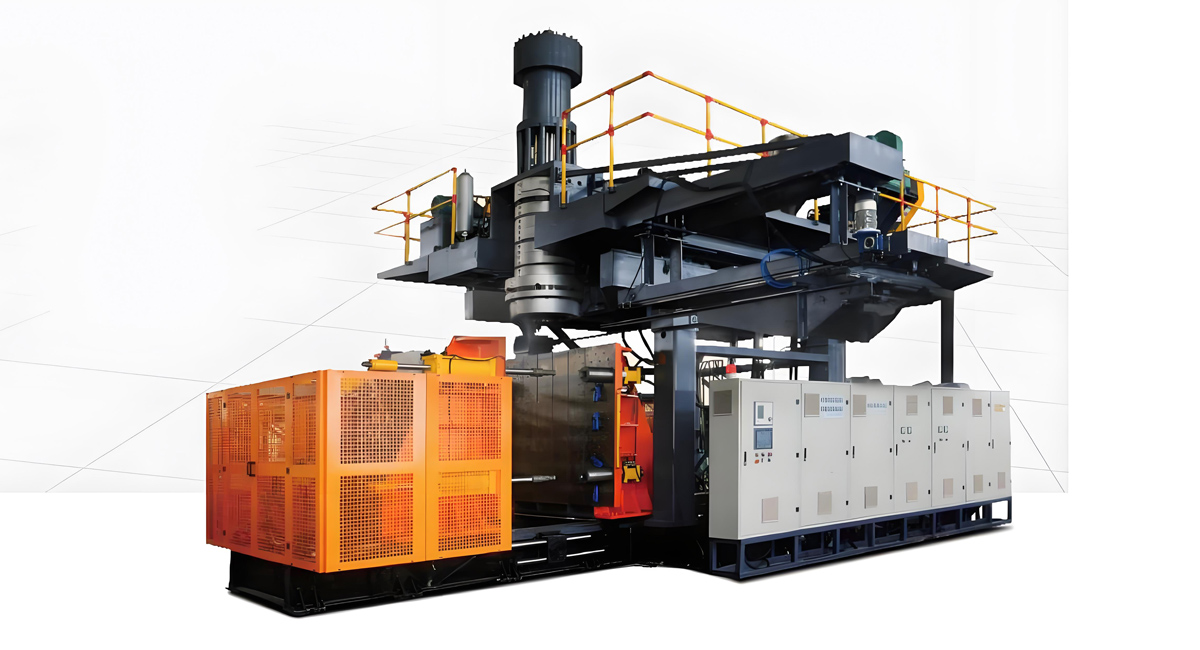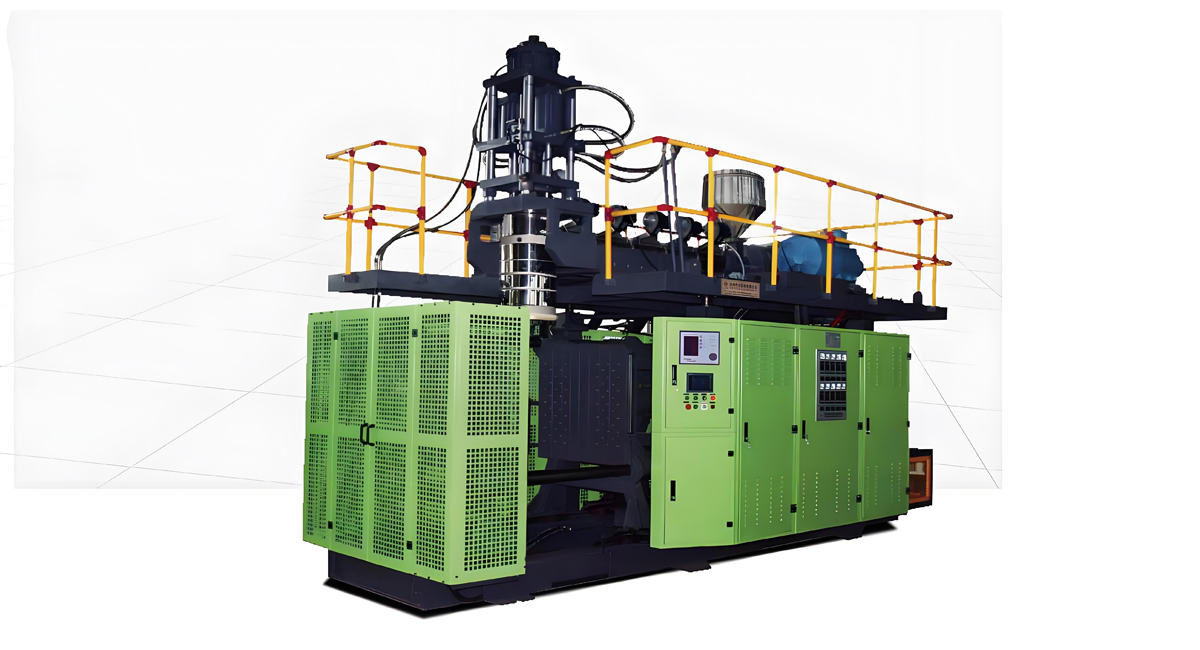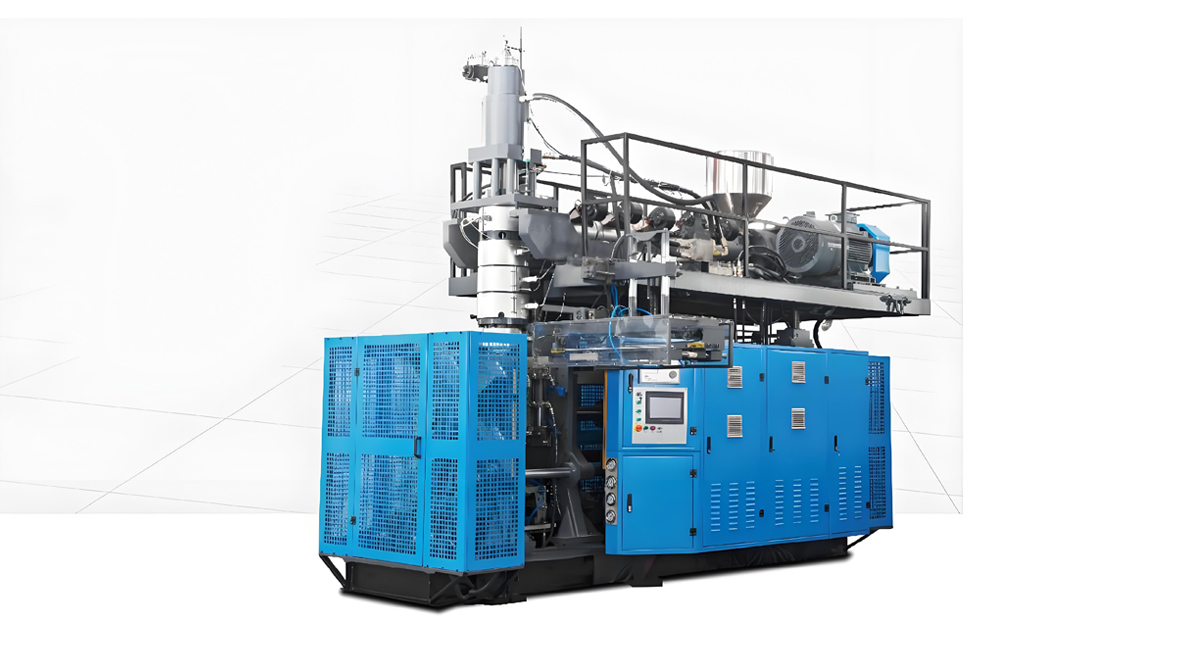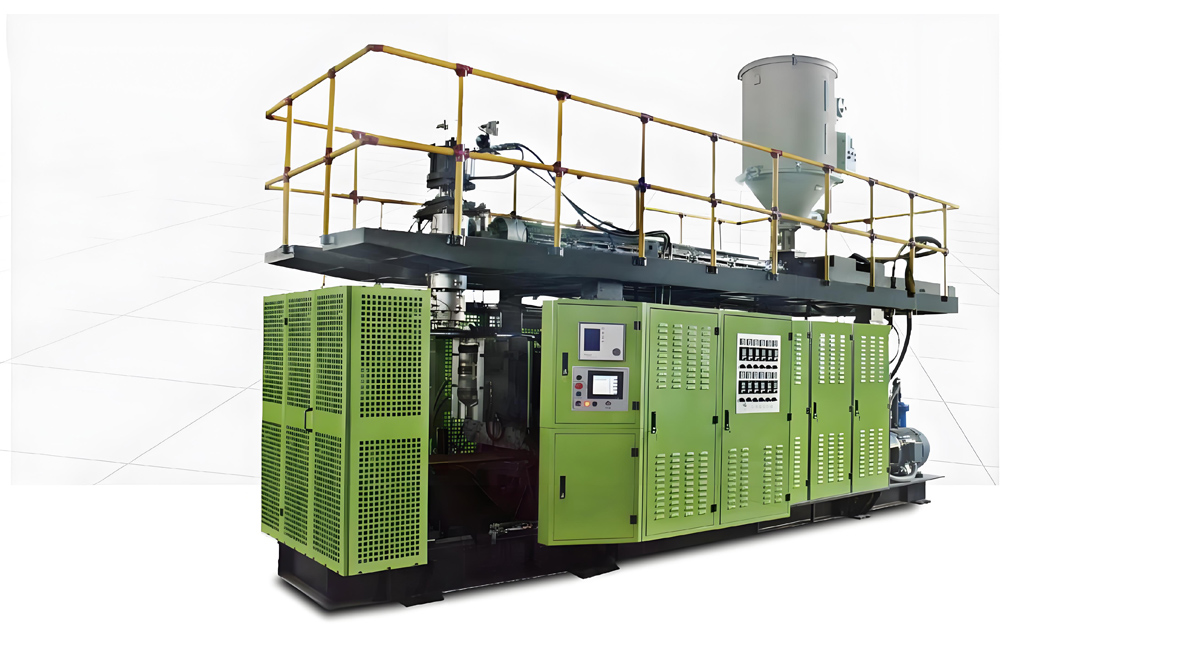
Wprowadzenie maszyny do formowania obrotowego (EBM) do Ameryki Południowej to znacznie więcej niż rezerwacja przewozu. To koordynowana sekwencja klasyfikacji celnej, procedury celnej dla danego kraju, zgodności certyfikatów, standaryzacji elektronicznej i logistyki morskiej, która decyduje, czy linia produkcyjna zostanie uruchomiona wg planu, czy zostanie zatrzymana co za drzwem terminu, generując opłaty za przechowywanie. Ten przewodnik prowadzi menedżerów zakupów, inżynierów fabryki i właścicieli projektów przez cały proces od fabryki dostawcy w Chinach do działającej linii EBM w Brazylii, Argentynie, Chile, Peru, Kolumbii lub w sąsiednich rynkach.
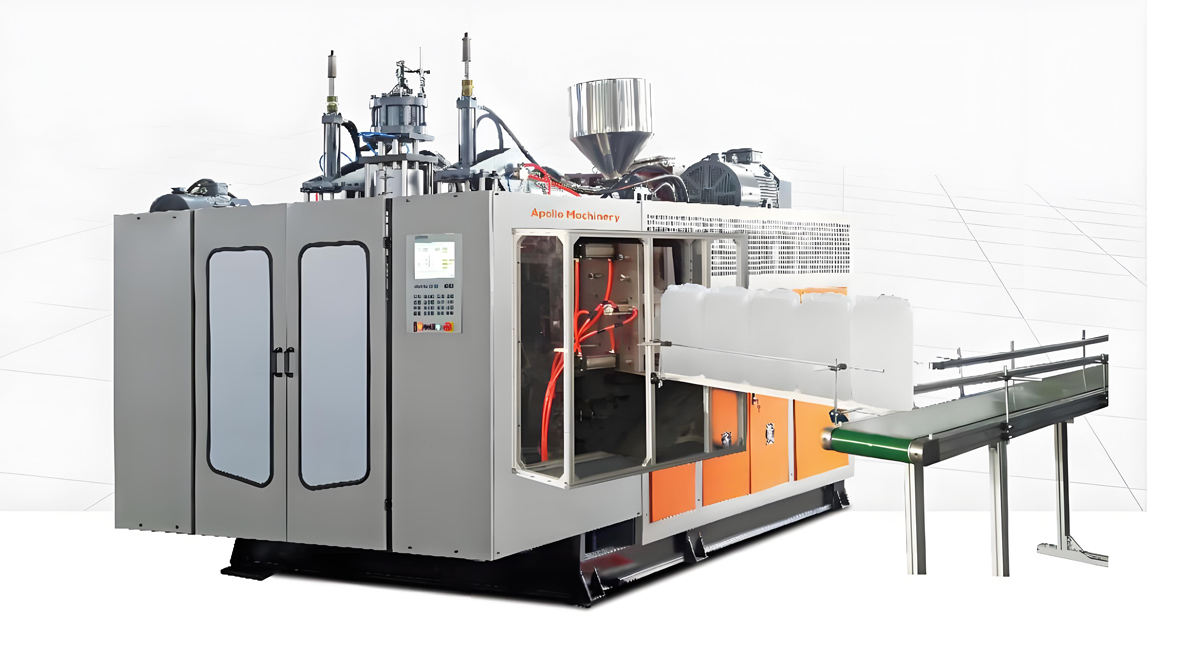
Fabryka Apollo, należąca do grupy Wanplas, jest producentem maszyn automatycznych do wyciskania i formowania pod ciśnieniem o ponad 20-letniej historii produkcji. Założona jest w obrębie przemysłowej miski krainy Troja, około dwugodzinnej jeżdżki od lotniska w Szanghaju, zajmuje zakwaterowanie na obszarze 8000 m² i osiąga roczny potencjał produkcyjny na poziomie około 100 maszyn. Do tej pory ponad 4000 urządzeń marki Apollo pracuje w ponad 90 krajach, w tym na kilku rynkach Ameryki Południowej. Wydarzenie to oznacza, że pakiety dokumentów, modyfikacje napięcia i metody pakowania opisywane w niniejszym dokumencie nie są tylko teoretyczne — to właśnie one są pakietami, które firma przygotowuje dla każdego eksportowego żeglugi.
W całym tym artykule zachowujemy czystą separację między tym, co określa porównanie technologii lub przepisów, a tym, co oznacza porównanie marek. Badamy konkurencyjność w kategorii ogólnej, takiej jak konwen cyjne maszyny hydrauliczne czy niewielokrotnie importowane urządzenia, oraz opisujemy oficjalne systemy, takie jak Siscomex, SUNAT, VUCE, INMETRO, IRAM, Mercosur, ISPM 15 i NR-12 jako publiczne struktury, co jest dla nich istotne. Celem jest zapewnienie nauczyciela wykonywania procesu importu, który gwarantuje optymalne terminy dostaw, kontrolę kosztów i zapewnia spełnienie wymogów organów nadzorujących bezpieczeństwo w krajach docelowych.
Klasyfikacja HS i zasady taryfowe dotyczące maszyn do formowania przez wrzucanie
Decyzja o klasyfikacji taryfowej prawdopodobnie będzie pierwszym krokiem w planie importu, ponieważ każdy kolejny krok wSystemie harmonizowanym, kaskada opłat, licencji i kontroli strony pod jednym kodem HS (Harmonized System), definiowany jako maszyny doformowania wtrącanego materiału do plastyki czy kauczuku. Standardowa pozycja wskaźnika to kod HS
Konstrukcja kontenerów i transport morski.
Regionalne bloki dodają własne warstwy kodowania. Cztery państwa członkowie Mercosur – Brazylia, Argentyna, Urugwaj i Paragwaj – używają kodu NCM (Nomenclatura Común do Mercosul), który jest rozszerzeniem o dziewięć lub dziesięć cyfr kodu HS, stosowanego w ramach wspólnej eksternalnej stawki bloku (CES). Państwa członkowskie Wspólnoty Andynskiej – Kolumbia, Peru, Ekwador i Bolciwia – używają zestawu kodów NANDINA, który bazuje także na tym samym sześciocyfrowym kodzie HS z przyłączaniami specyficznymi dla Andyn. Ponieważ oba systemy pochodzą z kodu HS, pierwsze sześć cyfr zazwyczaj są identyczne; różnica pojawia się w ostatnich cyfrach i w stosowanej stawce podatkowej.
Poziomy taryfy są najlepiej wyrażane w formie pasm procentowych niż stałych kwot, ponieważ stawka ad valorem jest zastosowana do wartości celnej, a absolutny podatku wiąże się z ceną transakcji. W całej Ameryce Południowej stosowany podatku importowego na maszyny kapitałowe tego rodzaju zazwyczaj spada do umiarkowanej pasmy, a CET Mercosur określa wspólne górne próg taryfy, który poszczególne kraje stosują z ograniczonymi różnicami. Niektóre kategorie korzystają z tymczasowej zawieszenia taryf lub zwolnienia podatkowego dla towarów nieprodukowanych w kraju, ale takie ulgę dotyczą warunków i są ograniczone w czasie, dlatego należy je sprawdzić w aktualnej nomenklaturze przed jej zastosowaniem. Nigdy nie sądzaj, że stawka jest zerowa; zawsze potwierdź aktualną stawkę NCM lub NANDINA i dowiedz się, czy istnieją jakiekolwiek wyłączenia z taryfy, poprzez skontaktowanie się z licencjonowanym brokerem.
Podatki od wartości dodanej i wewnętrzne pogarszają sytuację. W Brazylii federalny podatki IPI (na produkty przemysłowe), PIS i COFINS (zakupy społeczne) oraz podatek ICMS (podatek na obrót towarów i usług) na poziomie stanu mogą być dodane do daniny importowej, a złożoność usterek i zastępowania może przesunąć obciążenia na skutek. W krajach And, podatek od wartości dodanej na poziomie importu jest bardziej widoczny. Mechanizm, a nie wysokość, jest istotny dla planowania: analizujmy daninę jako odsetek od wartości celnej, a następnie dodajmy lokalnie stosowany podatek VAT lub równoważny jako osobny odsetek, a zachowajmy bieżące środki, ponieważ te zwykle płacone są przy wydaniu przed odesłaniem.
Dlaczego klasyfikacja chroni termin realizacji
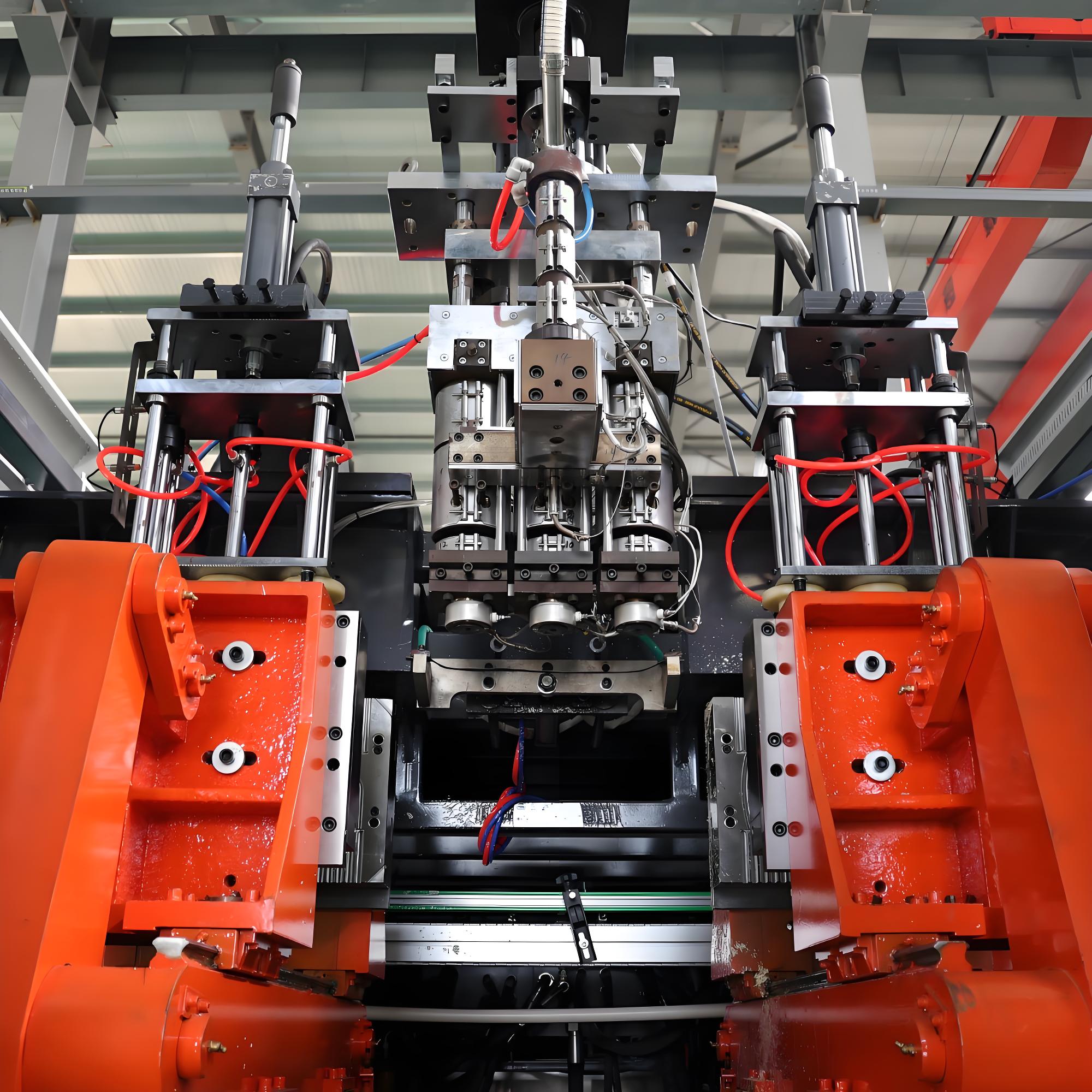
Niewłaściwe klasyfikowanie jest najczęstszą przyczyną zatrzymania towaru na granicy. Niewłaściwe oznakowanie może skutkować wymaganiem licencji, innym stawką podatkową lub żądaniem dodatkowych dowodów technicznych, co wiąże się z brudem utrzymywania się na granicy. Apollo wspiera deklarację, wydając opis techniczny, który opisuje zasadę działania (ciągłe wystrząsanie lub głownia akumulatora), rodzaj przetwarzanych materiałów, maksymalny objętość pojemnika oraz funkcję maszyny, aby mierz się z wnioskami celnodajnego na godzinę pracy. Gdy przesyłka obejmuje formę lub oddzielną chłodnicę, te elementy mają swoje własne kody i swoje stawki, dlatego też niezbędny jest przejrzysty list płacowych, przeanalizowany na każdym posiadanym linii.
Matryca regulacji celnej kraju po kraju dla Ameryki Południowej
Ameryka Południowa nie jest jedną spójną zjednoczeniem celnym. Spółka Mercosur tworzy wspólny ciek, podatki wysyłane na zagranicę, a także wspólne nomenklaturę, ale każda krajowa władza celna, reguły licencyjne, regulacje bezpieczeństwa i język dokumentacji są odrębne. Społeczność Andyjska zaktualizowała kod, ale nie procedury. Matryca poniżej stanowi podsumowanie strukturalnych różnic, na które należy planować; traktuj ją jako plan mapy, a nie jako zastępnik aktualnych porad licencjonowanego brokera.
| Kraj | System/osnova celną | Objawienie licencji / pozwolenia | Bezpieczeństwo / Przepisy elektryczne | Document Language | Postura taryfowa |
|---|---|---|---|---|---|
| Brazil | System elektroniczny Siscomex; kod NCM; rejestr importatorów RADAR | Licencja importu (LI) dla używanych maszyn i przedmiotów podlegających kontroli; nowe maszyny często są zwolnione z opłat, chyba że aplikowana jest konkretna kontrola | Bezpieczeństwo maszyn NR-12; zakres INMETRO, gdy jest stosowany; podatki ICMS/IPI/PIS/COFINS | Poręczenie dla instrukcji obsługi, etykiet, dokumentów dotyczących ryzyka | Umiarkowany staw c/ktt; możliwe ulgi bezwizowe |
| Argentyna | Deklaracja celna AFIP/celna; kod NCM; zatwierdzenie walutowe | Przedpłatne informowanie o importach i zatwierdzenie środków bankowych przez centrówkowe dla walut obiadowocznych | Standardy IRAM; dokumentacja hiszpańska | Hiszpański | Towar przechodzący przez strefę MERCOSUR, opłaty statystyczne i oceny |
| Chile | Relatywna stawka otwarta; kod NALADISA; kraj pochodzenia w ramach umowy o wolnym handlu | Zazwyczaj lekkie licencje; certyfikat pochodzenia do korzystania ze specjalnych preferencji UTA | Wytyczne dotyczące bezpieczeństwa elektrycznego SEC; dokumenty hiszpańskie | Hiszpański | Niska stawka podstawowa; pochodzenie ze strefy wolnego handlu może obniżyć daniny |
| Peru | Cła SUNAT; Ventanilla Única (VUCE); kod NANDINA | Deklaracja przez jedno okno; linki użycia końcowego w kontakcie z żywnością wiążą się z nadzorem sanitarnym | Dokumentacja hiszpańska; standard sanitarnych łączności dla przechowywania produktów przychodzących do kontaktu z żywnością | Hiszpański | Zagroda Andynska; dostępne preferencje umów handlowych |
| Colombia | Jednookno VUCE; kod NANDINA; celnica dianowa | Sprzęt pomocniczy i obciążenia nie automatycznie rozdzielany w tej pozycji. Prowodne, stacje testowe na nieszczelności, granulatory, transportery, chłodnice wodne i systemy oddychające są zazwyczaj wpisywane pod osobnymi podtytułami, a formy do wylewki, głowy formowe i narzędzia do wycinania klasyfikowane są osobno jako formy do włókien sztucznych i kauczuku. Rozpatrywanie całej linii jako pojedynczego urządzenia jest możliwe tylko w przypadku, gdy komponenty są prezentowane jako funkcjonalnie kompletny układ z głównym urządzeniem operacyjnym; w przeciwnym wypadku organy celne oczekują podziału deklaracji. Praktycznym wniosekiem jest prośba o uzyskanie przez dostawcę zamówienia materiałowego mapowanego do podtytułów MS, aby linie na fakturze ściśle odpowiadały wpisom celnym. | Dokumentacja hiszpańska; ustawa RETIE dotycząca instalacji elektrycznych | Hiszpański | Cicha banda andyjska; kontrola systemu cen andyjskich |
| Urugwaj | Cykły celne DNA; kod NCM (Mercosur) | Porównywalny z Mercosur; mniej restrykcji niż w Brazylii | Dokumenty hiszpańskie; oczekiwania w zakresie bezpieczeństwa na poziomie jednostki | Hiszpański | Band zgodny z CET |
| Ekwador | Cła; kod NANDINA (Andynski) | Deklaracja z dokumentacją techniczną. | Dokumenty hiszpańskie; zgodność elektryczna w czasie instalacji | Hiszpański | Andean band; FTA preferences |
| Bolíwia | Cła; kod NANDINA (Andynski) | Deklaracja z dokumentami technicznymi i handlowymi | Dokumenty hiszpańskie; lokalne przeglądy elektryczne | Hiszpański | Grupa Andów |
| Paragwaj | Cła; kod NCM (Mercosur) | Deklaracja zgodna z Mercosur | Dokumenty hiszpańskie; oczekiwania w zakresie bezpieczeństwa na poziomie jednostki | Hiszpański | Band zgodny z CET |
Brazylia: Siscomex, RADAR, LI i NR-12 w szczególności
Brazylia jest najbardziej procedurami wymagającym kierunkiem i zasługuje na najdokładniejszą przygotowanie. Import rozpoczyna się w systemie elektronicznym Siscomex, w którym importownik musi posiadać ważną akredytację RADAR, która ocenia limity klarowania firmy. Kodek NCM określony jest przez stawkę i ewentualną specjalną kontrolę. W przypadku nowej maszyny EBM, wstępna licencja na import jest często niezbędna, chyba że produkt wchodzi w zakres sterowanych produktów; w przypadku używanych lub używanych maszyn, licencja jest zazwyczaj obowiązkowa, a importownik zazwyczaj musi udowodnić, że na rynku krajowym nie istnieje aniżeli odpowiednia maszyna produkowana. Ta różnica między nowym a używanym sprzętem jest powodem, dla którego wiele klientów z Ameryki Południowej preferuje nowy sprzęt: pozbawia to licencji i obowiązku udowodnienia braku odpowiedniego produktu w krajach produkujących.
Deklaracja z dokumentacją techniczną.
Argentina, Chile, Peru i Kolumbia: różne, ale łatwe do zarządzania
Strona bezpieczeństwa. NR-12 to ramowy regulacyjny system Brazylii dotyczący bezpieczeństwa maszyn i urządzeń. Obowiązuje dołączenie stałych i ruchomych barier, zamkniętych drzwi zabezpieczeń, kurtyn świateł w dostępnych strefach zagrożenia, wyraźnie oznakowanych zastawek awaryjnych, uruchomienia dwoma rękami w przypadku, gdy tak wymaga ocena ryzyka, dokumentowanej oceny ryzyka i plakatów w języku portugalskim oraz instrukcji obsługi. INMETRO zastosowane jest w przypadku, gdy produkt standardowy wchodzi w jego zakres; nie każda maszyna do wylewki podlega certyfikacji INMETRO, ale obowiązki podlegające wymoganiom NR-12 obejmują szeroko obszar miejsca pracy maszyny. Skala podatku - ICMS na poziomie stanu, IPI na poziomie federalnym, a także PIS i COFINS jako składki społeczne - stosowana jest za pomocą mechanizmu kredytów-debitów, który brokers reconciliuje podczas zwolnienia.
Sposób zarządzania gatunkiem.
Prawidłowe przejście przez celnicę jest zależne od kompletu dokumentów. Autorności Ameryki Południowej oczekuje się jednolitego zestawu, w którym wycena handlowa, lista pakowa i faktura frachtowa zgodzą się z ilościami, wagami i wartościami, a folder techniczny potwierdzi deklarowaną klasyfikację i zgodność z normami bezpieczeństwa. Poniższy zestaw opisuje dokumenty, jakie zwykle przygotowuje firma Apollo, oraz rolę, jaką każdy z nich pełni. Zapas prawdziwych egzemplarzy trzymaj w karcie, a jedną kopię wysyłaj elektronicznie przed przybyciem.
| Dokument | Celem podstawowym | Kluczowe wskazówki |
|---|---|---|
| Dział konsularny | Deklaruje wartość transakcji i strony transakcji | Wykres linijowy dla każdego urządzenia, formy i części zamienne; zgodny z liastom wysyłki |
| Lista pakowania | Dane dotyczące opakowań, rozmiarów oraz wagi brutto i netto | Brazylia dodaje etap deklaracji importu i zgodę na płatność wymiany walutowy na odpłatność na podstawie tarify NCM i oczekuje dokumentów w języku hiszpańskim, zgadzających się z referencjami IRAM. Chile stosuje stosunkowo otwartą tarifę, w której korzyści z umów o wolnym handlu i wymagania bezpieczeństwa elektrycznego SEC znacznie obniżają opłatę. Peru zbiera deklarację za pośrednictwem SUNAT i okna unickiego (VUCE), z dokumentami w języku hiszpańskim, a w przypadku, gdy wyłożony kontener jest artykułem kontaktowym z żywnością, łańcuch końcowy produktów łączy się z nadzorem sanitarno-epidemiologicznym zamiast z samą maszyną. Kolumbia stosuje swoje okno unickie pod nazwą DIAN, z kodowaniem NANDINA; rola INVIMA jest ograniczona do produktów kontaktowych z żywnością i lekami, a nie do maszyn, dlatego kupujący nie może oczekiwać certyfikatu INVIMA na poziomie maszyny, ale powinien mieć na uwadze zgodność produktów końcowych. |
| Koszta dostawy / ewentualna fakturka przychodowa | Ostateczny etap przygotowania cysterny i traszca. | Oryginalny B/L zazwyczaj jest wymagany do zabrania sprzętu; potwierdź adresata i powiadom party |
| Dokumentacja umowy przewozu. | Podtrzymuje zwykłą lub preferencyjną podatkę | Ogólne warunki handlu dla większości przypadków; FORMULARZ FTA, gdy cel uznawa preferencje Chin FTA |
| Deklaracja pakowania ISPM 15 | Oporność kwarantanny dla opakowań z drewna | Drewno solidne musi być oznakowane znakiem IPPC po obróbce termicznej czy fumu; płyty drzewne są wolne od tego wymogu |
| Certyfikat ubezpieczenia | Pokrycie ryzyka transportowego | Dopasowanie wartości zakresu ochrony i Incoterm do umowy sprzedaży |
| Certyfikat źródła. | Sprawdzenie tożsamości i stanu | Etykietka pokazuje model, numer seryjny, napięcie, częstotliwość i moc; odpowiada deklaracji |
| Rozwierniki techniczne i instrukcje obsługi | Podtrzymuje klasyfikację i operację | Wersje językowe portugalskie lub hiszpańskie wg celu przeznaczenia; ustawienie języka HMI odpowiednio |
| Dokument techniczny CE i deklaracja zgodności | Dokładność projektowania | Izba wyznaczanego punktu bazowego do eksportu; do eksportu do Brazylii dodano plik ryzyk NR-12 |
| Gwarancja i lista części zamiennych | Obsługa usług posprzedażowych i oceny | Linki do polityki 500 USD wolnych części rocznie i rekomendowanych zestawów do naprawy |
Certyfikat pochodzenia zasługuje na umiarową rozważenie. Ogólny Certyfikat Pochodzenia (CO) przyczynia się do podatków zwykłych i jest powszechnie akceptowany. Tam, gdzie cel ma umowę o wolnej tradycji, która uznaje pochodzenie z Chin, preferencyjny FORM może obniżyć lub zniżyć stosowane stawki; w zamian za to są bardziej wymagające kryteria pochodzenia i formalny proces wydawania. Decyzja jest podejmowana dla poszczególnej wysyłki, a nie dla modelu maszyny, dlatego należy ją umieścić na liście kontrolnej przed wysyłką ze sprzedawcą.
ISPM 15 jest często niedoceniana. Każdy palisandr użyty do zabezpieczenia przedmiotów w kartonach – stopnie, ściągacze, rozstawacze – musi zostać obiciowany i lub poddany termicznej obróbce lub zwiłeniu zgodnie z normą, a następnie zabezpieczony marką IPPC, która pokazuje kod obróbki. Panelowo wykonane materiały drewniane, takie jak deskobeton czy deska orientowana na listwie, zazwyczaj nie obejmują reguł, dlatego wiele eksporterów preferuje kartony z deski w celu uniknięcia tego etapy obróbki. Dbaj, by certyfikat obróbki znajdował się we dokumentach, ponieważ porty w całym regionie Ameryki Południowej kontrolują markę przy wyjeździe, a brak lub nieczytelna marka może prowadzić do ponownej obróbki lub odrzucenia zamówienia za koszt nabywcy.
Rozporządzenia Incoterms i podział odpowiedzialności
Incoterms define where the seller’s responsibility ends and the buyer’s begins across three dimensions: which party carries the risk of loss or damage, which party pays for each leg of the transport, and which party handles customs formalities at origin and destination. Choosing the wrong term is a common, expensive mistake in South American imports because destination-port charges, inland haulage and the right to appoint the clearing agent are not uniform.
| INCOTERM | Przeliczenie ryzyka | Rozwiązanie kosztów | Uwaga praktyczna dla Ameryki Południowej |
|---|---|---|---|
| EXW (Ex Works, Wyroby na miejscu) | Punkt spowodowania ładunku w fabryce sprzedającego | Kupujący płaci wszystko od czasu odbioru | Nabywca zarządza opłatą eksportową; ryzykowna opcja, jeśli nie ma doświadczenia w eksportowaniu do Chin |
| FOB (Free On Board, Niech załoga na pokładzie) | Na pokładzie statku w chińskim portu | Sprzedawca opłaca wysłanie; nabywca pokrywa koszty morskich i celnych | Ogólny i zrównoważony; kupujący kontroluje koszty transportu morskiego |
| CFR (koszty i opłaty przewoźnicze) | Na pokładzie statku w chińskim portu | Sprzedawca płaci składki oceańskie; zakupca płaci za ubezpieczenie i miejsce przeprawy | Nabywca nadal musi wykupić ubezpieczenie towaru oddzielnie |
| CIF (koszt, ubezpieczenie, transport) | Na pokładzie statku w chińskim portu | Sprzedawca opłaca koszt transportu i ubezpieczenia do portu | Wygodne, ale sprzedający wybiera przewoźnika; zakupujący kontroluje formalności celne |
| DAP (Dostarczone na miejsce) | Dostarczenie do wskazanego miejsca, przed wyładowaniem | Sprzedawca pokrywa większość kosztów transportu; nabywca uregulowuje import. | Popularny w przypadku dostaw na klucz; kupujący nadal obsługuje kwestie celne |
| DDP (Przesyłka bez opłat celnych) | Dostarczony i klarowany w celu docelowym | Sprzedawca płaci podatki oraz koszty transportu | Maksymalny komfort; sprzedawca musi być zarejestrowany do importu lokalnie |
Powtarzającym się pułapkiem w Ameryce Południowej jest port docelowy. Nawet w przypadku CIF obowiązek sprzedawcy kończy się w portzie doładunku; obsługiwanie terminali, magazynowanie, przewóz wewnętrzny do fabryki i odliczanie celno-państwowe pozostają w rękach kupującego, a te lokalne opłaty są często wyższe niż oczekiwane. Druga pułapka to doładowywanie agentem: importer eksportowany na papierach powinien kontrolować kogo doładowuje towar, ponieważ agenta wybranego przez zdalną partię może doliczyć marżę i spowolnić komunikację. DAP jest częstym kompromisem — sprzedawca zarządza międzynarodowym transportem do ustalonego miejsca, podczas gdy kupujący utrzymuje kontrolę nad odliczeniem importu i wyborem brokera. DDP jest najbardziej niezaangażowanym, ale wymaga, aby sprzedawca był lokalnie zarejestrowany lub korzystał z reprezentanta fiskalnego, co nie zawsze jest praktyczne.
Bez względu na wybrane warunki, umowa powinna wyraźnie określić, kto rezerwuje przewoźnika morskiego, kto płaci za obsługę terminala docelowego, kto zatrudnia brokera celnego, oraz kto jest właścicielem towaru, jeśli trasa przenoszenia się przez porty przekracza czas bezpłatnej trzymania. Zapisanie tych ustalonych kwestii zapobiega ukrytym kosztom, które przekształcają cennik maszyn w znacznie wyższe koszty.
Odbierz dokumentacje przewozową i pakiet certyfikatów.
Fizyczna forma i waga maszyny EBM decydują o planie kontenera, a plan kontenerowy decyduje o dużej części kosztów przewozu. Małe i średnie modeli ABLB firmy Apollo są wystarczająco kompaktowe, aby ładować się w standardowym kontenerze, podczas gdy większe maszyny ABLD przekraczają wnętrze kontenera i wymagają transportu na podkładkach z otworami w górnej części lub w zapasach. Jeśli podczas oferty zostaną ujęte te szczegóły, unikni się zmiany kontenera w ostatniej chwili i nie ulegnie opóźnieniu transportu.
| Kontener/ rozsypka | Najlepsze dla zastosowań | Notatki techniczne |
|---|---|---|
| Pojazd suchy 40HQ | ABLB małe/średnie maszyny kompletne, zestawy do napraw, formy | Najboższe moce; przetestowana maszyna musi mieć wystarczający rozmiar przeładunku i wnętrznego zasięgu |
| Open-Top Container | Wysokie maszyny ładowane od góry za pomocą krzesełek | Zabezpieczona folią; dobrowolna jeśli wysokość przekracza rozmiar skrzynki, ale szerokość pasuje |
| stanowisko z płaskim osprzętem | Szerokie lub ciężkie ramy ABLD, składy płyt | Nie ma ścian bocznych; wymagane są certyfikowane zabezpieczenia i ochrona przed warunkami atmosferycznymi |
| Dostawa drobnicowa / rozmiar poza normą | Największe jednostki ABLD poza każdym kontenerem | Montowane w uzgodnione moduły; najdłuższy czas tranzytu i największe koszty obsługi |
Wybór kontenera rozpoczyna się od ogólnych wymiarów i masy netto opublikowanych w tabeli specyfikacji maszyny. Pojazd suchy 40HQ oferuje duży wymiary wewnętrzne, ale jest ograniczony wysokością do 2,7 metrów do otworu drzwi; jednostkę ABLB, która się do niej mieści, można po prostu wjechać, zablokować i zabezpieczyć. Maszyna ABLD o większych wymiarach od kontenera przesyłana jest na torze płaskim lub w pojemniku otwartym na górę, a tarczę i ramę zamykania mogą być oddzielone. Największe jednostki ABLD podzielone są na podstawę, stację zaczepiania i głowicę ekstruzji dla przesyłki poza normy rozmiaru, a następnie włożone na kolei w fabryce pod nadzorem inżynierów.
Ochrona podczas podróży ma taką samo wagę jak skrzynka. Stelarne powierzchnie są opakowane w filmie VCI (zabezpieczyciel korozji na pary) i parowane z workami desykatorkimi w celu walki z wilgotnym, słonecznym klimatem długiej trasy oceanicznej. Skrzynia została zaprojektowana tak, aby punkty podnoszenia, centrum ciężkości i punkty szycia były wyraźnie oznakowane, a maszyna jest blokowana przed przemieszczeniem się dolnoprzedsionowo, bocznie i w górę. Dokumentowany plan szycia jest wysyłany z rezerwacją, aby przewoźnik zaakceptował ładunek bez potrzeby odtworzenia w terminalu.
Trasowanie i terminizacja wpływają na plan. Mieszkańców z portów na wschodnim wybrzeżu Chin wyrusza do miasta Santos lub Paranagu´ w Brazylii, do Buenos Aires w Argentynie, do Callao w Peru, do San Antonio lub Valparaíso w Chile i do Cartageny lub Buenaventury w Kolumbii. W ramach planowania trasy do portów na wschodnim wybrzeżu Brazylii i Argentyny trwa w okolicy od 10 do 20 tygodni. Transporrotnie do portów na zachodnim wybrzeżu Chile i Peru oraz do portów na północnym wybrzeżu Kolumbii osiąga się podobnie krótszy czas, w zależności od transzitów. To jedynie zakresy planowania, a nie gwarancje. Rezerwuj z wyprzedzeniem, aby zapewnić pojemność magazynową na miejscu zamieszkania, ponieważ opłaty za stłoczenie i zatrzymanie gromadzą się szybko, gdy pudełko zostanie rozładowane, a opiekunowie urzędnicy nie są przygotowani.
Zarządzanie magazynem w portach i wolnym czasem
Każda destynacja przyznawa ograniczoną okres wolnego magazynowania i dostaw produktu. Plan importu powinien skupiać się na przygotowaniu dokumentów przed przyjściem statku, ponieważ zegar rusza się w momencie wyładunku. Maszyna stojąca w terminalu, podczas gdy broker czeka na portugalskie instrukcje lub poprawioną fakturę, generuje koszty, które żadne standardy INCOTERM nie przenoszą do osoby odpowiedzialnej. Apollo minimalizuje ten czynnik poprzez wysyłanie kompletu dokumentów elektronicznych przed wyplamaniem, a także potwierdzanie wymagań językowych i certyfikatów z kupującym przed pakowaniem.
Adaptacja sprzętu elektrycznego i bezpieczeństwa w sieciach południowoamerykańskich
Adaptacja elektryczna to część eksportów do Ameryki Południowej, która, jeśli zostanie pominięta, może sprawić, że działający maszynę zamieni się w sprzęt, który przegrzewa się, gubi produktywność lub wywiera wpływ na bezpieczeństwo. Kontynent jest podzielony na sieci z napięciem 50Hz i 60Hz oraz na kilka napięć liniowych, a maszyna do ekstruzyjnego formowania to system wrażliwy na częstotliwość od głównego silnika, przez wentylator chłodzący, po pompę hydrauliczną.
| Kraj | typowy napięcie 3-fazowe | Częstotliwość | Adaptacja punktowa |
|---|---|---|---|
| Brazil | 220V lub 380V | 60 Hz | Motory i sterownie o częstotliwości 60 Hz; urządzenia NR-12 z systemem ochrony |
| Argentyna | 380V | 50Hz | 50Hz motor; IRAM-aligned docs |
| Chile | 380V | 50Hz | Motoryk 50Hz; zgodność elektryczna (SEC) |
| Peru | 220V lub 380V | 60 Hz | 60Hz motor; confirm site voltage |
| Colombia | 110 V, 220 V lub 440 V | 60 Hz | Potwierdź dokładny napięcie sieci; transformator lub bezpośrednie |
| Urugwaj | 380V | 50Hz | silnik 50 Hz |
| Ekwador | 380V | 60 Hz | 120Hz silnik |
| Bolíwia | 380V | 50Hz | silnik 50 Hz |
| Paragwaj | 380V | 50Hz | silnik 50 Hz |
Jak naprawdę zmienia się zachowanie maszyny w przypadku 50 Hz wobec 60 Hz
Sygnał synchronizacyjny układu hamulcowego silnika bez synchroniczności jest proporcjonalny do częstotliwości zasilania. W przypadku silnika, który został zaprojektowany i oznaczony jako 50 Hz, w połączeniu z zasilaniem o częstotliwości 60 Hz, obraca się o około dwudziestu procent szybciej; obrót ślimaka zrośnie, wydajność przetłoczenia masy topionej na godzinę wzrośnie, przepływ powietrza wentylatora chłodzącego i przepływ pompy hydraulicznej wzrosną, a cyklet nagrzewnikowy się zmieni. Natomiast maszyną o znamionach 60 Hz podłączoną na 50 Hz zasilanie, obraca się o około siedemnaście procent wolniej, z mniejszą prędkością ślimaka, niższą produkcją, ograniczonym przepływem wentylatora i pompy, a dłuższym cyklem. W obu przypadkach nie jest automatycznie bezpieczny: w przypadku szybszego obrotu ślimaka może osiągnąć nadprędkość i przeładować napęd, podczas gdy w przypadku wolniejszego obrotu ślimak może być niesatysfakcjonująco najeżdżany i chłodzenie może być niewystarczające w porównaniu z ustawionymi punktami. Obie sytuacje nie są automatycznie bezpieczne: w przypadku szybszego obrotu ślimaka może osiągnąć nadprędkość i przeładować napęd, podczas gdy w przypadku wolniejszego obrotu ślimak może być niesatysfakcjonująco najeżdżany i chłodzenie może być niewystarczające w porównaniu z ustawionymi punktami.
Istnieją trzy akceptowane korektury. Pierwszą z nich jest wybór głównego silnika i reduktora na częstotliwość docelową w momencie wszczepienia, co jest najczystszym rozwiązaniem, a tak robi też Apollo, gdy jest znana sieć docelowa. Druga to kompensacja transformatora (konwertera częstotliwości), w której napęd syntezuje właściwą częstotliwość obrotów silnika niezależnie od napięcia w sieci dostarczanej, umożliwiając korzystanie z jednej konstrukcji oprogramowania zarówno na sieci, jak i bez tego – jest to standardem na nowoczesnych liniach EBM i jest najbardziej elastycznym rozwiązaniem. Trzecią opcją jest zmiana rozmiaru skrzyni biegów lub reduktora, tak aby prędkość wału znajdowała się w odpowiedniej tkance dla dostępnej częstotliwości napięcia. Odpowiedni wybór zależy od tego, czy fabryka może w przyszłości otrzymać akcesoria z różnych źródeł, oraz od tego, czy nabywca chce stosować jedną globalną normę pomp dokładnościową.
Poza głównym silnikiem, należy potwierdzić napięcie obwodu sterowania, układ zgrupowania i dostępną zdolność krótkotrwałego przeciążenia. Miejsca przemysłowe w Ameryce Południowej korzystają z układow zgrupowania TN-S lub TT z różnymi poziomami awarii, a skrajna kabina elektryczna musi zgodzić się z koordynacją ochrony tego miejsca. Klasa zabezpieczenia kabiny (klasa IP) wybierana jest zgodnie z lokalnym środowiskiem – wyższa w wilgotnych rejonach wybrzeżowych lub w lokalizacjach nieodgrodzonych miedzy kopalniami. Firma Apollo buduje główny panel, parametry odpowiednika i transformator, lub bezpośrednio podłączony do potwierdzonej wartości i zapisuje je na nazwaniu, tak by to potwierdziły organy decyzyjne oraz lokalny elektryk.
Konfiguracja pasa ruchu bezpieczeństwa i wiązania NR-12
Bezpieczeństwo nie jest oddzielne od konstrukcji elektrycznej. Maszyna wysyła się z zaawansowanymi zabezpieczeniami na obszarze ekstrudu i klapów, blokadami antymotorycznymi zamykającymi ruch, światełkami na obszarach zagrożenia dostępnych, etykietami oznaczającymi w trybie awaryjnym z redundanckimi obwodami przestrzennymi i uruchomieniem jedną ręką, gdy tak wymaga ocena ryzyka. Dla Brazylii te elementy są dokumentowane w pliku oceny ryzyka NR-12 i wzbogacone o obsługi polskiego języka i instrukcje. Dla Argentyny i członków Andów, te same elementy fizyczne są oczekiwane, z dokumentacją hiszpańską i dostosowaniem do lokalnych referencji standardowych. Punktem jest to, że układ zabezpieczeń jest skonfigurowany w fabryce, a nie improwizowany na miejscu, dlatego kraj docelowy musi być określony przed podłączeniem panelu sterowania.
Seria maszyn Apollo EBM przeznaczona dla zastosowań w Ameryce Południowej
7000–9000 × 3500–4200 × 4000–5000
Seria ABLB (200 ml–20 l), osiem typów urządzeń
| Modell | Zakres pojemności pojemnika | Siła zamknięcia (kN) | Dia kratki (mm) | L/D | Właściwości wyjściowe (kg/h) | Nadpytywarka | Siła (kW) | Długość × szerokość × wysokość (mm) | Masa netto (kg) | Zasilanie |
|---|---|---|---|---|---|---|---|---|---|---|
| ABLB 55 | 200–320 | 40–80 | 45–55 | 20–24 | 25–60 | Kontynuacja/akumulacja | 15–30 | 3200–4000 × 1800–2200 × 2200–2600 | 4000–7000 | 380V 50/60Hz |
| ABLB 65 | 1L–5L | Użyj dokładnie tego formatu: "1. " na każdej linii, nic innego. | 55–65 | 20–24 | 40–90 | Kontynuacja/akumulacja | 22–40 | 3600–4500 × 2000–2400 × 2400–2800 | 6000–10000 | 380V 50/60Hz |
| ABLB 75 | 2 L–10 L | 100–180 | 60–75 | 20–24 | 60–130 | Kontynuacja/akumulacja | 30–55 | Plan transportowy w kontenerach | 8000–14000 | 380V 50/60Hz |
| ABLB 80 | 3L–15L | 150–250 | 70–80 | 20–24 | 80–160 | Accumulator | 40–70 | 4500–5500 × 2400–3000 × 2800–3200 | 10000–18000 | 380V 50/60Hz |
| ABLB 90 | 5L–18L | 55–110 | 80–90 | 20–24 | 110–200 | Accumulator | 55–90 | 5000–6000 × 2600–3200 × 3000–3400 | 14000–22000 | 380V 50/60Hz |
| ABLB 100 | 10L–20L | 280–420 | 90–100 | 20–24 | 150–260 | Accumulator | 75–120 | Plan transportowy w kontenerach | 18000–28000 | 380V 50/60Hz |
| ABLB 120 | 10L–20L | 400–600 | 100–120 | 20–24 | 200–340 | Accumulator | 110–160 | 6000–7000 × 3200–3800 × 3400–3800 | 24000–36000 | 380V 50/60Hz |
| ABLB 150 | 15L–20L | 550–800 | 55–110 | 20–24 | 280–450 | Accumulator | 150–220 | 6500–7500 × 3400–4000 × 3600–4000 | 30000–45000 | 380V 50/60Hz |
seria ABLD (20 do 1500 litrów), trzy rodzaje modeli
| Modell | Zakres pojemności pojemnika | Siła zamknięcia (kN) | Dia kratki (mm) | L/D | Właściwości wyjściowe (kg/h) | Nadpytywarka | Siła (kW) | Długość × szerokość × wysokość (mm) | Masa netto (kg) | Zasilanie |
|---|---|---|---|---|---|---|---|---|---|---|
| ABLD 50 | 20 L–200 L | 600–1000 | 100–120 | 18–22 | 250–450 | Accumulator / Multi-head | 150–260 | 4000–5000 × 2200–2600 × 2600–3000 | 40000–70000 | 380V 50/60Hz |
| ABLD 80 | 200L–800L | 1000–1800 | 55–110 | 18–22 | 400–700 | Accumulator / Multi-head | 250–450 | 9000–12000 × 4000–5000 × 5000–6000 | 70000–130000 | 380V 50/60Hz |
| ABLD 150 | 800L–1500L | 1800–3000 | 150–200 | 18–22 | 200 ML–3 L | Accumulator / Multi-head | 450–800 | 12000–16000 × 5000–6500 × 6000–8000 | 130000–240000 | 380V 50/60Hz |
Kompletnie elektryczna seria (200ML–20L)
| Stopień pojemności | Zakres pojemności pojemnika | Siła zamknięcia (kN) | Dia kratki (mm) | L/D | Właściwości wyjściowe (kg/h) | Nadpytywarka | Siła (kW) | Długość × szerokość × wysokość (mm) | Masa netto (kg) | Zasilanie |
|---|---|---|---|---|---|---|---|---|---|---|
| Maloobiektywne | 200 ml–2 L | 40–120 | 45–55 | 20–24 | 20–50 | Ciągły | 12–28 | 5500–6500 × 3000–3600 × 3200–3600 | 3500–6000 | 380V 50/60Hz |
| Strefa średnia | 2 L–10 L | 120–250 | 60–75 | 20–24 | 50–120 | Kontynuacja/akumulacja | 25–55 | 4000–5200 × 2200–2800 × 2600–3000 | 7000–14000 | 380V 50/60Hz |
| Duży | 10L–20L | 250–500 | 80–100 | 20–24 | 110–240 | Accumulator | 55–110 | 5200–6500 × 3000–3600 × 3200–3600 | 16000–28000 | 380V 50/60Hz |
Wszystkie trzy serie przetwarzają tę samą szeroką rodzinę tworzyw — PE, PP, PVC, PA, PC, ABS, PS, EVA, TPU i PETG — co obejmuje zastosowania przeznaczone dla rolnictwa i chemicznie, smarów, przemysłu górniczego i chemicznego, wody do picia, detergentów, środków chłodzących i kontenerów. Głowa węża dostępna jest w formie ciągłej ekstruzji dla mniejszych pojemników oraz jako głowa akumulatora dla większych mas wężów, a zainstalowana moc odpowiada wybranemu napędowi hydraulicznemu lub całkowicie elektrycznemu. Dlatego że rozmiary i masę całkowitą podaje się dla każdego modelu, kupujący może sprawdzić to na stole przy odbiorcy i określać parametry najlepiej dopasowanego kontenera już przed montażem maszyny.
Branże i produkty końcowe w Ameryce Południowej
Maszyny Apollo obsługują osiem dziedzin przemysłu: produkty spożywcze i napoje, produkty żywnościowe i chemiczne do użytku domowego, przemysł chemiczny, materiały budowlane, leki i kosmetyki, produkcja i transport samochodowy, a także produkty kulturalne i sportowe. W kontekście Ameryki Południowej te kategorie odpowiadają konkretnym, lokalnie znacznym produktom końcowym, które pierwszy raz oblicza się na import.
W rolniczych regionach Brasilii, Argentyny i okolicznych obszarów, dominującym produktem wstrzykiwanej półki jest pojemnik chemiczny — metalowa butelka lub metalowa cała, odporna na działanie chemikaliów, stosowana do środków do ochrony roślin w całym obszarze kraju uprawiającego soi. Gospodarstwowe gospodarki Chile, Peru i Bolivi należą do produktów chemicznych stosowanych do przetwarzania reagentów i zużywanych na placu fabryki. Butelki oleju i zbiorniki cieczy chłodzącej samochody są potrzebne na rynku części samochodowych w każdym dużym mieście, a butelki i pojemniki wody do picia spełniają wymagania przy poplowaniu wody wzdłuż wybrzeży i w miejscowości na lądu. Butelki z detergentem i środkami chemicznymi użytkowymi obsługują kanał produktów chemicznych wykorzystywanych codziennie, a 20-litrowy beretki pozostaje uniwersalnym pojemnikiem użyteczności w celu wprowadzania paliw, wody i płynów przemysłowymi na całym kontynencie.
Materiały budowlane są używane w zamkniętych pojemnikach i zbiornikach do stosowania klejów, farb oraz substancji chemicznych dla budownictwa. Kanal medyczny i farmaceutyczny wykorzystuje małe, czyste formy wylowane, w których seria całkowicie elektryczna jest atrakcyjna, ponieważ eliminuje olej hydrauliczny z obszaru procesowego. Transport i produkcja samochodowa wykorzystują techniczne części w kształcie tuby, zbiorników i pojemników na ciecz. Towary kulturalne i sportowe wykorzystują szeroki wachlarz ustawionych specjalnie kształtów. Rozwiązanie praktyczne dla importera jest takie, że ta sama platforma ABLB lub ABLD może obsługiwać kilka z tych kanałów za pomocą wymiany form, dlatego inwestycja w jedna maszynę może zaspokajać wymagania różnych klientów.
Kupujący z Ameryki Południowej rzadko importuje maszynę w celu obsługi pojedynczego produktu. Platforma ABLB, umożliwiająca szybką zmianę naczyń, może obsługiwać zbiorniki z produktów agrochemicznych w okresie uprawy roślin oraz butelki z detergentami w czasie międzysezonu, co poprawia wykorzystanie, co uzasadnia tariffy importowe i koszty transportu.
Dokładne zalecenie wyboru modelu w zależności od wymagań
Wybór odpowiedniego modelu rozwiązuje trzy wątki: pojemność urządzenia, wymagana wielkość produkcji w godzinach lub rocznie oraz standard elektryczny celu. W poniższej tabeli znaleźliśmy znormalizowane wymagania krajów Ameryki Południowej, które odpowiadają poszczególnym modelom z serii Apollo, a także planowi instalacji wynikającemu z wielkości i wagi maszyny.
| Zaświadczenie (pojemność / wydajność / ogranicznik) | Polecane seriale | Representative Model | Plan przewozu kontenerowego |
|---|---|---|---|
| 200ML–3L, medium output, 60Hz (Brazil/Peru) | Seria ABLB | ABLB 55/65 | 40HQ, kompletny |
| 2–10 litrów, wyższa wydajność, 50 Hz (Argentina/Chile) | Seria ABLB | ABLB 75/80 | 40HQ, kompletny |
| 10L–20L, wysoka wydajność, zmieszany układ | Seria ABLB | ABLB 100/120/150 | 40HQ lub otwarte dachu w zależności od wysokości |
| 200 ml–20 l, priorytet energii/wyrazistości, dowolna sieć | W pełni elektryczna Series | Logika wyboru jest z wole prosta: pobieranie zakresu ilości do serii, dopasowanie mocy do wielkości modelu, a następnie dopasowanie obszaru docelowego do budowy silnika. Gdy ta sama fabryka obsługuje zarówno rynku o częstotliwości 50 Hz, jak i 60 Hz, to silnik oparte na przełączniku jest z powodzeniem stosowany jako ustawienie domyślne, ponieważ jeden projekt maszyny radzi sobie zarówno ze zwykłą, jak i ewentualnie przyszłą, rozbudową formą 60 Hz. W przypadku największych jednostek ABLD wybrany jest plan wysyłki, a nie cena maszyny, co daje przewagę logistyce, dlatego w tabeli selekcji trafienie transportowe jest bezpośrednio uwzględnione w rekomendacji. | 40HQ, kompletny |
| 20L–200L drums, agrochemical, 50/60Hz | Seria ABLD | ABLD 50 | Wysoko wężyste raki (otwarte lub płaskie); częściowa demontaż |
| Bardzo duże zbiorniki o objętości 200–800 litrów, minerałowe i chemiczne, 50/60 Hz | Seria ABLD | ABLD 80 | Paletka płaska lub w trybie "break-bulk" |
| 800–1500 litrów, megafikcy, 50/60 Hz | Seria ABLD | ABLD 150 | Pakiety mieszane, składające się z elementów specjalnie zaprojektowanych do demontażu |
| Butelka do kontaktu z żywnością, 110/220/440 V 60 Hz (Kolumbia) | ABLB lub całkowicie elektryczny | Pod względem objętości kryterium podziału | 40HQ, confirm site voltage first |
Użyj dokładnie tego formatu: "1. " na jednej linii, nic więcej.
Instalacja, uruchomienie i dostarczenie dokumentacji technicznej na miejscu
Przetworzenie celne to tylko połowa projektu. Maszyna musi zostać zainstalowana, połączona i zaakceptowana, zanim zaczną zarabiać pieniądze. Plany lądowania obejmują cztery interfejsy: interfejs formy, interfejs sprzętu, interfejs budowy i kryteria akceptacji.
Interfejs formy jest sprawdzany w fabryce podczas próbnego montażu przed wysyłką, gdzie ścięta forma jest zamontowana, a program parizowania ustalony dla celu przechowywany w zbiorniku. Po przyjeździe ta sama forma jest ponownie zamontowana i wytworzony jest pierwszy zbiornik, aby potwierdzić rozkład grubości ścian oraz wagę. Interfejs użytkowy obejmuje trzy usługi zużywane przez maszynę: wodę chłodzącą z chłodnicy dostosowanej do łańcucha i kalibracji zapotrzebowania, powietrze ciśnieniowe o ciśnieniu i przepływie potrzebnym w trakcie opryskiwania i wyciągania oraz zasilanie elektryczne o potencjale i częstotliwości potwierdzonym. Interfejs budowlany obejmuje obciążenie podłoża (duże maszyny z serii ABLD są ciężkie i mogą wymagać wzmocnionej płyty fundamentowej), wysokość wolnego klipu i dźwigi, a także płaski, oczekany fundament.
Akceptacja jest określana przed wysyłką, dzięki czemu obie strony mierzą to samo. Typowy standard to ciągła próbna produkcja trwająca kilka godzin na określonym pojemniku, z akceptacją w zakresie maksymalnego odchylenia wagi pojemnika, minimalnej jednolitości grubości ścian oraz stabilnej czasu cyklu w określonym zakresie. Uczenie odbywa się na miejscu w lokalnym języku, obejmując obsługę, rutynową konserwację, zmianę formy i procedury bezpieczeństwa wymagane przez norma NR-12 lub jej lokalną odpowiednik. Dalekie monitorowanie i dostęp do danych umożliwia centrum inżynieringowemu Apollo sprawdzenie danych PLC po przekazaniu, co skraca proces diagnozowania.
Wskazówki dotyczące wyznaczania rozmiaru sprzętu roboczego
Jak zasada planowania, pojemność chłodzenia chłodnicy powinna obejmować obciążenia zbiorników i kalibrację oraz przewagę; system powietrza musiał spełniać sugestię zapotrzebowania na blasze i zatrzymywanie w czasie podczas całościowego przewiercenia plus próbę dopuszczalnego strumienia tam, gdzie jest instalowany; i przepływ wody chłodzącej powinien być dostosowany do temperatury formy i głowicy. To wyrażenia wskaźniki i przewagi, a nie stałe liczby, ponieważ skalują się one wraz z modelami i żywicą. Apollo wydaje instrukcję techniczną dla każdej maszyny, aby fabryka mogła zabezpieczyć punkty połączeń przed przybyciem pokrywa, co jest jednym z największych akceleratorów płynnego uruchamiania.
Program obsługi i wsparcia
Program eksportowy Apollo został zbudowany w taki sposób, aby obowiązki nie kończyły się przy porcie. Przed wysyłką każda maszyna poddawana jest pełnej próbie w fabryce i jest otwarta na inspekcję kupca, co pozwala na sprawdzenie jej wydajności, gdy jest jeszcze w Zhangjiagang. Losowy zestaw dokumentów obejmuje instrukcję obsługi w języku portugalskim lub hiszpańskim oraz zestaw języków HMI dostosowany do miejsca docelowego, techniczny dokument CE z deklaracją zgodności oraz wsparcie klasyfikacji HS dla maklera. Inżynierowie podróżują na miejsce instalacji i uruchomienia, a ten sam zespół pomaga w wejściu w działanie na miejscu docelowym.
Grupa Wanplas udziela podpisanej zabezpieczenia usług, która dotyczy tej wysyłki Apollo: 500 USD na nieodpłatne części w ciągu roku, bezpłatna wymiana uszkodzonych części w ramach gwarancji, gwarancja transportu, gwarancja ilościrodności produkcji oraz gwarancja standardów jakości. Oferowana jest również zapasowa para części, dzięki czemu zakład może obsługiwać częste elementy zużycia bez oczekiwania na transporcie międzynarodowym, a Apollo wspiera klasyfikację HS i komplet dokumentów, aby biuro celne miało czystą deklarację. Trening, wsparcie działania za pomocą zdalnej technologii oraz wizyty w zakładzie to część standardowej relacji – nabywcy są mile widziani w audytach zakładu i mogą ujrzeć próbny wyjazd przed podjęciem decyzji.
CombinaWatoraowym przetestowaniem przed eksporciem, zgodnie z dokumentacją językową, dokumentami bezpieczeństwa typu NR-12 dla Brazylii i rocznym bezpłatnym dostawą części zamiennych to nasze narzędzia, które zamieniają skomplikowany import w korzystny projekt. Kupujący kontroluje sprawców celnych i okres sprawozdawczy, natomiast firma Apollo zajmie się dokumentami technicznymi i uruchomieniem na miejscu, a obie odpowiedzialności zbiegają się w procesie przyjmowania towaru.
Najczęściej zadawane pytania
Jaki kod HS obowiązuje w przypadku maszyny do formowania wyładowania eloxowanego importowanej do Ameryki Południowej?
Ponad 90% maszyn do formowania ciętego za pomocą natężenia ciągłego (blow molding) przeznaczonych do preparowania lub obróbki gumy lub tworzyw, są klasyfikowane pod KPL 8477.30, pozycją, która obejmuje maszyny do formowania ciętego za pomocą natężenia ciągłego przeznaczone do pracowania z gumą lub tworzywami. Pomocnicze urządzenia, takie jak urządzenia do usuwania owijania, specjalne testery do wykrywania nieszczelności oraz granulatory, a także formy i głowice, są klasyfikowane w zależności od rodzaju i zastosowania. Członkowie Mercosu stosują rozszerzenie NCM z tego podstawowego KPL. Członkowie i Komisja Comunidad Andina stosują kodownicę NANDINA, opartą na tym samym szesciomyślnym kodowaniu korespondującym z KPL. Pomocnicze elementy powinny być podane jako osobne linie faktury, aby deklaracja zgadzała się z faktycznym przesyłkiem.
Czy potrzebuję licencji na wneś importu maszyny EBM nowej w porównaniu do używanej maszyny w Brazylii?
W Brazylii nowa maszyna często może być opróżniona bez wcześniejszego licencji importowej, gdy nie obowiązują szczegółowe kontrole, ale maszyny używane lub rynkowe zazwyczaj wymagają wcześniejszego licencji importowej i dowodu, że nie istnieje produkty równowartości na rynku krajowym. Argentyna stosuje swoje własne etapy wcześniejszej deklaracji i zatwierdzenia giełdy zagranicznej. Sprawdź dokładnie warunki, na których zależy nastawienie, u licencjonowanego biura celno-składowego przed wystawieniem maszyny, ponieważ zasada ta zależy od wieku maszyna, jej mocy i przeznaczenia, a niewłaściwe założenie może opóźnić opróżnianie na kilka tygodni.
Jak wpływ ma 60Hz czy 50Hz na działanie maszyny do formowania zamkniętego pod wyłącznym ciśnieniem?
Asynchroniczny silnik główny obraca się na prędkości synchronicznej proporcjonalnej do częstotliwości, dlatego urządzenie zaprojektowane do systemu 50Hz obraca się około dwudziestu proc. szybciej, co zwiększa obrót śruby, przepływ materiału do topienia i przepływ wentylatora do chłodzenia lub pompy hydraulicznej, podczas gdy urządzenie z systemem 60Hz na 50Hz obraca się około siedemnaście proc. wolniej. Korzystna zmianę jest uzyskiwana poprzez wybór odpowiedniego silnika, z wykorzystaniem kompensacji przenośnika energii lub dostosowaniem stosunków przełożenia skrzyni biegów. Firma Apollo przygotowuje napęd, parametry przekształtnika oraz stosunek przełożenia reduktora do sieci docelowej przed wysyłką, dzięki czemu kupujący nie musi wykonywać dodatkowych korekt na miejscu.
Jakie dokumenty transportowe są obowiązkowe do przeprowadzenia procedur klarowania celnego w krajach Mercosur?
Komplekt bazowy obejmuje fakturę handlową, lista opakowań, polecenie przewozu towaru lub wozem morzowym, certyfikat pochodzenia, certyfikat ubezpieczeń, etykietę z nazwą maszyna i zdjęcia opakowań, rysunki techniczne oraz instrukcje, techniczny plik CE z deklaracją zgodności, gwarancję i listę części zamiennych. Drewno w opakowaniach musi być oznakowane oznaczeniem ISPM 15 po zwalczaniu surowców odstraszających lub poddawaniu obróbce termicznej. Brazylia dodatkowo stawia na deklarację Siscomex oraz poprawną kodyfikację NCM, a wszystkie wartości na dokumentach muszą być zgodne, aby uniknąć zamrożenia procedury.
Jaki rodzaj kontenera powinienem wybrać dla dużej maszyny ABLD?
Mniejsze i średniej wielkości modele ABLB są odpowiednio złożone wewnątrz suchych kontenerów o pojemności 40 HQ. Duże maszyny ABLD przekraczają wewnętrzną wysokość lub otwór drzwi standardowych pojemników, dlatego przetransportowane są w kontenerach z otwartą przesypną, na płaskich regałach lub jako towar w kawałkach po kontroli rozmontowania. Precyzowy plan jest ustalany na podstawie porównania ogólnych wymiarów i masy netto maszyny do ograniczeń stosowanych w portach i transportu na lądzie, dlatego te wymagania są podawane dla każdego modelu.
Czy certyfikacja CE wystarcza dla Brazylii, czy wymagane jest dodatkowe spełnienie normy NR-12?
Marka CE oznacza zgodność z europejskimi dyrektywami i jest solidną podstawą, ale Brazylia stosuje Norma NR-12 jako prawo bezpieczeństwa sprzętu, które dodaje stałe ochronniki, szklane zasłony, zamykania awaryjne, uruchamianie dwoma rękami w przypadku ich zastosowania, dokumenty z oceną ryzyka oraz oznaczenia i instrukcje po portugalsku. Maszyna musi spełniać oba wymagania: CE przy tworzeniu dokumentu technicznego do eksportu i NR-12 w odniesieniu do władz bezpieczeństwa miejsc pracy w Brazylrii. Obie kwestie są omawiane w dokumentach firmy Apollo, dzięki czemu kupujący otrzymuje spójny zestaw, zamiast dwóch przesuniętych dokumentów.
Jak należy przetwarzać drewno do nawoływania do przejścia kontroli kwarantanny w Ameryce Południowej?
Wszystkie opakowania z solidnego drewna muszą być obniżone i poddane poddanie obróbce termicznej lub fumigacji zgodnie ze standardem ISPM 15, a następnie oznaczone znakiem IPPC z kodem poddania. Drobnoziarniste panele, panele orientowane na szwach i inne przetworzone kompozyty z reguły są zwolnione z obowiązku takiej obróbki. Trzymaj certyfikat obróbki wraz z dokumentami dostawowymi, ponieważ porty po całej Ameryce Południowej sprawdzają znak przy przybyciu, a brak dowodu lub trudno odczytywany znak może przyczynić się do konieczności ponownego poddania obróbce lub odrzucenia przesyłki na koszt nabywcy.
Jakie parametry zasilania muszę potwierdzić przed zamówieniem maszyny Apollo?
Potwierdź napięcie w sieci trójfazowej, częstotliwość, system ochrony przeciwprzepięciowej, dostępną pojemność prądu skończonego i napięcie obwodów sterujących na miejscu instalacji. W Brazylia stosuje się zwykle napięcie 220 V lub 380 V przy 60 Hz, Argentyna i Chile używają 380 V przy 50 Hz, Peru - 220 V lub 380 V przy 60 Hz, a Kolumbia - 110 V, 220 V lub 440 V przy 60 Hz. Apollo dostarcza główną obudowę, ustawienia nawigatora i transformator podane jako potwierdzone wartości, zapisuje je na tabliczce informacyjnej, aby organy kontroli oraz elektrycy magnesowcy z terenu widzieli zgodny oświadczenie.
Podsumowanie
Imporowanie maszyny do formowania zamkniętego pod wyłącznym ciśnieniem do Ameryki Południowej jest udane, gdy klasyfikacja, procedura celna, certyfikat, adaptacja elektryczna i logistyka morska są planowane jako jeden wyrazisty projekt, a nie jako oddzielne zakupy. Skompletuj deklarację na HS
Fabryka Apollo Wanplas wspiera każdy etap dzięki systemom ABLB, ABLD i W pełni elektryczna, które obejmują pojemności od 200 ML do 1500 l, z opublikowanymi wymiarami i wagami, które pozwalają przewoźnikowi zaplanować kontener wczesniej, oraz z portugalskimi lub hiszpańskimi instrukcjami obsługi, językiem HMI i plikami bezpieczeństwa dostosowanymi do normi NR-12, które są zawarte w trasie. Podobne obietnice grupy Wanplas – 500 USD wolnych części rocznie, gwarancja przewozu, gwarancja wydajności produkcji i gwarancja normy jakości – towarzyszą maszynie.
Zachęcamy Państwa do przesłania w kierunku kraju docelowego, rodzaju kontenera i żywicy, oraz danych dotyczących sygnału elektrycznego na miejscu. Na podstawie tych informacji przygotujemy spersonalizowaną konfigurację urządzenia, listę kompletnych dokumentów eksportowych oraz plan kontenera zgodny z portem. Witajcie do kontroli naszego zakładu produkcyjnego w Zhangjiagangu oraz do przeprowadzenia próbnego badania na produkt docelowy przed umieszczeniem zamówienia. Nasz zespół inżynierów pracuje razem z brokerem celnym, tak żeby proces dostawy urządzenia przebiegał sprawnie, a produkcja mogła zaczynać się według planu.