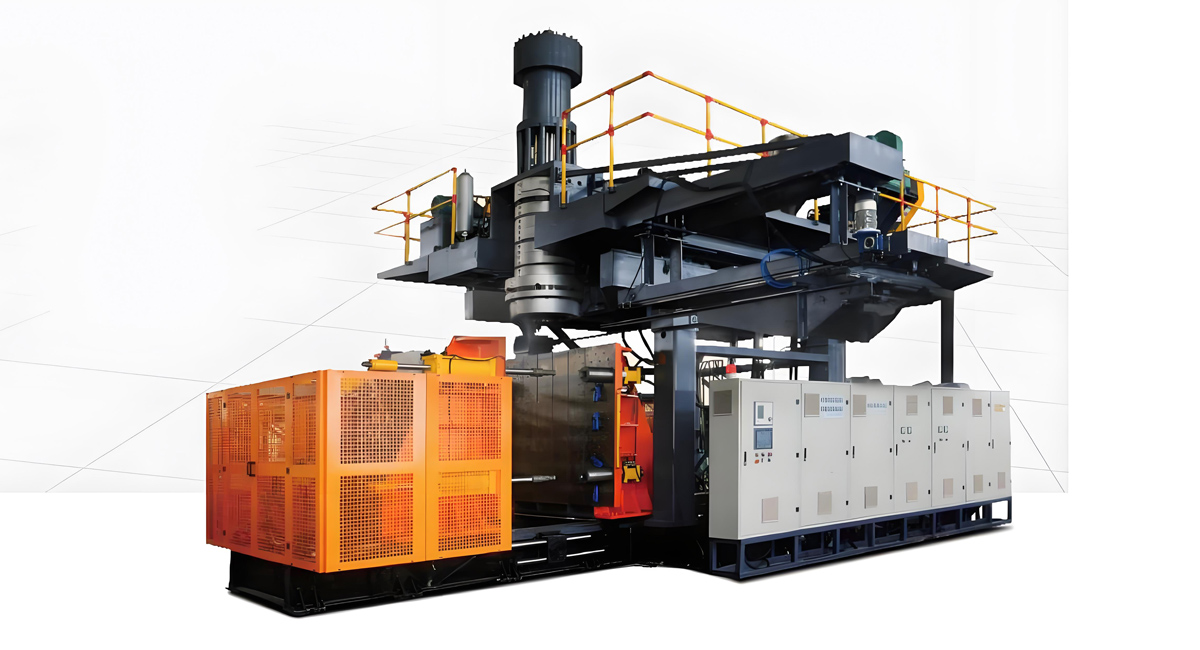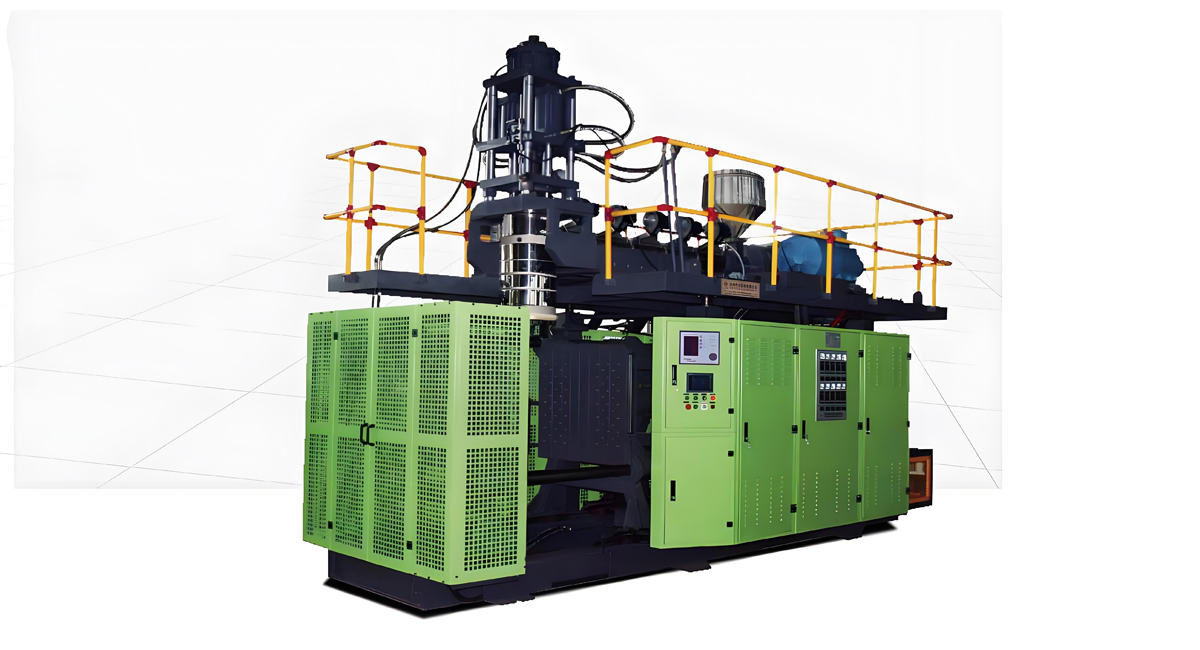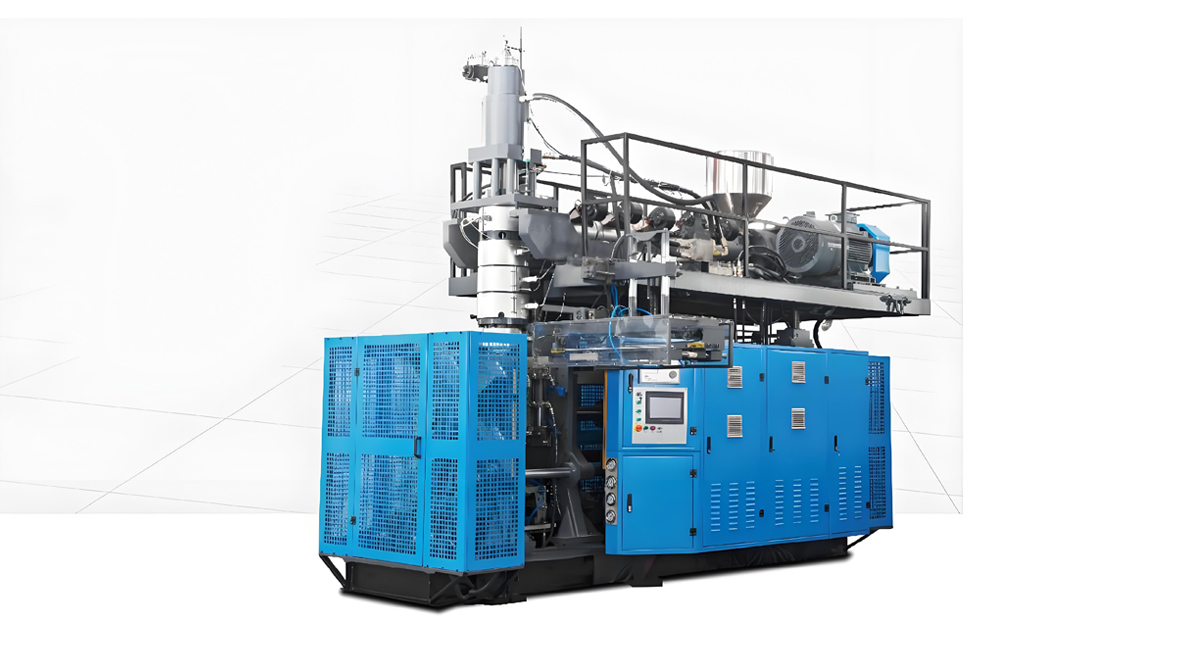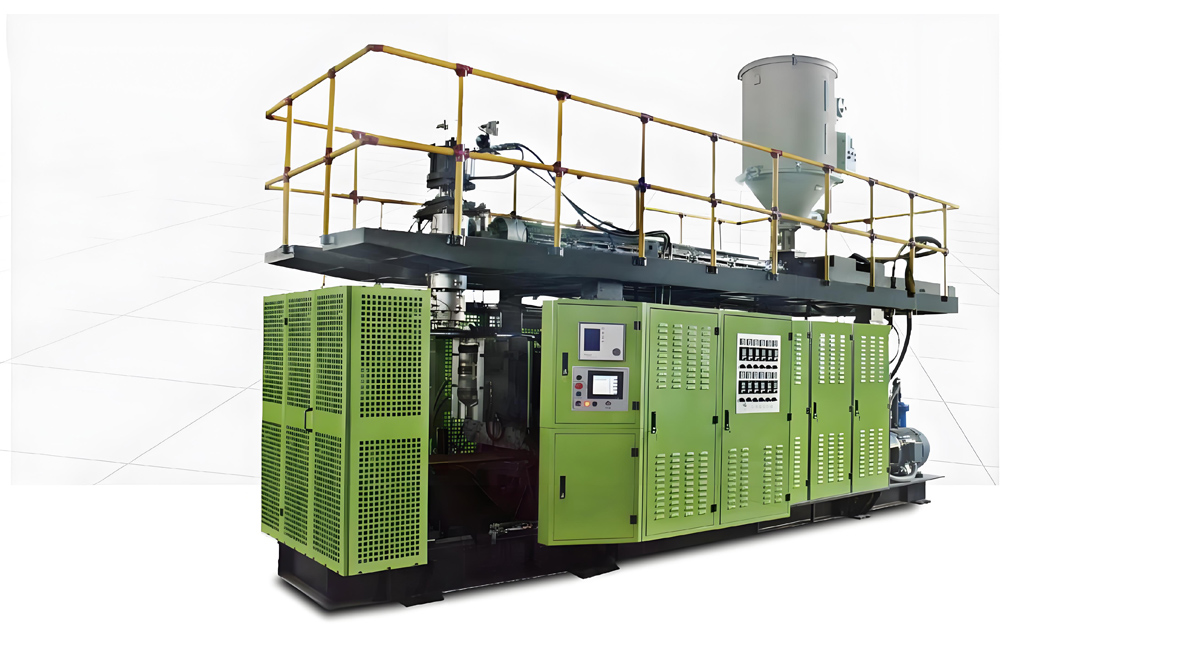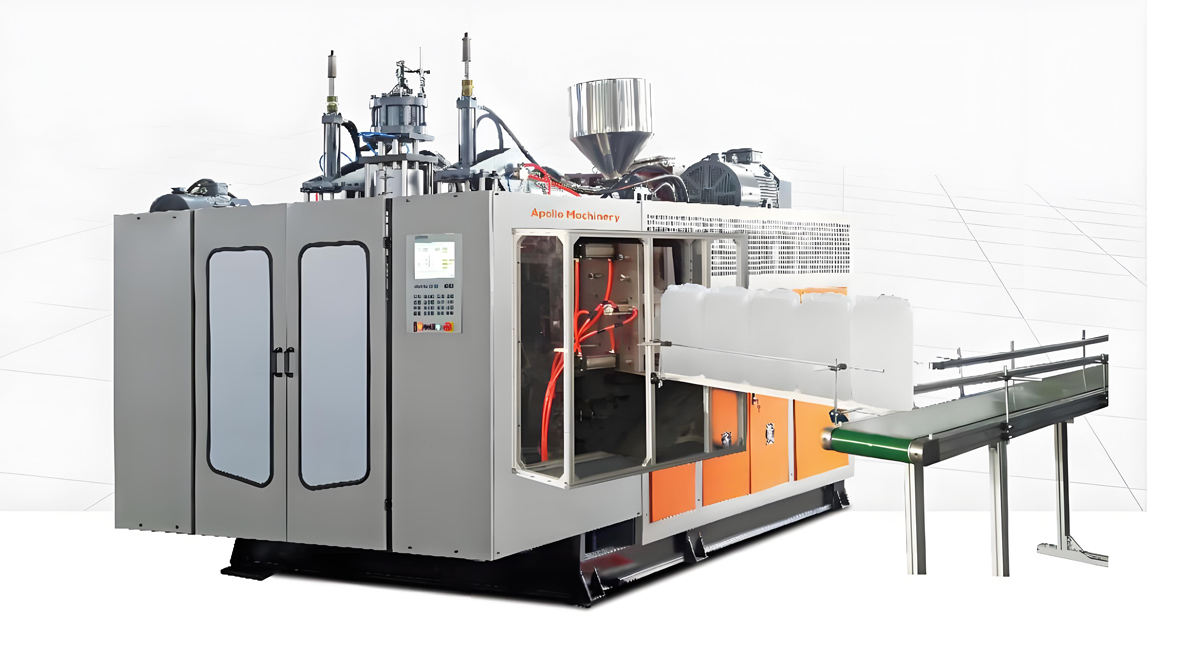
Apollo, a Wanplas factory located in Zhangjiagang near Shanghai, has manufactured extruded blow molding machines for over 20 years, with more than 4,000 sets operating in over 90 countries. This article covers an 8L high precision blow molding line built to manufacture leak-proof lubricant plastic cans at consistent quality. You will learn why precision matters for oily products, how Apollo’s ABLB Series delivers it, which HDPE grade to choose, and how to select the right configuration for your lubricant grade and volume.
ความหมายของระบบบีบอัดความละเอียดสูง
ความแม่นยำสูงในการแบบขวดความหนาของผนัง, ขนาดขอน และน้ำหนักชิ้นส่วนอยู่ภายในช่วงเส้นกว้างนิดหน่อยในทุกช่องและทุกชั่วขณะ ด้วยขวดความจุ 8 ลิตรนั้นช่วงนี้จะกำหนดว่าแผ่นปิดจะปิดสนิท สามารถจัดเรียงขวดได้และน้ำมันจะอยู่ในขวดตลอดการขนส่ง
เส้นขนาดเล็กแทนการคาดเดาผิด ระบบดูดกลืนควบคุมเอนวนเนื่องจากเครื่องดูดจะควบคุมความร้อนและความดันของสารละลายอย่างต่อเนื่อง โปรแกรมมาตรฐานจึงจะกำหนดคำสั่งทางท่อไอเสียโดยรายจุด และการจับปรับและมุมดูดควบคุมค่าได้อย่างเชิงเส้น การ PLCจะบันทึกค่าทั้งหมดแล้วการดูดรอบถัดไปในขวดเดียวกันจะไปยังเป้าหมายเดิมโดยไม่ต้องปรับอย่างรวดเร็ว
ผลลัพธ์คือขยะน้อยและผลิตภัณฑ์ที่คาดเดาได้ไว้ การผลิตน้ำมันรันด้วยแรงงานและยังสร้างผลิตภัณฑ์เดียวกันมีน้ำหนักเพียงแค่ 1 กรัมต่อขวดเราก็สามารถผลิตหลายตันของสารแข็งที่ไม่พอใช้ได้ภายในหนึ่งปี ความแม่นยำสามารถปกป้องค่าใช้จ่ายของวัตถุและเสน่ห์ของแบรนด์ได้ นี่คือเหตุผลที่หัวขวด 8 ลิตรถูกกำหนดให้เป็นการผลิตที่มีความแม่นยำสูงมากกว่าแม้แต่การผลิตความง่าย
Apollo builds this precision on the ABLB Series platform, which covers ขนาด 200 มล. ถึง 20 ลิตร containers. The 8L lubricant can sits comfortably inside that range, and the same machine serves nearby sizes when the product mix changes.
สาเหตุที่ขวดลูกกลิ้งขนาด 8 ลิตรต้องมีการสร้างที่ป้องกันการรั่ว
น้ำมันเป็นของเหลวที่มีสีเนื้อและมีกลิ่นฉุนในบางชนิดจึงขวดที่ร้าวจะทำให้กล่องบรรจุหมด คอนเทนเนอร์และความไว้วางใจของผู้ซื้อเสียไป ด้วยขนาด 8 ลิตรน้ำมันมีน้ำหนักเพิ่มขึ้นเมื่อเติมพลังงานเต็มรูปแบบทำให้ควบคุมขวดยากขึ้นที่รางและแผ่นรองฟันขณะดัดแปลง ยังคงขวดได้อย่างปลอดภัยจำเป็นต้องมีการออกแบบที่แข็งแรง
น้ำมันมีโมเลกุลแอโรไกลที่ทำให้แสดงแป้งผ่านผนังที่อ่อนบางผิดปกติ และสีที่สะท้อนถึงน้ำมันจะปรากฏออกมาเมื่อกล่องออกจากโรงงาน การป้องกันปัญหานี้จะต้องใช้ผนังที่หนามืดและพื้นที่ปิดแบบแน่น อุปกรณ์ที่ผลิตด้วยดังกล่าวจะสามารถป้องกันขวดล็อคได้อย่างปลอดภัย
ขวด 8 ลิตรยังสามารถเจอกับการเปลี่ยนแปลงอุณหภูมิในการขนส่งและการจัดเก็บ ปลอดภัย ดังนั้นจึงทำให้ HDPE สะท้อนง่าย และผนังที่ไม่เรียบร้อยส่งผลกระทบต่อจุดริ้วรอยเมื่อร้อนและหนาว ระบายความวิ่งกับการเคลื่อนไหวของผนังเปลี่ยนแปลงแต่ละครั้งจะแบ่งผนังเป็นชิ้น ๆ ในระยะยาว การป้องกันการแยกการเสียหายจากความทนทานต่อผิวหนังของวัสดุพร้อมกับการปรับค่าท่อที่ตรงกับบริเวณจุดการทับ ระบายความร้อนและการเคลื่อนไหวของผนังทำให้ผนังแข็งแรงและไม่ทะลุง่าย
ท้ายสุดน้ำมันก็มีแบรนด์ประมวลผลภาพลักษณ์ของบริษัทเองด้วยขวดที่เรียบและไม่มีรอยขีดข่วน การจัดสภาพและช่องมาตรฐานทิศทางบนฐานล่างมอเตอร์ จึงสามารถแนบจุดที่แน่นขึ้นได้พร้อมกับการปรับแต่งฉลากได้อย่างเรียบร้อย เหล่านี้เป็นข้อมูลที่แตกต่างการบรรจุสินค้าเพื่อจัดจำหน่ายและบรรจุสารหลักทั่วไป รูปแผนที่ด้านล่างนำเสนอขั้นตอนสำคัญต่าง ๆ ที่มีผลต่อการขัดฉนวนที่แม่นยำที่สุด
การออกแบบเครื่องของระบบขนาด 8 ลิตร
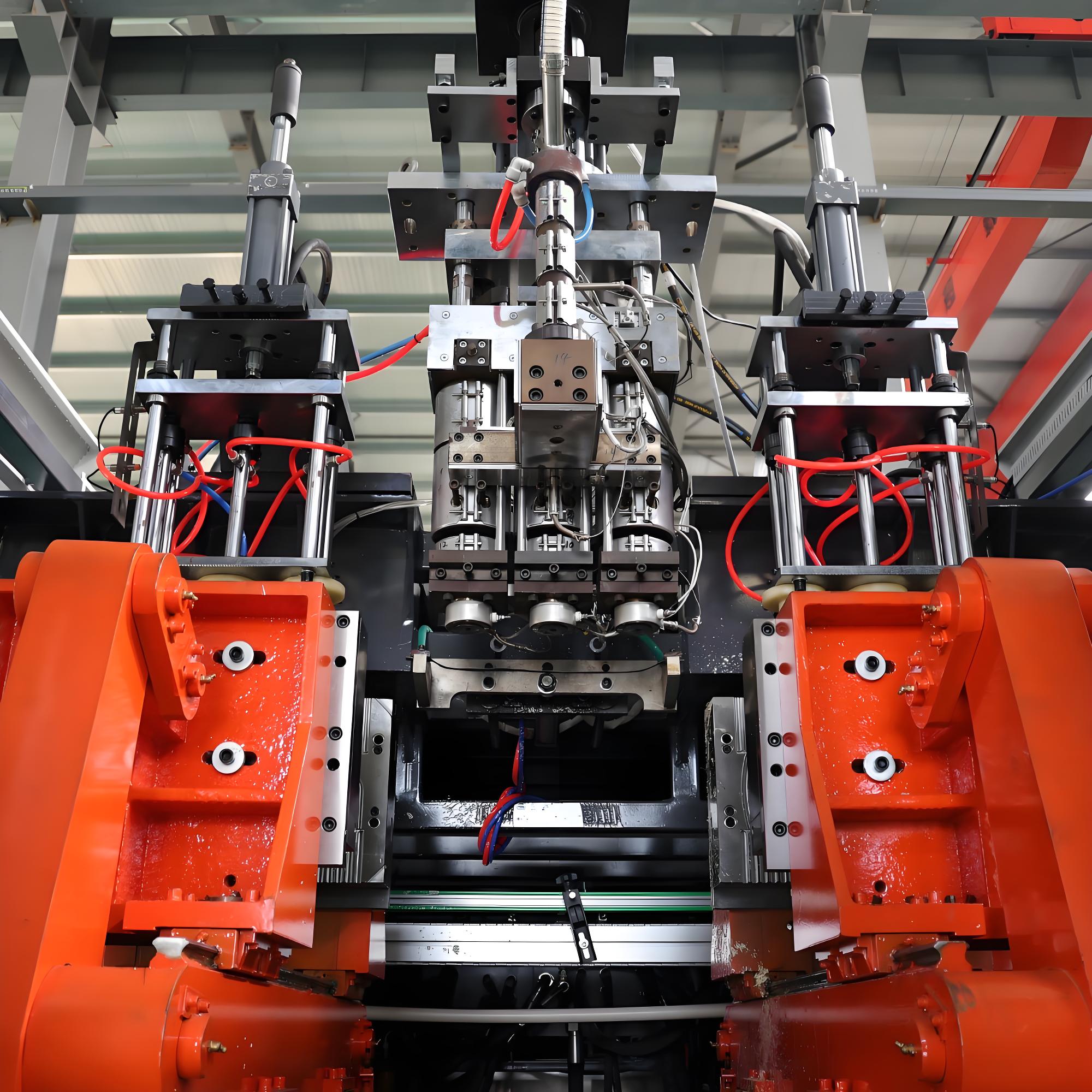
เส้นขนาดเล็กที่ผลิตด้วยความแม่นยำ 8 ลิตรแบ่งเป็นระบบภายใน
เครื่องดูดและการถ่ายเทความร้อน
เครื่องดูดพร้อมบานในเครื่องบด เช่น ขนาดบาดแผล (ซึ่งเป็นไดโนเสาร์ทางอุปกรณ์) ที่แม่นยำและควบคุมโดยอัตโนมัติ กะทัดรัดเพิ่มการรักษาคุณภาพและการลดต้นทุนตามคุณสมบัติ
แท่งจัดลำดับและแท่งเชื่อมแบบโปรแกรมได้
แท่งจัดลำดับจะจัดแบ่งแท่งเชื่อม และคนที่กำลังโปรแกรมจะปรับช่องว่างที่หลายจุดเพื่อวางปะ การตัดที่จำเป็นต้องทำในรูปของผนังโดยทำให้ส่วนฐานแคปด้านล่างและขอบรูปร่างด้านใน เพื่อให้เเต่งเชื่อมมีความหนาแต่ยังคงแข็งแรงได้ในทุกส่วน โดยโปรแกรมนี้เป็นจุดสำคัญของการควบคุมผนังอย่างประณีต
การจับยึด ปุ่มลดความกด และการทำความเย็น
บริการจับยึดจะกักตัวโมลด์ไว้อย่างถาวรและตรงกับทิศทางตามแรงกดแรงสูบ ปุ่มลดความกดจะใช้ในบริเวณปากโมลด์และส่งอากาศที่สะอาด ปราศจากน้ำและทำความเย็นโมลด์ จะช่วยให้ส่วนรูปทรงอัดแน่นทันทีแถมสถานที่ตัดจุดแตกบนผนัง จะตัดส่วนเฉพาะที่เกาะติดบนผนังและริมสายเพราะจั๊มบะไข่แตกแยกตัวออกไปแล้ว
การทดสอบการรั่วลึกและการตรวจสอบด้วยกล้อง
เครื่องทดสอบอัตราการขยายแรงดันจะทดสอบอัตราการรั่วลึกของถ้วยแต่ละขวด เครื่องวัดอัตราการขยายจะสังเกตการทำงานของจุดตัด หากมีการทุพพลภาพหรือขาดความสมประมวลก็จะชะลอการผ่านจนกว่าจะแก้ปัญหา
Apollo ABLB Series 8L การกำหนดค่า
สาย ABLB มีขนาดจาก 200 มิลลิลิตร กำลัง 20 ลิตร มีรุ่นแบบเครื่อง 8 ทั่วไป สาย 8L ยางชุ่มสำหรับการผลิตถ้วยใช้รุ่นแบบ ABLB ที่เป็นขนาดใหญ่ คำแนะนำด้านข้างแสดงภาพรวมของการติดตั้งแบบขั้นต่ำสำหรับการผลิตยางชุ่มขนาด 8 ลิตร โดยแสดงเป็นตัวเสนอขนาดกลางที่ส่งผลต่อปริมาตรการผลิตและการควบคุมผนัง
| พารามิเตอร์ | ABLB 8L การกำหนดค่า | Note |
|---|---|---|
| ขนาดบรรจุภาคพื้นฐานสูงสุด | 8 ลิตร (สูงสุด 10 ลิตร) | สาย ABLB สามารถปรับขนาดได้จาก 200 มิลลิลิตร ทำงานถึง 20 ลิตร |
| จำนวนสถานี | สองสถานี | ใช้รูปแบบนี้อย่างถูกต้อง: "1. กรุณาบรรยายภาษาไทย" ซึ่งจะอยู่เป็น 1 พารกราฟ (1. การใช้อุปกรณ์เฟิร์มแบบง่ายนอกหรือแบบผสมกัน) |
| รูปทรงของหัวเฟิร์ม | ทำงานแบบกึ่งต่อเนื่องหรือแบบล็อค | ทำงานต่อเนื่องสำหรับงานปรับความจุที่ขนาด 8 ลิตร |
| เส้นผ่านศูนย์กลางสกรู | 80 mm | เครื่องอัดผงแบบมีแท่งขับหนีบเดียว |
| L/D ratio | 24:1 | การปรับพลาสติไซซึ่งอุณหภูมิแบบ HDPE |
| Extruder motor | 37 kW | ระบบเครื่องกลแบบปิดสาย |
| อำนาจการปรับความร้อน | 22 kW | แบริ่งและฟันเฟิร์ม |
| แรงจับยึดแม่พิมพ์ | 80 kN | ประณามตัวเฟิร์มไม่ให้โป่งคล้ายลูกปืน |
| ขนาดหน้าเฟิร์ม | 500 x 500 มม. | เครื่องปั้นหุ้มสารล้างที่เหมาะสำหรับขนาด 8 ลิตร |
| กำลังไฟที่ติดตั้ง | 70 kW | ความดันป้อนแบบประมาณของ 8 ลิตร |
| น้ำเย็น | 4 m3/h | ชุดปรับอุณหภูมิชิลด์ |
| ออกโมลด์ (8 ลิตร, ช่องเดียว) | 80 ถึง 120 ชิ้น/ชั่วโมง | ต่อเครื่อง |
| น้ำหนักเครื่อง | 5.5 t | Approximate |
สำหรับโรงงานที่มีกฏการใช้พลังงานหรือมีมาตรการให้ความสะอาดอากาศที่เข้มงวด Apollo ออกแบบเครื่อง Series ไฟฟ้าทั้งระบบ ในชั้นขนาดเดียวกัน โดยตารางด้านล่างเปรียบเทียบรุ่นไฟฟ้า ซึ่งไม่มีหน่วยไฮดรอลิกและลดกำลังการทำงานสำหรับถังสารล้างขนาด 8 ลิตร
| พารามิเตอร์ | ไฟฟ้าทั้งระบบ 8L | Advantage |
|---|---|---|
| Drive type | มอเตอร์เซอร์โวทั้งหมดใช้ไฟฟ้า | ไม่มีน้ำมันไฮดรอลิก |
| กำลังไฟที่ติดตั้ง | ต่ำกว่าเครื่องแรงดันน้ำมัน | ต้นทุนพลังงานลดลง |
| Noise and heat | Reduced | โรงงานการทำความสะอาด |
| การควบคุมการกาว | ระบบควบคุมอัตโนมัติแบบปิดสาย | แรงที่สามารถซ้ำได้ |
| ระบบบรรจุหีบห่อ | ขนาด 200 มล. ถึง 20 ลิตร | สินค้าในเดียวกันของกลุ่ม ABLB |
ค่าทั้งสองมีความคล้ายคลึงกันในการจัดการสูตรและการทดสอบการรั่วไหลด้านลบ โดยการเลือกจะอยู่ที่ความยืดหยุ่นทางอุปกรณ์ไฮดรอลิกและความมีประสิทธิภาพทาง∟ไฟฟ้า สินค้าที่มีความหนาแน่นกลางจะมักดึงดูดสายไฟฟ้าเพื่อลดค่าใช้จ่ายระยะยาว
บีบอัดและควบคุมผนังอย่างแนบเนียน
ความแม่นยำเริ่มที่พาร์ริสัน โปรแกรมเมอร์แบ่งน้ำเย็นออกเป็นหลายช่วงและกำหนดระยะของท่อสำหรับแต่ละส่วน ลักษณะผนังมีความหนาแน่นต่างกันก่อนที่พาร์ริสันจะไปถึงตัวกลึง สำหรับกล่องสเปรย์ลิปิดน้ำมันขนาด 8 ลิตร หมายถึงมีแผ่นหดด้านล่างที่แข็งแรงและมีรูปร่างกระชับ เป็นรูปแบบที่ยังสามารถต้านทานการหนีความร้อนได้
ใช้รูปแบบนี้อย่างเคร่งครัด: "
| พารามิเตอร์ | " ต่อแถวเดียวเท่านั้น ไม่มีอะไรอื่น | ผลต่อถุง |
|---|---|---|
| ใช้รูปแบบนี้อย่างถูกต้อง: "1. " ต่อบรรทัด คำอื่นใดไม่ต้องมี | 165 ถึง 210 องศาเซลเซียส | ความทนทานของผลิตภัณฑ์สั่งทำ |
| Screw speed | 35 ถึง 65 รอบต่อนาที | ความเป็นเรียบของสี |
| จุดรวมราคา | 40 to 64 | ใช้รูปแบบนี้อย่างถูกต้อง: "1. " บรรทัดต่อเนื่องกัน ไม่มีเอกสารอื่นใด |
| แรงดันไอ | 0.6 ถึง 1.0 MPa | กระพุ้งและจับคลิป บรรจุภัณฑ์ |
| อุณหภูมิตกของหม้อ | 10 to 20 C | โอกาศและผิว |
| การควบคุมน้ำหนักชิ้นงาน | สูงหรือต่ำเพียง 1% | Material saving |
การควบคุมน้ำหนักแห่งประตูปิดล็อกปรับให้น้ำหนักของชิ้นงานให้อยู่ภายในประมาณ 1% ของค่าทางทฤษฎี สิ่งนี้ช่วยประหยัดพลาสติกและกำจัดถังที่น้ำหนักมากไปที่อาจส่งผลให้ปะทุขึ้น และการควบคุมอำนวยความสะดวกได้วัดน้ำหนักทางการที่จริงของน้ำหนักที่ถูกชุบและแก้ไขความเร็วในการสร้างข้อพับหรือช่วงเวลาที่จะโยนชิ้นงานใหม่ให้อยู่ที่ศูนย์
การจัดวางปลายปะทุ้ง (Blow pin alignment) เป็นปัจจัยที่เรียบง่ายมาก อย่างไรก็ตาม เพราะชิ้นงานคัพไหล่จะติดกับฐานอย่างแน่นหนา และไลน์เนกเก็ตและฐานไลน์ให้ความชิดที่ละเอียด เพราะปะทุ้งต้องตั้งอยู่ในศูนย์ เพื่อให้ไลน์เนกเก็ตและฐานไลน์เคลื่อนที่ตรง
การเลือกวัสดุสำหรับบรรจุภัณฑ์ลูกกลิ้ง
ถังน้ำมันต้องมีวัสดุที่แข็งแรงต่อการจับผิดพลาดของน้ำมันพื้นฐานสังเคราะห์และสารเติมแต่ง รวมทั้งปฏิกิริยาของแอลกอฮอล์ที่เกิดจากสารเคมีโดยทั่วไป ในแง่ของการนำไปใช้งาน HDPE และ PP ในรอบนี้
| วัสดุ | ความหนา | MFR g/10min | ความเป็นมืออาชีพ | Best use |
|---|---|---|---|---|
| HDPE (การปะทุ้ง) | 0.945 ถึง | 0.3 to 1.0 | คงความละอองต่อน้ำมันและสารเร่งความหมุน | น้ำมันเครื่องและน้ำมันเกียร์ |
| HDPE เป็นไปตามมาตรฐาน ESCR | 0.945 ถึง | 0.3 to 0.8 | 955 | คงความละอองต่อแรงระเหย |
| เหมาะสำหรับเก็บไว้เป็นระยะเวลานาน และมีส่วนจับ | PP (โพเมอร์โมโมริติก) | 1.0 to 3.0 | 0.90 ถึง | 91 |
คงความละอองต่อความร้อนและน้ำมัน
สารเร่งการเติมที่มีผลต่อความร้อน
วัสดุที่รีไซเคิลสามารถใส่เข้ามาได้ผ่านการเคลือบ (coextrusion) หรือผนังที่มีความยืดหยุ่น ทำให้มีชั้นในที่เป็นหมักใหม่อยู่ทั้งเส้นทางกับผงเกลือประสานอีกชั้นหนึ่ง สำหรับชั้นในนี้จะต้องคงความเหมาะสมสำหรับการมีความสัมพันธ์ทางเคมีกับน้ำมันตามกฎหมายในพื้นที่นั้นๆ ในขณะที่ชั้นนอกจะมี HDPE ที่รีไซเคิลเพื่อลดต้นทุนและความเสี่ยงต่อสิ่งแวดล้อม อภิปรายแนะนำให้มีข้อมูลเบื้องต้นในการกำหนดชั้นในสำหรับผลิตภัณฑ์ที่ใกล้เคียงกับอาหารและไม่อยากมีกลิ่น
การผลิตอย่างมีความยืดหยุ่น
การป้องกันรั่วไหลได้สร้างขึ้นเป็นระยะ ๆ ระหว่างแผ่นยางมะตอยไปจนถึงกรณีการบรรจุ ในตารางนี้บรรยายขั้นตอนที่เครื่องอัดลมความละเอียดสูง 8 ลิตรทำไป และการตรวจสอบที่พิสูจน์การปฏิบัติตามแต่ละขั้นตอน เพื่อให้ผู้ซื้อสินค้าเห็นได้ว่าประตูการป้องกันรั่วไหลอยู่ที่ใด
| Step | Action | Check |
|---|---|---|
| โปรแกรมผนัง | ใช้รูปแบบนี้อย่างถ้อยทีละคำ: "1. " ต่อแถว, ไม่มีอะไรอื่นๆ | แผนผนัง ตามรายละเอียดที่กำหนด |
| การทำแบบจำลองทรงคอ | เครื่องทำเส้นและช่อง | ภูมิวิทยา หรือ มนุษยศาสตร์ |
| ยิงลมและระบายความร้อน | ใช้รูปแบบนี้แท้ๆ: "1. " ต่อแถบ แต่ไม่ใช่อะไรอื่นๆ | การตรวจขนาด |
| Deflash | ตัดไหล่และเส้นแบ่ง | ใช้รูปแบบนี้อย่างที่เป็นไปได้เท่านั้น: "1. " ต่อแผ่น, ไม่ว่างแปลอื่นใด |
| Leak test | การเสื่อมแรงบรรยากาศบนถุงบรรจุน้ำทุกใบ | ปฏิเสธเมื่อดำเนินการหายไป |
| Pack | ขวดที่สะอาดและตรงขอบ เพื่อป้องกันการสะสมของขวดลงบรรจุภัณฑ์ | Final audit |
คอขวดและพื้นสำหรับกล่องต้องได้รับการดูแลอย่างพิเศษเนื่องจากหมวกทำหน้าที่ปิดผนึก การกระพริบเล็กน้อยหรือจุดฟลัชที่อยู่บนพื้นทำให้หมวกเกาะไว้และรั่วไหล แทนที่จะให้หมวกเข้าที่และปิดผนึกได้อย่างถูกต้อง Apollo จะตรวจสอบความสอดคล้องกันระหว่างคอขวดและหมวกก่อนที่ขวดจะเข้าสู่เครื่องปิดหมวก ซึ่งอยู่ในท่อลำเลียงหลังจากถังปั้นแรงดัน
การทดสอบการหดตัวของแรงกดให้อากาศเปียกพื้นผิวขวดที่ซ็อกเอาท์แล้วสังเกตการช่องว่างภายในไม่กี่วินาที บริเวณขวดที่ขาดแรงกดจะถูกส่งออกไป จึงไม่สามารถมีรอยรั่วของสารน้ำมันเข้าสู่กล่องได้ ในระยะการผลิต 8 ลิตรต่อนาที การทดสอบครบ 100 เปอร์เซ็นต์เป็นงานที่ค่อนข้างแนบเนียนและควรปฏิบัติให้กับผลิตภัณฑ์ที่มีน้ำมันไหลติดตัว
บริการทะนุบำรุงปิดวงจรการทำงาน การมีฝุ่นติดอยู่ในพื้นที่หรือข้อหูเปลี่ยนรูปร่างจากการทํางานก่อนที่จะถอดเครื่องซีเมนต์จะทำให้แผงอัดเย็นที่ถูกทําแล้วไม่สมบูรณ์ จึงมีความสําคัญเท่ากับหน้าต่างการทํางาน สําหรับทําให้ Apollo เตรียมข้อมูลเหล่านี้ไว้ในการฝึกอบรมผู้ใช้งานเมื่อเข้ารับการใช้งาน
ความแตกต่างระหว่างระบบบีบอัดเครื่องหมายความละเอียดสูงกับระบบทั่วไป
ผู้ซื้อที่เปรียบเทียบเครื่อง EBM ชนิดปรับความแม่นยำสูงกับเครื่อง EBM แบบเดิมควรพิจารณาปัจจัย เช่น การควบคุมงาน, ความสูญเสีย และค่าใช้จ่ายในระยะเวลาตลอดอายุการใช้งาน เครื่องบรรจุลูกบิดแบบ ABLB ซึ่งมีความแม่นยำสูง จะทำให้สามารถปรับบรรจุลูกบิดน้ำมัน 8 ลิตรได้ดีกว่าการใช้เครื่อง EBM มาตรฐาน
| Criterion | เครื่องยิงอีเบิลลูมิโนบลอว์ (ABLB) ระดับความแม่นยำสูง (เครื่องยิงอีเบิลลูมิโนบลอว์ (ABLB) ระดับความแม่นยำสูง (High Precision ABLB)) | ใช้รูปแบบนี้: "1. Translate " โดยไม่มีอะไรอื่นไปรวมเป็นข้อต่อท้าย |
|---|---|---|
| ควบคุมรั้ว | โปรแกรมไว้ล่วงหน้า, 40 ถึง 64 คะแนน | รอยที่แน่นหนาหรือรอยที่น้อย |
| Part weight | สูงหรือต่ำเพียง 1% | พอกหรือลบ 3 ถึง 5 เปอร์เซ็นต์ |
| ความแม่นยำของหูท่อ | หม้ออัดที่ตรงตามมาตรฐาน | การตรวจสอบด้วยวิธีการเคมี |
| Leak test | 100 เปอร์เซ็นต์ในระบบ | จุดระเบิดหรือไม่มีจุดระเบิดเลย |
| Scrap rate | ต่ำ | Higher |
| Energy | มอเตอร์ไฟฟ้าแบบเซอร์โว หรือ มีประสิทธิภาพอย่างสูง | บริดจ์ไฮโดรลิกที่เป็นฐาน |
EBM การผลิตรายชนิดดั้งเดิมยังผลิตถุงขนาดใกล้เคียงกันได้ แต่ช่วงน้ำหนักที่กว้างกว่าเสียพลังงานบรรจุภัณฑ์ รวมถึงการตรวจสอบที่จุดต่าง ๆ จะละทิ้งชิ้นส่วนที่รั่วซึมบางชิ้นได้ค่ะ สำหรับแบรนด์ให้ความดูแลเครื่องมือที่การละทิ้มบริเวณเดียว จะทำให้เกิดกลิ่นสัมผัส ตารางนี้แสดงความต้องการที่พบบ่อย แก่เครื่องเฉพาะตำแหน่งที่เข้ากับการผลิตเพื่อให้ผู้ซื้อได้เปรียบเทียบก่อนการให้คำโครงการที่มีรายละเอียด แต่โดยทั่วไปแล้วเครื่องแบบ Apollo มีประสิทธิภาพสูงในการใช้กับหลากหลายข้อกำหนด
ใช้รูปแบบนี้อย่างละเอียด: "1. " ต่อแถว โดยไม่มีอะไรอื่น
แนวทางเลือก: ต้องการตำแหน่งโมเดล
เส้น 8L ที่ถูกต้องติดตามความบริสุทธิ์ของครีมน้ำมันจำนวนปริมาตร และกฎของโรงงาน นำข้อมูลที่ปรากฏบนแผนผังไปแทนกับรุ่น Apollo ที่เข้ากันได้ โดยให้ผู้ซื้อมีรายชื่อที่สั้นก่อนการคำนวณรายละเอียด
| Requirement | รุ่น Apollo ที่แนะนำ | Reason |
|---|---|---|
| สารมะนาวแบบนิ่ม 8 ลิตร ที่คงความเงาทิ้งไม่อยู่ (แถบหนึ่ง) | เครื่อง ABLB ชุดสองเครื่อง | ผลผลิตสูง, ความละเอียดมาก |
| การใช้พลังงานน้อย, โรงงานสะอาด | ไฟฟ้าทั้งระบบ Series 8L | ไม่มีระบบไฮโดรลิก , ความเครียดน้อยลง |
| สารอุ้มน้ำมันและสารฟอกสบู่ผสมกัน | ABLB กับการเปลี่ยนชิ้นล่วงหน้าได้รวดเร็ว | การจัดเก็บสูตรกระบวนการทางเคมีอย่างรวดเร็ว |
| ชุดถังขนาดใหญ่ 20 ลิตรถึง 1500 ลิตร | ซีรี่ส์ ABLD | รายการขนาดบรรทุกใหญ่ |
| แพ็คสารเพิ่มเติมสำหรับการเติมแบบร้อน | ใช้รูปแบบเหมือนนี้นะครับ: "1. " ต่อรถ, ไม่มีอะไรอื่นนอกจากนี้ | ความทนความร้อนของ PP |
โรงงานผลิตน้ำมันส่วนใหญ่เริ่มต้นด้วยเครื่องยิงแบบคู่ (เครื่อง ABLB ชุดสองเครื่อง) เนื่องจากมีความสมดุลระหว่างความแม่นยำและผลผลิตของมัน สลิก อัลเลยนีส์ (ไฟฟ้าทั้งระบบ Series) สร้างขึ้นสำหรับโรงงานที่มีเป้าหมายด้านพลังงานหรือการขจัดอากาศที่สะอาด และรุ่น ABLD สามารถใช้กับแบรนด์เดียวกันเมื่อจอถุง 20 ลิตรเข้าสู่การแสดงผล
เนื่องจากทั้งสามเครื่องมีเครื่องมือเทคโนโลยี Apollo และเครือข่ายบริการ Wanplas พร้อมกับชิ้นส่วนและการฝึกอบรมที่สอดคล้องกันทั้งหมด ทำให้ต้นทุนในการดำเนินงานของขนาดบรรจุภัณฑ์หลายชนิดภายใต้แบรนด์สารลดแรงตึงเครียดสากลลดลง
ภาคอุตสาหกรรมที่ Apollo บริการ
Apollo’s extruded blow molding machines serve chemical, daily chemical, food and beverage, วัสดุสำหรับก่อสร้าง, medical, automotive, and transport sectors. The 8L precision line is rooted in chemical and daily chemical packaging, where lubricant, detergent, and AdBlue cans share the same HDPE architecture.
ในอุตสาหกรรมเคมี, HDPE และ PP มีความแข็งแรงต่อชนิดต่าง ๆ ของกรด, ตัวทำละลาย และ แบก ดังนั้นทางเดียวก็สามารถใช้สำหรับถังของสารหล่อลื่น, สารทำความสะอาด และ สารลดการอ่อนนิ้วได้ โดยเปลี่ยนตัวแปลงไม้เกี่ยว ผู้ผลิตเคมีทั่วไปใช้ถังบรรจุน้ำยาทำความสะอาด และสารฆ่าเชื้อรา ซึ่งต้องใช้มาตรการป้องกันรั่วไหลเดียวกันกับสารหล่อลื่น
การใช้งานในอุตสาหกรรมยานยนต์และการขนส่ง ได้แก่ น้ำมันเครื่องยนต์, AdBlue, น้ำยาฉีดหน้ากาก และน้ำเย็น รุ่นขนาด 8 ลิตร ถึง 20 ลิตร ส่วนที่เกี่ยวข้องกับวัสดุสร้างอาคารและอุตสาหกรรมใช้ชุดสินค้าเพื่อผลิตขวดสารยึดและสารต่าง ๆ แบบที่สามารถรักษาแม่เหล็กและฉลากได้อย่างเคลือบผง สิ่งนี้ช่วยให้แผนก Apollo ได้ให้บริการตลอดหลายกระแสผลิตภัณฑ์
สำหรับแบรนด์น้ำมันหล่อลื่น สาย ABLB ที่มีความแม่นยำและความทนทานต่อการรั่วไหล ทำให้อยู่ในวงพื้นฐานคุณภาพที่ใช่สำหรับการใช้งาน และนโยบายโรงงานเปิดสำหรับลูกค้าทราบว่าแคนนั้นมาแล้วและอนุมัติเครื่องขึ้นรูปก่อนชำระเงิน ทีม Apollo จัดการสินค้าที่เป็นอาหารและเคมีด้วยวิธีการแปลงวัตถุดิบแตกต่างกัน เพื่อป้องกันผลิตภัณฑ์แต่ละชนิด
การรับประกันและการบริการ
Apollo, as a Wanplas factory, backs the 8L line with the group’s shared promises. Each machine passes factory acceptance testing that runs the target lubricant can and confirms output, wall, and seal before it leaves the plant. Engineers then travel to the site for installation and commissioning.
กลุ่ม Wanplas จัดส่งส่วนประกอบที่มีราคา 500 ดอลลาร์สหรัฐต่อปี ดังนั้น การเคลื่อนไหวของเครื่องไม่ได้ถูกหยุดโดยวัสดุที่สึกเสื่อม เช่น ซีลและแผ่นคม สัญญาตรวจสอบจะป้องกันส่วนที่มีปัญหาให้ได้รับการเปลี่ยนแปลงฟรี สำหรับการขนส่งจะมีการรักษาพื้นที่การเคลื่อนที่ ส่วนความจุการผลิตได้รับการยืนยันตามข้อกำหนดที่กำหนดไว้
การฝึกอบรมเกี่ยวกับการดำเนินการ, การเปลี่ยนตัวหม้อ, และการบำรุงรักษา จึงทำให้ทีมของลูกค้ามีเครื่องหมายความลึกทางวิทยาศาสตร์เข้าถึงได้อย่างครบถ้วน การตรวจสอบระยะไกลช่วยให้เทคนิคของ Apollo อ่านข้อมูลจาก PLC และจัดการกับความผันแปรก่อนที่จะกลายเป็นขยะ โครงการโรงงานแบบเปิดดำเนินการตลอดเวลามอบความสำคัญต่อการเข้าพักและตรวจสอบตัวหม้ออย่างใกล้ชิด
มาตรฐานคุณภาพทำนำความสัญญาว่าถ้ามอเตอร์ไม่สามารถผ่านมาตรฐานคุณภาพที่ตกลงกันได้ คุณลูกค้าจะได้รับเงินคืนและความคุ้มครอง 10% อีกด้วย คำสัญญานี้เป็นอุปสรรคของทุกเครื่องบีบฉีดแบบถุยความละเอียดสูง 8L ที่ Apollo ฟอร์มูล สำหรับการผลิตสารลิควิดที่ป้องกันความรั่วไหล
ความพยายามให้ไม่มีความผิดพลาดเกิดขึ้นสำหรับลูกกลิ้งขนาด 8 ลิตร
น้ำหยด 8 ลิตรสามารถซ่อนความผิดพลาดออกไปจนกระทั่งหยดลงบนชั้นวางของตัวแทนจำหน่าย ดังนั้นการป้องกันต้องเกิดขึ้นในระยะเวลาที่กำหนด ไม่ใช่ในบันทึกการร้องข้อร้องเรียน เช็คลิสต์ปัญหาประสิทธิภาพที่ใช้ได้จริงทำให้การผลิต EBM มีความเสถียรและปกป้องคำโฆษณาเกี่ยวกับความปลอดภัยจากการหยดน้ำในแคมเปญการผลิตน้ำหยดแบบขั้นตอนเดียวที่ยาวนาน
| ความผิดพลาด | สาเหตุที่เป็นไปได้ | ใช้รูปแบบนี้อย่างเคร่งครัด: "1. " ต่อแนวรูปแบบ 1 ร Cay " |
|---|---|---|
| ลำต้นที่มีขนาดเล็ก | โปรไฟล์ตัดผิด | ส่งผนังไปสัมผัสลำตัวผ่านเครื่องมือ |
| Neck flash | สมดุลส่วนตัดแยกบดสกปรก | ลดแสงตอนทำงานได้โดยอัตโนมัติและเคลียร์คราบ |
| Warped body | ใช้รูปแบบนี้: "1. " ต่อแถว, ไม่ใช่อะไรมากกว่านี้ | เพิ่มเวลาในการเย็นลง, ลดอุณหภูมิของพิมพ์ |
| ซึมเวลาเหว | ความดันในการกระแทกต่ำ | เพิ่มเป็น 0.6 ถึง 1.0 MPa |
| เศษง่าย | ปลายฐานที่บกพร่อง | การทดสอบการรั่ว 100 เปอร์เซนต์, อ่างลดความดัน |
ส่วนที่หย่อนทรงเป็นการระบาดที่กำเนิดจากการระบายความร้อนที่สิ้นสุดลงก่อนที่ผนังจะถูกตั้งไว้ ดังนั้น องค์ประกอบจะบิดเมื่อถูกถอดออกและแหวนจะติดกับสายราง สามารถปรับปรุงรูปทรงกลับคืนมาโดยไม่ลดผลผลิตมากนัก เนื่องจากการทำงานของจอถุง 8L จะมีช่วงระบายความร้อนแล้ว แต่โปรแกรมสร้างตัวละครต้องคงที่ ส่วนกลางของตัวสินค้าอย่าครึ่งหนามากจนเกินไป เนื่องจากผนังที่มากเกินไปจะเพิ่มระยะเวลาระบายความร้อนขึ้น เท่านั้น
ผิวครูสีที่อยู่รอบซี่ปิดเป็นศัตรูของคานที่ด้านบนสี่เหลี่ยม และสำหรับสายขนาดเล็ก 239 มิลลิเมตรสีแดง พื้นที่ครูสีจะยึดมันไว้ และในกรณีของกล่องสีเหลืองที่ใช้สารทำละลายกลอนปูน มันเหล่านี้จะตกค้างในผนังและในที่สุดจะเล็ดลอดออกมานอก พื้นที่ครูสีถูกตัดลดขนาดทุกวงจร โดยชุดนำทางอัตโนมัติจะปรับสภาพให้พื้นที่พื้นเรียบและตรงกันทุกนาที และเครื่องทดสอบการรั่วจะปฏิเสธประเภทของกล่องที่หมดปัจจัย ปรับความดันอ่างให้สูงขึ้นและตรวจสอบความตรงเรียงของแผ่นเพื่อง่ายเนื่องจากมุมที่ไม่เกิดขึ้นจากสภาพพื้นที่ปูนเป็นต้นเหตุสารทำละลายที่เทอริเซ็นต์ตกออกไป
ซากสารทำละลายและการทะลุซึมบางจุดระบุอาการความไม่สม่ำเสมอขึ้นภายในรางน้ำ
เรื่องความสะอาดของวัสดุมีความสำคัญเท่ากับการผันเปลี่ยนของเครื่อง ทำให้สามารถใช้กรดลดแรงตึงในสาย HDPE ที่แยกไว้เป็นอย่างดี และมีใบรับรองมาตรฐานของแป้ง เพื่อป้องกันการสะสมฝุ่นที่อาจเปลี่ยนความทนต่อสารเคมีของขวด เหล่านี้จะช่วยให้สามารถรักษาปลายทางขวด ซึ่งมีความสนิทอยู่ในสายตรงไปยังเครื่องต่อเนื่องได้อย่างปลอดภัย
การตรวจจับและโค้ดสำหรับขวดเคมีภัณฑ์
กล่องสารทำละลายและผลิตภัณฑ์เคมีมีฉลากที่จำเป็นซึ่งควรรักษาความปลอดภัยและการค้าไว้ในตลอดช่วงการใช้งานของสินค้า ทางสายการผลิตต้องทำการกำหนดสัญลักษณ์และพื้นผิวที่จะแสดงฉลากดังกล่าว ดังนั้นด้วยการออกแบบเครื่องและธุรกิจ จะสามารถอนุญาตให้เครื่องพิมพ์ทำงานได้ตรงจุดต่างกันดังนั้นพื้นผิวจะสามารถช่วยในการทำมูลละลายด้วยป้ายหรือฉลาก และลดความเสี่ยงที่อาจทำให้ผนังและพื้นผิวของอ่างเป็นรอยด่าง โดยทำให้พื้นผิวแสดงอยู่รอบพื้นบาง
สำหรับการบำบัดของสารเคมีที่เป็นอันตราย เครื่องถุงอาจต้องมีเครื่องหมาย UN รูปภาพอันตราย และรหัสใส่ที่โดดลงบนแผ่นเรียบ โรงงาน Apollo ได้ออกแบบเครื่องถุง 8L ให้มีพื้นที่สำหรับฉลากที่ยุบแคบออกเพื่อให้ข้อมูลที่โดดลงสามารถอ่านและรูปภาพที่เป็นอันตรายไม่ได้ขยายไปตลอดผนัง อีกทั้ง แผ่นเรียบที่เย็นลงหรือมีพื้นที่ขนาดเหมาะสมก็ดีขึ้นมาก เนื่องจากสามารถช่วยให้ฉลากที่ยึดให้แน่นขึ้นบนผนังตอนเติมของเหลวได้
ลูกเล่นข้อมูลอุตสาหกรรมช่วยให้บริษัทฯสามารถค้นหาหลักฐานได้เมื่อร้องขอหรือประสบปัญหา, กระบวนการผลิต 360° นำเทคโนโลยีไปสู่ทุกสายงาน
สีและการเพิ่มส่วนผสมอาจมีผลต่อการตรวจวัด ปุ่มคำสั่ง 'หลัก' (Home) เป็นสีขาว, 2 MHz (50 kHz) อิเล็กโทรดควบคุม 'หลัก', ที่หมายเลข 361 ของรางได้รับการปรับแต่งเพื่อใช้งานกำลังอิเล็กโทรดป้องกันการเสียหาย สีอิเล็กโทรดพื้นผิวควรเป็นสีขาวและหาได้ฐานน้ำมันดังนั้นผู้ใช้งานอาจสามารถล้างได้โดยใช้น้ำหล่อเย็นในห้องสายงานช่วยให้บริษัทฯสามารถค้นหาหลักฐานได้เมื่อร้องขอหรือประสบปัญหาเรื่องเครื่องรีดอัด
คำถามที่พบบ่อย
การทำเครื่องรีดอัดดีขึ้นด้วยเหตุใด? สารทำละลายเป็นสารปนเปื้อน และมีกลิ่นฉุนสูง ดังนั้นอ่างต้องถูกปิดตันปากอย่างแน่นอนเพื่อป้องกันการดื้อยาละลายในขณะที่เก็บรักษา หรือขนส่ง
เครื่องสักสองรางรุ่น 8L จะกำหนดมาตรฐานความหนักพิเศษเพื่อการกำหนดค่าอย่างแม่นยำ ดังนั้นตัวผนัง และแนวเยื่ออัดจะเท่ากันทั่วทั้งสมการ ระบบการควบคุมความแม่นยำจะป้องกันการลอกหลุดขณะการโหลดทางรางน้ำ ที่สูงเช่นเดียวกับความเชี่ยวชาญอันยอดเยี่ยมของ Apollo ช่วยให้ทุกอ่างกระบวนท่องเที่ยวในเครื่องรีดอัดจะได้รับการพัฒนาเพื่อเป็นผู้นำตลาดการผลิตอุปกรณ์การแพทย์/ชีววิทยา
วัสดุใดคือวัสดุที่ทนต่อน้ำมันเครื่องยนต์และน้ำมันระเหยทางอุตสาหกรรม?
HDPE สำหรับการบล็อกชิ้นส่วนทนต่อน้ำมันระเหยธรรมชาติและสังเคราะห์ และผ่านเกณฑ์การพิมพ์ถุงอุปโภคบริโภคทั่วไป
ระบบนี้สามารถผลิตขวดที่ไม่รั่วได้อย่างไร?
ผลลัพธ์ที่ไม่รั่วคลุมมาจากความหนาแน่นของผนังที่สามารถตั้งค่าความหนาได้ ตัดเส้นคออย่างตรง ไปกระทำการบล็อกด้วยแรงบีบที่ถูกต้อง และการทดสอบความรั่วไหลความกดที่ 100% ก่อนบรรจุสินค้า
ผลิตภัณฑ์ออกแบบความละเอียด EBM ขนาด 8 ลิตร สามารถผลิตผลออกมาได้มากแค่ไหน?
ระบบการบล็อกชิ้นส่วนเดียวขนาด 8 ลิตรสามารถผลิตได้ 80 ถึง 120 ขวดต่อชั่วโมง ลงทุนในระบบสองโต๊ะและการบล็อกชิ้นส่วนหลายรับผลิตผลออกมาอย่างต่อเนื่องสำหรับการผลิตผลิตภัณฑ์ระดับเดียวที่ใช้ในการอุปโภคทางเครื่องจักรกล
เครื่องยิงแบบ ABLB สามารถปรับแต่งได้สำหรับไฟฟ้าและชิ้นล่วงหน้าได้ไหม?
ครับ ระบบ Apollo ได้ปรับแต่งชิ้นส่วนและแรงดันไฟฟ้าสำหรับตลาดหมายเลขประเทศทุกประเทศ Wanplas Group ยังมอบส่วนประกอบอะไหล่ฟรี 500 ดอลลาร์ต่อปี และฝึกอบรมที่สถานที่
ระบบเดียวกันนี้สามารถผลิตขวดขนาด 8 ลิตร ถึง 20 ลิตรได้หรือไม่?
ได้
ระบบนี้สามารถพิมพ์ขวดบรรจุของที่มีส่วนผสมของสารดั้งเดิมได้หรือไม่?
ระบบชนิดเคลือบกัดหรือตัวชนิดที่มีความสัมพันธ์กันสามารถใส่ HDPE ที่รีไซเคิลในชั้นนอกของพิมพ์ขวดทั้งที่มีชั้นในเป็นวัสดุใหม่ ภายใต้เกณฑ์ทางกฎหมายในอาณาเขตประเทศนั้น เนื้อผิวที่อยู่ในชั้นในต้องถูกทำให้เหมาะสมสำหรับการสัมผัสน้ำมันเครื่องตามข้อกำหนดของกฎหมาย
ใช้รูปแบบนี้อย่างเคร่งครัด: "1. " ต่อแถว, ไม่มีอะไรอื่น
ทุกระบบจะผ่านการทดสอบการยอมรับจากโรงงานที่จำลองการใช้หลอดประเภทนั้น และยืนยันผลลัพธ์, ผนัง, และการกั้น วิศวกรจะต่ออุปกรณ์เครื่องในที่ตั้งและให้การฝึกอบรมกับผู้ประกอบการ
ความสำคัญ
ใช้รูปแบบนี้เลย: "1. " ต่อแถว แต่ไม่ใช่อะไรอื่นใด