- Introduction : une production stable 24H/24 et 7J/7 pour obtenir un avantage compétitif
- Pourquoi la disponibilité continue est-elle importante pour la production de matières plastiques creuses ?
- Le portefeuille d'appareils Apollo EBM pour un exploitabilité en continu
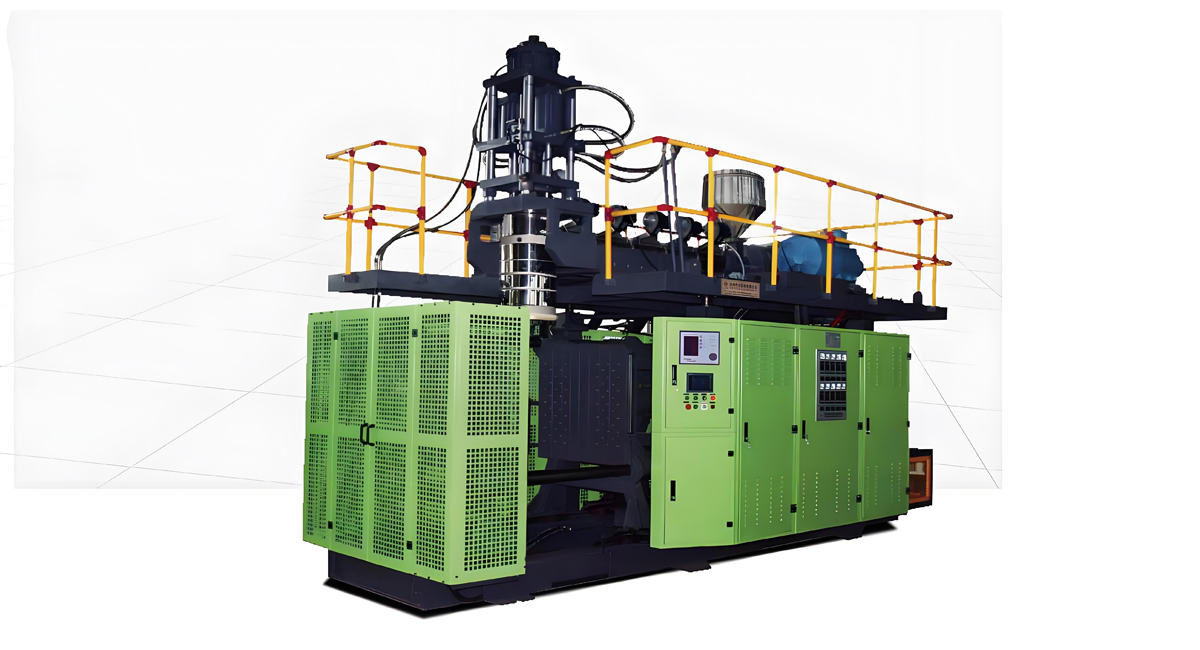
- Séries ABLB (de 200 ml à 20 L) – moule soufflé par compression standard.
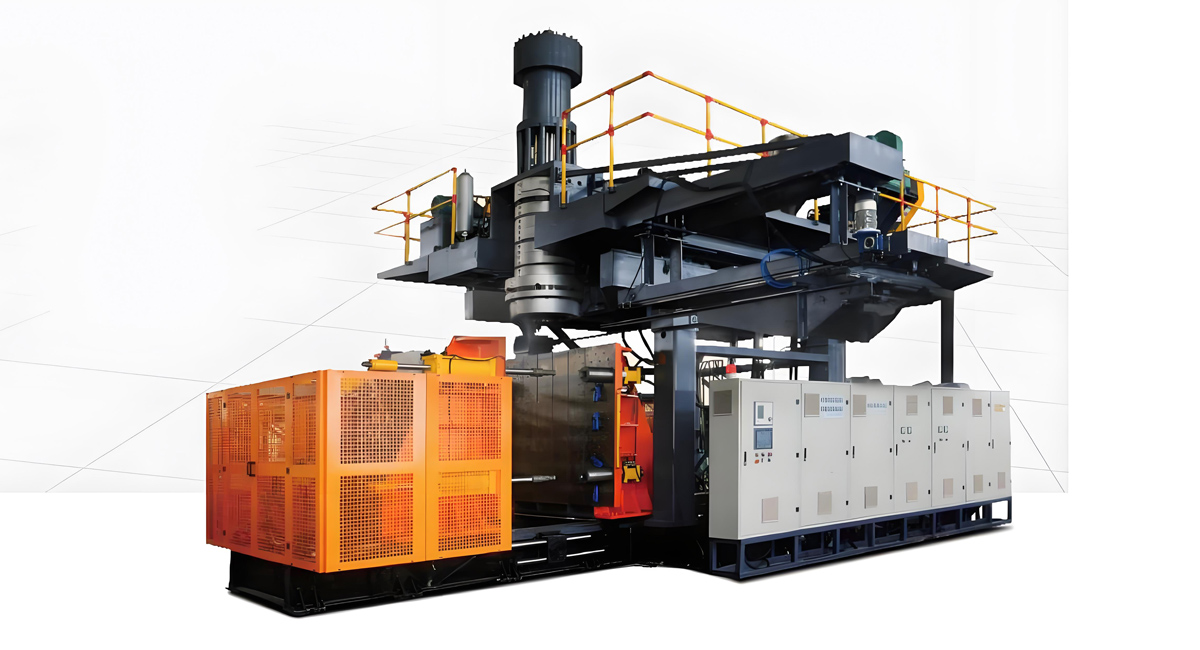
- Série ABLD (de 20 à 1500 litres) soufflage à charge lourde
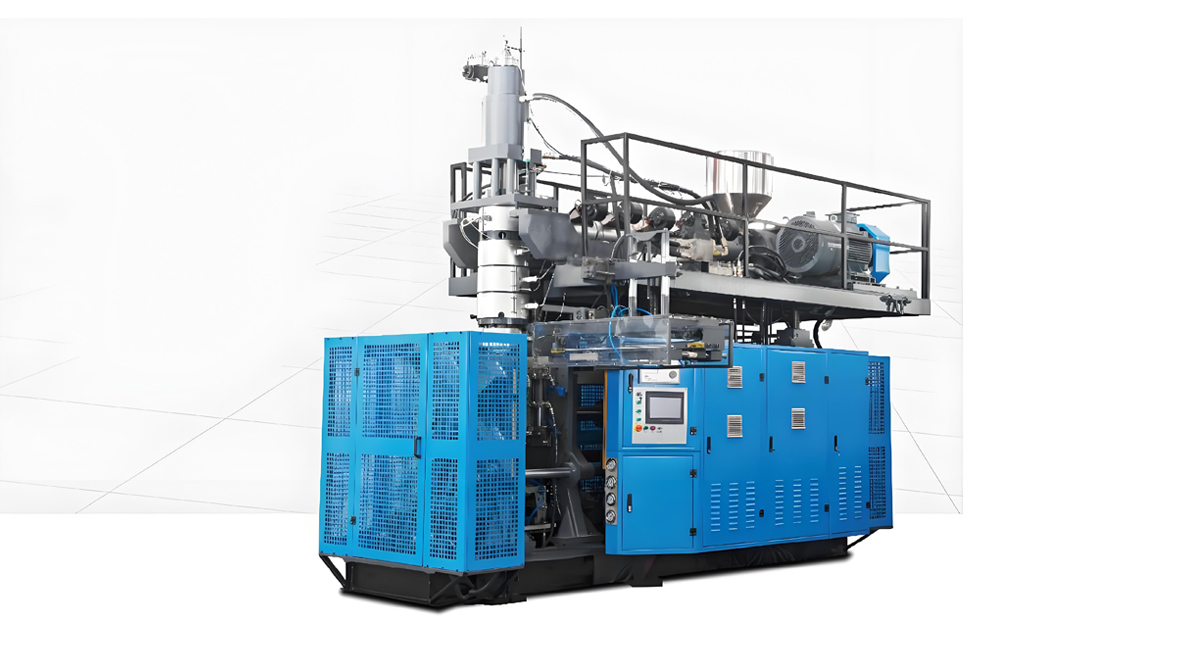
- Série entièrement électrique (200 ml à 20 L) sans hydraulique et à faible consommation d'énergie
- Engineering for Stability: How Machines Apollo Run 24/7
- Prévention des pannes et autodiagnostics Apollo, une usine Wanplas qui bénéficie de plus de 20 années d'expérience, de plus de 80 modèles répartis dans dix séries et de plus de 4 000 ensembles utilisés dans plus de 90 pays, incarne ce concept dans les séries ABLB pour des récipients de 200 ml à 20 l et la série ABLD pour des récipients industriels de 20 l à 1500 l. La même logique de changement rapide s'applique à une bouteille cosmétique à quatre cavités et à un baril de produits chimiques à une cavité, ce qui permet à un fabricant de standardiser une équipe, une réserve de pièces de rechange et un enseignant d'outils fixes pour l'ensemble de sa gamme de produits.
- Secteurs d’application and ABLB, ABLD
- La garantie de support d'Apollo, qui permet de maintenir les lignes en service
- Guide de sélection : échelle de production pour le modèle Apollo recommandé
- Opération en plusieurs poteaux et étalement de la capacité
- Questions les plus fréquemment posées
- Conclusion et étapes suivantes
Introduction : une production stable 24H/24 et 7J/7 pour obtenir un avantage compétitif
La société Apollo, d'usine Wanplas, a travaillé pendant plus de 20 ans à la fabrication de machines d'extrusion-bombe qui permettent de maintenir en fonctionnement sans interruption les lignes de production de plastiques. Parmi les plus de 4000 ensembles en fonctionnement dans plus de 90 pays, la leçon élémentaire qui structure chaque décision de conception est simple : en matière de bombe, le temps de disponibilité est le produit. Une machine qui s'arrête coûte bien plus que l'énergie qu'elle économise, car une ligne arrêtée entraîne de la main-d'œuvre inutilisée, des livraisons manquées et des commandes de containers perdues que les concurrents se réjouissent de prendre en charge. Cet article explique comment les machines d'extrusion-bombe Apollo sont conçues pour une production continue 24 heures sur 24, quelles sont les choix de conception qui protègent la stabilité de l'équipement, et comment la garantie de support de Apollo supprime le risque qu'une défaillance mette à l'arrêt une ligne pendant une longue période.
Le marché des contenants en plastique creux exige une livraison irréprochable. Les fabricants de contenants pour alimentation et boissons, de bouteilles de produits chimiques quotidiens, de tambours en plastique et de conditionneurs pharmaceutiques planifient leurs lignes de remplissage en aval autour d'un approvisionnement régulier en bouteilles, jerrycans et réservoirs. Lorsque le mouleur à soufflage est le point mort, l'ensemble de l'usine ralentit. C'est pourquoi Wanplas, sous sa marque principale, définit une norme commune pour ses usines spécialisées : construire des machines pouvant fonctionner trois équipes par jour, tous les jours, et les soutenir par des engagements de service réels plutôt que par de vauxes promesses vagues.
Dans les pages suivantes, vous apprendrez quelles caractéristiques d'ingénierie concrètes permettent à une machine Apollo d'être en continu, quels sont les réglages de maintenance qui évitent les pannes, l'entièreté des garanties qui protègent votre production, et quel modèle Apollo correspond à votre échelle de production. Vous trouverez également une table de spécifications pour chacune des trois familles de base et une liste de sélection qui actualise le volume de production au modèle spécifique. Notre objectif est de fournir aux responsables des usines, aux ingénieurs de processus et aux équipes d'achat une vision claire et technique de ce à quoi ressemble le moulage par soufflage continu stable en
La production stable 24 heures sur 24 n'est pas une fonction ajoutée en fin de conception. C'est l'assumtion de départ. Chaque machine d'extrusion soufflée Apollo est conçue de manière à ce que la ligne, et non la machine, décide quand arrêter.
Pourquoi la disponibilité continue est-elle importante pour la production de matières plastiques creuses ?
La disponibilité continue est un élément crucial de la soufflage, plus que dans presque tout autre process plastique, car le produit est une commodity, avec des marges fines et des délais de livraison serrés. Une ligne destinée à fabriquer des bouteilles de qualité alimentaire qui rate une livraison du matin peut laisser une remplisseuse fonctionnant à des milliers de bouteilles par heure de plein activité. Le temps de remplissage perdu ne peut pas être récupéré plus tard la même journée. L'exploitabilité des machines intéressant l'industrie de la production de pièces creuses est récompensée par des machines dotées d'une durée de cycle constante, heure après heure, et non par des machines qui produisent pendant un court laps de temps puis un long moment s'étendant inégalement.
Considérons la structure de coûts typique d'une cellule d'extrusion sous pression. La matière première, le polythène haute densité ou le polypropylène, ne représente qu'une partie modérée des coûts totaux. Le travail, l'amortissement et les dépenses administratives sont répartis sur toutes les bouteilles produites. Lorsque la production chute à cause d'une panne, ces coûts fixes sont répartis sur un nombre moindre d'unités, ce qui entraîne une augmentation immédiate du coût unitaire. Une ligne fonctionnant avec une disponibilité de 92 pour cent peut se différencier de plus de dix pour cent en coûts unitaire entièrement chargés par rapport à une ligne fonctionnant avec une disponibilité de 78 pour cent, même si les machines paraissent similaires sur le papier. Cette différence est la véritable raison pour laquelle les directeurs d'usine obnubilent par le temps moyen entre les pannes et les intervalles d'entretien planifiés.
Il existe également une dimension de qualité. Le soufflage par extrudage repose sur un plateau stable, ce qui dépend lui-même d'une température de fusion stable, qui dépend à son tour d'une température stable du cylindre et de la vitesse de la vis. Une machine qui fluctue thermiquement ou dont la pression hydraulique baisse sous la charge causera des variations d'épaisseur de paroi, des fuites et des joints faibles. Un fonctionnement continu et stable protège ainsi à la fois la quantité et la qualité. Apollo considère la stabilité thermique et la stabilité hydraulique comme les deux piliers de la disponibilité, et les deux sont abordées directement dans la conception de la machine, et non laissées aux responsabilités de l'opérateur.
Pour les acheteurs évaluant une nouvelle ligne, la question pratique n'est pas de savoir si une machine peut fabriquer une bonne bouteille lors d'une démonstration. La question est de savoir si elle continuera à en fabriquer une aussi bonne à 3 heures du matin, au troisième changement de service, six mois après le démarrage de la production, avec un opérateur relativement nouveau à l'interfacce homme-machine. Le reste de cet article montre comment Apollo conçoit exactement cette situation.
Le portefeuille d'appareils Apollo EBM pour un exploitabilité en continu
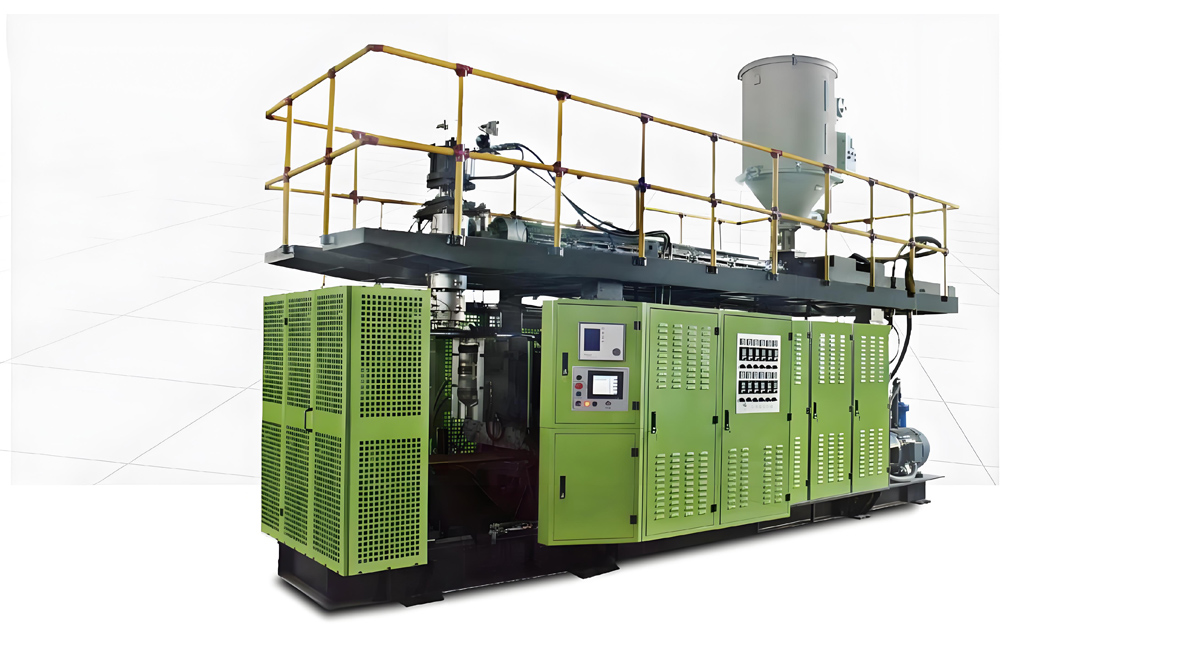
Apollo, une usine Wanplas, organise ses machines à soufflage et extrusion en dix séries et plus de quatre-vingt modèles, mais trois familles assurent la majeure partie de la production continuelle : la série ABLB pour les contenants standards de 200 ml à 20 L, la série ABLD pour les contenants lourde charge de 20 L à 1500 L, et la série entièrement électrique pour l'exploitation sans hydraulique, à haute efficacité énergétique, de 200 ml à 20 L. Chaque famille est construite autour de la même philosophie de fiabilité, mais ajustée à un profil de charge différent, à un ensemble de matériaux et à une gamme de tailles de contenants.
Toutes les machines Apollo traitent la même large gamme de résines : PE, PP, PVC, PA, PC, ABS, PS, EVA, TPU et PETG. Cette flexibilité des matériaux est importante pour les lignes continues, car de nombreuses usines fabriquent plusieurs produits sur la même machine, en passant d'un flacon de détergent à un shampoing, ou d'une jerrycan à breuvage à un réservoir d'eau. La possibilité de traiter de manière stable plusieurs matériaux sans une longue période de ré-adaptation est elle-même une forme de disponibilité opérationnelle, et Apollo conçoit l’unité de plastification et la tête de coupage pour récupérer rapidement les points de réglage après un changement de matériau ou de couleur.
Les trois séries principales sont décrites en détail ci-dessous, avec des tableaux complets de spécifications. Avant d'atteindre ces éléments, il est utile de mentionner la base commune de fiabilité : refroidissement forcé sur l'unité hydraulique, alimentation pneumatique redondante, automate programmable de diagnostic automatique avec historique des défauts, et cadre structurel conçu pour supporter une force de serrage constante. Ce ne sont pas des options. Elles sont le minimum requis pour toutes les machines d'extrusion et de soufflage à chaud Apollo destinées à fonctionner 24 heures sur 24, 7 jours sur
| Série | Gamme de contenants | modèles de la famille | Type de moteur | Charge typique | Idéal pour |
|---|---|---|---|---|---|
| ABLB Series | De 200 ml à 20 L | 8 types | Clame hydraulique, entraînement de l'extrudeur | Mode continu standard. | Bouteilles, bidons, petites fûts |
| Série ABLD | 20 l à 1500 l | 3 types | Hydraulique robuste | Intense et continu | Tambours, réservoirs, contenants gros |
| Tout électrique Series | De 200 ml à 20 L | Plusieurs | Entièrement électrique, sans hydraulique | Nettoyage continu | Lignes spécialisées pour l’industrie alimentaire, pharmaceutique et écologique. |
Séries ABLB (de 200 ml à 20 L) – moule soufflé par compression standard.
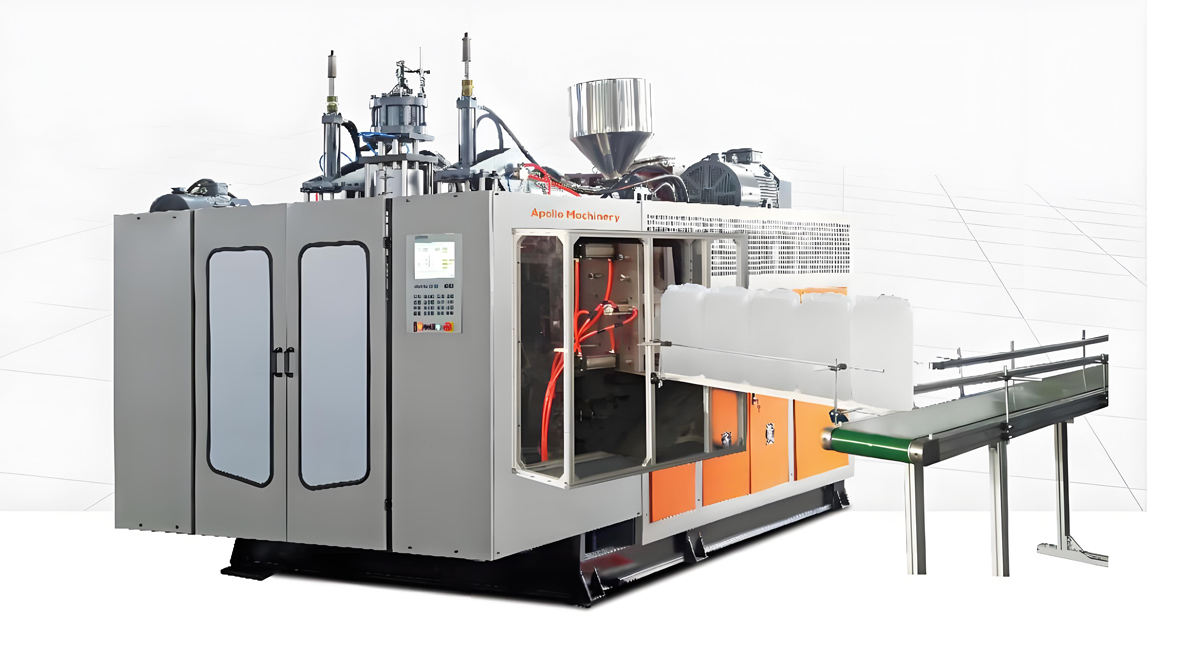
La Série ABLB est la force motrice de la gamme Apollo et le modèle le plus souvent choisie pour la production 24 h/24, 7 j/7 de bouteilles et de jerrycans de petite taille. Avec huit types couvrant les contenants de 200 ml à 20 l, elle couvre l'emballage creux le plus utilisé, qui remplit les rayons des supermarchés et des usines tout autant. La priorité en termes de conception pour le fonctionnement continu est une extrudeuse stable et une unité de serrage robuste capable de supporter des tonnages pendant des millions de cycles sans dérive.
Chaque type ABLB associe une unité de plastification à un seul vis avec une matrice continue ou à accumulation, en fonction de la taille du récipient, et un joint hydraulique adapté à la plaque de calibre. Ce vis a été conçu à l'aide d'un ordinateur pour une facilité d'entretien et une fusion stable, avec un ratio L/D sélectionné pour une plastification constante quel que soit le mélange HDPE, PP ou à base de matériau recyclé. Pour une bouteille HDPE de 1 L, une machine ABLB à une seule station permet un cycle constant qui se traduit par plusieurs centaines de bonnes bouteilles par heure, tandis que les configurations à plusieurs stations et à plusieurs cavités multiplient cette production pour les lignes à haut rendement.
Les machines ABLB constituent la solution idéale lorsqu'il ne s'agit pas de l'excellente taille des contenants, mais bien d'un volume stable et reproductible jour après jour. C'est pourquoi, dans l'article d'accompagnement traitant du changement rapide de moule pour les machines EBM, l'ABLB constitue la plateforme de référence en matière de grande flexibilité. Nous nous focalisons ici sur l'autre partie de l'histoire : une fois que le moule est installé, l'ABLB est conçu pour l'alimenter en continu, avec une intervention minimale.
| Paramètre | Petit (200 ml à 2 L) | Moyen (2 L à 5 L) | Large (5 L à 20 L) |
|---|---|---|---|
| Gamme de capacité des contenants | De 200 ml à 2 L | 2 L to 5 L | 1,5 L à 20 L |
| Diamètre de la vis de l’extrudeur. | 50 à 60 mm | De 65 à 75 mm | 80 à 90 mm |
| Rapport L/D de la vis | de 20 à 24 : 1 | de 20 à 24 : 1 | 22 à 25 : 1 |
| Nombre de stations | 1 à 4 | 1 to 3 | 1 à 2 |
| Force de fermeture / platen | Tonnage moyen, platine fixe | Capacité tonnique élevée, platine fixe. | Tonnage important, plaque impressionnante |
| Production typique (bouteille HDPE de 1 L) | Des centaines de bouteilles par heure par poste | rapporté au nombre de postes | Moins de pièces, mais de plus grandes, par heure |
| Matériaux processeables | PE, PP, PVC, PS, PETG, TPU | PE, PP, PVC, PS, PETG, TPU | PE, PP, PVC, PA, PC, ABS |
| Indice de charge en continu | Trois shifts 24 heures sur 24 | Trois shifts 24 heures sur 24 | Trois shifts 24 heures sur 24 |
La pince ABLB utilise une goulotte spacieuse et une barre de traction pour que les moules à plusieurs cavités soient bien alignés et conservent leur orientation pendant de longues séquences de production. L'alignement d'un moule est un élément important de la disponibilité : un moule non aligné creuse, fuie et, en fin de compte, engendre des défauts. En dimensionnant le cadre de la pince pour supporter une force continue et non une force maximale, Apollo maintient la goulotte à sa place pendant toute la durée de vie du moule.
Série ABLD (de 20 à 1500 litres) soufflage à charge lourde
Lorsque le récipient passe d'une bouteille à un cylindre, une gourde ou un réservoir de grandes dimensions, les conditions physiques varient. Les contenants de grande capacité exigent une quantité plus importante de matières fondantes, une force d'assemblage plus importante et une structure plus robuste. La série ABLD couvre les récipients de 20 L à 1500 L, dans trois types de grand format, et fournit la solution d'Apollo pour la fabrication continue d'articles creux industriels, dans lesquels un arrêt isolé peut entraîner la perte d'un chargement de produits chimiques en vrac ou l'interruption d'une commande de réservoir d'eau.
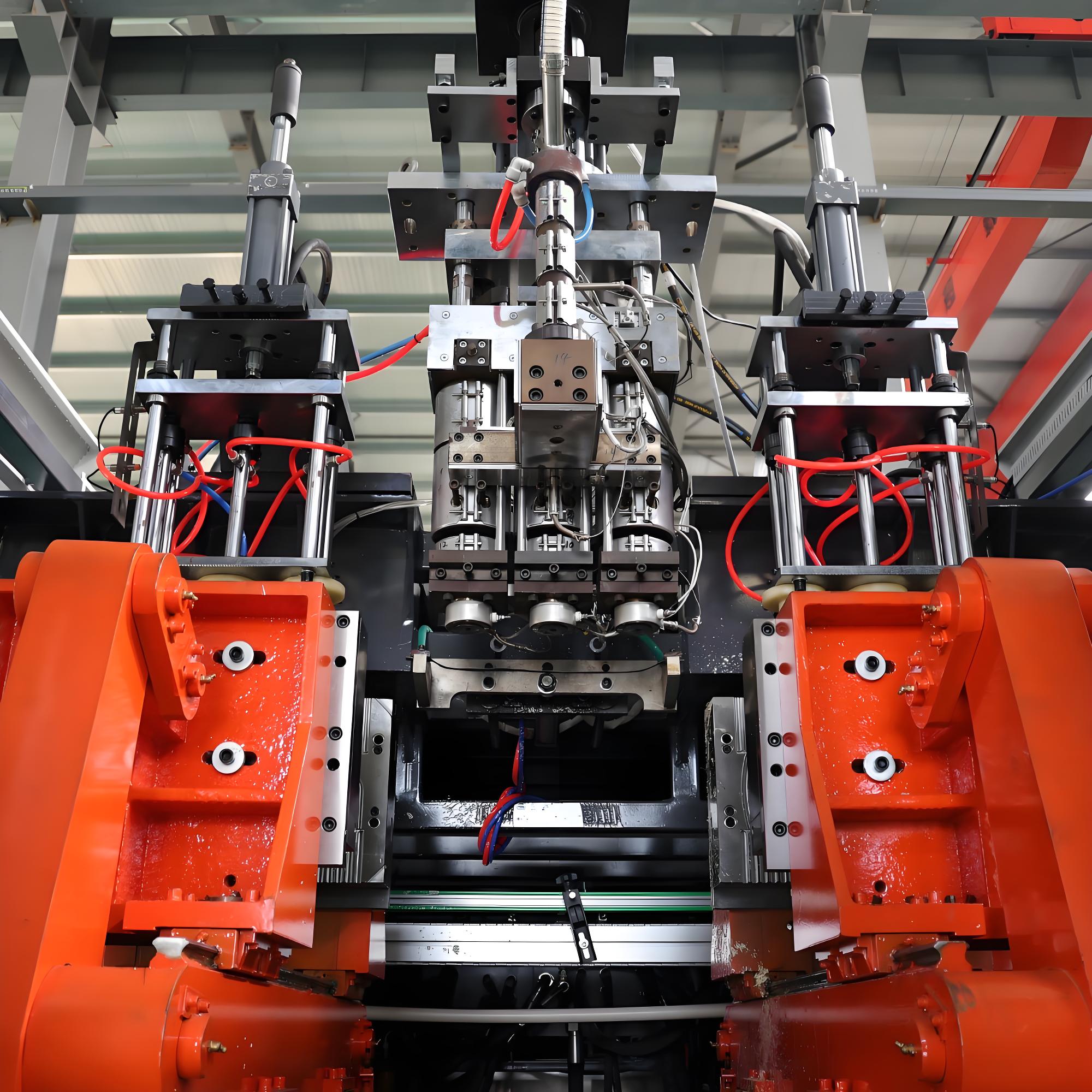
Les machines ABLD utilisent une tête d'extrudeuse à accumulation pour construire rapidement le grand parison et le placer dans le moule en un seul mouvement, ce qui évite l'écrasement du parison et l'amincissement des parois sur les contenants hauts. Le système hydraulique est surdimensionné pour la pince plus lourde et l'unité de plastification plus grande, et la structure a été construée pour absorber la charge de réaction continue du moulage de grande taille. Pour un service 24 heures sur 24, 7 jours sur 7, l'accumulateur et la pince sont les deux composants qui déterminent la fiabilité, et les deux sont spécifiés avec une marge continue plutôt qu'une marge de pointe.
Le concept de"système de poids lourd"ne signifie pas"fonctionnement lent". Une ligne ABLD bien réglée pour les gamelles de 200 litres effectue un cycle continu et multiséances pendant de nombreuses minutes, et l'usine est pensée autour de ce cycle, car il est prévisible. La prévisibilité est le cœur du taux d'activité : lorsque le temps de cycle est stable, toutes les phases suivantes de remplissage, d'étiquetage et de palettisation restent synchronisées, et l'ensemble de la chaîne logistique fonctionne sans accumulateurs.
| Paramètre | de 20 L à 60 L | 60 L à 220 L | 220 L à 1500 L |
|---|---|---|---|
| Gamme de capacité des contenants | de 20 L à 60 L | 60 L à 220 L | 220 L à 1500 L |
| Diamètre de la vis de l’extrudeur. | 90 à 100 mm | 100 à 120 mm | 120 à 150 mm |
| Type de bloc d'injection | Accumulateur continu. | Accumulator | Accumulateur de grande capacité. |
| Force de fermeture / platen | Tonnage élevé | Tonnage très élevé, plaque plate très large. | Tonnage maximal, platine extra-large |
| Nombre de stations | 1 à 2 | 1 | 1 |
| rendement typique | Tambours réguliers par heure | Tambours réguliers par heure | Réservoirs constants par tranche |
| Matériaux processeables | PE, PP | Grades PE, PP, XLPE | PE, PP, grades technologiques |
| Indice de charge en continu | Trois shifts 24 heures sur 24 | Trois shifts 24 heures sur 24 | Trois shifts 24 heures sur 24 |
Pour les usines produisant à la fois des bouteilles et de laiton, les familles ABLB et ABLD partageant la logique de contrôle et les conventions HMI, une opérateur formé sur l'une d'entre elles peut passer à l'autre avec un apprentissage minimal. Cette cohérence transfamiliale représente un avantage de disponibilité dans les usines à lignes multiples où la flexibilité du personnel permet de pourvoir chacun des postes tout au long du remplacement des services.
Série entièrement électrique (200 ml à 20 L) sans hydraulique et à faible consommation d'énergie
La série entièrement électrique propose la même gamme de volumes, de 200 ml à 20 litres, que la série ABLB, mais sans système hydraulique. Elle est dotée d'un dispositif de serrage servo-électrique et d'un système de transfert entièrement électrique. Pour les lignes de production 24 heures sur 24, ce système change sensiblement la documentation de fiabilité. D'une part, il n'y a pas d'huile hydraulique à chauffer, à filtrer ou à exposer à des dégradations, ce qui élimine plusieurs classes de modes de défaillance et une tâche de maintenance récurrente. D'autre part, les besoins en énergie sont réduits, car le mouvement ne consomme de l'énergie que lorsqu'il se déplace et il n'y a pas de charge constante sur la pompe hydraulique.
Le fonctionnement sans hydraulique est particulièrement attrayant pour les lignes de fabrication de denrées alimentaires, de produits pharmaceutiques et ayant des exigences environnementales élevées, où la formation de brouillard d'huile et les fuites potentielles sont inacceptables dans une zone de production propre. En éliminant l'unité de puissance hydraulique, la série entièrement électrique fonctionne également plus froidement et plus silencieusement, ce qui contribue à améliorer l'environnement de l'usine environnante lors d'une exploitation à trois services. Il s'agit d'une tranche de coûts d'acquisition initiale plus élevée, que le groupe Wanplas appelle Produit de première classe plutôt que figure d'argent spécifique, contre lequel il compte des dépenses d'énergie et d'entretien inférieures au cours de la durée de vie.
Du point de vue de la stabilité, la vis télescopique servo-électrique conserve sa position avec un retour en boucle fermée, de manière à ce que le tonnage de la vis ne diminue pas comme la température de l'huile le ferait dans un système hydraulique. Ce tonnage constant protège l'épaisseur de la paroi et le contrôle de la vaporisation pendant toute la durée d'exploitation 24 heures sur 24, sept jours sur sept. Pour les installations où le coût de l'énergie et une exploitation propre comptent toujours autant que l'exploitation continue, la Série entièrement électrique est la plateforme destinée au service continu recommandée.
| Paramètre | Entièrement électrique (200 ml à 20 L) |
|---|---|
| Gamme de capacité des contenants | De 200 ml à 20 L |
| type de convoyeur | Completement électrique, sans système hydraulique |
| Mouvement de la pince | Tonnage servo-électrique en boucle fermée |
| Diamètre de la vis de l’extrudeur. | 50 à 90 mm par modèle |
| Rapport L/D de la vis | de 20 à 24 : 1 |
| Profil d'énergie | Lignes à basse et moyenne pression versus lignes hydrauliques |
| Charge de maintenance | Réduction des interventions sur l'huile hydraulique |
| Meilleure application | Industries alimentaire, pharmaceutique, éco-lignes, salles propres |
| Indice de charge en continu | Trois shifts 24 heures sur 24 |
Engineering for Stability: How Machines Apollo Run 24/7
La stabilité de l'équipement sous une charge continue est le résultat de nombreuses petites décisions, et Apollo prend ces décisions selon les mêmes principes pour toute la gamme. Les quatre piliers sont le puissance fluide redundante, le comportement thermique contrôlé, le diagnostic automatique et un rythme de maintenance qui empêche les pannes avant qu'elles ne se produisent. Chacun d'entre eux est décrit ci-dessous.
Conception hydraulique et pneumatique redondante
Sur les machines hydrauliques, Apollo construit l'unité de puissance avec des pompes redondantes et des circuits parallèles afin qu'une anomalie d'une seule pompe ne mette pas la ligne hors service. Dans le système pneumatique, qui actionne les poignées d'injection, le refroidissement et les mouvements auxiliaires, on dispose d'une configuration à double approvisionnement avec des tampons de secours, de sorte qu'une forte chute de la pression de l'air ne provoque pas d'interruption du cycle. La redondance ici n'est pas un luxe ; c'est la meilleure assurance contre la cause la plus courante des arrêts non programmés, à savoir la défaillance d'un seul point de réseau.
Gestion thermique pour une fusion stable
La soufflage stable nécessite un parison stable, et un parison stable nécessite une température de fusion stable. Apollo impose un refroidissement sur l'unité d'énergie hydraulique et utilise un contrôle de la température de la cuve zonnée avec une régulation en boucle fermée afin que la fusion reste dans la fenêtre visée, même lorsque la température ambiante de l'usine varie entre les shifts de jour et de nuit. La tête de moule et l'accumulateur sont contrôlés en température pour éviter les zones froides qui provoquent des fuites faibles. La gestion thermique est la raison pour laquelle une machine Apollo peut conserver le même poids et le même profil mural de la bouteille à 3 heures du matin que le matin à 10 heures.
Autodiagnostic et historique des pannes
Chaque machine Apollo fonctionne sur un PLC avec un HMI qui enregistre l'historique des pannes, les comptages de cycle et les valeurs essentielles du processus. Lorsque quelque chose se détériore, le contrôle le signale avant qu'il ne devienne un arrêt. Les diagnostics automatiques couvrent la défaillance des bandes chauffantes, l'écart de pression de fusion, l'erreur de position des pinces, et la perte de débit de refroidissement. L'historique des pannes permet à un ingénieur d'analyser la tendance lors d'une visite, plutôt que de deviner à partir d'un seul signal d'alerte, ce qui raccourcit le temps de réparation et évite les récurrences de pannes.
Durée moyenne entre la défaillance et la maintenance programmée
Le temps moyen entre les pannes chez les lignes en continu de Apollo est déterminé par les pièces d'usure : joints, bandes chauffantes, filtres et bushings de la queue d'injection. Avec un entretien programmé correct, l'intervalle de maintenance principal est de l'ordre de 4 000 heures d'utilisation, ce qui, avec une exploitation 24 heures sur 24 et 7 jours sur 7 équivaut à environ sept mois de fonctionnement continu entre les arrêts programmés. L'entretien mineur, comprenant d'autres activités comme la lubrification, le remplacement des filtres et l'inspection, intervient de façon plus fréquente et est conçu pour être effectué pendant les périodes d'arrêt programmées de la ligne plutôt qu'à la suite d'arrêts d'urgence. C'est le respect d'un entretien programmé qui transforme une bonne machine en une machine fiable.
| Facteur de conception | Ce que Apollo fait | Efficacité de fonctionnement en continu. |
|---|---|---|
| Redondance hydraulique | Pompes parallèles et circuits | Une panne d'une seule pompe n'a plus d'effet sur la ligne |
| Rédundance pneumatique | Alimentation double avec tampons | Boisson à l'air sous vide ne cause plus de dysfonctionnement de cycle |
| Contrôle thermique | Réfrigération forcée, contrôle zonné du tuyau | Fusion stable et épaisseur de paroi constante |
| Autodiagnostique | Historique des défaillances du PLC et indicateurs de tendance | Correction d'un modèle de production avant que l'arrêt ne se produise. |
| Maintenance prévue | Entretien de fond à ~4 000 heures | Arrêts prévisibles, pas de surprises |
| Cadre et pince | Classification des lots en continu. | L'alignement est maintenu au cours de la durée de vie du moule |
Prévention des pannes et autodiagnostics Apollo, une usine Wanplas qui bénéficie de plus de 20 années d'expérience, de plus de 80 modèles répartis dans dix séries et de plus de 4 000 ensembles utilisés dans plus de 90 pays, incarne ce concept dans les séries ABLB pour des récipients de 200 ml à 20 l et la série ABLD pour des récipients industriels de 20 l à 1500 l. La même logique de changement rapide s'applique à une bouteille cosmétique à quatre cavités et à un baril de produits chimiques à une cavité, ce qui permet à un fabricant de standardiser une équipe, une réserve de pièces de rechange et un enseignant d'outils fixes pour l'ensemble de sa gamme de produits.
Tête de l'accumulateur, serre à grande masse
La première couche est relative à la prévention des pannes. En supprimant les points de défaillance uniques dans le domaine de l'énergie hydraulique, en dimensionnant la structure pour ofrecer une force de serrage continue et en utilisant une géométrie de vis à auto-nettoyage, Apollo élimine les pannes qui apparaissaient auparavant après quelques centaines d'heures. La deuxième couche concerne la surveillance. Le PLC surveille le temps du cycle, la pression de fusion et les températures des zones, tandis que l'écran HMI affiche les écarts par rapport à la recette. Le bandeau de chauffage qui perd de sa puissance, par exemple, apparaît sous forme d'un écart de température bien avant que la bouteille ne soit endommagée, afin que l'usine puisse planifier la réparation lors d'une période planifiée.
La troisième couche est la relation de service. Parce que Apollo trace le statut d'utilisation et effectue des visites inopinées chez les clients, les données de tendance arrivent chez un ingénieur qui peut les analyser et proposer des actions. C'est ici que le modèle du groupe Wanplas est utile : une usine spécialisée sur un type de machine développe une connaissance approfondie de la façon dont ses machines vieillissent, et cette connaissance est appliquée à votre ligne avant qu'une panne interrompe la production.
Un arrêt inattendu est un échec de prévention, et non de la pièce. Apollo conçoit la machine de sorte que la pièce soit la dernière à tomber en panne et que la tendance soit la première à signaler un problème.
Pour les installations exploitant plusieurs lignes Apollo, le même HMI et le même format de données pour les familles ABLB, ABLD et entièrement électriques signifie qu'une seule routine de surveillance couvre l'ensemble de l'usine. Cette cohérence réduit le seuil de compétence pour la nuit et réduit le délai entre un avertissement et un correctif.
Secteurs d’application and ABLB, ABLD
Les machines d'extrusion et de moulage par soufflage d'Apollo servent un large éventail d'industries, et c'est la conception à charge constante qui leur permet de se conformer à chacune d'entre elles. Le profil de l'entreprise mentionne les secteurs de l'alimentation et des boissons, des produits chimiques de consommation courante, de l'industrie chimique, des matériaux de construction, du secteur médical et pharmaceutique, de la production automobile, du transport, du secteur culturel et sportif comme domaines d'application principaux. Chacun correspond à des produits fini concrets que la ligne 24 heures sur 24, 7 jours sur 7 doit remplir sans faille.
- Aliments et boissons– Bouteilles d'eau, bouteilles d'huile comestible, contenants de sauces et bouteilles de lait, où un approvisionnement fiable de qualité alimentaire permet de respecter le programme de remplissage.
- Produits chimiques quotidiens.- Bouteilles de détergent, de shampoing et conditionneur, de lotion et contenants de nettoyant produits en haute quantité pour la grande distribution.
- Industrie chimiqueBacs de stockage de produits chimiques, jerrycans sécurisés et récipients possédant un contenu agressif à ne pas laisser échapper.
- Matériel de constructionProduits finis en béton
- Médical et pharmaceutique– Bouteilles médicales et conteneurs pharmaceutiques où une coquille solide et propre assure l'intégrité du produit.
- Production d’automobiles— Bouteilles de liquide de lavage du pare-brise, récipients de liquide de refroidissement et composants de conduits moulés pour la chaîne d'approvisionnement automobile.
- Transport- contenants de carburant et de fluide, et jerrycans de transport en vrac pour les applications logistiques et marines.
- Culture et sports— corps de jouets gonflables, flotteurs d'équipement sportif et structures de jouets creux produites pour le marché des consommateurs.
Les produits finaux en béton jouent un rôle important dans la discussion sur la disponibilité des machines, car chacun d'entre eux exige un niveau de qualité particulier. Une bouteille pharmaceutique qui fuit ne répond pas aux mêmes exigences qu'un jouet, mais les deux défectuosités interrompent l'expédition. Apollo adapte la machine et la tête de moule au produit, de façon à ce que la même philosophie de stabilité s'applique à une bouteille alimentaire et à un fût chimique, avec des contrôles adaptés à chaque matière et à chaque besoin en matière de certification. Pour les contacts alimentaires et pharmaceutiques, les normes pertinentes, telles que la FDA et l'UE 10/2011, sont remplies par les pratiques en matière de matériaux et de nettoyage, et les machines sont conçues pour répondre à ces exigences sans la nécessité de réaménagement.
| Industrie | Recommended Series | ABLB, ABLD |
|---|---|---|
| Aliments et boissons | ABLB, Tout électrique | Bouteilles d'eau, d'huile, de sauce et de lait |
| Chimique quotidien | ABLB, Tout électrique | Bouteilles de détergent, de shampoing et de lotion |
| Chimie | ABLD, ABLB | Bacs, jerrycans, réservoirs d'agent |
| Matériel de construction | ABLD, ABLB | Bacs adhésifs, tambours de collage. |
| Médical et pharmaceutique | Entièrement électrique, ABLB. | Bouteilles médicales, récipients pharmaceutiques. |
| Automobile | ABLB, ABLD | Bouteilles à essorer, réservoirs, conduits |
| Transport | ABLD | Gobelets de carburant, de fluide et de voitures pleines |
| Culture et sports | ABLB | Jouets, flotteurs, structures creux |
La garantie de support d'Apollo, qui permet de maintenir les lignes en service
Une machine stable n'est que la moitié de l'histoire. L'autre moitié est la promesse qui va avec, et Apollo, en tant que usine Wanplas, accompagne chaque ligne continue d'une garantie de soutien conçue pour maintenir la production en marche. Les garanties sont concrètes, écrites et partagées à travers le groupe Wanplas afin que le client sache exactement ce qu'il peut attendre.
Installation et mise en service par un ingénieur sur site
Chaque machine Apollo est installée et mise en service par un ingénieur Apollo sur site. Cet ingénieur effectue des essais de production sur le moule et le matériau du client, vérifie la production réalisée et forme les opérateurs avant de partir. Cette seule étape évite le type d'arrêt le plus coûteux : celui qui est provoqué par une ligne qui n'a jamais été correctement configurée. La mise en service comprend la vérification du temps de cycle, de l'épaisseur des parois et des éclaboussures, afin que la ligne démarre au bon niveau d'origine.
Suivi de l'utilisation et visites irrégulières des clients.
Apollo enregistre le statut d'utilisation des machines installées et effectue de fréquentes visites chez ses clients afin d'examiner les données de l'état et de la tendance. Devant l'enregistrement des nombres de cycles et des pannes par le PLC, le technicien peut analyser l'usure avant qu'elle entraîne une défaillance et proposer des interventions englobées dans un intervalle programmé. Il s'agit d'une maintenance proactive offrant un service et non d'une réparation réactionnelle après une panne.
Inspection des machines à l'usine
— Bacs d'adhésif, tambours de collant et réservoirs de produit chimique à base de mousse utilisés sur des sites de construction.
USD 500 Free Parts Per Year
Dans le cadre de l’engagement du groupe Wanplas, chaque client Apollo reçoit 500 USD de pièces gratuites par an. Cela couvre les éléments d’usure de routine qui maintiennent une ligne de production 24 heures sur 24 et 7 jours sur 7 en bon état : joints, bandes de chauffage, filtres, joints de poignées de soufflage et consommables similaires. Les pièces endommagées en vertu de la garantie sont remplacées gratuitement. Ce crédit de pièces gratuites signifie que les petites interventions de maintenance prévisibles ne sont jamais retardées par une commande d’acquisition, ce qui est exactement ce qui fait que les petits retards se transforment en arrêts de production.
Garantie de transport
La garantie de transport couvre l'acheminement de la machine complète et intacte au client. Une ligne arrivée en panne ou avec des pièces manquantes constitue une interruption avant même le début de la production, et Apollo considère que l'acheminement en toute sécurité est une partie de sa promesse de fiabilité, et non un risque de logistique distinct.
Garantie de capacité de production
Apollo garantit que la machine livrée répond à la capacité de production ordonnée. Si la ligne ne parvient pas à atteindre le niveau de production convenu en fonctionnement stable, cela constitue un échec de la fourniture, et non le problème du client à assumer. Cette garantie fait correspondre les incitations de l'usine à l'objectif de disponibilité de l'acheteur : Apollo n'est un succès que lorsque la ligne atteint ses objectifs.
Garantie de la norme de qualité.
Si une machine livrée ne répond pas aux normes de qualité convenues, Apollo rembourse l'achat, ainsi que 10 % de pénalité, conformément à la garantie de qualité du groupe Wanplas. Cette garantie, combinée aux garanties de transport et de capacité, fournit à l'acheteur un solide réseau de sécurité : la machine arrive, elle fonctionne, et elle satisfait aux normes, ou le client est intégralement remboursé. Tel est l'assurance qu'un site de production constant 24 heures sur 24 doit offrir avant de mettre en place une production sur le long terme.
Guide de sélection : échelle de production pour le modèle Apollo recommandé
Pour choisir le bon modèle Apollo pour une production continue, il faut commencer par les dimensions du conteneur et le volume quotidien, puis prendre en compte les besoins en matière de matériel et de salle propre. Le tableau ci-dessous indique les échelles de production courantes et les séries recommandées. Pourquoi ? Parce que Apollo propose dix séries et plus de quatre-vingts modèles, il est possible de condenser la recommandation à un type spécifique et au nombre de cavités lors de la configuration.
| Échelle de production | Taille du contenant | Recommended Series | Why |
|---|---|---|---|
| Démarrage de petite taille, en une seule étape | 200 ml à 5 L | ABLB Series | Entrée le plus basse, fondation continue stable |
| Flacons à grande capacité | De 200 ml à 20 L | ABLB ou entièrement électrique | Baisse d'ape à plusieurs postes, électrique pour les lignes propres. |
| Alimentation ou focus pharmaceutique. | De 200 ml à 20 L | Tout électrique Series | Pas de huile hydraulique, tonnage stable. |
| Les tambours industriels | 20 L à 220 L | Série ABLD | Échelle de production |
| Bulk tanks | 220 L à 1500 L | Série ABLD | Plaquettes et porte-colliers les plus grands |
| Bidon et tambour mélangés | 200 ml à 1500 L | ABLB + ABLD | HMI partagé, main d'oeuvre flexible |
Le choix ne consiste pas seulement à choisir la machine capable de produire le contenant. Il consiste à choisir la machine capable de le produire en continu au volume requis, avec la main-d'œuvre disponible et les normes de nettoyage appliquées. Pour la plupart des lignes de flacons, la famille ABLB ou Fully électrique est la solution adaptée ; pour tout réservoir ou bassine de plus de 20 L, la famille ABLD est le choix adapté pour les opérations continues. Les ingénieurs d'Apollo aident à finaliser le nombre de cavités et le nombre de postes de façon à ce que la capacité commandée corresponde au plan de fonctionnement effectif.
Opération en plusieurs poteaux et étalement de la capacité
L'exploitation en trois services est la norme pour une ligne automatique Apollo, et non un cas extrême. La machine est conçue pour cela, l'intervalle de maintenance l'assume et la garantie d'assistance la couvre. Le parcours pratique d'une nouvelle ligne vers une production continue 24 heures sur 24 comporte quatre étapes : la mise en service avec l'ingénieur Apollo, une période d'étalonnage en un service pour valider les intervalles de processus, une période d'adaptation en deux services pendant laquelle les travailleurs sont formés, et enfin une exploitation continue en trois services.
L'adaptation de la capacité suit la même logique que le choix. Une usine qui dépasse la capacité d'une seule ligne ABLB ajoute une deuxième ligne ou se dote de plus de stations et de cavités sur un type plus large. Une usine qui passe des bouteilles aux barils ajoute une ligne ABLD. Puisque toutes les familles partagent les mêmes conventions de contrôle, l'ajout d'une ligne ne constitue pas un nouveau choc d'apprentissage, et la routine de surveillance reste la même. La garantie de production s'applique à chaque ligne commandée, ce qui rend l'adaptation prévisible au lieu d'expérimentale.
Pour les usines planifiant une croissance rapide, la capacité de production annuelle de 100 ensembles d'Apollo et son usine de 8 000 mètres carrés à Zhangjiagang permettent de gérer les délais de livraison et le volume pour les lancements de la flotte. La politique d'usine ouverte permet à un client en croissance de suivre la construction de plusieurs lignes en même temps et de synchroniser la livraison avec la préparation de son site. Cette coordination entre la construction du site du client et le calendrier d'usine d'Apollo constitue un élément important, mais discret, pour assembler rapidement les nouvelles capacités.
Questions les plus fréquemment posées
Les machines à extrusion soufflage Apollo peuvent-elles fonctionner 24 heures sur 24 sans s'arrêter ?
Oui. Les machines Apollo d'extrusion et de moulage par soufflement sont conçues pour fonctionner en trois services consécutifs. Les circuits hydrauliques et pneumatiques redondants, la gestion thermique forcée et le contrôle de diagnostic automatique minimisent les arrêts imprevus. Avec un intervalle d'entretien planifié d'environ 4 000 heures de fonctionnement pour une réparation majeure, une seule machine peut fonctionner en continu pendant de nombreux mois entre chaque arrêt prévu.
Quelles pièces de rechange sont comprises dans la garantie de support ?
Chaque client Apollo reçoit 500 USD de pièces gratuites par an dans le cadre de l’engagement du groupe Wanplas, pour couvrir les éléments d’usure comme les joints, les éléments chauffants, les filtres et les consommables de routine. Les pièces endommagées en vertu de la garantie sont remplacées gratuitement, et Apollo suit l'état d’utilisation pour envoyer la pièce appropriée avant qu’une défaillance ne perturbe la ligne.
Apollo propose-t-il la surveillance à distance pour les lignes continues ?
Oui. Apollo conserve le détail de l'état d'utilisation via le PLC et l'HMI de la machine, et les ingénieurs peuvent consulter les données d'exploitation et l'historique des pannes lors de visites indésirables des clients ou de sessions de révision à distance. Cela permet de corriger les tendances anormales avant qu'elles ne provoquent des interruptions, ce qui est au cœur de la prévention des pannes sur une ligne à 24/7.
Que promet réellement la norme de qualité ?
Si une machine livrée ne respecte pas les normes de qualité convenues, Apollo rembourse les sommes engagées ainsi qu'un dédommagement de 10 %, dans le cadre de la promesse de qualité du groupe Wanplas. Cette garantie vient compléter celle transport et celle de la capacité de production, garantissant ainsi à l'acheteur une protection complète.
Les machines Apollo sont-elles adaptées à un fonctionnement en plusieurs shifts dès le premier jour ?
Oui. Apollo installe et met en service chaque machine sur site avec un ingénieur, exécute des essais de production et forme les opérateurs. Les machines sont conçues pour fonctionner en trois services, de façon à ce que la nouvelle ligne puisse passer directement en production vingt-quatre heures sur vingt-quatre après la mise en service et la validation des intervalles de processus.
Comment puis-je adapter la capacité à l'augmentation de ma demande ?
Apollo propose dix séries comprenant plus de quatre-vingts modèles dans les familles ABLB, ABLD et entièrement électriques, ce qui permet d'augmenter la capacité en ajoutant des stations ou en passant à une série plus grande. La garantie de capacité de production confirme la production commandée, et Apollo aide à planifier le passage du service à une seule boucle au fonctionnement 24 heures sur 24, sans avoir à réapprendre le système de contrôle.
Quel modèle Apollo correspond à une ligne de production de bouteilles en volume élevé ouverte 24 heures sur 24 ?
Pour les bouteilles de 200 ml à 20 L à volume élevé, les séries ABLB ou la série entièrement électrique sont les choix standard. Pour les godets de 20 L à 1500 L, ainsi que les tonneaux et réservoirs, la série de grande puissance ABLD est conçue pour le moulage par soufflage à grandes dimensions en continu, avec une tête de découpe à accumulation et un système de serrage renforcé.
Conclusion et étapes suivantes
Une production stable et continuelle est la spécification définitive de la fabrication moderne de produits plastiques creux, et Apollo, une usine Wanplas, conçoit ses machines à extrusion-soufflage autour de cette exigence, depuis les premiers croquis de conception jusqu'aux tests finaux en usine. Les circuits hydrauliques et pneumatiques redundants, le comportement thermique contrôlé, le contrôle par PLC avec autodiagnostics et un rythme de maintenance planifié de l'ordre de 4 000 heures de fonctionnement sans arrêts entre les interventions principales permettent aux familles ABLB, ABLD et entièrement électriques de fonctionner en trois services par jour en toute confiance. Dans plus de 4 000 unités installés dans plus de 90 pays et avec plus de 20 années d'expérience spécialisée, ce concept de fiabilité est éprouvé dans des usines de production alimentaire, chimique, pharmaceutique, automobile et de matériaux de construction.
La machine est seulement la moitié de la promesse. La garantie d'assistance d'Apollo, l'installation sur site, le suivi de l'utilisation, les visites non régulières des clients, l'inspection de l'usine, les pièces gratuites de 500 USD par an, la garantie de transport, la garantie de capacité de production et la garantie d'un niveau de qualité avec remboursement plus un dédomagagement de 10 %, éliminent le risque opérationnel qui rend les responsables d'usine nerveux. L'ingénierie et la garantie fonctionnent ensemble pour que c'est l'ensemble de la ligne et non la machine qui décide de l'arrêt.
Si vous planifiez une ligne de coulage sous pression continue, envoyez à Apollo les dimensions de vos conteneurs, le volume cible par jour et la liste des matériaux. L'équipe d'Apollo configurera le bon modèle ABLB, ABLD, ou entièrement électrique, vous confirmera la capacité par écrit et vous invitera à la fabrique de Zhangjiagang pour voir le test avant l'expédition. C'est ainsi qu'une ligne 24/7 devrait commencer : éprouvée, garantie et prête à fonctionner.