12L-Doppelkopf-Extrudierensblasinstrument: Erhöhte Auslastung für kleine Trommelbehälter für landwirtschaftliche Pestizide
Apollo is a Wanplas factory Basisd in Zhangjiagang near Shanghai., and for more than twenty years it has specialized in automatic Extrudierensblasmaschinens built for hollow plastic Produkte ranging from a few hundred milliliters up to large industrial containers. With an 8,000 square meter production Basis, an annual manufacturing capacity of around one hundred machine sets, and over four thousand machines running across more than ninety countries, Apollo has become a reference point for producers who need reliable, high-output blow Werkzeuging lines. This article focuses on a specific and increasingly demanded configuration: the 12L double head extrusion blow Werkzeuger, and explains why it is an excellent match for farm pesticide small drums. We look at the technology, the material science, the productivity math, the selection logic, and the service backbone that Wanplas and Apollo provide together, so that a buyer can move from a vague capacity goal to a concrete, defensible machine specification.
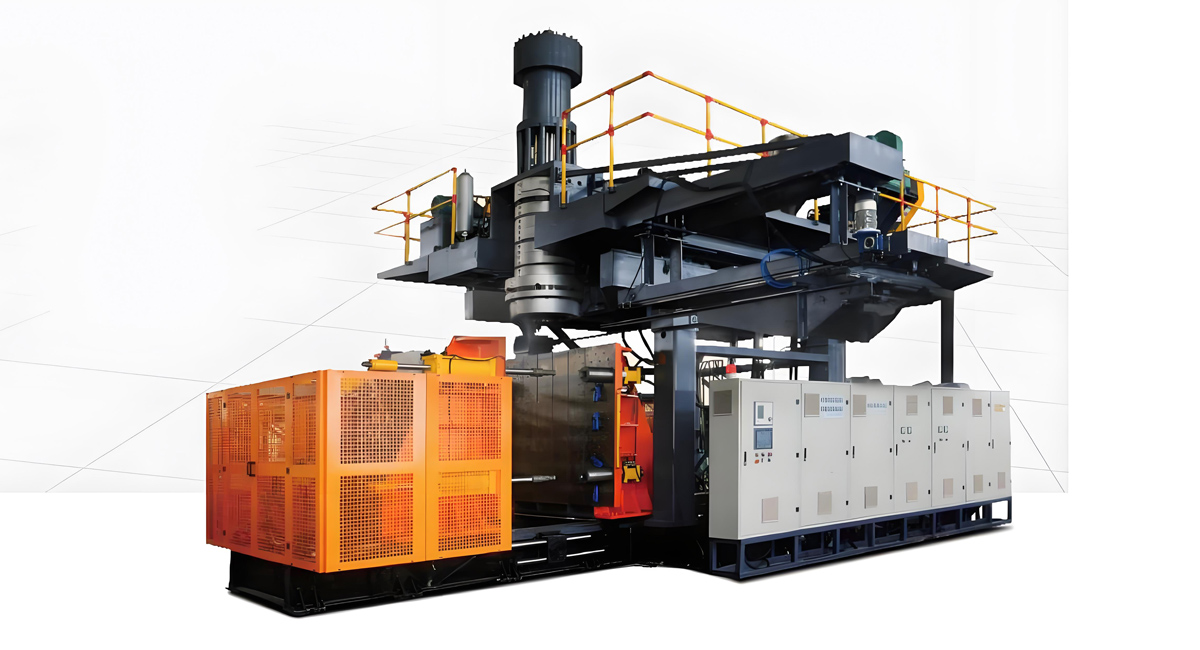
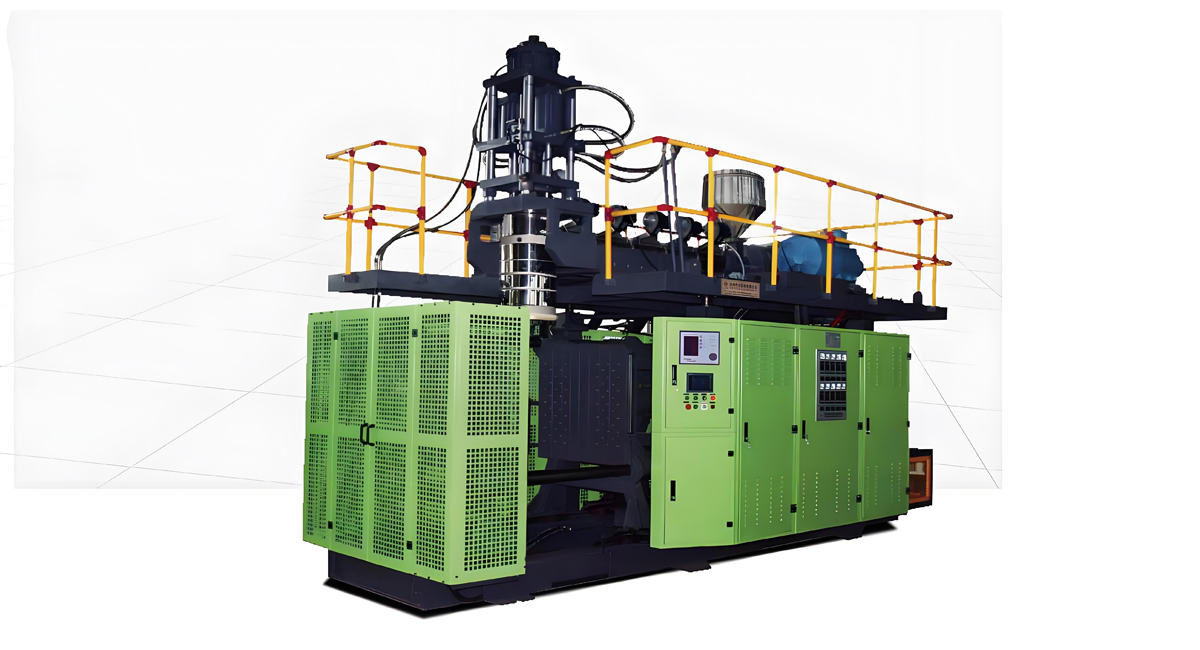
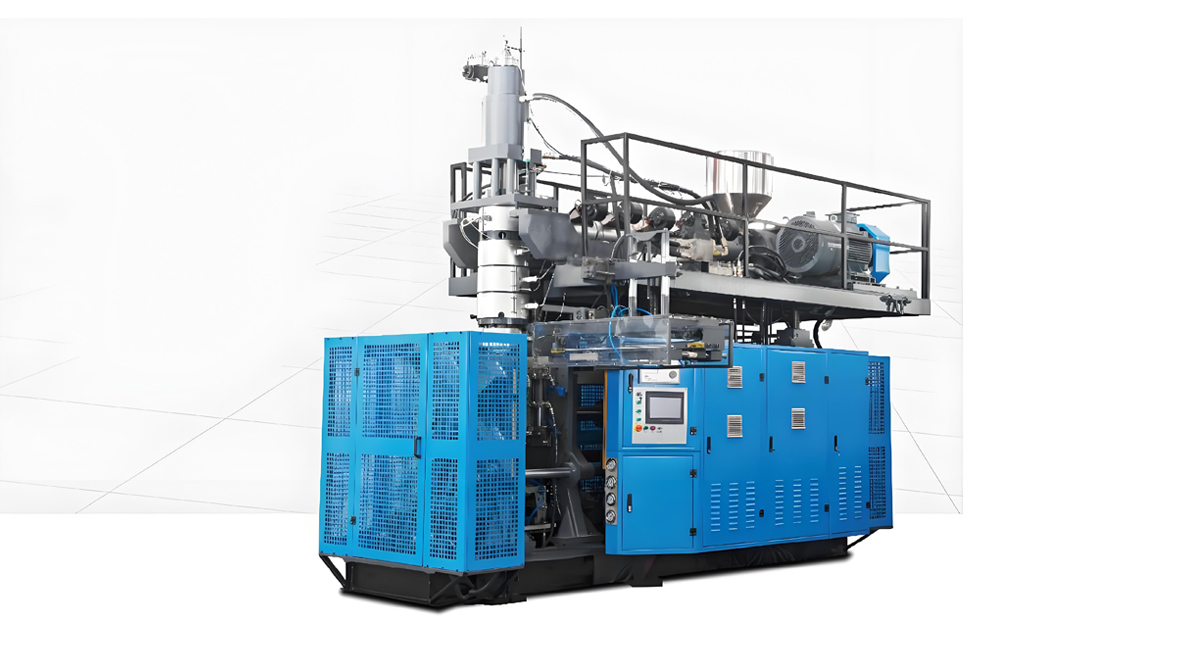
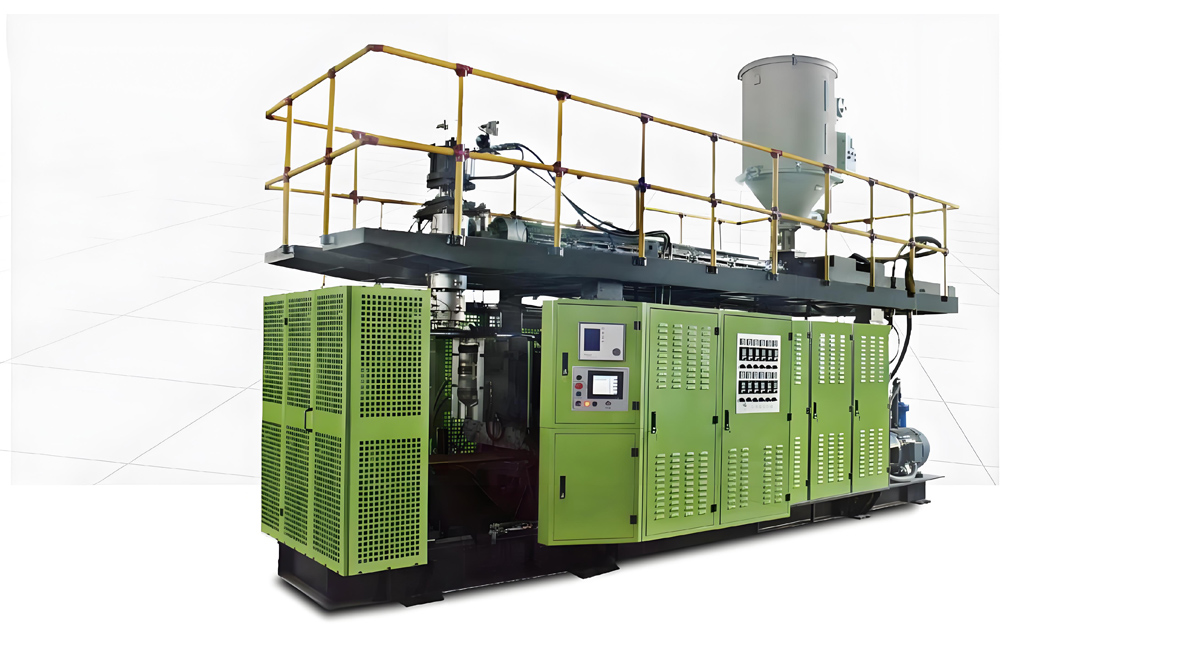
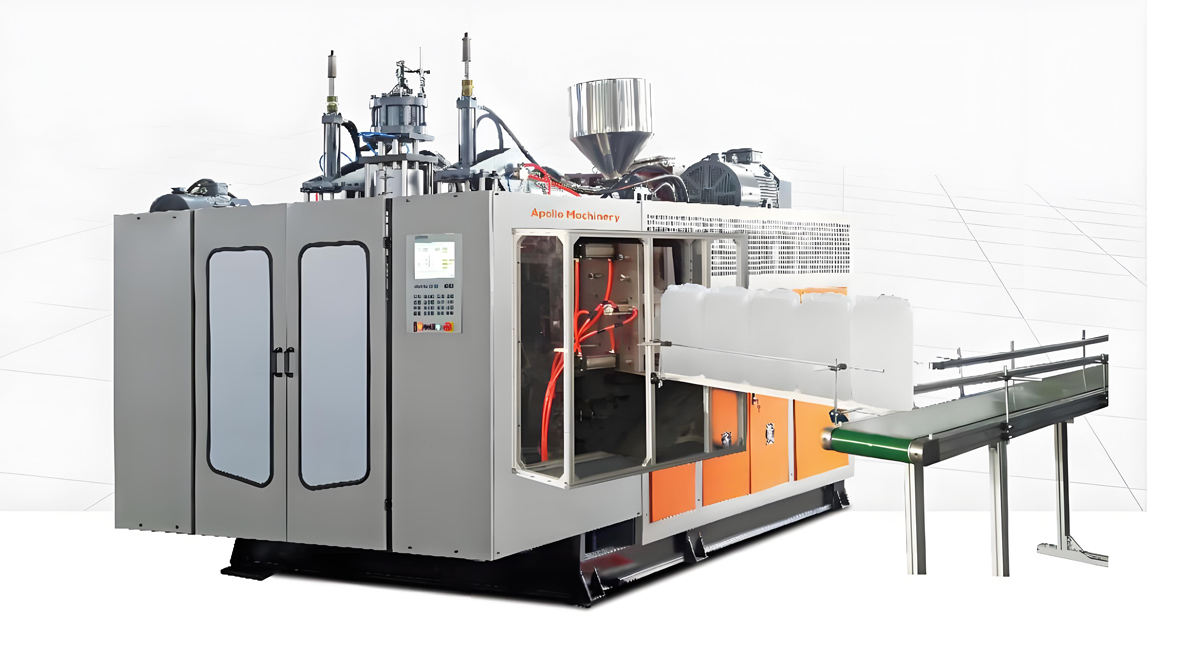
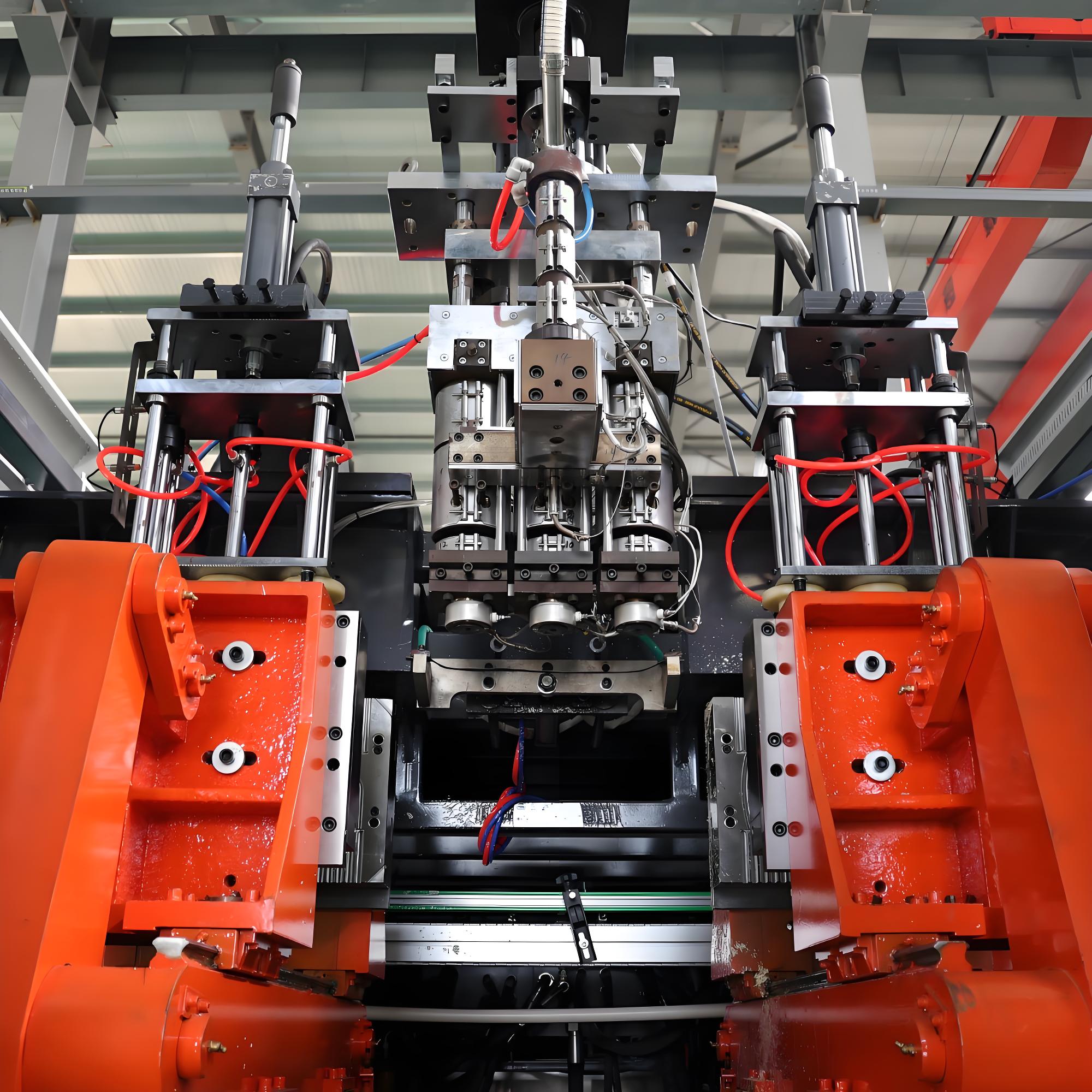
Was eine Doppelkopf-Extrudierensblasformmaschine eigentlich tut Eine Extrudierensblasformmaschine bildet ein hohles Teil, indem sie zunächst ein geschmolzenes Plastikrohr – den Paragon – ausgießt, diesen Paragon dann in einer splitten Form fängt und ihn schließlich mit Druckluft auflüstet, sodass sich das Werkstoff dehnt und der kalte Formkanal nachbildet. Die Beschreibung „Doppelkopf“ bezieht sich auf die Düsenkopfanordnung: Statt einer einzelnen Düsenkopfstelle für eine Paragonprogrammierung verfügt die Maschine über zwei unabhängige Düsenköpfe, die nach eigenem Zeitplan einen Paragon extrudieren können. In der Praxis ermöglicht das die parallelzeitige Herstellung von zwei Paragons, entweder als zwei separate große Teile oder als gleichseitige Mehrfachkavitäten, was den Produktionsfluss im Vergleich zu einem Eckenkopfmodell mit einer Maschine-Zyklus deutlich verdoppelt. Für einen 12-Liter-Farmchemiedrum, bei dem das Teil zu groß für die besonders hochkammerierten Werkzeuge für kleine Flaschen ist, aber zu klein, um eine langsame Maschine mit einer einzigen Kammer zu rechtfertigen, befindet sich die Doppelkopfkonfiguration in einem optimalen Bereich von Durchsatz und Platzaufnahme. Die beiden Düsenköpfe werden üblicherweise von einer Vierzylinderanlage für die Verflüssigung des Kunststoffs oder von zwei Parallelschrauben versorgt, so dass die Schmelztemperatur und der Druck auf beiden Seiten konstant bleiben.
Eine Extrudierensblasformmaschine bildet ein hohes Teil, indem sie zunächst ein gespaltenes Schmelzrohr aus Kunststoff, das „Parison“ genannt wird, extrudiert, dieses Parison anschließend in einer geteilten Form fängt und schließlich mit komprimierter Luft aufpustet, so dass das Werkstoff sich ausdehnt und der kalten Formhülle entspricht. Die Beschreibung „Doppelkopf“ bezieht sich auf das Kopfwerk: Statt eines einzigen Kopfwerkes, das ein Parisonprogramm liest, verfügt die Maschine über zwei unabhängige Kopfwerke, die jeweils ein Parison auf einem eigenen Zeitplan extrudieren können. In der Praxis ermöglicht dies dem Formarbeiter, zwei Parisonen nebeneinander zu verarbeiten, entweder als zwei separate große Teile oder als Zwillinge mit mehreren Hohlräumen, was die Anzahl der fertigen Trommeln pro Maschinencyklus ungefähr verdoppelt im Vergleich zu einem Einkopfgerät. Für eine 12-Liter-Trommel mit Pflanzenschutzmittel, bei der das Teil zu groß ist für die hochgeformte Werkzeugtechnik, die für kleine Flaschen verwendet wird, aber zu klein, um eine langsam arbeitende einzelne Hohlform mit großer Größe zu rechtfertigen, findet die Doppelkopfauslegung den optimalen Gleichgewichtspunkt zwischen Durchsatz und Raumnutzungseffizienz. Die beiden Köpfe werden normalerweise durch eine Forcierung oder zwei Parallelschrauben von einer Plastifiziermaschine versorgt, so dass die Schmelztemperatur und der Druck auf beiden Seiten einheitlich bleiben.
Der entscheidende Vorteil des Doppelkopf-Designs besteht nicht nur darin, dass mit diesem Design gleichzeitig zwei Teile hergestellt werden, sondern auch darin, dass das Zytatprogramm von einer einzigen zeitlichen Anforderung abgetrennt wird. Jeder Zylinderdrehkopf verfügt über seinen eigenen programmierbaren Wandstärkeprofil, sodass der Bedienungspersonal das Zytat so optimieren kann, dass mehr Werkstoff an der Basis und am Arm des Trommels mit Kontrollstress Bereichen anliegt und weniger an der geradewandigen Seitenwand, wo es nicht benötigt wird. Dies spart Harz aus, verbessert die Leistung bei Tropfen und hält das Behältergewicht innerhalb einer engen Spanne, die für Kosten und die Befolgung der Richtlinien für Gestapel und Transport durch die Chemieproduktion von Bedeutung ist. Im Zusammenhang mit der Verpackung von Schädlingsbekämpfungsmitteln muss der Behälter die Befüllung, Verschluss, Palettierung, Vibrationen im Truck und den Außenlagern überstehen, sodass die Möglichkeit, die Wandstärke exakt auszuwählen, ein wirklicher Qualitätsfaktor ist und nicht nur eine kosmetische Funktion. Apollo konfiguriert seine Maschinen mit Doppelkopf für die Zytattreibung mit Servo-Antrieb und geschlossenem Rückmeldungssystem für den Schmerezustand, sodass diese Optimierung während der gesamten Produktion stabil bleibt.
Warum das 12L-Format zur Verteilung von Agrarchemikalien auf den Bädern passt
Die kleinen Agrarchemikalientanks im Bereich von 10 bis 15 Litern bilden eine praktische Mittellinie zwischen den winzigen 1L- und 5L-Verbraucherpackungen und den großen, 200L-refillbaren Fässen, die von großen Agrobetrieben verwendet werden. Ein 12-Liter-Fass ist groß genug, um mehrere Hektar mit einer einzelnen Ladung zu behandeln, aber dennoch leicht genug, dass ein einzelner Mitarbeiter ihn ohne mechanische Hilfe handhaben, ausgießen und lagern kann. Für Verarbeiter, die fragmentierte kleine und mittelgroße Bäder bedienen, reduziert das 12-Liter-Paket die Logistikkosten pro Einheit im Vergleich zu vielen kleinen Flaschen, während die Dosierung an der Einsatzstelle weiterhin überschaubar bleibt. Außerdem unterstützt die Regulierungs- und Sicherheitslogik dieses Formats: gefährliche flüssige Agrarchemikalien werden typischerweise in festverschlossenen, leckdichten HDPE- Behältern versandt, die UN-Pakungszeichen mit einem Leistungsorientierungsmerkmal tragen, und ein 12-Liter-rigider Behälter mit einem integrierten Griff und einem manipulationssicheren Verschluss ist viel einfacher zu verschließen, zu etikettieren und zu verfolgen als eine flexible Tasche. Hersteller, die auf das 12L-Format standardisieren, dürfen so ihren Kooperativen, regionalen Mischern und Vertragsinfufern ein einziges vielseitiges SKU anbieten, das in die üblichen Palettenabmessungen passt und zur mittelgroßen Beförderung geeignet ist.
Die Nachfrage dieses Formats ist auf vielen Märkten kontinuierlich und nicht saisonbedingt, da Pflanzenschutzprodukte in mehreren Wachstumsphasen angewendet werden und oft schon vor der Hauptsaisonszeit bereitgestellt werden. Dieser ständige, ganzjährige Bedarf ist es, der die Investition in eine dedizierte Blow-Wandler mit hohem Ausstoß rechtfertigt, anstatt die Produktion auszulagern oder auf eine langsame Maschinennummer zu setzen. Wenn zum Beispiel pro Jahr zwei Millionen 12-Liter-Behälter benötigt werden, kann eine Einschalteinrichtung Schwierigkeiten bei der gleichbleibenden Leistung haben, ohne dass es zu übermäßiger Arbeitszeit kommt, während eine Doppelkopfeinrichtung das Volumen innerhalb eines normalen Schichtengangs absorbiert. Die Frage der Kapazität ist daher nicht abstrakter Natur: Sie determiniert direkt, ob der Verpackungsbetrieb eine Flaschenhalsfunktion darstellt, die den Füller zwingt, externe Behälter zu kaufen, oder ein kontrolliertes Kostenzentrum, das den Gewinn schützt. Im weiteren Verlauf dieses Artikels wird erläutert, wie man diese Linie dimensioniert und welche Apollo-Konfiguration sie liefert.
Werkstoffauswahl für Pestizidbehälter: Für landwirtschaftliche Pestizidtanks ist das beherrschende Werkstoff hochdichtes Polyethylen (HDPE), das auch als HDPE bezeichnet wird, da es eine Kombination aus chemischer Beständigkeit, Festigkeit, Kälteschlagfestigkeit und Verarbeitbarkeit auf Extrudierens-Blown-Moldingsystemen in einem günstigen Preisbereich bietet. Pestizidformulierungen basieren häufig auf Wasser, Lösungsmitteln oder emulgierten Wirkstoffen, und HDPE toleriert eine große Variation dieser Medien ohne Schwelling, Rissbildung oder Auswaschung, wodurch das Inhalt oder das Behälter beeinträchtigt wird. Mitteldichte und einige lineare niederdichtgradige Sorten werden gelegentlich verarbeitet, um die Flexibilität zu regeln, aber die Seitenwand eines 12-Liter-Tanks benötigt genügend Steifigkeit, um im Vollauflauf aufrecht zu stehen und unter Stapeltrag Belastungen zu widerstehen, deshalb ist diese Konzeption mit einem HDPE-Basisresin die sichere Wahl. Polypropylen (PP) ist eine Alternative, wenn höhere Temperatureraturbeständigkeit oder eine starreres Gefühl gewünscht ist, obwohl es üblicherweise weniger tolerant gegenüber niedertemperaturnachlässigungen ist und etwas anspruchsvoller ist in Bezug auf die Prozesskontrolle. PVC wird auf den meisten Märkten für pestiziden Kontakt vermieden, da es zu Bedenken wegen Additivmigrationen führt, und es ist in der Recyclingtechnik eine besondere Auszeit.
Für landwirtschaftliche Pestizid-Drums ist das wichtigste Werkstoff Hochdichtepolyethylen (HDPE), da es chemische Beständigkeit, Steifigkeit, Schlagfestigkeit bei niedrigen Betriebstemperaturn und Verarbeitungsfähigkeit in Extrudierens-Blown-Form-Bädern auf einem vorteilhaften Kostenlevel kombiniert. Pestizidformulierungen basieren häufig auf Wasser, Lösungsmitteln oder emulgierten Wirkstoffen, und HDPE toleriert eine breite Reihe dieser Medien ohne Schwellung, Rissen oder Auswaschung, welche den Inhalt oder die Behälter beeinträchtigen könnten. Zwischenmittelstärke- und einige linearen Niederdichtheitsgrade werden gelegentlich gemischt, um die Flexibilität anzupassen, doch die Seitenwand eines 12-Liter-Drums benötigt genügend Steifigkeit, um aufrecht zu stehen, wenn er voll ist, und um beim gestapelten Palettenaufbau nicht zu kernen. Daher ist ein Hochdichte-Basisresin die vorsichtige Wahl. Polypropylen, abgekürzt als PP, ist eine Alternative, wenn eine höhere Temperatureraturbeständigkeit oder eine steifere Haptik gewünscht ist, obwohl es im allgemeinen bei Schlagen bei niedriger Temperatureratur weniger tolerant ist und bei der Prozesskontrolle etwas mehr Anforderungen stellt. PVC wird auf vielen Märkten für den Kontakt mit Pestiziden vermieden, aufgrund von Bedenken hinsichtlich Additivmigrationen und Rezyklat-Reibung.
Die folgende Tabelle vergleicht die drei Kandidatenharze hinsichtlich der Eigenschaften, die die Trommelleistung tatsächlich bestimmen, so dass ein Spezifikationsteam seine Entscheidung mit messbaren Kriterien und nicht nur auf Gewohnheiten begründen kann. Alle Werte sind typische Bereiche und sollten anhand der Datenblätter des Harzlieferanten für die gewählte Qualität sowie eventueller regionaler Vorschriften für Lebensmittel-und Agrarprodukte überprüft werden. Farbmasterbatch, UV-Stabilisator und ein Haft- oder Anti Block-Mittel werden normalerweise im Zufuhrschacht dosiert, und da die Trommel kein Gegenstand im Lebensmittelkontakt ist, kann der Zusatzstoffleisten optimal auf die Belastungen durch Wind und Wetter abgestimmt werden, um den Geschmack oder die Geruchsneutralität zu gewährleisten. Die Wandstärkeverteilung, die vom Parisonsystem festgelegt wird, erledigt dann die restliche Arbeit, um aus einem guten Harz eine Trommel zu verwandeln, die die Fall-und Stapeltests klar übersteht.
| Werkstoff | Dichte g/cm3 | Auswirkung at low T | Chemische Beständigkeit | EBM ease |
|---|---|---|---|---|
| HDPE | 0,94 bis 0,97 | Gut | Hervorragend | Hohe |
| PP | 0,90 bis 0,91 | Gerecht | Sehr gut. | Mittlere |
| PVC | 1,35 bis 1,45 | Minderwertig | Gut | Niedrig |
Über die Grundpolymer hinaus muss der Füllstoff auch die Schraubkappe und das Verschlussteilsystem berücksichtigen, denn eine Pestizid-Drum ist nur so sicher, wie ihre Abdichtung. Die meisten 12-Liter-Drums verwenden einen verschraubten Hals, der für eine Tamper-evidenzsschraubkappe mit einem Induktions- oder Waferliner gefertigt ist, der einer bestimmten Formulierung widerstehen kann. Die Halsgeometrie muss enge Toleranzen eingehalten, damit die Kappe auf der Füllmaschine ohne Kreuzschraubung eingesetzt werden kann. Apollo formt den Hals als Teil des zublasenden Artikels und kann den Finish entsprechend der Kappenstandards des Kunden sicherstellen, wodurch ein häufiges Leckekompliment vermieden wird. Zusatzpakete für den externen Lagerplatz, einschließlich Kohlenstoffrückstände oder eines UV-stabilisierenden Granulats, verlängern die Lebensdauer der Drum während der Aufstellung im Hof oder im Feld, und diese werden beim gravimetrischen Dosierer dosiert, nicht aber manuell gemischt, um die Variation von Charge zu Charge gering zu halten.
Über den Grundpolymer hinaus muss der Füllstoff das Deckel-und Verschlusssystem berücksichtigen, weil eine Pestizid-Trommel nur so sicher ist, wie ihre Versiegelung. Die meisten 12-Liter-Trommeln verwenden einen Gewindemund mit einem dieutungsmäßige Schraubdeckel mit einem Induktions- oder Wafer-Linier, der die spezifische Formulierung widersteht, und die Mundgeometrie muss einer engen Toleranz entsprechen, damit der Deckel sich entlang der Befüllungslinie ohne Kreuzschraubung einsetzt. Apollo stellt den Mund als Teil des geblasenen Produkts her und kann das Finish an die Standarts des Kunden anpassen, was einen häufigen Quellgrund für Leckage-Klagen beseitigt. Zusatzpakete für den Außendienst, einschließlich Kohlenstoffmaterial oder eines UV-Stabilisator-Masterbatches, verlängern die Lebensdauer der Trommel während der Lagerung auf dem Hof oder auf dem Feld, und diese werden am gravimetrischen Dosierer dosiert, statt mit der Hand gemischt, um die Variation von Charge zu Charge gering zu halten.
Kernmaschinenstruktur und Prozessablauf
Eine Doppelkopfextrusionsblasformmaschine für 12-Liter-Trommel wird um ein paar Subsystemee herum gebaut, die in enger Koordination arbeiten müssen. Die Polymerisationseinheit erhält HDPE-Regranulat und Virgin-Blend aus einem Lader, schmilzt und homogenisiert es im Behälter durch eine Schraube mit einem L/D-Wert von ungefähr vierzig zu eins und schiebt die Schmelze in die beiden Düseköpfe. Jedes Düsekopf formt die Schmelze in einen leeren Pashon, dessen Querschnittsverhalten und Wandgesellschaft durch ein bewegliches Zentrumsgehäuse oder ein Servostift gesteuert wird. Die Klampfinanzierung schließt dann die zwei- oder dublierten Formteile um die Pashone, die Blasnadeln perforieren oder die Halsöffnung dichten, und das Niederdruck-Wasser aus der Anlage expandiert den Pashon zur Wand. Nach einem kurzen Kühlfenster öffnet sich die Form und das Entnahme-System übernimmt die fertigen Trommeln für die Entfleckung und die Leckprüfung. Während dieses Zyklus koordiniert das Steuersystem die Schraubendrehzahl, die Kopfdrehung, das Pashon-Zeitintervall, die Formschließung, das Blasprozedere und die Ausschleusung, sodass die beiden Köpfe in Phase bleiben und die Zykluszeit vorhersehbar bleibt. Der gesamte Prozesszyklus wiederholt sich fortlaufend, und die Ausbeute entspricht einfach der Anzahl der Hohlräume multipliziert mit der Zyklusgeschwindigkeit multipliziert mit den Betriebsstunden.
Zwei Details unterscheiden eine Trommel-mäßigen Maschine von einer Flaschen-mäßigen: Erstens muss die Klampkraft groß genug sein, um die Trennlinie gegen den inneren Blasdruck auf einer großen 12-Liter-Oberfläche dicht zu halten, sodass die Klamp im Bereich von ungefähr hundertfünfundzwanzig bis zweihundertfünfundzwanzig Kilonewton liegt und nicht die leichteren Klammer aus kleinen Flaschen wird verwendet. Zweitens muss die Kühlung ausreichend viel Wärme aus einer dicken Trommelwand entnehmen, um das Teil nach dem Auswerfen die Form zu behalten, was den Designer in Richtung einer großzügigen Kühlkreisführung und manchmal in eine Nachkühlung für den Hals Richtung führt. Apollo behandelt beide Punkten mit einer schweren Plattenklamp und einem ausgewogenen Wasserkreislauf, und die Doppelkopf-Beinlegung bedeutet, dass die Klammer effektiv auf beiden Pashon-Strömen geteilt ist, wodurch die Auslastung dieser teuren Struktur verbessert wird. Das Ergebnis ist eine Maschine, die sich für das Produkt überbaut fühlt, was genau ist, was die Zykluszeit und die Werkzeuglebensdauer in einer dreischichtigen Verpackungsumgebung schützt.
Repräsentative Spezifikationen einer 12-Liter-Doppelkopfbestrahlungsblasformmaschine in der Apollo ABLB-Reihen-Tradition Die Tabelle unten listet repräsentative Spezifikationen für eine 12-Liter-kassenschlüssige Doppelkopfextrusionsblasformmaschine in der Apollo ABLB-Serie-Manier auf. Diese Zahlen beschreiben eine typische Konfiguration für zwei- oder dublierte Werkzeugsicherung auf 12-Liter-Trommeln und sollten als Ausgangsspezifikation für die genaue Form und Harz bestätigt werden. Schraubendurchmesser, Antriebsleistung und Klemmkraft skalieren mit dem Gesamt-Schussgewicht, und weil eine 12-Liter-Trommel aus HDPE ungefähr sechshundert bis neunhundert Gramm wiegt, liegt die Verpolstungskapazität bequem in einer mittelgroßen Schraube und nicht in einer Hochleistungsanlage. Die Ausbeuterzahl setzt voraus, dass eine ausgewogene Zwei-plus-Zwei-Hohlraum-Sicherung vorhanden ist und dass Standart-HDPE verwendet wird; die tatsächlichen Flaschen pro Stunde variieren mit der Wandstärke, der Kühlwasser-Temperatureratur und den Umgebungsbedingungen, aber die Größenordnung ist der Planungsanker, den ein Käufer benötigt.
| Parameter | Typische Werte | Unit |
|---|---|---|
| Schneckendurchmesser | 80 to 90 | mm |
| L/D-Verhältnis | 24 | 1 |
| Schließkraft | 150 to 250 | kN |
| Installierte Leistung | 70 to 90 | kW |
| Leistung | 90 to 140 | BPH |
| Maximaler Formenbreiten | 600 bis 800 | mm |
Der Energieverbrauch ist ein wichtiger Planungseingang, weil eine Blasformmaschine den Extruder kontinuierlich läuft, auch wenn die Form kühlt, sodass der dominierende Lastdie Screw-Antriebe und die Behälterheizungen sind, nicht die Schraube. Eine Doppelkopfmaschine verteilt diese konstante Extrudierenslast auf zweifachem der Leistung einer einzelnen Kopf, und das ist einer der Gründe, warum die Konfiguration die Energiekosten pro Trommel verbessert. Repräsentative Verbrauchswerte liegen in der niedrigen bis mittleren Band, wenn sie als Kilowattstunden pro Hundert Trommeln gemessen wird, und die Wahl einer Servohydraulik-oder voll elektrischen Klammer trimmt die Nebenlast weiter. Apollo bietet sowohl hydraulische als auch vollständig elektrische Klammerkombinationen innerhalb der gleichen Maschinentradition an, und für eine Pestizid-Trommellinie, in der der Arbeitsplatz feucht oder staubig sein kann, wird die hydraulische Version wegen ihrer Robustheit häufig bevorzugt, während die vollständige elektrische Version dort gewinnt, wo die Anlage den niedrigsten möglichen Energiemindestwert und einen schmutzfreien hydraulischen freien Boden für sich beansprucht.
Apollo ABLB Series Double Head Antibakterielle Aktivität
Der Apollo ABLB-Bereich umfaßt Behälter von 200 Millilitern bis 20 Liter und umfasst Doppelkopf- und Mehrkopfkonfigurationen, die für mittelgroße industrielle und agrochemische Verpackungen vorgesehen sind. Für die 12-Liter-Pestizidtrommel ist das relevante Mitglied die Doppelkopfmaschine der ABLB-Reihe in der 10 bis 20-Liter-Klasse, die die große, zwei-Kammerform benötigt, die für dieses Produkt erforderlich ist, und kombiniert sie mit einem Pashon-Steuersystem, das mehrere Wandpläne speichert. Ein kleiner Bruder, die ABLB 55, dient dem 2 bis 3-Liter-Bereich und teilt das gleiche Steuerphilosophie, sodass ein Erzeuger, der sowohl kleine als auch mittlere Pakete liefert, die Bedienungspersonalausbildung und Ersatzteile standardisiert über die Familie hinweg halten kann. Apollo positioniert die ABLB-Serie als sein Workhorse für Standartextrusionsblasformguss, und die Doppelkopf-Variante ist die natürliche Wahl, wenn der Jahresumfang den Punkt überschreitet, an dem eine Einzelkopf-Linie eine zweite Schicht benötigen würde, um mitzuhalten. Die unten stehende Tabelle zeigt die ABLB-Doppelkopfmaschine von 12 L-Klasse neben ihrem kleineren Verwandten für Kontext.
| Modell class | Container-Sortiment | Heads | Leistung BPH | Energieverbrauch kW |
|---|---|---|---|---|
| ABLB 55 | 2 bis 3 mm L | ein oder ein Doppelkopf | up to 320 | 40 bis5 |
| ABLB-Doppelkopf 12L-Klasse | 10 bis 20 L | double | 90 to 140 | 70 to 90 |
| ABLB-Mehrkopf | 0.2 to 5 L | multi | bis 1200 | 45 to 75 |
Was ein Käufer mit der Apollo ABLB-Doppelkopfmaschine erhält, ist nicht nur eine Hartwareliste, sondern ein abgestimmter Prozess: Die Düseköpfe sind an das Schmelzeflussrate des Harzes angepasst, so dass der Pashon ohne Leitung oder Überreizung hängenbleibt, die Klamper ist für eine stabile Trennlinie dimensioniert, und das Steuersystem speichert Rezepturen, sodass eine Produktänderung von einer Trommel-Spezifikation zur anderen ein Rezept-Voikko ist, und nicht ein Re-Design-Unternehmen. Apollo validiert jede Maschine mit dem Kunden's aktuelleem Form und Werkstoffvor der Lieferung und führt ein Werkstattakzeptanz-Test, durch, der Zykluszeit, Teilgewicht und Leckleistung gegenüber dem vereinbarten Ziel überprüft. Das de-risikiert die Investition, weil die Zahl, die im Vorschlag angegeben ist, die Zahl ist, die die Linie auf dem Boden liefert, und nicht ein Bestfall-Laboratoriumwert. Für einen Pestizid-Füller, dessen Ruf davon abhängt, nie eine leckende Behälter zu versenden, ist dieser Validierungs-Schritt so wertvoll wie der Stahl selbst.
Auswahl der richtige Konfiguration für Ihre Kapazität Die Auswahl zwischen Einzelanlage-Head, Double-Head und Multi-Head ist grundlegend eine Kapazitäts- und Teilgrößenentscheidung. Für 12-Liter-Trommel ist das Teil zu groß für hoch-kammer-Multi-Head-Tooling, also ist die realistische Kontest Einzelanlage-Head gegen Double-Head; wobei die Double-Head deutlich über etwa hunderttausend Einheiten pro Jahr gewinnt. Unter diesem Schwellenwert ist eine Einzelanlage-Head-ABLB-Maschine möglicherweise die wirtschaftlichere Anschaffung, da die Form billiger ist und die Bodenfläche kleiner ist, sogar wenn sie länger läuft. Darüber hinaus zahlt die Double-Head seine höheren Erstinvestitionskosten durch Arbeits- und Energiesparen in den ersten Jahren der Tätigkeit. Die unten stehende Tabelle verknüpft übliche Jahresvolumenziele mit einer empfohlenen Apollo-Konfiguration, wobei repräsentative Einzel- und Doppel-Schichtannahmen verwendet werden, damit der Leser ihren eigenen Fall lokalisieren kann. Dies sind Planungsansätze; eine formelle Angebotserstellung sollte die genaue Trommelmasse und den Schichtmuster modellieren.
Auswahl zwischen Einzelanlage-Head, Double-Head und Multi-Head ist grundlegend eine Kapazitäts- und Teilgrößenentscheidung. Für 12-Liter-Trommel ist das Teil zu groß für hoch-kammer-Multi-Head-Tooling, also ist die realistische Kontest Einzelanlage-Head gegen Double-Head; wobei die Double-Head deutlich über etwa hunderttausend Einheiten pro Jahr gewinnt. Unter diesem Schwellenwert ist eine Einzelanlage-Head-ABLB-Maschine möglicherweise die wirtschaftlichere Anschaffung, da die Form billiger ist und die Bodenfläche kleiner ist, sogar wenn sie länger läuft. Darüber hinaus zahlt die Double-Head ihre höheren Erstinvestitionskosten durch Arbeits- und Energiesparen in den ersten Jahren der Tätigkeit. Die unten stehende Tabelle verknüpft übliche Jahresvolumenziele mit einer empfohlenen Apollo-Konfiguration, wobei repräsentative Einzel- und Doppel-Schichtannahmen verwendet werden, damit der Leser ihren eigenen Fall lokalisieren kann. Dies sind Planungsansätze; eine formelle Angebotserstellung sollte die genaue Trommelmasse und den Schichtmuster modellieren.
| Jahresbehandlung volume | Empfohlene Maschine | Shift plan | Kostenebene. |
|---|---|---|---|
| under 80k | ABLB-Einzelkopf | 1 shift | Mittlere |
| 80k to 200k | ABLB-Doppelkopf | 1 bis 2 Schichten | Mittlere |
| 200k bis 400k | ABLB Doppelkopf plus | 2 shifts | Hohe |
| over 400k | zwei Doppelzeilen | 2 bis 3 Schichten | Premium,, |
Die Auswahl sollte auch auf künftige SKU berücksichtigen. Ein Füller, der heute nur 12L-Dosen verarbeitet, kann später eine 5L- oder 10L-Packung zufügen, und da die ABLB-Familie die Klemmgeometrie und die Steuerungssoftware gemeinsam nutzt, kann ein zweiter Werkzeugform mit nur einer Änderung des Parison-Rezepts in derselben Doppelkopfdüse betrieben werden. Diese Modularität schützt die Investitionsentscheidung: Die Maschine steht nicht still, wenn sich das Produktangebot verändert. Apollo liefert regelmäßig zusätzliche Werkzeugformensätze und trainiert den Kunden, diese auszuwechseln, und Wanplas als Mutterunternehmen sichert die Ersatzteilversorgung, sodass eine Werkzeugform oder ein Kopfkomponenten bei entsprechenden Anbietern beschafft werden können. Für einen Agrochemiehersteller, dessen Saison unerbittlich ist, ist diese Lieferzusicherung Teil der tatsächlichen Gesamtbetriebskosten und keine Fußnote.
Abwärtsgerichtete Ausrüstung und Prozessintegration
Eine Blasformanlage ist nur eine Standard in einer Drumline und die umgebende Ausrüstung bestimmt, ob die theoretische Leistung den Raum ausfüllt. Nach dem Abheben werden die 12L-Dosen an der Trennfläche und an der Halskante Flashing zurücklassen, die durch eine automatisierte Deschlagger entfernt wird, und die Teile passieren dann einen Lecktest, bei dem jede Dose kurz zeitweise unter Druck gestellt und auf einen Druckverlust überprüft wird. Förderbänder bewegen die Dosen zu einer Kennzeichnungs- oder Druckstations und dann zu einer Palettiermaschinen, und da die Dosen sehr groß sind, spielt der Förderbahnaufbau für die Benutzerergonomie und die Balancierung der Linie eine Rolle. Schrott aus der Deschlagger, einschließlich der Parisonabschnitte und der Halsfluß, wird gesammelt, granuliert und als kontrolliertes Regranulat in den Extruder eingesetzt, was eine standardmäßige und wirtschaftliche Praxis für nicht-food-Verpackungen ist, solange das Regranulat sauber und in einem stabilen Verhältnis gemessen wird. Die folgende Tabelle gibt die typischen Abwärtsgerichteten Standarden für eine 12L-Drumline und die Rolle, die jede davon in der Durchsatzsicherung spielt, an.
| Standard | Funktion | Auswirkung |
|---|---|---|
| Deflasher | trims flash | Verarbeitungsqualität |
| Leak tester | Druckprüfung | safety |
| Granulator | recycelt Baulager | cost |
| Conveyor | Transport von Trommeln | balance |
| Palletizer | ausgaben stapeln | labor |
Integration ist, wo Wanplas mehr Wert hinzufügt als die einzelne Maschine. Weil Wanplas verschiedene Maschinenfachbereiche unter einer Muttermarke aggregiert, kann ein Produzent von Pestizid-Dosen die Blasformanlage von Apollo beziehen und sich auf die Gruppe verlassen für abgestimmte Hilfsanlagen wie Granulierer, Förderbänder und Werkstoffhandling ohne das Einsetzen unvereinbarer Lieferanten. Die Steuerungsarchitektur kann so vereinheitlicht werden, dass die Linie eine Gesamtleistungskennzahl für das gesamte Ausrüstungsmanagement anzeigt anstatt eine Reihe getrennter Maschinenzustände, und eine zentralisierte Überwachung ermöglicht es einem zentralen Ingenieur, Zyklusdaten zu überprüfen. Für einen Anlagenmanager bedeutet dies einen verantwortlichen Partner für die gesamte Zelle, was die Beschaffung, Inbetriebnahme und späteren Erweiterung vereinfacht. Apollo-Ingenieure sorgen für die Installation. und die Prozessintegration, damit die Blasformanlage, nicht die Deschlagger oder der Lecktester, den richtigen Rhythmus vorgibt.
Qualität, Konformität und Prüfung von Pestizid-Dosen
Pestizidbehälter sind in den meisten Märkten als Gefahrgutverpackungen klassifiziert und die 12L-Dose muss üblicherweise die in Forschungszwecken geforderten umsatzorientierten Verpackungsstandards erfüllen, die eine Fall-test, eine Stapel-test und einen Leckdichtheits-Test, umfassen, oft in der Form von Markierungsanforderungen gemäß UN für das gefüllte und geschlossene Behältnis. Die Blasformanlage trägt zu diesen Ergebnissen bei, hauptsächlich durch die gleichmäßige Wandstärke und eine saubere, gut verschmolzene Teilungsbahn, weil ein dünner Punkt oder eine schwache Naht genau dort beginnt, wo ein Fall-Fehler beginnt. Die Parisonregelung und der stabile Klemmdruck von Apollo erzeugen Dosen, deren Wandstärke von Spritz zu Spritz gleichmäßig ist, was es dem Füller ermöglicht, eine Audit-Ladung ohne Stellen von einem großen Teil der Produktion zu passieren. Neben mechanischen Prüfungen müssen der Kunststoff und eventuelle Zusätze für die chemische Kompatibilität mit der spezifischen Formulierung dokumentiert werden, und der Produzent sollte Behandlungsaufzeichnungen aufbewahren, damit bei einer Felderklage auf ein Datum und ein Maschinerezept zurückgereicht werden kann.
Leitertests auf der Linie sind das letzte Geschäft. Ein typischer In-Linie-Lecktest versiegelt den Hals der Dose, erzeugt einen kleinen Luftübertragungsdruck und beobachtet die Verdampfung über einige Sekunden; jede Dose, die Druckabsenkungen aufweist, wird zurückgewiesen, bevor sie zur Fülle gelangt. Dies erfasst sowohl große Defekte wie eine unzustimmte Lötstelle als auch subtilere Probleme wie eine kontaminierte Halsabschnitte, die später lägen. Für Bestellungen im landwirtschaftlichen Bereich ist der Preis einer einzelnen leckträchtigen Dose in der Praxis, gemessen an Reinigungs-, Regulierungsberichterstattung und Markenvertrauen, mit dem Preis des Leckteststations verglichen, daher ist die Empfehlung, den Lecktest als obligatorisch zu behandeln, nicht optional. Apollo konfiguriert die Doppelkopfdüse, sodass das Ausfallprodukt jeder Kammer unabhängig getestet werden kann und, falls nötig, unabhängig vom Produktionsprozess ausgeschlossen wird, was die Rückverfolgbarkeit gewährleistet, wenn die Linie zwei Schichten gleichzeitig betreibt. Die folgende Tabelle enthält die Kerntestgruppe, die ein 12L-Pestizid-Behälterprogramm erfüllen sollte.
| Test,, | Zweck | Frequenz |
|---|---|---|
| Drop test | Überlebensquote bei Verletzungen | per batch |
| Stack test | load creep | per batch |
| Leak test | Dichtungsintegrität | every drum |
| Rohrwand map | Dickeprüfung | per recipe |
Kunststoff Wirtschaftlichkeit und die Rolle von Regranulat
Weil eine 12L-Dose einige hundert Gramm HDPE verwendet, führen kleine Verbesserungen in der Wandstärkeuniversalität unmittelbar zu signifikanten Kunststoffersparnissen in der Produktivität eines Jahres. Die Doppelkopfdüse mit der unabhängigen Parisonregelung ermöglicht dem Benutzer, nur dort Werkstoff einzulegen, wo die Dose es benötigt, und schneidet vermutlicherweise das durchschnittliche Teilegewicht ohne die Durchfall-und Stapelsicherheiten auszugestalten, die die Normen und die Handhabung vorschreiben. Eine Verringerung um nur wenige Prozent des Schussgewichts, die stabil gehalten wird in Millionen von Dosen, senkt sowohl das Werkstoff als auch die abkühlende Belastung, und da die abkühlende Belastung mit dem Teilgewicht sinkt, kann manchmal der Zyklus auch verkürzt werden, ein seltenes Beispiel, bei dem der Kunststoffsparung die Produktion erhöht. Das Regranulat aus der Deschlagger wird dann in einem kontrollierten Verhältnis wieder in den Extruder eingesetzt, üblicherweise ein geringer Anteil des Gesamtgewichts. Die entscheidende Sorgfaltspflicht ist die Konsistenz: Das Regranulat muss sauber, trocken und dosiert sein, denn Verunreinigungen oder Feuchtigkeit machen eine gute Wirtschaftstransaktion zu einem Qualitätsproblem.
Apollo supports this discipline with gravimetric blending and a granulator sized to the line’s trim volume, so the regrind re-enters the hopper at a steady rate rather than in lumps that disturb the melt. The control system can log the virgin-to-regrind ratio per shift, giving the quality team a record that supports both cost reporting and any customer audit that asks how much recycled content the drum contains. For an agrochemical brand that wants to advertise a reduced-plastic or circular-economy stance, this documented regrind loop is a defensible story, provided the ratios stay within the limits the resin supplier approves for the application. Wanplas, as the parent, can extend the same thinking to other parts of the plant, but on the apollo site the conversation stays with the blow Werkzeuging cell and its immediate auxiliaries.
Energie, Personalaufwand und Gesamtbetriebskosten
Die Entscheidung, eine Maschine mit Doppelkopf zu kaufen, basiert letztendlich auf einer Bewertung der Gesamtbetriebskosten und nicht auf einem Vergleich der unverbindlichen Preisangaben. Die Linie mit Doppelkopf kostet im Vergleich zu einer Linie mit Einzelkopf mehr, aber dieser Aufwand wird auf etwa die doppelte Produktionsmenge verteilt, sodass die Kosten pro Trommel sinken. Der Personalaufwand ist der zweite Faktor: ein Bedienungspersonal kann eine Linie mit Doppelkopf mit derselben Besetzungen bedienen wie eine Linie mit Einzelkopf, sodass die Kosten für den Personalaufwand pro Tausend Trommeln in Relation zum Produktionszuwachs sinken. Die Energie ist der dritte Faktor, und wie bereits erwähnt wird die Verformermasse in der Extruder verteilt auf mehr Teile, wodurch die Kilowattstunden pro Trommel sinken. Die Tabelle unten zeigt die drei Kostenzwischenbereiche relativ zur einem 12-l-Linie mit Einzelkopf als Basis bei der Stufe Mittel – die Linie mit Doppelkopf zeigt, wie sich die einzelnen Bereiche verhalten. Dies sind richtungsbezogene Kennzeichnungen, nicht festgelegte Ziffern, und die tatsächlichen Zahlen hängen von den lokalen Energieverbrauch-Tarifen und den Lohnniveaus ab.
| Kosten component | Einerlei-Hauptschein | Double head |
|---|---|---|
| Kapital pro Trommel | Mittlere | Niedrig |
| Laboratorium pro Trommel | Mittlere | Niedrig |
| Energien je Trommel | Mittlere | Niedrig |
| Raummenge pro Trommel | Mittlere | Niedrig |
Wenn dieses Vorgehen so betrachtet wird, ist die Maschine mit Doppelkopf keine Luxusausstattung, sondern standardeinheit, sobald der Produktionsumfang die Break-Even-Linie erreicht hat. Der einzige Grund, ein System mit Einzelkopf unter dieser Linie zu wahren, ist die geringere Kostenlösung für Werkzeuge und die räumliche Beschaffenheit während des Aufbauschritts. Apollo hilft dem Käufer, diese Break-Even-Nummer auszuüben, indem es das erwartete jährliche Produktionsvolumen, das Schichtmuster und das Trommelgewicht modelliert, dann den Konfigurationen anbietet, die den Zuschätzungsziel mit den geringsten Mehrkosten erfüllen. Die Wanplas-Gruppe erfüllt das Gute Kundenbedürfnis in Bezug auf die Produktionskapazität, die Qualitätsstandards und die Transportmöglichkeiten, sodass der Käufer nicht ausgesetzt ist, wenn die Anlage unterproduziert. In einer Pestizidverpackungsindustrie, in der die Marge von der Skalierung und der Zuverlässigkeit abhängt, bietet diese Kombination aus technischer Entwicklung und kommerzieller Unterstützung den Käufer die Möglichkeit, eine Makromaschine zu einem sicheren Bereitstellungssystem zu machen.
Service, Unterstützung, and the Wanplas Backbone
Der Kauf der Maschine ist der Anfang einer mehrjährigen Beziehung, und Apollo strukturiert sein Unterstützung-System, um die Laufstabilität der Linie zu gewährleisten und nicht einfach Stahlinstallationen zu liefern. Vor der Lieferung wird jede Maschine mit dem Mold und dem Werkstoff des Kunden in Zhangjiagang getestet, und die Akzeptierungsmeldung des Werkzeugwerks wird zum Referenzpunkt für den Feldbetrieb. Nach der Lieferung reisen Apollo-Ingenieure zur Installation. und Inbetriebnahme auf das Werkzeugsystem, trainieren das lokale Team für den Betrieb und die regelmäßige Wartung und bleiben während der ersten Produktionswochen auf dem System aktiv, um das Verfahren anzupassen. Das Angebot der Wanplas-Gruppe von 500 USD für kostenlose Teile pro Jahr umfasst ein definiertes Set beweglicher Komponenten, und beschädigte Teile innerhalb der Garantie werden kostenlos ersetzt, was in den frühen Besitzjahren die altbekannten Sorgen über die Kosten für Ersatzteile beseitigt. Die Fernüberwachung ermöglicht es einem Ingenieur von Apollo oder Wanplas, die PLC-Daten zu lesen und Anpassungen zu empfehlen, ohne auf einen physischen Besuch zu warten, so dass die Ausfallzeiten geringer werden, wenn ein Parameter abdriftet.
Abgesehen vom korrigierenden Aspekt bietet das Unterstützung-System eine vorbeugende Garantie. Apollo empfiehlt eine geplante Wartungskalender, der die Inspektion der Schrauben und der Kasserollen, die Inspektion der Matrizenkugeln, die Schmierung der Klemmaleistungen und die Reinigung des Kühlkreislaufs umfasst, weil in der Extrudierensblasbildung die meisten Ausfälle in der Regel einen langen Prozess erfordern, bevor sie zur Stilllegung kommen, beginnend mit steigenden Druck- und sinkenden Produktionswerten. Die fahrplanlose Fabriks Policy bedeutet, dass ein Käufer Besuch in Zhangjiagang machen, die Gebrauchsqualität der Produkte überprüfen und sich mit dem Team vor dem Engagement treffen darf, was einen risikolosen Weg zur Validierung eines Zulieferers darstellt, dessen Maschinen rund um die Uhr bei gefährlichen Produkten arbeiten. Für ein Pestizid-Füllmaterial ist die Transparenz des Zulieferers nicht bloß ein Kleingerät, sondern ein Teil der Risikoverringerung, die von Nachlaufkunden und Regulierungsbehörden erwartet wird, und Apollo betrachtet den Besuchsbesuch in der Fabrik als eine normale Handlung und nicht als eine besondere Gunst.
Why Apollo and Wanplas for This Anwendung
Die 12-L-Trommel für landwirtschaftliche Pestizide steht an der Schnittmenge von drei Anforderungen: die Sicherheitsvorkehrungen für Chemikalien, das Produktionsvolumen und die Kostenkontrolle und das ist genau das, wo ein Spezialist für die Extrudierensblasbildung übt, während ein allgemeiner Gerätehändler versagt. Die zwei Jahrzehnte von Apollo, die sich auf diesen Vorgang konzentriert haben, bedeuten, dass die Matrizenköpfe, die Klemmklammern und die Steuerungen für Flachbehälter konzipiert werden und nicht einfach von einer anderen Formtechnik adaptiert wurden, und die Doppelkopf-Konfiguration ist eine direkte Antwort auf das Problem des mittleren Trommelvolumens. Die Wanplas-Gruppe als Mutterfirma steht für die kommerzielle Sicherheit, die gemeinsame Ersatzteil-Pipeline und die vielseitige Leistung, die ein wachsendes Verpackungswerkzeug irgendwann erfordert, ohne den Käufer in eine fragmentierte Liste von Lieferanten zu zwingen. Die Kombination ermöglicht es einem Pestizidproduzenten, eine 12-L-Doppelköpflinie mit der gewissen Sicherheit zu beantragen, dass die Technologie, die Validierung und der Unterstützung auf demselben Ziel ausgerichtet sind: Behälter, die nicht lecken, zu einem Kostenniveau, das den Gewinn schützt, produziert auf einer Linie, die funktioniert.
Wir schließen mit einer praktischen Empfehlung. Wenn Ihr jährliches Produktionsvolumen für 12-L-Trommeln bereits über etwa hundert tausend Einheiten liegt oder darüber steigt, ist die Maschine mit Doppelkopf die Konfiguration, die zu testen und anzubieten ist, weil Sie die Punkt ist, an dem sich Leistung, Personalaufwand und Energie gleichzeitig positiv entwickeln. Wenn Sie sich noch unterhalb dieser Grenze befinden, aber eine Entwicklung erwarten, beginnen Sie bitte die Beziehung mit einer Linie mit Einzelkopf in ABLB-Klasse und einem klaren Aufrüstungsplan, damit die Kraft, die Sie jetzt in Bezug auf Formen und Betriebstechniken aufbauen, mitgehen kann. In jedem Fall ist der nächste Schritt konkret und nicht abstrakt: teilen Sie mit dem Apollo-Team Ihr Ziel für das jährliche Produktionsvolumen, Ihr Trommelgewicht und Ihre verfügbaren Schichtmuster, und fordern Sie einen Fabrikakzeptanztest auf Ihrem eigenen Mold aus, damit die angegebene Zahl eine messbare Zahl wird, bevor Sie Kapitalschulden aufnehmen.
Häufig gestellte Fragen
Was ist eine Maschine mit Doppelkopf im Extrakalandrücken?
Eine Maschine mit Doppelkopf im Extrakalandrücken birgt zwei unabhängige Matrizenköpfe, die jeweils einen Parison verdrängen, damit die Maschine pro Zyklus zwei Teile oder zwei Hohlkammerkörper produzieren kann, statt eines. Für eine 12-L-Trommel für landwirtschaftliche Pestizide verdoppelt diese Konfiguration in etwa die Produktionsmenge im Vergleich zu einer Maschine mit Einzelkopf derselben Familie, während sich die gleiche Klemmung und der gleiche Kontrollmechanismus teilen. Jedes Kopf hat sein eigenes programmierbares Wanddickenprofil, damit das Bedienpersonal Werkstoff dort hinstellen kann, wo das Trommelgehäuse sein Kraft braucht und dieses Werkstoff entfernen kann, wo es das nicht ist, wodurch sowohl die Resin-Effizienz als auch die Verlierfähigkeit verbessert werden.
Warum mit 12-L-Trommeln für landwirtschaftliche Pestizide arbeiten?
Der 12-L-Format harmonisiert die Handhabung und die Logistik: Er ist leicht genug, dass ein Arbeiter ihn kanalisieren und lagern kann, aber groß genug, um mehrere Hektar pro Füll zu bedienen, um die Kosten pro Einheit im Vergleich zu vielen kleinen Flaschen zu senken. Er passt auch in die gängigen Palettengrößen und in die verschlossenen, leckfesten HDPE-Verpackungen, die den Standart für gefährliche Güter einhalten, und macht ihn zu einer praktischen SKU für Kooperativen, regionale Verarbeiter und Vertragsfüller, die fragmentierte Kontraktfarm-Märkte bedienen.
Welches Werkstoff passt für kleine Trommeln für Pestizide am besten?
HDPE ist das bevorzugte Werkstoff für landwirtschaftliche Chemikalienbehälter, da es eine hervorragende chemische Beständigkeit, eine gute Bruchfestigkeit bei tiefen Betriebstemperaturn sowie eine einfache Verarbeitung in Extrudierens- und Blasformlinien zu günstigen Kosten bietet. PP ist eine Sekundäroption, wenn eine höhere Temperatureraturbeständigkeit erforderlich ist, aber es ist weniger tolerant gegenüber Kaltschlag. PVC wird im Allgemeinen für den Kontakt mit Chemikalien vermieden, da es zu Additivmigration und Recyclingproblemen kommt.
Wie verbessert das Doppelkopfdesign die Produktionsleistung?
Durch den Betrieb von zwei Parisonen pro Zyklus produziert das Doppelkopf-Design rund das Doppelte an Behältern wie eine Maschine mit einem Kopf, ohne den erforderlichen Platz oder die Anzahl der Bedienungspersonal zu vergrößern. Die Belastung des Extruders wird auf mehr Teile verteilt, was zu einer Reduzierung der Energie pro Behälter und einer vollen Nutzung der Klampenstruktur führt. Der Gewinn zeigt sich in einer höheren Anzahl von Flaschen pro Stunde, niedrigeren Betriebskosten pro Einheit und einer besseren Gesamtbetriebskosten nach dem Break-Even-Volumen.
Welcher Dicke ist für 12-L Behälter erforderlich?
Es gibt keine einzige Zahl; der Behälter muss die Test,s für Drop, Stack und Leacken auf die spezifische Formel und die Füllgewichte bestehen. Die Wanddickenverteilung erfolgt durch den Parzonprogrammierer und nicht einheitlich. Das Werkstoff neigt zum Boden und der Schulter, wo sich die Belastung konzentriert, und wird am geraden Wandstück reduziert. Apollo validiert die Wandkarte auf dem Kundenmould während der Abnahme im Werk, damit sowohl das vereinbarte Stückgewicht als auch die Leistung gewährleistet werden.
Liefert Apollo Installation.s-und Schulungsleistungen?
Ja. Apollo schickt seine Ingenieure vor Ort, um die Maschine in Betrieb zu nehmen, die lokale Mitarbeiter über die Bedienung und Wartung zu schulen und den ersten Produktionslauf zu unterstützen. Die Wanplas-Gruppe gewährt USD 500 an kostenlosen Teilen pro Jahr, kostenlose Austausch von beschädigten Teilen innerhalb der Wartezeit, Fernüberwachung der PLC-Daten und eine Politik des offenen Werks, damit Käufer die Fertigung vor dem Kauf unter die Lupe nehmen können. Dies sorgt für eine uneingeschränkte Verfügbarkeit der Maschine und schützt den Käufer in den ersten Jahren der Inanspruchnahme der Anlage.
Wie sollten Abfälle und Wiederverwertung behandelt werden?
Das Flammentrimmen und die Halsabfälle werden granuliert und in eine kontrollierte Rückverwertung eingesetzt, die standardmäßig für nicht-food-konforme Behälter und für die Senkung der Werkstoffkosten verwendet wird. Die Rückverwertung muss sauber, trocken und in einem stabilen Verhältnis zugesetzt werden, das von dem Resinlieferanten bestätigt wurde; Apollo unterstützt dies mit einem Granulator und einer Gravimetermischung, die das gewählte Verhältnis von Virginstoff zu Rückverwertung pro Schicht für Kosten- und Auditabläufe protokolliert.
Welche Qualitätsprüfungen gelten für Chemikalienbehälter?
Ein 12-L Chemikalienbehälterprogramm umfasst in der Regel einen Falltest und einen Stapelungstest pro Lade, sowie einen Inline-Lecktest auf jedem Behälter und eine Wanddickenkarte pro Rezept. Der Leckprüfer erhöht den Druck in jedem gestoppelten Behälter und verwirft solche, bei denen sich der Druck mittelfristig verringert, wodurch sowohl unvollständige Schweißnähte als auch verunreinigte Halsabschnitte frühzeitig erkannt werden. Dies ist besonders wichtig für die Integrität von Gefahrgutbehältern, bevor der Behälter zum Befüllen gelangt.
Bekommt eine individuelle Konfiguration für Ihre 12-L Behälteranlage
Wenn Sie einen Bauernmittel-produzierenden Betrieb mit kleinen Tanks planen oder ausbauen, ist der nächstbeste Schritt eine konkrete Spezifikation statt eines allgemeinen Angebots. Teilen Sie uns Ihr angestrebtes jährliches Produktionsvolumen, Ihr bevorzugtes Tankgewicht und die Fertigungsart des Deckels, Ihr voraussichtliches Schichtaufgabemuster sowie alle regionalen Kennzeichnungsklauseln oder Kompatibilitätsanforderungen mit, und das Apollo-Team modelliert die passende Doppelkopf- oder Einkopf-ABLB-Konfiguration, validiert sie an Ihrem Werkzeug in Zhangjiagang und versendet anschließend das Gerät. Sie werden ebenfalls eingeladen, die Fabrik zu besuchen, die Verarbeitungsqualität zu überprüfen und die Inbetriebnahme auf der Produktionsfläche auf eigene Augen zu erleben. Wanplas und Apollo stehen hinter der Linie mit gemeinsamem Ersatzteil-Unterstützung, Anlauf und Schulungen, damit das Gerät, das Sie erhalten, genau das ist, auf das Ihr Produktionsplan angewiesen ist.