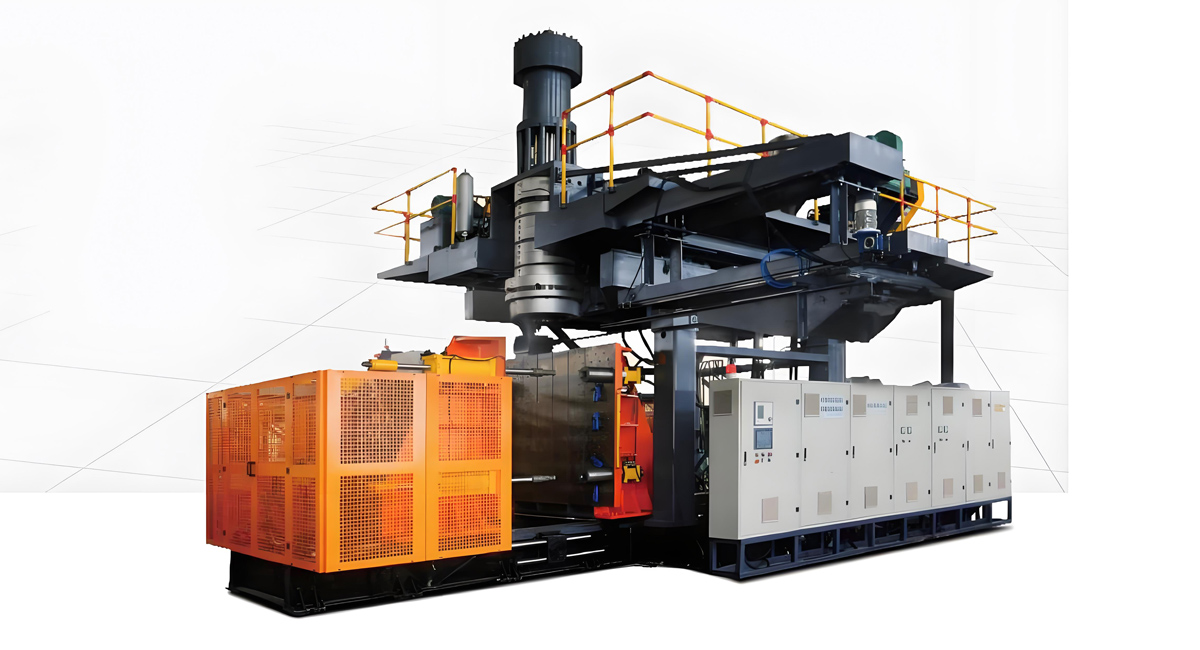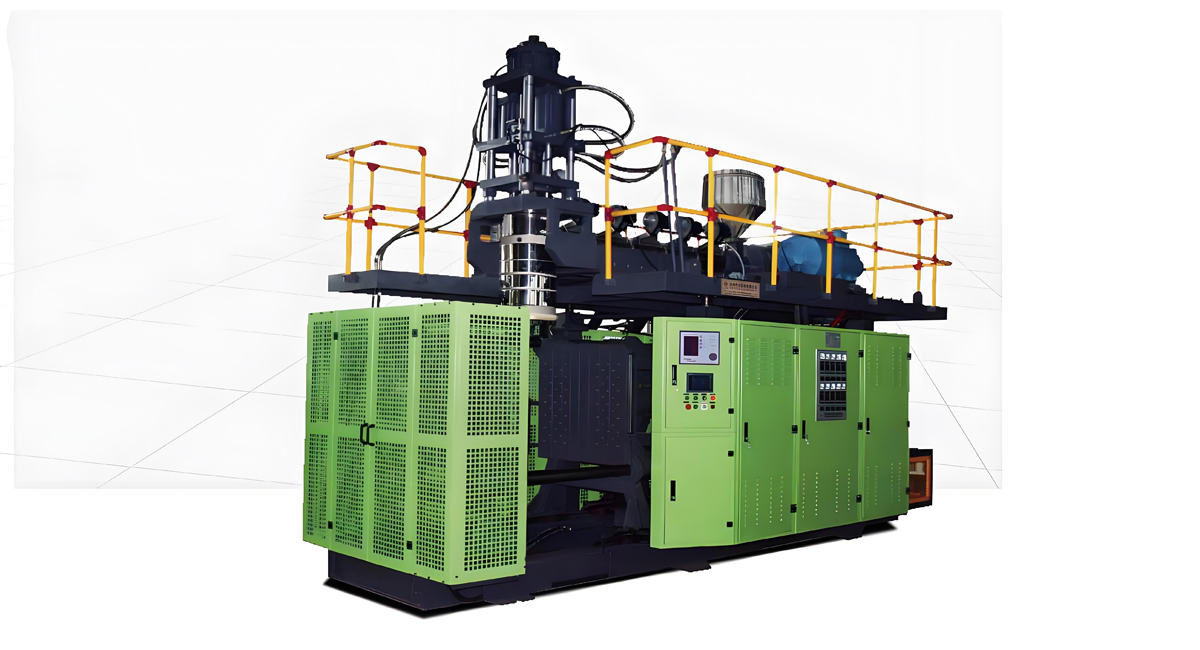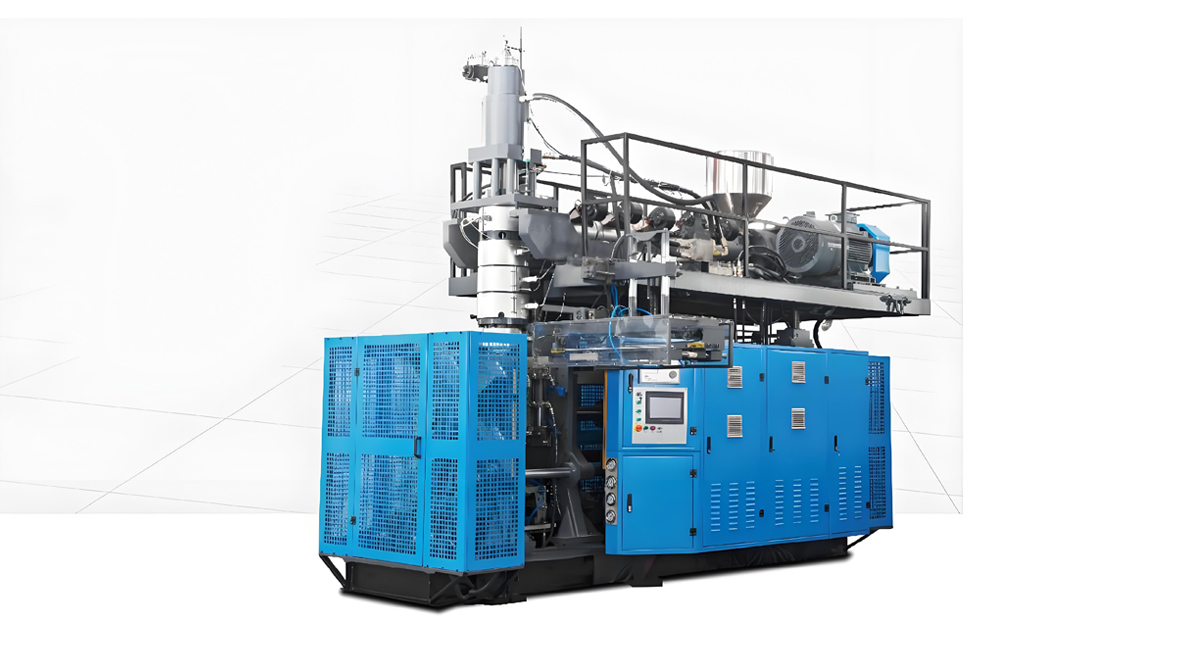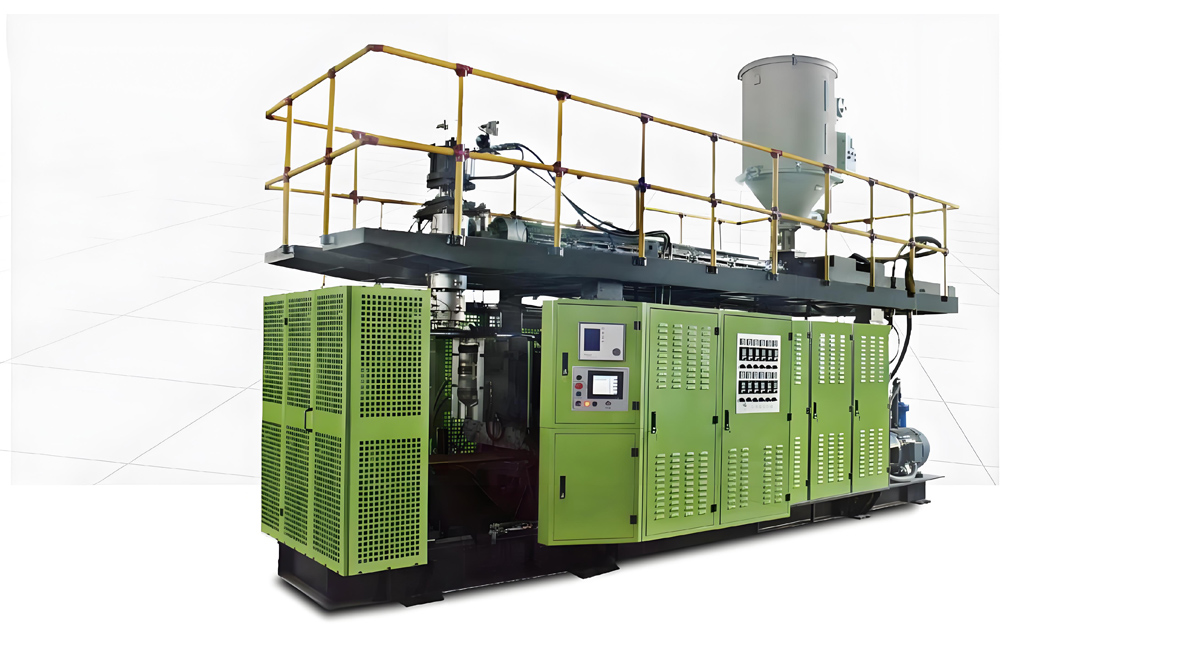
Las industrias de cuidado personal y cosméticos están cambiando hacia formatos más pequeños y convenientes para viajar, y el recipiente de 150 ml para crema y cosméticos se ha convertido en uno de los tamaños de embalaje hueco más solicitados en las fábricas de producción. Para las marcas y los fabricantes por contrato que necesitan flexibilidad, cambios rápidos y un bajo costo de entrada, el moldeador por soplado por extrusión en una sola estación de 150 ml es la vía más práctica para fabricar botellas de crema para lavar el cabello con tapón, tubos de muestra, potes de serum y recipientes de cuidado personal de tamaño viaje. Apollo, una fábrica de Wanplas, ha dedicado más de 20 años a construir máquinas de moldeo por soplado por extrusión y ahora maneja más de
El moldeo por soplado por extrusión sigue siendo el proceso dominante para los recipientes plásticos huecos, porque produce una botella perfectamente sellada y a distancia de la pared en un solo ciclo integrado sin una etapa preformada. Para el rango de 150 ml, donde el espesor de la pared, el acabado de la superficie y el control del extremo o la distancia de la pared son más importantes que el volumen bruto, una máquina de una sola estación proporciona al operador un control preciso sobre la formación del pan y el enfriamiento. El resto de esta guía describe la arquitectura de la máquina, los módulos de producto ABLB de Apollo, la selección de materiales, el ajuste de los parámetros del proceso, el deflashado en línea, las aplicaciones industriales y una tabla de selección práctica que relaciona sus requerimientos con un modelo específico de ABLB. Al finalizar, comprenderá no sólo lo que hace el equipo, sino también cómo configurarlo para lograr una línea rentable de envases de mini loción y cosméticos de 150 ml.
¿Qué es un moldeador de soplado por extrusión de una estación?
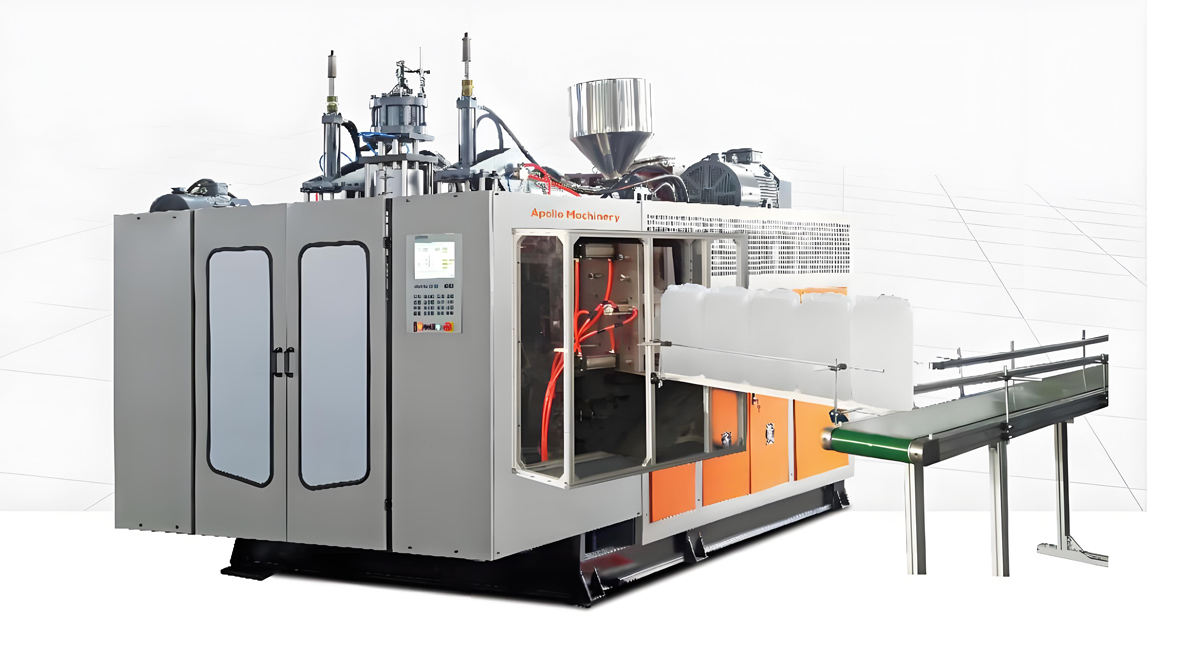
Un moldeador por inyección de una sola estación es una máquina de moldeado hueco construida alrededor de una unidad de fijación que realiza la secuencia completa del moldeado en un lazo repetitivo. La resina plástica se plastifica primero dentro del tambor mediante un tornillo rotante, se desplaza a través de una cabeza de matriz y se forma en un tubo hueco de plástico fundido, llamado parison. La estación de fijación única cierra un molde de dos partes alrededor del parison, una espiga penetra y infla el parison con aire comprimido hasta que toma la forma de la cavidad del molde enfriado, la pieza se enfría y la botella finalizada se expulsa. Debido a que toda la secuencia ocurre en una sola estación, la lógica de la máquina es simple: extruir, fijar, soplar, enfriar, abrir, expulsar, repetir.
La característica que define el diseño de una sola estación es que la unidad de ajuste está inactiva mientras se moldea la siguiente pieza y la extruder está inactiva mientras el producto actual se enfría. Esto es distinto de una máquina de dos posiciones o de producción continua, en las que las acciones se superponen para mantener ocupada la extruder y el molde en todo momento. Para recipientes muy grandes que requieren un enfriamiento prolongado o para obtener objetivos muy altos de producción, esa superposición mejora la productividad. Sin embargo, para recipientes de 150 ml de tamaño mini, el proceso de moldeado es corto, el enfriamiento es rápido y la simplicidad del sistema de una sola estación supone una ventaja en lugar de una limitación.
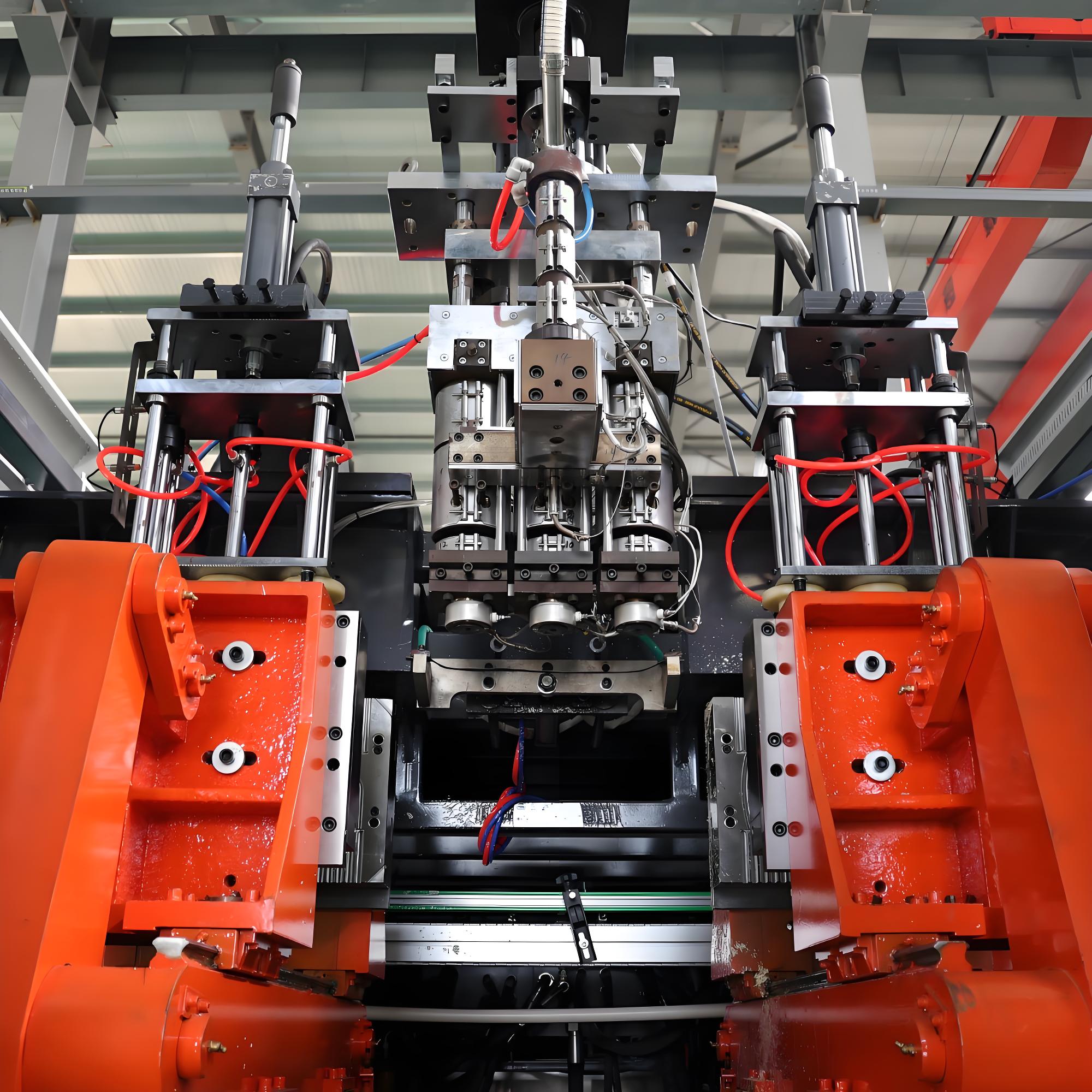
Los subsistemas fundamentales de una máquina de moldeo por soplado de extrusión unitaria son la unidad de extrusión y plastificación, la cabecea de matriz y el sistema de control del parison, la unidad de ajuste y molde, el sistema de soplado y refrigeración, y la plataforma de control eléctrica y hidráulica o completamente eléctrica. Cada uno de estos subsistemas contribuye directamente a la calidad de las botellas a escala de 150 ml, donde una variación de una fracción de milímetro en el grosor del parison da lugar a una diferencia visible en la uniformidad de las paredes. La serie ABLB de Apollo organiza estos subsistemas en un bastidor compacto y fácil de utilizar, que se puede instalar fácilmente en un pequeño taller y es fácil de formar a los operarios para que lo manejen.
En términos prácticos, una máquina de una sola estación es la mejor plataforma de enseñanza para nuevos equipos de producción porque la causa y efecto entre una configuración del proceso y la botella resultante son inmediatamente visibles. Cuando un operador ajusta el programador del parison o la presión de soplado, las siguientes varias botellas muestran el efecto sin las variables confusas de una segunda estación. Esta transparencia es una de las razones por las que el moldeo por soplado por extrusión de una sola estación se adopta tanto para líneas piloto, empaques cosméticos personalizados y fabricación de pequeñas partidas, donde la flexibilidad es más valiosa que el máximo rendimiento.
Por qué el sistema de una sola estación es adecuado para recipientes de loción 150 ml y de cosméticos.
El recipiente de 150 ml se encuentra en un punto óptimo para el moldeo por soplado por extrusión en una sola estación. Es bastante grande como para beneficiarse de la maquinaria de múltiples cavidades, pero al mismo tiempo pequeño, por lo que el enfriamiento es rápido y el parison es corto. En comparación con la maquinaria de dos estaciones, una unidad de una sola estación para la producción de 150 ml es más económica de adquirir, ocupa un espacio más reducido, consume menos energía por caballo de potencia instalado y es más fácil de mantener. Para las marcas que producen al por menor, colecciones cosméticas de temporada, utensilios para hoteles o muestras farmacéuticas, estos factores mejoran directamente la rentabilidad de la inversión.
La rentabilidad es la primera razón. Una máquina de doble estación duplica más o menos el hardware de soporte y molde, lo que aumenta tanto el coste de la adquisición como el inventario de piezas de repuesto. Para una línea de 150 ml en la que una máquina de una sola estación ya proporciona el resultado requerido mediante moldes multicavidades, pagar por una segunda estación añade coste sin aumentar el valor proporcional. La configuración ABLB de una sola estación de Apollo permite al cliente invertir el presupuesto ahorrado en acero de mejor calidad para los moldes, un programador de parison más preciso o una unidad de desoxidación automática que mejora la calidad de las botellas acabadas.
El espacio necesario es el segundo motivo. Los fabricantes de cosméticos y productos para el cuidado personal operan frecuentemente en instalaciones urbanas o alquiladas, donde cada metro cuadrado tiene un coste. Un doblador de soplado por extrusión de una estación, con su extrusora integrada, unidad de sujeción, matriz, desflachado y transportador, se adapta a una celda de producción compacta. El pequeño espacio que ocupa también simplifica la manipulación de los materiales, las inspecciones de calidad y el movimiento de los operadores, lo que reduce la fatiga laboral y las tasas de defectos en una línea de producción de tiradas cortas.
La flexibilidad es la tercera razón. Los envases cosméticos pequeños se rediseñan con asiduidad: una nueva botella de gel puede cambiar el acabado del cuello, añadir un contorno en la parte superior del cuerpo o pasarse de un cuerpo redondo a otro ovalado. En una máquina de una sola estación, un cambio de molde representa un único evento y el programa de parámetros del molde se puede reconfigurar rápidamente para la nueva forma. No es necesario equilibrar dos estaciones ó sincronizar dos moldes por lo que el tiempo de cambio de producción disminuye. Para un fabricante contratista que presta servicio a múltiples marcas de cosméticos, esta flexibilidad suele ser más valiosa que la producción extra de una línea de dos estaciones.
000 equipos en más de 90 países desde una base de fabricación de
PE, PP, PVC para el grado cosmético
000 metros cuadrados. Este artículo explica, en lenguaje técnico claro, por qué el moldeo por soplado por extrusión en una sola estación se adapta al segmento de los recipientes de 150 ml, cómo funciona la serie ABLB de Apollo en este tamaño, qué materiales y ventanillas de proceso ofrecen los mejores resultados y cómo seleccionar el modelo adecuado para su objetivo de producción. Ya sea que esté lanzando una nueva línea de cosméticos, suministrando productos para alojamiento y viajes, o fabricando botellas de muestra farmacéuticas, la información que se ofrece a continuación le ayuda a planificar una celda de producción rentable y de alto rendimiento.
| Aspecto | EBM de una estación (150 ml) | Sistema EBM de doble estación (150 ml). |
|---|---|---|
| Unidades de ajuste. | Una estación que realiza un ciclo completo | Dos estaciones alternándose |
| Costo relativo de la adquisición | Bajo / Medio | Medio / alto. |
| Peso del piso | Compacto, de bajo perfil | Más grande |
| El control de calidad es la cuarta razón. A 150 ml, los defectos más comunes son espacios delgados en el hombro, excesivo flash en la cola y distribución desigual de las paredes. Una máquina en una sola estación permite al técnico concentrarse en un perfil y un molde, lo que facilita establecer una ventana de procesamiento estable y entrenar a los operarios para reconocer el desplazamiento. Cuando se combina con el control programable del perfil de Apollo y el desflameado automático, una línea en una sola estación produce botellas de cosméticos de calidad con colas limpias y paredes uniformes que satisfacen las expectativas de embalaje premium. | Desde varios cientos hasta más de un millar de botellas por hora (4 a 6 cavidades) | Aproximadamente el doble de la velocidad de la estación única. |
| Complejidad de cambio de posición. | Sencillo, un único evento de moldeo | Más complejo, con dos moldes para el equilibrio |
| El mejor ajuste | Lot pequeño, personalizado, tamaño de viaje, muestras cosméticas | Producción estable de gran volumen. |
| Energía por potencia instalada | Diferencia entre la máquina en una sola estación y la en dos estaciones para la producción de 150 мл | Más alto debido a la segunda estación |
Apollo serie ABLB: diseñada para contenedores de 200 ml a 20 l de capacidad.
La serie ABLB de Apollo es la línea estándar de productos de moldeo por soplado por extrusión, que cubre contenedores de plástico desde 200 ml hasta 20 l. Incluye varios tamaños de máquinas construidos sobre una plataforma de ingeniería compartida, por lo que los clientes pueden pasar de una pequeña botella cosmetológica de 150 ml a una bidoncera de 20 l utilizando controles familiares y un enfoque común de piezas de repuesto. Para la aplicación de recipientes cosméticos y mini-líquidos de 150 ml, los modelos ABLB más pequeños son el punto de partida natural, con el ABLB 55 como configuración recomendada.
Todas las máquinas ABLB comparten la misma arquitectura de proceso: un tornillo de plastificación de alto par, una cabeza de molde optimizada que minimiza el tiempo de residencia del material, un sistema robusto de fijación y un PLC con control HMI. La línea procesa una amplia gama de termoplásticos, incluidos PE, PP, PVC, PA, PC, ABS, PS, EVA, TPU y PETG, lo que significa que una sola máquina ABLB puede servir las necesidades de embalaje para cosméticos, productos químicos diarios, farmacéuticos y alimentarios, simplemente cambiando el material y el molde. Esta flexibilidad de materiales es especialmente útil para los fabricantes contratados que utilizan diferentes resinas para diferentes clientes.
La siguiente tabla muestra una visión representativa de la gama de modelos de la serie ABLB. Los diámetros de tornillo y los intervalos de volumen del recipiente indicados son típicos de la serie; la disponibilidad y las especificaciones exactas se confirman para cada configuración del cliente. Para la producción de 150 ml, la máquina ABLB 55 con su tornillo de 55 mm es la protagonista, ya que ofrece una capacidad suficiente de fusión para soportar herramientación de múltiples cavidades y, al mismo tiempo, mantiene un marco compacto.
Resumen del modelo de la serie ABLB (200 ML a 20 L)
| Model | Diámetro del tornillo (mm) | Rango típico de recipientes | Mejor encaje de 150 ml | Opciones de estación. |
|---|---|---|---|---|
| ABLB 55 | 55 | 200 ml a 3 l | Recomendado (de múltiples cavidades) | Único/doble |
| ABLB 65 | 65 | 500 ml a 5 l | Opcional para mayor producción | Único/doble |
| ABLB 75 | 75 | De 1 l a 8 l. | No necesario para envases de 150 ml | Único/doble |
| ABLB 90 | 90 | 3L to 12L | No necesario para envases de 150 ml | Único/doble |
| ABLB 100 | 100 | De 5 L a 20 L | No necesario para envases de 150 ml | Único/doble |
Para el fabricante de productos cosméticos y líquidos de 150 ml, la recomendación práctica es comenzar con la ABLB 55 en una disposición de una sola estación. Proporciona el equilibrio adecuado de capacidad de fundición, tamaño de la placa de molde y huella del piso. Si la demanda futura supera el límite de producción de una sola estación, se puede especificar la misma plataforma ABLB 55 con una segunda estación, o el cliente puede añadir una ABLB 65 para el volumen de rebose, manteniendo una lógica de control idéntica y la comunidad de piezas de repuesto a través del Grupo Wanplas.
Especificaciones técnicas ABLB 55 para la producción de 150ml.
ABLB 55 es la máquina recomendada de una sola estación para la fabricación de mini lociones y recipientes cosméticos de 150 ml. Su tornillo de 55 mm está dimensionado para proporcionar un flujo de fusión constante para los utillajes de múltiples cavidades, mientras que la unidad de sujeción es lo suficientemente grande como para soportar un molde de 4 a 6 cavidades para tarros de 150 ml, pero a la vez lo suficientemente compacto como para mantener el marco pequeño. Los datos siguientes son referencias de ingeniería típicas para la configuración del ABLB 55 de una sola estación y deben confirmarse con el molde y el material finales durante la cotización del proyecto.
Tabla de especificaciones de ABLB 55 (configuración de una sola estación, 150 ml)
| Parámetro | Valor típico ABLB 55 | Nota para producción de 150 ml. |
|---|---|---|
| Diámetro del tornillo | 55 mm | Rendimiento para 150ml |
| L/D ratio | Aproximadamente a las 22:1 | Buena plastificación para PE, PP, PVC |
| Volumen máximo del contenedor (por unidad) | Del 2L al 3L | 150 ml está dentro del alcance |
| Número de estaciones | 1 (solo estación) | Económico para 150 ml |
| Sistema de sujeción | Sujeción hidráulica o neumática. | Sustentamiento estable durante el soplado |
| Cuento de cavidades para 150 ml | 4 a 6 cavidades | Depende de la geometría de la botella. |
| Producción (150 ml) | Entre variascientas y más de 1000 botellas por hora | varía según las cavidades y el ciclo |
| Potencia instalada | Entre 22 y 30 kW | Confirmar por voltaje y opciones |
| Control de parison | Programable (servo o hidráulico) | Permite la afinación del espesor de la pared. |
| Materiales procesables | PE, PP, PVC, PA, PC, ABS, PS, EVA, TPU, PETG | PE, PP, PVC para calidad cosmética |
| Deflashing | Eliminación automática de la zona de desenfocado opcional | Trazo limpio para un aspecto de calidad |
Estas especificaciones describen una máquina deliberadamente dimensionada para el segmento de recipientes pequeños. El tornillo de 55 mm evita la capacidad excesiva de los modelos más grandes, lo que desperdiciaría energía y espacio. Al mismo tiempo, la unidad de sujeción admite suficientes cavidades para alcanzar una producción comercialmente viable por hora. Los ingenieros de Apollo confirman los valores exactos durante el diseño de los moldes, ya que el espesor de las paredes, la proporción de altura del frasco a su diámetro y el acabado del cuello influyen en la cantidad de cavidades que caben y la velocidad a la que puede ejecutarse el ciclo.
Materiales para recipientes de 150 ml de calidad cosmética: PE, PP, PVC.
La elección del material determina cómo luce, se siente y funciona un envase de 150 ml de loción o cosmético. La serie ABLB de Apollo procesa diez familias de materiales, pero para los envases mini de cosméticos, productos de higiene personal y farmacéuticos, las tres opciones principales son el PE, el PP y el PVC. Cada una de ellas ofrece ventajas específicas, y la selección adecuada depende del producto contenido en el envase, del aspecto deseado en los estantes y de cualquier requisito reglamentario o del mercado.
El PE, en sus formas HDPE y LDPE, es la resina más común para las botellas para lociones y productos de higiene personal que se pueden exprimir. El LDPE ofrece una botella suave y flexible que es fácil de exprimir y tiene un agradable tacto, lo que es adecuado para las lociones para manos de alta calidad y las cremas para viajar. El HDPE es más rigido y ofrece una mejor resistencia a moléculas y sustancias químicas, lo que se prefiere para los productos que contienen ingredientes activos o disolventes débiles. El PE es fácil de procesar mediante moldeo por soplado por extrusión, con una amplia ventana de procesamiento que tolera variaciones mínimas de los parámetros, lo que lo hace adecuado para operarios que comienzan con el formato de 150 ml.
El PP se selecciona cuando se requiere mayor resistencia a altas temperaturas o un aspecto más rígido y brillante. El PP soporta temperaturas de relleno más elevadas que el PE, lo que es importante para ciertas emulsiones cosméticas que se rellenan a caliente. También acepta agentes clarificantes para mejorar la transparencia y se utiliza ampliamente para botellas de muestras farmacéuticas en las que la claridad y la inercia química son valiosas. El PP tiene un margen de procesamiento más estrecho que el PE, por lo que la temperatura del parison y el enfriamiento deben controlarse de manera más precisa, pero el Apollo ABLB 55 con control programable del parison lo gestiona bien.
El PVC ofrece una excepcional claridad y un aspecto similar al del vidrio, lo que resulta atractivo para las botellas de exhibición de cosméticos de primera calidad. Se puede formular para rigidez o flexibilidad leve y acepta magistralmente el masterbatch de color para el envasado de cosméticos con tinte. El PVC es sensible al calor y requiere un cuidado control de la temperatura para evitar la degradación, y los compuestos de PVC de grado cosmético o farmacéutico deben seleccionarse con plasticizantes y estabilizadores compatibles. Cuando se procesa dentro de su ventana en una máquina ABLB bien ajustada, el PVC da como resultado envases pequeños claros y llamativos.
La tabla inferior compara los tres materiales para recipientes de cosmética y productos para el cuidado personal de 150 ml. Los valores son referencias típicas; se deben seleccionar los grados exactos con el proveedor de resinas y validar las prescripciones de contacto del mercado objetivo.
Comparación de materiales para envases cosméticos y farmacéuticos de 150 ml
| Propiedad | PE (HDPE / LDPE) | PP | PVC |
|---|---|---|---|
| Claridad | Opaque a translucida. | Transparente a claro (clarificado) | Transparente, similar al vidrio. |
| Flexibilidad | Delgado (LDPE) a mediano (HDPE). | Ríg a semirígido. | Rigido a flexible |
| Resistencia a los productos químicos | Muy buena | Bajo a muy bueno | Buen. |
| Resistencia a la temperatura | Medio | Superior al PE | Medio |
| Facilidad de procesamiento en EBM | Ventana amplia y fácil de usar. | Ventana moderada y más estrecha | Sensible al calor, requiere control. |
| Normalmente se utiliza 150 ml | Loción, champú, jabón corporal. | Muestra farmacéutica, crema de llenado caliente | Producto para displays de cosméticos de calidad |
| Requisitos de grado | Categoría cosmética | Calidad cosmética o farmacéutica. | Calidad cosmética, aditivos compatibles |
El color y el aspecto se controlan con un masterbatch de calidad cosmética dosificado en el cargador, por lo que una sola resina natural puede producir una paleta completa de envases de 150ml con tonalidades. La extrusora y la cabeza de moldado de Apollo ABLB están diseñadas para dispersar el masterbatch de manera uniforme, evitando marcas. Para las marcas que desean un efecto suave al tacto o con efecto reluciente, se pueden incluir aditivos en la mezcla, y el programa del parison garantiza que el fundido cargado de aditivos aún se distribuya uniformemente a través de todas las cavidades.
Programación de parison de una sola estación, multipocillos y deslustrado automático.
Tres capacidades que determinan si una línea de una estación única de 150 ml produce botellas cosméticas de primera calidad o rechazas: programación del parison, herramientas con múltiples cavidades y desengrasado automático. Apollo integra todas las tres en la plataforma ABLB, y juntas convierten una máquina sencilla de una estación en una célula de embalaje precisa.
El control de programación del parison es responsable del espesor del tubo fundido cuando se extruye. Un controlador programable modula el espacio entre molds en pasos durante la extrusión, por lo que el parison puede ser más delgado en el cuerpo y más grueso en el cuello y la base, donde es necesario la resistencia. Para una botella de loción de 150 ml, el hombro y el cuello soportan la carga del tapon y la etiqueta, mientras que el cuerpo debe permanecer ajustable y sin puntos delgados que puedan fugar. Al afinar el programa del parison, el operador coloca el material exactamente donde lo necesita la botella, lo que reduce el uso de resina y mejora la resistencia a los golpes. En el ABLB 55, el control programable del parison admite una resolución de pasos minuciosa, que es esencial a la escala pequeña de 150 ml donde las variaciones en las paredes son evidentes a simple vista.
La herramienta de múltiples cavidades multiplica la producción de una sola estación. Dado que una botella de 150 ml es pequeña, la placa de moldes del ABLB 55 puede contener de 4 a 6 cavidades, lo que significa que se encolan de cuatro a seis botellas en cada ciclo. La producción de múltiples cavidades es la clave para hacer que una máquina de una sola estación sea comercialmente viable para volúmenes de 150 ml. El desafío es la uniformidad: todas las cavidades deben recibir la misma longitud de paro y presión de soplado. La cabeza de matriz y la red de aire de Apollo están diseñadas para un llenado equilibrado en todas las cavidades, y el molde está diseñado con canales de enfriamiento simétricos para que cada botella se enfríe a la misma velocidad y salga con unas dimensiones constantes.
El desblande automático elimina la chispa y la cola que se forman donde se pincha la parison y donde penetra el pino de extracción. En el embalaje cosmético, una cola limpia no es opcional porque se manipula, exhibe y a veces se imprime la botella. El desblande automático recorta la pieza en o inmediatamente después del molde, eliminando el trabajo manual de recorte y obteniendo un borde final uniforme. En una línea de 150 ml que produce miles de botellas al día, el desblande automático es la diferencia entre un producto que necesita un operario de acabado y otro que se entrega desde la línea listo para colocarse en el estante. Apollo ofrece el desblande automático como una opción configurable en la serie ABLB.
Tomado conjuntamente, estas tres capacidades permiten que una línea de 150 ml de una sola estación entregue una calidad comparable a maquinaria más compleja. El programador de parison protege la uniformidad de la pared, la herramienta multi-cavidades aumenta la producción y el deslamado automático garantiza el aspecto. Por lo tanto, un gerente de producción puede poner en marcha una línea de recipientes cosméticos de calidad superior sin los costos y la complejidad de un sistema de doble estación.
Parámetros del proceso: Temperatura de fusión, presión de soplado, enfriamiento, tiempo de ciclo
La producción estable de 150 ml depende de un intervalo de proceso bien definido. Los cuatro parámetros que más importan son la temperatura de fusión, la presión de soplado, el enfriamiento y el tiempo de ciclo. Los valores siguientes son puntos de inicio típicos para el ABLB 55; cada combinación de material y molde se ajusta durante la puesta en marcha y se registra como receta en el PLC para la repetibilidad.
La temperatura de fusión establece cu cuánta facilidad se forma el parison y cuán bien se solda con el molde. Si es demasiado baja, el parison es rígido y las esquinas de la botella muestran debilidad; si es demasiado alta, el material se degrada o el parison se hunde. NORMALMENTE, el PE tiene una temperatura entre 160 y 210 grados Celsius, el PP entre 200 y 240 grados Celsius y el PVC entre 170 y 210 grados Celsius, con un control cuidadoso porque el PVC es sensible al calor. El tambor y la cabeza del molde de ABLB utilizan calefacción zonificada, por lo que cada fase de plasticado se mantiene a su temperatura óptima.
La presión de soplado hincha el parison contra la cavidad. Para botellas de 150 ml, una presión de soplado moderada de entre 6 y 10 bares suele ser suficiente porque las piezas son pequeñas y el recorrido del aire es corto. Una presión más alta afina los detalles en el cogote y el panel de la etiqueta, pero aumenta la tensión en la junta del tacón de soplado. El sistema de soplado ABLB mantiene la presión estable a través de la inflación de un mini-recipiente, y después se descomprime rápidamente para liberar la pieza final.
La comparación a continuación resume las contrapartidas entre el moldeo por extrusión y soplado con una sola estación y con dos estaciones para la aplicación de 150 ml. Los números son referencias de ingeniería típicas; la producción exacta depende del recuento de cavidades, el material y la configuración de enfriamiento.
El tiempo de ciclo es la suma de la extrusión, la fijación, el soplado, el enfriamiento y la expulsión. Para una botella multicavidad de 150 ml en una sola estación, un ciclo real es aproximadamente de 12 a 20 segundos, lo que se traduce en varios cientos a más de mil botellas por hora con 4 a 6 cavidades. En la tabla siguiente se resumen las ventanillas de proceso típicas.
Ventana de parámetros de procesamiento típico para contenedores de 150 ml
| Parámetro | PE | PP | PVC |
|---|---|---|---|
| Temperatura de fusión. | De 160 a 210 °C. | 200 a 240 °C. | De 170 a 210 °C. |
| Presión de soplado | De 6 a 10 bar. | De 6 a 10 bar. | De 6 a 10 bar. |
| Tiempo de enfriamiento | 8 a 15 s | 8 a 15 s | 8 to 14 s |
| Transparencia y confianza. | 12 to 20 s | 13 a 20 s | 12-19segundos |
| Salida (de 4 a 6 cavidades) | Desde varias cientos hasta más de 1000 tubos por hora. | Desde varias cientos hasta más de 1000 tubos por hora. | Desde varias cientos hasta más de 1000 tubos por hora. |
Registrar estos parámetros como recetas nominadas en el sistema de control es fundamental para la producción de cosméticos, donde la coherencia entre cada lote es un requisito de calidad. El HMI Apollo ABLB almacena múltiples recetas, por lo que cambiar de una botella de loción de 150 ml de plástico PE por la mañana a una muestra farmacéutica de 150 ml de plástico PP por la tarde consiste en cargar el programa guardado, cambiar el molde y confirmar el perfil de parison. Esta gestión de recetas reduce el error del operario y acorta el tiempo de cambio.
Industrias de aplicación para contenedores mini de 150 ml.
El recipiente de 150 ml es un instrumento fundamental para varias industrias, y la máquina Apollo ABLB de una estación sirve a todas ellas simplemente cambiando el material y el molde. La amplia gama de aplicaciones es una razón importante para elegir una formadora por soplado de extrusión flexible en lugar de un proceso limitado a un solo producto.
Los usos de alimentos y bebidas incluyen botellas de exprimido de condimentos, muestras de salsas, tamaños de viaje para aceites comestibles y packs pequeños de miel o jarabes. Los PE y PP son comunes aquí, y la botella debe resistir el producto contenido mientras sigue siendo segura para el contacto. El sistema ABLB procesa grados para contacto con alimentos cuando la resina seleccionada y cualquier mezcla maestra cumplen los requerimientos de contacto con alimentos del mercado relevante.
Los productos químicos diarios son el segmento más grande relacionado con la cosmética: lociones de manos, jabón corporal, champú, acondicionador y gel de ducha en tamaños de viaje y de prueba de 150 ml. Estos productos se empaquetan frecuentemente en botellas de PE pulgables con color de calidad cosmética, y el desbloqueo automático limpio final de la línea ABLB ofrece el acabado listo para el estante que esperan las marcas.
Las aplicaciones farmacéuticas y médicas incluyen envases de muestras líquidas orales, tarros de crema tópica moldeados como botellas, envases de muestras desinfectantes y paquetes para tratamientos de un solo ciclo. Aquí se prefiere PP y grados de PE seleccionados por su inercia y transparencia, y se valida el entorno de producción y la certificación del material con el cliente. Apollo, como fábrica de Wanplas, apoya la inspección en la fábrica para que los clientes farmacéuticos puedan auditar el proceso.
Las aplicaciones cosméticas son el corazón del segmento de 150 ml: lociones faciales, sérum, esencia, tónico, corrector y kits de lujo para viajes. El PVC y el PP clarificado ofrecen un aspecto premium, mientras que el PE ofrece un cierre suave y cómodo. El programador del parison garantiza una distribución uniforme de las paredes, por lo que la botella tiene un aspecto compacto pero consume una cantidad mínima de resina.
Arranque rápido, configuración correcta.
Aplicación al mapeo del modelo ABLB
| Industry | Producto típico de 150 ml | Material preferido | Modelo ABLB recomendado |
|---|---|---|---|
| Cosmético. | Loción, sérum, kit de viaje. | PE, PP, PVC, | ABLB 55 |
| Sustancias químicas diarias. | Muestra de champú y de jabón corporal | PE | ABLB 55 |
| Farmacéutica. | Líquido oral, muestra de crema | Utilice ESTE formato exactamente: «1. » por línea, nada más. | ABLB 55 |
| Alimentos y bebidas | Paquete de salsas y aceite pequeño | PE, PP | ABLB 55 |
| Química | Muestra adhesiva y limpiadora. | PE, PP | ABLB 55 |
Guía de selección: tamaño del recipiente, material, rendimiento hasta el modelo de ABLB
La elección de la máquina adecuada comienza con el tamaño del recipiente, el material y el objetivo de producción por hora. La tabla siguiente relaciona los requisitos habituales con el modelo ABLB de Apollo. Para el recipiente de 150 ml para lociones y cosméticos minis, el sistema Apollo ABLB de una sola estación es la recomendación estándar; los modelos más grandes solo tienen sentido si también se trabajan recipientes más grandes o si se necesita un volumen superior al límite del sistema de una sola estación.
Requisito de la tabla de selección de modelos
| Tamaño del contenedor | Material | Destinatario de la producción. | Modelo ABLB recomendado | Tipo de estación |
|---|---|---|---|---|
| De 100 a 200 ml. | PE, PP, PVC, | Baja a media | ABLB 55 | Utilice ESTE formato exactamente: «1. » por línea, nada más. |
| 150ml (enfoque cosmético) | PE, PP, PVC, | Mediano, de 4 a 6 cavidades | ABLB 55 | Utilice ESTE formato exactamente: «1. » por línea, nada más. |
| 200-500ml | PE, PP | Medio | ABLB 55 o ABLB 65 | Único/doble |
| De 500 ml a 1 l. | PE, PP, PVC, | De media a alta. | ABLB 65 o ABLB 75 | Único/doble |
| De 1 litros a 3 litros. | PE, PP | Medio | ABLB 75 o ABLB 90 | Único/doble |
| De 1,3 l a 20 l. | PE, PP | Alto | ABLB 90 a ABLB 100 | Único/doble |
Los usos químicos e industriales incluyen adhesivos pequeños, lubricantes, limpiadores y disolventes de muestras, donde la resistencia química es importante. El PE y el PP manejan muchos productos químicos suaves, y la flexibilidad de los materiales del ABLB permite a un encapsulador de contrato atender a clientes industriales junto con otros de cosméticos en la misma máquina.
Servicio y soporte de Apollo, una fábrica de Wanplas
Buying a machine is only the beginning; reliable production depends on the support behind it. Apollo, a Wanplas factory, backs every ABLB line with the group’s shared service commitments, which are among the most customer-friendly in the industry. These commitments are written into the Wanplas brand promise and apply to the apollo-china.com product range.
La instalación y puesta en marcha in situ están a cargo de los ingenieros de Apollo que viajan a las instalaciones del cliente, montan la máquina, conectan las instalaciones, cargan la receta del proceso y ejecutan los primeros lotes de producción junto con operadores locales. Este inicio práctico reduce el tiempo desde la llegada de la máquina hasta la producción estable y garantiza que el programa de parimiento y desengrasado se configuren correctamente para la botella específica de 150 ml.
Antes del envío, Apollo realiza una inspección de la máquina en la fábrica. El cliente o un representante pueden ser testigos de una prueba de producción en el molde real, verificar la producción y la calidad de las botellas y aprobar la máquina antes del envío. Esta inspección en la fábrica forma parte de la política de fábrica abierta: Apollo invita a los clientes a visitar la base de fabricación de 8.000 metros cuadrados, observar el montaje y revisar los procesos de control de calidad. Una fábrica abierta genera confianza y permite a los compradores validar la capacidad y la fabricación de forma directa.
La política de piezas de recambio es una piedra angular de la promesa del grupo Wanplas. Los clientes reciben piezas de reemplazo gratuitas por valor de 500 USD al año, que cubren artículos de desgaste y componentes seleccionados sin cargo adicional durante el periodo de cobertura. Las piezas dañadas dentro de la garantía se reemplazan gratuitamente. Combinada con el soporte técnico remoto a través del sistema de control, esta política mantiene en funcionamiento una línea de 150 ml con un tiempo de parada imprevisto mínimo y un costo de mantenimiento previsible.
Las promesas adicionales del grupo Wanplas incluyen una garantía de transporte, una garantía de capacidad de producción y una garantía de estándares de calidad que proporciona un reembolso y compensación si la calidad no cumple el estándar acordado. Apollo también ofrece personalización de la máquina, como moldes y configuración de voltaje, por lo que un comprador en cualquier mercado recibe una máquina ajustada a la fuente de alimentación local y al diseño del producto. El entrenamiento forma parte de la puesta en marcha, y la gestión de las recetas en el PLC significa que los nuevos operadores pueden ser capacitados rápidamente.
Resumen de servicio y soporte.
| Artículo de servicio | Lo que Apollo proporciona. | Beneficios para el productor de 150 ml |
|---|---|---|
| Instalación en el lugar. | Ingenieros en la planta del cliente | Tiempo de ciclo (en diferentes cavidades). |
| Inspección en la fábrica | Prueba de muestreo antes del envío | Calidad y resultado verificados |
| Política de piezas gratuitas | 500 partes gratuitas al año en dólares USD. | Menores costes de mantenimiento. |
| Reposición garantizada | Piezas dañadas gratis durante la garantía. | Propiedad predecible |
| Fábrica abierta. | Visita y auditoría bienvenidas | Transparencia y confianza |
| Personalización. | Moldes y voltaje según el mercado | Máquina lista para el mercado |
| Soporte remoto | Asistencia técnica a través de datos de control. | Menor tiempo de inactividad. |
Conclusión
La máquina de moldeo por soplado de extrusión de una estación de 150 ml es la forma más rentable de fabricar envases de loción mini y cosméticos para marcas que valoran la flexibilidad, el menor espacio y un rápido retorno de la inversión. Al concentrarse en una estación de fijación, el Apollo ABLB 55 ofrece un control de pared de calidad superior mediante programación programable de los parisons, una producción económicamente viable gracias a un conjunto de herramientas de 4 a 6 cavidades y un acabado listo para almacenar a través del desforre automático, todo a un costo de compra y operación muy inferior a un sistema de doble estación. Con más de 20 años de experiencia en moldeo por soplado de extrusión, una fábrica de 8000 metros cuadrados, más de 4000 máquinas en más de 90 países y el pleno respaldo de las promesas de servicio del grupo Wanplas, Apollo ofrece a los productores de envases mini de 150 ml un socio de producción confiable.
Si estás planeando una línea de muestras de loción de 150 ml, cosméticos, cuidado personal o farmacéutico, comparte el dibujo de tu botella o la muestra con el equipo de Apollo. Analizarán tu tamaño, el material y el requisito de producción, recomendarán la configuración adecuada de ABLB, te invitarán a la fábrica para una inspección y un ensayo, y confirmarán el número de cavidades, el tiempo de ciclo y la calidad final antes de que te comprometas. Esta invitación solo con texto es el primer paso hacia una celda de producción de contenedores de 150 ml personalizada y económica construida en torno a tu especificación exacta.
Preguntas más frecuentes
¿Cuál es la diferencia entre una estación única y una estación doble de extrusión con moldeado por soplado?
Una máquina de una sola estación cuenta con una unidad de fijación del molde que realiza la secuencia completa de la extrusión del parison, la fijación, el soplado, el enfriamiento y la expulsión en secuencia. Una máquina de dos estaciones alterna dos unidades de fijación para que un molde esté en uso mientras el otro está preparado, lo que prácticamente duplica la producción. Para los contenedores mini de 150 ml en batches pequeños a medianos, una unidad de una sola estación es más rentable, ocupa menos espacio y es más simple de operar y mantener.
Usa exactamente este formato: "1. " por línea, nada más.
Sí. El ABLB 55 está bien adecuado para la producción de envases de 150 ml debido a que su tornillo de 55 mm proporciona una abundante cantidad de fundición para el utillaje de múltiples cavidades. En el caso de envases para mini lociones y productos cosméticos de 150 ml, un molde de una sola estación tiene normalmente de 4 a 6 cavidades, dependiendo de la geometría de la botella, el acabado de la boca y el método de desengrasado elegido. El número exacto de cavidades se confirma durante el diseño del molde en base al dibujo de la muestra.
Utiliza ESTE formato exactamente: "1. " por línea, nada más.
PE, PP y PVC son las tres opciones principales. HDPE y LDPE proporcionan botellas de loción apretables y resistentes a la quimica, con una sensación suave. PP ofrece mayor resistencia a altas temperaturas y funciona bien para botellas de muestras farmacéuticas. El PVC proporciona claridad y un aspecto premium para la exhibición de cosméticos. Todos los grados deben seleccionarse como compuestos de grado cosmético o farmacéutico con masterbatch de color adecuado y aditivos conforme.
¿Qué producción puedo esperar de una línea de una estación de 150 ml?
La producción depende del número de cavidades y del tiempo del ciclo. Con 4 a 6 cavidades y un ciclo de aproximadamente 12 a 20 segundos, una máquina ABLB de una estación típicamente produce de varios cientos a más de mil botellas de 150 ml por hora. Un mayor número de cavidades y un enfriamiento optimizado aumentan la producción, mientras que formas complejas o paredes gruesas la reducen.
¿Cumplen las máquinas de soplado por extrusión de Apollo los requisitos de contacto con alimentos y farmacéuticos?
Las máquinas Apollo procesan materiales que cumplen con las necesidades de aplicaciones cosméticas, químicas cotidianas y farmacéuticas. El cumplimiento de los materiales, como los estándares de contacto con los alimentos y de contacto farmacéutico, depende del tipo de resina seleccionado y de las certificaciones necesarias. Apollo, como fábrica de Wanplas, ofrece soporte para inspecciones en la fábrica y ensayos de muestras, lo que permite a los clientes validar el cumplimiento para su mercado objetivo.
¿Qué piezas de repuesto y apoyo posventa proporciona Apollo?
Apollo proporciona ingenieros para la instalación en el sitio y la puesta en marcha, la inspección de la máquina en la fábrica antes del envío y una política de fábrica abierta para las visitas de los clientes. Bajo la política del grupo Wanplas, los clientes reciben 500 piezas gratuitas por año, además del reemplazo gratuito de piezas dañadas durante el período de garantía y el soporte técnico remoto continuo.
¿Cuánto espacio de piso requiere una línea de producción de 150 ml de una sola estación?
Una máquina de una sola estación es compacta. Incluye la extrusora, la unidad de fijación, el molde, la unidad de desengrasado y un espacio pequeño para la manipulación de materiales y productos finalizados. Una línea típica de 150 ml encaja cómodamente en un área de taller modesta. La menor huella es una de las principales razones por las que se prefiere la EBM de una sola estación para la fabricación de contenedores mini a pequeña escala.
¿Cuál es el material mejor para envases de 150 ml de uso cosmético y farmacéutico?
Sí. Apollo ofrece personalización de la máquina, que incluye moldes y configuración de voltaje. Los clientes comparten su dibujo de la botella o una muestra, y el equipo de ingenieros diseña el programa de parison, la disposición de las cavidades y la solución de deflashing. Una puesta en marcha de prueba en la fábrica confirma el grosor de la pared, el aspecto y la producción antes del envío.