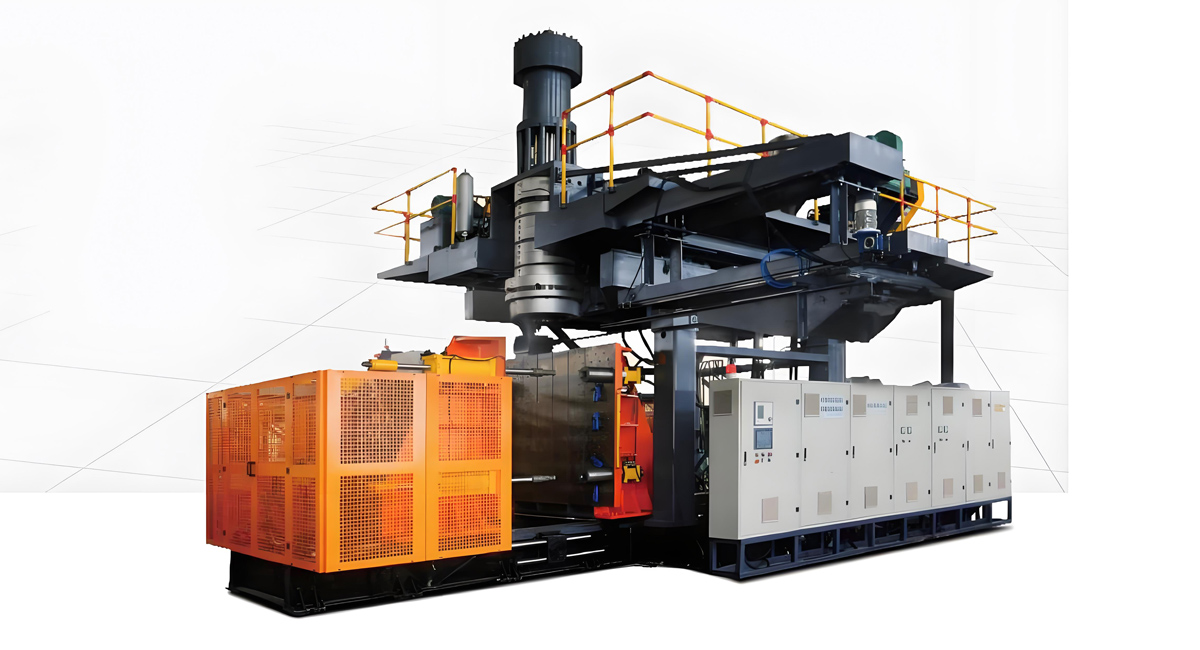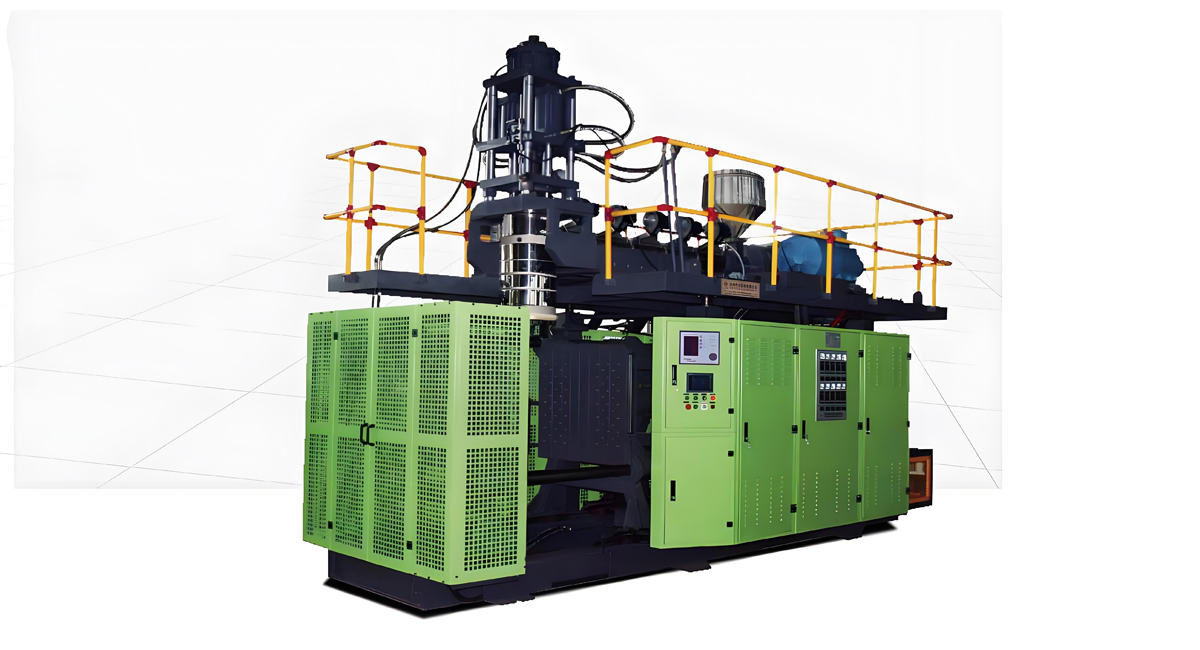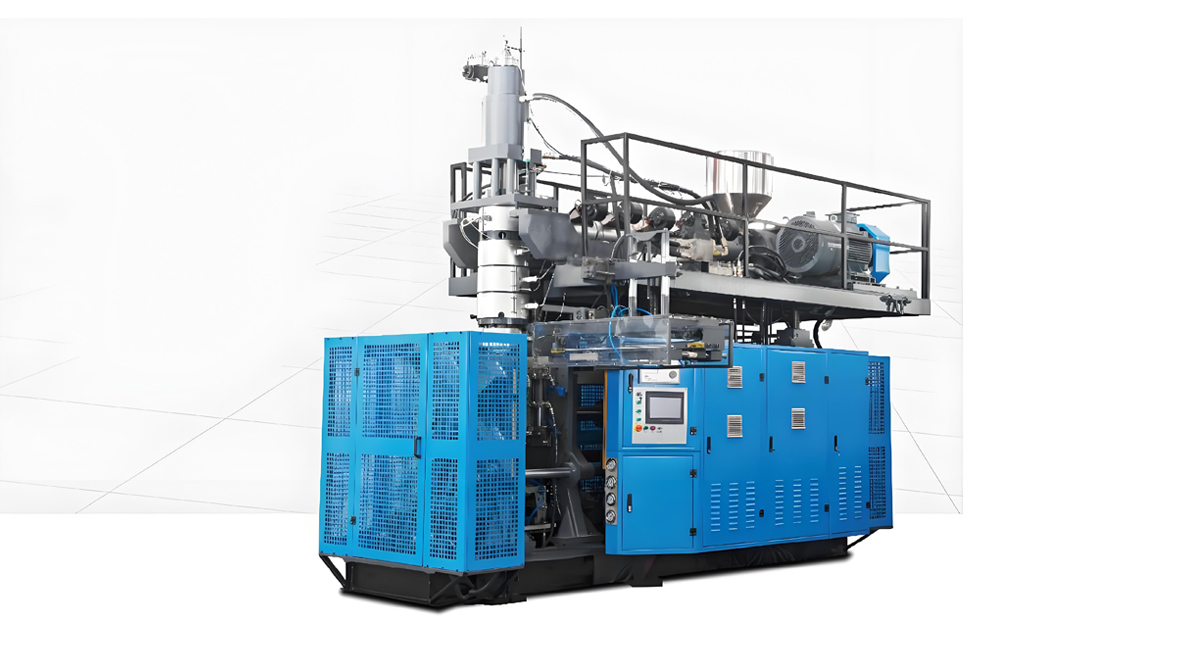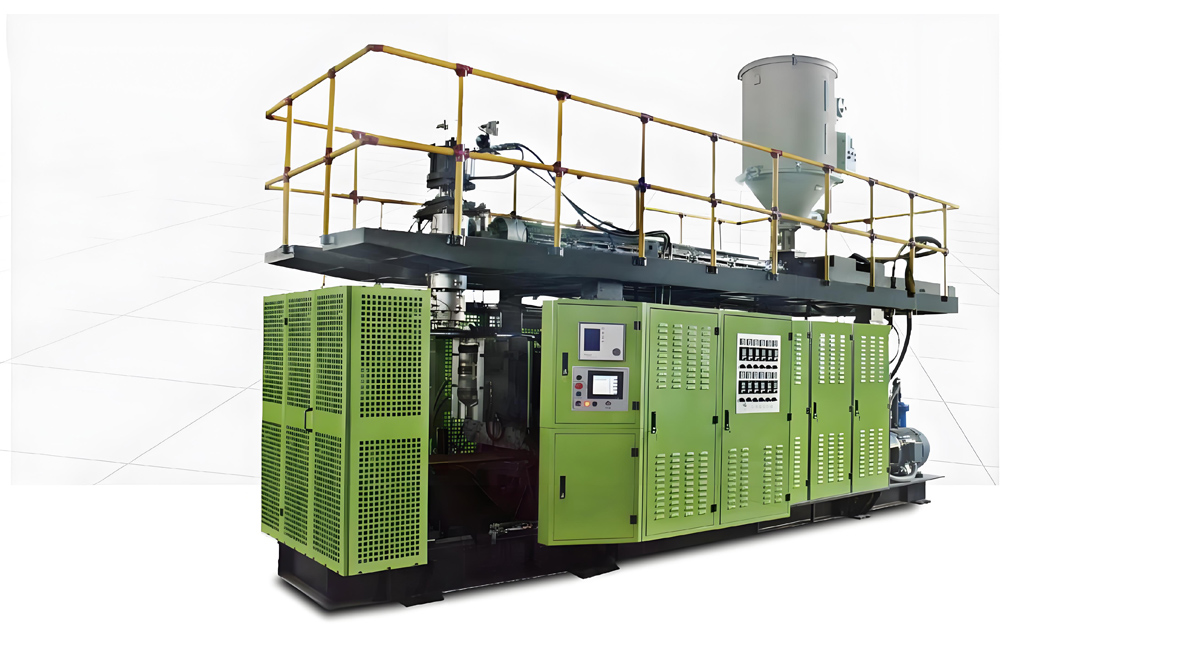
Branża kosmetyków i pielęgnacji towaru przemysłowej przechodzi do formatów o mniejszych rozmiarach, przystosowanych do podróży. Kontener na 150ml do lotionu i kosmetyków staje się jednym z najczęściej żądanych rozmiarów opakowań w zakładach produkcyjnych. Dla marek i producentów kontraktowych, którzy potrzebują elastyczności, szybkich zmian i niskiej inwestycji, wydatek 150ml na linię jedenokierunkową do formowania pod ciśnieniem i wypasu przez ekstrakcję to najbardziej praktyczny sposób na wytwarzanie butelek na lotion, splinesów, pojemników na serum i małych kontenerów osobistej pielęgnacji. Apollo, fabryka Wanplas, spędziła ponad 20 lat na budowie maszyn do formowania pod ciśnieniem i wypasu przez ekstrakcję, a teraz obsługuje ponad 4000 zestawów w ponad 90 krajach na działce produkcyjnej o powierzchni 8000 m2. Ten artykuł wyjaśnia w prostym języku inżynierskim, dlaczego linie jednookierunkowe do formowania pod ciśnieniem i wypasu przez ekstrakcję są odpowiednie dla segmentu kontenerów o objętości 150ml, jak działają maszyny na tej przestrzeni, jakie materiały i zasięg procesu zapewniają najlepsze rezultaty, oraz jak wybrać odpowiedni model dla celu produkcji. Niezależnie od tego, czy uruchamiasz nową linię kosmetyków, dostarczysz ulepszenia hotelowe i podrókowe, czy produkujesz butelki próbne na farmaceutykę, porady zawarte poniżej pomogą Ci zaplanować ekonomicznie warstwę produkcyjną o wysokim wyrobie.
Blow molding owalny pozostaje dominującym procesem w produkcji plastikowych pojemników puste, ponieważ umożliwia produkcję butelki całkowicie szczelnej, przygotowanej z płytki ciepłego plastyfikowania (fleshlight), w pojedynczym, zintegrowanym cyklu bez etapu formowania. W przypadku serii o objętości 150 ml, gdzie średnica ścian, wykończenie powierzchni i kontrola końca lub ocieplenia są ważniejsze niż pojemność surowa, maszyna o pojedynczym stanowisku zapewnia operatorowi dokładny kontrolę nad kształtowaniem parisjonów i ich chłodzeniem. Reszta tej instrukcji zawiera opis architektury maszyny, produktowych modułów Apollo ABLB, wyboru materiałów, dostosowania parametrów procesowych, deflashowania po procesie, zastosowań z branży oraz praktycznego tabeli wyboru, który mapuje Państwa wymagania do konkretnego modelu ABLB. Na koniec zrozumiesz nie tylko, czym jest urządzenie, ale także jak je skonfigurować dla opłacalnego linia produkcji miniaturowych kremów i kosmetyków o objętości 150 ml.
Co to jest wylaczyciel wstrzykiwania pryzm do jednoczesnego cylindra?
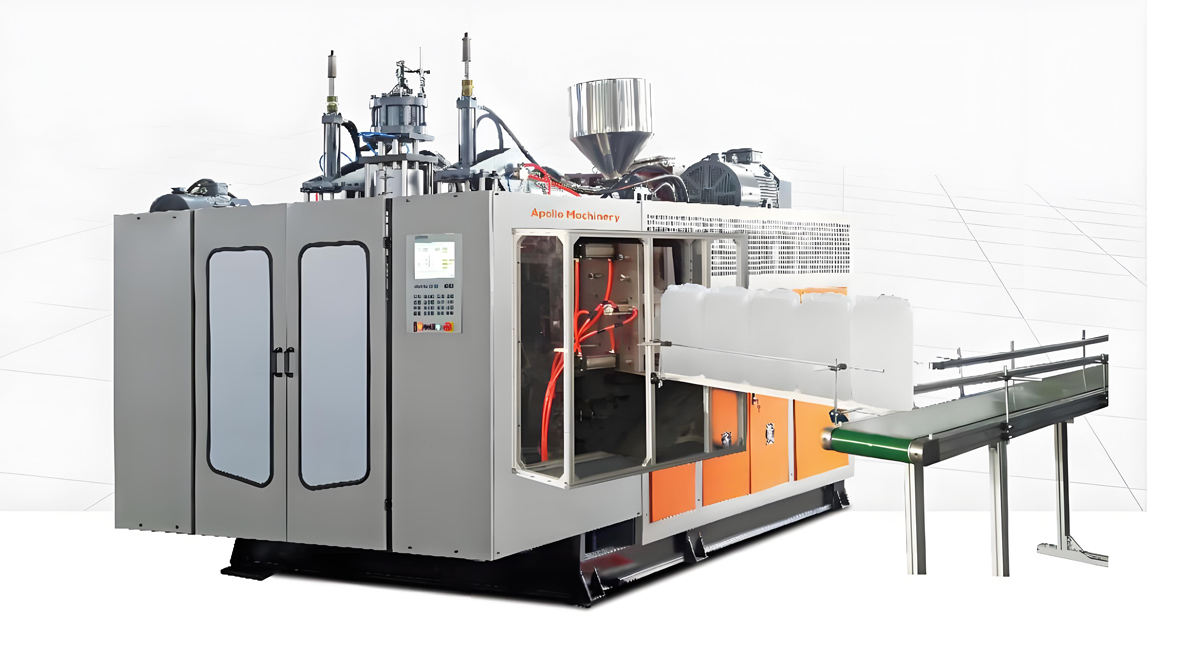
Linia wycinania i formowania butelki jest maszyną do formowania w obiegu, której stylowany element składa się z jednego urządzenia zmasowującego prowadzącego kompletny cykl formowania w obsługowanej pętli. Plastykowy skorup ma najpierw być plastyfikowany wewnątrz cylindra za pomocą obrotowego śrubu, następnie przenoszony przez końcówkę matrycy i tworzony w formie płaskiego tuba z rozpuconego plastiku zwanego pączkiem. Następnie stacja zmasowująca zamyka obojętą formę wokół pączka, nierdzewna igła wkracza i podnosi ten pączek przy użyciu przepyłki, dokładnie dopasowując go do wykurczonej komory formy. Wykonana butelka jest następnie odpięta. Dlatego że cały proces składa się z jednej stacji, logika maszyny jest prosta: wycinanie, zmasowanie, przypykanie, chłodzenie, otwieranie, wycinanie, powtórzenie.
Cechą charakterystyczną układu jednoczęściowego jest to, że podczas produkcji następnej formy urządzenie zamocowań jest bezczynne, a ekspres wykonywany towar, podczas gdy się gości forma i pojedynczy obiekt chłodzi. W przeciwieństwie do maszyn ciągłych lub dwuczęściowych, w których nawigacja za każdym razem, gdy jest druk który jest w formie, utrzymuje ekspres i formę, na pewno częściowe zabezpieczenie działa na korzyść produktywności w przypadku rozmiarów pojemników, które wymagają długiego czasu chłodzenia lub obliczonej za predytywanie produkcji. Do 150-mlowych pojemników toaletowych i kosmetycznych jednak czas potrzebny do chłodzenia zaledwie jest długi, a prostota układu jednoczęściowego stanowią zaletą, zamiast ograniczeniem.
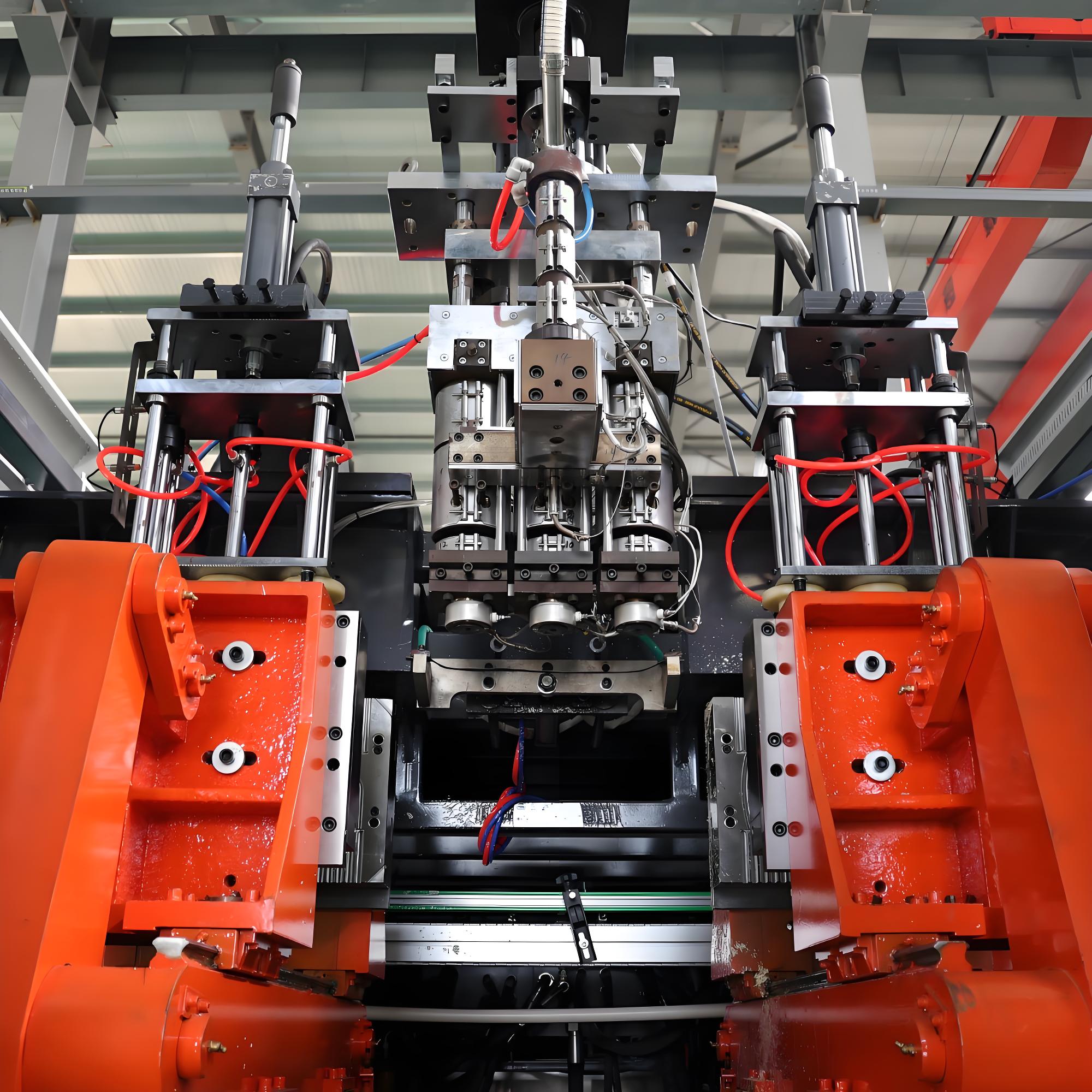
Podsystemy podstawowe urządzeń do formowania i blaszowania na jedną linię to jednostka formowania i plastyfikacji, głowica do formowania i system kontroli parisonu, urządzenie do przycinania i formowania, system blaszania i chłodzenia oraz platforma sterowania elektrycznej i hydraulicznej lub wyłącznie elektryczna. Każde z tych podsystemów bezpośrednio wpływa na jakość butelek w zakresie 150 ml, w przypadku gdy zmiana grubości parisonu o jedną część milimetra przekłada się na widoczną różnicę w jednolitej strukturze ścian. seria Apollo ABLB dostosowuje te podsystemy w kompaktowy, bezproblemowy w obsłudze ram, który jest łatwy w instalacji w małej warsztacie i ułatwia szkolenie personelu obsługi.
Praktycznie rzecz biorąca, jednozępilowa maszyna jest najlepszą platformą edukacyjną dla nowych zespołów produkcyjnych, ponieważ przyczynowo-skutkowy związek między ustawieniem procesu a wynikającym butelem jest natychmiast widoczny. Kiedy operator reguluje urządzenie programujące parison lub ciśnienie obróbki, następne butele pokażeją efekt bez wprowadzania zmiennych zmieniających obraz, takich jak druga stacja. Ta przejrzystość jest jednym z powodów, dla których wiązanie pięt rozniżającego się i wkładania pod wpływem ciśnienia stosowane na maszynach jednozępilowych jest rozpowszechnione w tak dużej mierze, w szczególności na liniach pilotażowych, w przypadku opakowań kosmetycznych na zamówienie oraz małych serii produkcyjnych, gdy elastyczność jest bardziej cenna niż maksymalny przepływ.
Dlaczego konstrukcja jednoczęściowa sprawdza się doskonale w przypadku 150-mlowych mini pojemników toaletowych i kosmetycznych
Pojemnik o pojemności 150 ml znajduje się w optymalnym położeniu do formowania iniekcyjnego z jednego zadaszenia. Jest wystarczająco duży, aby skorzystać z narzędzi wielokamiennych, a jednocześnie wystarczająco mały, by proces chłodzenia był szybki, a partia moczu krótka. W porównaniu do maszyn z dwoma zadaszeniami, jednostka jedno-liczebowa do produkcji w opakowaniach o pojemności 150 ml jest bardziej kosztowo efektywna do zakupu, zajmuje mniejszą powierzchnię, zużywa mniej energii na zainstalowaną moc, a jej konserwacja jest prostsza. Dla marek produkujących limiowane serie, sezonowe kolekcje kosmetyków, udogodnienia w hotelach lub próby farmaceutyczne, te czynniki bezpośrednio poprawiają zwrot z inwestycji.
Kosztowoefektywność jest pierwszym powodem. Maszyna dwuosiowa praktycznie podwojuje liczbę elementów montażowych i konserwacyjnych, co zwiększa koszty zakupu i zapas części zamiennych. Dla linii produkcyjnej 150 ml, gdzie jednostajowa maszyna zapewnia wymagany wydajność dzięki wielokamiennym formom, płacenie za drugą stację zwiększa koszty bez proporcjonalnego wzrostu wartości. Konfiguracja Apollo z pojedynczą stacją ABLB pozwala klientowi zainwestować oszczędzone środki w lepszą stal formowa, bardziej precyzyjne urządzenie programujące paryzy czy automatyczny urządzenie do usunięcia kurzu, co poprawia jakość opakowań końcowych.
Drugi powód to powierzchnia podziemna. Przedsiębiorstwa produkujące kosmetyki i artykuły pielęgnacyjne często działa w miejskich lub wynajmowanych obiektach, w których każdy metryczny kwadrat ma koszt. Maszyna do wycinania z jedną stacją z jej integrowanym ekstrudorem, urządzeniem do przymocowania, formą, odkurzaczem i transporterem zmieści się w kompaktowej komórce do produkcji. Mała powierzchnia zajmująca miejsce ułatwia również obsługę materiałów, inspekcję jakości i poruszanie się operatora, co zmniejsza zmęczenie pracowników i stopy niedociągnięć na linii produkującej małe partii.
Elastyczność to trwą przyczynę. Miniaturne pojemniki kosmetyczne często ulegają zaprojektowaniu znowu: nowa butelka z płynem może zyskać inny kształt szyjki, dodać kontur barku lub zmienić kształt prostej korpusu na owalny. Na maszynie jednoczesnej operacji zmiana formy jest jedynym zdarzeniem, a program obróbki powstawu może być szybko dostosowany do nowego kształtu. Nie trzeba równoważyć dwóch stanowisk ani synchronizować dwóch form, dlatego czas przełączania się na nową produkcję jest dłuższy. W przypadku producenta kontraktowego obsługującego wiele marek kosmetycznych elastyczność jest często cenniejsza niż dodatkowe mocy linii z dwoma stanowiskami.
Kontrola jakości to czwarty powód. W objętości 150ml najczęstsze błędy to cienkie miejsca w okolicach ramienia, duże procesie pod wyjściem, i nierównomierne rozłożenie ścian. Lina jednookierunkowa pozwala technikowi skupić się na jednym parysie i jednej formie, co ułatwia ustanowienie stabilnego okna procesu i uczynienie operatora świadomym horyzontu zmian. Kiedy łączy się to z programowalnym urządzeniem sterującym parysem i automatycznym usunięciem zapieku w formie, linia jednookierunkowa produkuje butelki premium jakościowe z czystymi wyjściami i jednolitymi ścianami, spełniając oczekiwania najwyższej jakości opakowań.
W poniższej tabeli porównano stosowanie jedno- i dwustanowej formowania wyciąganego za pomocą prądu dla aplikacji 150 ml. Cyfry to typowe referencje techniczne; dokładny wyprowadzany produkt zależy od liczby komór, materiału i konfiguracji chłodzenia. Chłodzenie wpływa na czas cyklu i wymiary butelki. Niskie ściany w małych butelkach 150 ml chłodzą się szybko, dlatego jedno- oraz dwustanowe formowanie wyciągane za pomocą prądu mogą osiągać dobre wydajność godzinową. Chłodzenie kontrolowane jest za pomocą zimnego wody w kształtni i, w celach przyspieszenia cyklu, optymalizacji przepływu wody oraz przewodności cieplnej metalu figurkowego. Nadmierne chłodzenie traci czas; niedostateczne chłodzenie powoduje nierównowagliwości, gdy butelka jest wydasywana. Urządzenie zamykające ABLB trzymuje kształtnik zamknięty w odpowiednim czasie, aby ściana zasiedliła, a następnie otwiera dla wydaszenia.
Lina jednookierunkowa w porównaniu do dużej produkcji o objętości 150ml
| Aspekt | Jednozawiesznikowy linia EBM (150 ml) | Dwa-stacjonowa linia EBM (150 ml) |
|---|---|---|
| Sytemy zamocowań | Jedna linia obsługująca pełny cykl | Dwie stacje obrotowe |
| Relatywna cena zakupu | Niski / średni | Średni / Wysoki |
| Wymiary podłoża | Compact, low | Wielkie |
| Wyników na 150ml | Od kilku setek do ponad tysiąca butelek w ciągu godziny (4-6 komory) | Ok. dwukrotnie wyższa niż wydatek na jedną stację |
| Kompleksowość przemiany | Jedna operacja osadzania w jednym formie | Bardziej skomplikowany, dwie formy w celu zwiększenia równowagi |
| Optimal dzielenie | Mniejsza partia, produkty na zamówienie, produkty podróżne i próbki kosmetyczne | Stabilna produkcja w dużych ilościach |
| Energia w odniesieniu do instalowanego sprzętu | Niższe koszty pozostawania w gotowości i marnotrawienia | Wysoki w związku z drugą stacją |
Apollo ABLB Series: zaprojektowane dla małych zbiorników o pojemności od 200 ml do 20 l
Seria Apollo ABLB to standardowa linia produktowa formowania wytrząsania z obrotu, która obejmuje pojemniki plastikowe od 200 ml do 20 l. Obejmuje ona różne rozmiary maszyn zbudowane na wspólnym platformie inżynierskiej, dzięki czemu klienci mogą skalać od małego butelki kosmetycznej o pojemności 150 ml do żarówki o pojemności 20 l, wykorzystując znane sprzęty sterujące i wspólną filozofię części zamiennych. W przypadku zastosowania mini-lody do toaletki i kosmetycznej pojemności 150 ml, mniejsze modele ABLB stanowią naturalny punkt wyjścia, a model ABLB 55 jest zalecany w konfiguracji.
Każdy urządzenie ABLB korzysta z tej samej architektury procesowej: wysokotronicowego ślimaku plastyfikującego, oszczędnego w materiale głowy matrycy, solidnego systemu zamykania i sterownika PLC z grafiką obsługującą użytkownika. Linie obsługują szeroki zakres termoplastyków, w tym PE, PP, PVC, PA, PC, ABS, PS, EVA, TPU i PETG, co oznacza, że jeden z urządzeń ABLB może spełniać potrzeby opakowań kosmetycznych, chemii codziennej, leków oraz żywności, wystarczającym dyktowaniem zmiany materiału i trytu. Taka elastyczność materiałowa jest szczególnie przydatna dla producentów zleceń, którzy pracują na różnych rodzajach żywności dla różnych klientów.
Poniższa tabela prezentuje reprezentacyjną ofertę modeli z serii ABLB. Zastosowane średnice śrub i zakresy objętości pojemników są typowe dla serii; dokładne dostępność modeli i specyfikacje potwierdzane są w zależności od konfiguracji klienta. W produkcji 150 ml, model ABLB 55 z 55 mm śruby jest maszyną idealną, oferującą wystarczalną pojemność do paliwa, aby obsługiwać narzędzia o wielu komorach, przy jednoczesnym utrzymaniu kompaktowej konstrukcji ramy.
Ogólny charakterystyka serii ABLB (od 200 ml do 20 l)
| Modell | Przeznaczenie do sz줄czenia na młynce maszyny węglowej (mm) | Typowy zakres pojemników | Najlepszy układ 150 ml | Opcje stacji |
|---|---|---|---|---|
| ABLB 55 | 55 | 200ml do 3 l | Recommended (multi-cavity) | Jednostkowy / podwójny |
| ABLB 65 | 65 | 500 ml–5 l | Opcjonalnie do zwiększenia wydajności | Jednostkowy / podwójny |
| ABLB 75 | 75 | 1 L do 8 L | Nie jest konieczna dla pojemności 150 ml | Jednostkowy / podwójny |
| ABLB 90 | 90 | 3L to 12L | Nie jest konieczna dla pojemności 150 ml | Jednostkowy / podwójny |
| ABLB 100 | 100 | 5 litrów do 20 litrów | Nie jest konieczna dla pojemności 150 ml | Jednostkowy / podwójny |
W przypadku maszyny do produkcji mini-loków i pojemników na kosmetyki o pojemności 150 ml, zalecane jest rozpoczęcie pracy urządzenia ABLB 55 w konfiguracji jednostawnowej. Pozwala ono na zawarty odpowiedni balans między pojemnością układu topnienia, rozmiarem płyty formy i powierzchnią podłogi. Jeśli w przyszłości zapotrzebowanie przekroczy możliwości jednego urządzenia, można do tej samej platformy ABLB 55 stosować drugą stację, lub klient może dodać urządzenie ABLB 65 do objęcia nadwyżki objętości, zachowując jednocześnie identyczną logikę sterowania i wspólną paletę części zamiennych zaawansowanych grup Wanplas.
Techniczną specyfikację ABLB 55 dla produkcji 150 ml.
ABLB 55 to zalecane urządzenie jednościeżkowe do produkcji mini-lokali 150 ml i opakowań kosmetycznych. Jego 55 mm dźwignia jest odpowiednio skonstruowana, aby zapewnić ciągły strumień przysypywania przy narzędziach wieloskrzydłowych, podczas gdy jednostka rozwierania jest wystarczająco duża, aby utrzymywać formę o 4 do 6 kieszeniach na butelki 150 ml, a jednocześnie wystarczająco kompaktna, aby utrzymać niewielki rozmiar ramy. W poniższych tabelach przedstawiono typowe referencje techniczne dla konfiguracji jednościeżkowej ABLB 55 i należy je potwierdzić w odniesieniu do obliczonej formy i materiału podczas przygotowania oferty.
Tablica specyfikacji ABLB 55 (urządzenie jedno-liczebowe, konfiguracja 150 ml)
| Parametr | ABLB 55 - wartość typowa | Pomówienie przy produkcji 150 ml |
|---|---|---|
| Średnica ślimaka | 55 mm | Dostalność dla wielokamerowej formy |
| Stawienie L/D | Około 22:1 | Dobra plastyfikacja dla PE, PP, PVC |
| Maksymalny objętość pojemnika (podanym sklepu) | 2L do 3L | 150 ml jest w doskonałym zakresie |
| Liczba stacji do produkcji | 1 (urządzenie jednościeżkowe) | Kosztowo efektywne dla 150 ml |
| System blokowania | Hydrauliczne lub pneumatyczne przymocowanie | Stabilna chwytanie podczas wyciskania |
| Liczba komór dla 150ml | 4 do 6 komór | Zależy to od geometrii butelki. |
| Wyprodukowanie (150 ml) | Od kilku set do ponad 1000 butelek na godzinę | Zmienia się w zależności od komór i cyklu |
| Installed power | Ok. 22–30 kW | Potwierdzenie w zależności od napięcia i opcji |
| Kontrola parisonu | Programowalny (serwomotorowy lub hydrauliczny) | Daje możliwość dostosowania grubości ścian |
| Materiały poddawane obróbce | PE, PP, PVC, PA, PC, ABS, PS, EVA, TPU, PETG | PE, PP, PVC dla klasy kosmetycznej |
| Deflashing | Naszykowanie automatyczne opcjonalne | Czysty koniec butelki dla przyjemnej estetyki |
Czynności te opisują maszynę, która jest projektowana specjalnie dla segmentu małych pojemników. Wkręt 55 milimetrów przyczynia się do uniknięcia nadmiernej mocy większych modeli, co mogłoby prowadzić do marnotrawstwa energii i przestrzeni. W tym samym czasie jednostka wkręcenia obsługuje wystarczającą liczbę wgłębień, aby osiągnąć komercyjnie opłacalneprodukcję hodową. Inżynierzy Apollo potwierdzają dokładne parametry podczas projektowania formy, ponieważ grubość ścian, stosunek wysokości do średnicy butelki oraz wykończenie gołowni wpływają na to, jak wiele wgłębień pnie się na masie oraz w jakim tempie może ona pracować.
Materiały do butelek o pojemności 150 ml: PE, PP, PVC
Wybór materiału decyduje o tym, jak wygląda, czucia się i działa 150 ml kremu lub olejek, czy inne kosmetyczne pojemniki. W serii Apollo ABLB stosuje się dziesiątki rodzajów materiałów, ale w przypadku miniaturowego opakowań kosmetycznych, toaletowych i leków, przydatne są trzy standardowe materiały: PE, PP i PVC. Każdy z nich ma własne zalety, a właściwy wybór zależy od produktu, który znajduje się w flakonie, preferowanego wyglądu i ewentualnych regulacji lub wymagań rynkowych.
PE, w formie HDPE i LDPE, jest najczęściej stosowanym materiałem służącym do produkcji butelek z płynem gelowym do masowania i produktów do pielęgnacji osobistej. LDPE zapewnia miękkie i elastyczne butele, które łatwo wbić i mają przyjemny rodzaj kołysania, co sprawia, że są one przeznaczone do najwyższej jakości kremów do rąk i kremów do pielęgnacji podczas podróży. HDPE jest bardziej twardy i oferuje lepszą ostrość bariery i odporność chemiczną, która jest preferowana w przypadku produktów zawierających aktywne składniki lub łagodne roztwór. PE jest łatwa do przetwarzania w procesie formowania styku emisji po gięciu, z szerokim oknem przepływu, który toleruje mniejsze wariacje parametrów, co sprawia, że jest przyjazny dla operatorek nowych w branży butelek o objętości 150 ml.
PP jest wybierane, kiedy wymagana jest wyższa odporność na temperatury lub bardziej gładka, błyszcząca powierzchnia. PP wytrzymuje wyższe temperatury wypełnienia niż PE, co ma znaczenie dla niektórych kosmetycznych emulsji wypełnianych w ciepłych warunkach. Może akceptować również środki klarującące, co zwiększa przejrzystość, a stosuje się go szeroko do butelek próbnych w prasie, gdzie ważna jest przejrzystość i chemiczna inertność. PP ma znacznie mniejszy zakres obróbki niż PE, dlatego kontrola temperatury paritionu i chłodzenia musi być dokładniejsza, ale Apollo ABLB 55 z programowalnym sterowaniem paritionu radzi sobie z tym doskonale.
PVC gwarantuje wyjątwną klarność i wygląd przypominający szkło, co sprawia, że jest atrakcyjny dla butelek do wyświetlania kosmetyków premium. Może być formułowany tak, aby zapewniać twardość lub lekki stopień elastyczności i pięknie akceptuje masterbatch kolorowy do kolorowanych opakowań kosmetycznych. PVC jest wrażliwe na ciepło i wymaga dokładnego kontroli temperatury, aby uniknąć degradacji, a złoża PVC używane w przemyśle kosmetyków lub farmaceutycznym muszą być wybrany z zgodnymi z przepisami plastyfikatorami i stabilizatorami. Kiedy przetwarzane w oknie ich temperaturowym na dokładnie naostrzonym urządzeniu ABLB, PVC generuje przekonujące jasne mini-containery.
W tabeli poniżej porównano trzy materiały do pojemników kosmetycznych i pielęgnacyjnych, które mają objętość 150 ml. Wartości są odniesieniami typowymi; konkretne marki należy wybrać w partnerstwie z dostawcą żywicy i potwierdzić w ustalonych regulacjach dla danej rynkowej grupy.
Porównanie materiałów dla pojemników kosmetycznych i przemysłowych o pojemności 150 ml
| Property | PE (HDPE / LDPE) | PP | PVC |
|---|---|---|---|
| Jasność | Matowy do przezroczystego | Transparentna do czysta (zarysowana) | Jasne, żelkowości. |
| Elastyczność | LDPE (lekki polietylen wysoki rozciągliwości) do HDPE (polietylen wysokotrwałowy) | Twardy do półtwardy | Tradycyjność vs. elastyczność |
| Chemical resistance | Very good | Dobry do bardzo dobrego | Good |
| Temperature resistance | Medium | Wysoka jakość w porównaniu do PE | Medium |
| Łatwość obsługi na urządzeniu EBM | Łatwe, szerokie okno | Średnio zwarta okiennica | Czuje działanie ciepła, cierpi na brak kontroli. |
| Charakterystyczne zastosowanie 150 ml | Lotion, szampon, płyn do ciała | Proba produktu farmaceutycznego, krem z termosklejaniem | Wyższej jakości wyświetlający opakowania kosmetyczne |
| Grade requirement | Klasa kosmetyczna | Kosmetyczny lub farmaceutyczny standard. | Jakość kosmetyczna z odpowiednimi dodatkami |
Kolor i wygląd są kontrolowane za pomocą masterbatu kolorowego o jakości kosmetycznej, dożylonej w kolei podawczej, przez co jeden naturalny tworzyw umożliwia wytworzenie całej palety butelek z kolorami o różnych odcieniach (150 ml). Ekstruder Apollo ABLB i głowa wytłaczająca są zaprojektowane tak, aby doskonale rozpraszane masterbato rozprowadzały równomiernie, zapobiegając powstawaniu blotowisk. Marże, które chcą uzyskać efekt miękkiego czucia lub matowego, mogą zawierać dodatki w kompozie, a program do sterowania frakcji zapewnia, że rozpuścina obfity w dodatkach nadal jest równomiernie rozprowadzana w wszystkich komorach.
Programowanie parówki na jednym stanowisku, wielokanałowa produkcja i automatyczne usunięcie metalizowanych powierzchni.
Trzy możliwości decydują, czy linia 150 ml z jednego stanowiska produkuje butelki kosmetyczne premium lub zatrzymuje produkcję: programowanie parisonu, narzędzia wielokawowowe oraz automatyczne usuwanie glazu. Apollo integruje wszystkie te elementy w platformę ABLB, dzięki czemu prosta maszyna jedno-stopniowa staje się precyzyjną komorą.
Sterowanie programowanie parizoenu reguluje grubość topionego rurki podczas wyciskania. Programowalny sterownik zmienia kąt ostrożności układu w krokach podczas wyciskania, dzięki czemu parizon może być cienki w części ciała oraz grubszy w okolicach klapy i podstawy, gdzie jest potrzebny zwiększony odporność. W przypadku butelki ze szklanki z moczu o pojemności 150 ml, płaszcz i klapa są odpowiedzialne za przenoszenie obciążenia odkału i etykiety, podczas gdy ciało musi być elastyczne, z minimalnym schwendem, umożliwiającym wyciek. Dopasowując program parizoenu, operator umieszcza materiał tam, gdzie jest on potrzebny w butelce, co pozwala zmniejszyć zużycie roztworu i poprawia odporność na pękanie. Na maszynie ABLB 55 sterowanie programowane parizoenu wspiera wysoką rozdzielczość kroków, co jest niezbędne w przypadku małego wskaźnika 150 ml, gdzie zmiany grubości ścian są widoczne wizualnie.
Narzędzia wieloskrzydłowe podwojuju produkcyjność jednej stacji. Ponieważ butelka o pojemności 150 ml jest mała, paleta formy w maszynie ABLB 55 może pomieścić od 4 do 6 krzyży, co oznacza, że w każdym cyklu wyfala się od 4 do 6 butelek. Produkcja wieloskrzydłowa jest kluczowa do zapewnienia komercyjnej rentowności maszyn jednoskrzydłowych dla objętości 150 ml. Wyzwoleniem jest utrzymanie jednolitej jakości: wszystkie krzyże muszą mieć taką samą długość parisonu i taki sam ciśnienie wstrzykiwania. Sztyft w główce odlewu i rury powietrzne w maszynie Apollo zostały opracowane z myślą o zachowaniu równowagi podczas wypełniania krzyży, a sama forma jest zbudowana z symetrycznych kanałów chłodzenia, dzięki czemu każda butelka chłodzi się z tej samej prędkością i wychodzi z jednolicznymi wymiarami.
Automatyczne usuwanie błysku usuwa błękit i chwyt, który występuje w miejscach skręcania parhouse'a oraz wejścia wałka wstrząsowego. W przypadku opakowań kosmetycznych czysta krawędź oparcia nie jest opcjonalna, ponieważ butelki są manipulowane, wyeksponowane i czasami nadrukowane. Automatyczne usuwanie błysku zbiera część w miejscu lub bezpośrednio po bloku, co eliminuje pracę manualną i zapewnia jednolity krawędź końcowy. Dla linii o pojemności 150 ml, która produkuje tysiące butelek dziennie, automatyczne usuwanie błysku jest różnicą między produktem, który wymaga operatora dojrzewania, a takim, który wychodzi już gotowym do przechowywania na półce. Firma Apollo oferuje automatyczne usuwanie błysku jako opcję konfiguracyjną na serii ABLB.
Wspólnie te trzy cechy umożliwiają linii produkującej 150 ml na jednym stanowisku oferowanie jakości porównywalnej z bardziej skomplikowaną maszyną. Programator paraiczny chroni jednolitość ściany, narzędzia z wieloma wnękami zwiększają wydajność, a automatyczna eliminacja pękania gwarantuje wygląd. Zarządzający produkcją może w ten sposób uruchomić linię opakowań kosmetycznych szklanych klasy premium, bez kosztów i skomplikowań związanych z dwuroczną systemem.
Parametry procesu: temperatura topienia, ciśnienie robocze, chłodzenie, czas cyklu
Stabilne produkcja o pojemności 150 ml zależy od dobrze określonego okna procesu. Najważniejsze czynniki to temperatura topienia, ciśnienie wstrzykiwania, chłodzenie i czas cyklu. Wartości poniżej są typowymi punktami wyjścia dla modelu ABLB 55; każde kombinowanie materiału i formy jest dostosowywane podczas wstępnego uruchomienia i zapisywane jako recepta w sterowniku PLC dla powtarzalności.
Temperatura topnienia określa, jak łatwo powstaje parison i jak dobrze łączy się on z formą. Zbyt niska temperatura sprawia, że parison jest ciężki i rogi butelki są słabe; zbyt wysoka temperatura prowadzi do degradacji materiału lub splątania parisonu. PE zazwyczaj wynosi około 160-210 stopni Celsjusza, PP około 200-240 stopni Celsjusza, a PVC około 170-210 stopni Celsjusza, z ostrym kontrolowaniem, ponieważ PVC jest wrażliwe na działanie ciepła. Barrel i głowa formy ABLB stosują ogrzewanie z podziałem, dzięki czemu każdy etap plastyfikacji utrzymuje się przy optymalnej temperaturze.
Ciśnienie wyciskowe napomina parison na środku komory. W przypadku butelek 150 ml, umiarkowane ciśnienie wyciskowe, około 6-10 bar, jest zazwyczaj wystarczające, ponieważ elementy są małe, a trasa powietrzna krótka. Wyższe ciśnienie przyspiesza detale w okolicy dolnej oraz etykiety, ale zwiększa również nacisk na ściankę uszczelnianą konstrukcją wyciskową. System ABLB utrzymuje stały ciśnienie przez krótki cykl inflacji w mini kontenerze, a następnie szybko wypycha, wyrzucając gotową butelkę.
Chłodzenie wpływa na czas cyklu i wymiary butelki. Grube ściany o pojemności 150 ml chłodzą się szybko, dlatego pojedynczy stanowisko może nadal osiągać dobre wydajność godzinową. Chłodzenie kontroluje woda chłodzona do formy i, dla szybszych cykli, optymalizuje przepływ wody oraz przewodność cieplną stali formy. Nadmierne chłodzenie kosztuje czas; niesprawne chłodzenie powoduje deformację butelki po jej wypuknięciu. Jednostka zamykania ABLB trzyma formę zamkniętą wystarczająco długo, aby ściana się zastała, a następnie otwiera ją dla wypuknienia.
Czas trwania cyklu to suma czasu ekstruzyji, zatrzymywania, wyciskania, chłodzenia i wyczyszczenia. W przypadku butelki 150 ml z wieloma komorami na jednej stacji, realistyczny czas cyklu to około 12-20 sekund, co przełoży się na setki do ponad tysiąca butelek w czasie. W poniższej tabeli podsumowano typowe okna procesu.
Typowe okno parametrów procesowych dla pojemników o pojemności 150 ml
| Parametr | PE | PP | PVC |
|---|---|---|---|
| Temperatura topienia | od 160 do 210°C | 200 do 240 °C | 170 – 210 °C |
| Blow pressure | ciśnienie od 6 do 10 barów | ciśnienie od 6 do 10 barów | ciśnienie od 6 do 10 barów |
| Czas ochładzania | 8 do 15 s | 8 do 15 s | 8 to 14 s |
| Czas cyklu (w przypadku wielu komor) | 12 to 20 s | 13-20 s | 12 do 19 sekund |
| Wyprodukowana ilość (4 do 6 orbit) | od kilkuset do ponad 1000 per godzinę | od kilkuset do ponad 1000 per godzinę | od kilkuset do ponad 1000 per godzinę |
Zapisy tych parametrów w formie przepisów w systemie sterowniczym są niezbędne w produkcji kosmetyków, w której ważne jest, aby produkty były konsystencją równe do poprzednich. HMI Apollo ABLB przechowuje wiele przepisów, dlatego np. przejście od butelki z mleczkiem w opakowaniu PE o pojemności 150 ml rano do butelki z produktem farmaceutycznym w opakowaniu PP o tej samej pojemności wieczorem to kwestia zapisu w systemie sterującom odpowiedniego programu, wymiany formy i potwierdzenia profilu rabatu. Zoptymalizowane zarządzanie przepisami sprawia, że operator ma mniejszy ryzyko pomyłek i szybciej wykonuje przestawienia.
Branże stosujące 150-ml mini-pojemniki
Pojemnik o pojemności 150 ml jest uniwersalnym rozwiązaniem w różnych branżach. Maszyna jednostanowowa Apollo ABLB obsługuje wszystkie z nich, wystarczy zmienić materiał i formę. Szeroka gama zastosowań to kluczowy argument, który przemawia za wyborem elastycznej maszyny krawieckiej zamiast procesu skoncentrowanego na jednym produkcie.
W kontekście użyć spożywczych produktów, chodzi o butelki napinające przyprawy, próbki sosów, butelki o mniejszej objętości przeznaczone do podróży, a także małe opakowania na med i syropy. Tu najczęściej stosowane są materiały PE i PP. Butelka musi być odporna na zawartość, jednocześnie pozostając bezpieczna przy kontakcie z produktem. ABLB przetwarza produkty w stopniu kontaktu ze śladami żywności, gdy wybrane tworzywo i wszelkie mieszanki podstawowe spełniają wymagania dotyczące kontaktu ze śladami żywności na rynku docelowym.
Codzienne produkty chemiczne to największy segment odbiegający od kosmetyków: żel do ciała, mydło, szampon, odżywka i żel do kąpieli w rozmiarach 150 ml do podróży i prób. Te produkty często są wiązane w butelki PE, które z grubości koloru zgodne z normami kosmetycznymi. Dzięki automatycznemu odgryzaniu końcówki linii ABLB uzyskuje się spory gotowy do przechowywania, który oczekują marki.
Gotówki farmaceutyczne i medyczne obejmują butelki z próbkami płynów do spożycia, szklane słoiki z kremami aplikowanymi na skórę, butelki z próbkami desygnacji i pojemniki z leczeniem jednoetapowym. Tutaj preferowane są stopnie PP i wybranych PE w zakresie inertości i przejrzistości, a warunki produkcji i certyfikacja materiałów są stosowane na zlecenie klienta. Firma Apollo, jako zakład Wanplas, wspiera inspekcję fabryki, aby klienci z sektora farmaceutycznego mogli audytować proces.
Kosmetyki stanowią centre atrakcji w obszarze 150 ml: kremy na twarz, serum, esencja, tonik, a także eleganckie zestawy podróżne. PVC i klarowany PP oferują wyjątkowy wygląd, podczas gdy pełny tworzy elastyczną konsystencję. Programator parisonu zapewnia równe rozprowadzenie murów, dzięki czemu butelka wydaje się solidna, a przy tym wykorzystuje minimalną ilość skorupy.
Chemiczne i przemysłowe zastosowania obejmują małe kleje, środki smarne, środki czyszczące i rozpuszczalniki próbkowe, w których ważna jest odporność chemiczna. PP i PE obsługują wiele łagodnych środków chemicznych, a elastyczność materiałów w modelu ABLB pozwala firmom realizującym kontrakty na pakowanie obsługiwać klientów przemysłu obok klientów kosmetycznych na tej samej maszynie.
Application to ABLB Model Mapping
| Industry | Typowy produkt 150 ml | Ulubiony materiał | Zalecany model ABLB |
|---|---|---|---|
| kosmetyczny | Produkty: mleczko, serum, zestaw podróżny. | PE, PP, PVC | ABLB 55 |
| chemikalia na co dzień | Wycisk szamponu, próbek mydła do ciała | PE | ABLB 55 |
| Farmaceutyczny | Oral liquid, cream sample | PP, PE | ABLB 55 |
| Produkty spożywcze i napoje | Sos i olej w mini opakowaniu | PE, PP | ABLB 55 |
| Właściwości chemiczne | klejowy, czyszczący produkt próbny | PE, PP | ABLB 55 |
Poradnik wyboru: wielkość kontenera, materiał, produkcja do modelu ABLB
Wybór odpowiedniego urządzenia zaczyna się od rozmiaru, materiału pojemnika i celu produkcyjnego w godzinie. W poniższej tabeli znajdziesz informacje o najczęstszych wymaganiach i modelach urządzeń Apollo ABLB. W przypadku małego kozmetycznego pojemnika o pojemności 150 ml, model ABLB 55 z jednej stacji jest standardowym wyborem; większe modele są przedmiotem dyskusji, jeśli także używasz większych pojemników lub potrzebujesz zwiększonego wydajności.
Wytyczne dotyczące tabeli wyboru modelu
| Container Size | Materiał | wskaźnik wydajności | Zalecany model ABLB | Rodzaj stacji |
|---|---|---|---|---|
| 100 do 200 ml | PE, PP, PVC | Niski do średni | ABLB 55 | Jednokrotny |
| 150ml (cosmetic focus) | PE, PP, PVC | Mimo, 4-6 miejsca rozdzielcze | ABLB 55 | Jednokrotny |
| 200 do 500 ml | PE, PP | Medium | ABLB 55 lub ABLB 65 | Jednostkowy / podwójny |
| od 500 ml do 1 l | PE, PP, PVC | Średni lub wysoki poziom | ABLB 65 lub ABLB 75 | Jednostkowy / podwójny |
| objętość od 1 do 1 litra | PE, PP | Medium | ABLB 75 lub ABLB 90 | Jednostkowy / podwójny |
| 3L do 20L | PE, PP | High | ABLB 90 do ABLB 100 | Jednostkowy / podwójny |
Jeśli macie wątpliwości, zacznij od maszyny ABLB 55 o mocy 150 ml. Jest to najbardziej ekonomiczna opcja, pozostawiająca możliwość rozszerzenia poprzez formy wielokomorowe i automatyczny proces usunięcia plam, a także wykorzystuje platformę wspólną dla całej grupy Wanplas, dzięki czemu w przyszłości ewentualne rozszerzenie na drugie stanowisko lub większy model jest prostym procesem. Inżynierowie z Apollo pomogą uzupełnić konfigurację po przeglądzie rysunku butelki, celu produkcji oraz materiału, a następnie potwierdzą liczbę komór i czas cyklu wykonania komory na podstawie próby.
Wybór należy do materiału, wydajności i składu SKU, a tabela "Potrzeba modelowania" wyjaśnia, jak każdy z tych elementów przekłada się na konkretną konfigurację dwukiepnej linii ABLB. Komitet Wanplas skupia się na usługach: specjalista instaluje i uruchamia maszynę na miejscu, przeprowadza inspekcję końcową w fabryce, organizuje wycieczki po zakładzie i oferuje 500 USD w bezpłatnych części zamiennych w ciągu roku. Jest on również oparty na standardach jakości z możliwością zwrotu i odszkodowania, jeśli spełnione zostaną umowne specyfikacje. Jeśli planujesz linię do regeneracji zabrudzeń lub linii do napowietrzania butelek, podaj zespołowi Apollo rysunek butelki, celową wydajność i materiał, aby otrzymać spersonalizowaną konfigurację linii dwukiepnych, umówić wycieczkę do fabryki lub zorganizować próbne uruchomienie na swojej butelce, zanim podejmiesz decyzję.
Buying a machine is only the beginning; reliable production depends on the support behind it. Apollo, a Wanplas factory, backs every ABLB line with the group’s shared service commitments, which are among the most customer-friendly in the industry. These commitments are written into the Wanplas brand promise and apply to the apollo-china.com product range.
Instalacja na miejscu i uruchomienie zapewniane są przez inżynierów Apollo, którzy podróżują do obiektu klienta, montują maszynę, połączają instalacje, zaczepiają recepturę procesu i przeprowadzają pierwsze partie produkcji razem z lokalnymi operatorami. Tak start jest niestandardowy i pozwala na skrócenie czasu między przyjazdem maszyny a stabilnym procesem produkcji, a także na prawidłowe ustawienie programu parowania i fazowania dla konkretnych butelek o pojemności 150 ml.
Przed wysyłką Apollo przeprowadza inspekcję maszyny na wty, aby klient bądź jego przedstawiciel mógł podjąć próbę produkcji na rzeczywistym formowaniu, zweryfikować wydajność i jakość butelek oraz zatwierdzić urządzenie przed odeslaniem. Ten inspekcja fabryczna jest częścią polityki otwartych fabryk: Apollo zaprasza klientów do odwiedzenia 8000 metrów kwadratowych zakładu produkcyjnego, aby obserwować montaż i przejrzeć procedury kontroli jakości. Otwarta fabryka buduje zaufanie i umożliwia kupującym zweryfikowanie pojemności i wykonania bezpośrednio.
Polityka części zamiennych stanowi fundament obietnicy grupy Wanplas. Klienci otrzymują 500 USD na eksploatowane części w ciągu roku, które obejmują wymagane części nośne i wybrane komponenty bez dodatkowych opłat w okresie gwarancji. Uszkodzone części w ramach gwarancji wymieniane są bezpłatnie. W połączeniu z oprogramowaniem zdalnego wsparcia technicznego za pośrednictwem systemu sterowania, ta strategia utrzymuje linię produkującą butelki 150 ml w pracy z minimalną opóźnioną przestoją i przewidywalnymi kosztami konserwacji.
Dodatkowe złożone obietnice grupy Wanpla obejmują gwarancję transportu, gwarancję wydajności produkcji oraz gwarancję standardów jakości, które zapewniają zwrot pieniędzy oraz odszkodowanie, jeśli jakość nie odpowiada uznanym standardom. Firma Apollo oferuje również dostosowanie maszyn, takie jak formy i konfiguracja napięcia, dzięki czemu kupujący na jakimkolwiek rynku otrzymuje maszynę dostosowaną do lokalnego zapotrzebowania energetycznego i projektowania produktów. Szkolenie jest częścią właściwego uruchomienia maszyny, a zarządzanie przepisami w PLC oznacza, że nowi operatorzy można szybko wyposażyć w niezbędne umiejętności.
Resümė wygrzewania i obsługi
| Element serwisowy | Co zapewnia Apollo | Korzyści dla producenta o pojemności 150 ml |
|---|---|---|
| Instalacja na miejscu | Wyposażenie instalacji przez projektantów na miejscu klienta | szybki start, poprawne skonfigurowanie maszyny |
| Factory inspection | Badanie próbne przed wysyłką | Określona jakość i wydajność |
| Bezpłatna polityka części | Bezpłatne części o wartości 500 USD rocznie | Niższe koszty utrzymania |
| Naprawa gwarancyjna | uszkodzone części dostarczane bezpłatnie w ramach gwarancji | Oczekiwanie na własność |
| Otwarty zakład | Z pełnym powagą serdecznie witamy audyt. | Przestrzeń i zaufanie |
| Dostosowanie | Matryce i napięcie w zależności od rynku | Maszyna gotowa na rynek |
| Oprogramowanie zdalne | Pomoc techniczna za pomocą danych kontrolnych | Mniejsze przestojów w pracy |
Wnioski
Rękawica ekstrudująca wloczana 150 ml z pojedynczej stacji eksploatacji to najwyższej klasy rozwiązanie, jeśli chodzi o produkcję małych opakowań na lotion i kosmetyki dla brandów ceniących elastyczność, niski footprint i szybki zwrot z inwestycji. Kształtując się wokół jednej stacji skupiającej, Apollo ABLB 55 zapewnia doskonałą kontrolę ściany za pomocą programowalnej konfiguracji parisonów, obliczalną wydajność dzięki narzędziom o 4-6 narzutach, a idealny wygląd do wystawiania w sklepie dzięki automatycznej ewentualnej eliminacji panczelów. Dysponując ponad 20-letnim doświadczeniem w tworzeniu i formowaniu za pomocą wloczania, fabryką o powierzchni 8 000 metrów kwadratowych, ponad 4 000 maszynami w ponad 90 krajach oraz pełną wsparciem gwarancji serwisowych grupy Wanplas, firma Apollo staje się zaufanym partnerem w produkcji małych opakowań.
Jeśli planujesz linię próbną 150ml dla lotionów, kosmetyków, produktów pielęgnacyjnych czy farmaceutyków, podziel się z zespołem Apollo rysunkiem butelki lub próbki. Pobrać będą wymiar, materiał oraz wymagania dotyczące produkcji, zalecić odpowiednią konfigurację ABLB, zaprosić Cię do fabryki na inspekcję i przeprowadzenie próby, a także potwierdzić ilość nacięć, czas cyklu oraz jakość produktu przed dokonaniem zakupu. Ta zaproszenie w formie tekstowej to pierwszy krok w kierunku dostosowanej, ekonomicznej komórki produkcyjnej 150ml, która będzie służyć precyzyjnemu spełnieniu Twoich wymagań.
Najczęściej zadawane pytania
Jaka jest różnica między linią ekstruzji o jednej stacji a linią ekstruzji o dwóch stacji?
Maszyna jednokrotna posiada jedną jednostkę naciskową, która wykonuje pełny proces extruzji parisonu, nacisku, wyłączania, chłodzenia i zwijania w sequencji. Maszyna dwukrotna z kolei zmienia dwie jednostki naciskowe, tak że jedna formuje, podczas gdy druga jest gotowa, co prawie podwojuje poziom produkcyjny. W przypadku małych do średnich ilościami 150 ml mini kontenerów, jednostka jednokrotna jest bardziej ekonomiczna, zajmuje mniej miejsca w pomieszczeniu, a także jest prościej w obsłudze i utrzymaniu.
Czy Apollo ABLB 55 jest w stanie produkować butelki 150 ml? Ile komór można zamontować?
Tak. Maszyna ABLB 55 doskonale nadaje się do produkcji butelek o pojemności 150 ml, ponieważ jej gwint o średnicy 55 mm dostarcza dużej ilości plastu do narzędzi wielokavitaryzacyjnych. W przypadku butelek mini-farmaceutycznych i kosmetycznych o pojemności 150 ml, jedno urządzenie zwykle obsługuje od 4 do 6 kulek, w zależności od kształtu butelki, wykończenia szyjki i wybranego metody deflazowania. Dokładną liczbę kulek potwierdzamy podczas projektowania formy na podstawie danych z rysunku próbkowego.
Jaki materiał jest najlepszy do butelek 150 ml o standardzie kosmetycznym / farmaceutycznym?
PE, PP i PVC to trzy główne opcje. HDPE i LDPE zapewniają trwałe, chemicznie odporne butelki do kremów z miękkim wykończeniem. PP jest bardziej odporny na wysokie temperatury i doskonale sprawdza się w butelkach do prób lekarskich. PVC posiada klarowność i elegancki wygląd, idealny do prezentacji kosmetyków. Wszystkie rodzaje muszą być przeznaczone do aplikacji w produktach kosmetycznych lub farmaceutycznych, z odpowiednim kolorem masterbatch i zgodnymi z przepisami dodatkami.
Jakie wyniki może zapewnić linia montażowa o wydajności 150 ml dla pojedynczego stanowiska?
Ilość produktu zależy od liczby orbit i czasu cyklu. Przy liczbie od 4 do 6 orbit i cyklu trwającym około 12-20 sekund, maszyna ABLB jednoetapowa może produkować od kilku setek do ponad tysiąca butelek 150 ml na godzinę. Wyższa liczba orbit i optymalizowane chłodzenie zwiększają ilość produktu, podczas gdy skomplikowane kształty lub grube ściany hamują produkt.
Czy maszyny do formowania i wypychania z linii Apollo spełniają wymagania dotyczące kontaktu z żywnością i farmaceutykami?
Maszyny Apollo przetwarzają materiały, które spełniają wymagania zastosowań kosmetycznych, produkujących substancje chemiczne do użytku codziennego i w branży farmaceutycznej. Sprawność materiałów, tak jak standardy kontaktu z żywnością i produkty farmaceutyczne, zależy od wybranego stopnia materiału i wszelkich wymaganych certyfikacji. Apollo, jako fabryka Wanplas, wspiera inspekcję fabryki i próbki, aby klienci mogli sprawdzić zgodność z wymaganiami rynku docelowego.
Jakie części zamienne i wsparcie po sprzedaży zapewnia firma Apollo?
Apollo oferuje inżynierów do instalacji i uruchomienia na miejscu, inspekcji maszyn w fabryce przed dostawą oraz politykę otwarcia fabryki na wizyty klientów. W ramach polityki grupy Wanplas klienci otrzymują darmowe części o wartości 500 USD na rok, dodatkowo darmowe zamienniki uszkodzonych części w okresie gwarancji oraz ciągłe wsparcie techniczne na odległość.
Jak dużego miejsca na podłodze potrzebuje linia produkcyjna 150 ml o jednej stacji?
Maszyna jednokrotna jest kompaktna. Obejmuje ekstruder, jednostkę nacisku, formę, urządzenie do zrywania, oraz małą powierzchnię przeznaczającą się do obsługi materiału i wyrobu. Typowa linia o pojemności 150 ml można smukło umieścić w niedużym warsztacie. Mniejsza powierzchnia to jeden z głównych powodów, dla których maszyna jednokrotna EBM jest preferowana do produkcji małego zastosowania miniaturowego kontenera.
Użyj dokładnie tego formatu: "1. " na linię, nic więcej.
Tak. Firma Apollo oferuje dostosowanie maszyn, w tym formy i konfigurację napięcia. Klient podaje projekt butelki lub próbkę, a zespół projektowy wykonuje program parazy, układ spoiny i rozwiązanie deflaszowania. Weryfikacja parametrów w fabryce, takich jak grubość ścian, wygląd i wydajność, zanim zostanie wysłana, potwierdza najważniejsze aspekty.