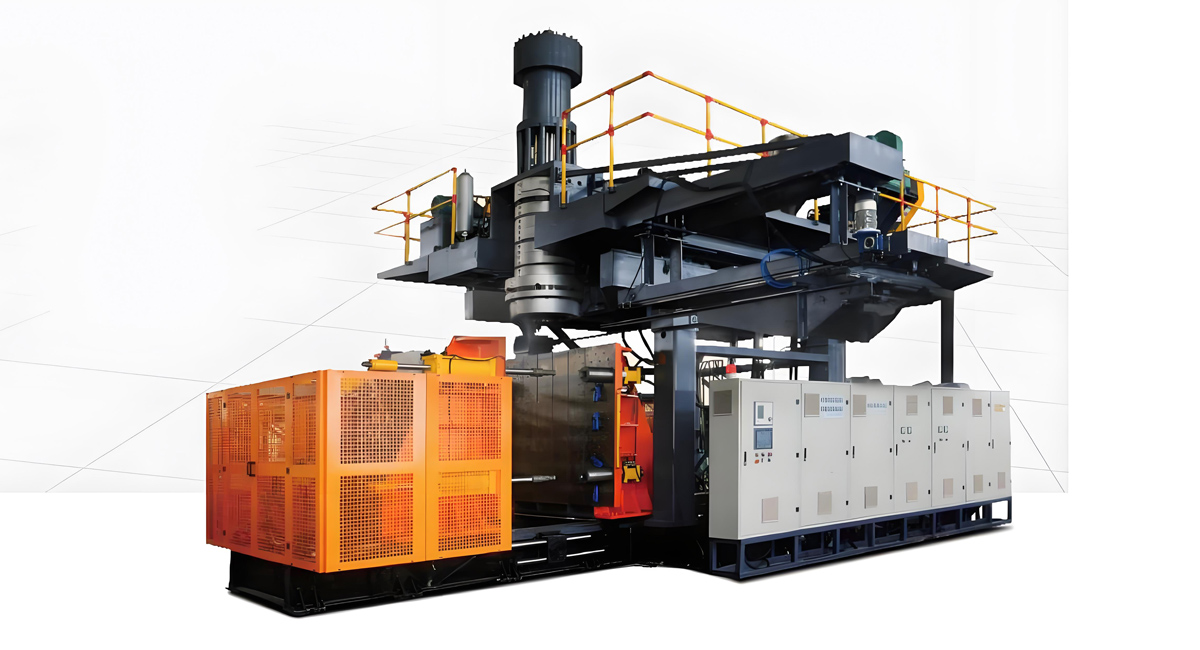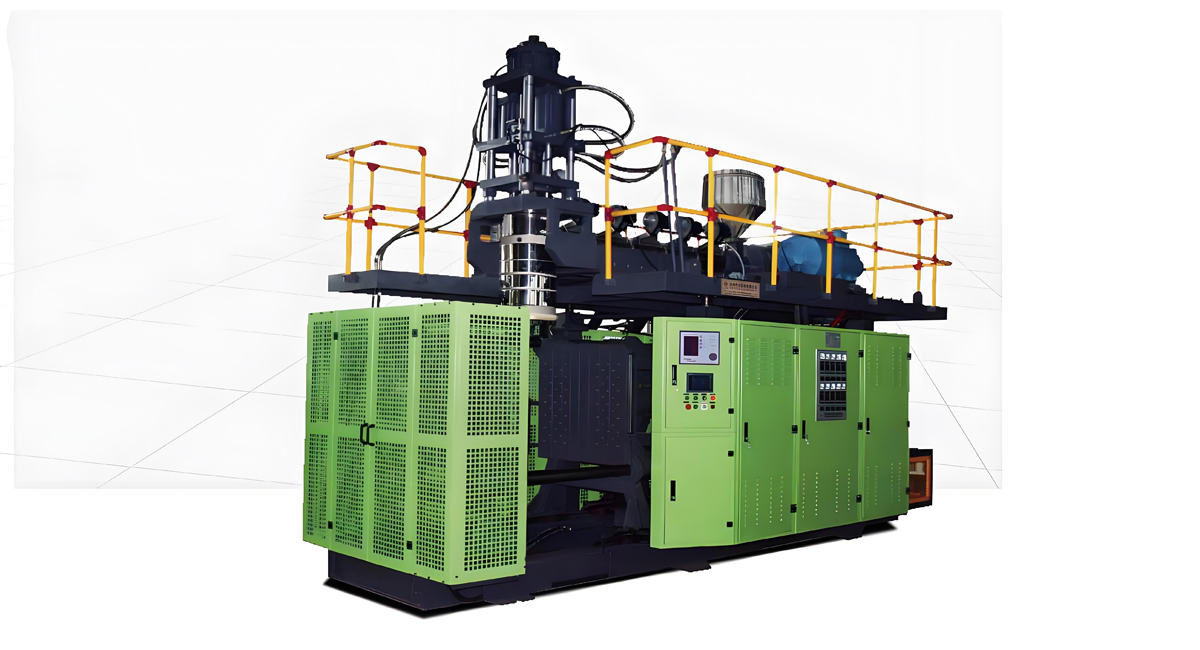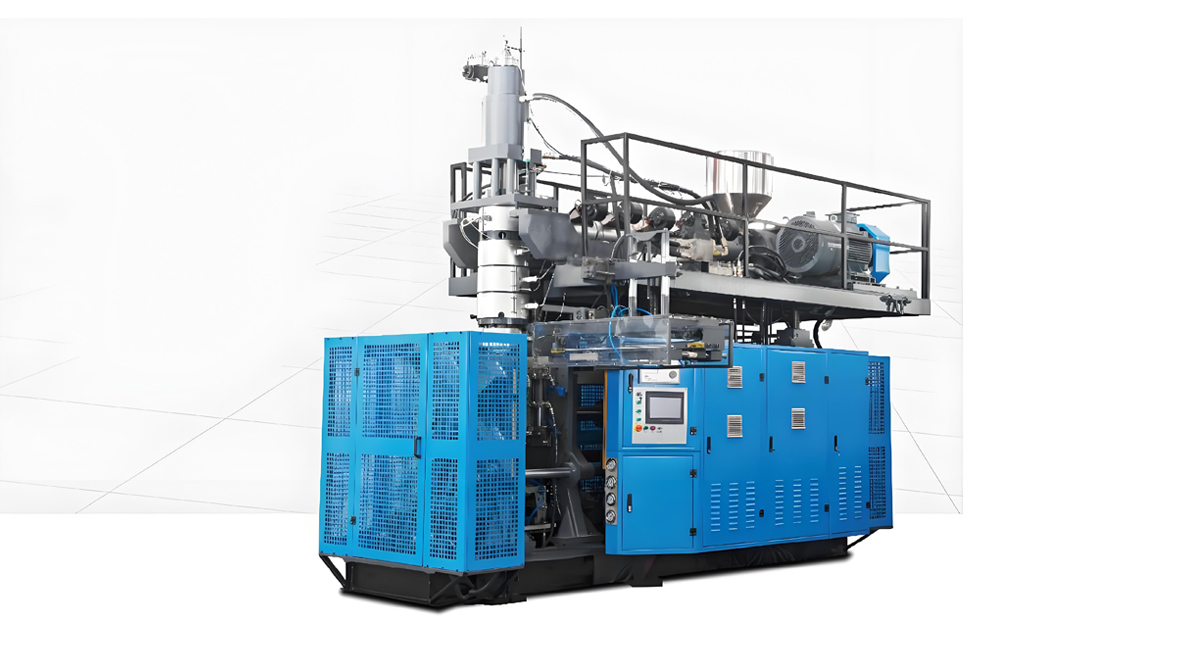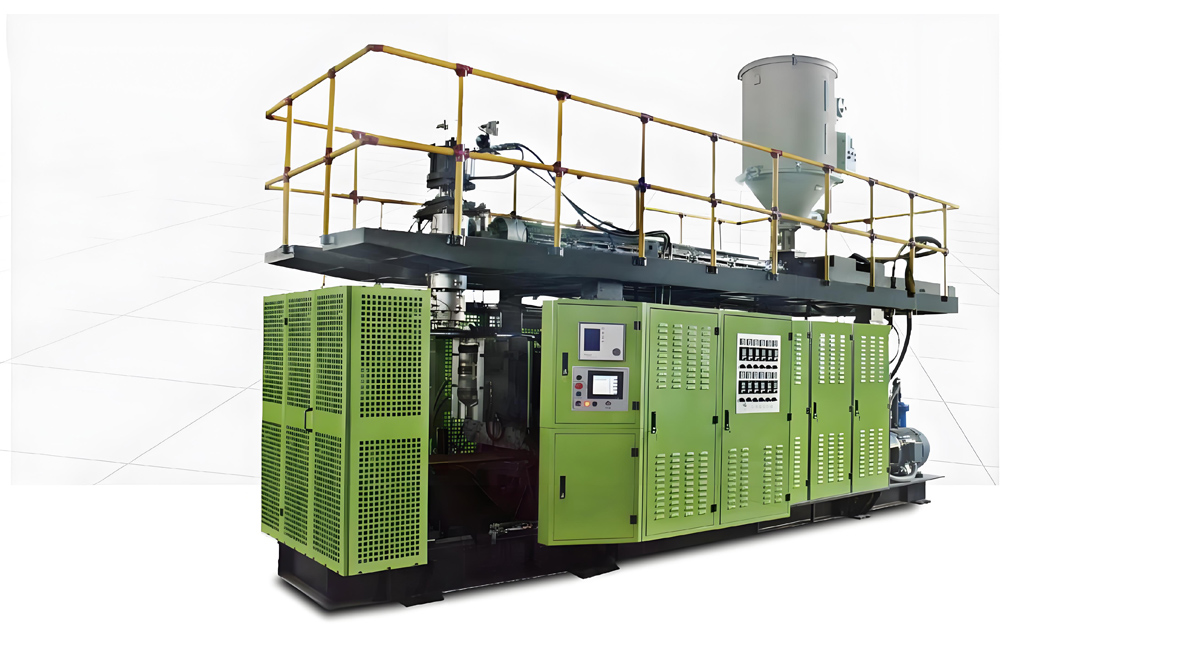
Comprar una máquina de moldeo por soplado por extrusión para una planta europea es un ejercicio diferente al de comprar una para casi cualquier otra región. Dos fuerzas dominan las especificaciones: un marco de conformidad legalmente vinculante que decide si la máquina puede introducirse legalmente en el mercado y ponerse en servicio en general, y una estructura de costes de energía que convierte cada kilovatio-hora evitado en un obstáculo permanente en el coste por recipiente. Una máquina que produce bonitas botellas pero llega sin un archivo técnico defendible no puede ser puesta en servicio. Una máquina que cumple completamente las normas pero consume un cuarenta por ciento más de electricidad que la alternativa erosionará silenciosamente los márgenes durante todo el período de servicio de quince a veinte años.
Esta guía está dirigida a convertidores, grupos de embalaje, fabricantes que trabajan por encargo y ingenieros de las instalaciones de Europa, que necesitan especificar una máquina de moldeo por soplado por extrusión que cumpla ambos requisitos. Describe el marco de conformidad CE con el detalle necesario para el ingeniero, descifra los estándares de seguridad que hacen posible la configuración de la máquina, cuantifica el gap de energía entre las tecnologías de accionamiento con cifras utilizables y asigna los requisitos de contacto con materiales y alimentos a la configuración de la máquina. A continuación, presenta plataformas de máquina concretas con tablas de especificaciones y una matriz de selección de requisitos a modelo, de modo que la discusión sobre la conformidad termine en una decisión de compra en lugar de en una lista de verificación abstracta.
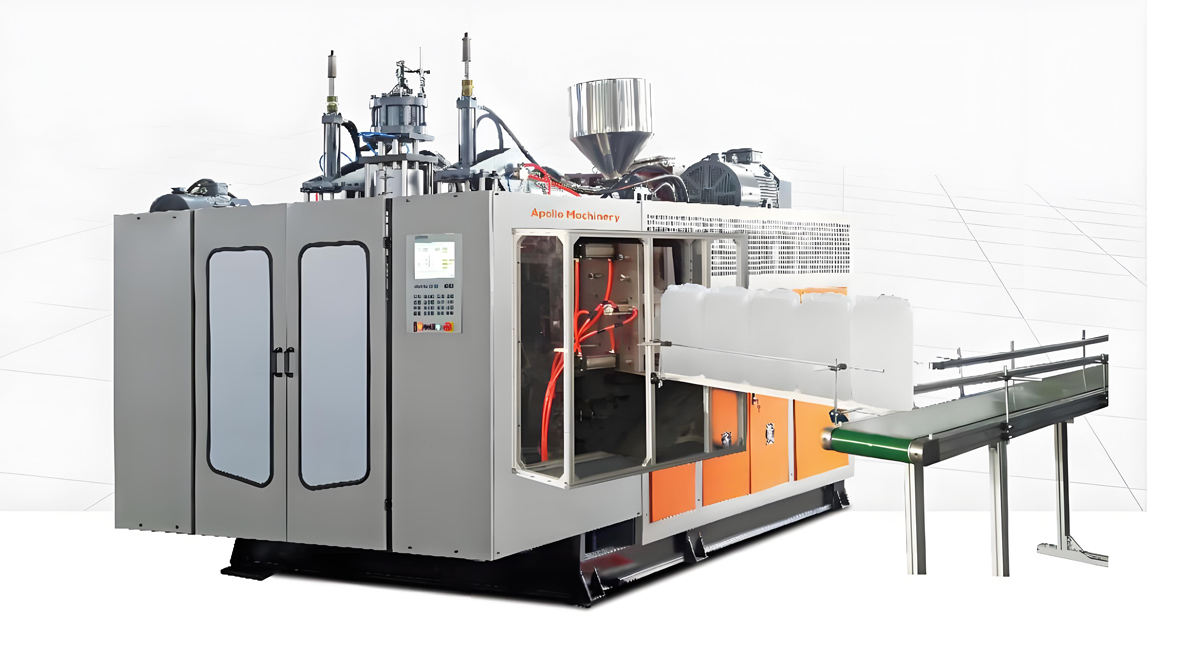
Apollo, una fábrica de Wanplas, es un fabricante de máquinas de moldeo por soplado y extrusión automática con sede en Zhangjiagang, en el Delta del río Yangtze, con más de veinte años de historia de fabricación, una instalación de producción de 8.000 metros cuadrados, una capacidad de producción anual de alrededor de 100 máquinas y más de 4.000 máquinas en funcionamiento en más de 90 países. Diez series de máquinas y más de ochenta modelos cubren productos plásticos huecos, desde botellas de 200 ml hasta contenedores industriales de 1500 l. Apollo fabrica máquinas para destinos europeos de acuerdo con el estándar eléctrico europeo, con el paquete de documentación CE preparado como parte del pedido en lugar de agregado posteriormente. Wanplas, la marca matriz, aplica los mismos estándares de calidad y de posventa en su red de fábricas especializadas, incluido el compromiso compartido de 500 USD en piezas de repuesto gratuitas cada año y una política de fábrica abierta para las auditorías de los clientes.
Principio clave en la contratación europea: el marcado CE es una declaración del fabricante respaldada por un archivo técnico, no un certificado de terceros que pueda adquirirse. La eficiencia energética es una decisión de arquitectura de la máquina, no un accesorio. Ambos deben definirse antes de confirmar el pedido, porque ninguno puede integrarse de forma sencilla y económica.
Por qué el mercado europeo establece un estándar diferente para los equipos EBM.
El concepto de seguridad de una máquina de moldeo por soplado europea no es un conjunto de accesorios sujetos con tornillos en el extremo. Define la distribución de la máquina, el flujo de trabajo de cambio de molde, la arquitectura de control y el tiempo del ciclo. Esta sección describe cómo las normas se traducen en hardware físico en la máquina.
Usa exactamente este formato: "1. " por línea, nada más.
En el mercado único europeo, la maquinaria solo se puede colocar en el mercado y ponerse en servicio si cumple los requisitos esenciales de seguridad e higiene de las directivas aplicables. La responsabilidad no se limita al fabricante. Un importador o una empresa que pone su propio nombre en la máquina, la modifica sustancialmente o monta una línea a partir de máquinas separadas puede convertirse en el fabricante legal del producto resultante, con la obligación completa de elaborar un archivo técnico y expedir una Declaración de Conformidad. Por este motivo, los compradores europeos hacen preguntas más difíciles sobre la documentación que los compradores de otros lugares: un archivo incompleto transfiere el riesgo directamente a su propia hoja de balance y las autoridades nacionales de vigilancia del mercado pueden requerir que una máquina sea retirada del servicio.
Los cambios en los costos de energía alteran la aritmética del retorno de la inversión
La electricidad industrial en la mayoría de los mercados europeos es costosa en relación con los promedios mundiales y es volátil. Eso tiene dos consecuencias para la selección de las máquinas. En primer lugar, el ordenamiento relativo de las tecnologías de accionamiento cambia: una arquitectura que parece un plus innecesario en una región con bajo costo de la energía se convierte en la opción predeterminada en Europa, porque la diferencia de consumo se multiplica por un coste por unidad mucho mayor a lo largo de un número elevado de horas de funcionamiento. En segundo lugar, el rendimiento energético se convierte en un asunto contractual. Los compradores europeos escriben específicamente el consumo de energía en kilovatios por kilogramo en las especificaciones de compra e lo verifican durante las pruebas de aceptación, de la misma manera que verifican el tiempo de ciclo y el peso del producto.
Muchas plantas europeas también implementan un sistema certificado de gestión de la energía cuya normativa se alinea con la EN ISO 50001, que requiere que establezcan un punto de referencia energético, definan indicadores de rendimiento energético y demuestren una mejora continua. Una nueva máquina para moldeo por soplado es un usuario de energía importante en ese sistema, por lo que su capacidad de medición es importante. Una máquina que puede informar sobre su propio consumo por zona y turno es mucho más útil en ese marco que una que no puede hacerlo.
Las obligaciones de ciclicidad fluyen hacia arriba hasta la máquina
La política de embalaje europea ha pasado de objetivos voluntarios a requisitos obligatorios. El rumbo es coherente: un mayor contenido reciclado en los envases de plástico, criterios de diseños para el reciclaje que penalizan las estructuras difíciles de reciclar y tasas de responsabilidad del productor extendidas que se modifican según la reciclabilidad. El efecto práctico para el conversor es que la resina que entra en la máquina se vuelve menos uniforme. El HDPE reciclado postconsumo varía en velocidad de fluido de fusión, color, nivel de contaminación y resistencia de fusión de un lote a otro de una forma que la resina virgen no lo hace.
Una máquina diseñada para el servicio europeo requiere una ventana de procesamiento estable más amplia que otra dedicada a un solo grado virgen. En la práctica, esto significa una adecuada filtración de la masa fundida antes de la cabeza de la matriz, una geometría de tornillos que tolera la variación en la densidad al unísono y la viscosidad de la masa fundida, control del espesor de la pared del modelo en circuito cerrado para mantener el peso del envase cuando la resistencia de la masa fundida varía, y, en caso necesario, una cabeza de matriz de coextrusión que permita que el material reciclado se encuentre en una capa intermedia protegida entre las pieles virgenes.
Comparación de la presión de especificación regional
| Rendimiento energético | Requisito típico europeo | Requisito común en otros lugares. | Consecuencia del diseño de la máquina |
|---|---|---|---|
| Documentación de conformidad. | Legajo técnico completo, registro de evaluación de riesgos, cálculo del circuito de seguridad y Declaración de conformidad. | Página del certificado o manual básico | Se cuenta con un presupuesto de tiempo de ingeniería para la construcción; el conjunto de documentos se traslada junto con la máquina. |
| Filosofía de vigilancia. | Protecciones interconectadas y protegidas, armarios fijos en todos los puntos de trampa, eficiencia de detención validada | Protectores fijos más parada de emergencia. | Hardware de conexión adicional, controlador de seguridad, medición del tiempo de parada |
| Rendimiento energético | Objetivo contractual de kWh/kg, submedición, límites de potencia en espera | Solo la nomenclatura de potencia instalada. | Arquitectura servo o totalmente eléctrica, aislamiento, medición de zonas |
| Emisión de ruido. | Nivel de presión acústica de emisiones ponderadas A declarado en la posición del operador. | Raramente especificado | Arquitectura de la bomba silenciosa, diseño del gabinete, informe de mediciones. |
| Capacidad de contenido reciclado. | Gran proporción de materiales de postconsumo, a menudo con una estrategia de capa de coextrusión | Resina virgen principalmente. | Filtrado de fusión, ventana de procesamiento más amplia, opción de cabeza estriada multilínea |
| Fuente de energía eléctrica | 400 V, tres fases, 50 Hz, conexión a tierra TN-S, control de 24 V CC | Gran variación, común a 60 Hz. | Cabina diseñada según la norma europea desde el principio |
| Interfaz del operador. | Interfaz en idioma local y manual de uso del producto. | Solo se acepta en inglés | Conjunto de cadenas de interfaz traducidas y documentación. |
El Marco CE desglosado: Directivas, normas y archivo técnico.
El marcado CE de una máquina de moldeo por soplado con extrusión es una declaración del fabricante de que la máquina cumple todos los requisitos europeos aplicables. Se apoya en un conjunto de pruebas estructuradas y, en el caso de una máquina de este tipo, dicho conjunto se basa en tres directivas, en una jerarquía de normativas armonizadas y en un archivo técnico que debe estar disponible para las autoridades durante diez años tras la comercialización de la última unidad.
Directiva de máquinas 2006/42/CE
Esta es la directiva principal para una máquina de moldeo por soplado. Establece los requisitos básicos de salud y seguridad, que incluyen los principios de integración de seguridad, el diseño de los controles, la protección contra riesgos mecánicos, los requisitos de protección, la protección contra otros riesgos, entre ellos electricidad, temperatura y ruido, y la información que debe proporcionarse con la máquina. El fabricante debe realizar una evaluación del riesgo, eliminar o reducir los riesgos mediante el diseño, cuando sea posible, aplicar medidas de protección cuando existan riesgos y informar a los usuarios de los riesgos residuales.
En el caso de la mayoría de las máquinas de moldeo por soplado por extrusión, la vía de conformidad es el control interno de la producción, ya que estas máquinas no están incluidas en el anexo IV de la directiva. Esto no alivia las cargas técnicas. El fabricante sigue teniendo que elaborar un expediente técnico para el anexo VII que contenga una descripción general de la máquina, dibujos generales y diagramas de circuito, las descripciones y explicaciones necesarias para comprender esos dibujos, la documentación de evaluación de riesgos con la lista de requisitos esenciales aplicados, las normas utilizadas, informes técnicos sobre las pruebas realizadas, una copia del manual de instrucciones y la propia Declaración de Conformidad.
Los compradores europeos también deben saber que el marco jurídico de la maquinaria está en transición a un reglamento de aplicación directa, el Reglamento (UE) 2023/1230, que reemplazará la Directiva 2006/42/CE a partir de enero de 2027. La lógica técnica de la evaluación de riesgos y los estándares armonizados se mantienen, con una atención adicional a la documentación digital, las funciones de seguridad impulsadas por software y la ciberseguridad de los sistemas de control relacionados con la seguridad. Las máquinas contratadas para su entrega cerca de ese límite deberían tener el tránsito abordado de manera explicita en las especificaciones de compra.
Directiva sobre voltaje bajo 2014/35/UE
La Directiva de Baja Tensión se aplica al equipo eléctrico diseñado para trabajar con una tensión nominal entre 50 y 1000 V para corriente alterna. Cuando los aspectos relacionados con la seguridad eléctrica de una máquina están plenamente cubiertos por la Directiva sobre maquinaria, la máquina sigue el curso establecido para las máquinas, pero los objetivos de seguridad de la Directiva de Baja Tensión siguen siendo aplicables al equipo eléctrico. En la práctica, esto significa que el gabinete de control, la distribución de la energía, la protección contra el contacto directo e indirecto, la coordinación del aislamiento, las distancias de separación y rozamiento y el aumento de temperatura deben diseñarse y verificarse en conformidad con una norma eléctrica reconocida. Los conjuntos de baja tensión proporcionados por separado, tales como un panel de control del enfriador independiente o una unidad de transformador auxiliar, se evalúan en virtud de la Directiva de Baja Tensión por separado.
Directiva EMC 2014/30/UE
La Directiva EMC requiere que la máquina no emita perturbaciones electromagnéticas superiores al nivel permitido ni sea afectada indebidamente por las perturbaciones presentes en su entorno. En una máquina de moldeo por soplado, las fuentes significativas de emisión son los accionadores de frecuencia variable, los servomotores, los fuentes de alimentación de interruptores y los dispositivos de switching de la banda caliente. Las preocupaciones significativas en materia de inmunidad se refieren a las entradas de termopar, las señales analógicas de control de presión y posición, las entradas de seguridad y los buses de comunicación.
El cumplimiento se alcanza a través de la disciplina de instalación, tanto como a través de la selección de los componentes: filtros de línea en las entradas de accionamiento, cables de motor blindados con la armadura unida en ambos extremos a través de juntas adecuadas, segregación de la ruta de alimentación y señalización dentro del gabinete, conexión de una sola punta de las pantallas de señal y correcta adhesión de la estructura del gabinete. En entornos industriales, normalmente la máquina se evalúa según los niveles de emisión e inmunidad industriales en lugar de los niveles residenciales, y el entorno deseado debe especificarse en la documentación.
Jerarquía de las normas armonizadas
Los estándares armonizados europeos se organizan en tres tipos. Los estándares de tipo A proporcionan conceptos básicos y principios de diseño aplicables a todas las máquinas. Los estándares de tipo B se ocupan de un aspecto de seguridad particular o de un tipo de protección utilizable en muchas máquinas. Los estándares de tipo C se ocupan de requisitos de seguridad detallados para una máquina específica o para un grupo de máquinas, y cuando existe un estándar de tipo C, sus disposiciones tienen prioridad sobre los estándares más generales.
| Norma | Tipo | Ámbito de aplicación de una máquina EBM | Salida de diseño práctico |
|---|---|---|---|
| EN ISO 12100 | A-type | Metodología de evaluación del riesgo y reducción del riesgo. | Lista de peligros, estimación del riesgo, registro de reducción en tres pasos |
| EN 422 | Tipo C. | Requisitos de seguridad para máquinas de moldeo por soplado para artículos huecos | Protección de la zona de sujeción, normas de acceso a la zona de parrilla, tratamiento de peligros en la cabeza de la plana. |
| EN 201 | Tipo C. | Estándar paralelo de tipo C para máquinas de moldeo por inyección de la misma familia | Referencia para la interpretación de riesgos comparables de fijación y plastificación. |
| EN ISO 13849-1 | Usa ESTE formato exacto: "1. " por línea, nada más. | Nivel de rendimiento de las partes del sistema de control relacionadas con la seguridad | Atribución de PLr, categoría, cobertura de diagnóstico, tiempo medio hasta un fallo peligroso. |
| EN 60204-1 | Usa ESTE formato exacto: "1. " por línea, nada más. | Equipo eléctrico de las máquinas | Disyuntor, protección, dimensionado de los conductores, categorías de detención, pruebas de verificación. |
| EN ISO 13850 | Usa ESTE formato exacto: "1. " por línea, nada más. | Función de parada de emergencia. | Posición de los accionadores, selección de la categoría de parada, comportamiento de restablecimiento |
| EN ISO 14119 | Usa ESTE formato exacto: "1. " por línea, nada más. | Dispositivos interbloqueables asociados con los protectores | Usa exactamente este formato: "1. " por línea, nada más. |
| ISO 14120 | Usa ESTE formato exacto: "1. " por línea, nada más. | Diseño y construcción de guardias | Construcción de barrera fija y móvil, fijación, paneles de visualización. |
| EN ISO 13857 | Usa ESTE formato exacto: "1. " por línea, nada más. | Distancias de seguridad para evitar llegar a zonas de peligro | Altura de la protección, tamaño de la abertura en función de la distancia, protección de las extremidades inferiores. |
| EN ISO 13855 | Usa ESTE formato exacto: "1. " por línea, nada más. | Posicionamiento de las protecciones en relación con la velocidad de aproximación. | Cálculo de la distancia mínima para cortinas de luz |
| EN IEC 61496 | Usa ESTE formato exacto: "1. " por línea, nada más. | Equipo de protección electro-sensible | Selección del tipo de cortina de luz y de la resolución |
| ES ISO 13851 | Usa ESTE formato exacto: "1. " por línea, nada más. | Dispositivos de control con dos manos | Selección del tipo, tiempo de sincronización, requisito de liberación. |
| EN ISO 4413 | Usa ESTE formato exacto: "1. " por línea, nada más. | Requisitos de seguridad de la energía del fluido hidráulico | Alivio de la presión, descarga del acumulador, selección del tubo y del accesorio. |
| EN ISO 4414 | Usa ESTE formato exacto: "1. " por línea, nada más. | Requisitos de seguridad para la energía hidráulica neumática. | Aislamiento del aire, liberación de la presión residual, seguridad del circuito de aire de soplado |
Lo que realmente produce la evaluación del riesgo
Un análisis de riesgos en línea con la norma EN ISO 12100 sobre una máquina de moldeo por soplado no es una formalidad. Recorre sistemáticamente las fases del ciclo de vida de la máquina, el transporte, la instalación, la puesta a punto, la operación normal, la limpieza, la búsqueda de fallos, el mantenimiento y la desmilitarización, y determina los peligros presentes en cada una de ellas. En el caso de una máquina de moldeo por soplado, las familias de peligros recurrentes son el aplastamiento en la unidad de sujeción, el corte por abrasión en la estación de corte del parison y desblandilamiento, las quemaduras por el barril, la cabeza de matriz y el polímero fundido, la intrusión en el extracción y el transportador, la inyección de fluido a alta presión de circuitos hidráulicos, la energía acumulada en los acumuladores, los peligros eléctricos, el ruido y los peligros ergonómicos durante los cambios de moldes.
Cada peligro se estima en cuanto a su gravedad, la frecuencia de exposición y la posibilidad de evitarlo, y luego se reduce en un orden fijo de prioridad: primero el diseño inherentemente seguro, luego las medidas de protección técnicas y las complementarias, y después la información para su uso. Solo se tratan los riesgos residuales que no pueden eliminarse razonablemente por el diseño, mediante advertencias e instrucciones. El resultado es un registro rastreable que muestra, para cada peligro identificado, qué medida se ha aplicado y qué norma la apoya. Cuando un comprador europeo solicita ver este registro, un fabricante que realmente haya realizado el trabajo puede producirlo de inmediato.
Ingeniería de seguridad de las máquinas: Barreras, cortinas luminosas, interbloques y circuitos de parada.
Especificaciones de tamaño
Protección de la zona de fijación
La unidad de sujeción es el peligro de más alta energía en la máquina. Las fuerzas de cierre de una máquina de moldeo por extrusión a presión intermedia varían de aproximadamente 40 kN a 800 kN dependiendo del área proyectada y del tamaño de la bandeja, y las velocidades de cierre son altas porque el tiempo de ciclo depende de ellas. El enfoque estándar es una barrera frontal móvil con un dispositivo de interbloqueo que integra el bloqueo de la barrera, de forma que esta no puede abrirse mientras es posible un movimiento peligroso, y ningún movimiento peligroso puede comenzar mientras la barrera esté abierta.
La selección del tipo de bloqueo del protector sigue los criterios establecidos en la norma EN ISO 14119. Generalmente se prefiere el bloqueo tanto por resorte como por liberación eléctrica para el protector de sujeción, pues el protector permanece bloqueado si se pierde la alimentación. Se debe seleccionar el dispositivo de interbloqueo y montarlo para que resista razonablemente las acciones malintencionadas, lo cual en la práctica se traduce en dispositivos codificados en lugar de simples actuadores mecánicos, y en una montura que impida el uso de un actuador de repuesto para saltarse el protector. Los puntos de acceso posterior y lateral que no sean necesarios para el uso habitual se protegen con protectores fijos sujetos mediante tornillos que permanecen adheridos al protector o que requieren una herramienta para su extracción.
Cortinas de luz y cálculo de la distancia mínima
Cuando el proceso de funcionamiento requiere acceso frecuente del operador, por ejemplo, inserción manual de una pieza o extracción manual de un envase grande, se utiliza un dispositivo de protección electro-sensible. En los equipos de moldeo por soplado, este es generalmente un cortina de luz del tipo 4 con una resolución de 14 mm para la detección de dedos o de 30 mm para la detección de manos, seleccionada según la norma EN IEC
La distancia de montaje no es arbitraria. EN ISO 13855 da la distancia mínima como el producto de la constante de velocidad de aproximación y el tiempo total de desaceleración del sistema, más un margen de intrusión que depende de la capacidad de detección. Utilizando la constante de velocidad de aproximación estándar de 1600 mm por segundo para un acercamiento normal y un margen de intrusión derivado de la capacidad de detección, el cálculo requiere una medición precisa del tiempo total de paro, que incluye el tiempo de respuesta de la cortina de luz, el tiempo de respuesta del controlador de seguridad, el tiempo de respuesta de la válvula o del accionamiento y el tiempo de deceleración mecánica de la plataforma móvil.
Este es un punto en el que el papeleo y la realidad a menudo se distancian. El tiempo de parada debe medirse en la máquina finalizada, no estimarse a partir de las hojas de datos de los componentes, y debe verificarse de nuevo después de cualquier cambio en el sistema hidráulico, la masa de la placa o la configuración del controlador de seguridad. Una máquina bien documentada incluye el rendimiento de parada medido en el protocolo de aceptación.
Control de dos manos y modo de configuración
Los dispositivos de control de dos manos conforme con ES ISO 13851 se usan cuando un operador debe iniciar un movimiento peligroso mientras sus manos están demostrablemente fuera de la zona de peligro. El tipo IIIC es el requisito habitual para máquinas herramientas y máquinas de moldeo, que requiere una activación sincrónica dentro de una ventana corta, una activación continua durante todo el movimiento peligroso y la liberación de ambos activadores antes de poder iniciar un nuevo ciclo.
Los modos de configuración y de prueba del molde requieren una atención especial. Durante la configuración del molde, el operario debe poder mover los platines con la protección abierta, lo que de otra manera estaría prohibido. La solución estándar es un modo de configuración seleccionable con un atril, en el que el movimiento está limitado en velocidad, en aumento de carrera y se habilita únicamente mediante un dispositivo de espera para ejecutar combinado con un interruptor de activación de tres posiciones. El selector de modo debe ser segurable para que la máquina no pueda dejarse en modo de configuración durante la producción.
Parada de emergencia and stop categories
Los dispositivos de parada de emergencia, de conformidad con la norma EN ISO 13850, deben estar colocados en todas las estaciones del operador y en cualquier posición desde la que se pueda operar la máquina, incluidas la plataforma de la cabeza del matriz en las máquinas de acumulador elevadas, la zona del molde y los extremos del transporte y la bandeja. El accionamiento debe realizarse con un dispositivo de apertura directa y accionado de forma positiva que se bloquea hasta ser restaurado deliberadamente, y el restablecimiento del dispositivo no permitirá que la máquina reinicie automáticamente.
EN 60204-1 define las categorías de parada. La categoría 0 quita la alimentación inmediatamente, la categoría 1 lleva la máquina a una parada controlada y luego quita la alimentación, y la categoría 2 es una parada controlada con la alimentación retenida. En una máquina de moldeo por soplado accionada por servo, una parada controlada de categoría 1 es a menudo preferible para el accionamiento principal porque una parada abrupta de categoría 0 en un tornillo de extrusión cargado puede provocar tensión mecánica y dejar el derretido en un estado incontrolado, mientras que el movimiento de sujeción está generalmente diseñado para la parada segura más rápida.
Rendimiento del sistema de control relacionado con la seguridad.
A cada función de seguridad se le debe asignar un nivel de rendimiento requerido según EN ISO 13849-1, determinado en función de la gravedad de las posibles lesiones, la frecuencia y duración de la exposición y la posibilidad de evitar el peligro. En una máquina de moldeo por soplado, la función de bloqueo de la protección de sujeción y la función de cortina de luz generalmente requieren un nivel de rendimiento d con arquitectura de categoría 3, lo que significa canales redundantes con monitorización cruzada, de modo que un solo fallo no lleve a la pérdida de la función de seguridad y se detecte en el siguiente requerimiento o antes.
| Función de seguridad | Riesgo abordado | Dispositivo típico | Rendimiento típico requerido. | Verificación al momento de la aceptación |
|---|---|---|---|---|
| Bloqueo interconectado de protección de fijación con bloqueo | Trituración entre platines | Intercambiador codificado con bloqueo de protección aplicado con resorte | PL d, categoría 3 | La abertura de la protección se bloquea durante el movimiento; el movimiento se inhibe con la protección abierta |
| Cortina de luz de acceso del operador. | Acceso a la zona de sujeción o de extracción | Tipo 4 de la norma ESPE, resolución de 14 mm o 30 mm | PL d, categoría 3 | Tiempo de detención medido frente a la distancia de montaje calculada |
| Parada de emergencia | Todo movimiento y energía peligrosos. | Accionadores en forma de setas para todos los puestos | PL d o PL c, según la evaluación | Prueba de función, comprobación del comportamiento de restablecimiento |
| Limitación del modo de configuración | Trituración durante el ajuste del molde | Selector de teclas, botón de sujeción para encender, interruptor de activación | PL d, categoría 3 | Límites de velocidad y recorrido verificados en el modo de configuración. |
| Protector térmico de cabeza de matriz y cilindro | Quemas por superficies calientes y fundición | Cubreos aislados, protectores fijos, marcación de advertencia | Medida de diseño más información para el uso | Revisión de la temperatura de la superficie en los puntos accesibles. |
| Sobrepresión hidráulica y energía almacenada | Inyección de fluidos, movimiento inesperado | Válvulas de alivio, circuito de descarga del acumulador | Diseño según EN ISO 4413 | Verificación de la configuración de emergencia, prueba de descarga del acumulador |
| Aislamiento del circuito de aire de soplado | Movimiento de cremallera inesperado, liberación de aire. | Válvula de aislamiento con válvula de liberación de presión residual | Diseño conforme a EN ISO 4414 | Prueba de aislamiento y descarga antes del acceso para mantenimiento |
| Aislamiento de la fuente principal | Peligro eléctrico durante el mantenimiento. | Disyuntor principal bloqueable en la puerta del armario | Diseño según EN 60204-1 | Prueba de cierre, comprobación del tiempo de descarga de voltaje residual |
Eficacia energética según la tecnología de transmisión: comparación cuantificada
Utiliza EXACTAMENTE este formato: "1. " por línea, nada más.
Hidráulicos de bomba con desplazamiento fijo
La decisión de energía más importante en una máquina de moldeado por soplado con extrusión es la arquitectura del sistema de alimentación. En la actualidad, se emplean cuatro arquitecturas, y la diferencia entre la más antigua y la más nueva es lo suficientemente significativa como para influir en los aspectos económicos de una planta. La comparación a continuación muestra los costes relativos expresados en términos indexados, con una máquina convencional de bombeo de desplazamiento fijo de igual tonelaje establecida en 100 puntos de indexación, ya que los valores absolutos dependen de la configuración, del número de moldes y del destino.
Hidráulica de bomba de desplazamiento variable
Una bomba de desplazamiento variable ajusta el ángulo de su placa oscilante para adaptar el flujo entregado a la demanda, por lo que las pérdidas de ajuste disminuyen considerablemente. El motor continúa funcionando continuamente a la frecuencia de línea, por lo que las pérdidas de inactividad permanecen, pero el flujo de bombeo es mucho menor. Esta arquitectura supone una mejora significativa frente a la bomba fija y sigue siendo común en los mercados sensibles al coste, pero en Europa representa ahora una posición intermedia en lugar de un objetivo.
Acción servo-hidráulica
Un sistema servo-hidráulico hace que un motor servo de imán permanentede cuaje a una bomba de desplazamiento fijo y controla el flujo y la presión variando la velocidad del motor. Cuando no se requiere movimiento, el motor ralentiza hasta casi detenerse y consume solo una pequeña fracción de la potencia nominal. Debido a que la bomba gira únicamente tan rápido como el movimiento actual lo necesita, las pérdidas por arranque y el calentamiento del aceite se reducen considerablemente, lo que a su vez reduce la carga de refrigeración. El control de presión y flujo es de bucle cerrado y reproducible, por lo que la programación de comparación y el movimiento de sujeción se vuelven más consistentes de un ciclo a otro. El ruido disminuye notablemente porque el motor está silencioso en reposo. Para la mayoría de los compradores de máquinas de moldeo por soplado por extrusión hidráulica en Europa, el sistema servo-hidráulico es ahora la base sensata.
Accionamiento totalmente eléctrico
Una máquina totalmente eléctrica reemplaza la actuación hidráulica por motrices servo y transmisiones mecánicas para el agarre, el movimiento del carro, el movimiento del pasador de soplado y la unidad de transmisión del extrusor. No hay ninguna unidad de potencia hidráulica, ni aceite, ni carga de refrigeración del aceite ni riesgo de fugas hidráulicas. El consumo específico de energía es el más bajo de las cuatro arquitecturas, la repetición de movimiento es la más alta, el ruido es el más bajo y la ausencia de aceite hace que la máquina sea atractiva para la producción farmacéutica y alimentaria cercana a las salas blancas, donde el vapor de aceite no es bienvenido. Los compromisos son una mayor clase de coste de adquisición y una transmisión mecánica que se debe mantener en lugar de un circuito hidráulico. La serie totalmente eléctrica de Apollo incluye la gama de recipientes de 200 ML a 20 l para estas aplicaciones específicas.
| Parámetro | Bomba de desplazamiento fijo. | Bomba de desplazamiento variable | Servo-hidráulico | Entalmente eléctrica |
|---|---|---|---|---|
| En la arquitectura tradicional, una bomba de desplazamiento fijo impulsada por un motor de inducción funciona ininterrumpidamente a máxima velocidad y proporciona un flujo constante, independientemente de la demanda. El flujo no utilizado por el movimiento activo se dirige a través de una válvula de compensación de vuelta al tanque, convirtiendo la energía eléctrica directamente en calor del aceite. Durante la considerable porción del ciclo en el que no hay movimiento, la bomba sigue girando y el motor sigue consumiendo una gran fracción de su potencia nominal. El resultado es un alto consumo específico de energía, una temperatura alta del aceite, una elevada carga de refrigeración y un gran nivel de ruido. | 0,75 a 1,25 | Consumo específico de energía (kWh por kg de HDPE) | 0,40 a 0,65 | 0,32 a 0,52 |
| Potencia de reposo como porcentaje de la potencia nominal del motor | 45 a 70% | Del 25 al 40 por ciento. | Del 1,5 al 12 por ciento. | Del 2 al 6% |
| Clase de tiempo de respuesta del movimiento | Lenta, limitada por las válvulas | Moderado | Rápida, de bucle cerrado | Control servo directo y más rápido |
| Repetitividad del posicionamiento | Moderado, sensible a la temperatura | Moderado a bueno. | Buena, en gran medida estable a temperatura | Excelente, basada en un codificador. |
| Nivel de presión sonora de las emisiones en la posición del operador, dB (A) | Del 80 al 86% | 76 a 82 | 68 a 75 | 65 to 72 |
| Carga de refrigeración por aceite | Alto | 0,60 a 0,90 | Bajo a medio | Ninguno |
| Volumen de aceite y carga de cambio. | Alto | Alto | Medio | Ninguno |
| Intensidad de mantenimiento | Alto | 0,60 a 0,90 | Medio | Baja a media, con enfoque en la transmisión. |
| Riesgo de contaminación para las áreas de alimentación y la industria farmacéutica. | 0,60 a 0,90 | Medio | Bajo a medio | Muy bajo |
| Clase de costes de adquisición relativos | Bajo | Medio | Alto | 2. Premium. |
| Costo de adquisición indexado (base de bombeo fija = 100 puntos de índice) | 100 | 108 a 118 | 125 to 145 | De 155 a 190 |
| Costo de energía anual por índice y con salida igual (línea base = 100 puntos de índice) | 100 | De 72 a 82 grados Celsius. | 48 a 60% | De 38 a 50 toneladas. |
| Mejor adecuado para los compradores europeos. | Muy raro | Presupuesto limitado, pocas horas de funcionamiento | Producción multiparada mainstream | Mediano a alto |
Cómo leer la comparación indexada
Los campos indexados son deliberadamente relativos. Una planta que trabaja una jornada, cinco días a la semana, con una baja utilización, encontrará que la diferencia del índice de energía tiene menor importancia que la del índice de adquisición. Una planta que funciona tres turnos durante seis o siete días, lo que es lo normal en los convertidores de envasado que abastecen líneas de empaquetado para productos lácteos, bebidas o detergentes, acumula tantas horas de funcionamiento que el índice de energía domina dentro de un pequeño número de años. El método correcto es construir la comparación con tu propio tiempo de utilización, tu propio peso medio del contenedor y tu propia tarifa contratada de electricidad, y luego comparar los costes indexados acumulados en un horizonte de ocho a diez años en lugar de comparar los precios de adquisición.
Dos efectos secundarios a menudo favorecen de manera consistente las opciones de servo y totalmente eléctricas en las plantas reales y, por lo general, se omiten de los cálculos simple. En primer lugar, el menor calentamiento del aceite reduce la carga del enfriador, que a su vez es un gran consumidor de energía, por lo que el ahorro se multiplica. En segundo lugar, la mayor repetibilidad del movimiento hace que la distribución del peso del recipiente sea más precisa, lo que permite establecer el peso objetivo más cerca del mínimo especificado sin correr el riesgo de rechazos por bajo peso. En el caso de una botella de alto volumen que lleva a cabo muchas millones de unidades al año, una pequeña reducción del peso promedio del recipiente supone un ahorro de resina que es totalmente independiente del ahorro de energía eléctrica.
Usa exactamente este formato: «1. » por cada línea, ningún otro detalle.
La arquitectura de la unidad de accionamiento es la palanca individual más grande, pero no es la única. En una línea típica de moldeo por soplado por extrusión, la energía se distribuye entre la unidad de accionamiento de la extrusora, las zonas de calentamiento, la acción hidráulica o servo, el sistema de enfriamiento, la demanda de aire comprimido y el equipo auxiliar. Cada una tiene sus propias medidas de ingeniería.
Extrusor actuado por servo y diseño de tornillos.
El motor de la extrusora es la carga continua más grande en la máquina, ya que funciona siempre que la línea está produciendo. Dos medidas reducen su consumo. La primera es la eficiencia de la transmisión: un servo con imanes permanentes o un motor de inducción de alta eficiencia que funcione a través de una transmisión de tamaño adecuado mantiene una alta eficiencia en un amplio rango de velocidades, mientras que un motor de inducción de gran tamaño que funciona a una fracción de su carga nominal funciona con mala eficiencia y un mal coeficiente de potencia. La segunda es el diseño del tornillo: una geometría del tornillo ajustada al grado de resina convierte más de la energía de la transmisión en fusión y mezcla útiles y menos en calor de cizallamiento innecesario que más tarde debe eliminarse mediante el enfriamiento del tambor. Operando un tornillo eficiente a una velocidad moderada generalmente es mejor que operar un tornillo agresivo a baja velocidad con un enfriamiento pesado del tambor, ya que éste desperdicia energía dos veces, primero en producir el exceso de calor de cizallamiento y después en eliminarlo.
Bandas de calentadores cerámicos y casquillos de aislamiento.
El calentamiento del cabezal de cilindro y matriz representa una gran parte del consumo total, y gran parte se pierde al aire circundante por convección y radiación. La tecnología de bandas de calefacción es importante: las bandas de calefacción cerámicas con un cuerpo aislante emiten una mayor parte de su potencia hacia adentro y pierden menos al medio ambiente que las bandas de mica desnudas de la misma potencia. Añadir cubiertas de aislamiento removibles sobre las zonas del cilindro y la cabeza de matriz es una de las medidas de ahorro de energía más efectivas disponibles en cualquier máquina de extrusión, porque ataca una pérdida que continúa cada segundo que la máquina está a temperatura, incluso durante interrupciones de la producción.
Los beneficios secundarios son igualmente valiosos en una planta europea. El menor consumo de calor significa que las zonas de calefacción ciclan con menos frecuencia y mantienen una temperatura más estable, lo que mejora la homogeneidad del fundido y reduce la variación del espesor de las paredes. También reduce la carga de calor radiante en el taller, lo que disminuye la carga de ventilación y aire acondicionado en verano y mejora las condiciones de trabajo de los operarios.
Control PID zonificado de la cabeza de la matriz
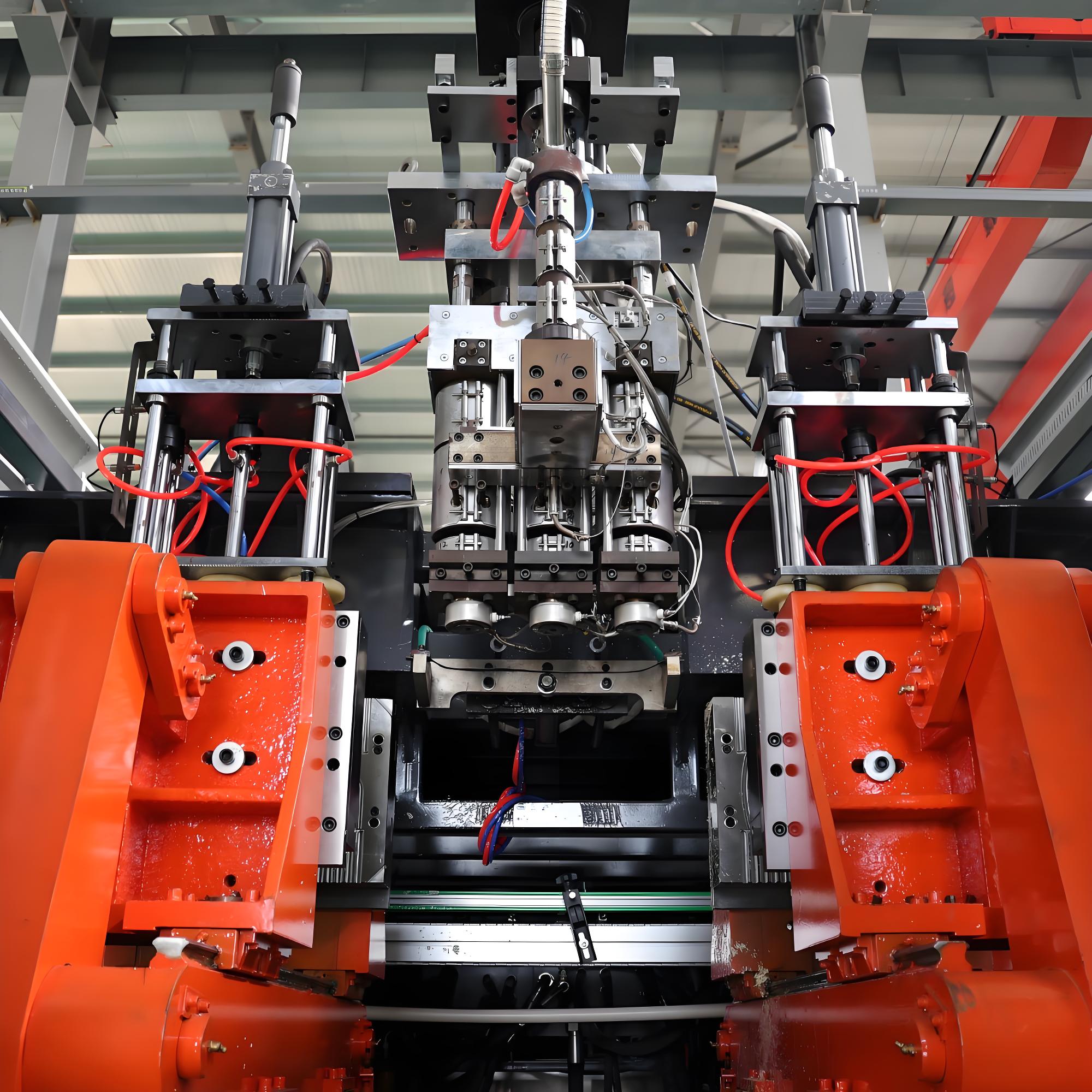
La cabeza de matriz es donde la uniformidad de la temperatura de fusión se convierte en la uniformidad de la pared del parison. Dividir la cabeza de matriz en zonas controladas individualmente y ajustar cada una con un loop PID debidamente identificado, en lugar de un punto de referencia promedio único, logra varios objetivos al mismo tiempo. Las diferencias de temperatura circumferentiales que producirían de otra manera sectores gruesos y delgados en el parison se reducen. Es posible bajar los puntos de referencia cuando lo permite el proceso, ya que el control es lo suficientemente estricto como para reducir el margen de seguridad frente a las marcas de flujo frío. El calentamiento puede ser progresivo de modo que las zonas alcancen la temperatura juntas en lugar de que algunas sobrepasen y luego aguanten.
El control del sobrepaso merece una atención particular. Una zona que está mal ajustada y que sobrepasa la temperatura de calentamiento conduce a un desperdicio de energía directamente, y en los casos del plástico termoestable, de hecho puede generar una degradación localizada que se manifiesta como manchas negras en el contenedor. La automática adaptación durante la puesta en marcha, seguida de la verificación en la resina de producción, es parte rutinaria de una instalación ejecutada adecuadamente.
Ventiladores y bombas de frecuencia variable en el circuito de refrigeración
El enfriamiento es a menudo el consumidor olvidado. Las bombas de agua de enfriamiento del molde, las bombas de circulación de equipo de enfriamiento, los ventiladores de torres de enfriamiento y los ventiladores de gabinetes de máquinas funcionan tradicionalmente a una velocidad fija ajustada para el peor de los casos, lo que ocurre solo durante una pequeña parte del año en la mayoría de los climas europeos. Ajustar los convertidores de frecuencia variable y controlar el punto de temperatura medido ofrece la posibilidad de aprovechar las leyes de afinidad, donde la potencia requerida por un ventilador o bomba centrífuga varía aproximadamente con el cubo de la velocidad. Un recorte moderado de velocidad, por tanto, proporciona una reducción de potencia desproporcionada.
Elevar el punto de referencia del agua refrigerada al valor más alto que aún cumpla con los requisitos de tiempo de ciclo es igualmente efectivo y no cuesta nada implementarlo. Muchas plantas de moldeo por soplado funcionan con agua refrigerada considerablemente más fría de lo que realmente necesita el proceso, simplemente porque el punto de referencia se eligió de manera conservadora en la puesta en funcionamiento y nunca se revisó. En climas más fríos de Europa, un circuito de refrigeración libre que evita el compresor del refrigerador cuando la temperatura ambiente es lo suficientemente baja puede eliminar una gran parte de las horas de funcionamiento anual del refrigerador.
Gestión de la recuperación de calor y de espera.
El calor rechazado por el condensador del enfriador y por el enfriador de aceite hidráulico es de calidad baja pero abundante, y se ajusta bien al calentamiento de los espacios y al precalentamiento del proceso o del agua de lavado. En una planta europea con una verdadera temporada de calefacción de invierno, recuperar este calor reemplaza el calefacción con gas o eléctrica durante gran parte del año, que es precisamente el tipo de medida que un programa de gestión energética EN ISO 50001 está diseñado para identificar.
La energía de espera es la última frontera más frecuentemente ignorada. Una máquina que se detiene para cambiar un molde, hacer un descanso o suspender la producción durante un período programado, no debe seguir consumiendo como si estuviera funcionando. Una estrategia de espera bien implementada reduce los puntos de referencia de la cabeza del cilindro y del matriz a un nivel de mantenimiento seguro después de un período de inactividad definido, reduce la velocidad de la bomba de servo cerca del valor cero, detiene los ventiladores y las bombas no esenciales y reduce la intensidad de la pantalla o pone en modo de reposo, al tiempo que conserva un estado térmico suficiente para permitir un reinicio rápido sin un ciclo completo de calentamiento.
| Medida de energía. | Consumidor objetivo | Reducción típica del consumo en el usuario | Complejidad de implementación | Beneficio secundario. |
|---|---|---|---|---|
| Unidad de potencia de servo-hidráulica | Actuación hidráulica | Del 40 al 60 % | Decisión de la arquitectura de la máquina. | Menor ruido, menor temperatura del aceite, mejor repetibilidad. |
| Actuación totalmente eléctrica. | Todos los ejes de movimiento. | Del 50 al 70 por ciento en comparación con la bomba fija. | Decisión de la arquitectura de la máquina. | No hay aceite, operación más limpia y mayor precisión |
| Bandas de calentadores cerámicos | Calefacción del caderno y la cabeza de la matriz | 10 a 20 por ciento. | Bajo, especificado al realizar el pedido | Bajo, disciplina operativa |
| Fachas aislantes desmontables | Calefacción del caderno y la cabeza de la matriz | Del 15 al 30 por ciento. | Bajas y de fácil instalación | Carga térmica en el taller reducida, superficies más seguras. |
| Optimización PID zonificada con control de overshoot. | Zonas de calefacción. | Del 1,5 al 12 por ciento. | Tarea de puesta en marcha | Mayor uniformidad del grosor de las paredes y menos puntos negros |
| Drivings de frecuencia variable en los ventiladores y las bombas | 3. Circuito de refrigeración. | Del 25 al 50 % | Mediano, retroinsercible | Planta más silenciosa, vida útil más prolongada de los rodamientos |
| Ajuste del punto de referencia del agua refrigerada elevado. | Compresor del chiller. | De un 2 a un 4 % por grado Celsius más alto. | Cambio muy bajo del punto de referencia. | Menos condensación en las superficies de los moldes. |
| Fresado libre en condiciones de ambiente fresco | Compresor del chiller. | Gran reducción estacional en el número de horas de funcionamiento | Medio, modificación del circuito | Vida más prolongada del compresor. |
| Programa de detección de fugas de aire comprimido y optimización de la presión | Compresor de aire | Del 15 al 30 por ciento. | Combinado con capas adyacentes | Presión de soplado más estable |
| Recuperación del aire de expulsión en contenedores grandes. | Compresor de aire | Dependiente de la aplicación, puede ser sustancial. | 0,60 a 0,90 | Ciclación reducida del compresor. |
| Recuperación de calor en el condensador y el refrigerador de aceite. | Calefacción de edificios y agua caliente. | Reemplaza la energía de calentamiento por separado | 0,60 a 0,90 | Adopta objetivos de gestión energética |
| Modo de espera automático | Maquina entera durante periodos de inactividad. | Gruesas durante las horas no productivas | Temperatura en capa más estable | Reducción del envejecimiento térmico de la resina en el barril |
Materiales, estructuras de múltiples capas y cumplimiento de las normativas sobre contacto de alimentos en la Unión Europea
La configuración de la máquina se ajusta al material y al producto. Los compradores europeos trabajan con un conjunto bastante bien definido de familias de resinas para el moldeo por soplado por extrusión, y cada una tiene implicaciones en el procesamiento que deben resolverse antes de especificar el tornillo, la cabeza de la matriz y el sistema de enfriamiento. Las máquinas de Apollo procesan PE, PP, PVC, PA, PC, ABS, PS, EVA, TPU y PETG, lo que cubre la gama completa de aplicaciones de moldeo por soplado por extrusión en Europa, desde embalajes commodities hasta recipientes técnicos.
HDPE de grado para moldeo por soplado.
El HDPE sigue siendo el vehículo principal para el moldeo por soplado por extrusión. Las clases de moldeo por soplado se caracterizan por una baja velocidad de flujo de fusión y un alto peso molecular, lo que proporciona la resistencia de fusión necesaria para mantener una parison sin una excesiva decoloración. Las clases típicas de botellas se sitúan en el intervalo de 0,3 a 0,8 g por cada 10 minutos medidos a 190 grados Celsius con una carga de 2,16 kg, con una densidad en el intervalo de 0,950 a 0,960 g por centímetro cúbico. Las clases para grandes latas y tambores tienen mayor peso molecular y se caracterizan mejor en condiciones de carga más elevadas.
Dos propiedades son importantes más allá del flujo. La resistencia a los agrietamientos por estrés ambiental determina si un envase para detergente o agroquímicos sobrevive al contacto con su contenido, además del estrés del palé lleno y apilado. La dilatación de la parison determina cómo se expande a medida que abandona la matriz, lo que afecta la distribución del grosor de la pared y debe acompañarse con la geometría de la matriz y del mandril. La temperatura del fundido suele mantenerse en el intervalo de 170 a 200 grados Celsius para el HDPE, con un perfil exacto elegido para equilibrar la resistencia del fundido con el acabado de la superficie.
Copolímero de polipropileno.
Se elige el copolímero de PP cuando se requiere una mayor resistencia a la temperatura, una mayor claridad o una mejor resistencia química, por ejemplo en recipientes que se llenan calientes o se limpian con vapor. Su menor resistencia al fundido en comparación con el HDPE hace que el control del parison sea más exigente, por lo que se beneficia particularmente de un control preciso del espesor de la pared en ciclo cerrado. Las temperaturas de procesamiento son más altas, normalmente en el rango de 190 a 220 grados Celsius, y el enfriamiento es más lento debido al comportamiento de cristalización, lo que alarga el tiempo de ciclo en relación con un recipiente de HDPE de igual tamaño.
Contenedores técnicos de PETG y de cristal
El PETG se utiliza cuando se necesitan una alta claridad y buena resistencia química sin el comportamiento de cristalización del PET estándar. Es higroscópico y debe secarse antes del procesamiento, normalmente hasta un contenido de humedad inferior al 0,02 por ciento usando un secohumificador con un suministro de punto de rocío bajo. El hecho de no secar adecuadamente causa una degradación hidrolítica que se muestra en forma de separación, niebla y menor resistencia al impacto. Las temperaturas de procesamiento son moderadas y el material es sensible al sobrecalentamiento, por lo que el control del tiempo de permanencia y un tornillo diseñado para evitar zonas de estancamiento son importantes.
Extrusión multicapa con la barrera de EVOH.
Las estructuras de barrera se utilizan cuando se debe controlar la entrada de oxígeno o la permeación de hidrocarburos: productos lácteos y jugos con una vida útil prolongada, algunas formulaciones agroquímicas y contenedores de combustible o fluidos en el sector del automóvil. La estructura clásica coloca una capa de barrera EVOH entre las capas de remiendo y las capas de poliolefinas, lo que resulta en una construcción de cinco o seis capas. Una estructura de seis capas añade habitualmente una capa específica de reciclado, que es importante desde un punto de vista económico, ya que el último corte y remachado de un contenedor de barrera no puede simplemente mezclarse en un producto de capa única.
Caracterizada a 190 °C / 21,6 kg, típicamente de 5 a 12
| Material | MFR típico / caracterización | Densidad típica (g/cm³) | Intervalo de temperatura de fusión (°C). | Requisito de secado | Aplicación típica en Europa |
|---|---|---|---|---|---|
| Calidad de la botella de HDPE. | 0,3 a 0,8 g/10 min a 190°C/2,16 kg | 0,950 a 0,960 | 170 a 200 | No requerido | Botellas de lácteos, botellas de detergente, productos de cuidado personal. |
| Grado de HDPE de alto peso molecular | Barrera para hidrocarburos en recipientes técnicos | Del 0,945 al 0,955 | 175 a 205 | No requerido | Jarras, tambores, recipientes agroquímicos. |
| Copolímero de PP | De 0,3 a 1,0 g/10 min a 230 °C/2,16 kg | De 0,900 a 0,910 | 190 a 220 grados Celsius | No se requiere habitualmente | Recipientes para rellenado en caliente, botellas resistentes a sustancias químicas |
| PETG | En función del grado, characterized by intrinsic viscosity | 1.26 a | 200 to 230 | Menos del 0,02 por ciento de humedad, secador deshumidificador | Recipientes cosméticos y farmacéuticos claros. |
| Capa de barrera de EVOH | El contenido de etileno suele ser del 27 al 44% en moles | De 1,14 a 1,21. | 200 to 230 | Sí, higroscópico | Capa de barrera en envases de productos lácteos, zumos y líquidos |
| Capa de unión, poliolefina injertada | Ajustado a las clases de piel y barrera. | Del 0,900 al 0,940 | Medio, adaptable | No se requiere habitualmente | La adhesión entre el poliolefina y el EVOH |
| HDPE reciclado postconsumo | Variable, la calificación por lote es esencial. | 0,950 a 0,962 | 175 a 205 | Dependiendo de la fuente, suele ser beneficiosa | Aplicaciones no alimentarias y de capa media, objetivos de contenido reciclado. |
| Capa de barrera PA | En función del grado | 1,12 a 1,15 | 230 a | Sí, altamente higroscópico | Bajo, función del software de control |
Utilice exactamente este formato: "1. " por línea, sin nada más.
El cumplimiento de la normativa relativa al contacto con los alimentos en la Unión Europea es una obligación de materiales y procesos asumida por el conversor y el proveedor de materiales, pero no se trata de una certificación de la máquina, pero la configuración de la máquina influye en si se puede mantener el cumplimiento en la práctica. El marco se basa en el Reglamento (CE) No 1935/2004, que establece el principio general de que los materiales destinados a entrar en contacto con los alimentos no deben transferir los componentes en cantidades que puedan poner en peligro la salud humana, alterar la composición de los alimentos o deteriorar sus características organolépticas. El Reglamento (CE) No 2023/2006 establece requisitos de prácticas de fabricación, incluidos un sistema documentado de garantía de calidad y control de la calidad, así como de trazabilidad en todas las fases.
El Reglamento (UE) no 10/2011 es la medida específica para los materiales y artículos de plástico. Establece una lista de la Unión de sustancias autorizadas, establece límites específicos de migración para cada una de las sustancias y un límite global de la migración de todas las sustancias que migran, y prescribe las condiciones de ensayo y los simulantes alimentarios que deben utilizarse. El cumplimiento se demuestra mediante una declaración de cumplimiento acompañada de ensayos de migración o de modelización, y debe estar disponible documentación de apoyo para las autoridades a petición.
Para plásticos reciclados en contacto con alimentos, el Reglamento (UE) 2022/1616 rige los propios procesos de reciclaje. El material reciclado puede utilizarse en artículos de contacto alimentario únicamente cuando proviene de una tecnología de reciclaje adecuada y, cuando sea necesario, de un proceso de reciclaje autorizado, con la Autoridad Europea de Seguridad Alimentaria responsable de la evaluación científica de la eficiencia de la descontaminación. En la práctica, el HDPE reciclado mecánicamente para contacto directo con alimentos enfrenta un coste de homologación sustancialmente más elevado que el PET reciclado, es por eso que muchos convertidores europeos de productos lácteos y bebidas implementan contenido de HDPE reciclado mediante una capa intermedia protegida en una estructura coextruida en lugar de como mezcla en masa de una sola capa.
Medidas de la máquina que apoyan el cumplimiento
Varias decisiones de configuración hacen que el cumplimiento de las normas de contacto con alimentos sea más fácil de mantener en la producción diaria. Las superficies de contacto por fusión deben especificarse en materiales adecuados para el servicio de contacto con alimentos con un acabado superficial adecuado que resista la acumulación de depósitos. Los canales de flujo de la cabeza de la matriz deben diseñarse sin zonas de estancamiento donde el material puede permanecer y degradarse. El manejo cerrado del material desde el sistema de secado y transporte hasta el horno reduce la vía de contaminación. La separación entre el circuito hidráulico y la ruta del producto, o la eliminación completa de la hidráulica con una máquina completamente eléctrica, elimina el riesgo de contaminación por aceite. Finalmente, la gestión completa de las recetas con conjuntos de parámetros bloqueados y auditados apoya el requisito de trazabilidad, ya que permite reconstruir las condiciones exactas de procesamiento de un lote de producción.
Serie ABLB de Apollo: EBM continuo y de acumulador para recipientes de 200 ml a 20 l.
La serie ABLB es la plataforma básica de extrusión y moldeo por soplado de Apollo para contenedores de 200 ml a 20 litros, con ocho tipos de máquinas en la serie que cubren todo el espectro de volúmenes. Es la plataforma que la mayoría de los convertidores de envases europeos especifican, porque abarca contenedores de productos lácteos, zumo, detergentes, cuidado personal, farmacéuticos y lubricantes dentro de una sola familia mecánica, con configuración de cabeza de matriz continua o acumuladora según el tamaño del contenedor y los requisitos del ciclo.
Lógica de configuración dentro de la serie
La selección dentro de la gama ABLB se basa en tres parámetros, en orden de importancia. El volumen del recipiente y su área proyectada en la línea de separación determinan la fuerza de sujeción requerida. El peso del recipiente multiplicado por la velocidad de ciclo deseada establece la salida del extrusionador en kilogramos por hora, lo que determina el diámetro del tornillo. El número de cavidades en el molde establece la configuración de la cabeza de matriz, ya que una matriz multijefe que produce varias copias simultáneamente es la vía normal para obtener una alta producción en recipientes de tamaño pequeño.
Un error común en Europa es especificar la fuerza de fijación de manera generosa y la salida de la extrusora con rigidez, lo que produce una máquina que es mecánicamente capaz pero con limitación de salida. La extrusora debe ser capaz de suministrar la masa fundida solicitada por el molde a la velocidad de ciclo deseada con reserva, de lo contrario, el tiempo de ciclo alcanzable está determinado por la extrusora en lugar del enfriamiento, y la salida real queda por debajo del cálculo utilizado para justificar la inversión.
| Model | Serie de contenedores | Fuerza de sujeción. (kN) | 28 | L/D Ratio | Salida del extrusor (kg/h) | Tipo de cabezal | Contar cabezas | Potencia instalada (kW) | Tiempo de ciclo seco (s) | Suministro |
|---|---|---|---|---|---|---|---|---|---|---|
| ABLB 55 | 200 ml a 3 litros | 40 a 80 | 45 a 55 | 20:1 a 24:1 | 25 to 60 | Continua o de acumulación | 1 to 4 | 15 a 30 | 2,5 a 4,0 | 400V 3 fase, 50 Hz |
| ABLB 65 | 2. De 1 litro a 5 litros. | 60 a 120 mm. | 55 a 65 | 20:1 a 24:1 | 40 a 90 | Continua o de acumulación | 1 to 4 | 22 a 40 | 3.0 to 4.5 | 400V 3 fase, 50 Hz |
| ABLB 75 | 2L to 10L | 100 a 180 | 60 a 75 | 20:1 a 24:1 | 60 a 130 | Continua o de acumulación | De 1 a 2 | 30 a 55 | 3,5 a 5,5 mm. | 400V 3 fase, 50 Hz |
| ABLB 80 | 3L a 15L | 150 a 250 | 70 to 80 | 20:1 a 24:1 | 80 a 160 | Accumulator | De 1 a 2 | 40 to 70 | 4,0 a 6,5 | 400V 3 fase, 50 Hz |
| ABLB 90 | 5L a 18L | De 200 a 320 | 80 a 90 | 20:1 a 24:1 | 110 a 200 mm. | Accumulator | De 1 a 2 | 55 a 90 | 4,5 a 7,0 | 400V 3 fase, 50 Hz |
| ABLB 100 | 10L to 20L | 280 a 420 | 90 to 100 | 20:1 a 24:1 | 150 a 260 | Accumulator | De 1 a 2 | 75 a 120 | 5,0 a 8,0 | 400V 3 fase, 50 Hz |
| ABLB 120 | 10L to 20L | 400 a 600 | 100 a 120 mm. | 20:1 a 24:1 | 200 a 340 | Accumulator | 1 | 110 a 160 | 6,0 a 9,0 | 400V 3 fase, 50 Hz |
| ABLB 150 | 15 l a 20 l | 550 to 800 | 120 a 150 | 20:1 a 24:1 | 280 a 450 | Accumulator | 1 | 150 a 220 | De 7,0 a 11,0 | 400V 3 fase, 50 Hz |
Opciones de configuración europeas en la plataforma ABLB
La plataforma ABLB está configurada para destinos europeos con un conjunto de opciones definido en lugar de una modificación ad hoc. El paquete eléctrico está construido con 400 V, tres fases, 50 Hz con una organización de tierra TN-S y una tensión de control de 24 V DC. El paquete de seguridad incluye protecciones interbloqueadas y guardadas a culata en la zona de sujeción, protectoras fijas en todos los puntos de trampa restantes, una cortina de luz de tipo 4 donde el proceso requiere el acceso del operario, dispositivos de parada de emergencia en cada posición del operario y una arquitectura de control relacionada con la seguridad diseñada para el nivel de rendimiento determinado mediante la evaluación del riesgo.
El paquete de energía incluye la unidad de potencia servo-hidráulica como una recomendación europea estándar, bandas de calentadores cerámicos con protectores de aislamiento desmontables en el barril y la cabeza de estampado, control de frecuencia variable en los ventiladores de enfriamiento, medición de energía a nivel de zona que se muestra en la interfaz y una función automática en modo de espera. El paquete de proceso incluye el control de espesor de la pared del parison en circuito cerrado, con un conteo de puntos programmable suficiente para la geometría del recipiente, filtración de masa fundida antes de la cabeza de estampado cuando se prevé contenido reciclado y gestión de recetas con bloqueo de parámetros y registro de auditoría.
Serie ABLD y serie completamente eléctrica de Apollo para Europa
El marco europeo de contacto alimentario
Serie ABLD: moldeo por soplado de gran tamaño, de 20 l a 1500 l
Dos plataformas Apollo más sirven a los requisitos europeos fuera del rango principal de envases: la serie ABLD para contenedores industriales de gran capacidad y la serie totalmente eléctrica para aplicaciones en las que el rendimiento energético y la limpieza son los criterios determinantes.
Las aplicaciones europeas para esta clase incluyen tambores agroquímicos e industriales, tanques de agua y combustibles, barreras de seguridad vial y productos de tráfico, grandes recipientes de manejo de materiales, depósitos de fluidos de automoción y recipientes técnicos especializados. El enfoque de la ingeniería se traslada con respecto a las clases de embalaje: la cantidad de puntos de programación del parison es crítica porque la distribución del espesor de la pared en un recipiente muy grande es compleja, la rigididad del cuadro de sujeción determina la calidad de la línea de separación en amplias áreas proyectadas y el diseño de enfriamiento determina el tiempo de ciclo en una medida mayor que cualquier otra cosa, ya que los grosores de pared son mucho mayores.
| Model | Serie de contenedores | Fuerza de sujeción. (kN) | 28 | L/D Ratio | Clase de capacidad del acumulador | Salida del extrusor (kg/h) | Potencia instalada (kW) | Producto final típico europeo |
|---|---|---|---|---|---|---|---|---|
| ABLD 50 | 20L a 200L | De 300 a 550 ml. | 90 a 120 | 22:1 a 25:1 | Medio | 150 a 300 | 90 to 160 | Tambores agroquímicos, botes industriales, tanques de urea |
| ABLD 80 | 200L a 800L | 550 a 1100 | 120 a 150 | 22:1 a 25:1 | Grueso | 250 a 500 cc | 160 a 280 | Tanques químicos, almacenamiento de agua, unidades de flotabilidad marinas. |
| ABLD 150 | 800L a 1500L | 1000 a 1800 | 150 to 200 | 22:1 a 25:1 | Extra grande | 400 to 800 | 250 a 450 | Contenedores a granel, barreras viales, grandes productos técnicos |
Serie totalmente eléctrica: 200 ML a 20L
La Serie totalmente eléctrica de Apollo cubre el rango de recipientes de 200 ml a 20 l sin ningún sistema hidráulico. Cada eje está accionado por servomotores a través de una transmisión mecánica. Para los compradores europeos, esta plataforma satisface tres requisitos a la vez. Ofrece el consumo específico de energía más bajo de cualquier estructura del rango, lo que es lo más importante en las plantas que funcionan en turnos continuos. Elimina por completo el aceite hidráulico, lo que elimina un canal de contaminación que se analiza exhaustivamente en la producción farmacéutica y alimentaria y elimina la exposición medioambiental ante un escape de aceite. Y ofrece la mayor repetición de movimientos, lo que se traduce directamente en una distribución más uniforme del peso de los recipientes y, por consiguiente, en un consumo medio de resina más bajo por recipiente.
La plataforma se adapta particularmente bien a tres perfiles de compradores europeos: los productores de envases farmacéuticos y médicos valoran la operación libre de aceite y la repetibilidad de los parámetros necesarios para procesos validados; los productores de botellas de tamaño grande para productos lácteos y bebidas valoran la combinación de bajo consumo de energía y control preciso del peso en volúmenes anuales muy grandes; las centrales que operan bajo un sistema de gestión energética certificado valoran el cambio gradual medible en el consumo específico y el submedidor limpio que una arquitectura totalmente eléctrica hace sencilla.
| Atributo de la plataforma. | Serie ABLB con Servo-Hidráulica. | Serie completamente eléctrica | Serie ABLD |
|---|---|---|---|
| Gama de recipientes | 200 ml a 20 l | 200 ml a 20 l | La serie ABLD cubre contenedores de gran capacidad, desde los 20 l hasta los 1500 l, en tres tipos de máquina. Por eso necesita cabezas acumuladoras, porque no se puede producir un parison suficientemente largo para formar un bidón de 200 l o un depósito de 1000 l mediante extrusión continua sin un debilitamiento inaceptable. La cabeza acumuladora almacena el fundido durante la fase de enfriamiento del ciclo anterior y lo descarga rápidamente a través de la matriz, produciendo un parison pesado en un corto tiempo, de modo que la parte superior del parison no ha enfriado ni se ha debilitado significativamente en el momento en que se forma la parte inferior. |
| Activación | Unidad de potencia hidráulica accionada por servo | Todos los ejes servo-eléctricos | Hidráulico con cabezal acumulador |
| Consumo específico de energía relativo | Bajo | Muy bajo | Intermedio, impulsado por la masa de comparación. |
| El aceite en la máquina. | Volumen reducido | Ninguno | Sistema hidráulico completo |
| Repetibilidad del movimiento | Buen. | Excelente | Buena, con predominio de la masa |
| Noise class | Bajo | Más baja | Medio |
| Clase de costes de adquisición relativos | Alto | 2. Premium. | Alto a muy alto según el tamaño |
| Ajuste europeo mejorado | Embalaje estándar, múltiples turnos | Centrales farmacéuticas, alimentarias y de alta capacidad, con gestión de energía | Contenedores industriales, agroquímicos, tanques para automóviles. |
Industrias y productos finales de aplicación europeos
Las máquinas Apollo sirven a ocho áreas de aplicación: alimentos y bebidas, productos químicos diarios, industria química, materiales de construcción, productos médicos y farmacéuticos, producción de automóviles, transporte y productos culturales y deportivos. En los mercados europeos, esto se traduce en un conjunto reconocible de productos finales, cada uno con sus propias implicaciones en la máquina.
Envases para productos lácteos, jugos y alimentos
Los productos lácteos europeos siguen siendo una gran aplicación de moldeo por soplado de extrusión, con botellas de leche fresca en el rango de 250 ml a 2 litros, que se producen en grandes volúmenes en máquinas extrusoras continuas con varias cabezas. Los productos con una mayor vida útil generan la necesidad de una barrera, donde una capa blanca anti-luz exterior protege contra la fotooxidación de las vitaminas y componentes de sabor, y una capa de EVOH controla la entrada de oxígeno. Los recipientes para zumos y alimentos líquidos siguen una lógica similar. Los requisitos de la máquina son alto ritmo de ciclo, cabezas de troquel múltiples, control estricto del peso para proteger el costo de la resina en grandes volúmenes y una disciplina de cumplimiento de contacto con los alimentos a lo largo de la trayectoria del material.
Químico diario and household products
Botellas de detergente, recipientes de suavizante para ropa, botellas de limpiador de superficies, envases de champú y productos de higiene personal forman el grupo de productos químicos diarios. Dos características dominan: formas complejas con manijas, agarraderas y secciones asimétricas que requieren una programación de paramos cuidadosa, y el aumento del contenido reciclado, impulsado por compromisos de los propietarios de marcas y objetivos reglamentarios. Muchas de las botellas de detergente europeas tienen ahora un alto contenido de HDPE reciclado postconsumidor, a veces a través de una estructura multicapa que mantiene un núcleo reciclado de color entre capas cosméticamente aceptables.
De 20 a 1500 l
Las tinajas de 5 l a 30 l y tambores de hasta 220 l se utilizan en los sectores químico y agroquímico. Aquí las exigencias van encaminadas a obtener la aprobación para el transporte de mercancías peligrosas, lo cual repercute en la distribución del espesor de las paredes, el rendimiento de las pruebas de caída y la integridad de los cierres, así como en la resistencia a las grietas causadas por factores ambientales en el caso de contenidos agresivos. Cuando hay que controlar la permeación de disolventes, se utiliza el fluoruro o la coextrusión de barrera. Estas aplicaciones se incluyen en la gama ABLB 80 a ABLB 150 para los tamaños más pequeños y en la Serie ABLD para las de mayor tamaño.
Automoción y transporte
La producción automovilística europea utiliza el moldeo por soplado con extrusión para tanques de urea y fluido para gases de escape diésel, tanques de expansión de refrigerante, depósitos de fluido para lavado, conductos de aire y diversos componentes de manipulación de fluidos. Los requisitos incluyen exactitud dimensional para el ajuste, rendimiento de barrera para la retención de hidrocarburos y total rastreabilidad del material. En particular, los tanques de urea requieren una selección de resina y de la barrera adecuada para el fluido y su comportamiento de cristalización a baja temperatura. Estas aplicaciones generalmente se sitúan en el rango de ABLB 90 a ABLB 150 o los modelos ABLD más pequeños, según el volumen del tanque.
Recipientes farmacéuticos y médicos
Botellas farmacéuticas de dosis sólidas, contenedores de medicamentos líquidos, botellas de reactivos de diagnóstico y contenedores veterinarios requieren el control de proceso más estricto de la cartera. Los requisitos incluyen parámetros de procesamiento validados y repetibles, trazabilidad documentada de los materiales, entorno de producción controlado y riesgo de contaminación mínimo. La serie totalmente eléctrica es la opción natural porque la ausencia de aceite hidráulico elimina una categoría completa de contaminación, y los ejes servomecánicos proporcionan la repetibilidad que exigen los procesos validados.
| Sector europeo. | Productos finales representativos. | Gama de volúmenes típico | Material predominante | Capacidad crítica de la máquina |
|---|---|---|---|---|
| Lácteos y bebidas | Contenedores químicos, agroquímicos e industriales | 250 ml a 2 l | HDPE, multicapa con EVOH | Extrusión continua de múltiples cabezas, control de peso ajustado. |
| Químico diario | Botellas de detergente, contenedores de suavizante, botellas de limpiador. | De 500 a 5 litros. | HDPE con un alto contenido reciclado. | Programación compleja de paraisos, filtración de fusión |
| Cuidado personal | Botellas de champú, recipientes de loción, envases cosméticos | 100ML to 1L | HDPE, PP, PETG | Botellas de leche fresca, botellas de conservación prolongada, recipientes para jugos |
| Químicos y agroquímicos. | Barricas, tambores y recipientes para la protección de cultivos | De 1,5 a 220 litros. | HDPE de alto peso molecular | Cabezal de acumulación, distribución del espesor de la pared, ESCR. |
| Lubricantes y posventa de vehículos. | Botellas de aceite, recipientes de refrigerante y paquetes de componentes. | 1L a 20L | HDPE. | Formación de la asa, resistencia al apilamiento |
| Producción para el sector del automóvil | Calidad del acabado de superficie, producción de múltiples cavidades | De 1,3 L a 60 L. | HDPE, barrera multicapa, PA | Exactitud dimensional, coextrusión como barrera, rastreabilidad. |
| Médico y farmacéutico | Botellas de dosis sólidas, contenedores de medicamentos líquidos, botellas de reactivos. | De 30 a 1 litro. | HDPE, PP, PETG | Funcionamiento sin aceite, repetibilidad validada. |
| Materiales de construcción y edificación | Contenedores de adhesivos, paquetes de selladores, tambores de aditivos | 1L to 30L | HDPE, PP | Resistencia química, geometría robusta de la cerradura |
| Transporte e infraestructuras. | Barracas para carreteras, productos de tráfico, unidades de flotabilidad | De 50 a 1500 litros. | HDPE con estabilización UV | Cabezal de acumulación grande, marco de fijación pesado. |
| Cultura y deportes. | Cuerpos de equipos deportivos y productos vacíos de ocio. | 1L a 200L | HDPE, PP, ABS | Flexibilidad de la forma, acabado de la superficie |
Requisito para la Guía de selección del modelo.
La siguiente matriz convierte el requisito práctico de un comprador europeo en una plataforma Apollo recomendada y un modelo representativo. Es un punto de partida para una discusión técnica, no un sustituto de un cálculo específico del contenedor, ya que el área proyectada, la distribución del espesor de las paredes, el número de cavidades y el diseño de refrigeración influyen en la selección final.
| Requerimiento (volumen / salida / estructura) | Serie recomendada. | Modelo representativo | Configuración de la parte superior. | Opciones europeas recomendadas |
|---|---|---|---|---|
| Botellas farmacéuticas de 200 ml a 1 l, producción media, solo un nivel. | Serie completamente eléctrica | Nivel bajo, clase de 200 ml. a 3 litros. | 3. Continuo, 2 a 4 cabezas. | Operación sin aceite, bloqueo de recetas, registro de auditorías |
| Botellas de productos agrícolas de 250 ml a 2 litros, con un elevado rendimiento, en una sola capa | ABLB Series | ABLB 55/ABLB 65 | Continuo, 4 cabezas | Hidráulicos servo, chalecos de aislamiento, control de peso. |
| Productos lácteos de larga duración, estructura de barrera, de 250 ML a 2 L | ABLB Series | ABLB 65 | Extrusión continua de diversos capas, 5 o | Cabezal de matriz de coextrucción, capa dedicada de reciclado, secado EVOH |
| Botellas de detergente de 500 ml a 5 l, con alto contenido reciclado. | ABLB Series | ABLB 65/ABLB 75 | 3. Continuo, 2 a 4 cabezas. | Filtrado de fusión, tornillo con amplio margen de procesamiento y control de peso cerrado. |
| Botellas de lubricante y productos químicos de 2L a 10L con asa | ABLB Series | ABLB 75 | Continuo o de acumulación, 1 a 2 cabezas | Tanques de urea, tanques de expansión, depósitos de lavavajillas, conductos |
| Canastas para bebidas de 5 l a 15 l, se requiere aprobación de mercancías peligrosas | ABLB Series | ABLB 80 / ABLB 90 | Accumulator, cabezal único. | Mapas del espesor de la pared, integración de pruebas de fugas, resinas de grado ESCR |
| 5. Recipientes industriales de 10 a 20 litros, con alto rendimiento. | ABLB Series | ABLB 100/ABLB 120/ABLB 150 | Accumulator, cabezal único. | Hidráulico servo, estructura de fijación pesada, optimización del enfriamiento |
| Tanques de fluidos para vehículos de 3L a 60L con capa de barrera | ABLB Series | ABLB 90 / ABLB | Acumulador multicapa | Extrusión conjunta, equipo de inspección de dimensiones, registros de trazabilidad. |
| Programación del parison con un alto número de puntos, estación de eliminación del fuego | Serie ABLD | ABLD 50 | Accumulator, cabezal único. | Depósito grande, programación del parison, extracción de alta resistencia |
| Tambores agroquímicos de 20 a 200 l y tanques de urea | Serie ABLD | ABLD 80 | Accumulator, cabezal único. | Cuadro de agarre reforzado, circuito de enfriamiento extendido. |
| Depósitos a granel de 800 L a 1500 L y productos de infraestructura | Serie ABLD | ABLD 150 | Accumulator, cabezal único. | Acumulador extragrande, soporte de molde estructural, planificación de la montaje en el sitio. |
| Cualquier volumen, desde 200 ml hasta 20 l, con el menor consumo de energía y sin requerir aceite | Serie completamente eléctrica | Por niveles de volumen | Continuo o acumulador por contenedor | Mediciones de la energía en zonas, modo espera y exportación de datos de gestión de energía. |
Prueba de aceptación de fábrica, documentación y programa de servicio
Para un comprador europeo, el valor de un pedido de máquina se realiza en tres fases: lo que se verifica antes del envío, la documentación que llega con la máquina y el soporte existente durante la década siguiente. Apollo estructura todas las fases de forma explícita.
Pruebas de aceptación de la fábrica con el molde del cliente.
Tanques de productos químicos y agua de 200 a 800 l
- Conformidad dimensional del contenedor con el dibujo, incluyendo acabado del cuello, altura total y diámetro del cuerpo en planos de medición definidos.
- Usa exactamente este formato: "1." por línea, ni más ni menos.
- Distribución del espesor de la pared medida en puntos definidos en las muestras seccionadas, confirman que la programación del moldeo alcanza el perfil deseado.
- Tiempo de ciclo alcanzado en condiciones térmicas estables, no un mejor ciclo único.
- Consumo específico de energía, en kilovatios-hora por kilogramo, medido durante un período de producción continuo y estable.
- Prueba de fugas y, cuando sea necesario, rendimiento de carga superior y prueba de caída en recipientes de muestra
- Verificación de la función de seguridad, incluyendo el comportamiento de los sistemas de bloqueo de protección, la respuesta de la cortina de luz, el tiempo de detención medido y la función de parada de emergencia de cada actuador.
- Medición del ruido en la posición del operador en condiciones de producción.
- Operación continua durante un período acordado para detectar fallos intermitentes que una demostración breve no revelaría.
Los clientes están invitados a asistir en persona, que es la forma más eficiente de resolver preguntas abiertas, y Apollo opera una política de fábrica abierta en todo el grupo Wanplas. Cuando los viajes son impracticables, la prueba de aceptación se puede realizar con video en directo y un protocolo documentado firmado por ambas partes.
Paquete de documentación.
Peso del contenedor y distribución de peso a través de un tamaño de muestra definido, expresado como desviación estándar en lugar de un solo número.
Instalación, puesta en marcha y formación
Apollo provides engineers for on-site installation and commissioning. A structured commissioning sequence for a European installation covers mechanical positioning and leveling, utility connection verification against the site survey, electrical connection and phase sequence verification, earthing verification, safety function testing repeated on site after transport, thermal system commissioning with zone PID verification on the production resin, first article production with the customer mold, parameter optimization to the agreed cycle time and weight target, and formal handover with the acceptance protocol.
La formación se imparten en dos cursos. La formación para operadores incluye secuencias de inicio y apagado, selección de recetas, revisiones estándar de calidad, respuesta segura a las alarmas y los límites de lo que el operario puede ajustar. La formación para mantenimiento cubre el programa de mantenimiento preventivo, la inspección de los tornillos y el tambo, el procedimiento de limpieza de la cabeza del molde, la reposición de la banda de calentamiento y termopares, el servicio hidráulico o de transmisión según la arquitectura, los intervalos de ensayo funcional de los dispositivos de seguridad y el diagnóstico de fallos utilizando los datos de diagnóstico propios de la máquina.
Recambios, garantía y soporte remoto
Apollo aplica los compromisos de servicio del grupo Wanplas. Entre ellos se incluyen 500 USD en piezas de repuesto gratuitas cada año, reemplazo gratuito de piezas que fallen durante el período de garantía, una garantía de transporte, una garantía de capacidad de producción y una garantía de normas de calidad según la cual se aplicará un reembolso más un diez por ciento de compensación si no se cumplen las normas de calidad establecidas. El estado de uso de la máquina se rastreará después del envío y se realizarán visitas a los clientes de forma continua en lugar de solo cuando se notifica un problema.
El soporte remoto es una necesidad práctica para las instalaciones europeas debido a la distancia. Una máquina preparada para el soporte remoto permite revisar los datos del sistema de control a los ingenieros en China, lo que convierte muchos fallos de una visita a la instalación de varios días en una resolución el mismo día. La arquitectura de acceso remoto debe acordarse con la política de TI del cliente antes del envío, incluyendo la ruta de red utilizada, cómo se autentica el acceso, si está disponible permanentemente o habilitado a petición del personal de la planta y cómo se registran los eventos de acceso.
| Elemento de servicio | Lo que se entrega | Horario de ejecución. | Acciones requeridas por el comprador |
|---|---|---|---|
| Personalización de la máquina | El conjunto de documentos que se entrega con una máquina europea es un elemento entregable por sí mismo y debe especificarse en el pedido de compra. Un paquete completo incluye la Declaración de Conformidad de la UE firmada por una persona autorizada, el contenido del expediente técnico requerido para la vía de conformidad, el registro de evaluación del riesgo con los estándares aplicados, esquemas eléctricos y el diseño de la caja, diagramas de circuitos hidráulicos y neumáticos cuando sea aplicable, la descripción de la función de seguridad con determinación del nivel de rendimiento, el registro de rendimiento de parada medido, el manual de instrucciones en el idioma del país de usuario que abarca la instalación, operación, mantenimiento y desactivación, listas de repuestos con identificación de piezas de desgaste, los certificados de material para componentes de contacto por fusión cuando se aplique el contacto con alimentos, y el protocolo de prueba de aceptación de fábrica con resultados registrados. | A pedido | Adaptación del molde, configuración de voltaje, selección de opciones. |
| Prueba de aceptación de fábrica. | Cadena de producción con el molde del cliente, protocolo de medición completo | Antes del envío. | Suministro de moldes y resina, acuerdo de los criterios de aceptación, asistencia in situ o conexión remota. |
| Documentación de conformidad. | Declaración de conformidad, contenido del expediente técnico, registro de evaluación del riesgo | Con envío | Confirmación del idioma requerido para el manual. |
| Instalación y puesta en marcha. | Ingenieros en el sitio, re-verificación de la seguridad, producción del primer artículo. | On arrival | Preparación de la base, servicios básicos y acceso para el levantamiento |
| Operator and maintenance training | Dos cursos de formación con contenido documentado. | En la puesta en marcha. | Asignación de personal y planificación de la cobertura de turnos. |
| Programa de recambios gratuitos. | 500 USD en piezas gratuitas cada año | Anual | Solicitud de selección de piezas anuales. |
| Reparación bajo garantía | Sustitución gratuita de las piezas defectuosas dentro del período de garantía. | Durante la garantía | Informe con los datos de la máquina y la descripción del fallo |
| Soporte técnico remoto | Revisión de los datos de control y diagnóstico guiado. | En curso. | Acuerdo sobre la política de acceso a la red antes del envío. |
| Seguimiento del uso y visitas de los clientes. | Seguimiento proactivo del estado de la máquina | En curso. | Compartir las retroalimentaciones de producción |
| Auditoría de la fábrica. | Inspección del cliente a la producción y montaje | En cualquier momento. | Agendar el calendario de visitas |
Instalación práctica en Europa: tensión, envío, recambios y idioma
Tolerancia de tiempo inactivo aceptable, patron de turnos
Fuente de energía eléctrica and site interface
La configuración de referencia europea es de 400 V, trifásico, 50 Hz, con un conductor neutro y una tierra protectora independiente en una disposición TN-S, y una tensión de control de 24 V CC obtenida mediante un transformador aislante y una fuente de alimentación instalada en la cabina. Varios puntos de interfaz del sitio deben confirmarse por escrito durante el pedido.
- Capacidad de suministro disponible en kilovoltios-amperios en la ubicación de la máquina, en comparación con la demanda máxima simultánea de la máquina en lugar de la suma de las calificaciones de la placa.
- Disposición de protección contra rayos que realmente se encuentra en el lugar, ya que una disposición TT requiere medidas de protección distintas a las de una disposición TN-S.
- Corriente de corto circuito potencial en el punto de conexión, que determina la capacidad de disociación necesaria del dispositivo de protección principal.
- Si se requiere protección contra la corriente residual según las normas de instalación locales, y en caso afirmativo, su tipo y potencia, teniendo en cuenta la corriente de fuga inherente a los motores de frecuencia variable.
- Dirección de entrada del cable y tamaños de tapas, y si se requiere entrada superior o inferior según el diseño del taller.
- Temperatura de suministro y retorno de agua refrigerada, caudal y tamaños de conexión, y presión, caudal y punto de rocío del aire comprimido en la conexión de la máquina.
Carga del contenedor y acceso al sitio
El planeamiento del envío depende de la clase de tamaño de la máquina. La mayoría de las máquinas ABLB hasta la gama media se envían completas en un contenedor de alta cubeta de 40 pies, con la plataforma de la cabeza de la matriz y cualquier barrera alta separadas y empacadas por separado. Las máquinas ABLB y la Serie ABLD que exceden la altura interna estándar del contenedor cuando están completamente montadas, se envían ya sea como carga con techo abierto o sobre un andamio, o como una desmontaje parcial ingeniería con una secuencia de montaje documentada.
Proporciona dibujos de producto, grado de resina, datos de servicios de la planta.
| Elemento de despliegue | European Standard Configuración. | Información necesaria del comprador | Consecuencias si no se confirma. |
|---|---|---|---|
| Tensión y frecuencia de suministro. | 400 V, trifásico, 50 Hz. | Tensión medida del sitio y capacidad disponible | Desacoplamiento del motor y del calefactor, reacomodación del gabinete en el lugar |
| Disposición de la tierra. | TN-S con tierra protectora separada | Disposición de la planta real, TN-S, TN-C-S o TN-T. | El acceso a la planta es el constraste de frecuencia ignorado. La ruta desde el punto de descarga hasta la posición final debe verificarse en cuanto a los anchos de las puertas, la capacidad de carga del suelo, el espacio libre superior que incluye cualquier barra de elevación y servicios, los radios de giro en pasillos y la disponibilidad de una grúa o carretilla elevadora de capacidad adecuada. La capacidad de carga del suelo es particularmente importante para las grandes máquinas ABLD, en las que la combinación de la masa de la máquina y la masa del molde concentradas en una pequeña superficie puede superar la carga de diseño de una placa típica para suelo industrial. Enviar a Apollo un dibujo del plano del taller con la posición prevista de la máquina, la ruta de acceso y los especificaciones de suelo permite preparar el plan de carga y descarga correctamente. |
| Artículo de desplegamiento | La selección incorrecta de dispositivos de protección, enganchamiento molesto. | Cualquier estándar de control específico de la planta | No conformidad con la política eléctrica de la planta. |
| Agua de enfriamiento | Circuito de agua refrigerada con temperatura de suministro definida. | Temperatura de suministro y devolución, flujo, calidad del agua | Deficiencia del tiempo de ciclo, condensación en los moldes |
| Aire comprimido | Aire seco a una presión y punto de rocío específicos | Presión, caudal y especificaciones del secador disponibles. | Inestabilidad de la presión de soplado, defectos por humedad |
| Carga del contenedor. | 24 V CC procedentes de un transformador aislante y una fuente de alimentación. | Tensión de control | Caja de 40 pies de altura para la mayoría de los modelos ABLB. |
| Rute de acceso al sitio | Ruta documentada desde el descargado hasta la posición final. | Dimensiones de la puerta, carga del suelo, abertura superior, capacidad del vehículo elevador. | Máquina atrancada fuera de la zona de producción |
| Idioma de la interfaz | HMI multilingüe con selección del idioma local | Idiomas requeridos para operadores y mantenimiento. | Riesgo de error del operador, manual de instrucciones no conformes |
| Almacenamiento de recambios. | Recargo por sobrepeso, entrega retrasada, desmantelamiento no previsto. | Puerto de descarga, restricciones por ruta interior | Lista de repuestos críticos recomendada en la puesta en marcha. |
Estrategia de recambios para las plantas europeas
La economía de la tenencia de piezas de repuesto en Europa es clara. El costo de mantener un pequeño inventario de componentes críticos es despreciable en comparación con el costo de una línea de producción parada durante una semana mientras espera que una parte de bajo valor viaje desde Asia. El enfoque recomendado es clasificar los componentes según el tiempo de entrega y la consecuencia del fallo, y luego mantener localmente todo lo que combine un largo tiempo de entrega con una alta consecuencia de producción.
En el caso de una máquina de moldeo por soplado y extrusión, la lista de piezas locales incluye generalmente bandas calefactoras para cada barril y el tamaño de la zona de cabeza de la matriz, termopares, los kits de sellado hidráulico o neumático comunes, sensores de proximidad y de posición, los dispositivos de bloqueo de seguridad, válvulas de solenoide para el agua de enfriamiento, componentes de sellado de pinos de soplado y elementos de filtro para el circuito de filtración de la masa fundida y los circuitos hidráulicos. El permiso gratuito de 500 USD anual de acuerdo con el programa de servicio del grupo Wanplas se aplicará mejor a esta lista en lugar de gastarse de forma reactiva después de una falla, ya que convierte el permiso en tiempo de inactividad evitado en lugar de en el reemplazo de un componente ya defectuoso.
Interfaz y documentación multilingüe
Es indispensable que el manual de instrucciones se proporcione en el/los idioma/s oficial/es del país donde se ponga en servicio el equipo, lo cual es un requisito legal y no una cortesía. El interfaz del operador debe seguir la misma lógica. Una HMI multilingüe con selección del idioma a tiempo de ejecución permite que una planta en la que trabaja una fuerza laboral multinacional, lo cual es normal en la fabricación europea, permita que cada operador trabaje en un idioma que lee con fluidez. El texto de las alarmas merece atención especial, ya que las alarmas se leen bajo presión de tiempo por quien esté más cerca, y una alarma mal traducida o no traducida supone un auténtico riesgo para la seguridad y el tiempo de inactividad.
Preguntas frecuentes
¿Qué cubre estrictamente la marca CE en una máquina de moldeo por soplado por extrusión?
El marcado CE es una declaración del fabricante de que la máquina cumple con todas las directivas europeas aplicables, no un único certificado emitido por un tercero. En el caso de una máquina típica de moldeo por extrusión, esto significa la Directiva relativa a la maquinaria 2006/42/CE, los objetivos de seguridad de la Directiva sobre la tensión baja 2014/35/UE y la Directiva EMC 2014/30/UE. La documentación que respalda esta declaración es un análisis de riesgos EN ISO 12100, la aplicación de normas armonizadas, incluida la EN 422 para la seguridad de las máquinas de moldeo por soplado y la EN 60204-1 para los equipos eléctricos, un expediente técnico elaborado de conformidad con el anexo VII, un libro de instrucciones en el idioma del país del usuario y una declaración de conformidad firmada por la UE. Los compradores deben pedir ver el registro de evaluación de riesgos y la determinación del nivel de rendimiento de la función de seguridad, ya que esos son los documentos que revelan si el trabajo se realizó realmente.
¿Cuánto energía ahorra una máquina EBM servo-hidráulica en comparación con una máquina de bomba de desplazamiento fijo?
En recipientes de HDPE comparables, una bomba de desplazamiento fijo consume normalmente en el orden de 0,75 a 1,25 kWh por kilogramo de resina procesada, mientras que una máquina hidráulica de servoaccionamiento de tonelaje similar generalmente alcanza 0,40 a 0,65 kWh por kilogramo. El ahorro proviene de la eliminación de pérdidas por reducción del caudal y de la circulación de la bomba en reposo, porque el motor servo solamente gira a una velocidad suficiente para lograr el flujo y la presión que en realidad requiere el movimiento actual. Un ahorro secundario se produce de forma automática, puesto que menos energía se pierde en el aceite, lo que permite reducir la carga de refrigeración en el chiller. Los resultados reales dependen del espesor de las paredes, del tiempo del ciclo, de la demanda de refrigeración del molde y de la parte del tiempo que la máquina permanece en reposo entre ciclos.
Tiempos de inactividad prolongados esperando un componente de bajo valor.
La zona de ajuste es la zona de mayor riesgo de exposición a la energía y está regida principalmente por el estándar de tipo C para las máquinas de moldeo por soplado, EN 422, que cuenta con el apoyo de EN ISO 12100 para la metodología de evaluación de riesgos, EN ISO 13849-1 para el nivel de prestaciones requerido de las funciones de seguridad, EN ISO 14119 para el enclavamiento de barreras, incluida la bloqueo de la misma, EN ISO 13850 para la puesta a punto de emergencia, EN ISO 13857 para las distancias de seguridad y EN IEC 61496 para las cortinas luminosas. En la práctica, la barrera frontal móvil está enclavada mediante el bloqueo de la barrera aplicado por muelles, y el sistema de control relacionado con la seguridad para el movimiento de ajuste se diseña normalmente para el nivel de prestaciones d y la arquitectura de clasificación 3. EN 201, el estándar de tipo C paralelo para las máquinas de moldeo por inyección, es una referencia útil para la interpretación de los riesgos de ajuste y plasticación comparables dentro de la misma familia de estándares.
Utilice EXACTAMENTE este formato: "1. " por línea, nada más.
Las máquinas de moldeo por soplado por extrusión no se incluyen en el anexo IV de la Directiva sobre máquinas, por lo que el fabricante suele aplicar un control de producción interno y autodeclarar la conformidad sin la participación de un organismo notificado. La obligación técnica que queda es importante. Incluye un archivo técnico completo, normas armonizadas correcta seleccionadas y aplicadas, niveles de funcionamiento de las funciones de seguridad verificados con el cálculo conservado, rendimiento de parada medido, un manual de instrucciones conforme en el idioma del país de usuario y una Declaración de Conformidad firmada. Un comprador también debe confirmar quién es el fabricante legal cuando se monta una línea a partir de varias máquinas, ya que el montaje de máquinas individuales en una unidad funcional puede crear una obligación para el montador.
¿Puede una máquina de moldeo por soplado por extrusión procesar altos porcentajes de HDPE reciclado para los objetivos de embalaje europeos?
Sí, siempre que la máquina esté configurada para ello desde un principio. Las medidas prácticas son la filtración de la masa fundida antes de la cabeza de matriz para captar la contaminación, la geometría del tornillo con un ancho suficiente para el procesamiento para absorber las variaciones de flujo de la masa fundida y la densidad total de partida a partida, el control del espesor de la pared del parison con bucle cerrado para mantener el peso del recipiente cuando cambia la resistencia de la masa fundida y, cuando sea apropiado, una cabeza de matriz de coextrusión que coloca el material reciclado en una capa mediana protegida entre las pieles virgenes. Para aplicaciones de contacto con alimentos, el propio material reciclado debe proceder de un proceso de reciclaje autorizado según las normas de la UE para los plásticos reciclados, que es una calificación del material y del proceso realizada por el proveedor de materiales y el convertido, no una certificación de la máquina.
¿Qué configuración de suministro eléctrico debe especificarse para una instalación europea?
La configuración estándar europea es de 400 V, trifásica, 50 Hz, con un conductor neutro y una tierra protectora separada en una disposición TN-S, con una tensión de control transformada a 24 V DC. El cuadro de control debe estar construido de acuerdo con la norma EN 60204-1, con un disconector principal con cerreda, una protección contra cortocircuitos correctamente dimensionada, secciones de los cables documentadas y una corriente de cortocircuitos prevista. Antes de congelar la disposición del cuadro, el comprador debe confirmar la disposición de tierra de la zona, la capacidad de suministro disponible en kilovoltios-ampér y la corriente de cortocircuitos prevista en el punto de conexión, y si las normas de instalación locales exigen protección contra corriente residual, ya que los accionamientos de frecuencia variable tienen una corriente de fugas inherente que afecta la selección de los dispositivos.
¿Cómo se verifica la eficiencia energética antes de que la máquina abandone la fábrica?
El desempeño energético se verifica durante la prueba de aceptación de la fábrica al hacer funcionar el molde del cliente con la resina del cliente y registrar el consumo eléctrico total en relación con la producción durante un período estable y continuo, y luego dividirlo para obtener el consumo específico de energía en kilovatios por hora por kilogramo. Una prueba significativa define explícitamente el límite de medida, indicando si se incluyen la demanda del sistema de refrigeración y del aire comprimido, registra la temperatura ambiente y se ejecuta durante el tiempo necesario para que la temperatura del barril, del cabezal y del molde alcancen el estado estacionario. El resultado debe incluirse en el protocolo de aceptación junto con el tiempo de ciclo, el peso del contenedor, la desviación estándar de peso y la tasa de desperdicio, de modo que se pueda reproducir la cifra más adelante en el lugar.
¿Cuál es la diferencia entre una cabeza de extrusión continua y una cabeza acumuladora?
Una cabeza de extrusión continua proporciona un parison constante y se adapta a recipientes de tamaño pequeño a mediano producidos a altas velocidades de ciclo, lo que cubre la mayoría de los envases para productos lácteos, detergentes, cuidado personal y farmacéuticos. Una cabeza acumuladora almacena la fusión durante la fase de enfriamiento y la descarga rápidamente, lo que es necesario para grandes parisons que se hincharían bajo su propio peso antes de que se cierre el molde, cubriendo los jerries, tambores, tanques de líquidos para vehículos, recipientes agrícolas y productos de infraestructura. Esta elección afecta la fuerza de ajuste, el tamaño del tornillo, la potencia instalada, la clase de los costos de la cabeza de matriz y el tiempo de ciclo en mayor medida que casi cualquier otra decisión individual, por lo que debe resolverse antes de comenzar cualquier otro trabajo de especificaciones.
Utiliza exactamente este formato: "1. " por línea, nada más.
Una línea de una sola máquina bien automatizada que produce contenedores de envasado estándar es normalmente operada por un solo operario que supervisa varias máquinas, encargándose de la puesta en marcha, las comprobaciones de calidad, la supervisión del suministro de materiales y la respuesta a las alarmas en lugar de realizar tareas manuales. La extracción automática, el desengrasado integrado, las pruebas de fugas automáticas y el transporte a la operación de envasado o llenado downstream son los factores que permiten alcanzar esta proporción. La producción de contenedores grandes en la clase ABLD suele requerir más atención directa debido a que los productos son pesados y la automatización del manejo es menos fácil. Los cambios de moldes son la principal demanda de mano de obra en ambos casos, por lo que las disposiciones para un cambio rápido de moldes compensa su coste en las plantas que fabrican muchos diferentes formatos de contenedores.
¿Cuántos operarios requiere una línea de moldeo por rotura-extrusión en Europa?
Un calendario práctico combina tareas diarias, mensuales, cuatri-semestrales y anuales. Las comprobaciones diarias abarcan el flujo y temperatura del agua de enfriamiento, la presión de aire comprimido y el punto de rocío, fugas visibles y la función del dispositivo de seguridad durante el inicio. Las tareas mensuales incluyen comprobaciones de la corriente de la zona de la banda del calentador, verificación de los termopares, estado de las pines de soplado y limpieza de los filtros del gabinete. Las tareas trimestrales incluyen pruebas de limpieza del aceite hidráulico cuando es aplicable, inspección de la unidad de ajuste y de la barra de sujeción, verificación del flujo del circuito de refrigeración del molde y pruebas de la función de seguridad al intervalo documentado. Las tareas anuales incluyen la medición del desgaste de tornillos y barriles, desmontaje del cabezal del matriz y limpieza del canal de flujo, inspección eléctrica completa y revisión de los datos de energía propios de la máquina frente al criterio de puesta en marcha para detectar una degradación gradual.
Conclusión
Especificar una máquina de moldeo por soplado por extrusión para una planta europea significa resolver dos cuestiones que normalmente se tratan por separado. La cuestión de la conformidad es binaria y debe responderse antes de poner en funcionamiento la máquina: el expediente técnico, la evaluación del riesgo, los estándares harmonizados, los niveles de rendimiento de las funciones de seguridad, el rendimiento de detención medido y la Declaración de Conformidad, o bien existen y responden a los requisitos, o no existen. La cuestión energética es continua y se acumula a lo largo de la vida útil de la máquina: la arquitectura de la unidad de accionamiento, el conjunto de calefacción e aislamiento, la estrategia de control del enfriamiento y el comportamiento en espera, en conjunto establecen un número específico de consumo que se multiplica por decenas de miles de horas de funcionamiento.
Ambas preguntas se resuelven en la etapa de pedido, no después. Una arquitectura servo-hidráulica o completamente eléctrica no puede ser modificada económicamente en una máquina construida en torno a una bomba de desplazamiento fijo. No se puede reunir un dossier técnico defendible en manera retrospectiva para una máquina diseñada sin una evaluación estructurada de riesgos. Los compradores que obtienen el mejor resultado son aquellos que escriben el objetivo de consumo específico de energía y los productos de documentación en la especificación de compra, para verificarlos posteriormente durante una prueba de aceptación en fábrica ejecutada con su propio molde y su propia resina.
Apollo, una fábrica de Wanplas, fabrica máquinas automáticas de moldeo por soplado con extrusión en diez series y más de ochenta modelos, que abarcan productos plásticos huecos desde 200 ml hasta 1500 l. La serie ABLB atiende la gama de envases de 200 ml a 20 l con cabezales deestanqueo continuos o acumulativos, la serie ABLD cubre recipientes industriales de 20 l a 1500 l, y la serie totalmente eléctrica ofrece el menor consumo específico de energía y un funcionamiento sin aceite para la gama de 200 ml a 20 l. Con más de veinte años de historia de fabricación, un complejo de 8.000 metros cuadrados, una capacidad anual de alrededor de 100 máquinas y más de 4.000 máquinas funcionando en más de 90 países, Apollo configura pedidos europeos a 400 V, tres fases, 50 Hz desde el principio y prepara la documentación de conformidad como parte de la construcción. Los compromisos de servicio del grupo Wanplas se aplican en todo el mundo: inspección de la máquina en la fábrica, ingenieros en el lugar para la instalación, estado de uso rastreado, US$ 500 en piezas de recambio gratuitas cada año, reemplazo por garantía, garantías de capacidad de transporte y producción y una política de fabrica abierta para auditorías de los clientes.
Si está evaluando una inversión en moldeo por vulcanización por fusión para un sitio europeo, el siguiente paso más productivo es compartir los dibujos del recipiente, la producción deseada en unidades por hora, la calidad de la resina, incluidos los requisitos de contenido reciclado, la estructura de las capas y los datos eléctricos y de refrigeración del sitio. El equipo de ingeniería de Apollo le enviará una propuesta de máquina configurada con el modelo recomendado, la configuración de la cabeza de matrices, el consumo específico de energía proyectado y la lista completa de la documentación disponible en Europa. Se ofrecen pruebas de muestra con su propio molde, un protocolo formal de prueba de aceptación de la fábrica y una visita de auditoría en la fábrica, todo ello bajo petición, de manera que la máquina que firme sea la que ya ha visto producir su producto.