O valor estratégico da troca rápida de moldes na injeção por sopro
A rápida mudança de moldes passou de uma comodidade agradável para um requisito fundamental de competição para qualquer produtor de embalagens plásticas ociosas. Na moldagem por injeção e sopro, o molde é a interface entre uma máquina versátil e um produto específico, e cada minuto em que o molde está fora da máquina é um minuto de capacidade paga que não produz nada. Para os proprietários de marcas, os embaladores contratados e os fabricantes de marcas privadas que devem responder a dezenas de unidades de conservação em vez de uma única produção em grande volume, a capacidade de trocar as ferramentas rapidamente é determinante para saber se um plano de produção é lucrativo ou apenas muito ocupado.
A economia é simples. Uma máquina de moldagem por impacto só ganha dinheiro enquanto está moldando recipientes que podem ser vendidos. Quando uma tranformação convencional consome várias horas de desengatilhamento de parafusos, calibragem, canalizações e ajustes de prova e erro, o custo de um pequeno lote não é determinado pela resina ou pela energia, mas pelo tempo perdido na máquina. Reduzindo esse tempo perdido num grau de ordem através de quadros de moldes padronizados e utilidades de conexão rápida, a mesma máquina de repente serve muitos produtos num único turno sem perder margem.
Portanto, a troca rápida de moldes não é um tema de manutenção. Trata-se de uma ferramenta que permite a implementação de um modelo de negócios. Permite que uma fábrica aceite ordens com prazo de entrega mais curto, acompanhe a demanda sazonal, suporte o lançamento de produtos com quantidades mínimas baixas e se comporte de forma tranquila quando um cliente altera a forma da garrafa. Para as pequenas e médias empresas que não podem se dar ao luxo de ter uma linha dedicada para cada SKU, a mudança rápida de molde faz a diferença entre firmar contratos de produção flexível e ser excluída deles.
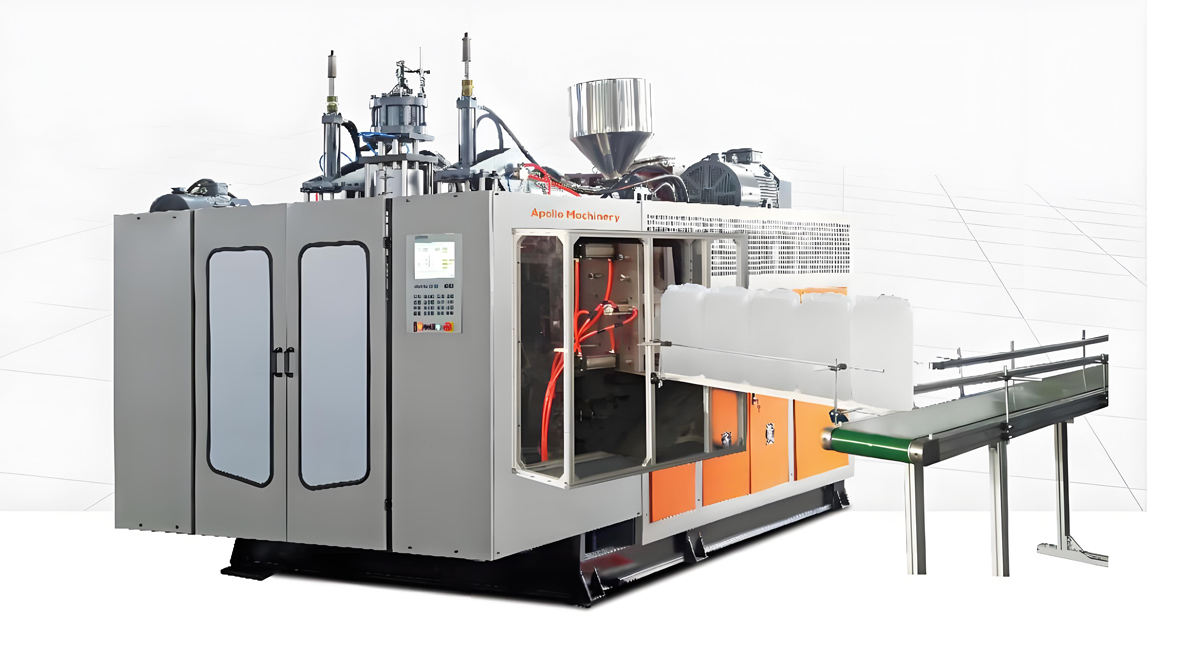
Este artigo explica como funciona a mudança rápida de moldes nas máquinas de formagem por sopro em extrusão (EBM), por que o processo EBM é particularmente condizente com lotezagens pequenas e multiproduto, e como as séries ABLB e ABLD da Apollo são construídas de maneira a compactar o tempo de paragem para mudança de máquina. Analisaremos módulos reais da máquina, as principais abordagens SMED que fazem com que as mudanças de moldes sejam repetíveis, os setores de aplicação que mais usam esse sistema, e uma guia de seleção prática, que mapeia os perfis das lotezagens para o modelo e a abordagem que melhor se aplicam.
Por que o EBM é naturalmente adequado para produções em pequenas quantidades, com vários produtos.
O form-blow extrusivo forma uma peça cônica, extrudindo um tubo quente de polímero fundido, chamado parison, em um mold fechado, e depois o infla com ar comprimido até que adote a forma da cavidade. Essa cadeia de processos possui propriedades estruturais que favorecem uma produção flexível e variável de maneira que alguns processos concorrentes não conseguem.
Primeiro, a matéria prima é criada de forma contínua na cabeça do molde, portanto, não há versões pré-formadas ou embalagens vazias para serem moldadas, armazenadas e, em seguida, condicionadas antes do sopro. Nas linhas de extrusão e sopro, por exemplo, dependemos de um inventário de pré-formas e de um rigoroso intervalo de temperatura; à mudança da forma da embalagem, correspondem uma mudança na ferramentaria da pré-forma e, na maioria dos casos, à alteração da matéria-prima da pré-forma. Na EBM, a geometria do recipiente se encontra quase completamente no molde e na programação da cabeça do molde. Ao alterar o molde e o programa da matéria prima, a mesma extrusora constrói uma embalagem completamente diferente.
Em segundo lugar, os materiais são flexíveis e diversos. Uma máquina EBM da Apollo processa polietileno, polipropileno, PVC, poliamida, policarbonato, ABS, poliestireno, EVA, TPU e PETG. Essa ampla variedade significa que uma única máquina suporta garrafas de leite de HDPE de qualidade alimentar, frascos resistentes a produtos químicos para detergentes em PP, esferas de cosmética em PVC transparente e garrafas de gota de HDPE para medicamentos, sem necessidade de alterar o hardware básico. As alterações de cor e aditivos são realizadas na alimentação do material, e não numa etapa de moldagem separada.
Terceiro, o espessamento da parede é programado no contorno, não é fixado em uma pré-forma rígida. O movimento programável da cabeça de matriz e o controle do acumulador permitem que os operadores ajustem o perfil do contorno para cada recipiente, o que é útil ao mudar entre uma garrafa de cosméticos leve e uma lata de produtos químicos resistentes, na mesma plataforma. Os aprendizados de um produto são transferidos para os outros, pois estão mantidos em receitas de software e montagem padronizada de moldes, não em configurações mecânicas personalizadas.
Quarta, a EBM cobre naturalmente uma gama de volumes muito ampla em plataformas relacionadas. A série ABLB da Apollo serve recipientes de 200 mL a 20 L, enquanto a série ABLD se estende de 20 L a tambores de 1500 L, tanques e vasos industriais. Um produtor pode padronizar em um fornecedor e uma filosofia de controle em toda uma enorme “escada de produtos”, o que é exatamente o que uma operação flexível de pequenas quantidades deseja: um parque de peças de reposição, um currículo de treinamento e uma metodologia de troca, desde o frasco mais pequeno até o tanque maior.
Mas a flexibilidade natural do processo só se compensa quando a infraestrutura mecânica e de controle é projetada para uma rápida mudança. É aí que as estruturas de moldes padrão, as utilidades de ligação rápida e a gestão de receitas transformam a flexibilidade teórica numa realidade programada e repetitiva.
Apollo Machinery: A Wanplas Factory Built for Flexible Production
A Apollo, uma fábrica da Wanplas, é um fabricante profissional de máquinas de moldagem por sopro e extrusão automática com mais de 20 anos de história, localizada em Zhangjiagang, perto de Xangai. Como parte do grupo Wanplas, a Apollo herdou padrões de qualidade compartilhados, uma política de serviço unificada e a missão do grupo de aquecer os clientes mundiais com maquinaria plástica chinesa. A Apollo produz dez séries com mais de oitenta modelos adequados a diferentes formas de produtos plásticos tubulares, e mais de 4.000 conjuntos estão em funcionamento em mais de 90 países.
Essa escala é importante para o produtor de pequenas quantidades. Uma fábrica que já enviou milhares de máquinas aperfeiçoou suas interfaces de montagem do molde, seus acessórios de troca rápida e suas receitas de controle em uma vasta base instalada. As lições de uma linha de produção de garrafas para produtos químicos diários em um mercado informam a linha de produção de frascos para produtos farmacêuticos em outro, porque a norma de ferramentas subjacente é a mesma. Os compradores de equipamentos de produção flexíveis não estão comprando um produto único; estão comprando um ecossistema de mudança comprovado.
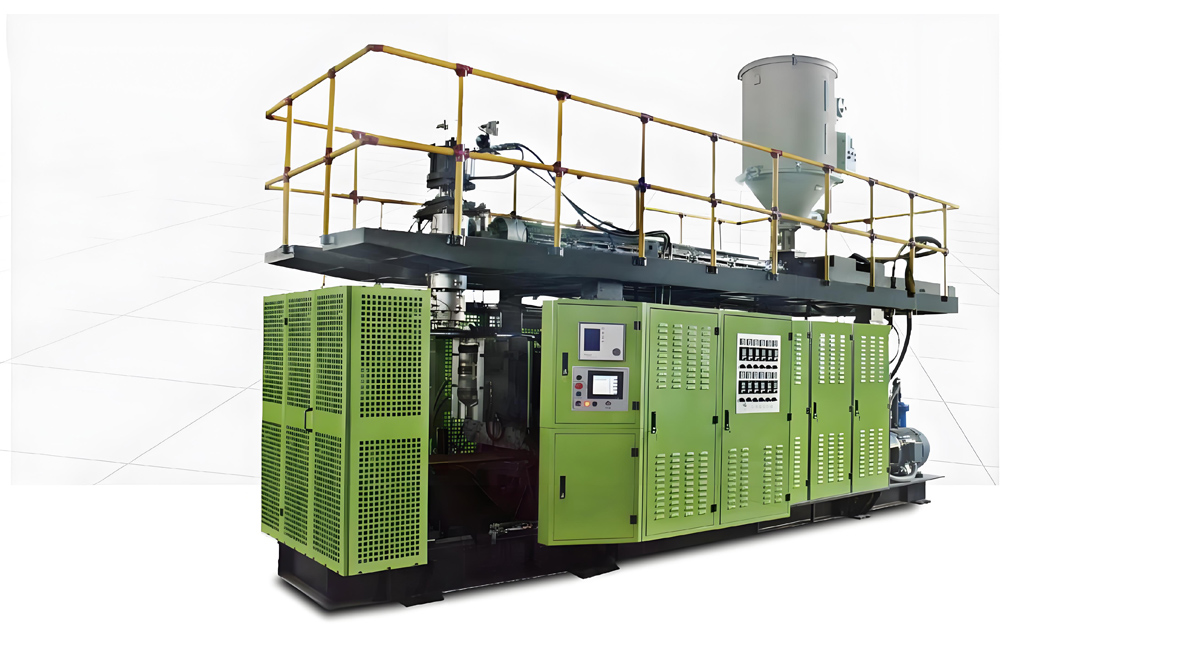
O mapa da escada de produtos da Apollo adapta-se de forma limpa à discussão da flexibilidade. A série ABLB abrange recipientes de 200 mL a 20 L, com oito tipos de máquinas, a série ABLD abrange recipientes pesados de 20 L a 1500 L, com três tipos de máquinas, e a série totalmente elétrica atende recipientes de 200 mL a 20 L, em que uma operação limpa e exenta de hidráulica é preferida. Cada série foi projetada em torno da montagem padronizada de moldes, de modo que a mesma filosofia de trocas rápidas se aplica, quer o operador esteja substituindo um molde de frascos cosméticos com quatro cavidades ou um molde de tambores industriais com uma cavidade.
É importante que o Apollo seja projetado para o ciclo de vida completo da produção: personalização da máquina para molds e tensão, instalação de engenheiros no local, acompanhamento de uso em curso, visitas periódicas dos clientes, inspeção da fabrica e uma política de fábricas abertas. Para um comprador que está avaliando uma produção flexível, esses serviços são tão importantes quanto o aço, porque um sistema de mudança rápida permanece rápido apenas quando o fornecedor ajuda o cliente a padronizar e manter padronizado.
Anatomia de uma troca rápida de moldes: quadros padronizados e utilitários de conexão rápida
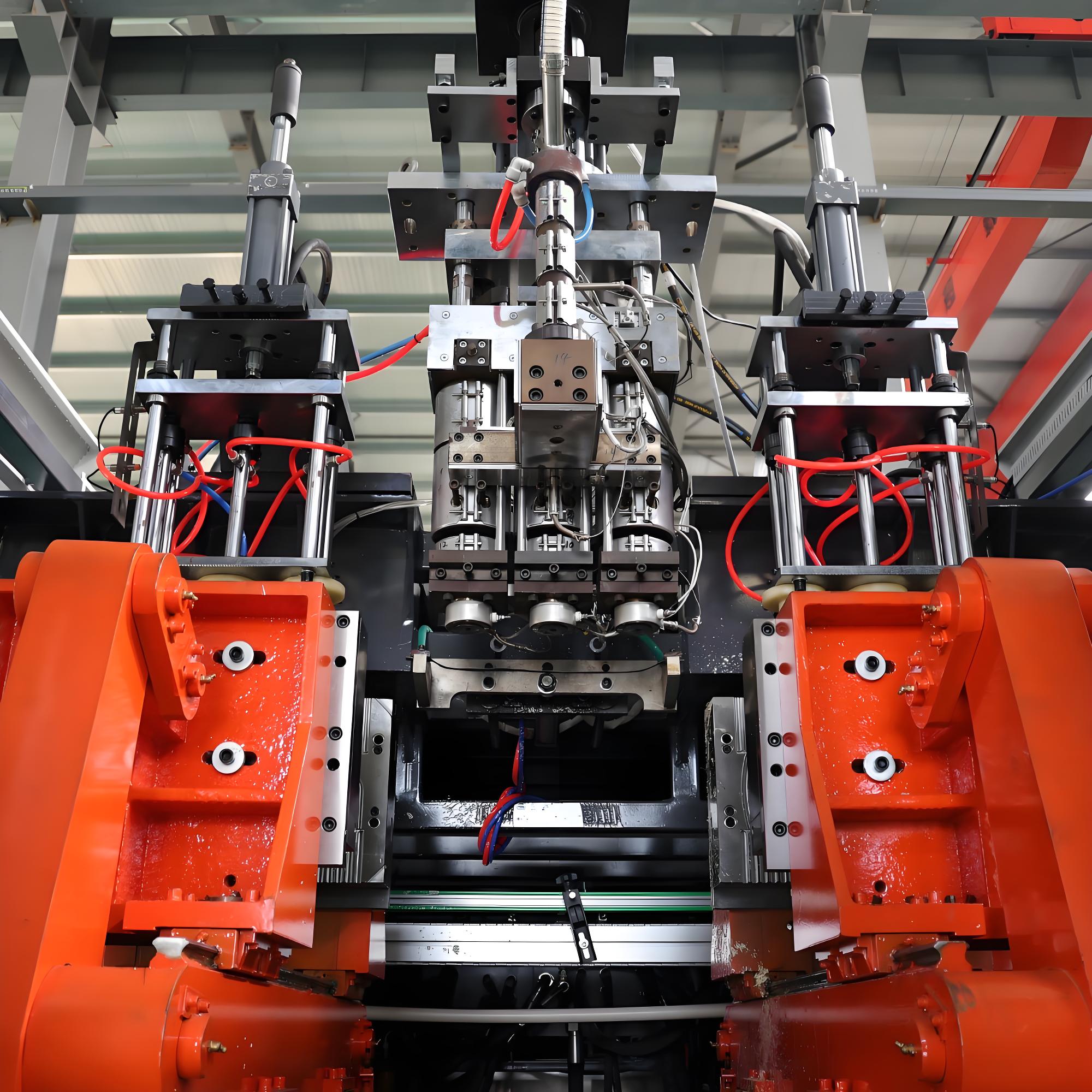
A troca rápida de um molde é um sucesso ou um fracasso baseada na preparação, não na velocidade do chaveta. O objetivo é mover cada passo ajustável, sensível à alinhamento e à instalação de encanagem para fora da janela da parada da máquina e para o trabalho pré-produção que acontece enquanto a série anterior ainda está em funcionamento. A espinha dorsal mecânica desta abordagem é a estrutura de molde padronizada.
Uma moldura padrão é um disco de interface comum, ou um conjunto de plásticos, que carrega o molde e se encaixa com um padrão fixo na plataforma da máquina. Em vez de fundir um molde único diretamente na plataforma com suporte personalizado e superfícies de localização alinhadas de forma manual, o molde é pré-montado em uma moldura cujas dimensões, furos de encaixe e recursos de clamp são idênticos para toda a gama de produtos. O operador, então, desloca ou baixa o molde no formato para cima para a plataforma, engatiga os pinos de localização e o fixa com um pequeno número de dobradiças ou barras de bloqueio hidráulico. Como a geometria de localização é fixa, o molde se liga na mesma posição em cada mudança de produção, eliminando a necessidade de repetidas alinhamentos e trials.
Os quadros padronizados também simplificam os circuitos de refrigeração e outros. O quadro carrega portas fixas para o arrefecimento do molde, passagens de ar expulsado e qualquer atuador hidráulico ou pneumático no molde. No lado da máquina, os manípulos compatíveis apresentam as mesmas portas numa localização conhecida. É aí que as conexões rápidas atingem seu objetivo: em vez de fazer os dutos a mão e com porcas, o operador apenas empurra um dispositivo de guia padrão e a conexão é vedada. A instalação ou desinstalação de água de arrefecimento, ar comprimido e conexões hidráulicas pode ser feita em segundos, em vez de minutos, e o risco de conexões cruzadas é reduzido porque a geometria está programada.
O terceiro pilar é a interface de controle. As máquinas EBM mais modernas armazenam receitas de parâmetros: programação da matéria prima, temperatura do cilindro da extrusora, velocidade da engrenagem, cronometragem de bloqueio e sopro, duração do resfriamento e movimento do robô de extração. Quando o molde é montado, o operador seleciona sua receita na interface homem-maquina e a máquina se reconfigura. A opção de reinserção manual de decenas de pontos de medida após cada mudança de produção é lenta e sujeita a erros. A gestão de receitas converte um processo dependente de conhecimento em uma etapa de seleção, razão pela qual é inseparável da mudança rápida de molde.
A manipulação é o último elemento. Moldes pequenos e médios são movidos em trilhos de elevador ou em um guindaste por cima da cabeça, com peso leve; moldes de tambores e tanques grandes são movidos com um guindaste por cima da cabeça especificado e guiados para a posição na placa. Os moldes pré-posicionados, esperando em carrinhos móveis, significam que o próximo trabalho está fisicamente pronto antes de o atual terminar. A tabela abaixo resume os componentes standardizados e a função de alteração de cada um deles.
Componentes de transição padronizados e suas funções.
| Componentes | O que estandardiza | Benefício de troca |
|---|---|---|
| Quadro do molde/placa do tampo | Localização de bordas, padrões de ejaculadores, características da mordaza | Posicionamento repetível, sem ajustes; |
| Manifold de água de conexão rápida | Mold cooling circuit ports | Práticas para instalação: segundos para conectar, sem vedação de porcas |
| Quick-connect air / hydraulic couplers | Fornecimento de pinos de retirada e atuadores. | Conexão segura e resistente a erros, com programação de acesso. |
| Receitas de parâmetros armazenadas | Pontos de ajuste de temperatura, parison e cronometragem | Reconfiguração com um toque |
| Trilhos do guindaste/arma de elevação | Rota de inserção do molde | Planejamento seguro, guiado e rápido; |
| Carro de moldes móveis | Next-job staging | Sobreposição com a produção em curso |
SMED na Prática: Redução do Tempo de Paragem para Troca de Máquina em Linhas de Forma a Bordo
A metodologia SMED, trocar o moinho em um minuto, é a disciplina de engenharia industrial por trás da mudança rápida de molde. A ideia fundamental é separar o trabalho de alteração de máquina em tarefas internas – e que só podem ser realizadas quando a máquina está parada – e em tarefas externas – e que podem ser realizadas enquanto a máquina está em funcionamento. O truque é converter o máximo possível de tarefas internas em externas e então otimizar o que resta.
Na linha Apollo EBM, o trabalho externo começa muito antes da parada. O próximo molde é pré-montado no seu chassi padronizado em um carrinho, os seus acoplamentos de resfriamento e utilidade já estão pré-conectados ao chassi e a receita de parâmetros já está carregada e nomeada no controlador. O operador verifica o estado do molde, confirma o programa do bako, e prepara a regrindagem ou material natural para a transição da cor ou do material. Quando o lote atual termina, a máquina já está preparada para funcionar.
A janela interna é então compactada em uma pequena sequência: parar e salvar a máquina, soltar as barras de fixação ou parafusos, elevar o molde em quadros partida para o carrinho, conduzir o molde em quadros comprido para a placa, colocá-lo sobre os martelos de localização, segurar as fixações, enfia-las nos acoplamentos voltados para casa, selecionar a receita e efectuar alguns tirotes de ensaio. Como a posição é repetível, não há qualquer ciclo de sub-ajuste. Como as utilidades são identificadas, não há nenhum ciclo de instalações. Como a receita está armazenada, não há nenhum ciclo de balanço.
O resultado medível é uma mudança gradual no tempo de paragem, em comparação com máquinas hidráulicas convencionais que não possuem quadros estandardizados e utilidades de conexão rápida. Enquanto uma mudança tradicional pode ocupar grande parte de um turno com trabalho de parafusos, alinhamento e configuração manual, uma mudança standardizada do Apollo fica limitada à movimentação e poucos passos de confirmação. A tabela abaixo compara ambas as abordagens em relação aos elementos que aumentam o tempo de inactividade.
Autores de mudança, convenção versus mudança rápida
| Elemento de alteração | Configuração hidráulica convencional | Configuração Apollo rápida de trocas |
|---|---|---|
| Alinhamento do molde; | Encaixe manual com compensação, ajuste experimental | Pinos de localização, encaixe reutilizável |
| Refrigeração e canalizações de ar | Threaded hoses, sealant | Acoplamentos de conexão rápida |
| Configuração dos parâmetros. | Reentrada manual de parâmetros de ajuste | Seleção de receitas armazenadas |
| Anúncios de moldes | Realizado durante a parada da máquina | Pré-estagiao no carro, externo |
| Causa predominante de inatividade; | Alinhamento e circuitos de canalização | Manipulação e testes com o molde |
O SMED também depende de disciplina. O sistema mais rápido degrada se os moldes são devolvidos para a prateleira sem suas estruturas, se os encaixes são deixados no molde errado ou se as receitas não são guardadas com nomes claros. O treinamento do Apollo e as visitas irregulares aos clientes existem justamente para manter essa disciplina viva no chão de fábrica, porque a capacidade de mudança rápida é um hábito, não uma compra única.
Série Apollo ABLB: Ferramentaria de mudança rápida para recipientes de 200 mL a 20 litros
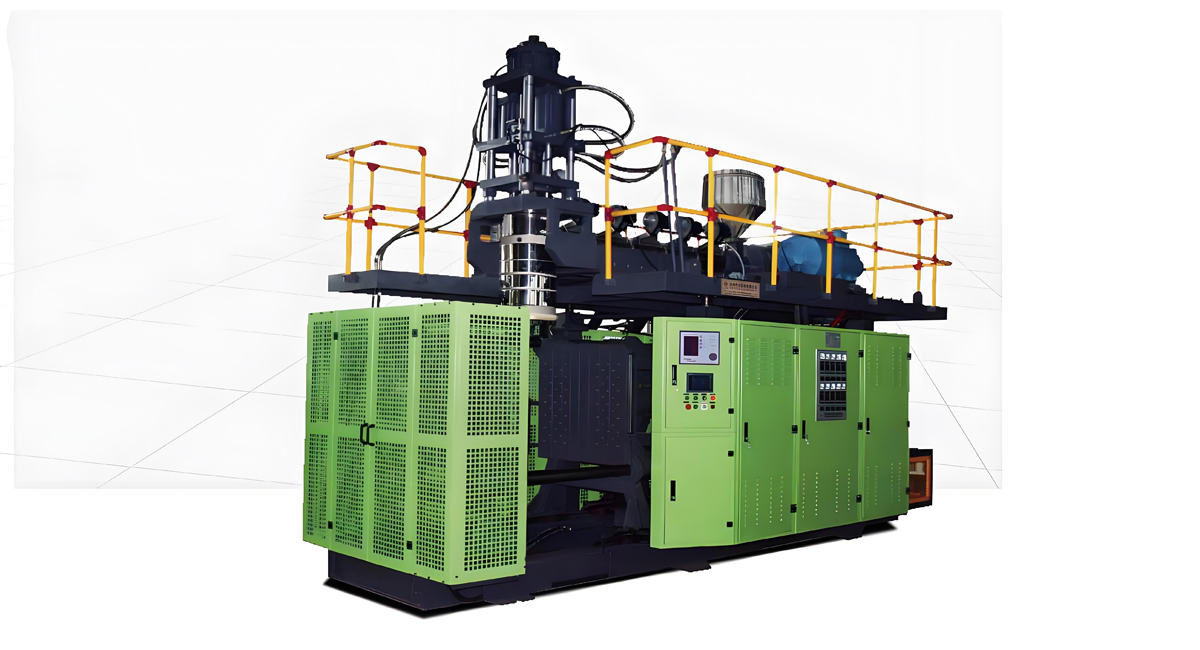
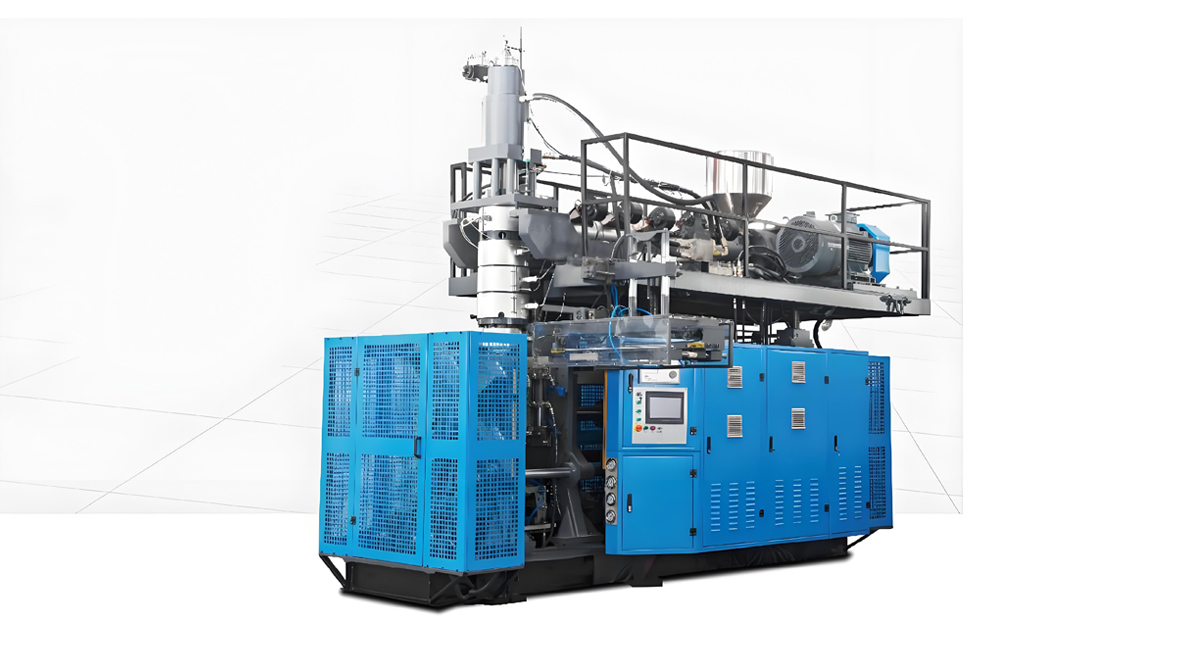
A série ABLB é o modelo número um da Apollo para recipientes de 200 ml a 20 litros, oferecida em oito modelos das máquinas, que vão desde uma máquina única a configurações com muitas estações. É a escolha natural para o produtor cujos catálogos misturam cosméticos em garrafas, maçanetas para detergentes, macabas para alimentos, recipientes para farmácias e embalagens industriais de pequeno volume, todos em volume limitados. A série foi projetada para fazer da mudança de produto uma atividade de alteração de molde, e não uma atividade de reinvestimento.
Na gama ABLB, a filosofia de troca rápida é consistente. O montagem da moldeira utiliza placas de prensas padronizadas com bordas de posicionamento e furos para troncos, de modo que os moldes se posicionam de forma repetitiva. Os manípulos de ligação rápida alimentam a água de resfriamento do molde e o ar de sopro, e as barras de mordaz hidráulico fixam o molde sem grades de parafusos manuais. As receitas de parâmetros armazenam o programa de arranque e a janela de processo para cada produto, de modo que a troca de frasco é uma seleção e não uma reengenharia. As trilhos de guindaste transportam os moldes enquadrados para dentro e para fora sem esforço ou desalinhamento.
Para recipientes menores, os moldes com várias cavidades são práticas padrões: várias cavidades por entrada do elevador de tiro por ciclo, enquanto a rotina de alteração permanece idêntica. À medida que o volume do recipiente aumenta para 20 L, o número de cavidades cai para uma ou duas, mas a interface de montagem e utilidade não muda, o que significa que um operador treinado para uma garrafa de champô com quatro cavidades pode também operar um tanque de uréia de 10 L com apenas uma cavidade sem ter de aprender um novo sistema. Essa capacidade de transferência é o coração da produção flexível.
Série Apollo ABLB – Especificação representativa
| Especificações | Série ABLB (representativa) |
|---|---|
| Container volume range | De 200 mL a 20 L |
| Tipos de máquinas em série | 8 tipos; |
| Sistema de fixação | Blocos de fixação hidráulica ou de toggle, platácimas padrão |
| Montagem de moldes | Pinos de localização, padrão de furos, quadros platos de mudança rápida |
| Contagem típica de cavidades | De 1 a 8, dependendo do volume do recipiente |
| Auxiliares de troca rápida | Ligações rápidas para água e ar, receitas armazenadas, trilhos de guincho |
| Materiais processáveis | PE, PP, PVC, PA, PC, ABS, PS, EVA, TPU, PETG |
| Opções da estação | Configurações de uma à várias estações; |
Do ponto de vista da produção flexível, a série ABLB recompensa a padronização. Um produtor que se compromete com um tamanho de engrama dentro da série pode alimentar um racks de moldes pré-montados e alterná-los ao longo de minutos, tratando a máquina como um recurso compartilhado em todo o catálogo de produtos. O teto de 20 litros abrange a esmagadora maioria do embalamento côncavo para produtos químicos, alimentos e farmacêuticos diários, razão pela qual esta série é fundamental para a maioria das operações em pequenas tiragens.
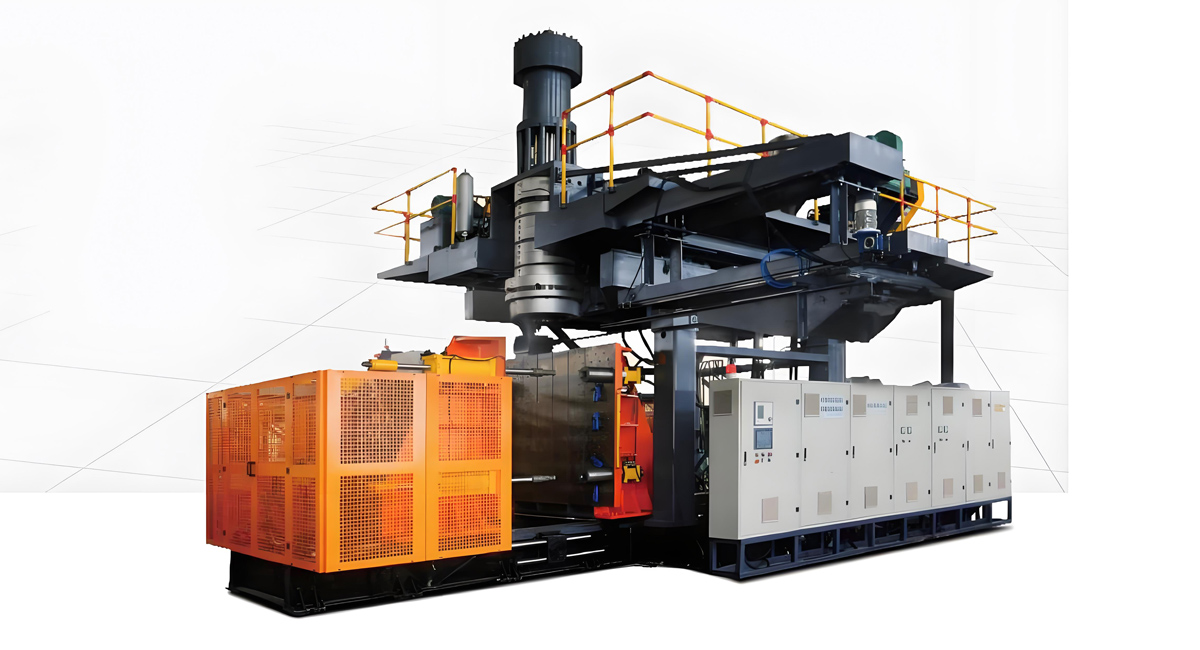
Série ABLD de Apollo: Mudança de moldes para recipientes grandes de 20L a 1500L.
Quando o equipamento sube as escadas rumo a tambores, litros, tanques e embarcações industriais em grandes volumes, a série ABLD assume o controle. Coberta em diâmetros desde 20 L até 1500 L, através de três tipos de máquinas robustas, a série ABLD aplica a mesma lógica de mudança rápida em níveis em que o peso do molde e a força de fixação tornam a disciplina de manuseio ainda mais importante. Moldes grandes não podem ser manuseados; eles devem ser movidos, posicionados e fixados com ajuda técnica.
O centro de mudança do ABLD se baseia em quadros de grande formatação standardizados e barras de fixação hidráulicas fortes o suficiente para manter um molde pesado sem distorção. As utilidades de conexão rápida ainda se aplicam, embora os circuitos de resfriamento sejam maiores e os volumes de ar de perfuração mais elevados, logo os tamanhos da conexão sejam ajustados conforme o molde. A manipulação por guindaste de mão libera as trilhos de elevação, e o molde encastrado é guiado na platina com bordas de localização que garantem repetibilidade, apesar da massividade. Como os recipientes são grandes, o número de cavidades é, em geral, um, ocasionalmente dois para tambores de médio porte, o que mantém cada mudança focada em uma única ferramenta bem definida.
A moldagem por sopro pesada em recipientes industriais beneficia fortemente da mudança rápida, uma vez que os lotes são muitas vezes irregulares: um produtor químico pode precisar de uma série de tambores de 200 L, em seguida, um lote de tanques para lubrificação de 60 L, em seguida, uma pequena série de componentes de
Série Apollo ABLD — Especificação representativa
| Especificações | Série ABLD (representativa) |
|---|---|
| Container volume range | 20 L a 1500 L |
| Tipos de máquinas em série | 3 tipos |
| Sistema de fixação | Segurança hídrica de alta resistência, quadros de placa grandes |
| Montagem de moldes | Localização de bordas, barras de fixação hidráulica, colocação guiada pelo guindaste |
| Contagem típica de cavidades | 1, ocasionalmente 2 para tambores de dimensão média |
| Auxiliares de troca rápida | Ferramentas rápidas de conexão, receitas armazenadas, guindaste em regime de elevação; |
| Materiais processáveis | PE, PP, PVC e outros polímeros de grau industrial |
| Typical products | Tambores, bidões, tanques, componentes de IBC, recipientes a granel |
000 L de IBC. Sem uma mudança rápida, cada transição é um evento de meio dia e a máquina grande fica inativa entre os pedidos. Com pequenos suportes standardizados e manuseio auxiliado por guindaste, a mesma plataforma atende a todo o catálogo industrial com um tempo de parada programado e previsível.
Existem vários formatos de garrafas, tamanhos e cores disponíveis em pequenos lotes.
A produção em pequenas séries de múltiplos produtos não se traduz apenas em volume. Trata-se de uma variedade de formas, tamanhos, cores e materiais, em muitos casos em simultâneo. A EBM trata melhor esta combinação do que muitas alternativas, pois a geometria de formato vive no molde e no programa do parción, e não em uma pré-forma fixa.
A variação da forma é absorvida pela biblioteca de moldes. Uma garrafa redonda, um jarra retangular de detergente, um frasco oval de cosméticos e um recipiente químico com alça são quatro quatro moldes diferentes em um mesmo equipamento. Desde que cada moldo utilize a estrutura padronizada, a máquina não se importa com qual forma surgirá na sequência. A variação de tamanho dentro da gama ABLB é tratada selecionando o tipo de máquina e o número de cavidades adequados, em seguida, consultando a receita que ajusta o perfil de parison para o novo objetivo de espessura da parede.
A mudança de cor é um evento de alimentação do material. Como a EBM extrude o parison diretamente, não há pré-forma para consumir antes de uma nova cor poder ser utilizada. Um operador muda de uma limpeza de material natural ou reciclado para o masterbatch de cor nova, limpa o cilindro e a cabeça do extrusor e continua. Para trocas frequentes de cor, manter um pequeno bufe de material natural e utilizar mudanças rápidas de tanque de material mantêm a limpeza curta. Os resíduos durante a transição são gerenciados, não eliminados, mas são delimitados e previsíveis, o que torna as levas de cores em pequenas quantidades economicamente sensatas.
A ampla gama de polímeros suporta a variação de materiais: HDPE para frascos robustos, PP para resistência química e tolerância ao preenchimento em caldeira, PVC para transparência, PETG para embalagens transparentes premium e TPU ou EVA para peças especiais flexíveis. Trocar os materiais ainda requer uma limpeza minuciosa e muitas vezes a limpeza do tanque e do cabeçote, mas, como o tanque do extrusor e a rosca são projetados para facilitar a limpeza e a receita redefine a janela térmica, a alteração permanece um evento planeado e não um trabalho de oficina.
O uso de resíduos reforça a economia. O resíduo interno resultante da descamação e do arranque pode ser granulado e misturado de volta ao material fundido em proporções aprovadas, reduzindo o custo do material em lotes pequenos, quando o margem é apertado. A capacidade de incorporar resíduos no próximo processo sem a necessidade de uma linha separada é outro motivo que torna o EBM adequado para a produção flexível e sensível ao custo.
A programação permite fazer tudo isso. Com a mudança rápida, um planeador pode construir uma sequência diária que repasse materiais e cores semelhantes para minimizar as eliminações, e depois intercalar colagens curtas de formas diferentes para cumprir as promessas de entrega. A máquina torna-se um instrumento do planeador em vez de uma restrição, e a fábrica pode prometer prazos mais rápidos porque não é mais refém de trocas demoradas.
Aplicações: Produtos químicos diários, alimentos e bebidas e pequenas cargas farmacêuticas
As máquinas de moldagem por termoplástico de extrusão da Apollo estão na indústria de alimentos e bebidas, produtos químicos diários, química, materiais de construção, saúde e farmácia, produção automotiva, transporte, bem como no mercado cultural e esportivo. Para a produção flexível em lotes pequenos, destacam-se três grupos de aplicações porque combinam variedade e volumes moderados: embalagens para produtos químicos diários, alimentos e bebidas e produtos farmacêuticos.
As empresas produtoras de produtos químicos de uso diário oferecem um enorme número de referências: champô, condicionador, sabonete, sabonete de mão, detergente, desinfetante e produtos de limpeza especializados, cada um em vários tamanhos e cores. Uma única linha ABLB com um raio de moldes de troca rápida satisfaz esse catálogo, passando de uma garrafa de viagens de 200 mL para uma jarra de reabastecimento de 5 L em uma única mudança. As alterações de cor e fragrância são gerenciadas através da remoção de material e da seleção de receitas, mantendo a linha apta a responder à demanda promocional e sazonal.
As aplicações no setor de alimentos e bebidas incluem jarros de óleo comestível, garrafas de molhos, garrafas de água e de bebidas nas faixas de dimensões adequadas para EBM, e recipientes para leite ou molhos. Nestas aplicações, a certificação da matéria-prima e a limpeza são muito importantes, por isso a capacidade de purgação completa e a validação da receita permitem cumprir as normas para contato com alimentos. Os pequenos lotes permitem que uma marca regional teste uma nova forma de garrafa em um mercado real antes de se comprometer com o volume, reduzindo o risco inerente à inovação.
A seleção entre ABLB e ABLD é dominada principalmente pelo volume do recipiente, mas a metodologia de mudança é compartilhada. Um produtor que opera ambas as séries treina uma equipe com um único conceito, mantém um conjunto comum de peças de reposição para acoplamentos de ligação rápida e elementos de fixação, e opera um padrão unificado de estantes de moldes. Essa consistência em si é um multiplicador de produtividade ao longo da cadeia do produto.
Mapa das aplicações: indústria para solução Apollo
| Setor | Representative products | Série Apollo | Material típico |
|---|---|---|---|
| Químicos diários | Frascos de shampoo, detergente, sabão e desinfetante. | Série ABLB | HDPE, PP |
| Alimentos e bebidas. | Frascos de óleo comestível, garrafas de tempero e de molho. | Série ABLB | HDPE, PP, PETG.. |
| Os lotes pequenos da indústria farmacêutica e médica cobrem frascos de alta pressão, vidros para comprimidos, tubos de pomada e recipientes de diagnóstico. Esses lotes são frequentemente de baixo volume, mas com alto valor, e exigem consistência. Os receitas armazenadas e a posicionamento repetível dos moldes garantem que os lotes reordenados coincidem com os originais, o que é essencial quando o produto é parte de um produto regulamentado. O sistema de mudança rápida também permite que um empacotador contratado atenda vários clientes farmacêuticos em uma máquina sem risco de contaminação cruzada, desde que a disciplina de limpeza e pulverização seja observada. | Frascos de gota, frascos para comprimidos, tubos de pomada | ABLB series, fully electric series | HDPE, PP, PETG.. |
| Indústria química | Líquidos de metro, tambores, tanques de reagentes | Série ABLD | HDPE, PP, PVC |
| Material de construção. | Tanques de água, dutos e recipientes dispensadores | Série ABLD | HDPE, PP |
Guia de seleção: correspondência do perfil de lote ao modelo Apollo e abordagem da mudança.
A escolha do modelo Apollo certo para a produção flexível a pequena escala começa com três variáveis: volume do recipiente, variedade de produtos e dimensão do lote. O volume indica a série; a variedade e a dimensão do lote indicam o investimento de mudança que se autofinancia. A orientação abaixo é um ponto inicial prático; a configuração final deve ser confirmada contra os desenhos do produto reais e os alvos de produção.
Para recipientes menores de 20 l com muitos SKUs e alterações frequentes, a série ABLB, com moldes estandarizados e utilitários de conexão rápida, é a recomendação padrão. Um produtor que gere uma dúzia de formas em pequenas quantidades deve investir em uma estrutura de moldes pré-montada e em um nomeação sistemática de receitas. O custo do investimento de mudança é médio, compensado por as altas economias de trabalho obtidas com o redução do tempo de inatividade.
Para recipientes com capacidade superior a 20 l, especialmente tambores e tanques com padrões irregulares de pedidos, a série ABLD, com manuseio de molde com apoio de guindaste e braçaria hidráulica, é recomendada. O investimento na troca é maior devido às escalas do guindaste e do quadro, mas a alternativa de longos períodos de inatividade entre grandes ordens é muito mais cara. A variedade aqui é inferior em número, mas maior em escala física, portanto, os auxílios de manuseio dominam o retorno do investimento.
Para pequenas cargas farmacêuticas ou de ambiente limpo, em que a contaminação por óleo hidráulico é preocupante, a série totalmente elétrica oferece operação sem hidráulica na faixa de 200 mL a 20 L, com a mesma filosofia de troca rápida. O nível de custo do equipamento é Premium, justificado pela operação limpa e pelo controle preciso, e não pelo rendimento bruto.
Indústria farmacêutica e médica
| Perfil do lote | Recommended Apollo model | Aproach de alteração | Nível relativo de custos |
|---|---|---|---|
| Muitas SKUs, de 200 mL a 20 L, volume baixo | Série ABLB | Quadros padronizados, conexões rápidas, biblioteca de receitas. | Medium |
| Poucos SKUs, de 200 mL a 20 L, volume elevado | Série ABLB, com várias cavidades | Molde fixo, mudança mínima. | Baixo |
| Pequenas quantidades farmacêuticas ou descontaminadas, de 200 ml a 20 l | Série totalmente elétrica. | Tabela de seleção: Perfil do lote para modelagem e abordagem de mudança | 1 |
| Tambores, tanque, entre 20 L e 1500 L, irregulares | Série ABLD | Mudança rápida sem hidráulico, controle de receita | Materiais de alta qualidade |
| Escada mista, ambas bandas, equipa partilhada | ABLB mais ABLD | Padrão de estrutura unificado, peças de reposição comuns | Materiais de alta qualidade |
Serviço, Apoio e Compromisso com a Fábrica Aberta
Um sistema de mudança rápida é tão durável quanto o suporte que o sustenta, razão pela qual a Apollo, uma fábrica Wanplas, envolve suas máquinas em uma estrutura de serviço construída para produção flexível a longo prazo. O compromisso começa antes do envio: cada máquina é inspecionada na fábrica e os engenheiros apoiam a instalação no local e a comissionamento, para que a primeira mudança seja realizada corretamente sob orientação, e não seja descoberta na mudança noturna.
A política de peças de reposição é um pilar da promessa do grupo Wanplas. A Apollo fornece peças de reposição gratuitas no valor de 500 USD por ano, e as peças danificadas que estiverem em garantia são substituídas gratuitamente. Para uma operação flexível que dependa de acoplamentos de conexão rápida, barras de fixação e elementos de fixação, um suporte previsível de peças de reposição mantém o sistema de comutação funcionando em vez de esperar uma única acoplamento defeituoso. A garantiade Transporte, a garantia de capacidade de produção e as normas de qualidade, incluindo reembolso com compensação em caso de falha de qualidade, completam a rede de segurança comercial.
O treinamento é onde a disciplina do SMED é instalada. Os engenheiros Apollo ensinam os operadores sobre montagem de moldes, utilidades de conexão rápida, gerenciamento de receitas e sequenciamento de alterações durante a comissionamento, e a fábrica acompanha o status de utilização após isso com visitas irregulares ao cliente. Devido ao fato de que o valor da rápida alteração decai sem hábito, este contato contínuo é o que protege o investimento do comprador.
A política "fábrica aberta" convida os compradores a visitar Zhangjiagang, observar as máquinas em funcionamento e validar o fluxo de mudança de processo pessoalmente antes de escalar a produção. Para um comprador que está considerando uma investimento em produção flexível, é mais valioso ver uma mudança de molde realizada em poucos minutos do que qualquer lista de especificações, e a Apollo acolhe esta verificação.
Perguntas Frequentes
Quanto tempo demora uma alteração rápida do molde em uma máquina Apollo EBM?
Com quadros de moldes padronizados, utilitários de ligação rápida e receitas de parâmetros armazenados, uma equipe com duas pessoas treinadas geralmente consegue trocar um molde em uma máquina da série ABLB em menos de uma hora, e muitas vezes dentro de dez minutos para a mesma família de recipientes. A ferramentaria da série ABLD maior, manipulada por guincho, geralmente ocupa o intervalo de uma a duas horas. O número exato depende do tamanho do recipiente, do peso do molde e do quão padronizado é o arranjo anterior.
Quadros guiados por guindaste, alinhador hidráulico, acopladores grandes
O custo das moldes encontra-se na faixa de médio a alto e é impulsionado principalmente pelo número de cavidades, pela geometria do recipiente e pela qualidade da superfície, em vez da própria interface de troca rápida. As placas de montagem padronizadas e as bordas de fixação acrescentam apenas um custo modesto, ao mesmo tempo que eliminam a repetição de trabalhos de ajuste e alinhamento. Uma vez que uma máquina agora atende a muitos produtos, o investimento em ferramentas pessoais é geralmente menor do que quando se operam várias linhas dedicadas.
Os moldes de mudança rápida da Apollo são caros de construir?
Sim. A mudança de cor é gerida injetando o contra-molde e a cabeça do extrusor com um material natural ou reciclado, e depois introduzindo o masterbatch de cor novo. Para mudanças frequentes de cor, os operadores mantêm um pequeno reservatório de material natural e utilizam as trocas rápidas de material nos bicos. Como a blow-moldagem por extrusão usa um paricion contínuo em vez de uma pré-forma, não há estoque de pré-formas para consumir antes de alterar a cor, o que torna as mudanças de cor em pequenas séries práticas.
Produção em pequenos lotes em uma máquina EBM é economicamente viável?
Torná-se viável quando a mudança é automatizada em minutos ao invés de horas. O custo predominante de um lote pequeno é o tempo perdido com a máquina durante a mudança e o trabalho de montagem, pelo que a redução do tempo de inatividade durante a mudança melhorará diretamente a economia. Para os embaladores contratados e proprietários de marcas com muitas SKUs, uma única linha EBM flexível, com mudanças rápidas do modelo, obviamente superará várias linhas de um único produto no custo total de propriedade.
As máquinas Apollo EBM podem operar moldes com vários cavidades para uma produção em pequenas quantidades maior?
Sim. Para recipientes mais pequenos da gama ABLB, os moldes com várias cavidades, de várias cavidades por bomba, são comuns, aumentando a produção por ciclo mantendo a mesma rotina de troca. O número de cavidades é selecionado levando em conta o volume do recipiente e o controle da espessura da parede; garrafas muito pequenas podem ter seis ou mais cavidades, enquanto os recipientes maiores têm uma ou duas. Receitas pré-definidas tornam a mudança entre configurações de cavidade simplificada.
A Apollo oferece treinamento para alteração rápida de moldes e programação flexível?
Sim. A instalação e a comissionamento incluem formação do operador em montagem de moldes, utilidades de ligação rápida, gerenciamento de receitas e sequenciamento orientado a SMED. A Apollo também monitora o uso das máquinas após a entrega e oferece visitas irregulares aos clientes, inspeção da fábrica e uma política "fábrica aberta" para que os compradores possam validar o fluxo de mudança de processo pessoalmente antes de escalar a produção.
Que modelo Apollo devo escolher para trocas frequentes de vários produtos?
Para recipientes de 200 mL a 20 L com rotacão frequente de mães, a série ABLB, com quadros de platina padronizados e utilitários de ligação rápida, é a opção ideal. Para barris, recipientes e potes de 20 L a 1500 L, é recomendada a série ABLD, com unhas de fixação robustas e manipulação de moldes com auxílio de guincho. A seleção deve levar em conta o volume do recipiente, sua variedade e tamanho do lote, como resumido no guia de seleção deste artigo.
Conclusão
Uma máquina de extrusão e moldagem por sopro pode alterar a cor do produto rapidamente entre lotes pequenos?
A Apollo, uma fábrica da Wanplas com mais de 20 anos de experiência, com mais de oitenta modelos em dez séries e mais de
Para os produtores de produtos químicos diários, alimentícios, bebidas, farmacêuticos e da indústria química, que enfrentam uma grande variedade e volumes modestos, a mensagem é clara: invistam em velocidade de alteração de processo e não em linhas mais dedicadas. Com USD 500 em peças gratuitas todos os anos, comissionamento no local, treinamento de operadores e uma política de fábrica aberta, a Apollo apoia o hábito que mantém a rápida alteração de processo, mesmo depois que a máquina é instalada.
Se sua operação precisa alternar entre muitas formas, tamanhos, cores e materiais de garrafas sem perder tempo em cada alteração, envie os desenhos do seu produto e o perfil de lote para a Apollo, para obter uma configuração personalizada, agendar uma revisão na fábrica para assistir a uma mudança de moldes de perto ou solicitar uma avaliação em marcha com a plataforma ABLB ou ABLD que se ajuste ao seu intervalo de volume. Uma produção flexível começa com uma mudança de linha em que pode confiar.