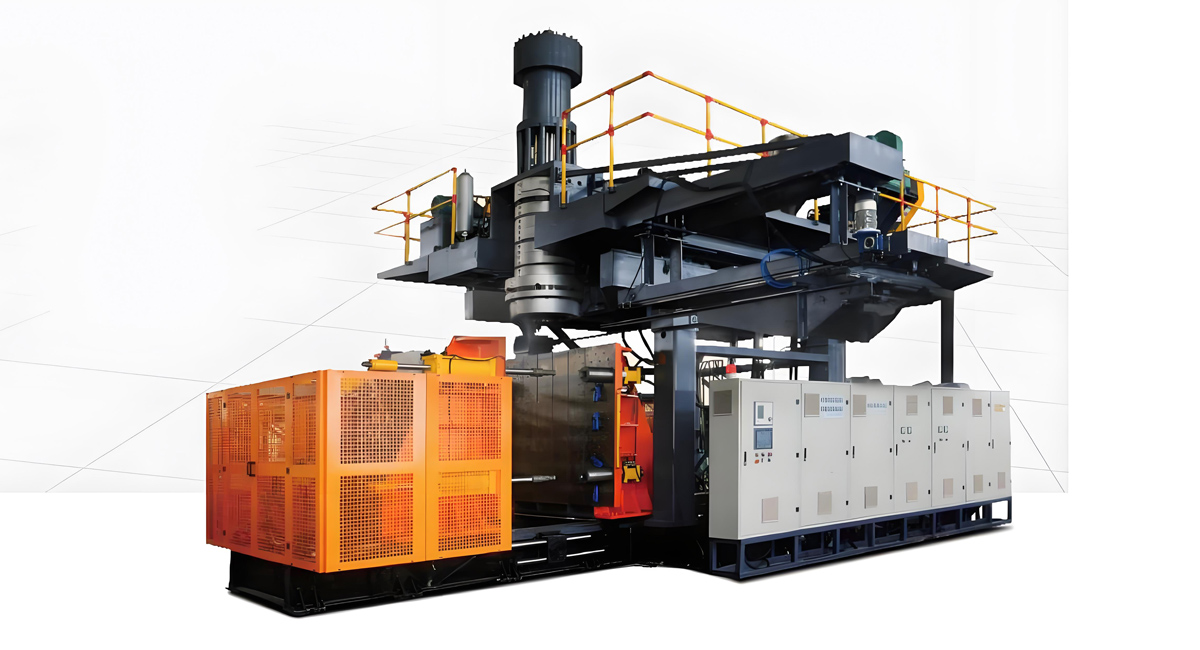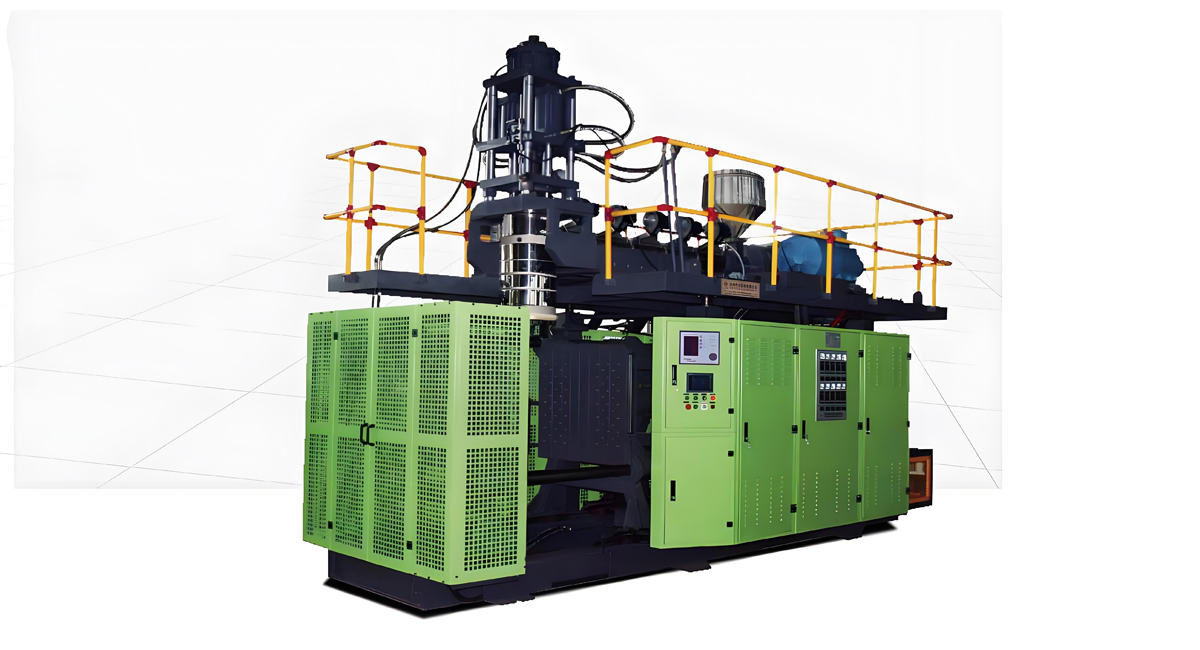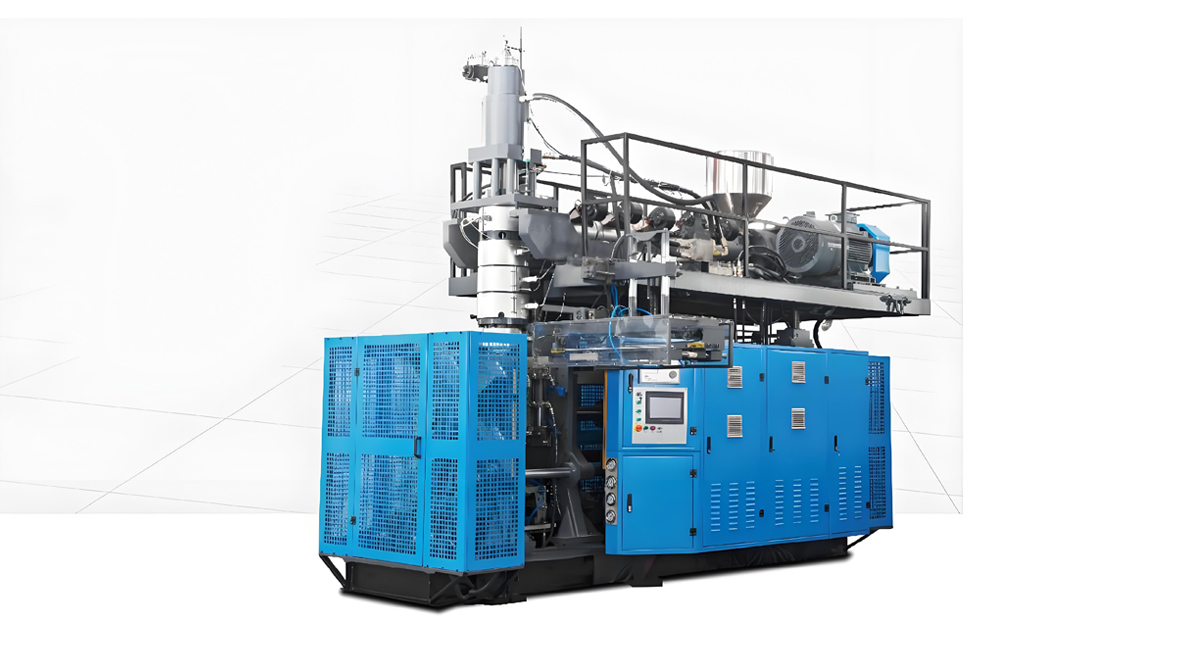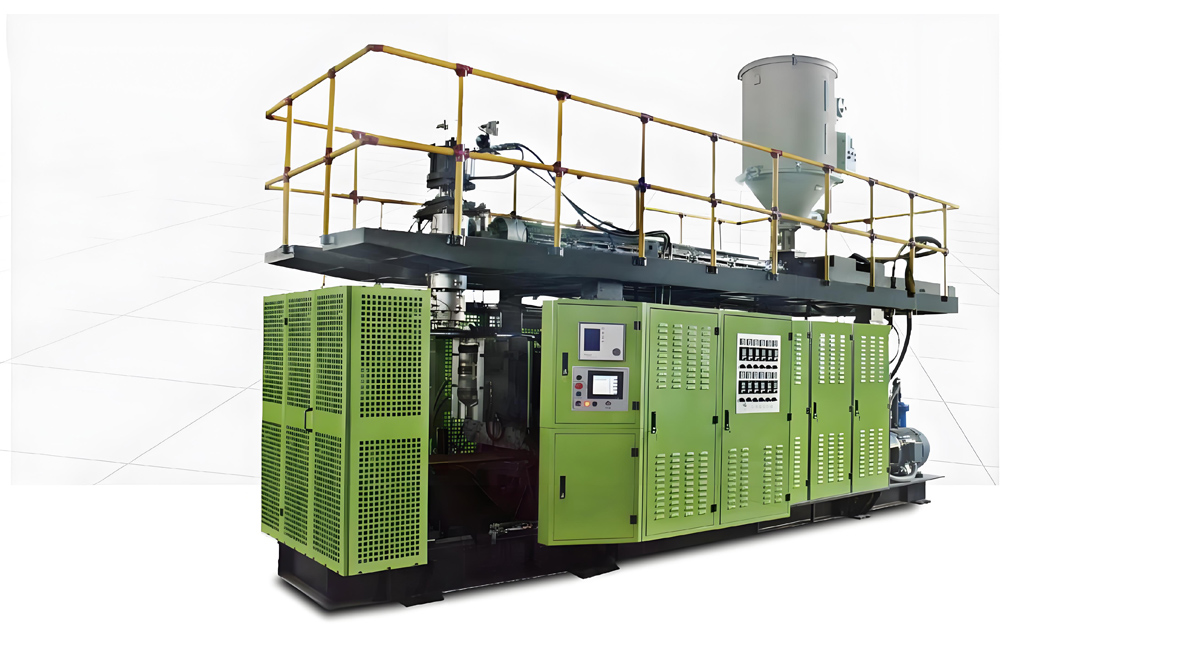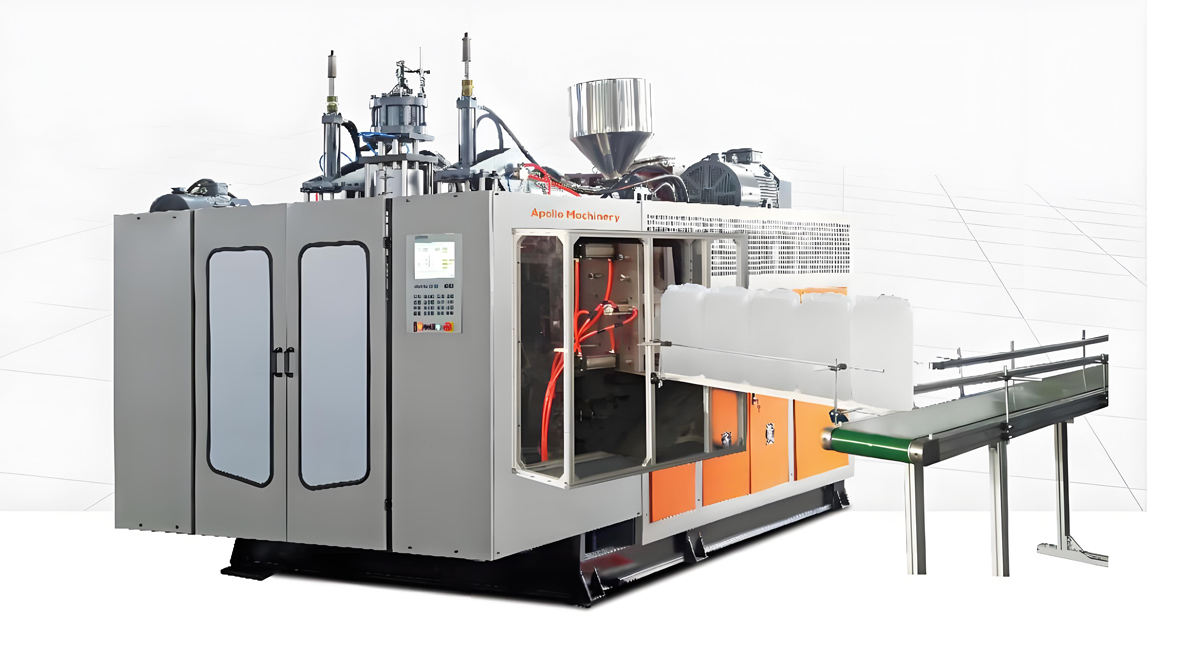
Extrudasyonlu vantuz uç modelleme, Güneydoğu Asya ülkeleri genelinde, 200 ml kozmetik şişelerden 30 L kimyasal silolara kadar yarı saydam plastik konteynerler üretimi için en geçerli yöntemdir. Ancak bu bölgedeki istikrarlı üretim hattının tek büyük engeli, ender olarak polimer veya kalıp değil, yerel enerji tedarik sistemi ve tropikal iklimdir. Avrupa’nın 400 V, 50 Hz, üç fazlı şebekesine veya Kuzey Amerika’nın 480 V’lık tesislerine uyumlu olarak tasarlanmış bir standart extrudasyonlu vantuz uç makinesi, Endonezya’nın kırsal istasyonuna, Filipinler’in 60 Hz’lik ağına veya gün içinde voltajın %15 artış yaşandığı bir Vietnam makınesine takıldığında zorluklarla karşılaşır. Wanplas, 20 yılı aşkın bir geçmişe sahip ekstrudasyonlu vantuz uç makinelerinde ve 90 ülkeye yayılmış 4.000'den fazla makinenin çalıştırıldığı bir fabrika olan Apollo, voltaj ve iklim adaptasyonunu kararlı mühendislik disiplinlerinden biri olarak görür, değil sonradan düşünüldüğü bir konu olarak. Bu makalede, Güneydoğu Asya müşterilerine Apollo tarafından sunulan, 220 V’lık özelleşmiş yerel uyarlama çözümünü temele alan, enerji şebekesi gerçeği, elektrik mühendisliği yeniden tasarımı, sıcak ve nemli iklim koruması, makine yapısı, hammaddenin davranışı, parison duvar kalınlığı kontrolü, uyumluluk ve yaşam döngüsü desteği konularında açıklanmaktadır.
1. Güneydoğu Asya Elektrik Grubu Gerçekliği: Farklı Voltaj Seviyelerinin Var olduğu Bir Yapı
Güneydoğu Asya, tek bir elektrik piyasası değildir. Her ülke ve çoğu durumda her ülkenin içinde yer alan bir ili, farklı nominal gerilim, frekans, yere bağlantı sistemi ve dağıtım istikrar profiline sahiptir. Bir blow molding makinası üreticisi için bu ayrım, tek boyutlu 380 V veya 400 V tasarımı için gerçekçi olmayabilir. Herhangi bir başarılı kullanıma başlamak için ilk adım, müşterinin ana dağıtım tablosunda gerçek verilerin kaydedildiği bir site elektrik güç incelemesidir, aynı zamanda teorik ulusal standarttan değil.
Endonezya, PLN bünyesinde 220 V tek fazlı ve 380 V üç fazlı bir ağa 50 Hz'de sahip olmasına rağmen, dış adalar ve sanayi sitelerinde verilen voltaj yükün zirvesinde nominal değerde çok altında düştüğünde. Filipinler, kolonial dönemin mirası olarak hala 60 Hz'de 230 V tek fazlı ve 400 V üç fazlı nominal değerlerde çalışan eski iletim ağının yapısını koruyor. Bu nedenle her motor ya da inverter frekans bilgisi gerektirir. Vietnam 220 V tek fazlı ve 380 V üç fazlı 50 Hz frekansında çalışır, ancak kırsal bölgeler ve yeni sanayileşmiş bölgelerde sık sık voltaj düşüşleri ve kararsızlık yaşanır. Tayland nominal olarak 220 V tek fazlı ve 380 V üç fazlı 50 Hz'de olmasına rağmen, doğu ekonomik koridoru'nda tedarik yeterince istikrarlıdır ancak daha eski eyalet fabrikaları hala zayıf besleme kaynaklarıyla karşı karşıyadır. Malezya ise 230 V tek fazlı ve 400 V üç fazlı 50 Hz olmasının yanı sıra Avrupa uygulamasından farklı olarak izin verilen izin miktarı ve yerleştirme uygulamaları farklıdır.
Şekillendirme soğutma makinesi için pratik sonuçlar şiddetli olmaktadır. Döner kesici ve ölçekleme kafa ısıtıcı bantları, servomotor ve iletim cihazları, SCADA, hidrolik pompa motoru ve soğutma tabancası aktuatörleri, düzenli bir beslemeyi gerektirmektedir. Hat voltajının on beşi yirmiyi gerilemesi durumunda, ısıtma gücünün yaklaşık olarak yirmiye yakın düşmesi olmaktadır, çünkü güç, voltajın karesine bağlıdır, bu nedenle eriyik sıcaklık düşer ve parison daha soğuk ve daha zor atılır. Voltaj artığında, elektronik bileşenler erken yaşlanır. Frekans stabil değildir veya tasarımla farklı ise, indüksiyon motorları anormal akım çeker ve sıcak çalışır.
Sorunun daha da kötüleştiği durumlarda, birçok Güneydoğu Asya sitesi, komşu kaynakçılar, kompresör bankaları ve yedek olarak kullanılan güvenilir olmayan dizel jeneratörlerden gelen armonik kirliliğe maruz kalmaktadır. Harmonikler, inverter ve PLC güç kaynağından beslenen akım dalgasını bozarak rahatsız edici kesintilere neden olur. Sık sık meydana gelen kesintiler yalnızca rahatsızlık yaratmakla kalmaz, sürekli extrusyon döngüsünü keser; matrahanın yarısının donmasıyla birlikte, üretim yeniden başlamadan önce bir tam temizleme gerekebilir. Dolayısıyla, sağlam 220 V özelleştirilmiş yerel uyarlama çözümü, elektrik şebekesini düşmanlığını sürdüren, değişken bir kaynaktan ve etrafındaki sistemleri tedavi edebilmeyi gerektirir.
| Ülke | Tek faz nominal değeri | Üç faz nominal | Sıklık | Tipik Alan Riski |
|---|---|---|---|---|
| Indonesia | 220 V | 380 V | 50 Hz | 10-15% bir değişim oranının olduğu, zayıf kırsal besleyiciler. |
| Filipinler | 230 V | 400 V | 60 Hz (eskiye dayalı) | 50 Hz motorlarla 60 Hz uyumsuzluk, yanmalar |
| Vietnam | 220 V | 380 V | 50 Hz | Sürekli dalgalanma, jeneratör yedek harmonikleri |
| Thailand | 220 V | 380 V | 50 Hz | İstanbul merkezi bölgesinde güçlü, diğer illerde zayıf |
| Malaysia | 230 V | 400 V | 50 Hz | Standartlaştırılmış fakat farklı yalıtım (TN-S ile TT) |
Herhangi bir alıcı için çıkarılacak sonuç oldukça basittir. Güneydoğu Asya için enjeksiyonlu blow molding makinesi belirlenirken, ilk olarak bir güç kalitesi çalışması yapılır. Makine ise daha fazla, eksi, veya daha az on binde bir voltaj dalgalanması, arada sırada ortaya çıkan aşırı faz kaybı ve yüksek harmonik içeriği nedeniyle üretim durmayacak ve elektronik sistemler zarar görmeyecek şekilde tasarlanmalıdır. Son bölümde, Apollo nasıl bu hedefi gerçekleştirdiğini ayrıntılı olarak anlatıyoruz.
2. 220V Özel Elektrik Uyarlama Mühendisliği
220V özel yerel uyarlama çözümü, katmanlı bir elektrik mimarisidir. Bir Avrupa 400 V makinesini 220 V sokete zorlamak yerine, Apollo, müşterinin gerçekten sahip olduğu voltaj etrafında, preslendirme ve sıkma sistemlerinin performansını koruyarak elektrik sistemini yeniden tasarlar. Amaç, tüm tolerans aralığının rahatça çalıştırılması ve elektrik kesildiğinde otomatik koruma sunulmasıdır.
İlk kat, kontrol devresi transformatörüdür. PLC, HMI, sensörler ve solenoid valfler düşük güvenlik voltajında çalışmaktadır, bu nedenle Apollo, yerel 220 V veya 380 V beslemesini düzenlenmiş 220 V kontrol şebekesine ve 24 V DC alet şebekesine çeviren izolasyonlu bir kontrol transformatörüne yerleştirir. Bu transformatör galvanik izolasyon sağlar, ağızdan gelen ortak mod gürültüsünü bastırır ve elektrik enerjisi temiz iken bile mantık devrelerini temiz tutar. Tek fazlı 220 V olan yerlerde, kontrol transformatörü, dip noktalar boyunca ilerlenebilmesi için yeterli kVA başlangıç kapasitesiyle seçilir.
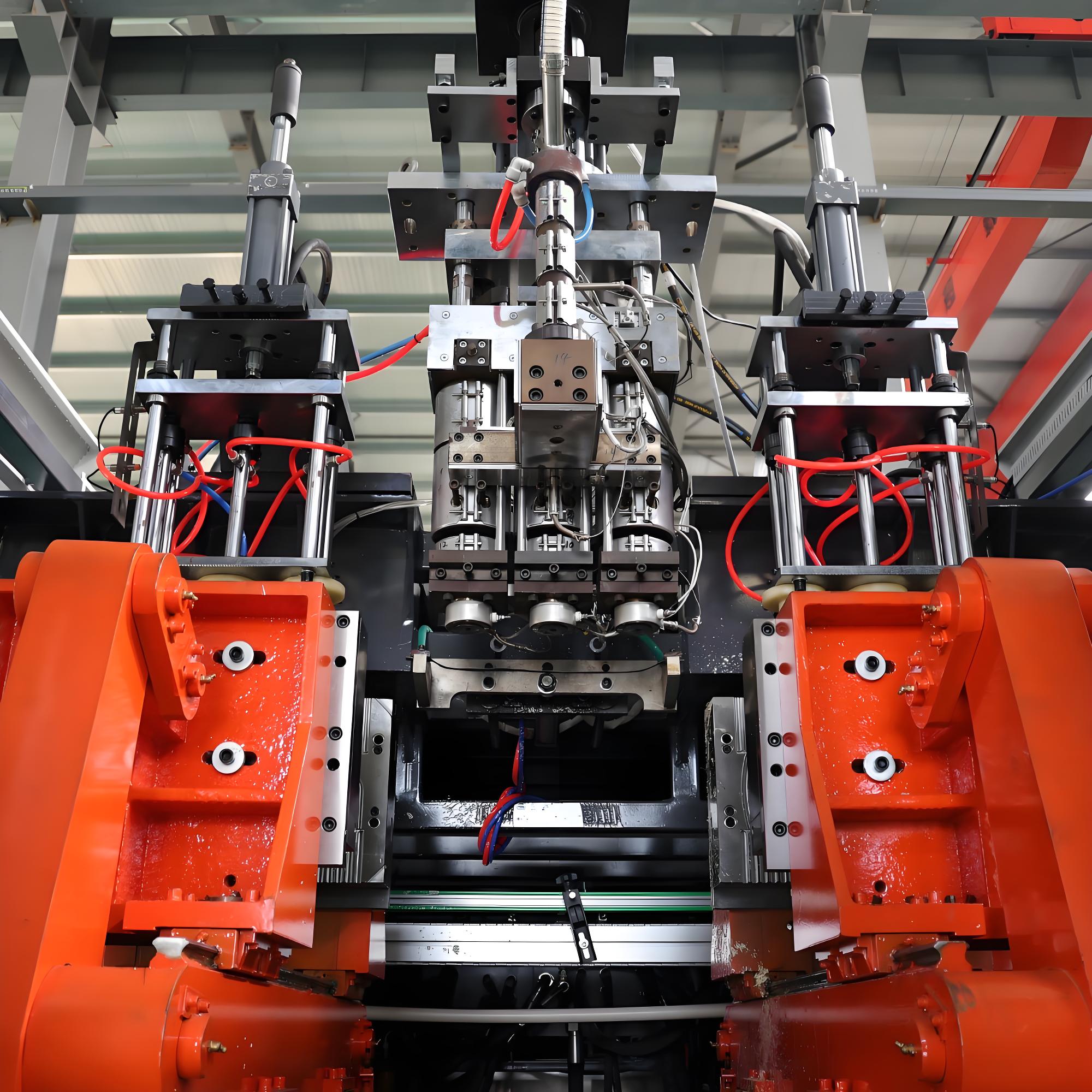
İkinci kat, ısıtıcı yeniden değerlendirmesini kapsar. Blow molding makinesinde en büyük elektrik yükü, kafanın ve kalıpların ısıtma bandlarıdır ve toplam çekme miktarının genellikle yarısını veya üçte birini oluşturmaktadır. Apollo, bu ısıtma bandlarını yerel voltajda yeniden belirler, kafanın ve kalıpların ısıtıcı alanlarını 380 V veya 400 V parçaları yerine 220 V parçalar olarak ayırır. Bu, ısıtıcı watt yoğunluğunun ve yüzey sıcaklığının doğru kalmasını sağlar, böylece polimer erimi profilinin, daha yüksek bir voltaj üzerinden çalışan bir makinede olduğu gibi aynı olmasını sağlar. Bir müşteri daha sonra üç fazlıya yükselirse, alanları bandları değiştirmeden delta veya yıldız formatında yeniden bağlanabilir.
Üçüncü kat servo sürücüsü ve invertör girişine uyumludur. Ana extruder motoru, hidrolik pompa motoru ve servo eksenleri invertörler ve servo sürücülerle çalışır. Apollo, tek faz cihazlar için tipik olarak 200 ila 240 V aralığı, üç faz cihazlar için ise 340 ila 460 V aralığına sahip sürücüleri seçer, böylece bölgeye özgü dalgalanmaları tolerans içerisinde olur. Tek fazlı 220 V'nin yalnızca mevcut olduğu ve motorun büyüklüğü yüksek olduğu durumlarda, bir adım yükseltme transformatörü veya faz dönüştürücü, güç bölümüne 3 faz olarak sahip olmalarını sağlarken, kontrol kısmı izolasyon transformatöründe kalır. Filipinler'de 60 Hz frekanslı çalışma gerçekleştiğinden Apollo, sürücüleri programlar ve motor etiketine 60 Hz operasyonu için uygunluk teyit eder. Böylece senkron hız ve soğutma fanının performansı doğru kalır.
Dördüncü kat, kontrol kabinin istikrarını ve korunmasını sağlar. Apollo, kontrol kabinine elektrik veren giriş hattına otomatik gerilim regülatörü (AVR veya servo stabilizatör olarak da adlandırılır) takar ve PLC ve HMI'nin beslenmesini dar bir aralıktaki yönde tutar. Küçük bir çevrimiçi UPS, PLC ve HMI'nin aksamadan çalışmasını sağlar; bu sayede anlık bir kesintinin reçeteyi kaybetmesine veya soğuk bir yeniden başlatmaya yol açmaması sağlanır. Faza sırası korumalı ve düşük voltaj koruması röleleri, bir fazın kaybolması veya voltajın düşmesi durumunda makinayı güvenli bir şekilde keser, ekstrüderin ters dönüşünü önler ve fişin dondurduğu malzemeye zarar vermesini engeller.
Beşinci katman toprak bağlantısı. Güneydoğu Asya, TN-S ve TT sistemlerini karıştırır. TN-S sisteminde koruma toprak ve nötr trafo çıkışına kadar ayrıktır, ancak TT sisteminde müşteri, kaynağın sadece yerleştirildiği noktada nötr bir özellikte bulunan yerel bir toprak elektrodu kullanmak zorundadır. Apollo, gereken toprak elektrodu direncini dökümante eder, doğru terminal yöntemi sağlar ve devreye alma sırasında koruma konduktörünün kesintisiz olup olmadığını kontrol eder. TT bölgesinde yanlış bir toprak bağlantısı dolabın bir anda çalışmaya başlatılmasını sağlayabilir ve dokunmatik ekranı istikrarsız hale getirebilir, bu yüzden bu aşama asla atlanmaz.
| Alt alt sistem | Standard Design | 220 V özelleştirilmiş tasarım | Amaç |
|---|---|---|---|
| Kontrol devresi | 400 V direk | 220 V / 24 V DC'ye ayırıcı transformatör | Gürültü izolasyonu, mantık güvenliği |
| Silindir ve matkap başlıklı ısıtıcılar | 380 ila 400 V bölgeleri | 220 V bölmeleri, yeniden bağlanabilir | Yerel gerilimde doğru watt yoğunluğu |
| Ana ve servodiziler | 380 ila 460 V arası | 200 ila 240 V veya 340 ila 460 V geniş giriş | Plus veya minus 15% hareketi kabul edilebilir |
| Kontrol kabinin beslenmesi | Hiçbir şey | AVR stabilizörü ile online UPS | Düşüşler ve kesintiler sırasında çalışabilmek |
| Koruma | Yalnızca yük aşımı | Faz sıralaması ve düşük gerilim röleleri | Faza kaybı veya büküme tedbirli olarak durdurma |
| Yerdene | TN-S assumed | Yerel olarak onaylanmış TN-S veya TT | Sabit ekran, güvenli dokunma voltajı |
Sonuç olarak, her sabah bir voltaj riski almadan çalışan bir makine elde edilir. Tedarikçi karşılaştırması yapan satın almacılar için sorulması gereken soru, makinenin 220V de çalışabileceği mi değil, bunun yerine bu beş katmandan hangisinin tedarikçinin gerçekleştirdiği mi olmalıdır. Apollo, her katmandan elektrik şemalıde oluşturur ve teslimat öncesinde 72 saatlik fabrika testi sırasında doğrular.
3. Sıcak ve nemli iklim adaptasyon stratejisi
Gerilim, sadece Güneydoğu Asya sorunundan biridir. Diğer yarısı iklimdir. Endonezya, Filipinler, Vietnam, Tayland ve Malezya'da, ortam sıcaklığı düzenli olarak 30 ila 38 derece Celcius arasında değişir ve yılın büyük bir kısmında su ya da relatif nem oranı %75 ile %90 arasındadır. Bir ekstrüzyon üfleme kalıbı makinesi için bu ortam, kontrol kabini, hidrolik sistem ve ham maddeyi aynı anda etkiler.
Denetim kabini en hassas noktadır. Sıcak ve doymuş hava, özellikle gece boyunca kapının odadan daha hızlı soğuması sonucu, soğuk metal yüzeylerde kondense olan nemi taşır. PLC backplane ya da sürücü ısı dökümünde, bu durum takip sorunları, korozyon ve rastgele arızalara neden olur. Apollo, bu soruna iki kombine tedbir ile yanıt verir. Küçük bir anti-kondens kabin ısıtıcısı, kabinin güç kaybedildiğinde iç havayi kondenz noktasından birkaç derece yukarıda tutar ve dehumidifying işlevi olan bir kapalı kabin klima cihazı, iç sıcaklığı kontrol eder ve çalışma sırasında nemi ortadan kaldırır. Hedef, kabinin içini 35 derecenin altında ve odanın kondenz noktasından çok altta tutmaktır.
Mekanik koruma da uygulanır. Apollo, makinenin montajı esnasında sorunsuz görünen bir makine nerede çürümelere, nemin, sodyum spreylerinin ve mantar gelişiminin etkisine karşı dayanıklı bir yanıt madde kaplaması alan HMI ve sürüş panosundaki baskılı devre kartlarına konur. Kablo girişlerinde tıkalı kılavuzlar kullanılır. Bu adımlar önemlidir, çünkü rutubet, tuz spreyi ve mantarlaşma masamınızı sessizce bozabilir ve makinede arızanın ortaya çıkma riskini yükseltebilir.
Hidrolik sistem, farklı bir sorunla karşı karşıya. Yüksek çevre sıcaklığı, hidrolik yağ sıcaklığını yükseltir ve tropik yağ daha hızlı bozulur. Apollo, iklimine uygun bir hidrolik yağ sınıfı seçer, genellikle ileri oksidasyon istikrarına sahip şekilde aşınmaya karşı korumalı ISO VG46'dir ve yağ soğutucusu veya su-yag ısı değiştiricisini kullanarak, yağ sıcaklığını 55°C'nin altına tutar. Yağ sıcaklığı butonu, yağın zararlı bir seviyeye ulaşmadan önce işleticinin uyarır. Yağı soğuk tutmak, pompayı, valfleri ve servohidrolik duvar kalınlığı kontrolcüsünü okşamadan ve tamburdan korur.
Son olarak, ham madde nem kontrolü son derece önemlidir. Birçok Güneydoğu Asya tesisi torbaların nemi alınan, iklim kontrolü olmayan depolarda reçineler saklar. HDPE ve PP güçlü nem emerici malzemeler değildir, fakat pelet yüzeyindeki yüzey nemi ve buharlaşma sızıntı ve bulanıklık oluşmasına neden olabilir. PETG veya ABS gibi malzemeler agresif kurutma gerektirir. Apollo makinesini nem alma odasıyla veya en azından kapalı, dehidrasyon/rejenerasyonlu hava döngüsüne sahip bir konveyör kurutma ünitesiyle eşleştirir ve nemli malzemeler için buharlaşma noktasının sıfırın altında -40 derece olması hedeflenir. Kurutma konveyörü yalıtımlıdır ve doymamazlık boşluğu kurulu kalır, böylece eriyik taban içine temiz bir şekilde girer.
Sıcak ve nemli adaptasyon bir ara yüzeyi oluşturmamak değildir. Mekanik ve elektronik işlemlerin yanı sıra malzeme patiklerine uygulanan bir tasarım kararına dayanır. Böylece, çamaşır makinesi Jakarta'da veya Ho Chi Minh City'de 38 derece olan sıcaklığa ve yüzde 90 olan nem oranına dayanabilir.
| Climate Stress | Arıza modu | Apollo Countermeasure |
|---|---|---|
| 30 ila 38 °C ortam sıcaklığı | Motor ve PLC'nin aşırı ısınması | Kabin klima cihazı, IP54 veya IP55, tropikleştirilmiş parçalar |
| %75 ile %90 nem oranı | Damlatma, korozyon, küf oluşumu. | Kondenzasyonu önleyen ısıtıcı, yanıt madde kaplama, kapalı kılavuzlar |
| Yüksek yağ sıcaklığı | Sakız sertleştirme, kavitasyon | ISO VG46 tropikal yağ, yağ soğutucu, 55 °C sınır anahtarı |
| Moist warehouse storage | Yerleşim, röntgen, kötü taslağa bağlı arıza | Nem alma dondurucu, sıfırın altında 40 °C buhar noktası besleme |
Deniz kıyısında veya nehir deltasında bulunan alıcıların için, Apollo aynı zamanda, görülen bağlayıcılara paslanmaz metal aparatlarla donatılmış ve alt yapısı tropik boya sistemiyle donatılmış bir yükseltilmiş pas önleme paketi de sunuyor. Bu paketin maliyet düzeyi Ortalama olup, en agresif bölgelerde hizmet güvenlik aralıklarını büyük ölçüde uzatıyor.
4. Makine Serisi ve İşleme Parametre Konfigürasyonu
Elektrikli ve iklim temelleri konulduktan sonra, sorulacak diğer şey makine kendisidir. Wanplas fabrikası olan Apollo, 0,1 L ile 30 L’ye kadar kapları kapsayan üç ana extrüzyon blow forming serisini üretiyor. ABLB serisi, 200 ml ile 20 L’ye kadar sürekli extrüzyondayken gelir, ABLD serisi ise, akü kafa kullanarak yüksek mukavemetli silindirler ve tanklar için 20 L ila 1500 L’ye kadar gelir, Full Electric serisi ise, en temiz ve en verimli işletim için hidrolik sistemi bulunmayan 200 ml ile 20 L arasında gelir.
Somaliya HDPE, PP ve PVC işleri için, Apollo, 50 mm ila 90 mm çaplarında tek makara enjeksiyon makinelerini kullanır. Uzunluk/çap oranı (L/D oranı) 24:1 ile 28:1 arasındadır. 24:1 makara doğrudan HDPE şişe kalitelerine yeterlidir, ancak 28:1 makara sıvma homojenliğini artırır ve makine, yerel kaynağa dayalı reçine ile yaygın olan daha yüksek yeniden kaynama oranını veya daha geniş MFR dağılımını bilebilir. Kompresyon oranı malzemeye göre seçilir; termal hassas PVC için daha düşük, HDPE ve PP için ise daha yüksek olma eğilimindedir.
Merkezi mimari bir seçenek, biriktiricili head'e kıyasla sürekli ekstrüzyondur. Sürekli ekstrüzyon, kesintisiz olarak parisonu oluşturur ve 0,1 L'den yaklaşık 10 L'ye kadar konteynerler için tek veya çift istasyonlu makinelerde mükemmel duvar kontrolü ve yüksek kavitasyon sağlamaya yöneliktir. Bir biriktiricili head, erimiş polimeri bulundurur ve hızlı bir şekilde serbest bırakır, bu da 10 L'den 30 L'ye kadar konteynerler için ve parisonun zaten yavaşlanıp sarkar olduğu tekrarlanan düşme sırasında alçalmaması gereken çok katmanlı veya yüksek çıkış veren işler için gereklidir. Biriktirici, ayrıca ekstrüder yükünü düzeltir, bu da motorun her döngüde doruğun yerine daha istikrarlı ortalama çekiş görmediğinden, zayıf gridler için yardımcı olur.
Stati sayısı ve kavitasyon istenilen çıkışı belirler. Apollo, kapak kısımlarının 1'den 6'ya değişebilen konteyner boyutuna bağlı olarak tek ve çift istasyon yapıları sunmaktadır. Küçük bir 500 ml HDPE şişe, çift istasyonda 4 veya 6 kutuya çalışılabilirken, 20 L'lik bir silindir tek kutuya sahiptir. Kısıtlama kuvveti planlanan uçma alanına ve iç hava basıncına uygun olarak ayarlanır; bu nedenle, parçalanma hattında kabarcak oluşumunu engellemek için daha büyük konteynerlere orantılı olarak daha yüksek kısıtlama kuvveti gereklidir.
Sıcaklık bölgelendirmesi malzeme tarafından belirlenir. HDPE genellikle 160 ila 200 derece Celsius arasında konteyner bölgeleri ve 190 ila 210 derece Celsius arası die başlık ile işlenir. PP, 200 ila 230 derece Celsius arasında biraz daha yüksek kapasiteli olup, kesme ısınmasına daha duyarlıdır. PVC, en duyarlı sıcaklıktan dolayı 170 ila 195 derece Celsius arasında kalır. Bu bölgeyi korumak için dikkatli bir profili olan bir sürgü kullanılır. Apollo, bu bölgeleri PLC'ye programlar ve bunları tarifler olarak saklar. Bu sayede, bir işletici, manüel ayar yapmak yerine tek bir seçenekle HDPE'den PP'ye geçebilir.
| Parametre | Küçük şişe grubu | Orta Çaplı | Büyük silindir aralığı |
|---|---|---|---|
| Container volume | 0,1 ile 2 L arasında | 2 to 10 L | 10 ila 30 L |
| Vida çapı | 50 ila 60 mm | 65 ila 75 mm | 80 ila 90 mm |
| L/D ratio | 24:1 ila 26:1 arası | 25:1 ile 28:1 | 26:1 ile 28:1 arasındaki aralık |
| Kafa tipi | Sürekli | Continuous or accumulator | Accumulator head |
| İstasyon ve boşaltmalar | Çift, 2 ila 6 | Tek veya çift, 1 ila 4 | Tek, 1 |
Markaları karşılaştırırken, Apollo, Almanya'dan Bekum ve Kautex, İtalya'dan Magic gibi köklü markaların karşısında yer alır ve aynı zamanda bu tanımlardan daha fazla, fabrikadan hazır olarak üretildiğini vurgular; ayrıca PET'i kullanan müşteriler için Wanplas grubunun YuDa fabrikası PET şişe sızdırma dökme makinelerini tedarik eder ve enjeksiyon sızdırma dökme için grupun Aibim fabrikası ilaç ve kozmetik küçük kapları kapsar, böylece bir alıcı tek bir marka ailesinden kapsamlı boşluklu ürün portföyünü tedarik edebilir.
5. Yerel Amaçlı Madde Uyarlaması: HDPE, PP ve PVC
Güney Doğu Asya'da poliolefinler için yerel tedarik artmaktadır ve pek çok blow molder maliyetleri yönetmek amacıyla ithal reçineyi bölgesel sınıflara karıştırır. Reçinin makinede göstereceği davranış, duvar kalınlığı, şişe ağırlığı ve görünümünün standartlara uygun olmasını belirler. Apollo, kitabında belirtilen bir sınıf yerine, makineyi gerçek reçineye göre ayarlar.
HDPE blow şekillendirmeye gelince, yerel ve bölgesel ortak blow-molding sınıfları, 21,6 kg yük koşullarında 10 dakika içinde ölçülen 0,2 ila 0,5 g ortalama erim hız bandında yer almaktadır, bu koşullardan genellikle E olarak bildirilir. Yoğunluk 0,950 ila 0,960 g kübik santimetre arasında yer alır, bu tipik yüksek yoğunluklu blow-molding reçinedir. Bu sınıflar, deterjan ve kimyasal şişeler için gereken sertliği ve çevresel çatlağı direncini sağlar. Çevresel çatlağı direnci, ya da ESCR, agresif yüzeyaktif maddeler içeren şişelerin temel gereksinmidir ve Apollo, müşteriyle işlemin kilitlenmeden önce sınıfın gerekli ESCR sınırını karşıladığına dair onay almak için çalışmaktadır.
Regrind, yani geri dönüşüm sürecinde oluşmuş atık, blow moulding prosesinde normaldir, çünkü yavru ve akışlar merkezi olarak geri dönüştürülmektedir. Pratik bir regrind oranı, 20 ila 30 yüzdedir ve temiz, aynı renkteki atıklar kiraz ile karıştırılır. Aşırı oranda, karışımın akış hızında dalgalanmalar görülür ve duvar kalınlığı kontrolü zorlaşır, çünkü parison programlayıcısı belirli bir viskoziteye göre profillandırılmıştır. Apollo, parison profilini yeniden yaparak silindir sıcaklığını hafifçe ayarlar ve uzak izleme sistemi, regrind oranının değiştiği durumlarda uyarı vermektedir. Gıda ile temasa sahip uygulamalarda, regrind hijyenini belgelemeli olduğundan, Apollo açık kabın yerine kapalı bir döngü sistemini önermektedir.
Yüksek sıcaklık dayanımı veya netlik gereken alanlarda, örneğin sıcak doldurma veya bazı ilaç kapları için PP tercih edilir. PP atma kaliteleri, mukavemet olarak kıyaslanabilir olduğunda, HDPE'den daha düşük eritme akış hızına sahiptirler ve daha yüksek ısılak ihtiyacı, kırılganlıkla ilgili olan profile gerektirir. PVC, net veya özel kaplar için kullanılır ve asit salınımını önleyen ve kalıp plakalarını önleyen en sıkı sıcaklık aralığına ve en dikkatli tornavida tasarımına ihtiyaç duyar. Apollo, bu tür projelere yönelik özel PVC tornavida ve silindir işleme önerir.
| Malzeme | Tipik MFR (21,6 kg) | Yoğunluk | Process Note |
|---|---|---|---|
| HDPE boşaltma kalitesi | 10 dakikada 0,2 - 0,5 g | cm3 başına 0,950 ila 0,960 g | ESCR’i onaylayın ve %20 ila %30 oranında yeniden toplama yapın |
| PP uçucu sınıfı | HDPE'den düşük | Yaklaşık 0,90 g/cm3 | Daha sıcak profil, sıcak doldurma özelliğine sahiptir |
| PVC ameliyatsız kalite | Böyle bir şekilde MFR derecelendirilmemiştir | 1,35 ila 1,40 gr/cm3 arasında | 170 - 195 °C arasındaki dar kapsamlı PVC screw |
Pratik önerim, senetlilerin Apollo ile ön laboratuvarda tanımlanmasıdır. Tek günlük materyal denemesi fabrikada yapılabilir ya da senet döküm bilgisi baz alınarak öteye dayalı bir formül oluşturulabilir. Bu sayede, tropik endüstrilerdeki en yaygın zararı olan, tanımlanmamış yerel bileşim nedeniyle ortaya çıkabilecek şişe ağırlığındaki değişkenlik önlenebilir. Wanplas grubunun, fabrikalar arasında paylaşılan materyal bilgisiyse, bir satın alan şirketin, ürün geliştirmeye başladığında, senet, makine ve kalıbı uyumlu hale getirmesine yardımcı olur.
6. Parison duvar kalınlığı kontrolü ve enerji tasarruflu tasarım
Kalınlık kontrolü, bir matbaa şişirme makinesinin reçineyi kar edebilmesi için odak noktası olur. Parison kontrolörü, parison kontrolcusu olarak adlandırılan alet, parisonun şişirme işlemi sırasında die açığını değiştirerek şişen maddenin kalınlığı, şişmenin gereksinimleri olan güç gerektiren alt ve kol gibi noktalarda kalın, geri kalan kısımlarda ise yığılma tüketimi olmayan şekilde ayarlanır. Apollo, servo-hidrolik veya servo- elektrikli aktüatörü ile donatılmış 100 seviyeli parison kontrolörü sunar. Bu, parison uzunluğunu 100 kontrol edilebilir bölüme ayırarak daha katı bir planlama sağlar ve daha eski 18 veya 32 seviyeli sistemlerden daha ayrıntılı bir yapıya sahiptir.Bu sayede karmaşık şekiller bile gür ve optimize edilmiş bir profilde ortaya çıkar.
Enerji tasarrufu, iyi kontrolün ikinci avantajıdır. Değişken hacimli bir pompa, hidrokimyasal akışı talepe uyarlamak suretiyle, sabit bir pompa ile karşılaştırıldığında enerjiyi %20 ile %40 arasında azaltır. Apollo’nun servo-hidrolik duvar kalınlığı sistemi de daha ileri gider, çünkü servo motor, aktüatör hareket ettiği zaman çalışır ve hareketler arasında eşzamanla neredeyse sıfır tüketimde bekler, duvar kalınlığı alt sistemi enerjisini sürekli bir sabit pompa ile kıyaslandığında %50 ila %60 arasında azaltır. Tam Elektrikli seri, hidrolik sirküleyi tamamen kaldırır ve klips, parison ve havalandırmayı servo motorlarla yönlendirir, bu da en sessiz ve en verimli seçenek olan ve temiz odalar veya gıda kalitesi gerektiren ortamlarda en uygun olanıdır.
Tasarrufları somut hale getirmek amacıyla Apollo, hazır şişenin kilogram başına kilowatt-saat olarak ünite ürün enerjisini bildirmektedir. Standart bir hidrolik HDPE şişe hattı daha yüksek bir aralıkta yer alırken, servo hidrolik veya tam elektrikli bir hattı, kabuk boyutu, kavitasyon ve yeniden sıkmaya oranı gibi faktörlere bağlı olarak bu rakamı daha aşağı seviyeye düşürmektedir. Yüksek tarife olan Doğu Asya pazarında üç vardiya operasyonu birden yıllık süre boyunca, sabit pompa ve servo hidrolik hattı arasındaki fark, makinenin geri ödeme sürecine etki etmeye yetecek kadar önemli bir farktır. Wanplas grubu bu gerçekleri enerji verimliliği taahhüdünün bir parçası olarak değerlendiriyor ve YuDa fabrikası, PET hatlarında da benzer ısıtma fırın tasarrufları bildirmektedir.
| Yönetim mimarisi | Göreli enerji kullanımı. | Duvar Kontrolu Hassasiyeti | En iyi kullanım |
|---|---|---|---|
| Sabit pompa hidrolik | Başlangıç (yüksek) | Programcısı ile iyi çalışanlar | Cost-sensitive, large drums |
| Değişken pompa hidrolik | 20 ila 40 oranında daha düşük | Programcısı ile iyi çalışanlar | Genel ortalama hacim. |
| Servo-hidrolik | 50 ila 60% daha düşük | Mükemmel, 100 puan | Büyük hacim, malzeme tasarrufu |
| Tam elektrikli | En düşük, hiç hidrolik yok. | Mükemmel, 100 puan | Temizlik, gıda, ilaç |
100 nokta programcı, iyi bir şişenin yapılma süresini kısaltır. Manyetik kepçe ile birden fazla döngü boyunca kesme işlemi yapmak yerine, operatörler işlenen bir profili yükleyerek birkaç örnek adet haline getirirler ve gereken noktalara sadece ayarlamalar yaparlar. Resin viskozitesi, nem oranı ve yeniden karıştırma ile değişen bir tropikal tesiste bu tekrarabilirlik, malzeme maliyetini ve ilk aşamada elde edilen üretim miktarını korur
7. ASEAN pazarlarında sertifika ve uyum
Güneydoğu Asya'da blowerden imal edilmiş konteynerler satmak, bir dizi ulusal sertifikasyon ve gıda teması kurallarına uygun hale getirmek anlamına gelir. Makine ve ürün ayrı ayrı düzenlenir ve Apollo, her iki tarafta da alıcıyı destekler. Makine seviyesinde, Apollo, temel olarak, 2006/42/EC CE Makine Direktifini baz alarak, temel sağlık ve güvenlik gereksinimlerini kapsayan koruma, elektrik güvenliği ve acil sistemler için düzenlenir.
Tamamlanan kap içinde, esas işaretler ülkeye göre değişir. Endonezya, çok sayıda plastik ev eşyası ve gıda konteynerinin için SNI sertifikasyonunu, yetkilendirilmiş bir laboratuvar tarafından test edilmesi ve fabrika verifikasyonunu ister. Tayland, uygunsuz ürünler için Thai Sanayi Standartları Enstitüsü (TISI) tarafından belirlenen işaretlemeyi gerektirir. Malezya, SIRIM sertifikasyonunu, Vietnam ise düzenlenmiş mallarda CR uygunluk işaretini ister. Bu işaretlemeler, şişe etiketlendirilmesinde ve markanın sahibi tarafından saklanması gereken malzeme belgelerinde kullanılacak olan makine test raporları, elektrik şemaları ve malzeme teması beyanları da dahil olmak üzere her birinin farklı öneme sahiptir. Apollo, alıcıların ürün dosyası hazırlanmasına yardımcı olan makine test raporları, elektrik şemaları ve malzeme teması beyanlarını sunar.
Gıda teması, reçine ve eklentilerle ilgilidir. Amerika Birleşik Devletleri piyasasındaki ve ihracat odaklı tesisler için, FDA 21 CFR 177, polietilen ve polipropilen gıda teması ürünlerin kurallarını belirler, bu durumda ekstraktlar ve izin verilen maddeler belirlenir. Çin standartı GB
Sertifikasyon maliyeti ve teslim süresinin ülkeden ülkeye değiştiğini belirtmekte fayda var. SNI ve SIRIM, fabrika denetimi dahil temelde orta ve yüksek bir çaba düzeyini gerektirirken, TISI ve Vietnamlı CR marka ürün kategorisine bağlıdır. Apollo, uyum çalışmalarının testler için şişe örnekleri alınır hale getirilen üretim hattından alınacağından, işletimin başlatılmasının ardından değil paralel olarak bütçe oluşturulmasını tavsiye eder. Bu markaların hiç birinde Apollo'a ödenen bir bedel bulunmamaktadır, bunlar alıcı tarafından yerel destekle yönetilen üçüncü taraf uygunluk maliyetleridir.
| Pazar | Kutu Markası | Makine Standartı | Gıda Teması Referansı |
|---|---|---|---|
| Indonesia | SNI | CE Makine Direktifi | FDA 21 CFR 177, GB 4806.7 |
| Thailand | TISI | CE Makine Direktifi | FDA 21 CFR 177, GB 4806.7 |
| Malaysia | SIRIM | CE Makine Direktifi | FDA 21 CFR 177, GB 4806.7 |
| Vietnam | CR markası | CE Makine Direktifi | FDA 21 CFR 177, GB 4806.7 |
Apollo’s role is to deliver a machine whose documentation, guarding, and material contact surfaces make these marks straightforward to achieve. The brand also draws on the wider Wanplas network when a project needs, for example, a washing and pelletizing line from the Polyretec factory to close the loop on regrind, keeping the whole solution inside one quality system.
8. Teslimat, Kurulum ve Satış Sonrası Destek
Güneydoğu Asya paketinin son bağlantısı teslimat ve ömür boyu destekten oluşmaktadır. Apollo ısı basınç makinelerinin çoğu 40 kutuğu yüksek karelik, 40HQ 40-foot konteynerde sevk edilir, bu konteynerin iç boyutları yaklaşık 12,03 metre uzunluğunda, 2,35 metre genişliğinde ve 2,69 metre yüksekliktedir. Makine taşımak için parçalanmıştır: sıkma birimi, extruder ve boru, kalıp başlığı ve merkez, kalıp ve kontrol koltuğu, tropikal deniz nakliyesi için uygun nem önleyici sarılma ile ayrı ve açıkça etiketlenmiş birimler olarak paketlenmiştir.
Yatırım gerçekleştiğinde, Apollo mühendisleri kurulum ve devreye alma işlemleri için yerdeki mekanizeye seyahat eder. Yer mekanizma çalışma süresi, model boyutuna, güverte durumuna ve müşteri tarafından operatör eğitiminin de gerektiğine bağlı olarak tipik olarak 7 ila 14 gün arasındadır. Devreye alma işlemleri, zeminin düzgünleştirilmesini, voltaj-sonucu ısıtma bölmelerinin yeniden bağlanmasını, yere yapışın doğrulamayı, malzeme formülünün yüklenmesini, parison programcısı programının işlenmesini ve onaylanmış örneklerin üretimini içerir. 220 V özel yerel uyarlama çözümü, fabrikada gözden geçirildiği için yer mekanizmasındaki elektrik işlemleri genellikle yeniden tasarımı gerektirmeyen bir yönlendirme işlemi olarak gerçekleştirilir.
Ek parsaların planlanması, eksik bir teslimatın haftalarca hatların durmasına yol açan bölgelerde kritik öneme sahip. Apollo, her makinede uyumlu rezerv parça setlerini gönderir ve yer değiştirme aralıkları listesini yayımlar. En hızlı aşınan öğeler, ısıl bandlar, kalıp kafası mandrel ve çekirdeği, tornavida ve kalıp çifti ve hidroliklı silindirlerdir. ısıl bandlar tüketim malzemelerindedir ve programlanmış saat aralıklarında değiştirilir; tornavida ve kalıp planlanmış aralıklarla kontrol edilir ve aşınma, eritme dayanımlarına etkisi olan toleransa ulaştığında değiştirilir; silindirler ise rutin bakımlarda değiştirilir. Aşağıdaki tablo, planlamaya yönelik bir referanstır.
| Yedek Parça | Genel Değiştirme Sıklığı | Niçin kullanılır |
|---|---|---|
| Isıtma bantı | Planlanmış saatler, sıcaklıkta daha hızlı | Termal döngü, sıvı nem oranı |
| 7, gıda temasında bulunan plastiklerle ilgilidir ve Çin yatırımlı tesislere veya daha geniş Asya tedarik zincirine yönelik tesisler için geçerlidir. Apollo, makinenin eriyiğe dokunan yüzeyleri, yani cer, konveyör ve dökme peteği gıda sınıfı uyumlu çelikkullanıldığını ve uyumsuz salama maddelerinin kullanıldığını kanıtlar ve bu süreç temiz bir dosya oluşturur. | Planlanan kontrol aralığı | Abrasion, parison contact |
| Somun ve boru | Uzun aralık süreli, sürtünme toleransı esaslı | Kesme, dolgu ve yeniden öğütme |
| Hidrolik yüzük | Önleyici Bakım Siklusu | Yağ sıcaklığı, basıncı |
Uzaktan işletme ve bakım döngüyü kapatıyor. PLC ve HMI, Apollo mühendislerinin her sorunda uçmadığı sürece alarmları okumaya, döngü verilerini incelemeye ve parametreleri ayarlamaya olanak tanımaktadır. Bu uzaktan katman, bir tesis ziyareti lojistik bir projeye dönüşmüş olan Endonezya’nın ve Filipinler’in adalar coğrafyasının her yerinde çok değerlidir. Wanplas grubu, yıllık ücretsiz yedek parça politikası ve kalite garantisi ile bunu desteklerken, Apollo her kurulan makinenin kullanım durumunu izler ve bir arıza yayılmadan önce doğru parça teslim edebilmektedir.
Bir takımdan birkaç takıma ölçeklendiren alıcılar için, Apollo markası kalıp takvim paketleri ve ürün bazında tarif kitaplıkları sunar. Bu sayede yeni bir şişe eklenmesi yeniden tasarım projesi değil, yazılım ve aletleme çalışması olur. 220V özel yerel uyarlama çözümü tüm flotta boyunca sabittir, bu da eğitimleri basitleştirir ve yedek stokları azaltır.
Sık Sorulan Sorular
Doğu Asya’nın 220 V tek fazlı enerjiyle çalışan bir şişirme blow molding makinesi gerçekten çalışır mı?
Döner fırça ve çekirdek
Sürekli extrüzyon ile akümlü baş döküm makinesi imalatındaki fark nedir?
Evet. Barrel ve dökme peteği başı ısıtma bantlarını 220V bölgelerine geri düzenleyerek, tek fazlı giriş invertörleri seçer veya ana sürücü için bir yükseltme transformatörü ekleyerek, PLC'yi otomatik gerilim regülatörü ve UPS ile korur. ABLB ortalama grubunda bulunan makineler için, 3 fazlı 380V veya 400V besleme halen tavsiye edilir, ancak elektrik mimarisi bölgesel dalgalanmayı tolere etmenin mümkün olduğu şekilde tasarlanmıştır.
Yüksek nem havası kontrol koltuğu ve ana malzeme üzerinde nasıl bir etki yaratır?
75 ila 90 derece arasında olan relatif nem, kasetin içindeki buharlaşmayı ve nem absorbu edici reçinelerdeki nemlenmeyi sağlar. Apollo, düşük 40 derecelik sıcaklıkta çökme işleminin önlenmesi amacıyla, anti-çökme kabin ısıtıcıları, kapalı sistemli kabin klima cihazları, kontrol tablolarına konformel kaplama ve malzeme için nem alma süngerleri sağlamaktadır.
HDPE kurma işleminde ne kadar yeniden öğütme karıştırılabilir?
Practical yeniden karıştırma oranı, temiz, aynı renkteki işlem atığın yaklaşık 20 ila 30%'sidir. Bu oranın üzerinde, eritme akışı değişimi artar ve duvar kalınlığı kontrolü daha zordur, bu nedenle parison programlayıcı profili ve boru sıcaklığı yeniden ayarlanmalıdır. Gıda teması gerektiren ürünler için, ideali olarak kapalı bir döngüye sahip yeniden karıştırma sisteminin sağladığı belgelendirilmiş yeniden karıştırma hijyeni gereklidir.
ASEAN ülkelerinde blow formlu kabı satabilmek için hangi sertifikalara ihtiyaç vardır?
7 gerekliliklerine uyulmalıdır.
Makineyi nasıl Asya-Pasifik’teki bir fabrika şubesine naklediyor ve kuruyoruz?
Makinenin bir kısmı ayırılır ve klips ünitesi, extruder, kalıp ve kontrol kasası ayrı ayrı paketlenerek 40HQ konteynerine yüklenir. Apollo mühendislerinin saha içi kurulumu ve devreye alma işlemi genellikle model ve servis hazırlıklarına bağlı olarak 7 ila 14 gündür.
Sıcak iklimlerde bir EBM makinesinin yedek parçaları ne zaman en çabuk aşınır?
Devamlı extrusyon, kesintisiz parison oluşturur ve tek ya da çift stasyon makinelerde 0,1L ila yaklaşık 10L'e kadar konteynerler için uygundur. Aküman başlık, eriyik malzemeyi saklar ve hızlı bir şekilde serbest bırakır, bu durum büyük hacimli 10L ila 30L konteynerler için ve parison düşme süresinin minimum haline getirilmesi gereken çok katmanlı ya da yüksek üretimlerde gerekmektedir.
Apollo, Güneydoğu Asya'daki makineleri için uzaktan bakım hizmeti sunuyor mu?
Isıtma bantları, dökme peteği başındaki çekirdek ve çekirdek, cer ve konveyör, hidrolik kaldıracı, zamanla en hızlı şekilde yaşlanır. Apollo, uyumlu yedek parça kitini gönderir ve sıcak ortam sıcaklığı ve voltaj stresi altında çalışan makinelerde, planlanmış değiştirme aralıklarının takip edilmesini önerir.
Sonuç
Güney Doğu Asya için üretilen ekstruzyon blow moulding makinesi, en temel tedarikçilerin çoğu tarafından göz ardı edilen detaylar üzerinden başarılı olur veya başarısız olur: duvara yük verilen voltaj, kabinin nem düzeyi ve konveyördeki reçinenin durumudur. 20 yılı aşkın bir deneyime sahip olan Wanplas tesisi ve 90’den fazla ülkede 4.000’den fazla makine çalışan Apollo, bu durumları mühendislik problemleri olarak ele alıyor ve bunların kontrgerçeli yanıtları var. 220V’lı kustomize edilmiş yerel uyarlama çözümü, izalet kontrol transformatörünü, voltaj dayanımlı ısıtma bölgelerini, geniş girişli servo ve invertör sürücüleri, AVR plus UPS korumasını ve güvenilir TN-S veya TT yerleşimini, kabin klima sisteminin, IP54 veya IP55 koruma seviyesinin, tropikal özelliklere uyarlanmış elektroniklerin, iklim standartlarına uygun hidrolik sistemlerin ve malzeme kurutmanın oluşturduğu sıcak ve nemli iklim paketinin üzerine yansıtmaktadır. Doğru dikme ve L/D oranı, devamlı veya akümülatör baş seçimi, 100 noktalı eşya programlayıcı ve servo-hidrolik veya tamamen elektrikle enerji tasarrufu ile bir sonuç elde edilir. ASEAN sertifikasyon desteği, 40HQ teslimat, 7-14 günlük kurulum ve uzak bakım özellikleriyle Apollo, Güneydoğu Asya blow moulderlarına kendi şebekelerine ve iklimlerine göre tasarlanmış bir makine sunar. Tam boş ürün yelpazesi için Wanplas grubu, PET ve enjeksiyonnalı blow moulding’i kendi YuDa ve Aibim fabrikaları aracılığıyla ekler, tüm bunlar tek bir kalite sözleşmesi altında gerçekleşir.