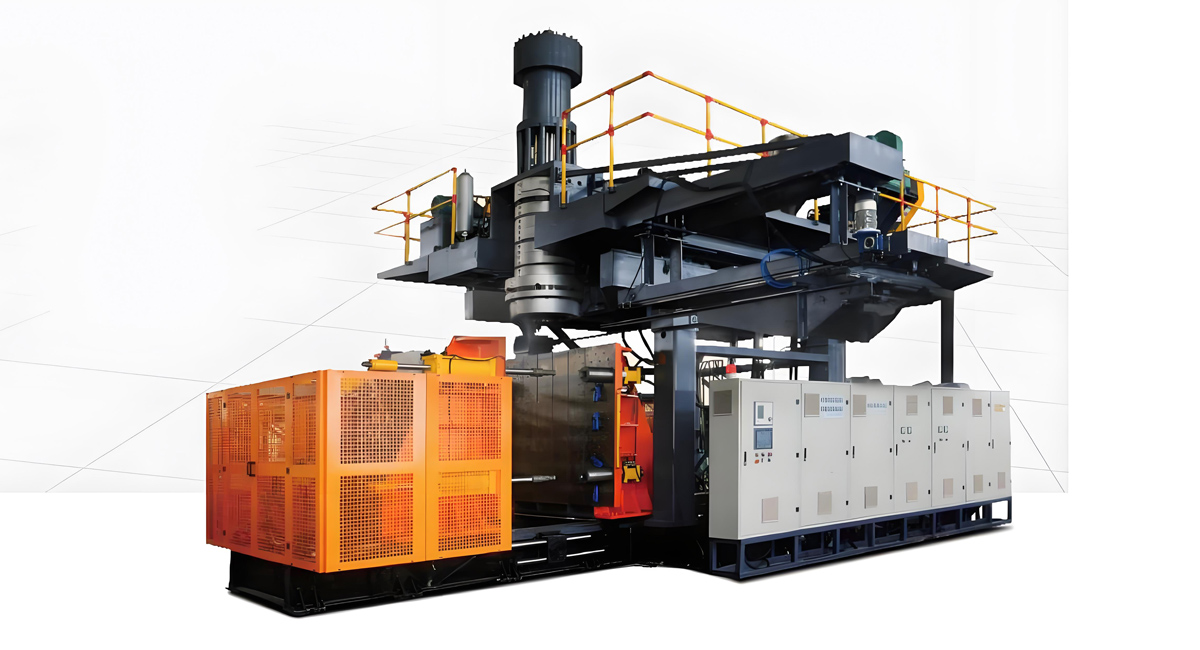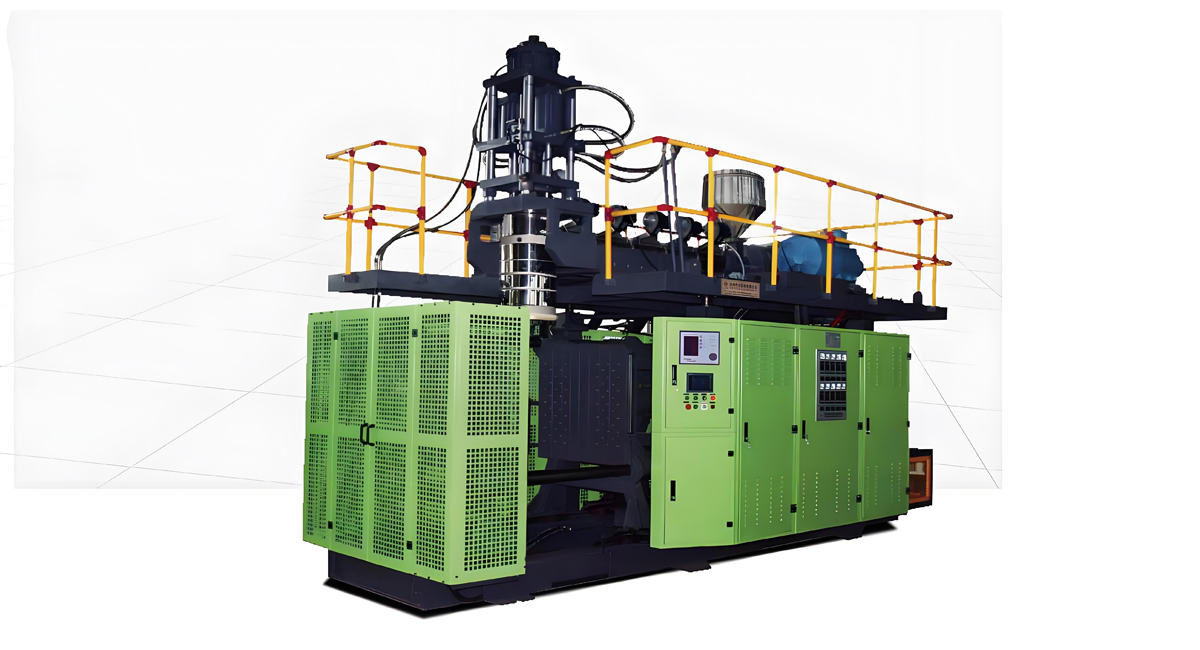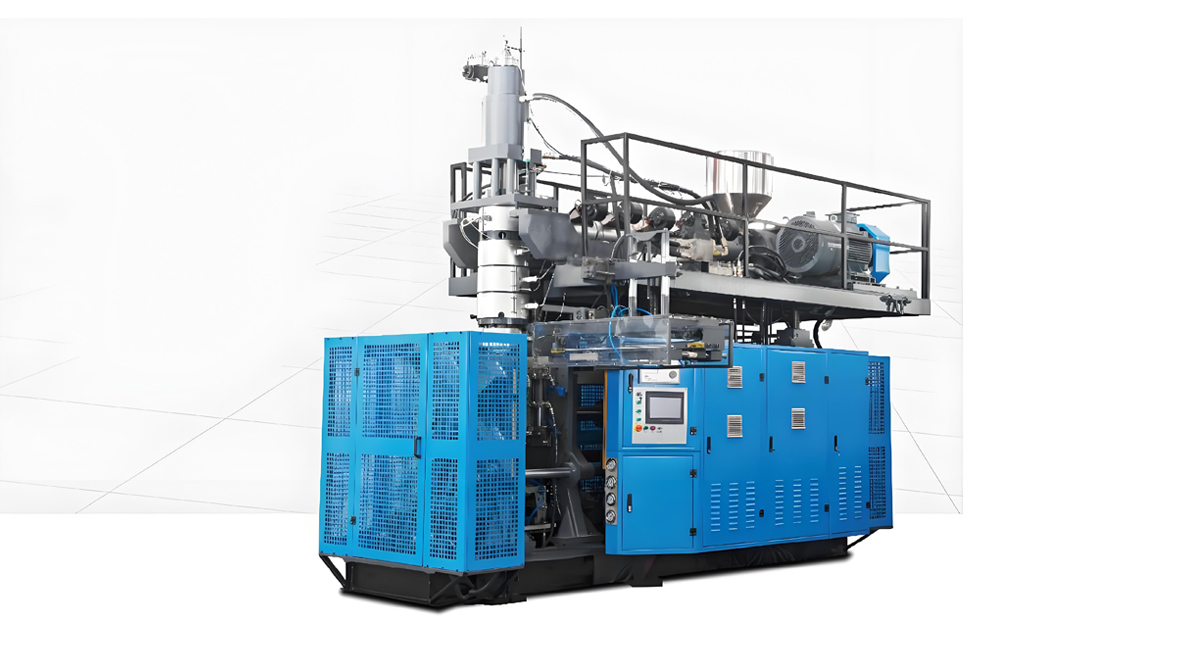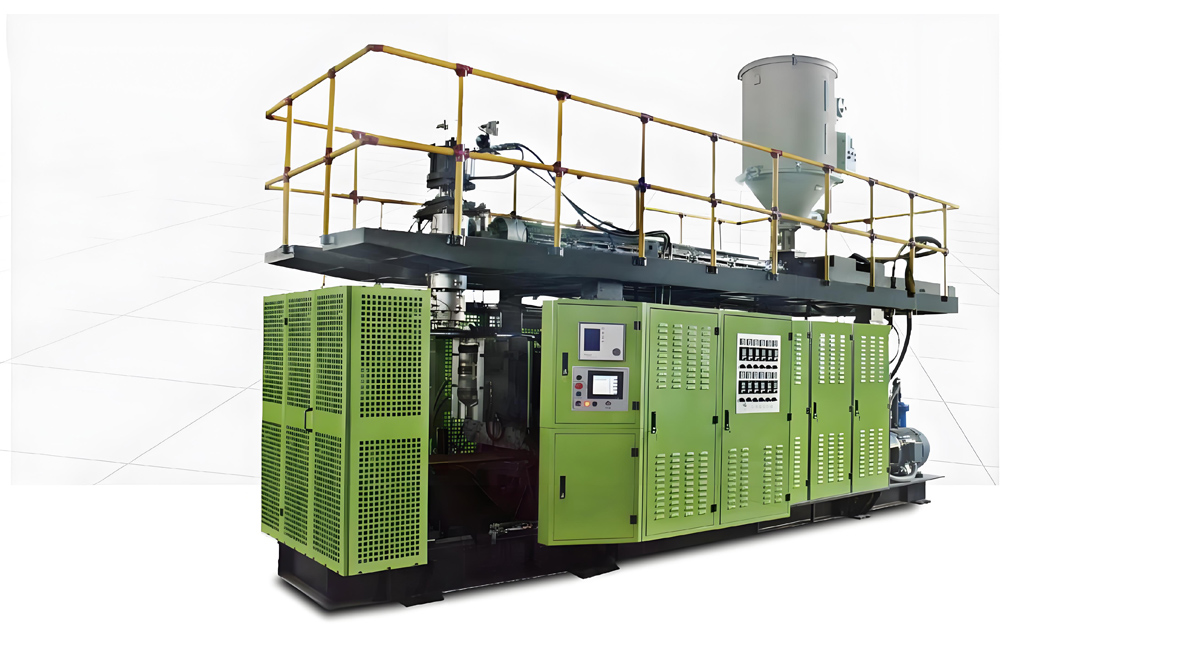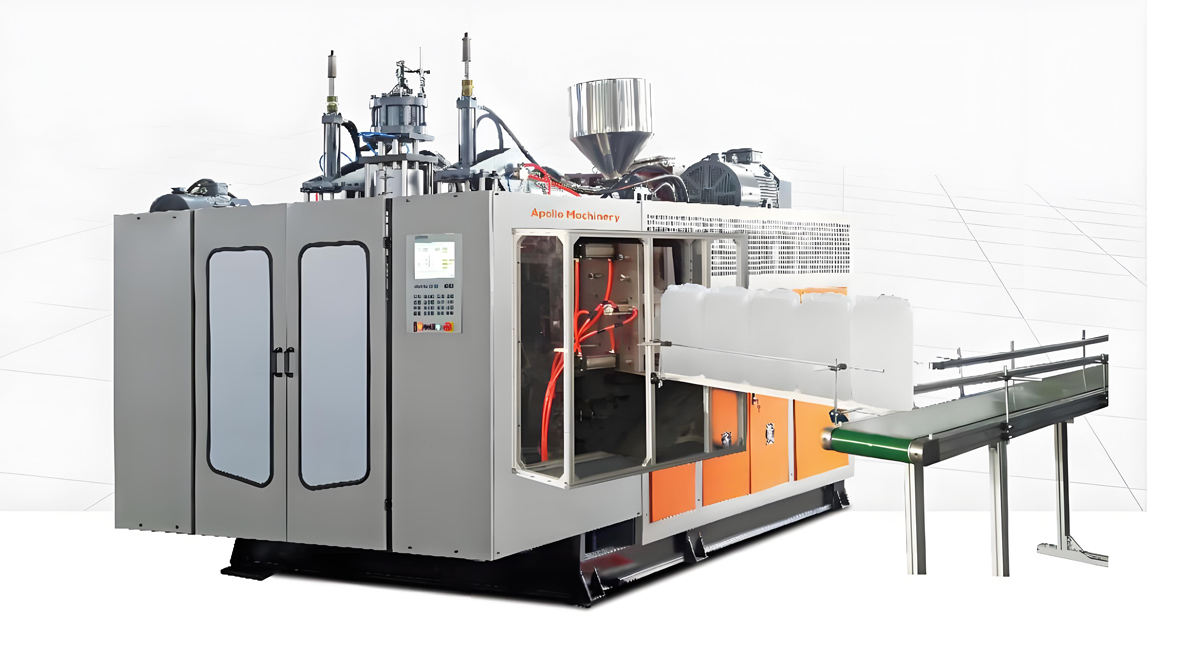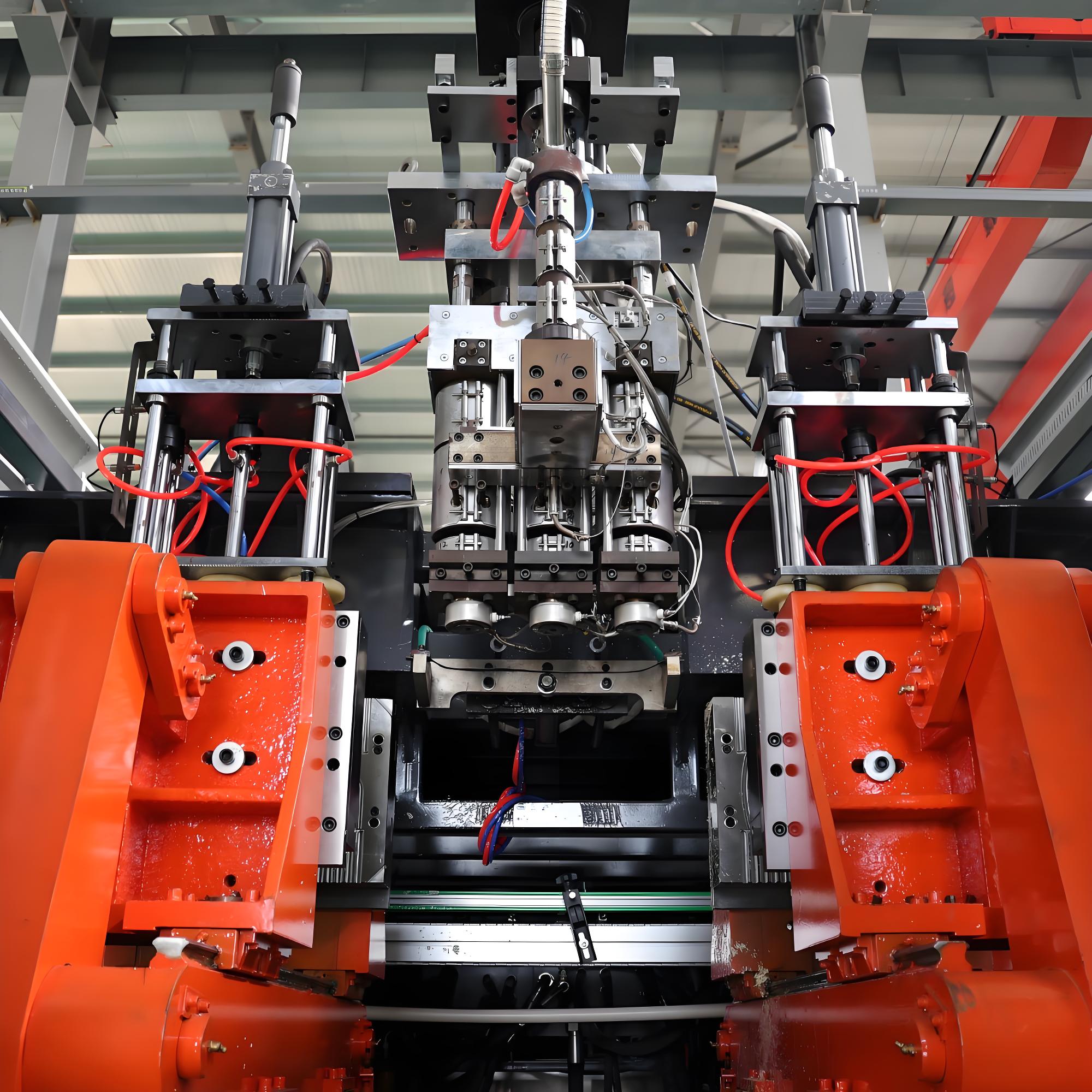

A blow molding machine sold to a customer in Germany, another in Brazil, and a third in Vietnam cannot be the same electrical machine, and the bottle it makes cannot be the same tool. Voltage, frequency, plug and protection philosophy differ by region, while the container shape, neck finish, wall profile, and resin differ by product. That is why a serious extrusion blow molding machine (EBM machine) supplier treats voltage adaptation and custom mold service as core engineering work rather than optional extras. Apollo, a Wanplas factory in Zhangjiagang near Shanghai with more than twenty years of experience and over 4,000 machines running in more than 90 countries, builds its tailored extrusion blow molding solutions around exactly these two levers. This article explains how regional voltage is engineered into the machine, how custom molds are designed and manufactured for the full range of hollow products, how tooling is matched to material and certification, how the work is sequenced from inquiry to qualified part, and how cost and lead time are structured so a global customer can plan with confidence.
Why Global Customers Need Custom Voltage and Mold Configuration
The global market for hollow plastic products is not one market but many, each with its own grid, its own regulatory frame, and its own package. A 20-liter lubricant drum for the Middle East, a 1-liter shampoo bottle for Europe, a 200-milliliter medical dispenser for North America, and a 1,000-liter IBC for industrial chemical transport are four different engineering problems that happen to share the extrusion blow molding process. The machine that makes them must speak the local electrical language, and the mold must produce the local article. Customization is therefore not a luxury; it is the baseline for export.
Voltage customization protects the machine and the warranty. A motor, contactor, or heater rated for 400 V three-phase at 50 Hz will be stressed or destroyed on a 480 V 60 Hz supply, and a control transformer sized for one grid will saturate on another. Apollo’s approach is to select every electrical component, from the main drive to the smallest relay, for the destination standard, and to validate the thermal and current behavior under that standard before shipment. This removes the most common cause of early overseas failures: a mismatch between the machine’s electrical design and the customer’s wall socket.
Mold customization protects the product. The same EBM machine can make a round bottle, a rectangular jerry can, a handled chemical container, or an automotive duct, but only if the mold, the parison programmer points, the blow-pin geometry, and the cooling circuit are designed for that specific part. Wall-thickness distribution, neck tolerances, handle integrity, and demold behavior are all functions of the tool, not just the machine. A tailored mold turns a generic machine capability into a specific, repeatable, certified article. This is where Apollo’s ten series and over eighty models become a platform: the customer chooses the machine class, and the custom mold defines the output.
There is also a commercial dimension. A custom solution reduces time to market because the customer receives a line that is already tuned to the local grid and already making the target part, rather than a generic machine that then needs local rewiring and a separate tooling project. For a Wanplas factory, the customization capability also reflects the group’s broader mission to warm global customers with China plastic machinery, which only works if the machinery arrives ready for the customer’s reality. The sections below make that capability concrete.
Voltage Customization: Standards by Region and Machine Adaptation
Voltage customization begins with a map of the destination grid. The world does not share one standard, and the differences are not trivial. Continental Europe commonly uses 400 V three-phase at 50 Hz. North America commonly uses 480 V three-phase at 60 Hz for industrial equipment, with 240 V or 208 V branches for control and auxiliary circuits. China and much of Asia use 380 V three-phase at 50 Hz. Japan sits at 200 V with a split 50 or 60 Hz depending on region. India and Australia sit near 415 V three-phase at 50 Hz. Brazil mixes 220 V and 380 V at 60 Hz. The Middle East and Africa cluster around 380 to 415 V at 50 Hz. Each of these requires a deliberate electrical bill of materials.
Apollo’s adaptation covers the full electrical chain. The main extruder motor and the clamp drive are selected as 50 Hz or 60 Hz rated, or as variable-frequency-drive (VFD) fed so the same motor serves both frequencies with correct flux. Contactors, circuit breakers, and overload relays are chosen for the local voltage and for the relevant protection standard. Control transformers, the PLC power supply, and the heater bands are matched to the supply, and the heater control is tuned so the barrel and die-head temperature loops are stable on the delivered voltage. Where the local code requires it, residual-current and phase-sequence protection are added. The result is a machine that switches on to the local grid without modification.
Frequency matters for more than the motor nameplate. A 60 Hz supply spins the extruder screw faster for the same drive setting than 50 Hz, which changes plasticizing rate and shear heating, so the process recipe is re-balanced for the delivered frequency. Cooling-fan motors, hydraulic pump motors on hydraulic machines, and the cutter all shift speed with frequency, and each is checked so the cycle time and part quality are preserved. On the fully electric series, the servo axes are inherently frequency-independent because the drives synthesize the needed motion, which makes voltage adaptation cleaner but still requires correct incoming supply sizing.
The table below summarizes the common regional standards and the corresponding Apollo adaptation. It is a planning reference rather than a substitute for a site survey, and the company confirms the exact incoming supply at order stage because small variations, such as 400 V versus 415 V, influence component selection and protection settings.
Regional Voltage Standards and Apollo Adaptation
| Region | Typical Supply | Frequency | Apollo Adaptation |
|---|---|---|---|
| China and most of Asia | 380 V three-phase | 50 Hz | Standard build, local components |
| Continental Europe | 400 V three-phase | 50 Hz | Rated motors, CE protection |
| North America | 480 V three-phase | 60 Hz | VFD or 60 Hz motors, 240 V control |
| Japan | 200 V three-phase | 50 or 60 Hz | Transformer and drive tuning |
| India and Australia | 415 V three-phase | 50 Hz | Up-rated insulation, protection |
| Brazil | 220 to 380 V three-phase | 60 Hz | Confirmed per site, VFD fed |
| Middle East and Africa | 380 to 415 V three-phase | 50 Hz | High-temperature rating option |
For hot-climate markets, Apollo also offers a high-temperature rating option for drives, cables, and cabinet cooling, because a control cabinet that overheats in a 45-degree-Celsius plant will trip and stop the line. This is part of tailoring rather than a generic build, and it is confirmed during the order engineering review alongside the voltage question. Customers comparing Apollo with regional specialists such as Kautex in Europe or Graham Engineering in North America will find the same electrical rigor expected locally, applied to an export machine.
Custom Mold Design and Manufacturing for EBM Machines
The mold is where the part is born, and custom mold service starts long before metal is cut. It starts with the part drawing, the target weight, the neck finish, the wall-thickness profile, the expected cycle time, and the resin. From these, Apollo’s tooling engineers define the cavity count, the parting line, the neck-ring and blow-pin geometry, the cooling circuit, the deflash method, and the steel grade. For a simple round bottle the cavity may be a single impression; for a high-volume personal-care bottle it may be four, six, or eight cavities in one mold; for a large drum or IBC the mold is a single heavy impression with an accumulator head feeding a big parison.
Mold base steel is selected by the resin and the hygiene requirement. P20 and 718-class pre-hardened steels are the workhorses for HDPE and PP consumer bottles, offering good machinability and wear life at a Medium cost tier. For PVC, a corrosion-resistant stainless such as S136 or a chrome-plated cavity is preferred because vinyl off-gassing attacks ordinary steel, so the tooling cost tier rises to Medium or High but the mold life and part surface are protected. For medical and high-clarity applications, polished stainless cavies give the required surface and cleanability. Aluminum is used for prototyping and short runs at a Low cost tier, trading life for speed. Beryllium-copper inserts are placed at hot spots such as the neck and handle roots to pull heat out fast, because cooling time dominates the cycle.
Cooling design is the quiet hero of mold performance. An EBM mold spends most of its cycle shedding heat from the parison into the cavity steel and then into the cooling water, so the layout of channels, bubblers, and baffles determines output. Apollo designs the circuit for turbulent flow at the specified water temperature, typically a chilled supply in the 5 to 15 degree-Celsius range, with balanced paths so opposite cavities cool evenly and the part does not distort on demold. Where a handle or an undercut exists, the mold may use a sliding or rotating core, and the motion is synchronized with the clamp and the parison drop.
Deflashing strategy is decided with the customer. In-mold deflashing yields a finished part straight from the machine and is preferred for high-volume lines because it removes a manual operation, but it demands precise parison control and a robust parting line. Post-mold trimming is simpler to tool and is common for complex shapes or low volumes, at the cost of a secondary operation. The choice affects the mold cost tier and the labor model, and Apollo presents both so the customer picks based on volume and part geometry rather than default habit.
Mold Material Selection by Application
| Mold Material | Hardness Profile | Best Application | Relative Cost Tier |
|---|---|---|---|
| P20 pre-hardened | Medium | HDPE, PP bottles | Low to Medium |
| 718 / 2738 | Medium-high | Long-run consumer parts | Medium |
| S136 stainless | High | PVC, medical, clarity | Medium to High |
| Chrome-plated steel | High surface | PVC, corrosive resin | Medium to High |
| Aluminum | Low | Prototype, short run | Low |
| Beryllium-copper insert | Conductive | Hot-spot cooling | Medium |
Material-Specific Mold and Process Considerations
A custom mold is meaningless without a process matched to the resin, because each polymer brings a different melt behavior, shrinkage, and sensitivity. Apollo’s EBM machines process PE, PP, PVC, PA, PC, ABS, PS, EVA, TPU, and PETG, and the tooling and recipe are tuned per material. The table below gives the property reference that drives those decisions: density sets the part weight for a given volume, melt-flow index (MFI) sets processability, heat-deflection temperature (HDT) sets the demold temperature, and environmental stress-crack resistance (ESCR) matters for detergent and chemical bottles. The values are typical ranges and vary by grade and modifier, so the customer’s specific datasheet governs final setting.
EBM Material Properties Reference
| Material | Density (g/cm3) | MFI (g/10min) | HDT (deg C) | Key Note |
|---|---|---|---|---|
| HDPE | 0.94 to 0.97 | 0.2 to 1.0 | 60 to 80 | High ESCR, bottles and drums |
| PP (homo) | 0.90 to 0.91 | 1 to 12 | 50 to 110 | Stiffer, lower temp impact |
| PVC (rigid) | 1.35 to 1.45 | low | 60 to 75 | Needs stabilizer, venting |
| PC | 1.20 | low to mid | 125 to 135 | High impact, high temp |
| ABS | 1.05 | mid | 90 to 110 | Good surface, opaque |
| PA6 / PA66 | 1.13 to 1.15 | low to mid | 60 to 90 | Moisture sensitive, drying |
| PETG | 1.27 | mid | around 70 | Clear, tough, polished cavity |
HDPE is the default for most EBM bottles and drums because its high ESCR resists the stress cracking that detergents and fuels cause, and its melt behavior suits continuous and accumulator extrusion alike. The mold needs good cooling and a clean parting line; the process runs with a melt around 160 to 210 degrees Celsius. PP demands slightly higher melt, around 200 to 240 degrees Celsius, and careful cooling because its higher crystallinity means more shrinkage and a sharper demold window; the neck finish must be held tightly or it will ovalize. PVC must be run cool, generally under about 190 degrees Celsius, with a stabilized compound and a corrosion-resistant mold, and with generous venting so degradation gases escape.
Engineering resins raise the bar. PC needs a high, well-controlled melt near 260 to 300 degrees Celsius and a highly polished, often stainless mold to avoid flow marks on a clear part, with a higher clamping force because of its stiffness. PA absorbs moisture and must be dried before processing or the parison will be porous, so the material handling around the machine is part of the custom solution. PETG gives clarity with a gentler window than PC but still wants a polished cavity and tight cooling. TPU and EVA are soft and flexible, used for specialty bellows and grips, and need mold release and cooling tuned to avoid sticking. Matching all of this is the job of the material-specific mold and process package.
Certification ties material to market. Food and beverage containers must meet food-contact rules such as FDA in the United States, EU 10/2011 in Europe, and GB 4806 in China, which constrain both the resin grade and any mold lubricant or release agent. Medical and pharmaceutical parts may require ISO 10993 biocompatibility and USP Class VI testing, pointing toward stainless tooling and documented cleaning. Electrical housings may need RoHS and REACH compliance and a flame-rating reference such as UL 94, while the machine itself carries CE marking for the European market and the relevant IEC electrical standards. Apollo documents the material certificate chain so the custom part can be audited.
Matching Custom Molds to Apollo Machine Series
A custom mold only performs if it is mounted on the right machine class, and Apollo’s three series define the envelope. The ABLB series covers containers from 200 ml to 20 L across eight models and is the platform for most custom bottle and small-jerry-can tooling, with continuous extrusion and multi-cavity molds. The ABLD series covers 20 L to 1,500 L across three heavy-duty models and uses an accumulator head to deliver the large parison needed for drums, tanks, and IBC shells; its molds are single, large, and structurally robust. The fully electric series covers 200 ml to 20 L and removes hydraulics entirely, suiting cleanroom and environmentally sensitive production where oil mist is unacceptable.
The matching logic runs through clamping force, platen size, and parison capacity. A small multi-cavity HDPE bottle mold needs modest clamping force and a precise, fast clamp, which the ABLB class provides. A 200-liter drum mold needs a large platen and high clamping force plus an accumulator of several liters to form the parison in one shot, which the ABLD class provides. The table below links container size to the typical cavity count, mold footprint, cycle, and the clamping force class, giving a buyer a planning map. Exact figures are confirmed at design stage because wall profile and resin shift the numbers.
Custom Mold Specs by Container Size
| Container Volume | Typical Cavities | Apollo Series | Clamping Force Class | Cycle Note |
|---|---|---|---|---|
| 200 ml to 2 L | 2 to 8 | ABLB, Fully Electric | Low to Medium | Cooling-limited |
| 3 L to 10 L | 1 to 4 | ABLB | Medium | Accumulator optional |
| 20 L to 60 L | 1 | ABLD | Medium to High | Accumulator head |
| 100 L to 500 L | 1 | ABLD | High | Large accumulator |
| up to 1,500 L | 1 | ABLD | Very High | Single-shot parison |
Where a customer already runs a sister process, Apollo can align the EBM solution with the wider Wanplas group. For PET bottles, the group’s YuDa factory supplies PET blow molding lines; for pharmaceutical small bottles, the group’s Aibim factory supplies injection blow molding machines that give tighter neck tolerances than EBM; and for customers closing the loop on scrap, the group’s Polyretec factory supplies washing and pelletizing lines that prepare regrind for re-extrusion. This cross-factory framing lets a buyer choose EBM where it is strongest, hollow containers from 200 ml to 1,500 L, and slot it into a broader Wanplas-supplied plant.
The Customization Workflow: From Inquiry to First Qualified Part
Custom voltage and mold work is delivered as a staged project, not a single transaction. Stage one is the inquiry and data pack: the customer supplies the part drawing or sample, target output, resin, market, and site electrical data. Stage two is concept design, where Apollo proposes the machine series, cavity count, mold steel, cooling concept, deflash method, and the electrical bill of materials. Stage three is design confirmation, including a mold-flow and wall-distribution review using the parison programmer point plan. Stage four is machining and assembly of the mold plus the electrical build of the machine. Stage five is sampling, where the tool is run on the matched machine and the first parts are measured. Stage six is qualified-part approval, where weight, wall, neck, and appearance meet the agreed spec and the line is released.
Throughout the workflow, the customer stays in the loop through the open-factory policy. Apollo invites the customer to witness the machine inspection and the mold trial before shipment, which converts abstract promises into a seen-and-measured reality. For a custom project this is especially valuable because the acceptance criteria, part weight tolerance, and wall-thickness band are agreed while the steel is still adjustable. It also shortens commissioning on site, because the recipe that made the approved part travels with the machine.
The lead-time picture depends on scope. A voltage-only adaptation on a standard machine is the shortest, because it is an electrical bill-of-materials and validation task. A multi-cavity custom mold is longer, because it adds design, steel procurement, CNC and EDM machining, polishing, cooling assembly, and sampling. A large ABLD drum or IBC mold is the longest, because of the steel mass and the accumulator integration. The table below gives a relative stage breakdown; Apollo quotes firm durations at order because the customer’s start-up plan depends on them.
Customization Lead-Time Breakdown
| Workflow Stage | Voltage-Only | Custom Mold (small) | Custom Mold (large) |
|---|---|---|---|
| Inquiry and concept | Short | Short | Short |
| Design and confirmation | Short | Medium | Medium |
| Electrical build | Medium | Medium | Medium |
| Mold machining | Not applicable | Medium to Long | Long |
| Sampling and approval | Short | Medium | Medium |
Quality, Certification, and Validation of Custom Tooling
A custom mold is only accepted when it is validated against the part spec, and Apollo’s validation covers geometry, weight, wall, and surface. Geometry is checked against the drawing with gauges and, where needed, a coordinate measuring report. Weight is confirmed to the target with a tight tolerance, because part weight is the first signal of process drift. Wall thickness is mapped at critical points, handle roots, and corners using an ultrasonic or cut-section method, and compared with the parison programmer plan. Surface and demold are judged visually and by the absence of sticking or marking.
Certification support is built into the material and lubricant chain. For food contact, the resin certificate and any mold-release compliance are documented against FDA, EU 10/2011, or GB 4806 as applicable to the market. For medical, ISO 10993 and USP Class VI paths are supported with stainless tooling and traceable cleaning. For electrical and environmental compliance, RoHS and REACH declarations are collected, and the machine carries CE marking with the relevant IEC electrical standards applied during the voltage build. None of this substitutes for the customer’s own final product testing, but it removes the common upstream gaps that delay a launch.
Quality management itself rests on ISO 9001-aligned processes at the factory, and the custom project leaves a paper trail: the design, the steel certificate, the machining record, the sampling report, and the approved-part sign-off. That trail is what lets a global customer defend the part in an audit, and it is why a tailored solution from a Wanplas factory carries more than the steel, it carries the documentation a regulated market demands. The open-factory acceptance visit is the customer’s chance to inspect that trail before the machine leaves Zhangjiagang.
Cost, Lead Time, and ROI of Custom Voltage and Mold Projects
Customization cost is best read as a structure of tiers rather than a single number, because the drivers are cavity count, steel grade, machine class, and validation scope. The voltage adaptation itself is a Low to Medium addition on top of a standard machine, because it is mostly correct component selection and validation rather than new development. The custom mold is the larger variable: a single-cavity P20 bottle mold sits at a Low to Medium tier, a multi-cavity 718 mold at a Medium tier, a stainless medical or PVC mold at a Medium to High tier, and a large ABLD drum or IBC mold at a High or Very High tier because of steel mass and accumulator integration.
The return on a custom project comes from three sources. First, output: the right cavity count and cooling design lift parts per hour, so the line pays back the tooling through volume. Second, quality: a well-designed mold holds weight and wall, cutting resin waste and scrap, and the parison programmer prevents the heavy handles and thin corners that waste material. Third, market access: a voltage-ready machine and a certified, documented part let the customer sell into the target region without rework. For a high-volume personal-care or beverage line, the incremental tooling cost is usually recovered within a short run because the per-part saving compounds across millions of units.
The risk to manage is over- or under-specifying. A Low-tier aluminum prototype mold is perfect for market testing but wrong for a ten-million-unit annual run, where only a hardened multi-cavity steel mold will hold tolerance and life. Conversely, a Very High-tier stainless IBC mold is unjustified for a low-volume specialty part. Apollo’s engineering review exists to right-size the spec to the volume and market, and the open-factory trial is the checkpoint where the customer confirms the choice before commitment. The ROI case is strongest when volume is high, resin is controlled, and the part is certified for the destination market.
Frequently Asked Questions
Can Apollo adapt an extrusion blow molding machine to my local voltage and frequency?
Yes. Motors, contactors, variable-frequency drives, transformers, and heater bands are selected to match the destination standard, whether that is 380 to 415 V three-phase at 50 Hz, 480 V three-phase at 60 Hz, or another regional combination, and the control system is configured and thermally validated for that supply before shipment.
How long does a custom mold take to design and build?
Lead time depends on cavity count, steel grade, and validation scope, but the workflow is staged from inquiry and part drawing through concept, design confirmation, machining, sampling, and qualified-part approval, with each stage given a quoted duration so the customer can plan the line start-up with confidence.
Which materials can a custom Apollo mold process?
The tooling and process are matched to PE, PP, PVC, PA, PC, ABS, PS, EVA, TPU, and PETG, with mold steel, surface finish, venting, and cooling configured to the resin’s melt behavior and to any food or medical certification requirement the market imposes.
Do you provide the mold with food or medical certification support?
Apollo documents the material certificate chain and supports food-contact paths such as FDA, EU 10/2011, and GB 4806, plus medical paths such as ISO 10993 and USP Class VI with stainless tooling and traceable cleaning, while the customer remains responsible for final product testing.
Should I choose in-mold deflashing or post-mold trimming?
In-mold deflashing gives a finished part straight from the machine and suits high-volume runs, at the cost of tighter parison control and tooling. Post-mold trimming is simpler to tool and fits complex shapes or lower volumes but adds a secondary operation, so the choice follows volume and part geometry.
Can a custom mold be moved between Apollo machine series?
A mold is tied to the platen, clamping force, and parison capacity of its series, so an ABLB bottle mold will not fit an ABLD drum machine. Apollo confirms interchangeability at design stage and can design for a defined envelope if a future machine upgrade is planned.
How is the custom part validated before shipment?
Validation covers geometry, part weight, wall-thickness mapping, and surface, measured against the agreed drawing and tolerance during a mold trial that the customer is invited to witness under the open-factory policy before the machine leaves the plant.
What does a custom project typically cost relative to a standard machine?
The voltage adaptation is a Low to Medium addition, while the custom mold ranges from Low to Medium for a single-cavity P20 tool up to High or Very High for a large stainless or IBC mold, with the choice right-sized to volume and market during the engineering review.
Conclusion
Custom voltage and mold service is what turns a general extrusion blow molding machine into a solution for a specific customer in a specific market. Apollo, a Wanplas factory with more than twenty years of experience and over 4,000 machines in more than 90 countries, engineers the electrical build to the local grid, designs the mold to the part and the resin, validates the first qualified article under an open-factory trial, and documents the certification chain for regulated markets. The three machine series, ABLB from 200 ml to 20 L, ABLD from 20 L to 1,500 L, and the fully electric series, give a platform that a custom tool can address from a small multi-cavity bottle to a large IBC shell. For global customers, the practical path is to supply the part drawing, resin, target output, and site electrical data; agree the acceptance criteria in writing; and confirm the result on the pre-shipment trial. As part of the Wanplas brand, Apollo pairs this tailoring with the group’s shared quality standards and service commitments, so the customized line arrives ready for the customer’s grid, the customer’s product, and the customer’s market.