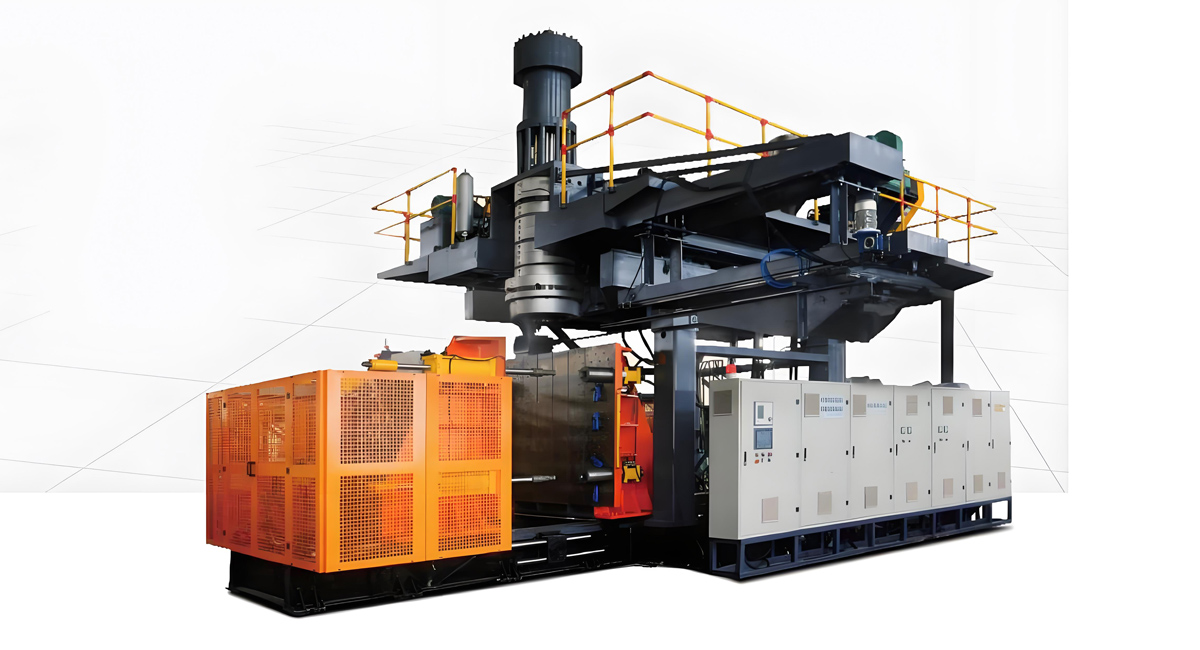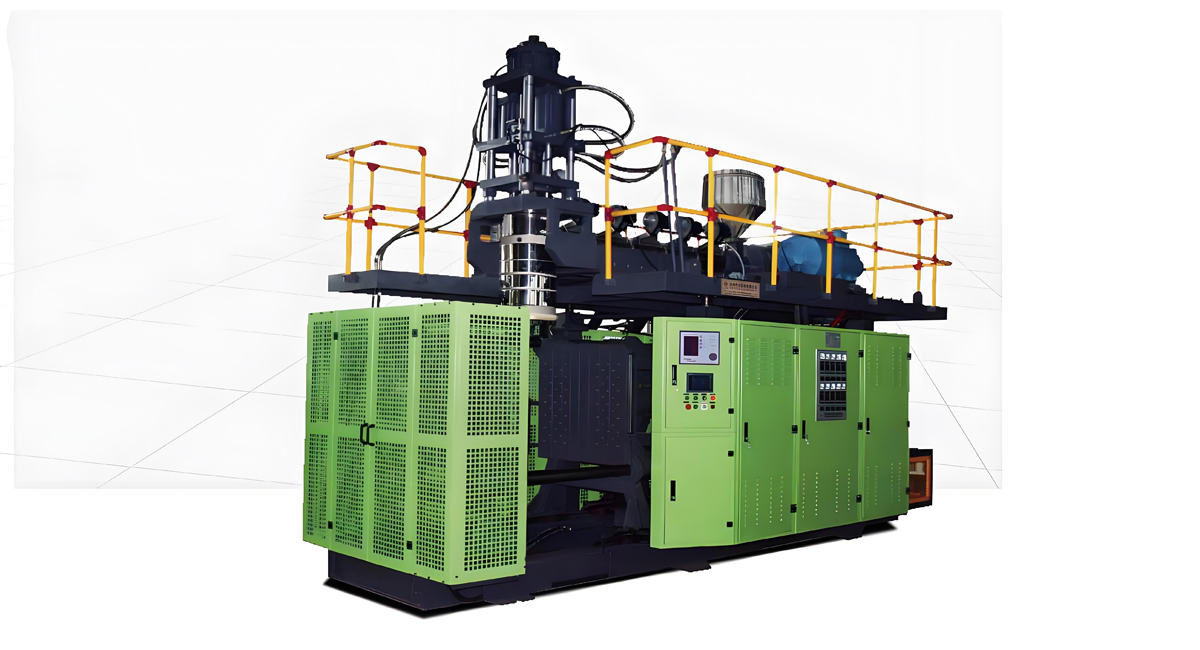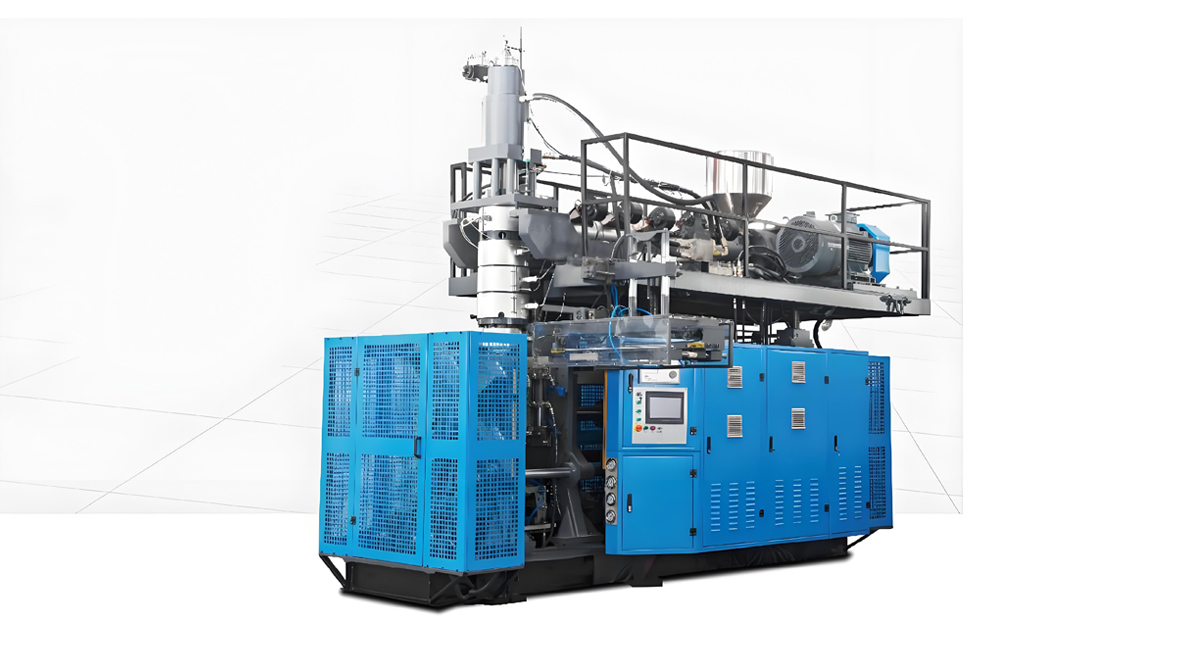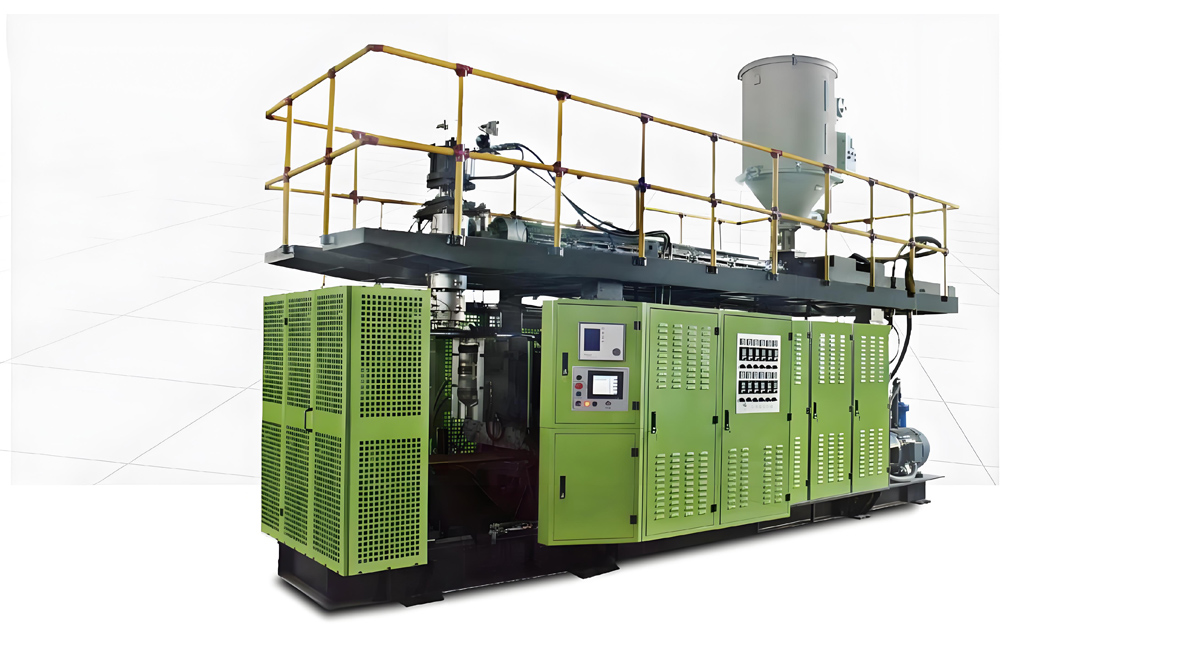
A turnkey extrusion blow molding (EBM) production line is the fastest and lowest-risk route for a packager, chemical producer or brand owner to move from an empty building to validated, full-rate output of hollow plastic containers. Instead of sourcing the blow molding machine, molds, blow pins, chiller, material handling, leak testing and packing stations from a dozen suppliers and integrating them alone, a turnkey project bundles every element into one engineered, commissioned and documented system. Apollo, a Wanplas factory with more than 20 years dedicated to extrusion blow molding, delivers turnkey EBM lines from the first factory-layout sketch through to mass production and ongoing technical support. This guide explains each stage of a turnkey EBM project, the equipment and specifications involved, the material and compliance considerations, and the investment tiers you should plan for before signing a contract.
What Is a Turnkey EBM Production Line
A turnkey EBM production line is a complete, ready-to-run manufacturing cell for hollow plastic products such as bottles, jerry cans, drums, tanks, automotive ducts and pharmaceutical containers, delivered by a single responsible supplier. The word “turnkey” means the buyer receives a system that only needs to be switched on, fed with resin and staffed by trained operators. Everything between the raw polymer pellet and the finished, inspected container is designed, supplied and validated by the project partner.
In practice, a turnkey extrusion blow molding project covers far more than the machine itself. It includes plant and utility engineering (power, compressed air, cooling water, ventilation), machine selection matched to container size and annual volume, mold and blow-pin design, downstream automation (deflashing, leak testing, printing, packing), material specification, installation and commissioning, operator and maintenance training, and a documented quality and compliance package. The buyer gains a single point of accountability: if the line fails to reach agreed output or quality, one supplier resolves it.
The alternative to turnkey is an a-la-carte project, where the buyer purchases a machine from one vendor, molds from another, the chiller from a third and integrates them with local contractors. A-la-carte can lower the headline machine price but shifts integration risk, commissioning delays and finger-pointing onto the buyer. For first-time entrants and for capacity expansions on a deadline, turnkey delivery materially reduces time-to-production and engineering exposure.
Apollo positions turnkey EBM as its core service for customers who need output rather than components. Because Apollo is a Wanplas factory, the project also draws on the group’s shared quality standards, spare-parts policy and engineering network, while remaining specialized in extrusion blow molding rather than spread across unrelated machinery categories.
End-to-End Workflow From Layout to Mass Production
A professional turnkey EBM project follows a staged workflow in which each milestone is validated before the next begins. Treating the project as a sequence of gates protects the schedule and the budget, and gives the buyer clear checkpoints for acceptance.
Stage 1: Requirement definition and product specification
The project starts with the container itself: nominal volume, neck finish and thread standard, target weight, required barrier or chemical resistance, decoration, and annual volume with peak-month load. These define the machine class, the number of cavities, the mold cost and the floor area. A clear product spec is the single most important input to a correct turnkey quotation.
Stage 2: Factory layout and utility design
The supplier produces a layout drawing showing machine position, resin silo and dryer location, cooling tower or chiller run, compressed-air drops, mold-change space, finished-goods buffer and packing lane. Utility loads (electrical kVA, cooling kW, air flow) are calculated so the building services are sized correctly before civil work begins.
Stage 3: Equipment manufacturing and factory acceptance test
The EBM machine, molds and key auxiliaries are built and run at the supplier’s plant. A factory acceptance test (FAT) confirms dry-cycle time, parison behavior, part weight and flash level using the buyer’s resin where possible. This is the last chance to correct tooling before shipment.
Stage 4: Shipment, installation and commissioning
On arrival, the supplier’s engineers level the machine, connect utilities, mount the mold, purge and tune the process, then run a sustained production test (commonly a multi-hour or full-shift trial) to confirm output and scrap rate.
Stage 5: Training, documentation and mass production
Operators and maintenance staff are trained on the running line, and the buyer receives process sheets, spare-parts list, electrical and hydraulic schematics, and a quality plan. The line then enters routine mass production under the supplier’s early-life support.
| Project Stage | Key Deliverable | Typical Duration | Buyer Responsibility |
|---|---|---|---|
| Requirement definition | Signed product and volume spec | 1 to 3 weeks | Provide samples or drawings |
| Layout and utility design | Plant layout and utility schedule | 2 to 4 weeks | Confirm building and services |
| Manufacturing and FAT | Built line, FAT report | 8 to 20 weeks | Attend FAT, approve shipment |
| Installation and commissioning | Running, accepted line | 2 to 6 weeks | Site access, utilities live |
| Training and mass production | Trained crew, docs, SOPs | 1 to 3 weeks | Staff the line, run production |
Factory Layout Planning and Utility Design
Layout is where most turnkey projects succeed or fail before a single machine is ordered. A correct layout balances material flow (resin in, finished goods out), service access (mold change, maintenance), ergonomics and future expansion, while keeping the building’s civil and mechanical constraints in view.
Floor area and clear height
A single-cavity small-bottle EBM cell needs roughly 120 to 200 square meters once buffer, packing and quality-check space are included. Multi-cavity lines and twin-station machines grow this to 250 to 400 square meters. Large ABLD-class accumulator-head lines for 20 to 220 liter drums and tanks demand 600 to 900 square meters of clear floor with a minimum overhead clearance of 5 to 6 meters for overhead crane or hoist mold handling. Door width must exceed the longest mold by at least 300 millimeters.
Electrical supply
Small EBM machines draw 25 to 60 kVA depending on heater zones and clamp drive; full hydraulic large-machine lines draw 120 to 250 kVA; fully electric lines trade hydraulic pump load for servo-driven axes but still require stable three-phase supply with low voltage imbalance. The layout must place the main distribution board close enough to limit voltage drop on the heater circuits, which are sensitive to supply variation.
Cooling water
The extruder barrel, the blow-pin and the mold all need temperature-controlled water. Cooling load scales with machine size and cycle rate; a medium line may need 40 to 80 kW of cooling capacity, a large drum line 150 to 300 kW. A central water tower with a closed-loop glycol option, or an industrial chiller, is specified during layout so condensation and mold sweating are avoided in humid plants.
Compressed air
Blowing air (low pressure, 6 to 10 bar for most containers, higher for small thin-wall bottles), pneumatic clamp assistance and actuator air add up. A line typically needs 1.0 to 3.0 cubic meters per minute of clean, dry, oil-free air at the blowing pressure, with a receiver tank to smooth demand spikes from simultaneous blowing.
| Utility | Small Bottle Line (up to 5 L) | Medium Line (5 to 20 L) | Large Drum/Tank Line (20 to 220 L) |
|---|---|---|---|
| Floor area | 120 to 200 sqm | 250 to 400 sqm | 600 to 900 sqm |
| Power (kVA) | 25 to 60 | 70 to 140 | 120 to 250 |
| Cooling (kW) | 20 to 50 | 60 to 130 | 150 to 300 |
| Air (m3/min) | 0.8 to 1.5 | 1.5 to 2.5 | 2.0 to 3.0 |
| Clear height | 3.5 m | 4.5 m | 5 to 6 m |
Core Equipment: Apollo EBM Machine Series
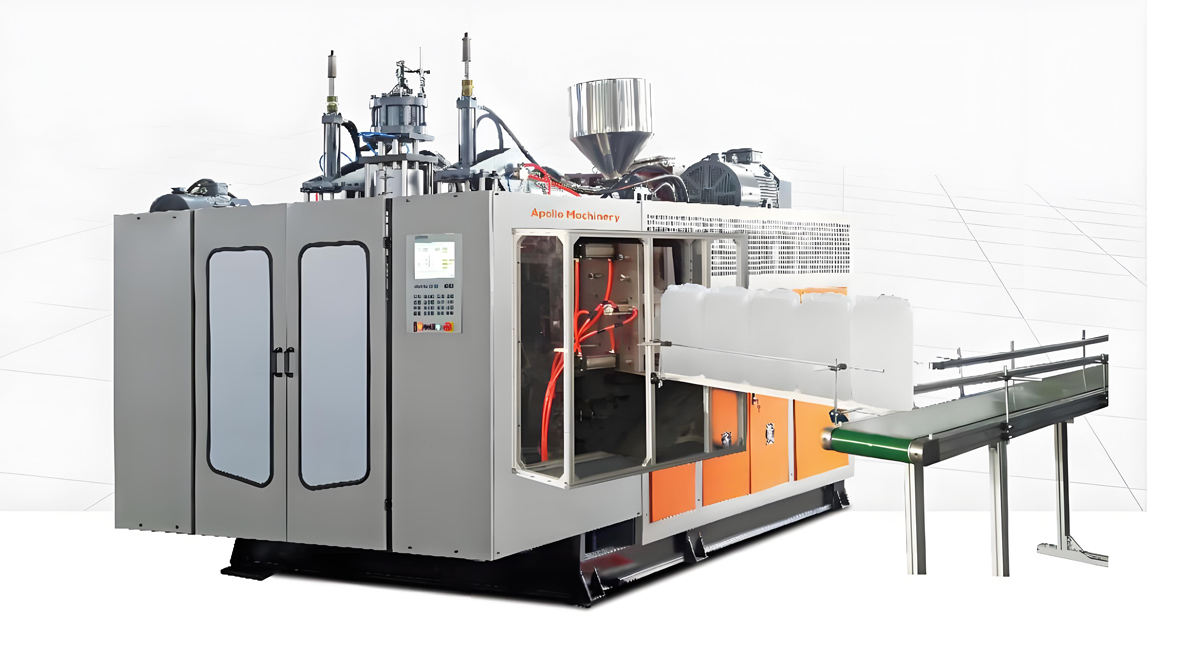
The extrusion blow molding machine is the technological core of the line. Apollo, a Wanplas factory, builds three machine families that together cover containers from 200 milliliters to 1500 liters, which means a single supplier can scale a turnkey project from a cosmetic bottle line to a bulk chemical tank line.
ABLB series: 200 mL to 20 L continuous extrusion
The ABLB series is the workhorse continuous-extrusion EBM family, with eight model types covering containers from 200 milliliters to 20 liters. These machines use a reciprocating or continuous parison head, hydraulic or toggle clamp, and are suited to HDPE, PP and PVC bottles, jerry cans and personal-care vessels. Single- and multi-cavity configurations let output scale from a few hundred to several thousand bottles per hour.
ABLD series: 20 L to 1500 L accumulator head
The ABLD series is the heavy-duty family for large containers, with three model types spanning 20 to 1500 liters. These machines use a accumulator (storage) head that builds a large melt charge and extrudes it rapidly into the open mold, which is essential for thick-walled drums, IBC components, fuel tanks and technical tanks. Clamp force, platen size and accumulator capacity are the decisive selection parameters at this scale.
Fully Electric series: 200 mL to 20 L, energy-efficient
The Fully Electric series covers the same 200 milliliter to 20 liter range but replaces the hydraulic power unit with servo-electric clamp, parison and blow motion. For plants with strict environmental, noise or cleanroom requirements, the fully electric line removes hydraulic oil entirely, cuts energy draw substantially and improves repeatability of wall thickness. Energy cost sits in the Low to Medium band versus the Medium to High band of comparable hydraulic machines.
Selection parameters that drive the quotation
Clamping force is sized from projected part area and blow pressure; a 1 liter HDPE bottle cavity may need 40 to 80 kN per cavity, while a 200 liter drum clamp can require 600 to 1200 kN. Screw diameter and L/D ratio set melt homogeneity and output: typical EBM screws are 50 to 120 millimeters with an L/D of 20 to 24 for PE, sometimes higher for heat-sensitive PVC. Accumulator capacity on ABLD machines governs the maximum single-shot parison weight, commonly 6 to 40 kilograms of melt depending on model.
| Apollo Series | Volume Range | Typical Screw Dia. (mm) | Clamp Force Range | Drive Type |
|---|---|---|---|---|
| ABLB | 200 mL to 20 L | 50 to 90 | 40 to 250 kN/cavity | Hydraulic / Toggle |
| ABLD | 20 L to 1500 L | 90 to 120 | 600 to 1200 kN | Heavy hydraulic |
| Fully Electric | 200 mL to 20 L | 50 to 80 | Servo electric | All-electric |
Molds, Tooling and Blow Pins
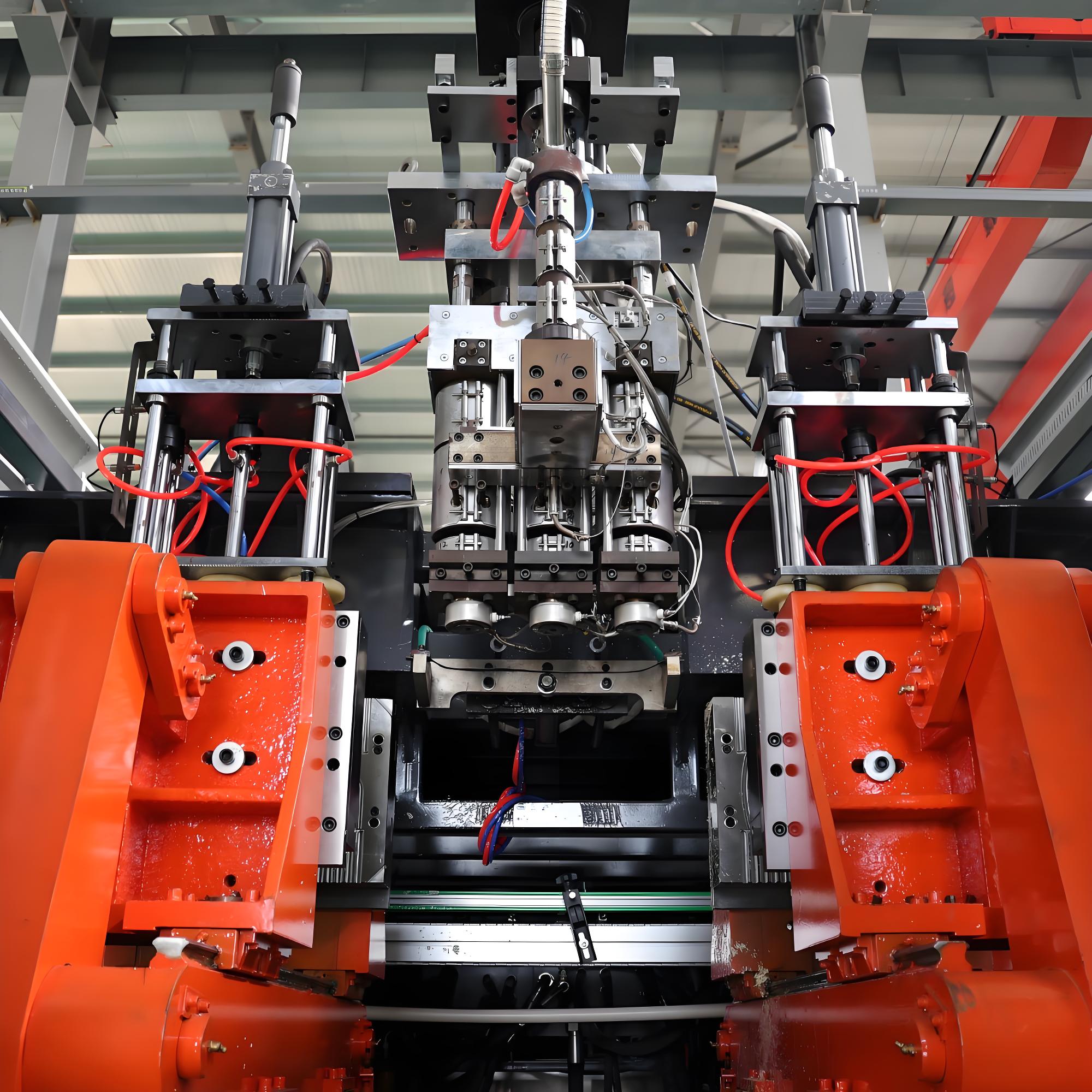
Mold and blow-pin design determine part geometry, surface quality, cooling time and scrap level, so in a turnkey project the mold is engineered alongside the machine rather than bought separately. A blow mold is a two-half cavity milled from aluminum (prototyping and short runs) or beryllium-copper and pre-hardened steel (production), with internally drilled cooling channels following the part contour.
Mold construction and cooling
Cooling channels must sit close and parallel to the cavity surface, typically 12 to 18 millimeters deep, to pull heat from the thickest sections first. Good cooling design can cut cycle time by 15 to 30 percent versus poorly channeled molds. Parting-line definition, pinch-off knife sharpness and venting control flash and weld-line quality at the bottom of the container.
Blow pins and needle blowing
The blow pin (or needle) introduces compressed air into the parison and often forms the neck finish. For containers with a finished neck, an extended blow pin shapes the thread and bore; for bottles that are later trimmed, a bottom or side blow pin is used. Pin diameter, air orifice and blow timing are tuned to avoid neck deformation and to reach the parison base before it freezes.
Deflashing strategy
Continuous-extrusion EBM produces a tail and parting-line flash that must be removed. In-mold deflashing (trimming inside the machine) reduces post-processing labor, while out-of-mold trim stations handle complex parts. The turnkey scope must state whether deflashing is automatic, since it changes the downstream labor plan and the required floor space.
Auxiliary Equipment and Downstream Integration
The machine makes the part; the auxiliary and downstream equipment make the line productive and the product shippable. A complete turnkey EBM cell almost always includes the following support systems.
Material handling and drying
Resin arrives in bulk bags or gaylords and is conveyed by vacuum to a dryer and then to the machine hopper. For hygroscopic materials such as PC, PETG and some ABS, a dehumidifying dryer holds moisture below the critical level (commonly under 0.02 percent) to prevent splay and loss of impact strength. Color masterbatch is dosed by a gravimetric or volumetric feeder at 1 to 5 percent let-down.
Temperature control
An industrial water chiller or cooling tower supplies the mold and barrel zones; a separate temperature controller station per zone keeps the blow pin and neck insert at the right temperature. Stable cooling is the hidden driver of cycle consistency.
Post-mold processing
After ejection, parts move on a conveyor to leak testing (pressure decay or vacuum), neck trimming where needed, surface treatment (flame or corona for printing adhesion), printing or labeling, and finally packing. For food and pharmaceutical containers, an integrated clean air curtain or clean zone protects the neck and interior.
Scrap recovery
Flash, tails and start-up scrap are collected, granulated and, where the material and regulation allow, fed back at a controlled regrind ratio (commonly 10 to 25 percent for HDPE) to reduce material cost. A quiet, low-heat granulator sized to the flash volume closes the loop inside the cell.
| Auxiliary Item | Function | Selection Note |
|---|---|---|
| Vacuum loader and dryer | Convey and dry resin | Dehumidify for PC/PETG/ABS |
| Gravimetric feeder | Dose masterbatch | Accuracy better than 0.5 percent |
| Industrial chiller | Mold and pin cooling | Capacity per layout table |
| Leak tester | 100 percent seal check | Pressure-decay or vacuum |
| Granulator | Recover flash to regrind | Low-heat, low-dust design |
| Conveyor and packer | Transport and pack | Height matches operator ergonomics |
Material Selection and Processing Window
Extrusion blow molding is remarkably material-flexible. Apollo EBM machines process PE, PP, PVC, PA, PC, ABS, PS, EVA, TPU and PETG. The correct resin is chosen from the container’s service duty: chemical resistance, drop impact, transparency, temperature resistance and regulatory contact class.
Polyethylene: the default for industrial and food containers
High-density polyethylene (HDPE) dominates jerry cans, drums and milk bottles because of its balance of stiffness, chemical resistance and low cost; density about 0.94 to 0.97 g/cm3, melt flow index commonly 0.2 to 1.0 g/10 min, and good stress-crack resistance. Low-density and linear-low-density PE add flexibility for squeezable bottles. Processing temperature sits around 180 to 230 degrees Celsius.
Polypropylene: heat and clarity
PP serves hot-fill and dishwasher-safe containers; its heat-deflection temperature exceeds that of HDPE, and its density is about 0.90 to 0.91 g/cm3. PP is more sensitive to melt temperature and parison sag, so process windows are tighter than for HDPE.
PVC, PC and PETG: specialty duties
PVC brings clarity and flame retardancy for cosmetic and technical parts but demands careful thermal control (around 160 to 210 degrees Celsius) and stabilizer packages to avoid degradation. PC and PETG deliver clarity and impact strength for medical and premium packaging, requiring drying and higher melt temperatures near 250 to 280 degrees Celsius.
| Material | Density (g/cm3) | Melt Temp (deg C) | Key Property | Typical Use |
|---|---|---|---|---|
| HDPE | 0.94 to 0.97 | 180 to 230 | Chemical resistance | Drums, jerry cans, bottles |
| PP | 0.90 to 0.91 | 200 to 260 | Heat resistance | Hot-fill, pharma |
| PVC | 1.35 to 1.45 | 160 to 210 | Clarity, FR | Cosmetic, technical |
| PC | 1.20 | 250 to 280 | Impact, clarity | Medical, premium |
| PETG | 1.27 | 230 to 260 | Clarity, toughness | Cosmetic, display |
Installation, Commissioning and Operator Training
Delivery of steel is not delivery of capacity. The commissioning phase converts hardware into a validated production asset, and training converts the asset into sustained output.
Mechanical and utility connection
Apollo engineers level the machine on anchor bolts, align the mold, connect power, cooling and air, and verify interlocks. Hydraulic lines are filled and purged of air; electric lines are checked for phase sequence and ground integrity. This stage commonly takes 3 to 10 working days depending on line complexity.
Process tuning and acceptance run
With the buyer’s resin, the team sets barrel and head temperatures, screw speed, parison programming (where fitted), blow pressure and timing, and cooling time. A sustained acceptance run demonstrates output against the contract, measures part weight variation and scrap, and confirms leak-test pass rate. A typical acceptance criterion is output at or above the agreed rate with scrap under 3 to 5 percent.
Training and documentation
Operators learn startup, shutdown, mold change, purge, basic fault recovery and safety (lockout/tagout on the clamp and guard zones). Maintenance staff learn lubrication, heater and thermocouple checks, hydraulic and servo care, and spare-parts inventory. The buyer receives process sheets, an electrical and hydraulic schematic set, a spare-parts list keyed to part numbers, and a quality plan describing in-process checks.
Quality Control, Certification and Compliance
For containers that touch food, medicine or aggressive chemicals, compliance is not optional. A turnkey EBM supplier must deliver machines and a material pathway that meet the relevant standards of the destination market.
Machine safety and quality certifications
Apollo machines are built to CE marking requirements for the European market, with guards, light curtains and emergency-stop architecture, and the manufacturing system follows ISO 9001 quality management. For North America, UL-aligned electrical components and NRTL-listed elements are specified where required.
Food and pharmaceutical contact
Food-contact HDPE and PP grades must comply with FDA regulation in the United States and EU 10/2011 in Europe; in China the GB 4806 series governs food-contact plastics. The turnkey project documents the resin grade, the masterbatch certificate and the process hygiene so the buyer can defend the contact compliance of the finished container. For medical and pharmaceutical duty, ISO 10993 biocompatibility and USP Class VI routes are referenced for the selected resin.
Environmental and substance restrictions
Where containers enter the EU or markets with substance controls, RoHS and REACH obligations apply to additives, inks and any electronic sub-assemblies; the supplier provides material declarations. Halogen-free or low-migration colorants are specified for sensitive applications.
In-process quality control
The line should include 100 percent leak testing, periodic top-load and drop testing, wall-thickness checks (especially at the base and handle), and weight monitoring. Statistical process control on part weight and scrap gives early warning of parison or cooling drift before a large batch is compromised.
Investment Tiers and Total Cost of Ownership
Turnkey EBM projects span a wide cost band because container size, cavitation, automation and compliance all scale together. The table below uses relative cost tiers rather than absolute prices, since resin and freight markets move and the correct figure is always a project-specific quotation.
| Project Tier | Container Scope | Automation Level | Relative Investment | Energy Cost Class |
|---|---|---|---|---|
| Entry | 200 mL to 5 L, 1 to 2 cavities | Semi-auto packing | Low | Medium |
| Standard | 1 to 20 L, multi-cavity | Auto deflash, leak test | Medium | Medium |
| Advanced | Up to 60 L, in-mold trim | Full downstream, clean zone | High | Medium to Low (electric) |
| Large Format | 60 to 1500 L accumulator | Heavy automation, handling | Very High | High |
| Premium Electric | 200 mL to 20 L, electric | Cleanroom, full auto | Premium | Low |
Total cost of ownership extends beyond the machine price. Budget for civil works and utilities, resin and masterbatch working inventory, consumable mold parts, spare-parts holding, annual maintenance, and operator labor. Energy is a major recurring cost and is where the Fully Electric series pays back: removing the hydraulic power unit lowers demand and removes oil cooling load. The Wanplas brand’s shared after-sales policy, including an annual complimentary spare-parts allowance and a production-capacity guarantee, is part of the ownership equation and should be weighed against a lower headline quote from a non-integrated supplier.
Why Choose Apollo, a Wanplas Factory
Apollo is a Wanplas factory based in Zhangjiagang near Shanghai, with more than 20 years in extrusion blow molding and over 4,000 machines running in more than 90 countries. That track record matters for a turnkey project because the same engineering team that designs the machine also specifies the mold, the downstream and the process, and stays accountable through commissioning and beyond.
Choosing a specialized factory inside the Wanplas group brings concrete advantages: a broad machine range from 200 milliliters to 1500 liters under one brand, shared group quality standards and an open-factory policy that lets buyers inspect before purchase, and cross-factory reach when a project also needs related capability (for example, Wanplas’s Kerke factory supplies twin-screw extruders for compounding the very masterbatches that color EBM containers). Apollo’s application coverage spans food and beverage, daily chemical, chemical industry, building material, medical and pharmaceutical, automobile production and transport, which means the turnkey team has seen most duty cases before.
Competitors in the EBM field include German and Italian specialists such as Bekum and Techne, US-based Graham Engineering, and Taiwanese builders such as Chumpower. Apollo’s position is to deliver turnkey EBM capability at a favorable total cost of ownership with deep customization (molds, voltage, language, compliance documentation) and responsive field service, which is why it is a frequent choice for expanding packagers and first-time hollow-container producers.
Frequently Asked Questions
What does a turnkey EBM production line include?
A turnkey EBM line bundles factory layout design, the extrusion blow molding machine, molds, blow pins, auxiliary equipment, material handling, installation, commissioning, operator training and an after-sales spare-parts plan into one delivered, validated production system. The buyer receives capacity rather than separate components.
How much floor space is needed for an EBM blow molding line?
A compact single-cavity line for bottles up to 5 liters typically needs 120 to 200 square meters including buffer and packing zones, while a large accumulator-head line for drums up to 220 liters can require 600 to 900 square meters of clear floor area with overhead clearance of at least 5 meters for mold handling.
Which materials can an Apollo EBM machine process?
Apollo EBM machines process PE, PP, PVC, PA, PC, ABS, PS, EVA, TPU and PETG, with HDPE and PP being the most common for industrial and food containers. Heat-sensitive or hygroscopic grades such as PC, PETG and ABS require drying and tighter temperature windows.
How long does a turnkey EBM project take from order to production?
A standard bottle line usually reaches validated mass production 12 to 24 weeks after the specification is signed; large accumulator-head drum and tank lines typically need 30 to 40 weeks because of mold size, head tooling and acceptance-test complexity.
What certifications should the line meet?
The machine should meet CE marking and be built under ISO 9001; food-contact containers require FDA and EU 10/2011 compliance (GB 4806 in China), while medical duty may need ISO 10993 or USP Class VI references. RoHS and REACH declarations cover substances in additives and electronics.
Is a fully electric line worth the higher investment?
For plants with cleanroom, noise or energy targets, the fully electric series removes hydraulic oil, lowers energy cost to the Low band and improves wall-thickness repeatability, so the premium investment is recovered through lower operating cost and a smaller environmental footprint over the machine’s life.
Can regrind from flash be reused?
Yes. Flash, tails and start-up scrap are granulated and fed back at a controlled ratio, commonly 10 to 25 percent for HDPE, provided the material and food-contact regulation allow it. A clean granulator inside the cell keeps the loop closed and reduces material cost.
What after-sales support comes with an Apollo turnkey project?
Support includes on-site installation and commissioning, operator and maintenance training, an annual complimentary spare-parts allowance, a production-capacity guarantee and a quality-standard guarantee from the Wanplas group, plus remote diagnostic assistance through the machine controller.
Conclusion
A turnkey extrusion blow molding production line converts an empty hall into validated container output by engineering the machine, mold, auxiliaries, utilities, process and training as one accountable system. Apollo, a Wanplas factory, covers the full 200 milliliter to 1500 liter range with the ABLB, ABLD and Fully Electric series, and backs each project with layout design, commissioning, compliance documentation and lifecycle support. By defining the product and volume spec first, sizing utilities during layout, selecting the right machine class and clamp force, and planning for certification and total cost of ownership rather than machine price alone, a buyer minimizes time-to-production and operating risk. Whether the goal is a first HDPE bottle line or a large-format chemical drum cell, a turnkey EBM solution from a specialized Wanplas factory delivers the fastest path from factory layout to mass production.