Functional Comparison of Extrusion Blow Molding Machines and Other Bottle Blow Molding Machines
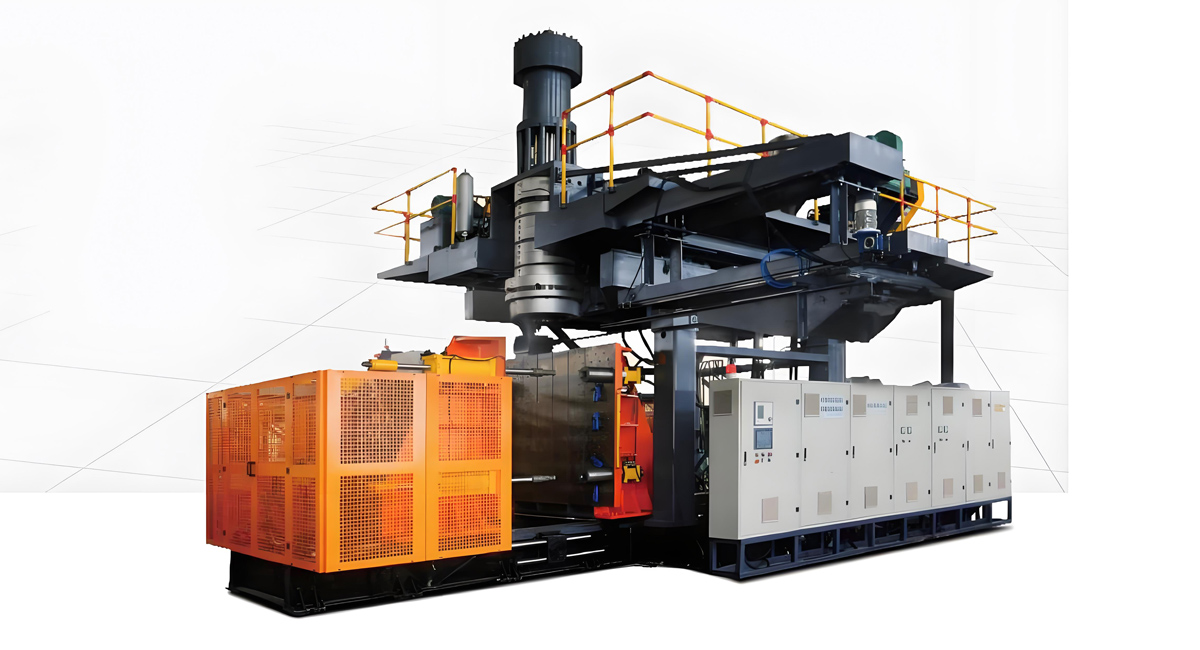
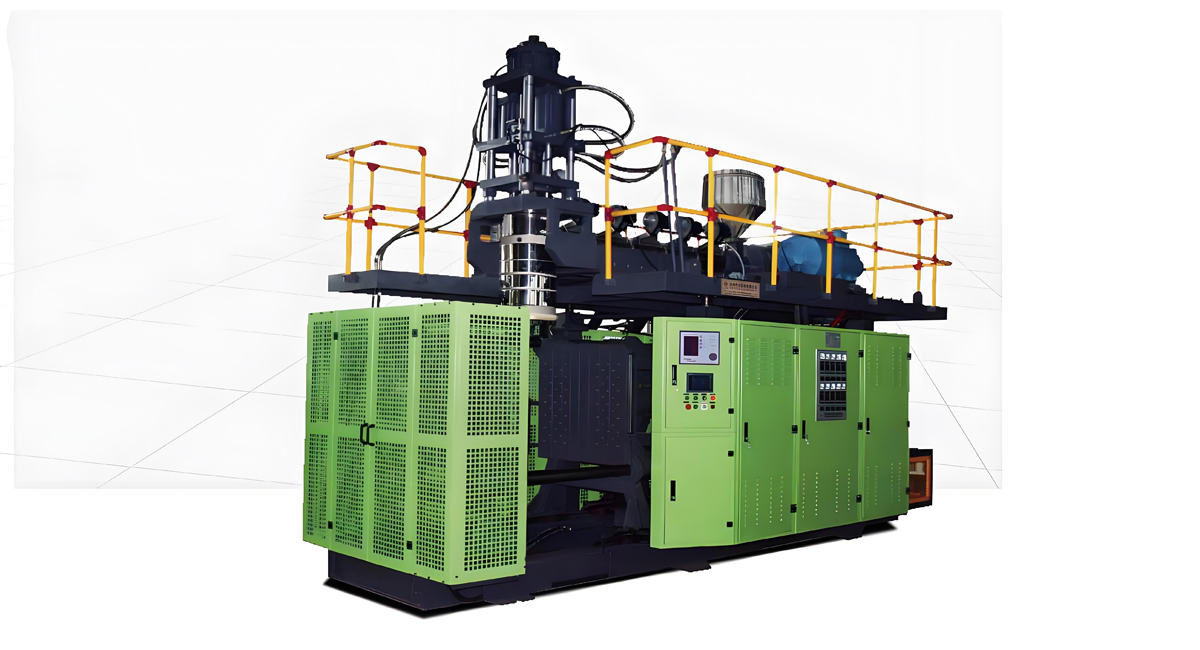
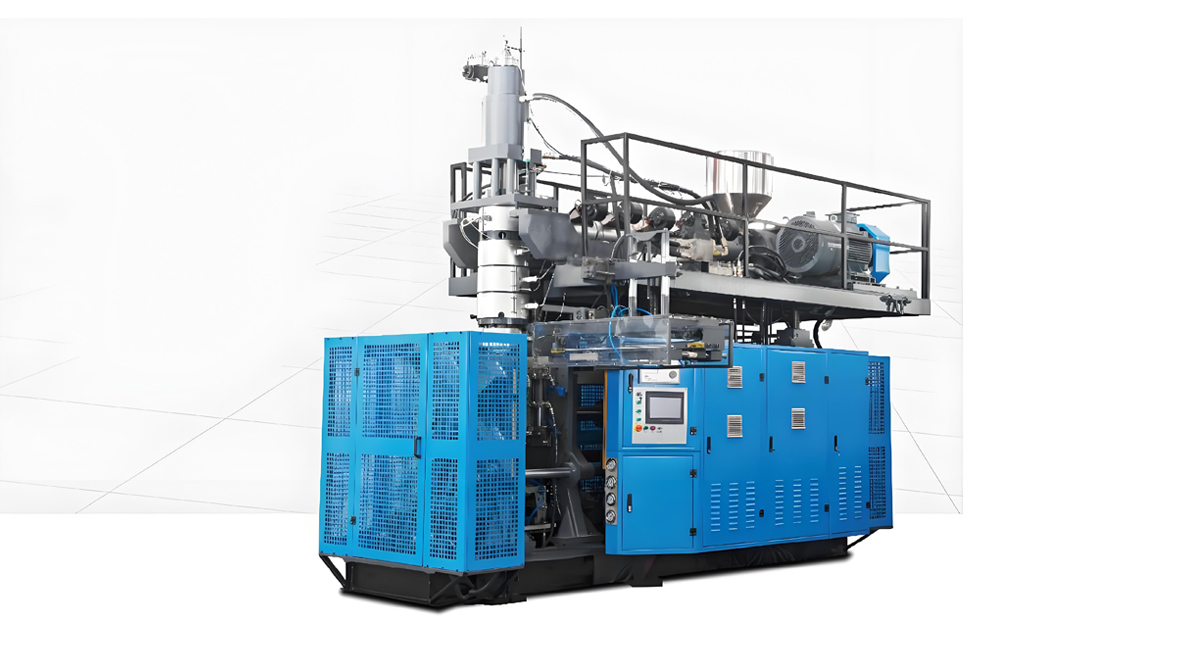
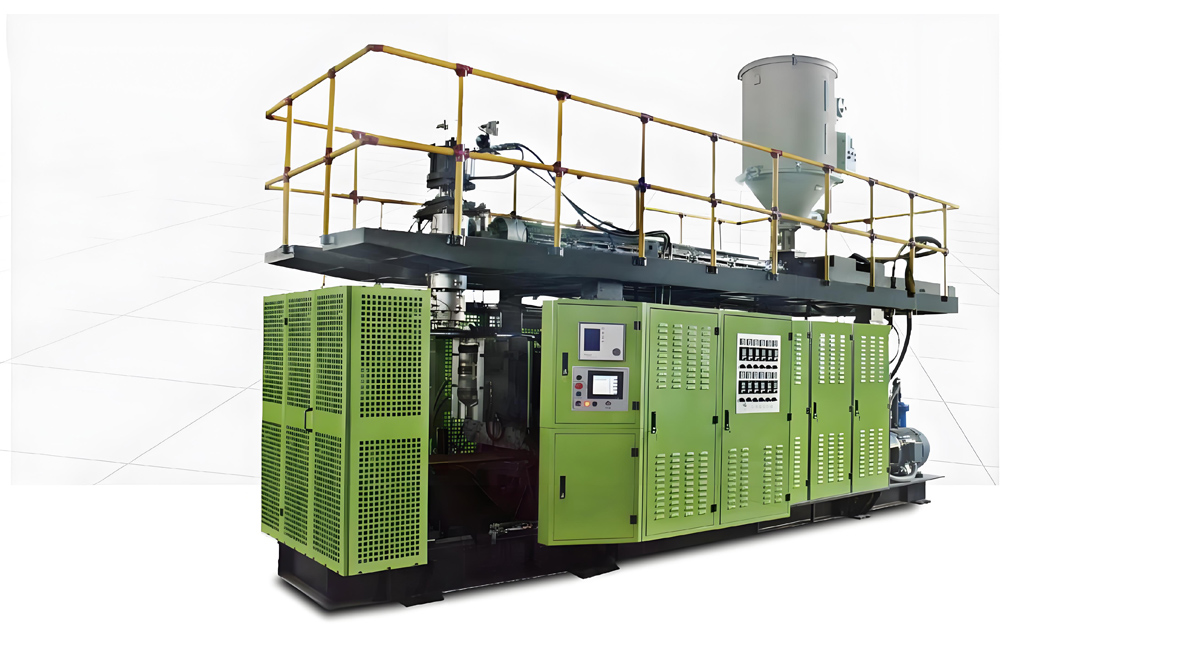
Bottle blow molding machines are mainly divided into three mainstream technical routes: Extrusion Blow Molding (EBM) machines, Injection Blow Molding (IBM) machines, Injection Stretch Blow Molding (ISBM, stretch blow molding) machines. In addition, there are subdivided types such as multi-layer co-extrusion blow molding machines (derived from EBM) and sheet blow molding machines. The following focuses on the functional differences of core bottle blow molding equipment, comparing from dimensions such as process, performance, and application:
I. Core Equipment Types and Process Principles
| Equipment Type | Core Process Principles | Key Features |
|---|---|---|
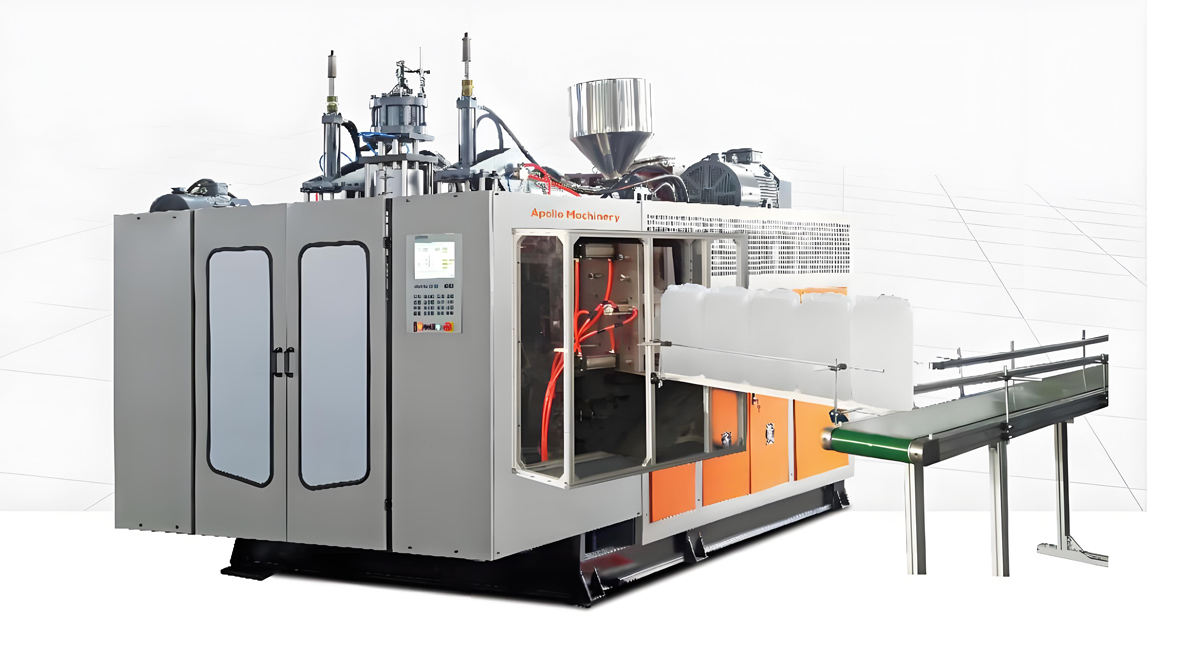
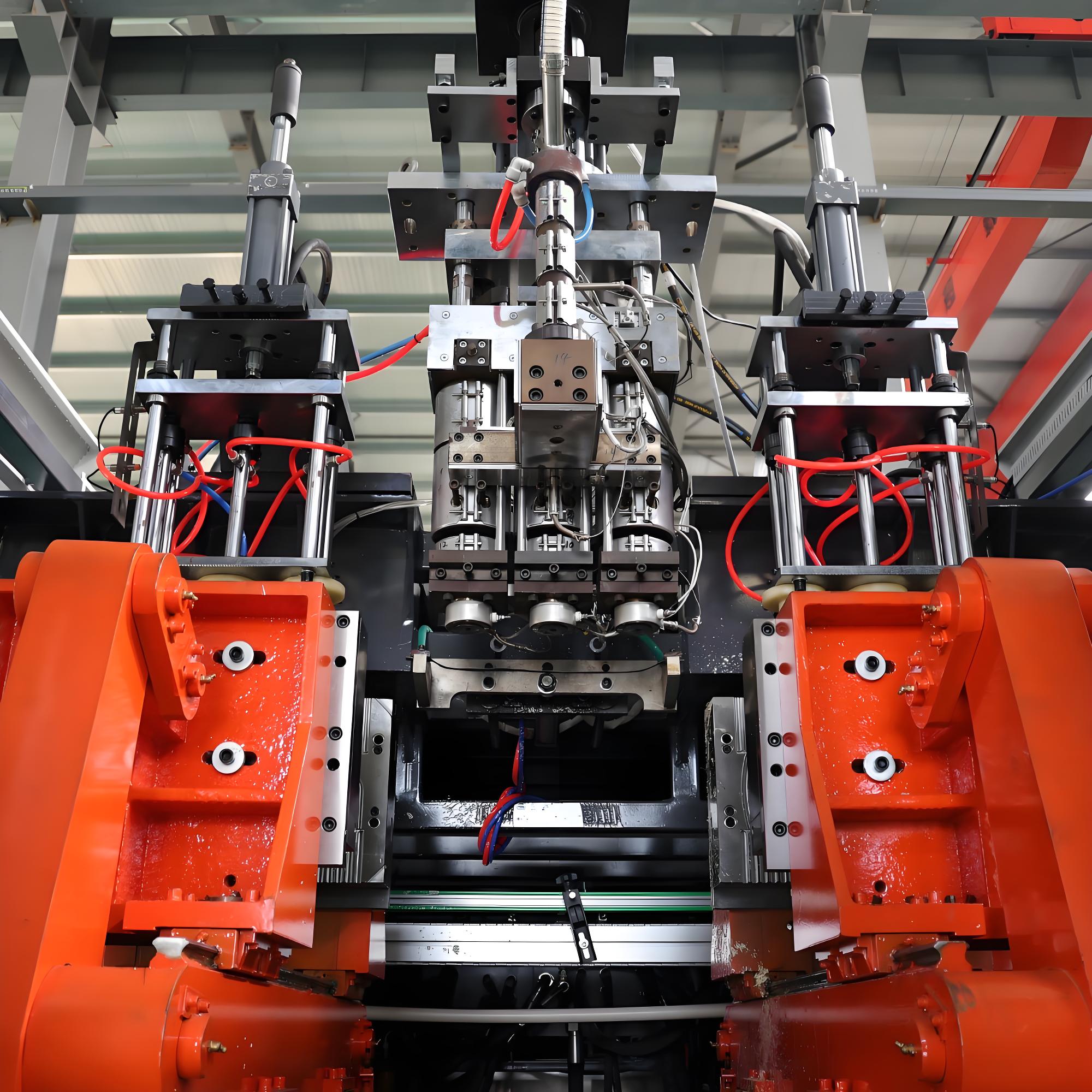
| Extrusion Blow Molding (EBM) Machine | The extruder continuously/intermittently extrudes a tubular parison → places it in a mold → inflates it with compressed air to fit the mold cavity → cools and shapes it → opens the mold to take out the product | No preform, direct parison extrusion and blow molding |
| Injection Blow Molding (IBM) Machine | The injection molding machine first injects a bottomed parison (preform) → transfers it to a blow mold → inflates and shapes it → demolds | The parison is injection-molded with no flash |
| Injection Stretch Blow Molding (ISBM) Machine | Injection-molded preform → heated for axial stretching + radial inflation → cooled and shaped | Biaxial stretching, optimized molecular orientation |
| Multi-layer Co-extrusion Blow Molding Machine (derived from EBM) | Multiple extrusion systems synchronously extrude parisons of different materials (e.g., HDPE+EVOH) → composite inflation | Multi-layer structure with barrier function |
II. Core Functional Comparison
1. Molding Capacity and Product Adaptability
| Comparison Dimension | Extrusion Blow Molding (EBM) Machine | Injection Blow Molding (IBM) Machine | Injection Stretch Blow Molding (ISBM) Machine |
|---|---|---|---|
| Applicable Product Types | 200mL~5000L hollow products: chemical drums, beverage bottles (HDPE), fuel tanks, toys, large storage tanks | 5mL~2L small precision containers: medical bottles, cosmetic bottles, oral liquid bottles | 100mL~2L high-precision thin-walled containers: PET beverage bottles, mineral water bottles, food-grade packaging bottles |
| Product Shape Limitations | Supports special-shaped, asymmetric products with handles/complex structures (e.g., toolboxes, automotive air ducts) | Only supports symmetric rotational products (round/oval bottles) | Only supports rotational products, needs to adapt to stretching process (no complex attached structures) |
| Maximum Product Volume | Up to 5000L (accumulator-type EBM) | Maximum 2L (limited by injection-molded parison) | Maximum 2L (stretching process not suitable for large volume) |
| Wall Thickness Control Capability | Wall thickness deviation ±5%~±10% (high-end models with electric die lips/wall thickness control system can reach ±3%) | Wall thickness deviation ±2%~±5% (based on high precision of injection-molded parison) | Wall thickness deviation ±1%~±3% (optimal wall thickness uniformity due to biaxial stretching) |
| Multi-layer Structure Molding | Supported (multi-layer co-extrusion EBM), up to 7 layers | Only single or double layers (requires special injection mold) | Supported (multi-layer ISBM, e.g., PET+EVOH barrier bottles) |
2. Process Performance and Efficiency
| Comparison Dimension | Extrusion Blow Molding (EBM) Machine | Injection Blow Molding (IBM) Machine | Injection Stretch Blow Molding (ISBM) Machine |
|---|---|---|---|
| Production Efficiency (single station) | Small bottles: 500~2000 pieces/day; large products: 10~50 pieces/day | Small bottles: 1000~3000 pieces/day (injection + blow molding linkage) | Small PET bottles: 3000~10000 pieces/day (high-speed models can reach 12000 pieces/day) |
| Raw Material Adaptability | Wide: HDPE, PP, LDPE, PVC, ABS (both heat-sensitive and viscous materials are applicable) | Medium: only applicable to PP, PE, PS (requires raw materials with good injection fluidity) | Narrow: mainly PET (a small amount of PP/PE) |
| Energy Consumption Level | Medium models: 25~50kW/h (higher for accumulator-type) | Medium models: 30~40kW/h (high energy consumption in injection link) | High-speed models: 15~30kW/h (energy-saving PET stretching process) |
| Automation Level | Medium: semi-automatic ~ fully automatic (including deflashing and inspection) | High: fully closed-loop linkage (integrated injection + blow molding + demolding) | Extremely high: fully automatic production line (including preform heating, stretching, blow molding, sorting) |
| Scrap Rate | 5%~10% (caused by parison sagging/uneven wall thickness) | 3%~5% (high precision of injection-molded parison with less flash) | 1%~3% (stable biaxial stretching process with the highest yield) |
3. Cost and Operation & Maintenance
| Comparison Dimension | Extrusion Blow Molding (EBM) Machine | Injection Blow Molding (IBM) Machine | Injection Stretch Blow Molding (ISBM) Machine |
|---|---|---|---|
| Equipment Purchase Cost | Low ~ medium: Chinese-made EBM 50,000~2,000,000 CNY (imported 3,000,000~8,000,000 CNY) | Medium ~ high: Chinese-made IBM 500,000~3,000,000 CNY (imported 5,000,000~10,000,000 CNY) | High: Chinese-made ISBM 1,000,000~5,000,000 CNY (imported 8,000,000~20,000,000 CNY) |
| Mold Cost | Low: single set of mold 10,000~100,000 CNY (simple structure) | Medium: two sets of molds (injection + blow molding), 50,000~200,000 CNY | High: preform injection mold + blow mold, 100,000~500,000 CNY (high precision requirements) |
| Operation & Maintenance Cost | Low: low replacement cost of wearing parts (screw, die lip) with simple maintenance | Medium: complex maintenance of injection parts (screw, nozzle) with high cost | High: core parts such as stretching rod and heating furnace need regular replacement with high maintenance cost |
| Raw Material Waste Rate | 10%~15% (flash, parison waste) | 5%~10% (injection gate waste) | 3%~5% (almost no flash, only preform gate waste) |
III. Summary of Core Advantages and Limitations
1. Extrusion Blow Molding (EBM) Machine
- Core Advantages: Wide raw material adaptability, capable of producing large-volume/special-shaped products, low equipment/mold cost, flexible process (supports customized products);
- Limitations: Low molding precision, high scrap rate, not suitable for high-precision thin-walled bottles (e.g., PET beverage bottles).
2. Injection Blow Molding (IBM) Machine
- Core Advantages: High molding precision, no flash, suitable for small precision containers (medical/cosmetic), good product sealing;
- Limitations: Only supports symmetric products, narrow raw material adaptability, higher equipment cost than EBM.
3. Injection Stretch Blow Molding (ISBM) Machine
- Core Advantages: Highest production efficiency, optimal finished product precision/transparency, good lightweight effect of PET bottles (wall thickness can reach 0.15mm);
- Limitations: Only supports rotational PET bottles, extremely high equipment/mold cost, single raw material.
IV. Basis for Selection Decision
| Demand Scenario | Recommended Equipment Type | Key Decision Points |
|---|---|---|
| Large hollow products (≥20L) | Extrusion Blow Molding (EBM) Machine (accumulator-type) | Volume demand, structural complexity |
| Small HDPE beverage bottles (1~5L) | Extrusion Blow Molding (EBM) Machine (continuous-type) | Cost control, raw material type |
| Precision small medical/cosmetic bottles | Injection Blow Molding (IBM) Machine | Sanitation grade, molding precision |
| PET mineral water/beverage bottles (≤2L) | Injection Stretch Blow Molding (ISBM) Machine | Production efficiency, product lightweight requirements |
| Barrier products (fuel tanks/high-barrier packaging) | Multi-layer Co-extrusion Extrusion Blow Molding Machine | Barrier layer demand, product volume |
V. Supplementary Notes
- Sheet blow molding machine (a subdivision of EBM): mainly produces films/sheets, not used for bottle products. Its core function is continuous extrusion and inflation into films, suitable for packaging film production;
- “Functional boundary” of bottle blow molding machines: EBM is the only equipment that can produce non-rotational hollow products, ISBM is the only choice for large-scale production of PET bottles, and IBM is the optimal solution for small precision bottles.
Comprehensive Price Comparison of Extrusion Blow Molding Machines (EBM) and Other Bottle Blow Molding Machines
I. Core Equipment Price Ranges (CNY)
1. Prices of Extrusion Blow Molding Machines (EBM)
Economy-grade: 5,000~30,000 (small semi-automatic, 1~5L capacity)
Standard-grade: 30,000~300,000 (fully automatic, 5~50L capacity)
High-end grade: 300,000~800,000 (full electric servo, ≥50L/multi-layer co-extrusion)
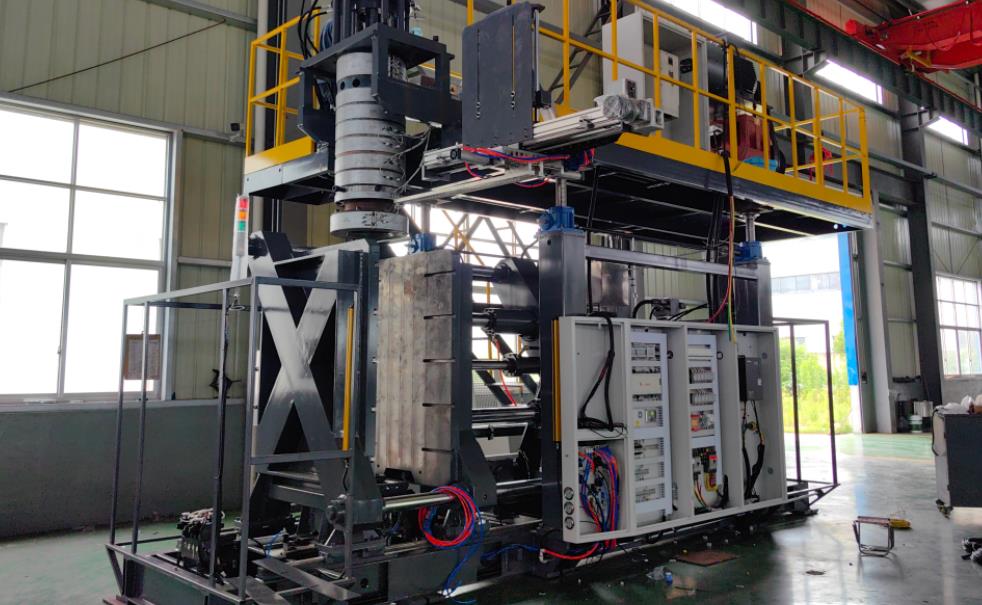
Extra-large grade: 800,000~4,000,000 (specialized for industrial storage tanks/fuel tanks, ≥1000L)
2. Prices of Injection Blow Molding Machines (IBM)
Small: 150,000~300,000 (5~500ml medical/cosmetic bottles)
Medium: 300,000~800,000 (500ml~2L precision containers)
Large: 800,000~1,500,000 (≥2L special containers)
3. Prices of Injection Stretch Blow Molding Machines (ISBM)
One-step: 2,000,000~5,000,000 (high-speed PET bottles, ≥10,000 bottles/hour)
Two-step: 800,000~2,000,000 (medium-capacity PET bottles)
Specialized: 500,000~1,200,000 (small-batch/special materials)
II. Analysis of Core Factors for Price Differences
1. Price Ladder by Equipment Type
| Equipment Type | Basic Price Ratio | Core Differences |
|---|---|---|
| Extrusion Blow Molding Machine (EBM) | 1.0 (benchmark) | Simple structure, no preforming process |
| Injection Blow Molding Machine (IBM) | 2.0~3.0 | Includes injection system, high mold precision |
| Injection Stretch Blow Molding Machine (ISBM) | 3.0~8.0 | Includes integrated injection+stretching+blow molding system, highest precision |
2. Key Influencing Factors
- Automation level: Fully automatic models are 30%~200% more expensive than semi-automatic ones
- Capacity scale: For every doubling of capacity, price increases by 40%~70%
- Drive mode: Full electric models are 20%~50% more expensive than hydraulic ones, but save 30%~40% energy consumption
- Brand premium: International brands (Krones/Sidel) are 50%~300% more expensive than Chinese-made brands
III. Full Life Cycle Comparison of Equipment + Mold + Operating Costs (10,000 CNY)
1. Equipment Purchase Cost
| Equipment Type | Chinese-made | Imported (European) | Number of Molds |
|---|---|---|---|
| EBM (10L) | 30~60 | 150~300 | 1 set (blow mold) |
| IBM (500ml) | 80~150 | 300~600 | 2 sets (injection + blow mold) |
| ISBM (500ml PET) | 150~300 | 600~1500 | 2 sets (preform + blow mold) |
2. Mold Cost Comparison
- EBM molds: 10,000~50,000 CNY/set (simple structure)
- IBM molds: 50,000~200,000 CNY/set (expensive injection molds)
- ISBM molds: 100,000~500,000 CNY/set (high precision requirements)
3. Annual Operating Cost (1,000,000 pieces/year)
| Cost Item | EBM | IBM | ISBM |
|---|---|---|---|
| Energy consumption (kWh) | 250,000~500,000 | 300,000~400,000 | 150,000~300,000 (energy-saving due to stretching) |
| Raw material waste rate | 10~15% | 5~10% | 3~5% (almost no flash) |
| Maintenance cost | Low (cheap wearing parts) | Medium (complex injection system) | High (precision stretching components) |
IV. Price and Performance Matching Analysis
1. Core Advantage of EBM: King of Cost-Effectiveness
- Applicable scenarios: 200ml~5000L large containers, industrial drums, toys, etc.
- Price advantage: Total investment in equipment + molds is 40~60% lower than IBM for the same capacity
- Limitations: Product precision (wall thickness deviation ±5~10%) and surface quality are inferior to IBM/ISBM
2. Price Positioning of IBM: Expert in Precision Containers
- Applicable scenarios: Medical bottles, small cosmetic bottles, high-end packaging requiring no flash
- Price positioning: 2~3 times more expensive than EBM, but over 50% cheaper than ISBM
- Features: High product precision (wall thickness deviation ±2~5%), almost no flash, good sealing performance
3. Price Peak of ISBM: First Choice for Mass Production of PET Bottles
- Applicable scenarios: Beverage bottles (especially PET), mineral water bottles and other highly transparent/lightweight products
- Price threshold: High investment, but the lowest unit cost in high-speed production (output >5,000,000 pieces/year)
- Return: Product lightweight (wall thickness can be as low as 0.15mm), saving 20~40% raw materials
V. Price Decision Guide for Selection
Most Economical Solutions by Product Type:
| Product Type | Recommended Equipment | Budget Range (10,000 CNY) | Investment Payback Point |
|---|---|---|---|
| Chemical drums/large containers (>20L) | EBM (accumulator-type) | 50~200 | Output >50,000 pieces/year |
| HDPE beverage bottles (1~5L) | EBM (continuous-type) | 30~80 | Output >100,000 pieces/year |
| Medical/cosmetic small bottles (<500ml) | IBM | 80~200 | Output >300,000 pieces/year |
| PET beverage bottles (≤2L) | ISBM (two-step) | 150~300 | Output >1,000,000 pieces/year |
| High-barrier packaging (e.g., fuel tanks) | Multi-layer co-extrusion EBM | 100~400 | Output >200,000 pieces/year |
Selection by Capacity Scale:
- Small batch (<100,000 pieces/year): EBM (semi-automatic), investment <500,000 CNY
- Medium batch (100,000~1,000,000 pieces/year): EBM (fully automatic) or IBM, investment 500,000~2,000,000 CNY
- Large batch (>1,000,000 pieces/year): ISBM (two-step) or high-speed EBM, investment >2,000,000 CNY
VI. Market Price Trends
- Electrification premium: Full electric bottle blow molding machines are 20~30% more expensive than traditional hydraulic models, but reduce energy consumption by 30~40%, resulting in better long-term total cost of ownership (TCO)
- Intelligent upgrade: Equipment equipped with AI wall thickness control and remote monitoring has a 15~25% premium, but reduces scrap rate by 2~5%
- Accelerated Chinese-made substitution: High-end Chinese-made equipment (e.g., LESAN, KMM) is priced at 60~70% of imported brands, with performance gaps narrowed to within 15%
Core Considerations for Price Selection
- EBM: Most economical and versatile, suitable for large-volume, diversified products, with total investment in equipment + molds ranging from 500,000 to 3,000,000 CNY
- IBM: Expert in precision containers, suitable for medical/cosmetic small bottles, with investment ranging from 1,000,000 to 5,000,000 CNY, more expensive than EBM but cheaper than ISBM
- ISBM: Mass production tool for PET bottles, suitable for high-speed production lines, with investment >2,000,000 CNY, and the lowest unit cost when output >1,000,000 pieces/year
Final recommendation: Based on product type, capacity requirements and budget, find the optimal balance between equipment price and long-term operating costs. For small and medium batch production, prioritize EBM; for high-precision, large-batch PET bottles, ISBM offers more significant long-term economic benefits.
Note: Price data is based on the Chinese market in December 2025. Prices of imported equipment are significantly affected by tariffs and exchange rates.