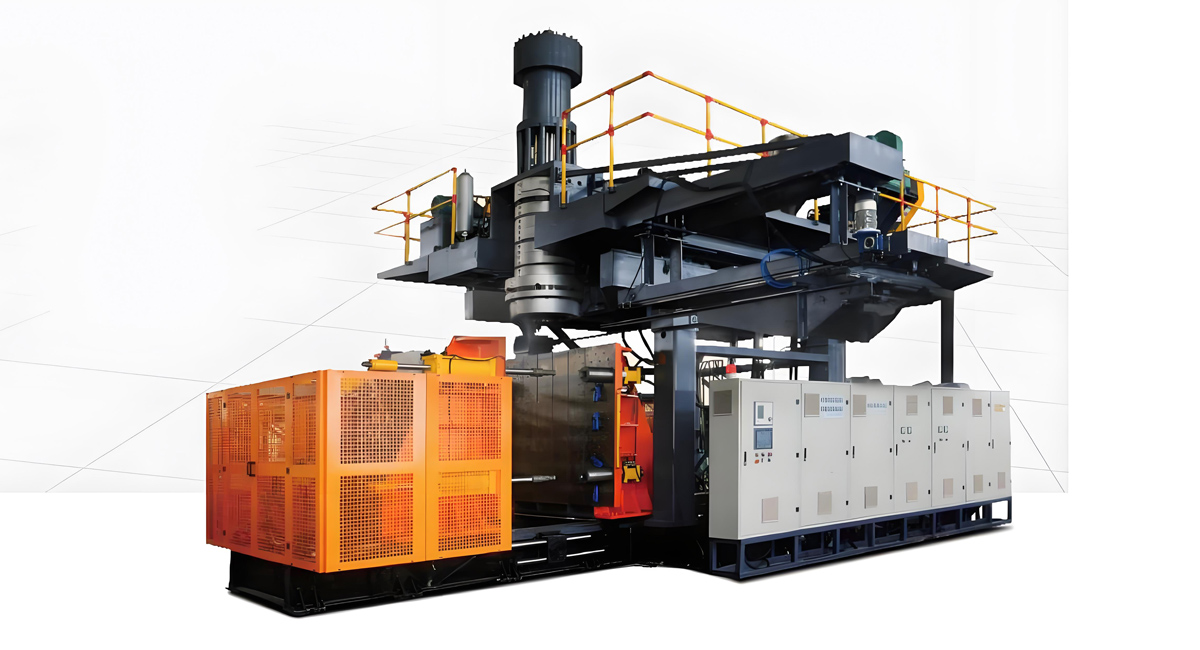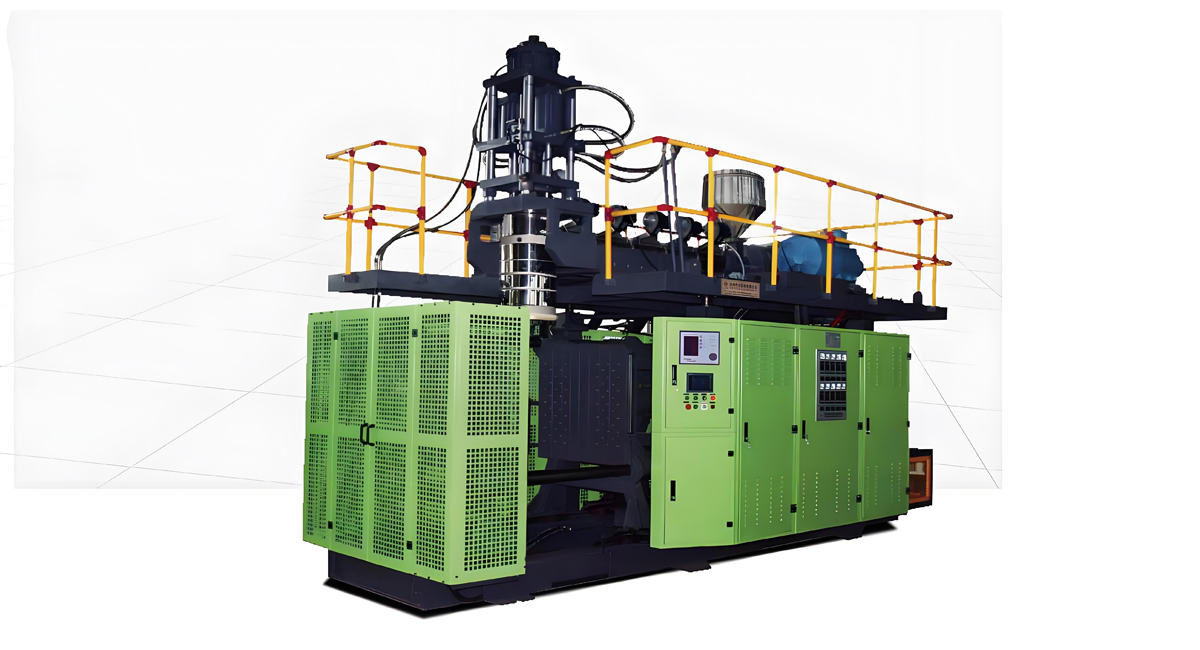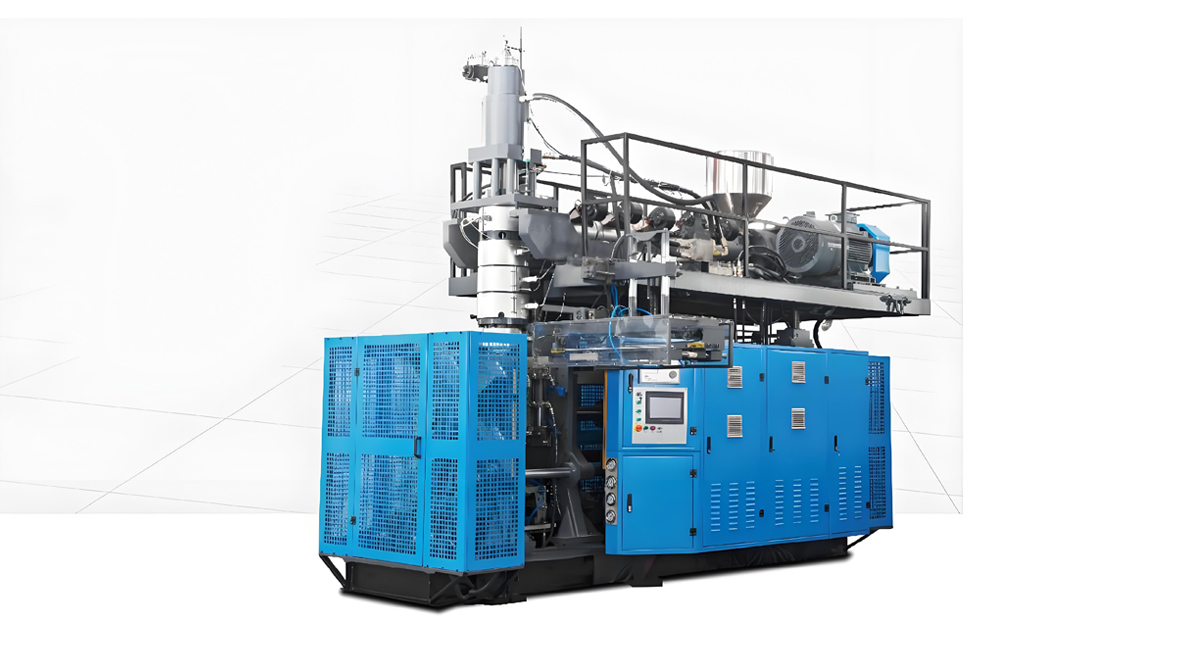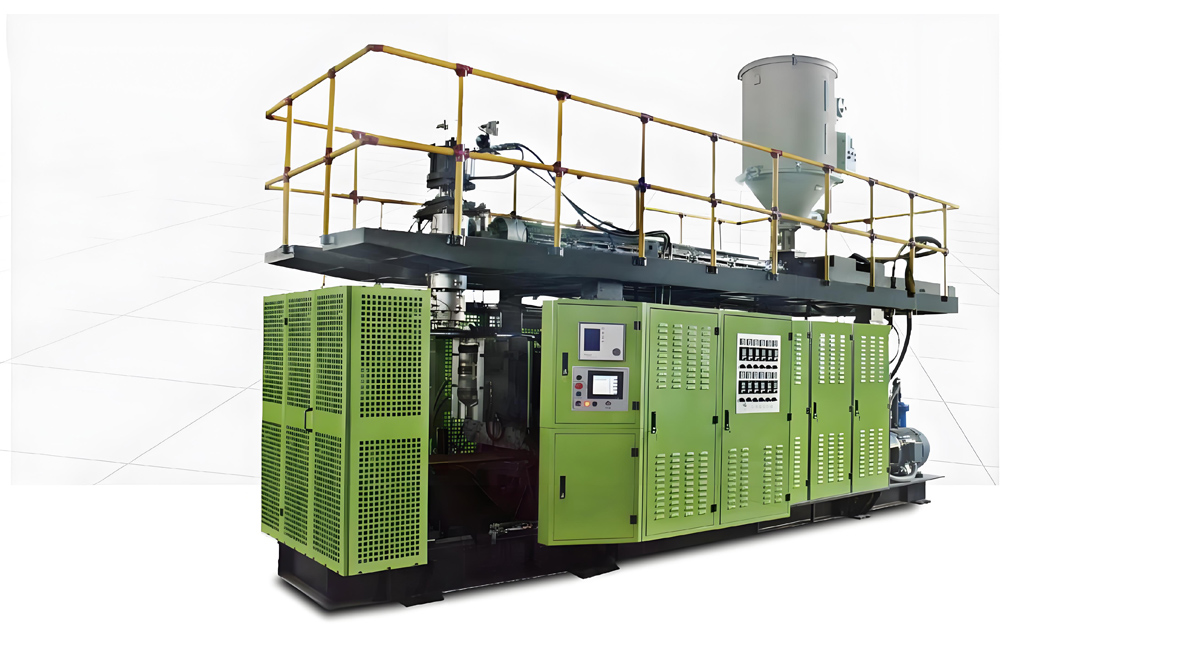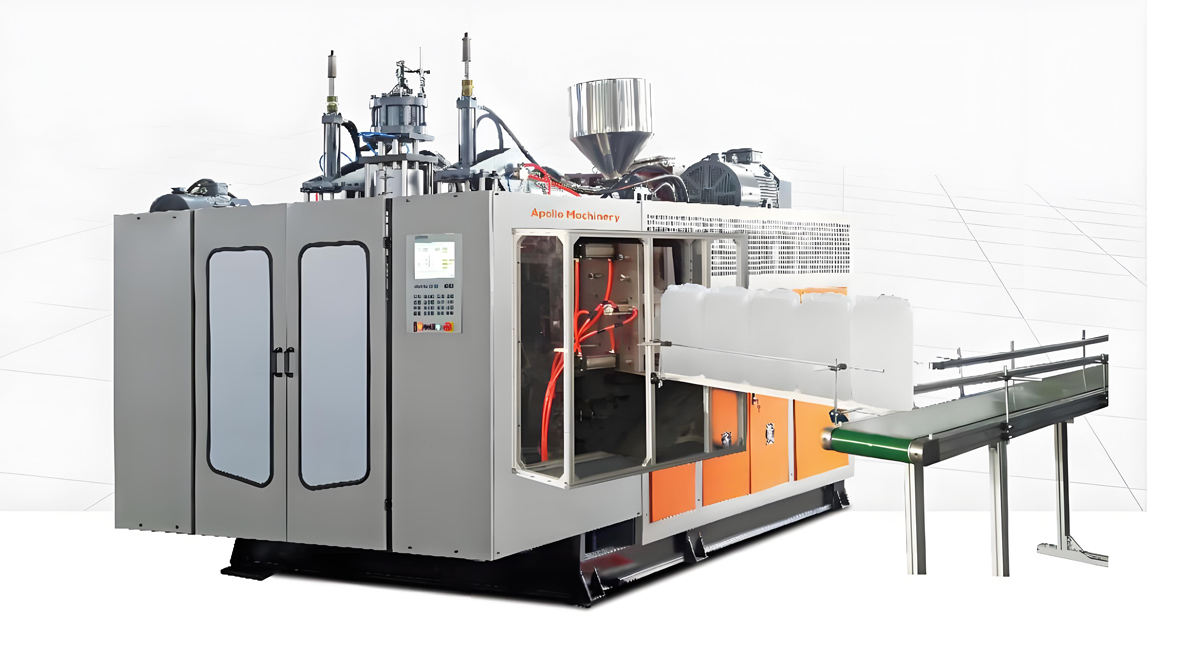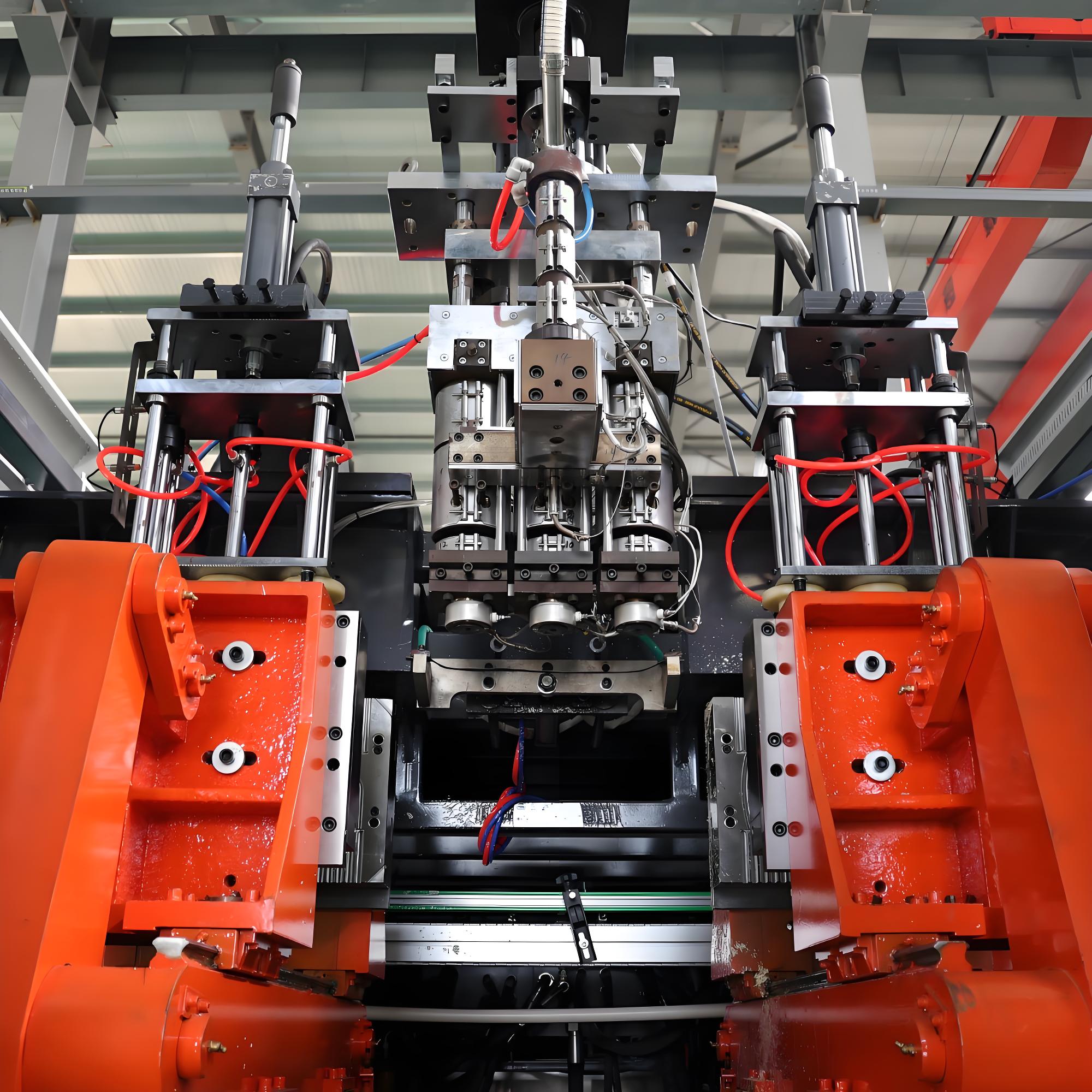

Importowanie maszyny do formowania wyciskowego ze strukturą (EBM) do Ameryki Południowej to zdecydowanie więcej niż tylko rezerwacja transportu. To skoordynowany zależny przebieg, obejmujący klasyfikację taryfową, procedury celne zależne od kraju, dostosowanie certyfikatów, standaryzację elektryczną oraz logistykę morską, który decyduje o tym, czy produkcja rozpocznie się zgodnie z harmonogramem, czy zostanie zawieszona za ogrodzeniem portu, a koszty przechowywania będą zaczynały rosnąć. Ten przewodnik kieruje zarządców zakupów, inżynierów zakładu i właścicieli projektów przez całą drogę, od fabryki dostawcy w Chinach do sprzętu do formowania ze strukturą, który pracuje w Brazylii, Argentynie, Chile, Peru, Kolumbii lub konkurencyjnych rynkach.
Fabryka Apollo sp. z o.o. Wanplas to producent maszyn do automatycznego formowania gięcia próżniowego o ponad 20-letnim doświadczeniu w produkcji. Zakład znajduje się w obrębie przemysłowego pasa deltą rzeki Jangcy, około dwugodzinnej jazdy od lotniska w Szanghaju, zajmuje obiekt o powierzchni 8 tys. metrów kwadratowych i osiąga roczne zdolność produkcyjną 100 maszyn. Do tej pory ponad 4000 urządzeń Apollo działa już w ponad 90 krajach, w tym na wielu rynkach w Ameryce Południowej. Takim dokładnym życiorysem firmy oznacza, że dokumenty, adaptacje napięcia i metody zabezpieczenia opisanego w tym artykule nie są teoretyczne – są to te same pakiety, które firma przygotowuje dla każdego eksportowego wysyłki.
W całym artykule zachowujemy szczere oddzielność między tym, co jest porównaniem technologicznego lub regulacyjnego, a tym, co jest porównaniem marek. Oceniamy dane w ogólnych kategoriach, takich jak konwencjonalne maszyny hydrauliczne lub urządzenia importowane w najniższym poziomie, a opisujemy oficjalne systemy, takie jak Siscomex, SUNAT, VUCE, INMETRO, IRAM, Mercosur, ISPM 15 i NR-12, jako istotne dla prowadzenia działalności we wszystkich krajach regionu. Celem jest przedstawienie cennika importu, który zapewnia dostępne warunki, kontroluje koszty sprzedawanych towarów i spełnia normy bezpieczeństwa obowiązujące w kraju docelowym.
Klasyfikacja HS i traktowanie celne dla maszyn do formowania odprężenia
Pierwszym krokiem w planie importu jest poprawna klasyfikacja celna, ponieważ każdy kolejny krok związanym z daninami, licencjami i kontrolami zakłada kody HR (Harmonizowany system). W przypadku maszyn do wyłaniania zgięciowego, zaprojektowanych do przetwarzania kauczuku lub polimerów, standardowy numer HS to 8477.30, który wskazuje na maszyny do wyłaniania zgięciowego do obróbki kauczuku lub polimerów. Krajowe taryfy cła rozszerzają tę sześćcyfrową podstawę o dodatkowe cyfry, ale podstawowa klasyfikacja jest powszechna w praktycznie każdym terytorium celnym na świecie, co czyni ją stabilnym punktem odniesienia w deklaracji importowej.
Pozostałe niezbędne i pomocnicze urządzenia, takie jak deflashery, stacje do testowania nieszczelności, granulatory, wciągarki, chłodnice wodne i systemy powietrza pod ciśnieniem, zazwyczaj wpisywane są pod odpowiednimi podtytułami, a precyzyjne narzędzia formowe, rąbki do form, narzędzia do formowania hartołów, klasyfikowane są oddzielnie jako formy dla kauczuku lub tworzyw. Zastosowanie całej linii jako jednorodnej maszyny jest możliwe tylko wtedy, gdy komponenty są przedstawione jako funkcjonalnie kompletna jednostka z główną maszyną operacyjną; w innych przypadkach urzędy oczekują rozrzutowej deklaracji. W praktyce warto poprosić dostawcę o szczegółowy plan materiałowy dla każdego przedmiotu, powiązanego z podtytułami HS, aby połączyć linie faktury z wpisami celnymi.
Regionalne bloki dodają swoje warstwy kodowania. Cztery państwa wchodzące w skład MERCOSUR — Br ****czy, Argentyna, Urugwaj i Paragwaj — stosują nazewnictwo wspólne MERCOSUL (NCM, Nomenclatura Comum do Mercosul), rozszerzenie o eight lub ten cyfry HS zasługujące do obowiązywania według zbiorowego taryfu eksportowego (CET) bloku. Państwa wchodzące w skład Pilaru Andyny — Kolumbia, Peru, Ekwador i Bol ***ja — stosują system kodu NANDINA, który również opiera się na podstawie szescięgłowej HS z rożnymi rozbudowami specyficznymi dla And. Dlatego, pierwsze sześć cyfr są zazwyczaj identyczne; różnica występuje w ostatnich cyfrach i w stosowanej stopy zdolności.
Wskaźniki taryfowe są zazwyczaj wyrażane jako stopniowe grupy procentowe zamiast stałych kwot, ponieważ stawka ad valorem jest stosowana do wartości celnej i absolutny cel dogadaje się ze wartości transakcji. W całej Ameryce Południowej, stosowany tam podatki celne na niemetalowe maszyny kapitałowe o takim charakterze zazwyczaj spada do umiarkowanej grupy, a CET Mercosuru ustanawia wspólną górną barierę taryfową, którą poszczególne państwa członkowskie stosują z niewielkim wahaniem. Niektóre kategorie korzystają z tymczasowego zawieszenia taryfy lub zwolnienia od podatku celnego dla towarów kapitałowymi, które nie są produkowane lokalnie, ale taka pomoc jest warunkowa i czasowo ograniczona, dlatego należy ją potwierdzić stosując aktualny katalog numerowy, zanim się na nią polega. Nigdy nie należy zakładać stawki zera; zawsze należy potwierdzić aktualną stawkę NCM lub NANDINA i okres obowiązywania jakiejkolwiek wolności z tym brokera posiadającym licencję.
Podatki dodawane wartości i podatki wewnętrzne wypełniają ten obraz. W Brazylii federalny podatki IPI (na produkty przemysłowe), PIS i COFINS (wypłaty społeczne) oraz państwowy ICMS (podatek na obrót towarów i usług) mogą być stosowane nad danymi celnymi, a interakcja kredytów i zastąpienia może zmienić efektywny obciążenie. W państwach członkowskich Andów, podatkiem dodanym w celach importu jest bardziej widoczny poziom. Mechanizm, a nie przesłanie, jest ważny dla planowania: budżetu rozliczeń celnych w postaci procenta od wartości celnej, a następnie dołącz szereg lokalnie obowiązujących podatków VAT lub ekwiwalentów w postaci oddzielnego odsetka i dokonaj rezerw do środków obrotowych, ponieważ zwykle są one płacone w trakcie formalności przed zakończeniem ruchu.
Jak dyscyplina klasyfikacji chroni Twoje terminy dostawy
Nieprawidłowa klasyfikacja jest jedną z najczęstszych przyczyn utraty kontroli na granicy. Nieodpowiednia nazwa może spowodować nieoczekiwane wymagania dotyczące licencji, inny stawka podatku lub żądanie dodatkowych dowodów technicznych, które trwają tygodnie. Apollo wspiera deklarację, wydając opis techniczny, w którym wymieniona jest metoda działania (ciągła ekstrakcja lub głowica akumulująca), rodzina materiałów przetwarzanych, maksymalny objętość kontenera i funkcja urządzenia. Dzięki temu brokerski ekspert może bronić pozycji 8477.30. Jeśli wysyłka zawiera formę lub oddzielny chłodnik, te linie mają swoje własne kody i własne stawki, w związku z czym nieograniczony transparentny faktura liniowy jest niepodlegający negocjacji.
Matryca rozliczania celności sprzedazy kraj od kraju dla Ameryki Południowej
Ameryka Południowa nie jest jedyną unią taryfową. Mercosur wiąże swoich członków wokół wspólnej taryfy zewnętrznej i wspólnej nomenklatury, ale każda kraj ma swoją własną organ czołowej celnej, zasady licencji, regulacje bezpieczeństwa i język dokumentacji. Społeczność Andów wyostrza kodowania, ale nie procedurę. W poniższej tabeli zamieszczono zestawienie różnic strukturalnych, do których należy się dostosować; traktuj to jako mapę planowania, a nie jako zastąpienie obecnych porad konsultanta posiadającego licencję.
| Kraj | System celny / baza | Wypadek licencji/zezwolenia | Bezpieczeństwo / norma elektryczna | język dokumentu | Postawa tariffowa |
|---|---|---|---|---|---|
| Brazil | Systém elektroniczny Siscomex; kod NCM; rejestr importerów RADAR | Licencje importu (LI) dla używanych maszyn i przedmiotów kontrolowanych; nowe maszyny często zwolnione, chyba że pochodzą ze sprzedanego poza krajem, z którego został wyprodukowany ten rodzaj maszyny | Bezpieczeństwo maszyn INMETRO; zakres zastosowania, gdy jest to konieczne; podatki ICMS/IPI/PIS/COFINS | portugalski dla instrukcji obsługi, etykiet i dokumentów o ryzyku | Umówiony w umowie CIT przedsądowy próg; możliwa ulgę poza systemem cła |
| Rosja | Deklaracja celna AFIP, kod NCM, zgoda na konwersję walut | Wstępna deklaracja importu oraz zamówienie banku centralnego w przypadku wymiany walut | Standardy IRAM; dokumentacja w języku hiszpańskim | Hiszpański | Umówienia w ramach Mercosur; opłaty statystyczne i oceny |
| Chile | Relatywna stawka otwarta; kod NALADISA; kraj pochodzenia zgodnego z umową o wolnym handlu | Z reguły niska wymagania licencyjne; certyfikat pochodzenia produktów objętych preferencjami za umowy o wolnym handlu | Wymagania bezpieczeństwa elektrycznego SEC; dokumenty hiszpańskie | Hiszpański | niskie stawki bazowe; oryginalność STS może obniżyć wysokość opodatkowania |
| Peru | Cyk zasobowy SUNAT; Ventanilla Única (VUCE); kod NANDINA | Deklaracja za pośrednictwem pojedynczego okna; linie stosowania do bezpośredniego kontaktu z żywnością, związane z nadzorem sanitarno-higienicznym | Dokumentacja w języku hiszpańskim; przepisy sanitarne dotyczące produktów końcowych przeznaczonych do kontaktu z żywnością | Hiszpański | Umowy handlowe; preferencje stosowane w ramach FTA |
| Kolumbia | jedno okno VUCE; kod NANDINA; celnik celny DIAN | Deklaracja w ramach jednego okna; InVima pełni zadania tylko przy produktach, które mają kontakt z żywnością | dokumentacja w języku hiszpańskim; układ elektryczny RETIE dla instalacji | Hiszpański | Umiejschlona armatorska grupa tariffowa, w której warunki pogranicza są szczegółowo określone; sprawdzenie w ramach systemu cenowego Andowych może proszę po dłuższym czasie, ale jest obowiązkowe |
| Urugwaj | przepisy celne dotyczące DNA; kod NCM (Mercosur) | Zgodne z Mercosur; jaśniejsze przepisy niż w Brazylii | Dokumenty w języku hiszpańskim; oczekiwania dotyczące bezpieczeństwa na poziomie jednostki | Hiszpański | Banda zgodna z CET |
| Ekwador | Celnik urzędowy; kod NANDINA (Andes) | oświadczenie wraz z dokumentami technicznymi | Dokumenty hiszpańskie; zgodność elektryczna podczas instalacji | Hiszpański | Andean band; FTA preferences |
| Bolivię | Celnik urzędowy; kod NANDINA (Andes) | Deklaracja z dokumentami technicznymi i komercyjnymi | Dokumenty hiszpańskie; lokalna inspekcja elektryczna | Hiszpański | łańcuch andyjski |
| Paragwaj | Cyk zasobowy; kod NCM (Mercosur) | Deklaracja zgodna z Mercosur | Dokumenty w języku hiszpańskim; oczekiwania dotyczące bezpieczeństwa na poziomie jednostki | Hiszpański | Banda zgodna z CET |
Brazylia: Siscomex, RADAR, LI i NR-12 w szczegółach
Brazylia jest najbardziej skomplikowanym przejściem, dlatego wymaga najpełniejszych przygotowań. Import zaczyna się w systemie elektronicznym Siscomex, w którym importer musi posiadać ważną akredytację RADAR, która ocenia limity wczytywania towaru. Kod NCM (Numer towarowy Komunalny Mundial) steruje stażem i wszelkimi specjalnymi kontrolami. W przypadku nowego urządzenia EBM, na razie nie jest wymagany wcześniejszy licencja importowa, chyba że produkt znajduje się na kontrolowanym liście; w przypadku używanego lub drugiej ręki sprzętu, licencja jest zazwyczaj obowiązkowa, a importer musi zazwyczaj udowodnić, że nie występuje żaden odpowiedni krajowy produkt. Różnica między nowym a używanym sprzętem jest przyczyną, dla której wiele klientów w Ameryce Południowej preferuje nowe urządzenia: pozwala to uniknąć konieczności uzyskiwania licencji i wykonywania niezbędnych działań, aby wykazać brak odpowiednika na rynku krajowym.
Ze strony bezpieczeństwa, NR-12 to regulacyjny ram czaszki brama dla bezpieczeństwa maszyn i urządzeń. Zasądzają one o zabezpieczenia stałe i ruchome, ukryte drzwi zabezpieczające, żelazne perony w dostępnych strefach zagrożenia, wyraźnie oznaczone zatrzaski awaryjne, uruchamianie dwoma rękami, gdy jest to wymagane w wyniku oceny ryzyka, dokumentowana ocena ryzyka oraz etykiety i instrukcje obsługi w języku portugalskim. INMETRO stosuje się, gdy istnieje norma produktowa obejmująca jego zakres; nie każda mała formująca maszyna podlega certyfikacji INMETRO, ale zobowiązania określane w NR-12 obejmują w zasadzie wszystkie maszyny używane w miejscu pracy. Podatek dochodowy — ICMS na poziomie kraju, IPI na poziomie federalnym, a także PIS i COFINS w postaci przychodów socjalnych — jest pobierany za pomocą mechanizmu kredytów i debetów, który jest zrzeszany przez brokera przy transakcjach spłaty.
Argentyna, Chile, Peru i Kolumbia: oddzielne, ale łatwe do zarządzania
Argentyna musi zainicjować poprzedni proceder deklaracji importu i zalegalizować dopłatę w walucie za pomocą instrumentów licencyjnych wymaganych przez NCM, i oczekuje dokumentacji w języku hiszpańskim, wpisanej na podstawie referencji IRAM. Chile obsługuje stosunkowo otwarty system taryfy z korzyściami pochodzenia wynikającymi z umów o wolnym handlu i wytycznymi SEC dotyczącymi bezpieczeństwa elektrycznego; poprawny certyfikat pochodzenia może znacznie zniżyć zastosowaną stawkę. Peru przetwarza deklarację w ramach SUNAT i w ramach okienka In-Vima (VUCE), wymagając dokumentacji w języku hiszpańskim, a jeśli zamrożony kontener to artykuł w kontakcie z żywnością, to linia produktów finalnych uzupełnia się do kontroli sanitarno-epidemiologicznej zamiast maszyny. Kolumbia korzysta z własnego okienka w ramach DIAN, gdzie używane są kody NANDINA; InVima pełni zadania tylko przy produktach, które mają kontakt z żywnością i nawozami, a nie z miedzyconami, dlatego nabywca nie powinien oczekiwać certyfikatu InVima na poziomie branży, ale powinien pamiętać o zgodności produktów końcowych.
wymagane dokumenty związane ze ładunkowym transportem oraz zestaw certyfikacji
Uwolnienie celne zależy od kompletności dokumentów. Autorności w Południowej Ameryce rozumieją niezbędność konsekwencji w zestawie dokumentów, w którym rachunkówy są zgodne jako ilości, wagi i wartości, a dokumenty techniczne potwierdzają deklarowany określony klasyfikację i zgodność z przepisami bezpieczeństwa. W poniższej tabeli przedstawiono dokumenty, które Apollo przygotowuje zwykle, a rolę, jaką odgrywają. Trzymaj jedną certyfikowaną kopię w skrzynce i temat, który został wysłany elektronicznie przed przybyciem.
| Document | Cele podstawowe | Kluczowe zapiski |
|---|---|---|
| Faktura handlowa | Wykazuje wartość transakcji i strony transakcji | Wstępnie opracowane karta materiałów za poszczególnymi maszynami, formami i częściami; dokładne dopasowanie do listy opakowań |
| List złożenia | Podstawowe szczegóły pakowane, rozmiary, masa bruta i netto | Istotne dla planowania pojemników i kranów, poprawia koszty dostawy i przechowywania. |
| Raport do zarządzania żeglugą / dokument przewozowy morski | Dla kilku państw obowiązuje potwierdzenie umowy przewozu | Oryginalny B/L jest zazwyczaj wymagany do zakończenia procedur; potwierdź odbiorcę i poinformuj podmioty biorące udział w transakcji |
| Świadectwo pochodzenia | Wspiera taryfy normalne lub preferencyjne | Umowa ogólna CO dla większości przypadków; FORMULARZ FTA, gdy miejsce docelowe rozpozna preferencje CHINA FTA |
| Deklaracja weryfikacyjna ISPM 15 | Sprawność quarantanu dla opakowania wykonanego z drewna | Drewno kamienne muszą być oznakowane zgodnie z IPPC po poddaniu mu procesowi termoobróbki lub fumigacji; papierowe panele są zwolnione z tego obowiązku |
| Certyfikat ubezpieczenia | Zabezpiecza ryzyko towarów w trakcie ruchu | Dopasuj wartość ubezpieczenia i termin Incoterms do umowy sprzedaży |
| Zdjęcia konstrukcji i etykiet. | Sprawdza tożsamość i stan | Nadruk na etykiecie wyświetla model, numer seryjny, napięcie, częstotliwość, moc; odpowiada deklaracji. |
| Techniczne rysunki i instrukcje | Odsługuje klasyfikowanie i obsługę. | Portugalskie lub hiszpańskie wersje według kierunku; ustawienie języka HMI w odpowiedni sposób |
| Dokument techniczny CE oraz deklaracja zgodności | Dowody zgodności z projektem | Podstawa dla eksportu; plik o ryzyku NR-12 dodany dla Brazylii |
| Gwarancja i lista części zamiennych | Podpora w zakresie usług posprzedażowych i oceny wartości | Linki do polityki zapewniającej dostęp do części w wysokości 500 USD rocznie i zalecanego zestawu zapasowego |
Szybkie zrozumienie certyfikatu pochodzenia. Ogólny certyfikat pochodzenia (CO) ma zastosowanie do zwykłych cłónek, a są przyjmowani na szerszą skalę. Gdzie miejsce celowe utrzymuje ramy umowy o wolnej handlu, która uznaje pochodzenie z Chin, preferencyjne MODEL może obniżyć lub unieważnić stosowana stawkę; w zamian są bardziej rygorystyczne kryteria pochodzenia i formalny proces wydawania. Decyzja jest podejmowana na podstawie pojedynczej przesyłki, a nie modelu konkretnego urządzenia, dlatego należy uwzględnić ją w listach sprzedania z udziałem maklera.
ISPM 15 często jest niedoceniane. Każdy solidny drewniany element użyty do paletyzacji – podkładki, elementy wsporcze, rozstawówki – musi być oczyściony z korony i poddany lubiatuku lub fumiacji zgodnie ze standardem, a następnie oznaczony znakiem IPPC, informującym o kodu procesu obróbki. Procesowane panele drewniane, takie jak płyty MDF lub płytki wycierane ciepłem, zazwyczaj nie wchodzą w zakres; dlatego wielu eksportatorów preferuje palety MDF, aby całkowicie uniknąć etapy obróbki. Przechowuj z dokumentami certyfikat obróbki, ponieważ porty w Ameryce Południowej sprawdzają ten znak na miejsce docelowe, a brak lub nieczytelny znak może wymagać ponownej obróbki lub odmowy na koszt kupującego.
Składniki i podział odpowiedzialności
Incoterms określa, gdzie kończy się odpowiedzialność sprzedawcy i zaczyna się odpowiedzialność nabywcy w trzech wymiarach: która strona bierze na siebie ryzyko utraty lub uszkodzenia, która strona opłaca każdy etap transportu oraz która strona zajmuje się formalnościami celnymi zarówno na miejscu dostawy, jak i przy wyjściu. Wybór nieprawidłowego terminu to częste i kosztowne błędy w importach z Ameryki Południowej, ponieważ opłaty za port dostawy, transport wewnętrzny i możliwość wyboru klienta zajmującego się formalnościami celnymi nie są jednolite.
| Incoterm | Przechowywanie ryzyka w punkcie: | Opłacenie kosztów | Poczet praktyczny dotyczący Ameryki Południowej |
|---|---|---|---|
| EXW (worki fabryczne) | Miejsce naładowania fabryki sprzedawcy | Kupujący płaci wszystko od momentu odbioru | Nabywca zarządza wycofaniem celną; ryzykowny w przypadku niedoświadczenia w zakresie eksportu do Chin |
| FOB (Free On Board, Niech załoga na pokładzie) | Pojazd na pokładzie przy portach chińskich | Sprzedawca odpowiada za załadowanie; kupujący pokrywa koszty oceanu i celu docelowego. | Zgodne i zmienne; nabywca kontroluje opłaty morskie |
| CFR (koszt i transport) | Pojazd na pokładzie przy portach chińskich | Sprzedawca opłaca opłaty morskie, a nabywca – ubezpieczenie i opłaty w portach dostawy | Kupujący musi nadal udać się ze zgłoszeniem ubezpieczenia towarów |
| CIF (koszty, ubezpieczenie, fracht) | Pojazd na pokładzie przy portach chińskich | Sprzedawca płaci za transport i ubezpieczenie do portu | Wygodny, ale sprzedawca wybiera przewoźnika; nabywca kontroluje zdeklarowanie |
| DAP (Dostarczone na miejscu) | Dopływ na wymierzone miejsce przed rozładunkiem | Sprzedawca pokrywa większość transportu; nabywca opanowuje import. | Popularne jest dostarczanie na klucz; kupujący nadal zajmuje się kwestiami celnymi |
| DDP (Odpłacony celny) | Dostarczony i opakowany w miejscu dostawy | Sprzedawca opłaca długi celny i wszelkie koszty transportu | Maksymalny komfort; sprzedawca musi być zarejestrowany, aby importować lokalnie |
Koją powtarzalną w Ameryce Południowej jest port docelowy. Nawet w przypadku CIF zobowiązanie sprzedającego kończy się w porcie wyładunku; obsługa na placu docelowym, przechowywanie, transport wewnętrzny do fabryki i klarowanie celne pozostają w rękach kupującego, a te lokalne opłaty są często wyższe niż oczekiwane. Druga pułapka to wybór biura oddającym towary: importer powinien kontrolować, kto dokona klarowania towarów, ponieważ agent, którego wybrała odległa strona, może dodać marżę i opóźnić komunikację. DAP to powszechny kompromis - sprzedający zarządza transportem międzynarodowym do wskazanego miejsca, podczas gdy kupujący utrzymuje kontrolę nad klarowaniem importu i wyborem brokera. DDP to najmniej angażujący się, ale wymaga, aby sprzedający był lokalnie zarejestrowany lub korzystał z reprezentanta podatkowego, co nie zawsze jest praktyczne.
Bez względu na wybrane terminy, umowa powinna wyraźnie określić, kto rezerwuje przewoźnika morskiego, kto płaci za obsługę terminala docelowego, kto oznacza brokera celnego, oraz kto jest właścicielem towaru, jeśli termin przechowywania dojdzie do końca. Napisanie tych przeznaczeń zapobiega nieświadomemu zwiększaniu kosztów, które zmieniają ofertowaną cenę maszyny w znacznie większe koszty inwestycyjne.
Inżynieria przewozu morskiego i konteneryzacji
Fizyczna forma i waga maszyny EBM decyduje o planie kontenera, a plan kontenera decyduje o dużej części kosztów transportu. Mniejsze i średnie modele ABLB firmy Apollo są wystarczająco kompaktowe, aby w pełni ulec załadunku w standardowym kontenerze, podczas gdy duże maszyny ABLD przekraczają wnętrze kontenera i wymagają przewozu na poziomym naczepie, z otwartą górą lub w metale. Odpowiednie planowanie już w etapie składania oferty pozwala uniknąć podbicia kontenera z ostatniej chwili i straconego kursu.
| Kontener / Moda transportowa | Najlepsze dopasowanie | Załączniki techniczne |
|---|---|---|
| 40HQ Pojazd suchy | Małe i średnie urządzenia ABLB, elementy zamienne, formy | Najwyższa szerokość pokładu; maszyna musi mieć dobry prześwit drzwi i długość wewnętrzną. |
| Open-Top Container | Wysokie maszyny są ładowane z góry za pomocą krzesełka | Okryty karmami; dobry, gdy wysokość przewozu przekracza wysokość skrzynki, ale szerokość dostosowana jest do skrzynki |
| Miałka płaska | Rama szeroka lub ciężka modelu ABLD, układy płyty | Bez ścian boki; wymaga zatrzasku i ochrony przed warunkami atmosferycznymi |
| Warstwa pojedyncza / niestandardowe rozmiary | Największe jednostki ABLD poza każdym pojemnikiem | Rozbity na łatwiejsze do zarządzania części; najdłuższy czas tranzytu i najwyższe koszty obróbki |
Wybór kontenera zaczyna się od wymiary ogólnych i masy netto podanych w tabeli specyfikacji maszyny. Pojazd suchy 40HQ oferuje duże wnętrze, ale wciąż ma maksymalny odległość około 2,7 metra do otwierania drzwi; urządzenie ABLB, które się do niego zmieści, jest po prostu wozu lub przemieszczane za pomocą korbeli, zamykanego i stabilizowanego. Maszyna ABLD, która jest wyższa ani szersza niż obudowa kontenera, jest wysyłana na płaskim rydze lub w pojemniku otwartego, a płytka i ramka do zamykania mogą być oddzielone. Największe jednostki ABLD są podzielone na podłoże, stację do zamykania i głowicę do wytrysku, aby wysłać je do transportu nieograniczonego, a następnie złożyć na fabrycznej linii pod kontrolą inżynierów.
Ochrona podczas przejścia przez morze ma tak samo duże znaczenie, jak nasz karton. powierzności ze stali są opakowane w filmie VCI (inhibitor korozji gazowego) i połączone z workami odrzutowymi, które zwalczają wilgotną, kwaśną atmosferę podczas długiej trasy morza. Kratka jest zaprojektowana tak, aby punkty obciągania, centrum ciężkości i punkty przełączania były wyraźnie oznaczone, a maszyna była zablokowana przed pionowymi, poziomymi i bocznymi ruchami. Podpisany plan obciągania jest przesyłany w ramach rezerwacji, aby przewoźnik przyjął ładunek bez uprzedniej korekty na terminalu.
Szelą i położeniem i okresem dojścia zależy plan. Morskie statki odchodzą z portów na wschodnim wybrzeżu Chin mianowicie do Santos lub Paranagu’ w Brazylii, do Buenos Aires w Argentynie, do Callao we Peru, do San Antonio lub Valparaíso w Chile oraz do Cartagena lub Buenaventury w Kolumbii. Jako szeroko rozumiana strona planowa, biuro przesyłek znajduje się w portach na wschodnim wybrzeżu Brazylii i Argentyny, a trasa do portów na zachodnim wybrzeżu Chile i Peru oraz na północnym wybrzeżu Kolumbii jest podobna do początku czerwiec, ale nieco krótsza, zależnie od miejsca transcyzji. To wytyczne planowe, a nie gwarancje; zarezerwuj z bufrem, aby mieć dostęp do dostawcy na czas przechowywania koszty. Bo odłużnienie i zawieszenie gwarantują szybkie naliczenie, gdy paleta zostanie rozładowana, a agencja uregulowa nie będzie gotowa.
Zarządzanie składowaniem w portach i zwolnieniem czasu
Każde miejsce docelowe zapewnia okres ograniczonego bezpłatnego przechowywania i bezpłatnego wyposażenia. Plan importowy powinien skoncentrować się na przygotowaniu dokumentów przed przybyciem statku, gdyż zegar zaczyna odliczać się od czasu rozładunku. Maszyna, która stoi w terminalu podczas oczekiwania agenta na portugalski instrukcję obsługi lub poprawioną fakturę, generuje koszty, za które nie odpowiada żaden z określonych w Incotermach, odpowiedzialnych za międzynarodowy transport. Apollo pomaga zmniejszyć ten koszt, wysyłając komplet dokumentów elektronicznych przed zagęszaniem i potwierdzając wymagania dotyczące języka i certyfikatów z nabywcą przed wykonaniem wierzchołka.
Adaptacja elektryczna i bezpieczeństwa w sieciach południowoamerykańskich
Adaptacja elektryczna jest częścią importu, jeśli jest pomijana, sprawia, że działający urządzenie staje się źródłem ryzyka trzęsienia, przegrzewania się lub zmniejszenia produkcji. Kontynent dzieli się na sieci o częstotliwości 50 Hz i 60 Hz oraz na różne napięcia, a zabezpieczacz formowanego przez cięcie jest systemem wrażliwym na częstotliwość od głównego silnika, przez wentylator chłodzący, aż po pompę hydrauliczną.
| Kraj | Typowa napięcie trójfazowe | Frequency | Skupienie na elastyczności |
|---|---|---|---|
| Brazil | 220V lub 380V | 60 Hz | Silnik i przełącznik częstotliwości 60 Hz; obwody bezpieczeństwa NR-12 |
| Rosja | 380V | 50Hz | Motor o częstotliwości 50 Hz; dokumenty zgodne z IRAM |
| Chile | 380V | 50Hz | Silnik pracujący na częstotliwości 50 Hz; zgodność z normami elektrycznymi SEC |
| Peru | 220V lub 380V | 60 Hz | 60Hz motor; confirm site voltage |
| Kolumbia | 110V, 220V lub 440V | 60 Hz | Potwierdź dokładny napięcie sieci; transformator lub bezpośredni podłączone urządzenie |
| Urugwaj | 380V | 50Hz | Motoryk 50 Hz |
| Ekwador | 380V | 60 Hz | Motor o częstotliwości równej 60 Hz |
| Bolivię | 380V | 50Hz | Motoryk 50 Hz |
| Paragwaj | 380V | 50Hz | Motoryk 50 Hz |
Jak 50 Hz w porównaniu z 60 Hz w rzeczywistości zmienia zachowanie maszyny
Prędkość rezonansu asynchronicznego głównych silników jest proporcjonalna do częstotliwości zasilania. Motory zaprojektowane i najlepsze dla 50 Hz, podłączone do zasilania o częstotliwości 60 Hz, obracają się o około dwudziestu procent szybciej; obrót wahacza rośnie, przepływ materii roztopionej w godzinę zwiększa się, przepływ powietrza wentylatora chłodzenia i przepływ pompy hydraulicznej wzrasta, a okres pracy grzałki zmienia się. Natomiast maszyna o maksymalnej prędkości 60 Hz, podłączona do 50 Hz, pracuje około siedemnaście procent wolniej, z niższą prędkością wahacza, niższym wydatkiem, zmniejszonym przepływem wentylatora i pompy hydraulicznej oraz dłuższym cyklowym czasem. Obaj przypadki nie są automatycznie bezpieczne: w pierwszym przypadku wahacz może przejść się i przeładować napęd, podczas gdy w drugim przypadku naczynie może być zbyt rzadko podawane i chłodzenie nie wystarczające w stosunku do ustalonych wartości.
Istnieją trzy akceptowane korekty. Pierwsza jest związana z wyborem głównych silników i reduktorów do częstotliwości docelowej podczas montażu, co jest najprostszym rozwiązaniem, i tak robi Apollo, gdy jest znana częstotliwość sieci docelowej. Druga to kompensacja inwertera (konwertera częstotliwości), w której układ napędowy generuje prawidłową częstotliwość silnika niezależnie od nieruchomej linii, dzięki czemu jeden sprzęt montażowy może być używany zarówno do zasilania sieci, co jest standardem wśród nowoczesnych linii EBM. Trzecia opcja to zmianę stosunku skrzyni biegów lub reduktora, aby prędkość śrub znajdowała się w prawidłowym zakresie dla dostępnej częstotliwości linii. Odpowiedni wybór zależy od tego, czy fabryka może pozostać dostępna dla urządzeń pochodzących z różnych źródeł, oraz od tego, czy nabywca chce standardu spółgospodarczego na sztandarowy silnik zamienny.
Ponadto należy potwierdzić napięcie obwodów sterujących, system ziemiania i dostępną przepustowość skrótu. Wyposażenie przemysłowe w Ameryce Południowej używa systemów ziemiania TN-S lub TT o różnym poziomie awarii, a kwestionarz elektryczny musi odpowiadać do koordynacji ochrony na danym miejscu. Stawkę zabezpieczenia kwestionarza (klasa IP) wybiera się dla lokalnego środowiska – wyższa w wilgotnych rejonach brzegowych lub w zakładach w pobliżu kopalń piaskowcowych. Firma Apollo buduje główną kratkę, parametry zmierza i transformator lub bezpośredni podłączenie do potwierdzonych wartości oraz rejestruje je na płatku, aby organy uprawnione do zatwierdzenia i lokalni elektrycy mogli zobaczyć jednoliczną deklarację.
Konfiguracja bezpiecznej szyny i równość NR-12
Bezpieczeństwo nie jest odłączone od projektu elektronicznego. Maszyna dostarczana jest z przenośnymi panelemami ochronnymi w zakresie wyciskania i zamykania, zabezpieczeniami zabijającymi ruch, gdy są otwarte, skrzyżowanymi drzwiami bezpieczeństwa, z oświetleniowym zabezpieczeniem w dostępnych rejonach zagrożenia, wyraźnie oznaczanymi przyciskami awaryjnymi z redundanckimi obwodami, oraz uruchomionymi dwoma rękami, zgodnie z wymaganiami oceny ryzyka. W przypadku Brazylii, te elementy znajdują się w dokumentach dotyczących oceny ryzyka NR-12 i są dopasowane do oznakowania i instrukcji po porusznikach portugalskich. W przypadku Argentyny i krajów Andii, oczekiwane są te same elementy fizyczne, z dokładną dokumentacją w języku hiszpańskim i zgodnością z lokalnymi standardami. Niniejszy punkt ma na celu pokazanie, że proces konfiguracji pętli bezpieczeństwa jest skonstruowany na fabryce, a nie wywołany na miejscu, dlatego kraj docelowy musi być zdefiniowany przed podłączeniem paneli sterowania.
Apollo EBM Machine Series for South American Aplikacje
Program wyfizkowania bijakowania w linii "Apollo" skupi się na trzech rodzajach produktów, które łącznie pozwalają na wytwarzanie kontenerów od 200 mililitrów do 1500 litrów. Rodzaj ABLB obsługuje kontenery o pojemności od 200 ml do 20 litrów w postaci 8 typów modeli, w rodzai ABLD kontenery od 20 litrów do 1500 litrów w 3 typach modeli przeznaczone dla bardzo obciążonych dużych kontenerów, a w rodzai W pełni elektryczna konstrukcja na 100% zasilaną z sieci elektrycznej, dostosowana do zastosowań w zakładach, do których obowiązują najwyższe standardy w zakresie ochrony środowiska i konieczności kontrolowania zużycia energii w instalacjach. W poniższych tabelach specyfikacji przedstawione są typowe zakresy dostępne dla poszczególnych rodzajów modeli. Ostateczne potwierdzone parametry są notyfikowane w ramach oferty i na dokumentacji technicznej.
Seria ABLB (200ML–20L), osiem rodzajów modeli
| Modell | Container Range | Siła nacisku (kN) | Screw Dia (mm) | L/D | Wydatek (kg/h) | Napieracz | moc (kW) | Ogólne rozmiary L × W × H (mm) | Masa netto (kg) | Zasilanie |
|---|---|---|---|---|---|---|---|---|---|---|
| ABLB 55 | 200–3L | 40–80 | 45–55 | 20–24 | 25–60 | Napęd ciągły / akumulator | 15–30 | 3200–4000 × 1800–2200 × 2200–2600 | 4000–7000 | 380 V 50/60 Hz |
| ABLB 65 | 1L–5L | 60–120 | 55–65 | 20–24 | 40–90 | Napęd ciągły / akumulator | 22–40 | 3600–4500 × 2000–2400 × 2400–2800 | 6000–10000 | 380 V 50/60 Hz |
| ABLB 75 | 2–10 litrów | 100–180 | 60–75 | 20–24 | 60–130 | Napęd ciągły / akumulator | 30–55 | 4000–5000 × 2200–2600 × 2600–3000 | 8000–14000 | 380 V 50/60 Hz |
| ABLB 80 | 3L–15L | 150–250 | 70–80 | 20–24 | 80–160 | Accumulator | 40–70 | 4500–5500 × 2400–3000 × 2800–3200 | 10 000–18 000 | 380 V 50/60 Hz |
| ABLB 90 | 5L–18L | 200–320 | 80–90 | 20–24 | 110–200 | Accumulator | 55–90 | 5000–6000 × 2600–3200 × 3000–3400 | 14000–22000 | 380 V 50/60 Hz |
| ABLB 100 | 10–20 litrów | 280–420 | 90–100 | 20–24 | 150–260 | Accumulator | 75–120 | 5500–6500 × 3000–3600 × 3200–3600 | 18000–28000 | 380 V 50/60 Hz |
| ABLB 120 | 10–20 litrów | 400–600 | 100–120 | 20–24 | 200–340 | Accumulator | 110–160 | 6000–7000 × 3200–3800 × 3400–3800 | 24000–36000 | 380 V 50/60 Hz |
| ABLB 150 | 15–20 l | 550–800 | 120–150 | 20–24 | 280–450 | Accumulator | 150–220 | 6500–7500 × 3400–4000 × 3600–4000 | 30000–45000 | 380 V 50/60 Hz |
Seria ABLD (20 l–1500 l), trzy typy modeli
| Modell | Container Range | Siła nacisku (kN) | Screw Dia (mm) | L/D | Wydatek (kg/h) | Napieracz | moc (kW) | Ogólne rozmiary L × W × H (mm) | Masa netto (kg) | Zasilanie |
|---|---|---|---|---|---|---|---|---|---|---|
| ABLD 50 | 20–200 litrów | 600–1000 | 100–120 | 18–22 | 250–450 | Akumulator / wielokrotny głowicę | 150–260 | 7000–9000 × 3500–4200 × 4000–5000 | 40000–70000 | 380 V 50/60 Hz |
| ABLD 80 | 200L–800L | 1000–1800 | 120–150 | 18–22 | 400–700 | Akumulator / wielokrotny głowicę | 250–450 | 9000–12000 × 4000–5000 × 5000–6000 | 70 000–130 000 | 380 V 50/60 Hz |
| 4. ABLD | 800–1500 L | 1800–3000 | 150–200 | 18–22 | 700–1200 | Akumulator / wielokrotny głowicę | 450–800 | 12000–16000 × 5000–6500 × 6000–8000 | 130000–240000 | 380 V 50/60 Hz |
Série wyłącznie elektryczna (200ML–20L)
| Kategoria pojemności | Container Range | Siła nacisku (kN) | Screw Dia (mm) | L/D | Wydatek (kg/h) | Napieracz | moc (kW) | Ogólne rozmiary L × W × H (mm) | Masa netto (kg) | Zasilanie |
|---|---|---|---|---|---|---|---|---|---|---|
| Małe urządzenia | 200 ml–2 litry | 40–120 | 45–55 | 20–24 | 20–50 | Cały czas | 12–28 | 3000–4000 × 1800–2200 × 2200–2600 | 3500–6000 | 380 V 50/60 Hz |
| srednia | 2–10 litrów | 120–250 | 60–75 | 20–24 | 50–120 | Napęd ciągły / akumulator | 25–55 | 4000–5200 × 2200–2800 × 2600–3000 | 7000–14 000 | 380 V 50/60 Hz |
| Duży | 10–20 litrów | 250–500 | 80–100 | 20–24 | 110–240 | Accumulator | 55–110 | 5200–6500 × 3000–3600 × 3200–3600 | 16000–28000 | 380 V 50/60 Hz |
Wszystkie trzy serie przetwarzają tę samą szeroką rodzinę żele — PE, PP, PVC, PA, PC, ABS, PS, EVA, TPU i PETG — obejmującą zastosowania w sektorach rolniczym, chemicznym, w zakresie olejów smarowych, sektorze górniczo-chemicznym, wody pijackiej, detergentów, środków chłodzących i kupowych butelek, które są powszechne w Ameryce Południowej. Głowa noża oferowana jest jako technologia ciągłego wyciskania do mniejszych pojemników oraz jako głowa akumulacyjna dla większych wag parisonów, a zainstalowana moc odzwierciedla wybór silnika hydraulicznego lub całkowicie elektrycznego. Ponieważ wymagania pomiarowe dotyczące modeli są podane jako rozmiary całkowite i waga netto, kupujący może oddać tabelę bezpośrednio przewoźnikowi, aby zblokować plan przewozu kontenera, zanim zostanie zbudowany uszereg.
Branże i produkty końcowe w Ameryce Południowej
Maszyny marki Apollo służą ośmom sektorom przemysłu: przemysł spożywczy i napojów, produkty chemiczne codziennego użytku, przemysł chemiczny, materiały budowlane, medyczne i farmaceutyczne, produkcja samochodów, transport i produkty kulturalne i sportowe. W kontekście Ameryki Południowej dokonuje się importu tych produktów, ponieważ mają one znaczący wpływ na lokalny rynek.
W rolniczych regionach Brazylii, Argentyny i okolicznych regionów dominującym wyprodukowanym produktem jest kontener agrochemiczny – trumny i buteleki odporne na substancje chemiczne, stosowane do zastrzyków preparatów ochrony roślin na obszarach uprawiowych sojów. Gospodarstwa górnicze w Chile, Peru i Bolivi z reguły wymagają kontenerów chemicznych do przetwarzania reagencji i materiałów eksploatacyjnych. Butelki olejów smarnych i rezerwuary chłodzących dla pojazdów służy rynkowi części zamiennych w dużych miastach, natomiast butelki i pojemniki z wód pitnej zaspokajają popyt na wody butelkowane na terenie wybrzeży i w obszarach wnętrznych. Butelki z detergentami i preparatami domowymi obsługują kategoryę produktów używanych w codziennym życiu i 20-litrowa butelka jak trybik pozostaje uniwersalnym pojemnikiem służącym do przechowywania paliw, wody i innych płynów przemysłowych na całym kontynencie.
Materiały budowlane, w tym szczelne worki i zbiorniki do klejów, farb i składników chemicznych stosowanych w budownictwie. Kanał medyczny i farmaceutyczny wykorzystuje niewielkie, czyste naczynia cięte pod ciśnieniem, w których seria całkowicie elektryczna jest atrakcyjna, ponieważ umożliwia usunięcie oleju hydraulicznego z obszarów pracy. Transport i produkcja samochodów zużywają elementy techniczne o geometrycznym kształcie, takie jak kanały, zbiorniki i nádrže. Przedmioty kulturalne i sportowe wykorzystują szeroką gamę specjalnych kształtów geometrycznych. Czytelny aspekt dla importera wynika z faktu, że ta sama platforma ABLB lub ABLD może obsługiwać kilka tych kanałów, wymieniając formy, dzięki czemu włożenie jedynego inwestycji w maszynę może odpowiadać różnorodnej klienteli.
Kupujący z Ameryki Południowej rzadko importuje maszynę tylko do jednego produktu. Platforma ABLB, umożliwiająca szybką zmianę form, może wykorzystywać skrzynki z preparatami agrochemicznymi w sezonie upraw, a butelki z detergentami poza sezonem, co poprawia wykorzystanie, co uzasadnia importowe opłaty i koszty transportu.
polecenie wyboru modelu w zależności od wymagań
Na odpowiedź na pytanie wyboru wpływa trójka czynników: pojemność urządzenia, wymagana moc przy produkcji na godzinę lub rocznie oraz standard elektryczny miejsca produkcji. Zapiszmy najpopularniejsze wymagania ze skali południowoamerykańskiej do zarekomendowanej serii Apollo i do planu konstrukcji urządzenia w zależności od jego wymiarów i wagi.
| Wytyczne dotyczące pojemności / wydajności / prądów przerwanych | Opolecona seria | Model reprezentacyjny | Plan transportu kontenerowego |
|---|---|---|---|
| 200ML–3L, medium output, 60Hz (Brazil/Peru) | Seria ABLB | ABLB 55 / 65 | 40HQ, kompletny |
| Pojemności 2–10 l, wyższy wydatek, 50 Hz (Argentyna/Chile) | Seria ABLB | ABLB 75/80 | 40HQ, kompletny |
| 10-20 l, wysoki wydatek, układ mieszany | Seria ABLB | ABLB 100/120/150 | 40HQ lub z otwartą górą w zależności od wysokości |
| 200 ml – 20 l, priorytet energii i czystości, dowolny układ | pełna seria elektryczna | Niezmiernie mała / średnia / duża klasa energetyczna | 40HQ, kompletny |
| 20L–200L drums, agrochemical, 50/60Hz | Seria ABLD | ABLD 50 | Stojaki otwarte lub płaskie; częściowa demontaż |
| Pojazdy o pojemności 200–800 L, wydobycie/szkoła chemiczna, 50/60 Hz | Seria ABLD | ABLD 80 | Szeregowy stojak lub wysyłka z mieszanymi towarami |
| Konteinery mega 800L–1500L 50/60Hz | Seria ABLD | 4. ABLD | Produkty brykietowe, zaprojektowane na rozpakowywanie |
| Butelka bezpieczna dla kontaktu z żywnością, 110/220/440 V, 60 Hz (Kolumbia) | ABLB lub całkowicie elektryczny | Według poziomu objętości | 40 HHC, potwierdź prędziowość napięcia przełącznika odpowietrznego |
Logika wyboru została celowo uproszczona: zdaniamy wymiar pasma z serii, dopasowujemy częstotliwość wypadku do wielkości modelu, następnie dopasowujemy sieć destynacji do konstrukcji napędu. Gdy ta sama jednostka służy obu rynkom 50 Hz i 60 Hz dzięki przyszłemu rozwojowi, wersja na bazie napięcia jest bezpieczniejszym stawianiem domyślnym, ponieważ jeden projekt maszyny jest stosowany w obu częstotliwościach. W przypadku najnowszych jednostek ABLD plan wysyłki – a nie cena jednostki – często dominuje w linii logistycznej, dlatego tabela wyboru bezpośrednio uwzględnia tryb kontenera w rekomendacji.
Instalacja, wdrożenie i techniczne przekazanie na miejscu
Odbieranie celników to tylko połowa projektu. Maszyna musi zostać zdemontowana, podłączona i przyjació, zanim będzie przynieść dochód. Plan lądowania obejmuje cztery interfejsy: interfejs formy, interfejs usług, interfejs budowy i kryteria akceptacji.
Interfejs formy jest sprawdzany w fabryce podczas testu przed wysyłką, w którym dostarczona forma jest zamontowana, a program dla paraisonu ustawiony dla zamierzonego pojemnika. Po przybyciu ta sama forma jest ponownie zamontowana i produkowany jest pierwszy pojemnik z produkcyjnym "prowizoryjnym" zamkiem, aby potwierdzić rozkład grubości ścian i masy. Interfejs stosowny obejmuje trzy usługi, jakie ma potrzeba maszynie: wodę chłodzącą z odpowiednio rozmiarowego chłodniczki, dostarczaną w odpowiednich ilościach, powietrze ciśnieniowe o napięciu i przepływie wymaganym w fazach odgłosu i wytrysku, a także prąd elektriczny o potwierdzonej napięciu i częstotliwości. Interfejs konstrukcyjny obejmuje obciążenie podłogi (duże maszyny z serii ABLD są ciężkie i mogą wymagać dodatkowego mocowania podłogi), wysokość otwartego krzyżaka oraz kraina pokoju pod wentylacją na wysokości łóżka maszyny i zaankorowane fundament.
Akceptacja jest określona przed wysyłką, dzięki czemu obie strony mierzą to samo. Typowa norma to ciągły cykl próbkowy trwający kilka godzin na wadze kontenera celowanego, z akceptacją wobec maksymalnej odchylenia wagi kontenera, minionego jednolitości w grubości ściany i stabilnego czasu cyklu w określonym zakresie. Nauczanie odbywa się na miejscu w lokalnym języku, obejmujące obsługę, rutynowe konserwacje, zmianę formy i procedury bezpieczeństwa wymagane w standardzie NR-12 lub jego odpowiedniku. Monitoring zdalny i dostęp do danych umożliwia centrum inżynierskie Apollo sprawdzenie danych PLC po przekazaniu, co skraca okres badań diagnostycznych.
Porady dotyczące dobierania urządzeń pomocniczych
Zgodnie z zasadą planowania, moc chłodzenia chłodni powinna pokrywać obciążenia związane z zbiornikiem i kalibracją, a także przewozić pewną część. System zrzutu za pomocą powietrza musi sprostać maksymalnym wymaganiam związanych z jednoczesnym wywieraniem urządzenia i odcinaniem nadmiaru fluoru, jeśli jest taka opcja. Strumień chłodzącej wody powinien być ustawiony w zależności od temperatury formy i głowicy. Zgłoszone zostały one jako stosunki i marginesy, a nie stałe liczby, ponieważ mogą się one różnić w zależności od modelu i rodzaju kompozytu. Firma Apollo wydaje liste wymagań dla każdego urządzenia, dzięki czemu fabryka może zanim przyjdzie pokryć miejsca podłączeń, co jest najważniejszym czynnikiem przyspieszającym pomyślny start.
Program obsługi i wsparcia
Program eksportowy firmy Apollo jest zaprojektowany tak, aby obowiązki nie kończyły się w porcie. Przed wyeksportowaniem, każdy sprzęt przechodzi pełne próby produkcyjne i jest dostępny do technicznej inspekcji nabywcę, dzięki czemu jego sprawność jest sprawdzana, gdy jest jeszcze w Zhangjiagang. Bezprzewodowy pakiet dokumentów zawiera instrukcje obsługi po portugalsku lub hiszpańsku oraz zestaw języków interfejsu obsługi (HMI) dostosowany do miejsca docelowego, techniczny arkusz CE z oświadczeniem o zgodności oraz wsparcie klasyfikacji HS dla brokernosci. Inżynierowie podróżują na miejsce aby przeprowadzić instalację i zawieszenie urządzenia, natomiast ten sam zespół zapewnia wstęp do obsługi w miejscu docelowym.
Grupa Wanplas realizuje obietnicę usług, która dotyczy tej dostawy urządzeń Apollo: 500 USD za części bezpłatne w ciągu roku, bezpłatne wymianę uszkodzonych części w ramach gwarancji, gwarancja transportu, gwarancja kapitału produkcyjnego oraz gwarancja standardów jakości. Proponowana zestaw części zapasowych pozwala, aby fabryka mogła opłacić najczęstsze uszkodzenia bez oczekiwania na dostawy międzynarodowe, a Apollo wspiera w zakresie klasyfikacji HS i kompletu dokumentów, dzięki czemu agent marnotrawstwa posiada klarowną deklarację. Treningi, wsparcie operacyjne na odległość i wizyty w fabrykach są częścią standardowej relacji — kupujący są zapraszani do audytu fabryki i świadczenia próby poruszania się samochodem, przed wzięciem na nie zobowiązania.
Składniki układów sprzętowych dostarczanych przed wysyłką, dokumentacja w języku kraju docelowego, bezpieczeństwo wariantu NR-12 w przypadku Brazylii oraz roczne bezpłatne utrzymanie części naprawczych to coś, co czyni z skomplikowanej importacji przez granicę projekt zarządzalny. Kupujący kontroluje biura douwierskie i harmonogram klanu, a Apollo kontroluje dowód techniczny i uruchomienie na miejscu, a te dwie odpowiedzialności spotykają się w ciągu testu przyjęcia.
Najczęściej zadawane pytania
Jaki kod HTS applies to maszynę formowania odparzania pirolitycznego importowanej do Ameryki Południowej?
Największość maszyn do wyżynowania odkształcania pod ciśnieniem produkowanych z gumy lub tworzyw, zaliczana jest do pozycji HS 8477.30, czyli kategorii obejmującej maszyny do odkształcania pod ciśnieniem, które służy do robienia z tworzyw gumowych lub plastikowych. Pomocnicze urządzenia, takie jak odkształcacze, testery przeciekań i granulatory, a także formy i główki do form, zależą od swoich własnych podkategorii. Członkowie Mercosuru wykorzystują rozszerzenie NCM tej podstawowej pozycji HS, podczas gdy członkowie Andyjskiej Spółdzielni stosują zestaw kodów NANDINA, wywodzący się z tej samej osiemcyfrowej bazy HS. Dodatkowe elementy powinny pojawiać się na oddzielnych rzędach faktury, aby deklaracja zgadzała się z rzeczywistym transportem.
Czy potrzebny jest zezwolenie na import maszyn EBM w porównaniu z ustandaryzowanymi urządzeniami w Brazylii?
W Brazylii nowa maszynę często jest wolna od formalności kontrolnych, bez konieczności wcześniejszego uzyskania licencji importowej, jeśli nie stosuje się szczególnych przepisów, ale używana lub drugorzędna maszynę wymaga zwykle wcześniejszej licencji importowej oraz dowodów, że nie istnieje żaden odpowiadający produkt krajowy. Argentyna stosuje własne etapy wcześniejszej deklaracji i aprobaty walutowej. Upewnij się, że dokładny warunek jest spełniony wraz z licencjonowanym doradcą celno-handlowym przed wysyłką, ponieważ reguła zależy od wieku maszyny, jej mocy i zadań, a błędny wniosek może przedłużyć formalności przez tygodnie.
Jak 60 Hz w porównaniu do 50 Hz wpływa na działanie maszyn do formowania i wyciskania?
Asynchroniczny silnik główny obraca się z prędkością synchroniczną proporcjonalną do częstotliwości, dlatego maszyny zaprojektowane na 50 Hz obracające się pod 60 Hz pracują około dwudziestu odsetek szybciej, podnosząc prędkość obrotu śrub, wydajność spawania i przepływ chłodzących wentylatorów lub pomp hydraulicznych, w porównaniu do maszyna 60 Hz obracającej się w 50 Hz. Zmniejszenie odchylenia odbywa się poprzez wybór odpowiedniego silnika, kompensację zaworów, lub ustawianie stosunków reduktorów. Apollo konfiguruje napęd, parametry kompensatora oraz stosunek reduktora do sieci docelowej przed wysyłką, tak aby nabywca nie absorbował różnicy częstotliwości na miejscu.
Jakie dokumenty niezbędne są do celnego przejścia w krajach Mercosur?
Kompleks głównych elementów obejmuje fakturę handlową, listę pakowania, fakturę dostawy lub dokument ventry morskiej, certyfikat pochodzenia, świadectwo ubezpieczenia, tablicę z nazwa maszyny i zdjęcia opakowań, rysunki techniczne oraz instrukcje, plik techniczny CE wraz ze Świętowanie zgodności, gwarancja i listę części zamiennych. Pakowanie z drewna muszą mieć na sobie oznaczenie ISPM 15 związane z fumurowaniem lub obróbką termiczną. Brazylii dodatkowo zależy na deklaracji Siscomex i poprawnym wejściu NCM, a wszystkie wartości w dokumentach muszą się zgadzać, aby uniknąć zatrzymania.
Jakiego typu pojemnika powinienem wybrać w przypadku dużej maszyny ABLD?
Mniejsze i średniej wielkości maszyny ABLB normalnie są ułożone w całości wewnątrz 40-litrowego puszystego kontenera. Duże maszyny ABLD przekraczają wewnętrzną wysokość lub szerokość otwarcia drzwi standardowych kontenerów, dlatego są dostarczane w kontenerach otwartych na dach, na płaskich ramkach lub jako ładunki brykoczne po kontrolowanym rozmontowaniu. Domyślny plan jest ustalany na podstawie porównania ogólnych wymiarów i netto wagi maszyny z limitami, jakie może obsługiwać operator portu i przewoźnik. Dlatego te parametry są podawane dla każdego modelu.
Czy certyfikat CE wystarcza dla Brazylia, czy konieczne jest dodatkowe spełnienie normy NR-12?
Marka CE świadczy o zgodności z europejskimi dyrektywami i stanowi solidną podstawę, ale Brazylia ustanawia dyrektywę bezpieczeństwa maszyn NR-12, która dodaje stałe zabezpieczenia, lekkie zasłony, zatrzymywacze awaryjne, starty dwoma rękami w przypadku konieczności, dokumenty z oceny ryzyka oraz oznakowanie i instrukcje w języku portugalskim. Maszyna musi spełniać obie wymagania: CE dla technicznego dokumentu eksportowego i NR-12 dla organu bezpieczeństwa w miejscu pracy w Brazylii. Oba aspekty są omawiane w pakiecie dokumentów Apollo, dzięki czemu nabywca otrzymuje spójną zestawienie zamiast dwóch niezależnych dokumentów.
Jak należy traktować drewno zapakowane, aby przejść inspekcję kwarantanny w Ameryce Południowej?
Każdy opakowanie wykonany z masywnych drewna musi być obcinany i lub poddany obróbce termicznej lub fumu wg standardu ISPM 15, następnie opatrzy się firmową marką zawierającą kody obróbki. Dąbwalne, deskameny i inne obróbione kompozyty są zazwyczaj zwolnione od wymagań. Załóż certyfikat obróbki wraz z dokumentami handlowymi, ponieważ porty w Ameryce Południowej sprawdzają uznane protokoły po dostarczeniu towaru, a brakujący lub nieczytelny znak może spowodować zmuszoną obróbkę lub odrzucenie na koszt sprzedawcy.
Jakie parametry dostaw energii elektrycznej muszę potwierdzić, zanim zamówię maszynę Apollo?
Upewnij się, że w miejscu montażu istnieje napięcie trójfazowe, częstotliwość, układ uziemienia, dostępna pojemność przeładowania i napięcie sieci sterującej. W Brazylii stosuje się zwykle napięcie 220 V lub 380 V o częstotliwości 60 Hz, w Argentynie i Chile napięcie 380 V o częstotliwości 50 Hz, w Peru napięcie 220 V lub 380 V o częstotliwości 60 Hz. Apollo konstruuje główne panele, ustawienia inwertera i transformatora w oparciu o potwierdzone wartości, a także spisuje je na etykiecie, aby władze nadzoru i lokalni elektrycy widzieli spójne deklaracje.
Wnioski
Importowanie maszyny do formowania i wyciskania do Ameryki Południowej sprawdza się, gdy klasyfikacja, procedura celna, certyfikacja, dostosowanie elektryczne i logistyka morska są planowane jako jeden ciągły projekt, a nie w postaci odrębnych zakupów. Można zarządzić deklarację na HS
Fabryka Apollo firmy Wanplas obsługuje każdy etap dzięki serii ABLB, ABLD i W pełni elektryczna, obsługującwymiary i wagi wynoszące od 200 do 1500 l, co umożliwia sprzedającemu zamówienie ustalenie planu kontenera wczesniej oraz dodatkowe portugalski lub hiszpańskie instrukcje obsługi, interfejs języka HMI i pliki bezpieczeństwa zgodne z standardem NR-12, które są dołączone do przesyłki. Zbiór obietnic niezmiennych do każdej maszyny firmy Wanplas – 500 dolarów США na części rocznie, gwarancja transportu, gwarancja na poziom produkcji i gwarancja standardu jakości – towarzyszy każdemu urządzeniu.
30, zharmonizować numer NCM lub NANDINA z miejscem docelowym, przygotować zestaw dokumentów — w tym znak pakowania ISPM 15 i plik techniczny CE — zanim statki wylądują, wybrać Incoterm, który pozwoli na kontrolę procedury celnej, i uruchomić silnik na lokalną częstotliwość i napięcie, tak aby maszynę mogło uruchomić się poprawnie dzisiaj. W przypadku Brazylii ukończ docelowy plik NR-12 dotyczący bezpieczeństwa; w przypadku krajów Andów zharmonizować dokumentację w języku hiszpańskim i łańcuch sanitarny produktu końcowego.