
Table of Contents
- 1. Russian and CIS Market Conditions for Extrusion Blow Molding
- 2. Cold Climate Machine Modifications
- 3. What Defines a Heavy-Duty EBM Duty Cycle
- 4. Typical Russian Market Hollow Products
- 5. Materials and Processing for Cold-Rated HDPE
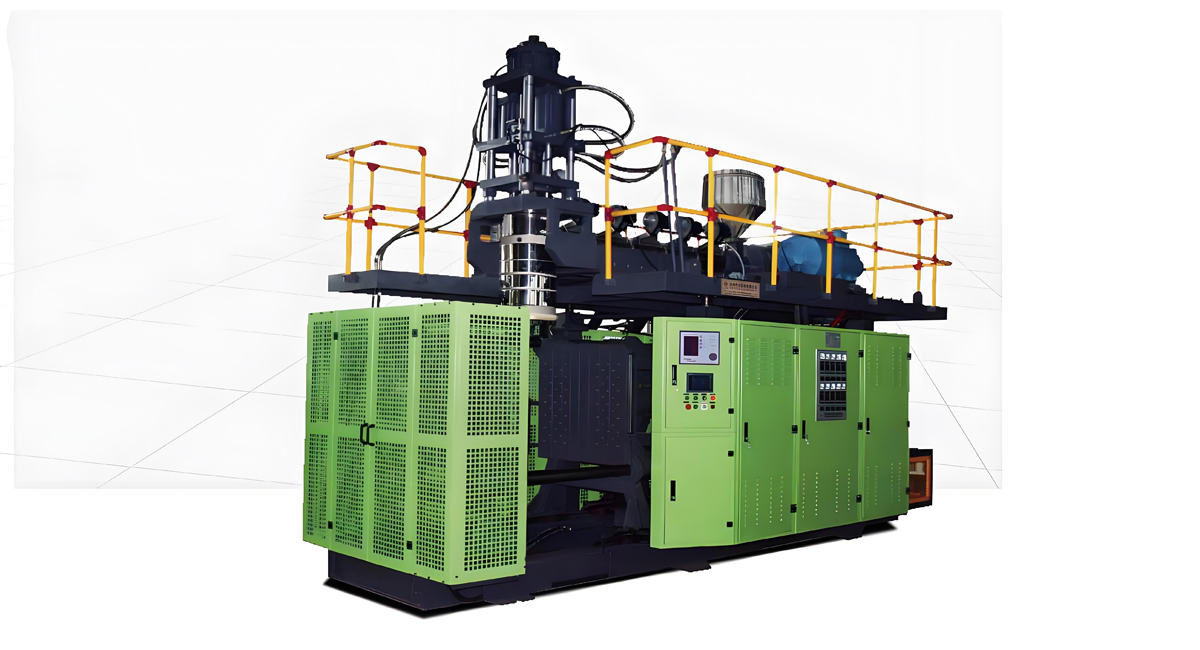
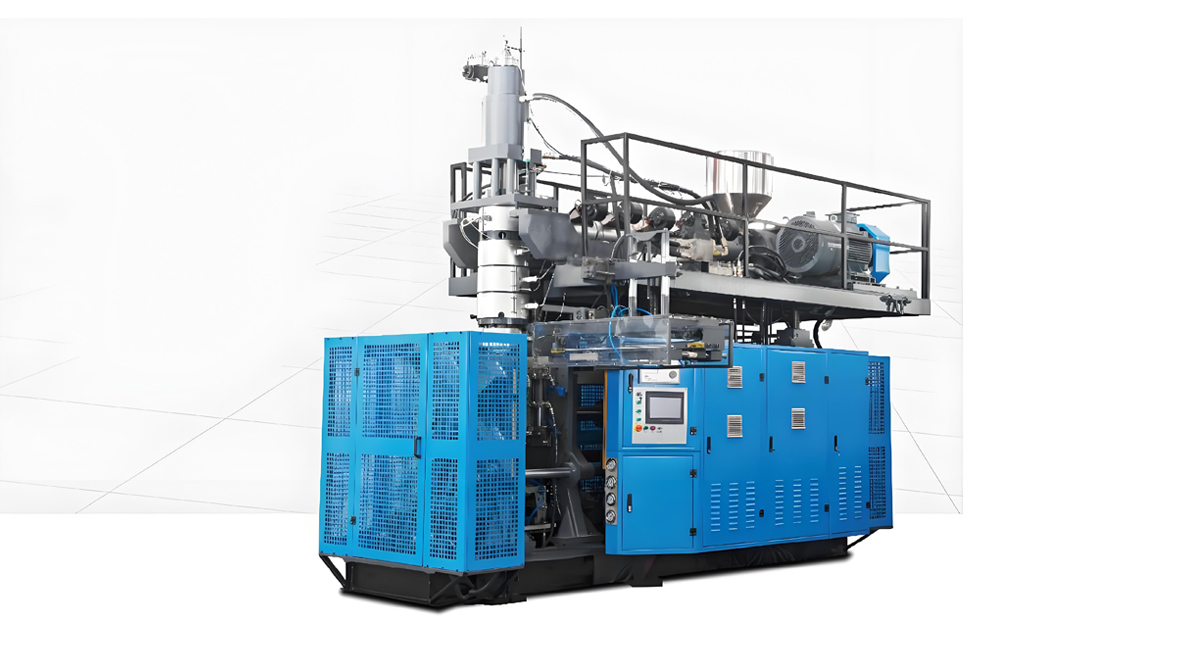
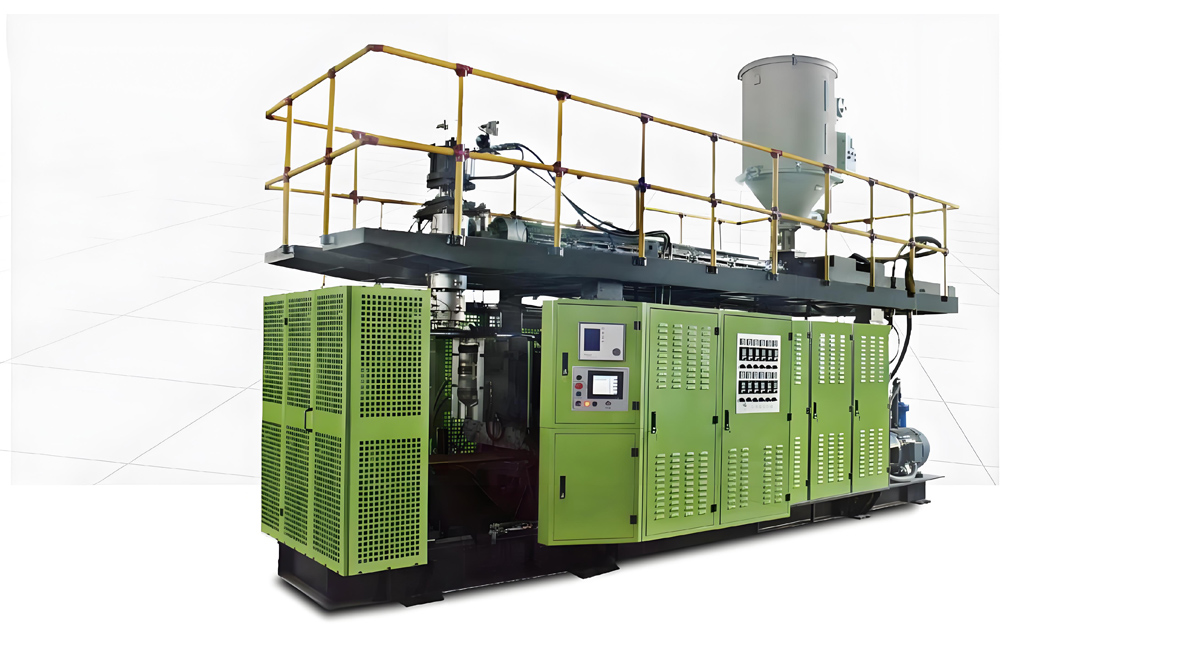
- 6. Apollo ABLB Series: Continuous Extrusion Models
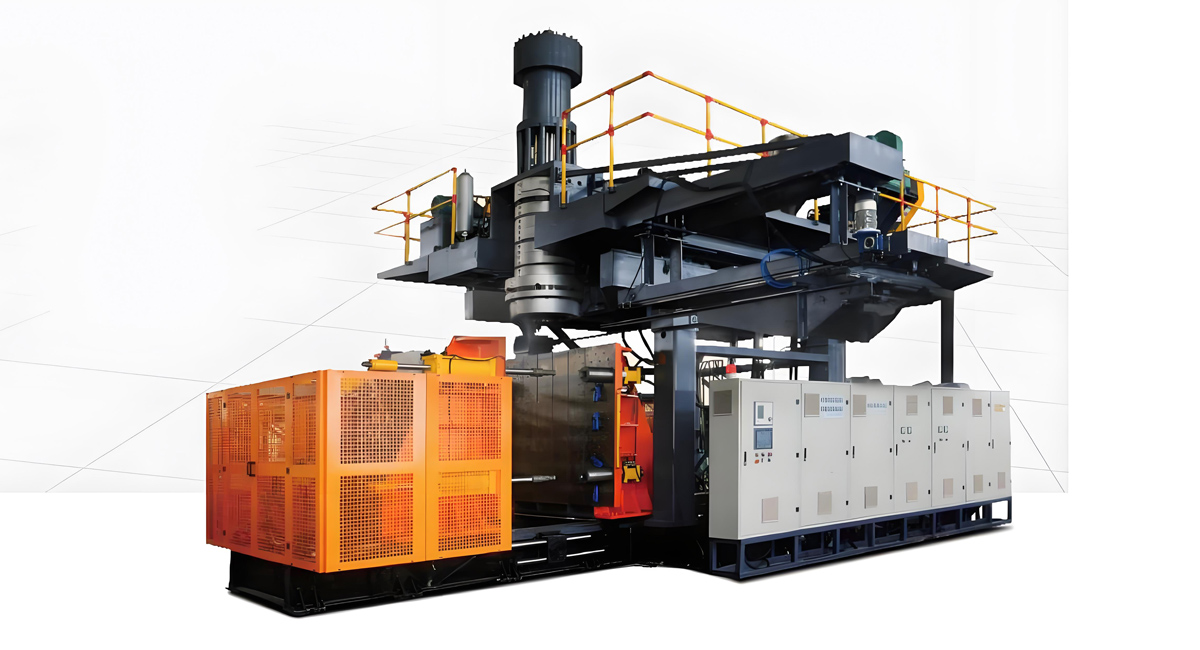
- 7. Apollo ABLD Series: Heavy-Duty Large-Container Models
- 8. Application Industries Across Russia and the CIS
- 9. Model Selection Guide
- 10. Exporting to Russia: Certification, Logistics and Support
- 11. Cold-Condition Faults and Countermeasures
- 12. Frequently Asked Questions
- 13. Conclusion
Russian and CIS Market Conditions for Extrusion Blow Molding
The Russian market and the wider Commonwealth of Independent States region present one of the most demanding operating environments in the world for plastic processing equipment. An extrusion blow molding machine that performs reliably in a climate-controlled plant in Western Europe or Southeast Asia will frequently fail within weeks if it is shipped to a Russian production site without the correct cold-climate engineering. Apollo, a Wanplas factory with more than 20 years of experience in extrusion blow molding, has supplied over 4,000 machines to more than 90 countries, and a substantial share of that export volume has gone to cold-weather regions where winter operation is not an exception but the normal condition for most of the year.
Understanding the real conditions on the factory floor is the first step toward specifying the right machine. The single most important fact is that many Russian and CIS production halls are not uniformly heated. While administrative offices and finished-goods warehouses may be kept at comfortable temperatures, the extrusion blow molding workshop itself is often operated at ambient shop temperature because the process generates significant heat and because heating a large industrial volume is expensive. In practice this means the machine must start and produce good parts when the surrounding air is close to freezing and must continue to run when the shop is well below the temperature that most international equipment is validated against.
Workshop temperature envelope
The realistic temperature envelope for an unheated or partially heated blow molding shop in Russia and the CIS spans from approximately minus 10 degrees Celsius to plus 5 degrees Celsius during the heating season, and in remote sites, unheated storage buildings, or open-sided fabrication areas the temperature at the machine can drop to minus 25 degrees Celsius before any local heating is applied. This is fundamentally different from the plus 18 to plus 25 degrees Celsius ambient that most standard machine designs assume. At minus 25 degrees Celsius, hydraulic oil thickens, seals lose elasticity, electrical enclosures accumulate condensation when briefly warmed, and steel structures become noticeably more brittle under impact. A machine rated only for temperate-climate operation will suffer slow starts, erratic parison control, and accelerated wear.
Power supply reality
The nominal grid in Russia and most CIS countries is 380 volts at 50 hertz, which matches the standard three-phase industrial supply used across continental Europe and much of Asia. The difficulty is not the nominal voltage but its stability. Voltage sag, phase imbalance, and transient surges are common, especially in older industrial zones, mining regions, and sites fed from long rural distribution lines. Measured deviation at the machine inlet can reach plus or minus 15 percent, and momentary drops during compressor starts or crane operation are routine. An extrusion blow molding machine specified for this market therefore needs a wide-tolerance power section, reinforced drive protection, and surge suppression so that a weak grid does not translate into scrap parts or a tripped controller.
Certification and compliance framework
Equipment placed on the Russian and CIS market must satisfy the EAC conformity system, which is built on the Technical Regulations of the Customs Union, commonly written as TR CU. The three technical regulations that directly govern a blow molding machine are TR CU 010/2011 for machine safety, TR CU 004/2011 for low-voltage equipment, and TR CU 020/2011 for electromagnetic compatibility. In addition, GOST R national standards remain widely referenced by end users, inspectors, and procurement specifications. The human-machine interface and all nameplates, warning labels, and operating instructions must be in the Russian language. A machine that arrives with only English or Chinese markings cannot be commissioned legally and will be rejected at customs or during the acceptance inspection.
| Condition | Typical value in Russia and CIS | Effect on an extrusion blow molding machine |
|---|---|---|
| Heated workshop ambient | minus 10 to plus 5 degrees C | Standard hydraulic oil thickens; cold starts become slow and uneven |
| Unheated or remote site | down to minus 25 degrees C | Seals stiffen, condensation forms on warm-up, steel impact toughness drops |
| Grid voltage | 380 V, 50 Hz, deviation up to plus or minus 15 percent | Drives and heaters need wide tolerance and surge protection |
| Mandatory certification | EAC under TR CU 010, 004, 020 | Machine must ship with EAC documentation package |
| Language requirement | Russian HMI and nameplates | English or Chinese-only labels block legal commissioning |
| Referenced national standard | GOST R | Often cited in buyer specifications and acceptance tests |
The combination of low ambient temperature, unstable voltage, and a mandatory Russian-language certification package means that a successful Russia-bound extrusion blow molding machine is not a standard temperate-climate model with a translated label. It is a deliberately engineered variant. The following sections explain exactly which subsystems must be modified and why, then present the real Apollo machine series that already incorporate these adaptations.
Cold Climate Machine Modifications
Adapting an extrusion blow molding machine for cold-climate operation is a system-level task. No single change solves the problem. The hydraulic circuit, the electrical cabinet, the sealing materials, the compressed-air system, the cooling circuit, and the structural steel all behave differently at low temperature, and each must be addressed with a specific, verifiable countermeasure. The engineering goal is simple to state but difficult to achieve: the machine must reach stable production within a short warm-up window and then hold that production quality through a 24-hour winter shift.
Hydraulic oil grade and tank heating
The hydraulic system is the subsystem most vulnerable to cold. A conventional anti-wear hydraulic oil of ISO grade VG46, which is perfectly adequate in a temperate plant, becomes sluggish below plus 10 degrees Celsius and may not circulate at all near freezing. For Russian operation Apollo specifies a low-temperature hydraulic oil of ISO grade VG32, which retains pumpable viscosity at minus 20 degrees Celsius and reduces the load on the pump during cold starts. More important than the oil grade alone is the tank heater. An integrated oil tank heating jacket or immersion heater brings the hydraulic fluid to a safe operating temperature before the pump is allowed to build pressure. Without this, the first cycles of the day run with starved lubrication and elevated pump wear.
Pre-start warm-up procedure
Cold start must be a controlled procedure, not a scramble to make parts. The recommended sequence begins with the hydraulic tank heater, then the barrel and die head zone heaters, then the electrical cabinet heater, and only after the fluid and melt temperatures are within window does the operator initiate parison extrusion. Apollo machines for this market store a dedicated cold-start recipe in the control system that extends barrel dwell time, lowers initial screw speed, and stretches the first few cooling cycles so that thermal equilibrium is reached gradually. This protects the gearbox, the screw, and the mold surfaces from thermal shock.
Servo and inverter low-temperature startup
Modern extrusion blow molding machines use servo or inverter-driven auxiliary motions such as the clamp, the blow pin, and the parison programmer. These drives contain electrolytic capacitors and power semiconductors that age faster when energized from a cold state. The cold-climate strategy is to hold the drive cabinet above its minimum operating temperature with a small cabinet heater, and to ramp the drive output gently during the first minutes. Where the main extruder uses an inverter, a wide-input-range drive tolerates the plus or minus 15 percent grid fluctuation without faulting, which is essential when the local supply sags during winter peak demand.
Electrical cabinet heating and condensation control
The most insidious cold-weather failure is condensation. When a cold cabinet is briefly warmed by a space heater, moisture in the air condenses on the circuit boards and relay contacts, causing intermittent faults that are almost impossible to diagnose after the cabinet dries. The correct approach is to maintain a continuous low-wattage heating element inside the enclosure so the internal temperature never falls below the dew point of the local air, combined with a controlled ventilation path that prevents humid outside air from entering. Apollo configures the cabinet heater on a thermostat tied to the same Russian-language HMI that the operator already uses.
Seal material selection
Hydraulic and pneumatic seals are usually supplied in nitrile rubber, known as NBR, which is economical and chemical resistant but which stiffens and loses resilience below about minus 10 degrees Celsius. For Russian operation the seal package is upgraded. Where temperatures stay moderate, a low-temperature NBR compound rated to about minus 35 degrees Celsius is sufficient. For the harshest sites, fluorocarbon rubber, known as FKM, is specified for critical seals because it retains flexibility and chemical resistance at low temperature, though its brittleness point is still a design limit that must be respected. The trade-off is cost and compatibility: FKM is more expensive and is attacked by certain amines and some aggressive media, so the choice between low-temperature NBR and FKM is made per circuit and per process fluid rather than as a blanket upgrade.
Compressed-air dewatering and freeze protection
Blow molding consumes compressed air for parison blowing, part ejection, and sometimes for mold cooling assist. In a cold shop the moisture in the air line can freeze inside valves and blow pins, blocking the small orifices and stopping production. The countermeasure is a proper air preparation chain: a refrigerated or desiccant dryer, a coalescing filter, and a drain point positioned so that condensed water cannot reach the machine. Where the line runs through an unheated space, trace heating or a heated jacket prevents ice plugs. Apollo specifies the air preparation unit as part of the machine package rather than leaving it to the buyer’s site plumbing.
Cooling water antifreeze ratio
The mold cooling circuit normally circulates water, but standing water in a cold shop freezes and cracks the mold or the chiller. The cooling loop is filled with a propylene-glycol-based antifreeze mixture at a ratio chosen for the local minimum temperature, typically in the range of 30 to 40 percent glycol for a minus 25 degrees Celsius site. Propylene glycol is preferred over ethylene glycol for plants that also handle food or pharmaceutical containers because it is lower in toxicity. The mixture changes the heat-transfer coefficient slightly, so the cooling time estimate is recalculated with the actual fluid properties rather than assumed water values.
Structural steel low-temperature toughness
The machine base, the clamp frame, and the platens are steel structures that must absorb the impact of high clamp force and the vibration of continuous operation. At low temperature ordinary structural steel loses impact toughness, measured by the Charpy test, and can crack under shock loading. Apollo specifies steel grades with verified Charpy impact values at minus 20 degrees Celsius for the load-bearing frame of heavy-duty models, and the weld procedure is qualified for low-temperature service so that the fabricated structure remains ductile through the Russian winter. This is invisible to the operator but is what keeps a 24/7 production line from developing fatigue cracks in its backbone.
| Subsystem | Cold-climate modification | Purpose and benefit |
|---|---|---|
| Hydraulics | VG32 low-temperature oil plus tank heater | Pumpable fluid at minus 20 C; protected cold start |
| Startup logic | Stored cold-start recipe and staged warm-up | Gradual thermal equilibrium, no thermal shock |
| Servo and inverter | Cabinet heat plus wide-input drive | Tolerates grid swing, protects capacitors |
| Electrical cabinet | Thermostatic internal heater, sealed ventilation | Prevents condensation and intermittent faults |
| Seals | Low-temperature NBR or FKM where needed | Retains flexibility below minus 10 C |
| Air system | Dryer, coalescing filter, drain, trace heat | No frozen orifices in blow pins and valves |
| Cooling loop | Propylene glycol antifreeze 30 to 40 percent | No frozen mold or cracked chiller |
| Frame steel | Charpy-verified grade at minus 20 C | Ductile structure under shock and vibration |
Each of these modifications is a standard engineering option, not an experimental retrofit. When they are specified together as a cold-climate package, the machine leaves the factory already validated for the conditions it will meet on arrival, which is the difference between a line that runs on the first winter morning and a line that spends its first month in the service bay.
What Defines a Heavy-Duty EBM Duty Cycle
Beyond cold climate, the Russian and CIS market places strong emphasis on heavy-duty, continuous operation. Many buyers are not running a single-shift consumer-goods line; they are supplying automotive plants, agricultural cooperatives, and chemical distributors that expect year-round, uninterrupted delivery. The phrase heavy-duty, applied to an extrusion blow molding machine, has a precise engineering meaning, and it is worth defining it before discussing models.
Continuous three-shift operation
A heavy-duty machine is built to run 24 hours a day, seven days a week, through three shifts, with only planned maintenance stops. This demands a robust lubrication system, a drive train sized with thermal margin, and a control system that logs operating hours and predicts service intervals. The clamp, the extruder gearbox, and the hydraulic pump are the components that suffer most from continuous duty, so each is specified with a service factor above what a single-shift machine would receive.
Large-volume and thick-wall products
Heavy-duty also means large containers. While a standard line may focus on one-liter bottles, the Russian market needs 20-liter and 30-liter jerry cans, chemical drums, and even larger industrial vessels. These parts have thick walls, long cooling times, and high clamp force requirements. The machine must hold a large parison without excessive sag, fill a big mold quickly through an accumulator head, and clamp with enough force to keep the parting line sealed against internal blow pressure.
Reinforced clamp and platen system
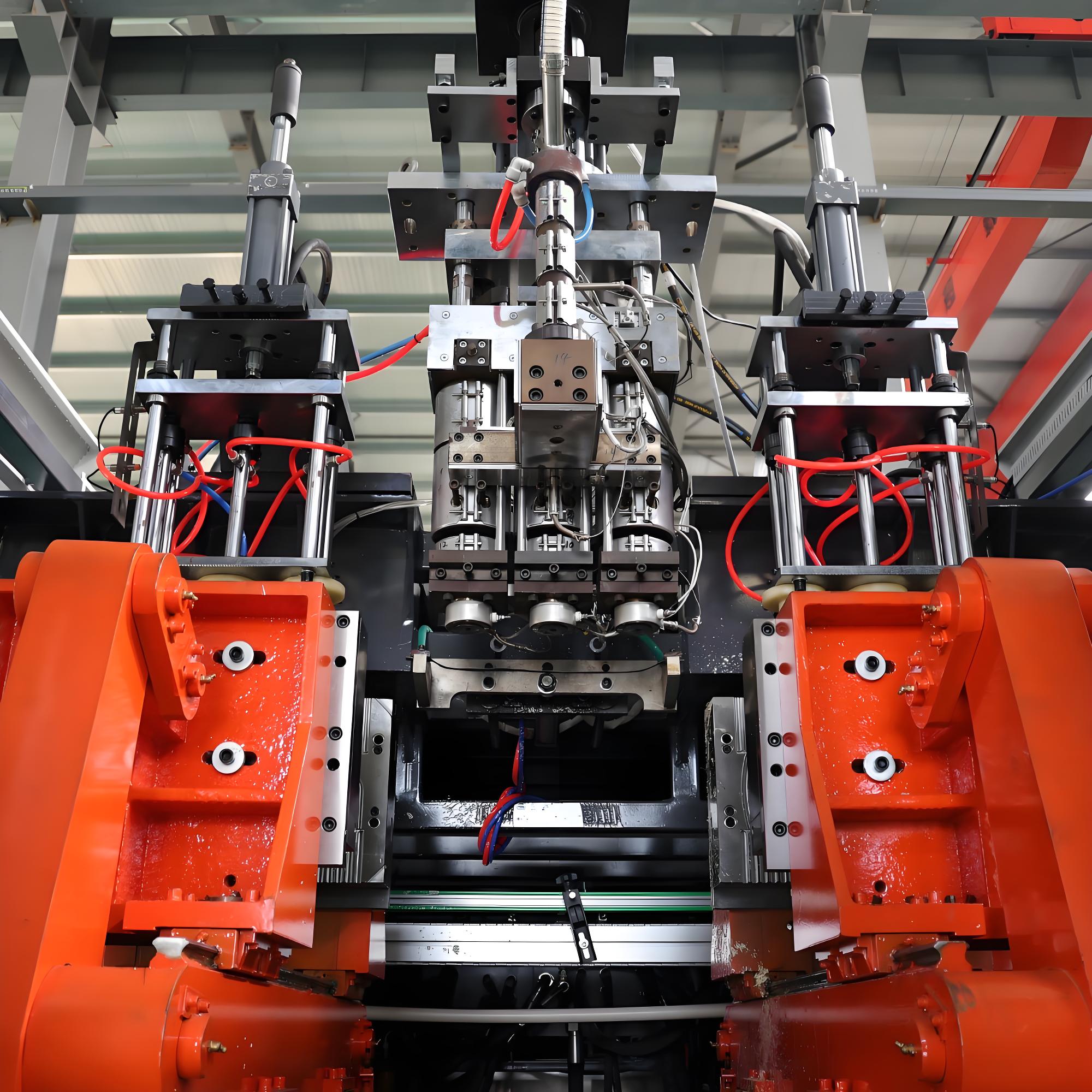
The clamping system is where heavy-duty design is most visible. A continuous-extrusion machine for large parts uses a reinforced toggle or a direct hydraulic clamp with oversized tie bars and guide columns. The guide columns, often called the platen guide system, are thickened and hardened to resist the bending moment of an off-center mold. The tie bars themselves use a high tensile grade with generous diameter so that platen deflection stays within tolerance under full clamp force. Apollo’s heavy-duty models add a third or fourth guide column on the largest frames to keep the platen stable during the high-speed close that a 24/7 line demands.
Frame rigidity and platen parallelism
Rigidity is not a slogan; it is a measurable property. The machine base is a welded steel structure that must not deflect under clamp load, because deflection translates directly into platen tilt. Platen parallelism tolerance is held to a tight band, commonly within a fraction of a millimeter across the platen face, because any tilt produces uneven wall thickness, flash at one corner, or premature mold wear. On heavy-duty frames the parallelism is checked with a laser or dial-indicator survey at the factory and recorded in the machine acceptance file. The result is a parting line that stays straight through millions of cycles.
Why this matters for the Russian buyer
The combination of cold climate and heavy duty is what separates a true industrial machine from a light commercial one. A buyer who runs antifreeze bottles on a single shift in a heated shop has very different needs from a buyer who runs 30-liter chemical jerry cans three shifts a day in a minus 15 degrees Celsius hall. Apollo designs both, but the Russia-focused configuration is the heavy-duty cold-climate variant, and that is the machine described in the product sections below.
Typical Russian Market Hollow Products
The demand profile for hollow plastic products in Russia and the CIS is shaped by the climate, the automotive industry, agriculture, and the chemical sector. The following product families are the workhorses of the regional market and the ones most often quoted to Apollo’s engineering team when a line is specified.
Antifreeze and coolant bottles
Automotive antifreeze, also called coolant, is sold in one-liter and five-liter high-density polyethylene bottles. These are high-volume products with strong seasonal demand ahead of the winter, and they must resist the mild chemical action of the ethylene-glycol-based fluid. The one-liter size is a fast-cycling bottle; the five-liter size needs a wider parison and a more careful cooling balance to avoid warpage of the handle or shoulder.
Engine oil bottles
Passenger-car and commercial-vehicle engine oil is packaged in four-liter and five-liter bottles, almost always HDPE, frequently with a molded handle and a tamper-evident neck. These bottles require a clean neck finish for the cap seal and consistent wall thickness so the bottle does not bulge on the shelf. The four-liter and five-liter sizes are ideal candidates for the mid-range continuous extrusion models.
Jerry cans of 20 and 30 liters
The twenty-liter and thirty-liter jerry can is one of the defining Russian and CIS products. It carries water, fuel, lubricants, and agricultural fluids, and it is expected to survive rough handling, stacking, and freezing without leaking. These cans have integrated handles, thick walls, and high drop-test requirements. They are produced on heavy-duty machines with accumulator heads because the parison volume is too large for a simple continuous head to deliver cleanly.
Agricultural chemical drums
Agrochemical distributors use medium and large drums for fertilizers, plant-protection fluids, and adjuvants. These drums need chemical resistance and, for certain solvent-based products, a barrier layer. They are a natural fit for the large-container heavy-duty series and for multilayer co-extrusion where a tie and barrier layer are required.
Drinking water bottles and large water containers
Bottled drinking water in Russia ranges from small personal bottles to nineteen-liter and larger returnable water bottles, and to bulk water storage tanks. The nineteen-liter bottle is a high-volume, high-hygiene product that benefits from a clean, controlled parison and a well-ventilated cooling cycle. Larger water tanks move into the ABLD heavy-duty range.
Chemical drums and automotive reservoirs
Industrial chemical drums, windshield-washer fluid tanks, coolant expansion bottles, and fuel-system reservoirs are steady demand. Many of these are under-the-hood or under-body automotive parts that must pass low-temperature impact tests because a reservoir that cracks at minus 30 degrees Celsius in a parked car is a warranty disaster. This is where low-temperature-impact-modified HDPE earns its place in the resin specification.
Road barrier water-filled modules
Traffic management uses water-filled road barriers, known locally as water-filled traffic barriers or road channelization modules, which are large hollow shells filled with water for weight. These are big, thick-walled, and cost-sensitive, and they are produced on the largest heavy-duty machines. They are an excellent example of a product where machine rigidity and accumulator capacity dominate the specification rather than fine bottle aesthetics.
Materials and Processing for Cold-Rated HDPE
High-density polyethylene is the dominant resin for the Russian hollow-goods market because it combines toughness, chemical resistance, low cost, and recyclability. For cold-climate end use, however, not every HDPE grade is suitable. The material specification and the machine process parameters must be chosen together.
Blow-molding grade HDPE
The correct resin is a high-molecular-weight blow-molding grade of HDPE with a melt flow rate in the range of 0.2 to 0.4 grams per ten minutes. A low melt flow rate means high molecular weight, which gives the melt strength needed to hold a long parison without excessive sag and gives the finished part the environmental stress crack resistance and impact strength that chemical and automotive users require. Grades above about 0.4 grams per ten minutes are easier to process but weaker; grades below 0.2 are difficult to extrude cleanly on smaller screws. The 0.2 to 0.4 window is the practical sweet spot for the product range described above.
Low-temperature impact modification
Standard HDPE becomes brittle as temperature falls, and a container that passes a room-temperature drop test can shatter at minus 30 degrees Celsius. For Russian winter use the resin is selected or modified for low-temperature impact performance, typically through a controlled molecular distribution or through the addition of a compatible impact modifier that preserves melt strength while lowering the brittle-ductile transition. The target is a part that survives a filled drop test at the local winter temperature, not merely at the lab temperature.
Multilayer barrier with EVOH or PA
Fuel containers, solvent drums, and certain agrochemical packages need to block hydrocarbon permeation. A monolayer HDPE wall allows slow fuel passage; a multilayer structure with an ethylene-vinyl alcohol copolymer, known as EVOH, or a polyamide, known as PA, barrier layer reduces permeation by orders of magnitude. The barrier layer is sandwiched between HDPE layers with a tie resin so the structure remains weldable at the parting line. This is a co-extrusion task: the machine uses multiple extruders or a multi-manifold head to combine the layers into a single parison. Apollo’s process know-how covers the layer ratio and the tie-layer selection, while the head and screw configuration are matched to the resin system.
Surface fluorination and sulfonation
An alternative to a barrier layer is a surface treatment of the finished bottle that improves resistance to hydrocarbon permeation and to solvent attack. Fluorination exposes the warm parison or the finished container to a fluorine-containing gas, which replaces hydrogen atoms on the polyethylene surface with fluorine and creates a thin fluorocarbon barrier. Sulfonation uses a sulfur-trioxide treatment to achieve a similar effect. Both are gas-phase surface modification processes applied in a treating chamber, not a change to the machine’s extrusion core. The blow molding machine supplies a clean, correctly shaped parison or bottle; the treating step is integrated downstream as a process module. These treatments are described here at the principle level and are offered as part of a complete line rather than as a stand-alone machine claim.
Die head temperature zoning
The extruder barrel and the die head are divided into temperature zones, typically running from about 165 degrees Celsius at the rear of the barrel to about 200 degrees Celsius at the die. The exact profile depends on the screw, the resin, and the layer structure. Too low a melt temperature gives poor parison fusion and weak welds; too high a temperature causes degradation, odor, and black specks. For cold-climate sites the zone temperatures are the same as temperate operation because the melt itself is hot; what changes is how fast the machine reaches those zones and how the surrounding cold air pulls heat from the exposed head. Apollo adds insulation and local heating to the die head so the setpoint is reached quickly and held steady.
Parison thickness control
A programmable parison controller varies the die gap during extrusion so the wall can be thick where the part needs strength, such as the handle and the base, and thin where material can be saved, such as the shoulder. This saves resin and balances cooling. For large cold-climate parts the programmer is essential because a uniform wall would either be too heavy at the base or too weak at the handle. The control system stores the parison program per recipe and recalls it with the Russian-language product name.
Blow pressure and cooling time
Blow pressure for these products is typically in the range of 6 to 10 bar. Higher pressure gives sharper detail and faster parison expansion but demands a tighter mold and a stronger clamp. Cooling time dominates the cycle for thick-walled cold-climate parts; a thirty-liter jerry can can spend far longer cooling than blowing. The cycle time is estimated from wall thickness, part volume, mold cooling capacity, and the actual antifreeze mixture properties in the cooling loop.
| Product example | Typical wall thickness | Blow pressure | Estimated cooling time | Estimated total cycle |
|---|---|---|---|---|
| 1 L antifreeze bottle | 0.4 to 0.6 mm | 6 to 8 bar | 4 to 6 s | 8 to 12 s |
| 5 L engine oil bottle | 0.6 to 0.9 mm | 7 to 9 bar | 8 to 12 s | 14 to 20 s |
| 20 L jerry can | 1.8 to 2.5 mm | 8 to 10 bar | 25 to 40 s | 45 to 70 s |
| 30 L chemical drum | 2.2 to 3.0 mm | 8 to 10 bar | 35 to 55 s | 60 to 95 s |
| 19 L water bottle | 1.2 to 1.8 mm | 7 to 9 bar | 18 to 28 s | 35 to 50 s |
Cycle estimates are based on a well-tuned mold and a propylene-glycol cooling loop; a water-only loop in a cold shop will behave differently and the estimate must be revalidated during commissioning. The point for the buyer is that cooling, not blowing, sets the throughput for thick-walled Russian products, which is why clamp rigidity and mold cooling design outweigh raw screw size in the specification.
Apollo ABLB Series: Continuous Extrusion Models
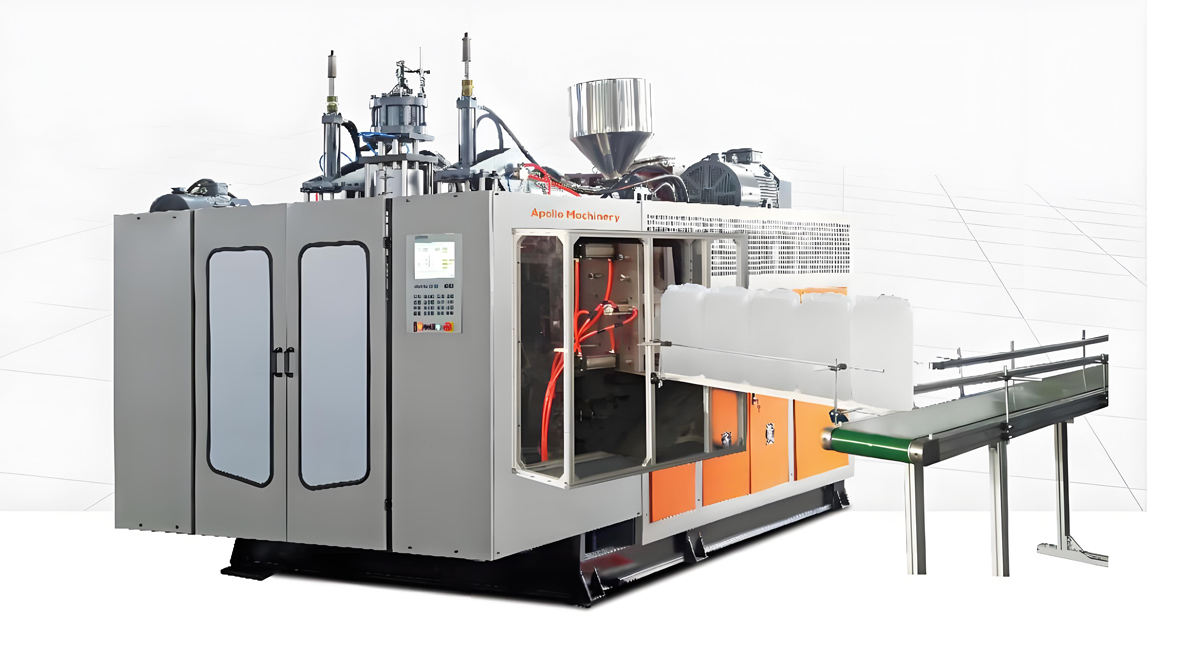
When the product falls in the 200 milliliter to 20 liter range, the Apollo ABLB series is the reference platform. It is a continuous extrusion blow molding series covering eight machine types within the 200 milliliter to 20 liter container band, configured for standard hollow goods such as bottles, jerry cans up to the smaller end, and shaped containers. For the Russian market the ABLB series is delivered as the cold-climate heavy-duty variant with the modifications listed in section 2 as standard or selectable options.
The ABLB series uses a single-screw extruder with a dampered parison programmer, a hydraulic or servo clamp, and a continuous or accumulator die head depending on the model. The series is modular: the same control architecture, the same Russian-language HMI, and the same cold-climate package apply across the range, so an operator trained on one ABLB model moves to another with minimal relearning. Below are representative specifications for three ABLB models that cover the most common Russian product sizes.
| Specification | ABLB 55 | ABLB 75 | ABLB 90 |
|---|---|---|---|
| Container volume range | 0.2 to 5 L | 0.5 to 10 L | 2 to 20 L |
| Clamping force | 55 kN | 75 kN | 100 kN |
| Screw diameter | 55 mm | 75 mm | 90 mm |
| Screw L/D ratio | 24:1 | 24:1 | 22:1 |
| Installed power | about 22 kW | about 37 kW | about 55 kW |
| Die head type | Continuous or accumulator | Continuous or accumulator | Accumulator head |
| Accumulator head capacity | 1.5 L option | 3 L option | 6 L |
| Number of stations | Single or double | Single or double | Single or double |
| Production rate example | up to about 900 units per hour for 1 L | up to about 500 units per hour for 5 L | up to about 240 units per hour for 10 L |
The ABLB 55 is the workhorse for one-liter and five-liter automotive-fluid bottles, the ABLB 75 covers the four-liter and five-liter engine-oil and agrochemical bottle range, and the ABLB 90 reaches the upper end of the series with ten-liter and twenty-liter containers and small jerry cans. All three accept the cold-climate package: VG32 hydraulic oil with tank heater, cabinet heater, low-temperature seals, dried and trace-heated air preparation, propylene-glycol cooling, and Charpy-verified frame steel on the heavier frames. The accumulator head option on the 75 and 90 lets the machine deliver a large parison in a single fast shot, which is what keeps cycle time under control for the thicker Russian containers.
Because the ABLB series is a continuous extrusion platform, it is the natural choice where the product mix is broad and changeovers are frequent. A Russian distributor who runs antifreeze bottles in winter and agricultural bottles in summer can hold one ABLB line and swap molds and recipes rather than hold two machines. The Russian-language recipe library stores each product by its local name, so the changeover is a menu selection plus a mold change, not a reconfiguration.
Apollo ABLD Series: Heavy-Duty Large-Container Models
For containers from 20 liters up to 1500 liters, the Apollo ABLD series is the heavy-duty platform. It is a three-type series built for large-capacity plastic containers and industrial products, and it is the machine most often specified for Russian jerry cans, chemical drums, water storage tanks, and road barrier modules. The ABLD is engineered from the ground up for the heavy-duty duty cycle described in section 3: reinforced clamp, oversized guide columns, rigid frame, and an accumulator head sized for a very large parison.
The defining feature of the ABLD is the accumulator head. Instead of extruding the parison continuously and cutting it, the machine plasticizes melt into a large accumulator and then pushes the entire parison into the open mold in one rapid stroke. This gives a short, controlled parison drop with minimal sag, which is exactly what a twenty-liter or larger part needs. The accumulator capacity scales with the model, and the hydraulic system that drives the accumulator stroke is sized for repeated high-force delivery through a 24/7 shift.
| Specification | ABLD 120 | ABLD 150 | ABLD 200 |
|---|---|---|---|
| Container volume range | 20 to 200 L | 100 to 500 L | 200 to 1500 L |
| Clamping force | 220 kN | 400 kN | 600 kN |
| Screw diameter | 120 mm | 150 mm | 200 mm |
| Screw L/D ratio | 20:1 | 20:1 | 18:1 |
| Installed power | about 90 kW | about 160 kW | about 280 kW |
| Die head type | Accumulator head | Accumulator head | Accumulator head |
| Accumulator head capacity | 20 L | 40 L | 80 L |
| Platen guide system | Reinforced, 2 guide columns | Reinforced, 2 guide columns | Heavy, 4 guide columns |
| Production rate example | about 60 to 90 cycles per hour for 20 L | about 25 to 40 cycles per hour for 200 L | about 8 to 15 cycles per hour for 1000 L |
The ABLD 120 covers the twenty-liter and thirty-liter jerry cans and small chemical drums that are the backbone of the Russian industrial-packaging market. The ABLD 150 reaches the large chemical and water drums and intermediate bulk containers. The ABLD 200 is the machine for the largest cold-climate products: bulk water tanks, large road barrier shells, and industrial vessels up to 1500 liters. All ABLD models carry the full cold-climate package as standard, because a machine this size that fails to start on a winter morning represents a far larger production loss than a small bottle line.
A note on the accumulator head parameters: the capacity figures above describe the melt volume the head can store and deliver in one stroke. The stroke time, the hydraulic pressure that drives the stroke, and the parison programmer that controls the die gap during the stroke are tuned per product so the wall distribution matches the part design. For a heavy-duty Russian line the accumulator head is not an option; it is the core of the machine, and its hydraulic drive is specified with the same continuous-duty service factor as the rest of the line.
Both the ABLB and ABLD series are part of the same Wanplas group engineering standard, which means shared quality systems, shared spare-parts policy, and shared Russian-language support. A buyer who starts with an ABLB line for bottles and later adds an ABLD line for drums keeps the same operator interface and the same service relationship.
Application Industries Across Russia and the CIS
Apollo extrusion blow molding machines serve a broad set of industries, and the cold-climate heavy-duty configuration is relevant to almost all of them in the Russian context. The application list below maps directly to the real application areas of the Apollo factory: food and beverage, daily chemical products, the chemical industry, building material, medical and pharmaceutical, automobile production, transportation, and cultural and sports goods.
| Industry | Typical Russian/CIS products | Recommended Apollo series |
|---|---|---|
| Food and beverage | Water bottles, edible-oil bottles, dairy containers | ABLB series |
| Daily chemical | Detergent bottles, shampoo, cleaner jerry cans | ABLB series |
| Chemical industry | Agrochemical drums, solvent containers, barrier cans | ABLB and ABLD series |
| Automobile production | Antifreeze bottles, reservoirs, washer-fluid tanks | ABLB series |
| Transportation | 20 L and 30 L jerry cans, fuel and water cans | ABLD 120 |
| Building material | Adhesive pails, sealant drums, water tanks | ABLD series |
| Medical and pharmaceutical | Sanitizer bottles, reagent containers | ABLB series |
| Road and public works | Water-filled road barrier modules | ABLD 200 |
The breadth of these applications is why a single Russian distributor or industrial group may operate both an ABLB line and an ABLD line under one roof. The cold-climate package is common to both, which simplifies the spare-parts inventory and the operator training. Where a buyer needs related downstream or auxiliary capability outside the blow molding scope, Wanplas, as the parent brand, supplies matched systems through its network of specialized factories, so the buyer deals with one quality standard rather than a patchwork of suppliers.
Model Selection Guide
Selecting the correct model starts from three numbers: the container volume, the required annual output, and the material. The table below converts those requirements into a recommended Apollo model. The annual output figures assume a realistic equipment utilization of about 80 percent across three shifts and a single-cavity mold unless noted; multi-cavity tooling raises output proportionally and is quoted per project.
| Product volume | Annual output target | Material | Recommended model |
|---|---|---|---|
| 0.2 to 1 L bottle | up to about 6 million per year | HDPE, standard or low-temp grade | ABLB 55, double station |
| 4 to 5 L bottle | up to about 3 million per year | HDPE, low-temperature impact | ABLB 75 |
| 10 to 20 L container | up to about 1.5 million per year | HDPE, heavy-duty grade | ABLB 90 or ABLD 120 |
| 20 to 30 L jerry can | up to about 500,000 per year | HDPE, chemical resistant | ABLD 120 |
| 100 to 200 L drum | up to about 150,000 per year | HDPE, barrier option | ABLD 150 |
| 500 to 1500 L tank | up to about 40,000 per year | HDPE, structural grade | ABLD 200 |
| Fuel or solvent container | project dependent | HDPE with EVOH or PA barrier | ABLD 120 or 150, multilayer |
The selection logic is straightforward. Small bottles go to the ABLB continuous series because the cycle is short and changeovers are frequent. Jerry cans and drums go to the ABLD accumulator series because the parison is large and the wall is thick. The largest tanks go to the ABLD 200 because only its clamp and accumulator can handle the shot. Material choice only shifts the recommendation when a barrier layer is required, in which case the machine is configured for co-extrusion with the appropriate tie and barrier resins. Apollo’s application engineers confirm the final selection against the buyer’s real part drawing, target output, and site conditions before the order is locked.
Exporting to Russia: Certification, Logistics and Support
Delivering a machine to a Russian or CIS buyer is a project, not a shipment. The technical machine is only one part; the documentation, the transport choice, the installation, and the long-term support determine whether the investment pays back. Apollo handles the export as a complete package under the Wanplas group service standard.
EAC documentation package
Every machine is supplied with the EAC conformity documents that cover TR CU 010/2011 for machine safety, TR CU 004/2011 for low-voltage equipment, and TR CU 020/2011 for electromagnetic compatibility. The package includes the declaration or certificate as applicable, the technical file, the Russian-language machine passport, and the wiring and hydraulic schematics in Russian. GOST R references that the buyer’s specification demands are cross-checked during the factory acceptance test. Shipping a machine without this package is the fastest way to lose a shipment at the border, so the documents are prepared before the machine leaves the plant.
Russian manual and operator training
The operating manual, the maintenance manual, and the HMI are all in Russian. Training is delivered on site during commissioning and can be repeated remotely. The training covers cold-start procedure, parison programming, mold change, daily maintenance, and the fault-response steps from section 11. Because the cold-climate package introduces a startup recipe and a cabinet heater that a temperate-climate operator may not expect, the training specifically walks through the winter morning sequence so the first cold start is uneventful.
Sea or rail transport choice
Two main routes serve the Russian market. Sea freight to a Baltic or Black Sea port followed by road or rail to the final site is typically the lower-cost option for a single machine and is well suited to the larger ABLD frames that exceed container dimensions and need flat-rack or open-top handling. Rail via the China to Europe freight rail link, often called the China-Europe railway, is faster and avoids some port handling, which reduces the risk of condensation damage to electrical cabinets during a long sea voyage in winter. For the cold-climate machines the rail option is attractive because the cabinet stays in a controlled environment longer and arrives drier. The choice is made per shipment based on delivery date, cost, and destination city.
Winter unpacking and lifting
A machine that arrives in winter must not be opened and powered immediately. The procedure is to let the machine equalize to the indoor temperature for a defined period before removing the protective wrapping, so that condensation forms on the outside of the wrap rather than inside the cabinet. Lifting and positioning follow the standard rigging plan, but the cold steel is more brittle, so impact during lifting is avoided and the guide columns are protected. Apollo’s installation engineers supervise this step or provide a detailed Russian-language procedure for the buyer’s crane crew.
Installation and commissioning
Commissioning includes leveling the frame, connecting the glycol cooling loop, filling the hydraulic tank with the specified low-temperature oil, calibrating the parison programmer, and running the cold-start recipe through several cycles with the actual Russian resin. The acceptance test measures platen parallelism, clamp force, cycle time against the estimate in section 5, and the first-article quality of the buyer’s container. Only after the buyer signs the acceptance does the warranty period begin.
Spare parts policy
Apollo, as part of the Wanplas group, provides USD 500 free parts every year under the group spare-parts policy, in addition to free replacement of damaged parts within the warranty. The cold-climate-specific items such as the cabinet heater, the tank heater, and the low-temperature seal kits are stocked so that a winter failure does not wait for a long international shipment. A recommended local spare-parts list is prepared during commissioning so the buyer holds the items most likely to be needed.
Remote operation and Russian-language support
The control system supports remote monitoring, so Apollo engineers can read the machine status and PLC data and assist with fault diagnosis without waiting for a site visit. Combined with the Russian-language HMI and manual, this keeps a remote winter line running when travel is slow. The support relationship is the same one that has placed more than 4,000 Apollo machines in over 90 countries, and for the Russian market it is backed by the Wanplas group service commitment.
Cold-Condition Faults and Countermeasures
Even a well-specified cold-climate machine will show characteristic faults if the site conditions or the startup discipline are wrong. The table below lists the five most common cold-condition problems on an extrusion blow molding line and the concrete countermeasure for each. These are the items emphasized in operator training.
| Fault in cold condition | Root cause | Countermeasure |
|---|---|---|
| Hydraulic response is sluggish at start | Oil too viscous; pump starved | Run tank heater to setpoint before pumping; use VG32 low-temperature oil |
| Parison sags or droops more than in summer | Head cools, melt stiffens, die gap drifts | Insulate and heat the head; re-tune parison program for cold head |
| Finished part cracks on low-temperature drop test | Resin not low-temp impact graded | Switch to low-temperature impact-modified HDPE; verify MFR window |
| Seal leakage after the first cold week | Standard NBR seals stiffened and cut | Replace with low-temperature NBR or FKM per circuit |
| Blow pin or valve frozen, no air | Moisture in air line iced in orifice | Dryer plus coalescing filter plus drain; trace heat the line |
Most cold-condition faults trace back to one of two causes: the machine was started before the fluids reached temperature, or the site air and cooling systems were not prepared for freezing. Both are prevented by the cold-climate package plus the disciplined startup procedure, which is why Apollo treats the procedure as part of the machine rather than as an optional note in the manual.
Frequently Asked Questions
What certification does an extrusion blow molding machine need for the Russian market?
The machine requires EAC conformity under the Technical Regulations of the Customs Union, specifically TR CU 010/2011 for machine safety, TR CU 004/2011 for low-voltage equipment, and TR CU 020/2011 for electromagnetic compatibility. The HMI and nameplates must be in Russian, and GOST R references are commonly checked during acceptance. Apollo supplies the full EAC documentation package with every Russian-bound machine.
Can a standard extrusion blow molding machine run in a minus 25 degrees Celsius workshop?
Not safely. A temperate-climate machine will suffer slow hydraulic starts, condensation faults, stiff seals, and potentially brittle frame behavior at that temperature. The correct approach is the cold-climate package: low-temperature hydraulic oil with tank heating, cabinet heating, low-temperature seals, dried and trace-heated air, propylene-glycol cooling, and Charpy-verified frame steel. With those changes the machine starts and runs through the winter shift.
Which Apollo model should I choose for 20 liter and 30 liter jerry cans?
The Apollo ABLD 120 is the reference model for twenty-liter and thirty-liter jerry cans and small chemical drums. It uses a 20-liter accumulator head and a 220 kN clamp, which delivers the large parison and the wall thickness these parts need. If the same line must also make smaller bottles, an ABLB model can run them, but the jerry cans themselves belong on the ABLD platform.
Why is an accumulator head used for large Russian containers?
A large jerry can or drum needs a parison far bigger than a continuous head can deliver cleanly without excessive sag. The accumulator head plasticizes melt into a storage chamber and pushes the whole parison into the mold in one fast stroke, giving a short, controlled drop with even wall distribution. This is why the ABLD series, built for 20 to 1500 liter containers, is centered on the accumulator head.
How does the unstable 380 volt grid affect the machine?
Voltage that swings by plus or minus 15 percent can fault a narrow-tolerance drive and upset heater control. Apollo specifies wide-input-range servo and inverter drives, surge suppression, and reinforced heater contactors so the machine tolerates the grid fluctuation without tripping. The cabinet heater and the tank heater are also protected so the cold-start sequence is not interrupted by a voltage sag.
What hydraulic oil grade is correct for Russian winter operation?
A low-temperature anti-wear hydraulic oil of ISO grade VG32 is specified instead of the VG46 used in temperate plants, because VG32 stays pumpable near minus 20 degrees Celsius. The tank heater brings the fluid to operating temperature before the pump builds pressure. The combination protects the pump and the valves during the cold start that defines a Russian winter morning.
How are spare parts handled for a machine in a remote Russian site?
Apollo provides USD 500 free parts every year under the Wanplas group policy, plus warranty replacement of damaged parts. Cold-climate-specific items such as the cabinet heater, tank heater, and low-temperature seal kits are stocked, and a recommended local spare-parts list is prepared at commissioning so the buyer holds the items most likely to fail in winter.
Can the same line produce both bottles and jerry cans?
Within a volume band, yes. The ABLB series covers 200 milliliters to 20 liters and can switch between bottle and small jerry-can molds using stored Russian-language recipes. For twenty-liter and larger jerry cans the ABLD series is required because of the accumulator head and clamp force. A buyer with both product types typically runs one ABLB line and one ABLD line sharing the same operator interface and service standard.
Conclusion
The Russian and CIS market rewards extrusion blow molding equipment that is engineered for two realities at once: a cold, volatile environment and a heavy, continuous duty cycle. A machine that meets only one of those tests will disappoint. The cold-climate package described here, from low-temperature hydraulic oil and tank heating through cabinet condensation control, low-temperature seals, dried air, glycol cooling, and Charpy-verified frame steel, converts a temperate-climate design into a winter-ready industrial line. The heavy-duty definition, from three-shift running to reinforced clamp, oversized guide columns, and tight platen parallelism, converts a light commercial machine into a 24/7 production asset.
Apollo, a Wanplas factory with more than 20 years in extrusion blow molding and over 4,000 machines running in more than 90 countries, delivers both qualities in one package. The ABLB series covers the 200 milliliter to 20 liter bottle and small-container range with continuous or accumulator heads, and the ABLD series covers 20 to 1500 liter jerry cans, drums, tanks, and road barrier modules with large accumulator heads and reinforced clamps. Both series ship with the EAC documentation package, Russian-language HMI and manuals, the Wanplas group spare-parts policy of USD 500 free parts per year, and remote support that keeps a remote winter line running.
If you are specifying an extrusion blow molding machine for Russia, the CIS, or any cold-climate heavy-duty application, send your container drawings, target annual output, and site conditions. Apollo’s application engineers will confirm the correct model from the ABLB or ABLD series, tune the cold-climate package to your local winter temperature, and prepare a commissioning plan that gets your line producing good parts on the first cold morning. You are welcome to visit the factory, review the machine on the test floor, and run a sample of your own container before the order is finalized.