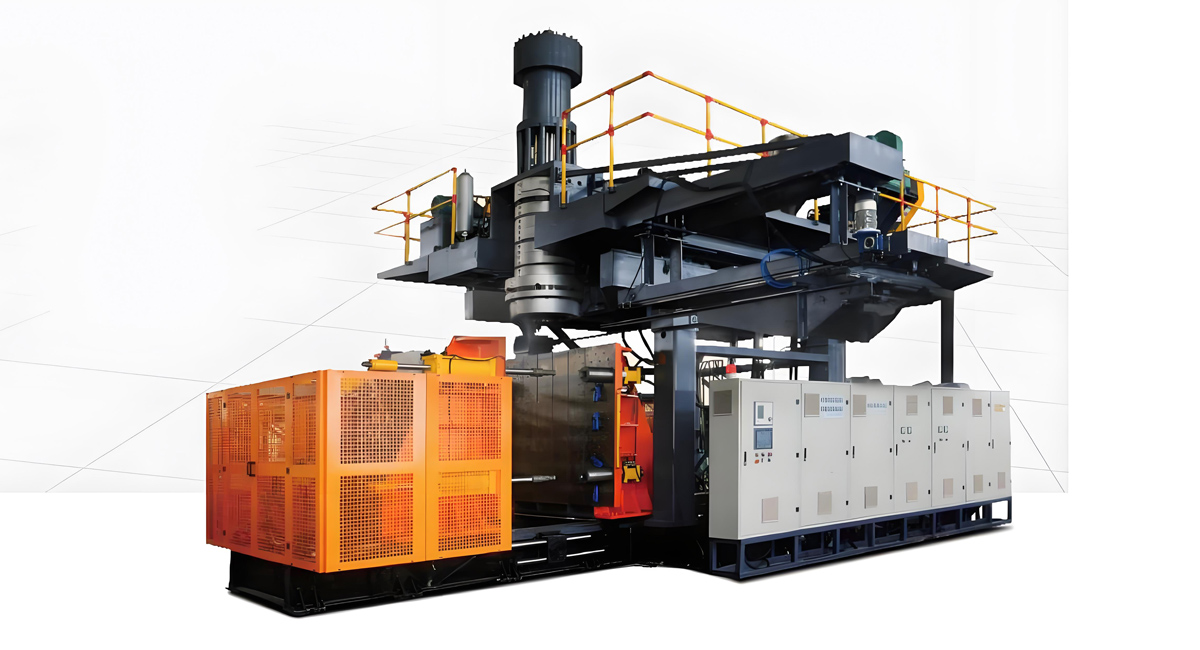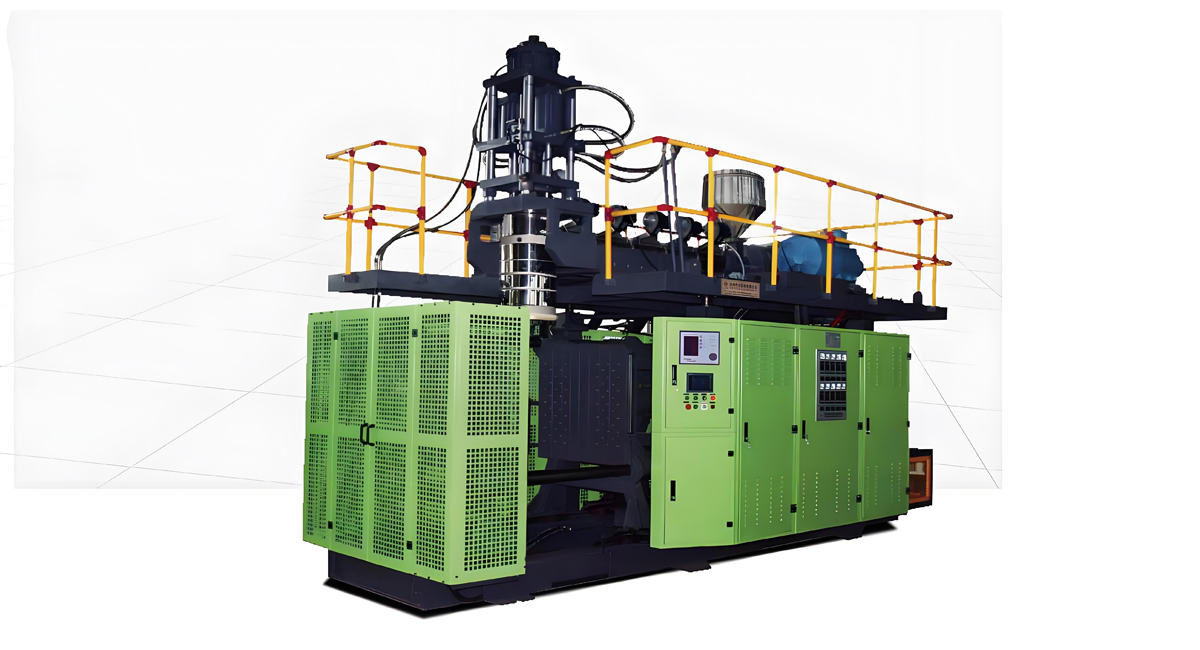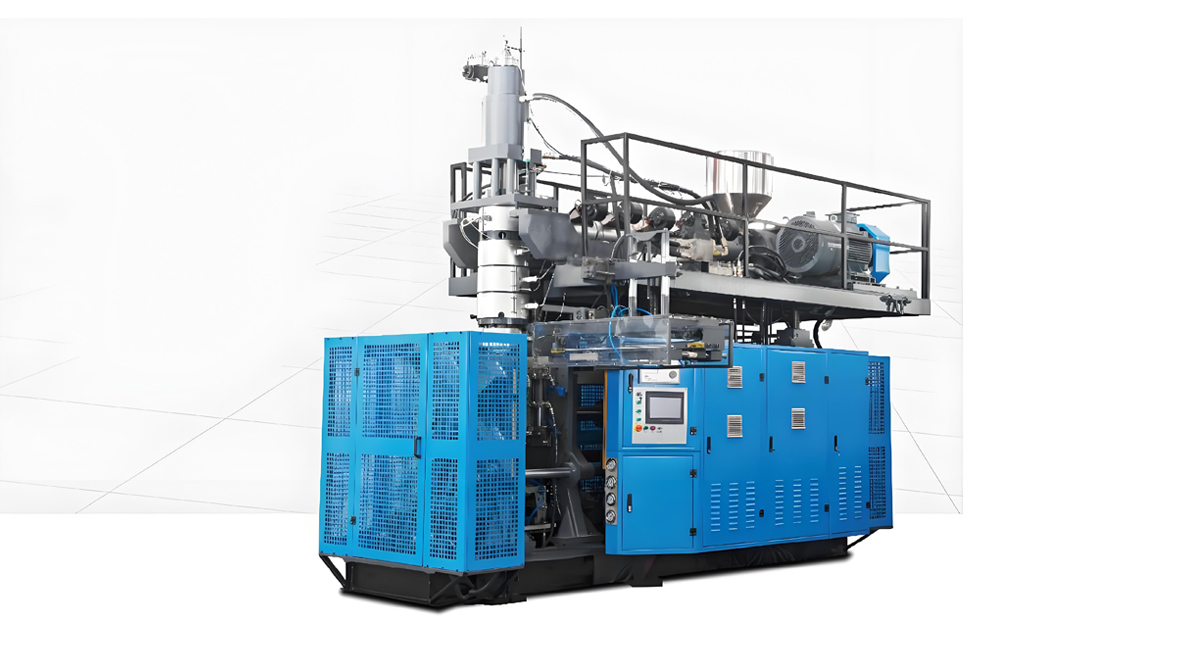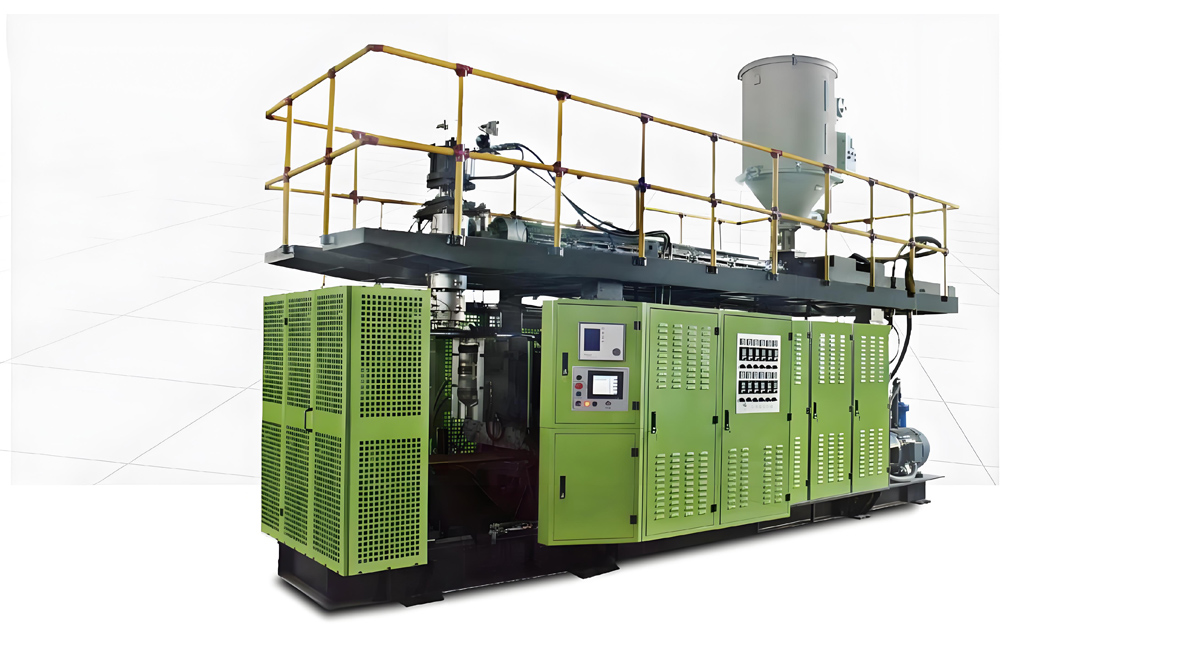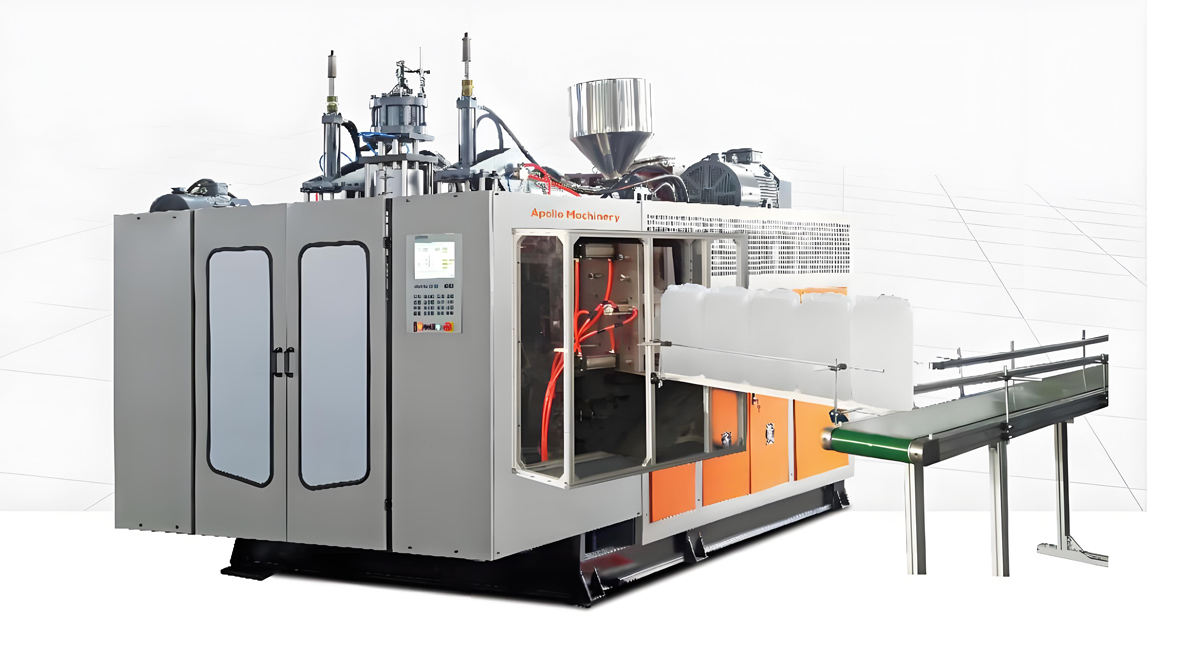

600ml Servo-Driven EBM Line: Uniform Wall Thickness for Fruit Juice Plastic Bottles

Table of Contents

Table of Contents

  • 1. Why Uniform Wall Thickness Decides Fruit Juice Bottle Quality
  • 2. How a Servo-Driven Extrusion Blow Molding Line Works
  • 3. The Physics of Wall Thickness Uniformity
  • 4. Parison Programmer and Servo Wall Thickness Control
  • 5. Parison Programming Calibration Procedure
  • 6. Apollo ABLB 55 — Standard EBM for 600ml Juice Bottles
  • 7. Apollo Fully Electric Series — The Servo-Driven Line
  • 8. 600ml Fruit Juice Bottle Specifications
  • 9. Material Selection for Juice Bottles
  • 10. Requirement-to-Model Selection Guide
  • 11. Capacity Planning and Output Calculation
  • 12. Service, サポート, and the Wanplas Parts Commitment
  • 13. Frequently Asked Questions
  • 14. Conclusion

Why Uniform Wall Thickness Decides Fruit Juice Bottle Quality

A fruit juice bottle is not a passive container. It protects vitamins, color, and flavor from light, oxygen, and heat while surviving filling, capping, palletizing, and retail handling. For a 600ml juice bottle produced on an extrusion blow molding line, the single most important quality variable is wall thickness uniformity. A bottle with uniform walls keeps resin use low, holds its shape under top load, resists drop impact, and gives the same barrier performance at every point. A bottle with uneven walls wastes material, develops weak spots, and fails on the shelf.

Apollo, a Wanplas factory, has built extrusion blow molding machines for more than twenty years from its base in Zhangjiagang near Shanghai, with over 4,000 machines running in more than 90 countries. Apollo specializes in automatic extrusion blow molding lines that form hollow plastic products from 200ml up to very large containers, and its servo-driven lines are designed to give processors repeatable, uniform wall thickness on small bottles such as the 600ml juice format. This article explains how a servo-driven extrusion blow molding line controls wall thickness, what specifications a 600ml juice bottle needs, and how to choose and size the right Apollo machine.

The primary keyword for this guide is servo-driven EBM line for fruit juice plastic bottles, and the central claim is simple: a servo-driven extrusion blow molding line lets you program wall thickness point by point so that every 600ml juice bottle leaves the mold with the same profile, the same gram weight, and the same protection. The rest of this article shows the machinery, the control method, the bottle specification, and the selection math.

How a Servo-Driven Extrusion Blow Molding Line Works

An extrusion blow molding line turns plastic pellets into a hollow bottle in three linked steps: melt the resin, form a tube of melt called a parison, and blow that parison against a cooled mold so it takes the bottle shape. A servo-driven line controls each step with programmable servo motors instead of fixed hydraulic or pneumatic action, which is what makes fine wall thickness control possible.

The extruder and barrel

Resin enters the hopper and feeds into the barrel, where a screw rotates to convey, compress, melt, and homogenize the plastic. The barrel is heated in zones so the melt reaches a stable temperature before it reaches the die head. In a servo-driven line the screw rotation is driven by a servo motor, so screw speed is exact and repeatable cycle to cycle. Stable melt temperature and stable screw speed are the first conditions for a constant parison, because variation in either one changes parison weight and swell.

The die head and parison formation

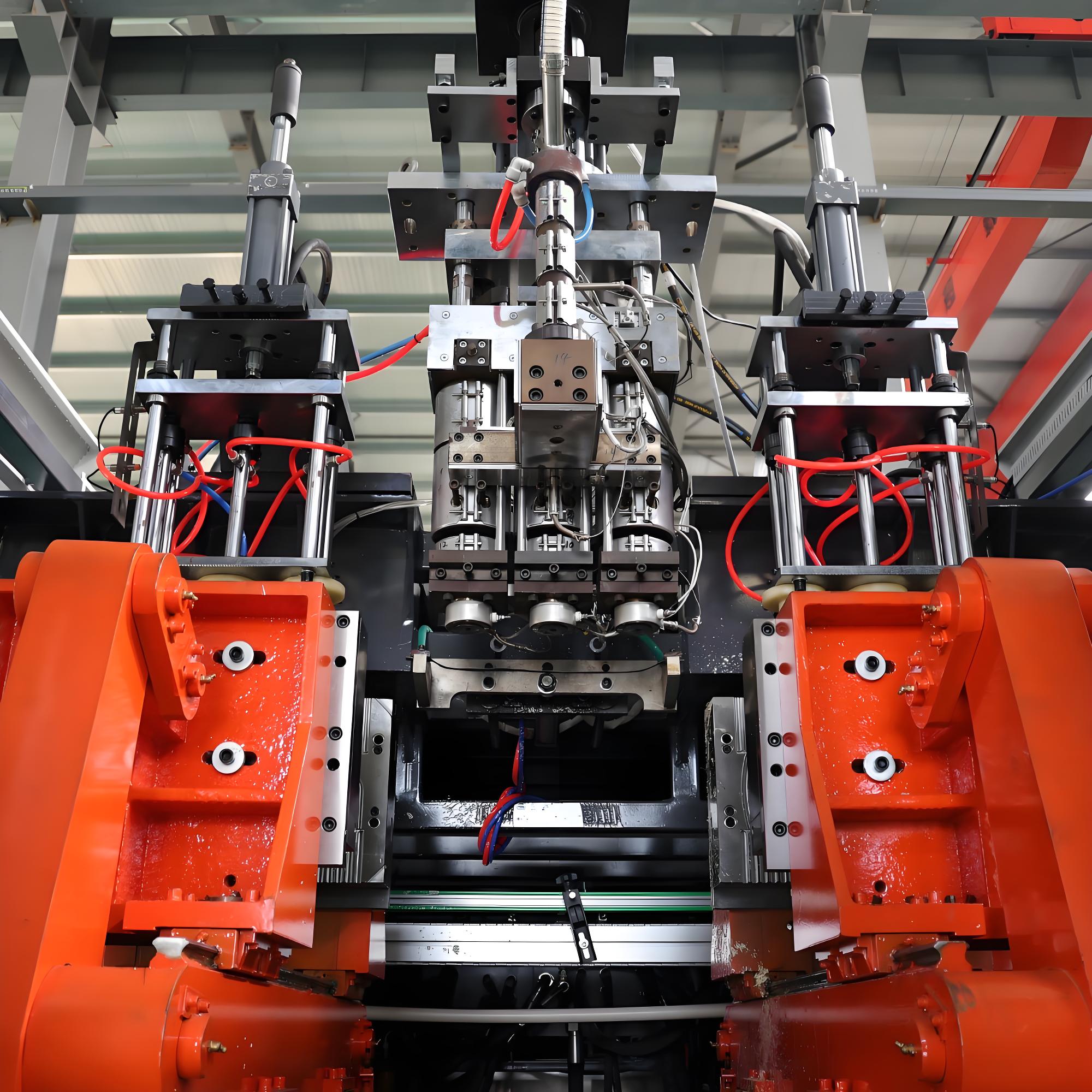
The melted plastic flows through the die head, a ring-shaped tool where a central mandrel and an outer die form a hollow tube. The gap between mandrel and die is the die gap, and the thickness of the parison wall is set by that gap plus how the mandrel moves during extrusion. In continuous extrusion blow molding the parison is extruded downward continuously while the mold closes around it. In accumulator blow molding a shot of melt is stored and pushed out quickly for large parts; for a 600ml bottle the continuous method is typical.

The blow station and mold clamping

Once the parison is captured by the closed mold, a blow pin injects low-pressure air. The parison stretches and presses against the cooled mold cavity, where it freezes into the bottle shape. The mold clamping force must hold the two halves together without flash. On a servo-driven line the clamp is also servo actuated, giving fast, consistent close and open motion with no hydraulic actuator drift.

Deflashing, cooling, and take-out

After the bottle sets, the mold opens and the take-out robot removes it. Extrusion blow molding leaves a tail and a moil at the bottle base and neck that are trimmed by an integrated deflashing device. The trimmed flash can be reground and reused in the process, which is one reason extrusion blow molding is economical for juice bottles. Cooling water controls mold temperature, and stable cooling keeps wall thickness and bottle weight steady.

Line sectionFunctionServo-driven advantage
Extruder and barrelMelt and homogenize resinExact, repeatable screw speed for stable parison weight
Die headForm the parison tubeProgrammable mandrel movement for wall profile
Blow stationExpand parison into bottleStable air timing and pressure
Clamp unitHold mold closedFast, drift-free close and open
Take-out and deflashRemove and trim bottleSynchronized motion reduces scrap

Servo drive versus hydraulic drive

The clearest way to see the value of a servo-driven extrusion blow molding line is to compare it with a conventional hydraulic line. A hydraulic line runs a fixed-speed pump that sends oil to valves; only part of the pumped flow is used at any moment, and the rest is dumped as heat. A servo-driven line spins the motor only when work is needed, so energy tracks the cycle. Beyond energy, the servo actuator that moves the mandrel for wall thickness control is faster and more linear than a hydraulic valve, which is why the parison program can be finer and the bottle more repeatable.

AttributeHydraulic EBM lineServo-driven EBM line
Energy useHigher, pump runs idleLower, motor on demand
Wall thickness controlCoarse, valve limitedFine, servo actuator
Contamination riskHydraulic oil presentOil free, cleaner
RepeatabilityDrift over shiftStable, recipe based
Noise and heatHigherLower
Investment levelMediumPremium

The Physics of Wall Thickness Uniformity

Wall thickness on a blow-molded bottle is decided while the parison is still molten, before the air ever touches it. Understanding why the wall varies is the first step to controlling it.

Parison weight and sag

The parison is a hanging tube of melt. Under its own weight it sags, so the bottom of the parison is thinner than the top by the time the mold closes. Longer parisons sag more. A 600ml bottle is short, so sag is modest, but it is still the main reason a plain constant-gap head makes a bottle that is thicker at the neck and thinner at the base.

Die swell

When melt leaves the confined die gap it relaxes and expands. This die swell changes the wall thickness and diameter of the parison relative to the set gap. Die swell depends on resin type, melt temperature, and extrusion speed. A servo-driven line holds these inputs steady so swell is predictable and can be compensated in the program.

Melt temperature distribution

If one side of the head is hotter than the other, the melt there is thinner and flows faster, giving an uneven wall around the bottle circumference. Good head design balances flow so the melt arrives at the gap at a uniform temperature and pressure all the way around the ring. This circumferential balance, often called melt distribution, is what keeps the bottle round and even.

Where wall thickness matters most on a juice bottle

On a 600ml juice bottle the critical zones are the shoulder, the body sidewall, and the base. The shoulder takes stress during capping and filling. The sidewall must block light and resist top load in a stacked carton. The base must survive drop impact. A well-programmed parison puts slightly more material at the shoulder and base and keeps the sidewall lean, which is exactly how you cut gram weight without cutting protection.

Practical rule: for a non-carbonated juice bottle, target a sidewall around 0.35mm to 0.55mm in a single-layer HDPE or PP structure, with local reinforcement at the shoulder and base. Exact values depend on resin, drop requirement, and filling temperature, and should be confirmed by bottle drop and top-load testing.

Circumferential variation and ovality

Aside from lengthwise profile, a bottle can vary around its circumference, which shows up as ovality or thin and thick sides. This comes from unbalanced melt distribution in the head or from uneven clamp pressure. The fix is head design first and program second, because no parison programmer can correct a circumferential imbalance that is built into the flow. A round, even bottle is the combined result of balanced melt distribution and a correct program, which is why Apollo pays close attention to head flow geometry.

Parison Programmer and Servo Wall Thickness Control

Uniform wall thickness is achieved by a parison programmer: a controller that changes the die gap while the parison extrudes, point by point along its length. A servo-driven line moves the mandrel with a high-response servo-valve actuator, which is the heart of modern wall thickness control.

How the parison programmer works

The programmer divides the parison into a series of points, typically 30 to 256, from the start of extrusion to the end. For each point the operator sets a wall target. The controller drives the servo actuator to shift the mandrel inward or outward, narrowing or opening the die gap, so the parison is thick where you want strength and thin where you want to save resin. The profile is saved as a recipe and repeated every cycle.

Head gap and servo wall thickness control

The head gap is the physical distance between mandrel and die. In a servo wall thickness control system the mandrel position is not fixed; it is commanded by the programmer through a servo valve and a precision actuator. Because the actuator responds in milliseconds, the line can follow a fine profile even at high extrusion speed. This is the difference between a bottle that varies gram to gram and one that stays on target all shift.

Melt distribution and flow balance

Even the best programmer cannot fix a head that distributes melt poorly. The die head must split the melt into multiple flow paths and rejoin it symmetrically so pressure and temperature are equal around the ring. Good melt distribution removes the circumferential variation that a programmer alone cannot correct. Apollo die heads are built for balanced flow so the programmer only has to handle the lengthwise profile.

Closed-loop feedback

Advanced lines add measurement: a thickness gauge or parison weight check feeds the controller so it can trim the program if the resin batch or ambient condition shifts. Even without on-line gauging, a servo-driven line is far more repeatable than a manual hydraulic line because screw speed, melt temperature, and mandrel position are all numerically controlled and logged as recipes.

Control elementWhat it setsEffect on 600ml juice bottle
Die gap (base)Average wallSets gram weight and resin use
Parison programmerLengthwise profileThicker shoulder and base, lean sidewall
Servo valve actuatorResponse speedHolds profile at high speed
Melt distributionCircumferential balanceRound bottle, even wall around
レシピ保存RepeatabilitySame bottle every shift

Parison Programming Calibration Procedure

A servo-driven extrusion blow molding line gives you the hardware to control wall thickness, but the actual profile must be developed through a structured calibration procedure on the programmable parison controller. Calibration turns a theoretical gram-weight target into a repeatable recipe that the line runs shift after shift. The steps below describe a practical procedure used to set up a 600ml juice bottle on an Apollo line.

Step 1: Set the base die gap and average wall target

Start from the required gram weight of the empty bottle. Divide the gram weight by the parison surface area to get the average wall, then convert that to a base die gap using the known die swell of the resin. This base gap is the average of the profile; the parison programmer will vary around it. A stable melt temperature is assumed, because the gap-to-wall relationship shifts if the barrel temperature or screw speed drifts during this step.

Step 2: Extrude and measure a first parison

Run a parison with a flat program, cut it lengthwise, and measure wall thickness at the neck, shoulder, body, and base with a thickness gauge. The first reading almost always shows the natural sag and swell pattern: thicker at the top, thinner toward the base. Record the deviation from the target at each zone so the next step has a clear correction map.

Step 3: Build the point profile

Open the programmable parison controller and enter correction values at the points that correspond to the measured zones. Where the wall is too thin, command the servo-valve actuator to open the mandrel gap; where it is too thick, close it. Because the controller divides the parison into 30 to 256 points, you can localize the correction to the shoulder or the base corner without disturbing the rest of the bottle. Save the adjusted profile as a named recipe.

Step 4: Verify, close the loop, and lock the recipe

Run bottles with the new recipe and repeat the cut-and-measure check. Compare the new wall map against the target and the previous map. If the sidewall is still outside tolerance, iterate the profile once more. When the bottle passes drop and top-load tests at the target gram weight, lock the recipe and record the parison weight, melt temperature, and cooling setpoints alongside it. From this point the servo-driven line repeats the program automatically, and an on-line thickness gauge can trim it if resin lot or ambient condition shifts.

校正ステップAction on the parison controllerCheckpoint
1. Base gapConvert gram weight to average wall and base die gapStable melt temperature confirmed
2. First parisonExtrude flat program, cut and measure zonesDeviation map recorded
3. Point profileAdjust mandrel gap per zone, save recipeRecipe named and stored
4. Verify and lockRe-measure, iterate, lock with setpointsPasses drop and top load
Calibration tip: keep melt temperature and cooling water stable during the whole procedure. A moving barrel temperature changes die swell and makes the correction map invalid, so always let the line reach thermal steady state before measuring.

How regrind and resin lot affect calibration

When a percentage of regrind is fed back into the process, the melt viscosity changes slightly versus a fully virgin run. The parison programmer compensates by holding the same wall target, but the operator should recheck parison weight after a resin-lot change and adjust the base gap if needed. Treating calibration as a living recipe, not a one-time setting, is what keeps a 600ml juice bottle uniform across thousands of shots.

Wall Thickness Measurement and Process Validation

Programming a parison profile is only half the work. You must also verify that the bottle leaving the line matches the program, because a profile that looks right on the screen can still drift once resin lot, ambient temperature, or cooling water change. Wall thickness is confirmed in two ways: destructively on samples and continuously during production.

Laboratory measurement

A sample bottle is cut at the centerline and the wall is read with a thickness gauge at the neck, shoulder, body, and base. This confirms the programmed profile and sets the pass or fail limits. For a 600ml juice bottle the body sidewall and the base corner are the points most likely to drift, so they are checked on every production lot and after every major changeover. The readings also prove the gram weight target is being met.

On-line checks

Operators track parison weight and finished bottle weight each hour. A shift in parison weight signals a change in screw speed, melt temperature, or resin lot, and the program can be trimmed before bottles leave the spec window. Some lines add a thickness gauge that scans the bottle without cutting it, giving continuous feedback to the controller so the wall profile self-corrects instead of waiting for the next lab cut.

Validation before shipment

Apollo runs the customer’s bottle at the factory and records the wall map, the gram weight, and the achieved output. This validation is the evidence that the line meets the agreed specification under the quality standard guarantee. A bottle that passes drop and top-load tests at the target gram weight is released for production, and the recorded program becomes the startup recipe at the customer site.

Check pointMethodPass criterion for 600ml juice
Sidewall thicknessThickness gauge on cut sampleWithin target, low variation
Base cornerCut sample, gaugeNo thin spot at drop zone
Parison weightScale per shotStable within lot
Bottle weightScale per bottleOn gram-weight target
Drop and top loadTest rigPasses at target gram weight

Apollo ABLB 55 — Standard EBM for 600ml Juice Bottles

The ABLB 55 belongs to the Apollo ABLB Series, which covers containers from 200ml to 20L across eight machine types. It is Apollo’s standard extrusion blow molding platform and a strong fit for a 600ml juice bottle when the priority is proven, cost-effective production with full wall thickness programming.

The ABLB 55 carries a 55mm screw and is rated for containers up to about 3L in single cavity, which places a 600ml bottle well inside its comfortable operating range. For the 600ml juice format it typically runs two to four cavities, giving a strong output for a single small-machine investment. The ABLB 55 supports parison programming so wall thickness can be optimized for lean sidewalls and reinforced shoulders and bases.

SpecificationABLB 55 (representative)Note for 600ml juice
Machine seriesABLB Series (200ml to 20L)Standard extrusion blow molding
Screw diameter55mmGood output for small bottles
L/D ratio22:1 to 24:1Stable melt for HDPE and PP
Container range200ml to 3L (single cavity)600ml is mid-range, easy to run
Cavities for 600ml2 to 4Scale output with mold
Clamping forceAbout 55 kNClean parting line, low flash
Extruder driveServo or hydraulic optionServo recommended for control
Parison controlProgrammable, 30 to 256 pointsOptimize wall thickness
設置電力About 30 to 40 kWDepends on options
Output (600ml)About 600 to 1200 bottles/hourVaries with cavity count and resin
The ABLB 55 is the right choice when you need a dependable, widely used platform for standard juice bottles and want to keep the investment at a Medium level while still programming wall thickness for material savings.

Apollo Fully Electric Series — The Servo-Driven Line

The Fully Electric Series is the line that matches the title of this article. It covers containers from 200ml to 20L and is completely powered by electricity: extrusion, clamping, parison control, and take-out are all servo driven with no hydraulic system. For a 600ml fruit juice bottle this brings three direct benefits: the tightest wall thickness repeatability, the lowest energy use, and the cleanest operation with no hydraulic oil in the plant.

Because there is no hydraulic pump running continuously, the Fully Electric Series uses substantially less energy than a hydraulic line, often in the range of 30% to 50% lower depending on the duty cycle. The servo actuators also respond faster and more precisely than hydraulic valves, so the parison programmer can follow a finer wall profile at higher speed. For juice, where light blocking and barrier matter, the oil-free environment also reduces the risk of contamination on the bottle surface.

SpecificationFully Electric Series (200ml to 20L)Note for 600ml juice
駆動システムFully electric, servo drivenNo hydraulic oil, clean plant
Container range200ml to 20L600ml single or multi cavity
Screw diameter50mm to 65mm classSelected by output need
Cavities for 600ml2 to 6Higher cavity count than ABLB 55
Clamping force50 kN to 80 kN classStable, drift-free
Wall thickness controlServo parison programmerFine profile, high repeatability
Energy useLow versus hydraulicOften 30% to 50% lower
Output (600ml)About 800 to 2000 bottles/hourDepends on cavities and resin
Choose the Fully Electric Series when wall thickness repeatability, energy cost, and a clean oil-free environment rank highest. It is the Premium choice in the Apollo range for a 600ml juice bottle and the line this article centers on.

600ml Fruit Juice Bottle Specifications

A 600ml fruit juice bottle has a clear set of requirements that the blow molding line and the parison program must meet. The points below are the usual spec sheet for a non-carbonated juice bottle.

Nominal volume and fill

The bottle is rated 600ml and is filled to about 580ml to 595ml, leaving headspace for the liquid and a small air cushion. Non-carbonated juice needs no pressure rating, which simplifies the sidewall compared with a carbonated drink bottle.

Bottle neck and finish

Juice bottles commonly use a 28mm or 38mm neck finish with a tamper-evident ring and a standard cap thread. The neck must stay round and dimensionally stable so the cap seals and the filling line can handle it at speed. Wall thickness at the neck is set by the parison program so the thread forms cleanly without thin spots.

Non-carbonated and lightweight

Because the product is not carbonated, the bottle can be light. A 600ml HDPE or PP juice bottle often targets a gram weight around 18g to 28g depending on drop and top-load needs. Lightweighting is reached by programming a lean sidewall while keeping local reinforcement at the shoulder and base, which is exactly what servo wall thickness control enables.

バリア and light blocking

Juice is sensitive to oxygen and light. The barrier can be built into the resin by using a multilayer structure with a thin EVOH or similar barrier layer, or by selecting a resin such as PETG that already gives better barrier than standard polyolefin. Light blocking comes from opaque pigmentation or a coextruded light-blocking layer. Both approaches are compatible with Apollo extrusion blow molding; multilayer requires a coextrusion die head and a second extruder, which Apollo can configure.

Spec itemTypical 600ml juice targetWhy it matters
Nominal volume600mlStandard single-serve format
Fill volumeAbout 580ml to 595mlHeadspace for product
ネック仕上げ28mm or 38mm, tamper evidentCap seal and filling speed
CarbonationNoneLighter sidewall allowed
Gram weightAbout 18g to 28gResin cost and handling
Sidewall thicknessAbout 0.35mm to 0.55mmLight block and top load
バリアMultilayer EVOH or PETGOxygen and flavor protection
Light blockingPigmented or coextruded layerVitamin and color stability

Material Selection for Juice Bottles

Apollo extrusion blow molding lines process a wide resin range: PE, PP, PVC, PA, PC, ABS, PS, EVA, TPU, and PETG. For a 600ml fruit juice bottle the realistic shortlist is HDPE, PP, and PETG, with optional barrier layers.

HDPE

High-density polyethylene is the most common choice for juice bottles in many markets because it is tough, low cost, easy to process, and approved for food contact. Its weakness is oxygen barrier and clarity, which is why juice in HDPE is usually opaque and light blocked. HDPE processes cleanly on both the ABLB 55 and the Fully Electric Series.

PP

Polypropylene gives a higher temperature resistance than HDPE, which helps if the juice is hot filled or pasteurized. PP also has a slightly better moisture barrier. It is a little stiffer to process because of narrower window, but servo-driven lines handle it well with stable melt temperature.

PETG and barrier multilayer

PETG gives better clarity and barrier than standard polyolefin and is used where a clearer or higher-barrier bottle is wanted. For longest shelf life, a coextruded structure with a thin EVOH barrier layer is used; this needs a multilayer die head and a second extruder, which Apollo can supply as part of a customized line. The barrier layer is only a few percent of the wall, so gram weight stays low while protection rises.

ResinバリアTemperatureClarityBest use
HDPELowMediumOpaqueStandard light-blocked juice
PPLow to mediumHigherOpaqueHot fill or pasteurized juice
PETGMediumMediumClear to tintedHigher-barrier clear juice
HDPE plus EVOHHighMediumOpaqueLong-shelf-life juice
Food-contact approval depends on the resin grade and the market. Confirm the resin supplier’s documentation for the target region, such as FDA or EU 10/2011, before production. Apollo builds the machine; the resin certification comes from the material supplier.

Recycled content and regrind

Extrusion blow molding is friendly to recycled content because the in-line flash and moil are trimmed, reground, and fed back into the process at a controlled ratio. Many juice bottles include a percentage of regrind in the middle layer of a multilayer structure, keeping the food-contact inner layer virgin while lowering material cost and environmental load. The parison programmer keeps the wall on target even as the regrind ratio changes the melt behavior slightly, which is one more reason servo control helps when sustainability goals push recycled content higher.

Requirement-to-Model Selection Guide

The table below maps a common juice bottling requirement to the right Apollo machine. Both the ABLB 55 and the Fully Electric Series sit inside the 200ml to 20L range, so the decision is about priority: cost, energy, cleanliness, and output.

Your requirementRecommended Apollo model理由
Standard 600ml juice, lowest investmentABLB 55, 2 to 4 cavitiesProven platform, Medium cost, full programming
Tightest wall thickness, low energyFully Electric Series, 2 to 6 cavitiesServo driven, Premium control, oil free
Hot fill or pasteurized juiceFully Electric Series with PP setupStable melt temperature for PP
Long shelf life, oxygen barrierABLB or Fully Electric with coextrusion headMultilayer EVOH barrier option
Several SKUs 200ml to 20LEither series with mold libraryMold and program changeover
High volume, single formatFully Electric Series, 4 to 6 cavitiesHighest output per line

Capacity Planning and Output Calculation

Output for a 600ml juice bottle is set by cycle time and cavity count. A simple capacity estimate multiplies cavities by cycles per hour. For example, a four-cavity mold at 900 cycles per hour gives about 3,600 bottles per hour, or roughly 86,000 bottles per day on a two-shift operation. Real output depends on resin, gram weight, cooling, and deflash time, so treat these numbers as planning estimates, not guarantees.

CavitiesCycle time (s)Cycles per hourBottles per hourBottles per day (16h)
24.09001,80028,800
44.09003,60057,600
64.09005,40086,400

To size the line, start from the daily bottle target, divide by planned operating hours, then divide by cavities to get the required cycles per hour, and confirm the resin and gram weight can reach that cycle on the chosen model. Apollo engineers can run this calculation with your exact bottle drawing and resin so the quoted output is realistic. When several SKUs share one line, add changeover time to the plan; mold change on Apollo machines is designed to be quick, but it still counts against available hours.

How gram weight drives the business case

Wall thickness control is not only a quality issue; it is a direct cost lever. A sidewall that is 0.05mm thicker than needed on a 600ml bottle can add several grams of resin per unit, and at millions of bottles per year that is a large recurring expense. The servo-driven parison programmer lets you hold the sidewall at the minimum that still passes drop and top-load tests, so material saving pays back the line difference over time. The same program also protects you when resin price moves, because you are not carrying hidden margin in the wall.

Service, サポート, and the Wanplas Parts Commitment

Buying a blow molding line is the start of a long relationship, and Apollo supports it as a Wanplas factory. The services below are part of the standard Apollo offer and the shared Wanplas group commitment.

Customization and factory inspection

Apollo customizes machines for mold and voltage requirements, so a line built for one market plugs into the local supply without modification. Before shipment the machine is inspected and tested at the factory, and customers are welcome to witness the run on their own bottle drawing. This open-factory policy is shared across the Wanplas group.

Installation and commissioning

Apollo sends engineers on site for installation and commissioning, and tracks usage status after startup with irregular customer visits. The goal is a line that reaches rated output on the customer’s resin and bottle, not just on a demo sample.

Spare parts and warranty

The Wanplas group commitment includes USD 500 free parts per year for the life of the standard support period, plus free replacement of damaged parts within warranty. The quality standard guarantee backs the build with a refund and 10% compensation if quality fails to meet the agreed specification. Transportation is guaranteed under the group policy as well.

Training and remote support

Operators and maintenance staff are trained on site, and recipes are stored on the controller so production restarts fast after a changeover. Remote monitoring lets Apollo engineers read PLC data and respond to abnormal feedback without waiting for a site visit, which shortens downtime.

Summary of the Apollo and Wanplas support package: machine and voltage customization, on-site engineers, factory inspection before shipment, USD 500 free parts per year, warranty replacement, production capacity guarantee, and a quality standard guarantee with refund plus 10% compensation.

Frequently Asked Questions

What does a servo-driven EBM line change compared with a hydraulic line?

A servo-driven line replaces hydraulic pumps with programmable servo motors for extrusion, clamping, and parison control. It gives faster, repeatable wall thickness programming, lower energy use, cleaner operation with no hydraulic oil, and tighter tolerance on a 600ml juice bottle.

Why is uniform wall thickness important for a fruit juice bottle?

Uniform wall thickness protects flavor and vitamin stability by avoiding thin spots that let light and oxygen through, supports top-load and drop performance at lower gram weight, and reduces resin use. For juice the bottle must also block light and provide a barrier.

Which Apollo model fits a 600ml non-carbonated juice bottle?

The ABLB 55 covers 200ml to 3L containers and is a cost-effective choice for standard juice bottles. The Fully Electric Series in the 200ml to 20L class is the servo-driven option for uniform wall thickness, low contamination, and lower energy use.

How many cavities can a 600ml juice bottle run on one line?

A 600ml juice bottle typically runs two to six cavities on a single extrusion blow molding station depending on resin, gram weight, and cycle time. Output scales with cavity count and machine model; a representative range is roughly 600 to 2000 bottles per hour.

What resin should I use for a light-blocked juice bottle?

HDPE and PP are common for juice bottles. Light blocking comes from pigmented or multilayer structures, often with a barrier layer such as EVOH or PETG. The exact choice depends on shelf life, filling temperature, and local food-contact rules.

Does Apollo provide spare parts and on-site support?

Yes. Apollo, a Wanplas factory, provides engineers for on-site installation and commissioning, factory inspection before shipment, and the Wanplas group commitment of USD 500 free parts per year plus warranty replacement.

How is wall thickness programmed on the parison?

A parison programmer divides the parison into points, typically 30 to 256, and a servo-valve actuator shifts the mandrel or die gap at each point to thicken or thin the wall. The profile is stored as a recipe and repeated every cycle for consistent bottles.

Can the same line run different juice bottle sizes?

Yes within the machine’s container range. Changing bottle size means a new blow mold and a revised parison program. Apollo supports mold and voltage customization, so one line can serve several SKUs across the 200ml to 20L range.

Conclusion

A 600ml servo-driven extrusion blow molding line gives fruit juice bottlers the control they need to make light, strong, uniform bottles at low cost. Uniform wall thickness comes from a balanced die head, stable melt, and a parison programmer that moves the mandrel with a high-response servo actuator point by point along the parison. The result is a lean sidewall, a reinforced shoulder and base, less resin per bottle, and the same protection every shift.

For this application Apollo offers two proven paths. The ABLB 55 is the standard extrusion blow molding platform for 200ml to 20L containers and a Medium-cost fit for a 600ml juice bottle with full wall thickness programming. The Fully Electric Series is the servo-driven, oil-free, Premium line for the tightest repeatability and the lowest energy use. Both process HDPE, PP, PETG, and barrier multilayer structures, and both are backed by Apollo as a Wanplas factory with on-site engineers, factory inspection, and USD 500 free parts per year.

If you are planning a 600ml juice bottle line, send your bottle drawing, target gram weight, resin, and daily volume to Apollo. The engineering team will confirm the right model, the cavity count, and the realistic output, and can arrange a factory run on your sample so you see uniform wall thickness before you buy. Apollo welcomes a factory visit and will tailor the configuration to your market and your product.

APOLLO

5MLから5000Lまで対応の押出ブロー成形機に注力

Industry News

Welcome To Visit Our Factory!
見積もりを取得
見積もりを取得