Tabela treści
Tabela treści
- 1. Dlaczego jednolity grubość ścian decyduje o jakości butelki na sok?
- 2. Jak działa linia cięcia i formowania pod ciśnieniem napędzana servo?
- 3. Fizyka jednolitości grubości ścian
- 4. Programator parisonu i kontrola grubości ściany serwomotornikowej
- 5. Procedura kalibracji programu parisonowania
- 6. Apollo ABLB 55 – Standard EBM dla butelek z soku o pojemności 600 ml
- 7. Apollo Serie pełna elektryczna - Linia sterowana servo
- 8. 600ml Butelka na soki owocowe
- 9. Wybór materiału do butelek napojów
- 10. Poradnik wyboru wymagania do modelu
- 11. Planowanie zasobów i obliczanie wydajności
- 12. Usługi, wsparcie i zobowiązanie firmy Wanplas do dostarczenia części
- 13. Najczęściej zadawane pytania
- 14. Wnioski
Dlaczego jednolita grubość ściany decyduje o jakości butelki napoju owocowego
Butelka napoju owocowego nie jest pasywnym pojemnikiem. Ochrona witamin, barwy i smaku przed światłem, tlenem i ciepłem jest niezbędna w procesach wypełniania, nadrukowania i sortowania. W przypadku butelki na napój owocowy o pojemności 600 ml produkowanej na liniach technologii wytłaczania, odlewania i pakowania, najważniejszym parametrem jakościowym jest jednolitość grubości ścian. Butelka o jednolitych ścianach pozwala obniżyć zużycie powstających z niej odbitek, zachowuje swój kształt dostosowany do obciążenia od góry, jest odporna na uszkodzenia spowodowane odpryskiwaniem i zapewnia taką samą barierę w każdym miejscu. Butelka o nierównej grubości ścian inaczej zużywa materiał, co prowadzi do powstawania słabych punktów i powoduje uszkodzenie produktu przed sprzedażą.
Fabryka Wanplasa w miejscowości Zhangjiagang w pobliżu Szanghaju szczyci się ponad dwudziestu lat produkcji maszyn do wlewanego formowania próżniowego. W jej arsenale znajduje się ponad 4000 takich maszyn, które są w eksploatacji w ponad 90 krajach. Kompania Apollo specjalizuje się w budowie ekstrudowanych linii do formowania próżniowego, które wytwarzają płaskie produkty plastikowe od 200 ml do dużych pojemników. Wszystkie technologie linii są sterowane za pomocą serwomotorów i umożliwiają procesorom reprodukowalne uzyskiwanie jednolitej gęstości ścianki na małych butelkach o wydajności 600 ml, takich jak butelka na sok. W niniejszym artykule omówiono, w jaki sposób układ sterowania serwomotorowym steruje gęstością ścianki, jakie wymagania stawia butelka na sok o pojemności 600 ml oraz jak wybrać i zaprojektować maszynę Apollo, aby spełniła te wymagania.
Głównym kluczowym słowem w tej przewodniku jestservo-driven EBM line for fruit juice plastic bottles, a głównym pomysłem jest prostota: linia extruzji ciśnieniowej pozwala programować grubość ścian punkt po punkcie, tak aby każdy butelka jusem o pojemności 600 ml, która opuszcza formę, posiadał taki sam profil, ten sam ciężar w gramach i taką samą ochronę. Reszta tego artykułu przedstawia urządzenia, metody sterowania, specyfikacje butelki i wybór algorytmów obliczeniowych.
Jak działa linia wyżarzania zamknięta ciepło giętą silnikiem servo
Linie produkcyjne iniekcji ekstrakcyjnej zamienia klejki plastikowe w flakony o kształcie toru w trzech powiązanych krokach: topienie skrzyń roztopionego wałka, znanej jako „parison”, i wygięcie go w drodze stykania z przestawioną zimną formą, aby przybrał kształt flakonu. Linia z silnikami servo sterowanymi kontroli każdy z kroków przy pomocy sterowników servo programowalnych, a nie przy pomocy ogółem trwałych hydraulicznych lub pneumatycznych działań, co pozwala na dokładnie sterować grubością ścian.
Extruder i wałek
Resina wchodzi do odlewu i zasila do cylindra, gdzie wkręt obraca się, aby przewozić, zmniejszać, topić i homogenizować tworzywo. Cylindr jest nagrzany z poziomu zón, dzięki czemu płyn topiony osiąga stabilną temperaturę, zanim dociera do główki matrycy. W linii o podkreślonym sterowaniu, obrót wkręta jest podporządkowany serwomotorowi, więc prędkość wkręta jest precyzyjna i powtarzalna ze cyklu na cykl. Stała temperatura płynu topionego i stabilna prędkość wkręta są pierwszym warunkiem koniecznym do uzyskania stałej masy parisonu, ponieważ zmianę w jednym z tych parametrów zmienia wagę parisonu oraz jego rozszerzalność.
Tworzenie główki bloku i paramosu
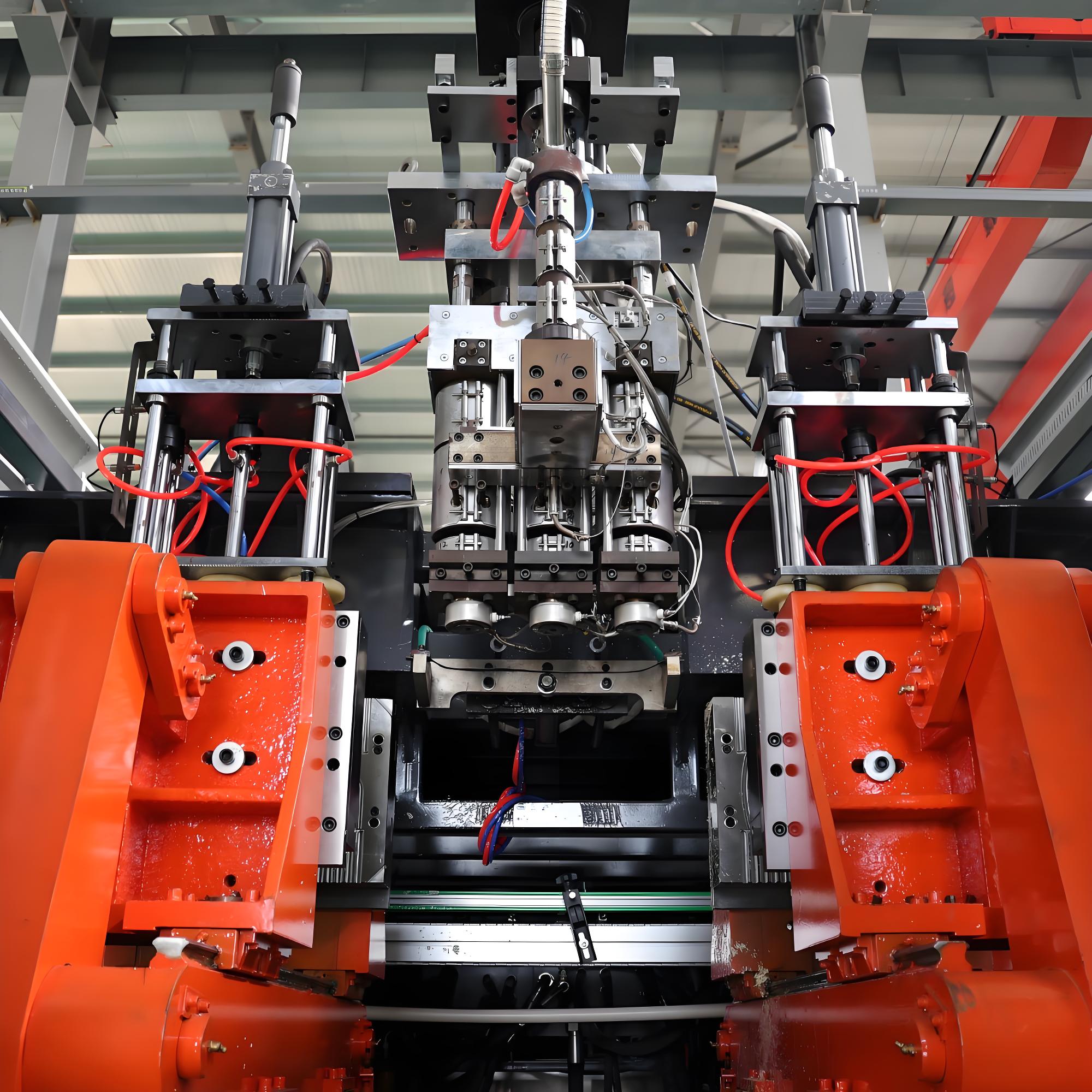
Topiony plastik przepływa przez głowice odlewne, narzędzie w kształcie kartka, gdzie osłona centralna i obudowa odlewni tworzą trzon opryskowy. Przezprwianie między osłoną a obudową jest odległością odlewową, a grubość ściany trzonu ustalana jest przez tę odległość oraz ruch osłony centralnej podczas wyciskania. Podczas odlewu ciągłego butelka paricionowa jest odlewana stopniowo w dół, podczas gdy obudowa zamyka się wokół niej. W przypadku odlewu akumulatorowego butelka jest odlewana szybko i w sporych ilościach, zarezerwowana jest i zwolniona krążek topionego plastiku. Proces ciągłej produkcji 600 ml butelki ma charakter typowy.
Stacja zakłócania i dokręcanie formy
Po tym, jak parison zostanie uchwycony przez zamknięty formę, śrubka do uruchamiania wprowadza powietrze o niższym ciśnieniu. Parison się rozciąga i najeźdża na chłodzone jaskinie formy, gdzie zamarza w kształt butelki. Ciężar zamykania formy musi trzymać oba połowy razem, bez szumów. Na linii ze sterowaniem servo-poziomującym klień jest także sterowany przez servo, co daje szybkie i spójne ruchy zamykania i otwierania bez wahań hydraulicznego aktywatora.
odśnieżanie, chłodzenie i wyjmowanie
Po ustabilizowaniu butelki, miedzina się otwiera, a robot wyjmowania usuwa ją. Blow-molding ekstrudowany powoduje pozostawienie pędu i hałasów na podstawie i szyjku butelki, które są ukręcane za pomocą wbudowanego urządzenia do usunięcia nadworotek. Ukręcone nadworotki mogą być ponownie zmielone i ponownie wykorzystane w procesie, co jest jednym z powodów, dla których blow-molding ekstrudowany jest ekonomiczny w przypadku butelek napojów. Woda chłodzenia kontroluje temperaturę formy, a stabilne chłodzenie pozwala utrzymać równą grubość ścian i masę butelki.
| Line section | Funkcja | Servo-driven advantage |
|---|---|---|
| Ekstruder i wałek | Roztopienie i homogenizacja żywicy | Precyzyjna, powtarzalna prędkość wkrętu dla stabilnego wagi parisonu. |
| Układanie główki bloku | Stwórz trunk parisonowy | Programowalny ruch wałka dla profilu ściany |
| Stacja uruchamiania | rozciąganie pary do butelki | Stabilny czas działania i ciśnienie powietrza |
| Clamp unit | Zaparcie formy w pozycji zamkniętej | Szybki, bezzagnetekowy zamknięcie i otwarcie |
| Powstrzymanie i odgarnianie | Usunięcie i oszczędne obcinanie butelki | Synchronizowane ruchy zmniejszają odpad. |
Silnik servooprzeczenny i hydrauliczny
Najlepiej pokazuje wartość linii do formowania wtryskowego sterowanej servo sterownikami porównanie jej z konwencjonalną linią hydrauliczną. Linii hydrauliczne wykorzystują pompę o stałej prędkości, która przesyła olej do zaworów; tylko część przepływu pompowanego jest wykorzystywana w danym momencie, a resztę traci w postaci ciepła. Linia sterowana servo sterownikami obraca silnik tylko wtedy, gdy jest to potrzebne, dlatego zużywana energia odzwierciedla cykl pracy. Ponadto servo sterownik odpowiedzialny za przemieszczanie mandrelu do regulacji grubości ścian jest szybszy i bardziej liniowy od hydraulicznego zaworu, dlatego program formowania jest dokładniejszy, a butelka wariantowościa bardziej powtarzalna.
| Atrybuty | Linia hydropodzielenia EBM | Linie ze sterowaniem servo-poziomującym |
|---|---|---|
| zużycie energii | Wyższe, czujnik pracuje w trybie bezładownym | Niższy, sterowany przez silnik |
| Kontrola grubości ścian | Coarse, valve limited | Wykończenie, sterownik servo |
| Widoczny zanieczyszczenie | Obecność oleju hydraulicznego. | Brak oleju, czyszczenie |
| Powtarzalność rynku. | Drift ponad przełączanie | Stabilna, oparta na przepisie |
| hałas i wyjątek cieplny | Wysoki | Lower |
| Nivelacja inwestycji | Medium | Premium |
The Physics of Jednorodność grubości ścian
Grubość ściany na flaconie wygiętym metodą iniekcji zasilaja jest, gdy parafin jest jeszcze płynny, zanim nie dotrze do niego powietrze. Zrozumienie, dlaczego grubości ścian się różnią, jest pierwszym krokiem do ich kontroli.
Masa i opad parisonu
Parison to przeformowana trumna. Prowadzona własną masą ściemnia i dlatego dno butelki jest cienkie, a wnętrze – grubie, gdy forma zamyka się. Dłuższe parisony ściemniają bardziej. Krótka butelka o pojemności 600 ml ściemnia mało, ale nadal jest główną przyczyną, dla której butelki posiadają grubszy szyję i cieńszy dno, w przypadku naczep kalibrowanych samodzielnie.
Rozciążanie główki bloku
Kiedy plastifikat opuści przestrzeń ograniczoną przez głowicę, rozluźnia się i rozszerza. Ten skurcz głowicy zmienia grubość ściany i średnicę parisionu w stosunku do ustalonego zarysu. Skurcz głowicy zależy od rodzaju żywicy, temperatury plastyfikacji i prędkości ekstruzji. Serwomotor ma ruchomą linię, która utrzymuje te wartości w stałym stanie, dzięki czemu skurcz jest przewidywalny i można go wyeliminować w programie.
Rozproszenie temperatury smolnicy
Jeśli jedna strona głowy jest ciepła niż druga, materiał topniejący tam jest cieńszy i przepływa szybciej, co powoduje nierównomierny brzeg wokół obwodu butelki. Dobre zaprojektowanie głowy sprawia, że równowaga przepływu jest utrzymywana, dzięki czemu materiał topniejący dociera do szczeliny przy równomiernej temperaturze i ciśnieniu wokół kompletnie. Ta okrągła równowaga, często nazywana równowagą rozdzielania materiału topniecego, jest odpowiedzialna za to, by butelka była runda i jednolita.
Gdzie gęstość ścianki ma największe znaczenie w przypadku butelki na sok
W przypadku butelki z sokiem o pojemności 600 ml krytycznymi obszarami są: ramka, strona bokowa ciała butelki i dno. Ramka ulega nacisku podczas zakładania korków oraz wypełniania. Strona boczna musi blokować światło i wytrzymywać obciążenie z góry, gdy butelki są złożone w kartonie. Dno musi przetrwać kontakt z ziemią. Dobieżnie programowany parison ma mniej materiału w ramie i na dnie, co pozwala na utrzymanie cienkiej strony bocznej, co jest doskonałym sposobem na obniżenie masy bez utraty ochrony.
Różnica wokół i oblokę
Poza długościowym profiliem, butelka może różnić się przy jej obwodzie, co się pokazuje jako owalność lub cienkie i grube boky. To pochodzi z niejednorodniejszego rozprowadzenia metalu w głowicy lub z nierównomiernego ciśnienia na mosię. Naprawa polega na projektowaniu głowicy jako pierwsze i programu jako drugie, ponieważ żaden programator parisonów nie może poprawiać wadliwego rozkładu obwodowego wbudowanego w przepływ. Runda, równa butelka jest wynikiem równomiernego rozkładu metalu i poprawny program, dlatego Apollo zwraca dużą uwagę na geometrię przepływu głowicy.
Programator parisonów i sterowanie grubością ścian sterowaną przez servo
Jednorodną grubość ściany uzyskuje się dzięki programowaniu parisonu: sterownik, który zmienia rozstaw matrycy podczas tłoczenia parisonu punkt po punkcie w jego długości. Linia sterowana serwomotorami postępuje nad wałkiem za pomocą silnika servo-sprężarki, który stanowi serce współczesnego sterowania grubością ściany.
Jak działa programator parisonu
Programer podziela paramos na szereg punktów, zwykle od 30 do 256, od momentu wygięcia do końca. Dla każdego punktu operator ustala parametr strony gniazda. Kontroler steruje akwizytorem servo, aby przesuwał migawkę w kierunku wewnętrznego lub zewnętrznego, niszcząc lub rozciągając szczelinę bloku, dzięki czemu paramos jest gruby tam, gdzie chcesz uzyskać większą wytrzymałość, i cienki tam, gdzie chcesz zaoszczędzić żywicę. Profil pozostaje zapisany jako recepta i powtarza się w każdym cyklu.
Kontrola przestrzeni między głowami i grubości ściany serwomotora
Odległość między mandrelem a formą stanowi szerokość kanału. W systemie sterowania grubości ścianki za pomocą serwomechanizmu pozycja mandrEla kwadirowa nie jest stała; kreuje ją programista za pomocą serwomechanizmu wertykalnego i precyzyjnego aktywatora. Ze względu na tę specyfikę reagowania aktywatora, linia może śledzić wyrafinowany profil nawet przy wysokiej prędkości eksploatacji. To różnica między butelką, która zmienia się od grama do grama, a butelką, która utrzymuje się na wyznaczonej pozycji przez cały czas pracy.
Rozdzielenie i równowaga przepływu materiału topniecego
Nawet najlepszy programista nie jest w stanie naprawić głowy, która źle rozprowadza roztop. Głowica narzędzia musi podzielić roztop w wiele ścieżek przepływu i zjednoczyć go symetrycznie, tak aby ciśnienie i temperatura były równe wokół pętli. Dobra rozprowadzka roztopu usuwa wariowacje obwodowe, które programista sam w sobie nie potrafi naprawić. Głowice narzędzi Apollo są skonstruowane tak, aby zapewniać równomierny przepływ, więc programistę wystarcza tylko obsługiwać profily długości.
zwrotowa o automatycznym sterowaniu
Drugie warianty dodają mierzenie: miernik grubości lub kontrola wagi parisona informuje sterownik, aby mógł dostosować program, jeśli zmienia się brygada oleju lub warunki otoczenia. Nawet bez miernika w czasie rzeczywistym, linia obsługiwana silnikiem servo jest znacznie bardziej powtarzalna niż linię hydrauliczna ręczna, ponieważ prędkość śruby, temperatura metalu i pozycja mandryla są sterowane numerycznie i zapisywane jako recepty.
| Element sterowania | Co ustawia | Efekt na flacon, który może zawierać 600 ml soku |
|---|---|---|
| Rozstaw matryc (podstawa) | Średnia ściana | Nastawienie wagi gramowej i stosowania żywic |
| Programator parisionu | Profil długości. | Szersza część powyższa i dno, a także sztywne ściany |
| Akcelerator zaworu servo | prędkość reagowania | Działa, aby zachować profil przy wysokiej prędkości |
| Rozdzielenie materiału skręcanego | Circumferential balance | Okrągły flakon, o jednolitym konturze po bokach |
| Zapis receptur | Powtarzalność rynku. | Ta sama butelka w każdej zmianie |
Postęp procedury kalibracji programu parisonu
Linie ekstruzyjno-blowmoldingowe sterowane poprzez silnik serwme motorowy umożliwiają kontrolę grubości ścian, ale sam profil jest opracowywany w ramach złożonego procesu kalibracji na kontrolerze programowalnym do wytrzewania parionu. Kalibracja przekształca teoretyczne oblicze o masie gramowej w opanowalną recepturę, jaką obróbka steruje przejściem po przejściu. W kolejnych ustępach przedstawiono praktyczny proces stosowany w celu skonfigurowania 600-ml butelki soku na linii Apollo.
Krok 1: ustawienie zarysu podstawowej głowicy i średniego celu grubości ściany
Poczatek od wymaganej masy gramatowej puszki. Podzielić masę gramatyczną przez powierzchnię parisonu, aby uzyskać średnią grubość ścianki, a następnie przekonać ją na szerokość kanału podstawowego przy użyciu znanej nafty rozciąganej przez formę. Szerokość kanału podstawowa jest średnią profilu; programista parisonu będzie ją zmieniał. Przekrywa się, że temperatura spajenia jest stabilna, ponieważ relacja szerokości kanału do grubości ścianki zmienia się, jeśli w trakcie tego kroku temperatura brzegi lub prędkość węża drgnie.
Krok 2: eksponowanie i pomiar pierwszej odlewnicy
Sprawdź paryż z prostym programem, przeciągnij go pionowo i zmierz grubość ścian w obszarze szyjki, ramienia, ciała i bazy za pomocą miernika grubości. Pierwsze odczyt nearlywe jest zawsze pokazuje naturalny wzór składowania i spłaszczania: twardsza w części górnej, coraz mniejsza w kierunku bazy. Zapisuj odstępstwo od celu w każdym obszarze, aby w kolejnym kroku mieć wyraźną mapę korekty.
krok 3: zbudowanie profilu punktu
Otworz programowalny sterownik parisonu i wprowadź wartości korekcyjne w punktach odpowiadających pomiarowym pasmom. Gdzie ściana jest zbyt cienka, poleć aktywator słupek servo, aby otworzyć szczelinę mandrylowa; Gdzie jest zbyt gruba, zamknij. Ponieważ sterownik podziela parison na 30–256 punktów, możesz lokalizować korekcję do ramienia lub narożnika podstawy, nie zakłócając reszty butelki. Zapisz dopasowany profil w formie nazwanego recepty.
Pоказ 4: Sprawdź, zamknij obrót i zablokuj recepturę
Wykonaj buteleczki z nową receptą i powtórz sprawdzenie i pomiar. Porównaj nowy plan ścianek z planem celu i planem poprzednim. Jeśli ścianka boczna jest nadal poza tolerancją, powtórz profil jeszcze raz. Kiedy butelka przejdzie testy objętości i wypełniania w górę przy dokładnej wadze, zablokuj receptę i zaznacz wagę parisonu, temperaturę metalu i ustawienia chłodzenia obok niego. Od tego punktu linia obsługiwana silnikiem servo powtarza program automatycznie, a miernik grubości w czasie rzeczywistym może je dostosować, jeśli lot oleju lub warunki otoczenia się zmieniają.
| Etap kalibracji | Akcja na kontroler strojów parisonowych | Punkt kontroli |
|---|---|---|
| 1. Przezroczysty próg bazowy | Konwersja masy gramowej na średnią szerokość ściany i odległość odlewu | Potwierdzona stabilna temperatura plastyfikacji |
| 2. Pierwszy parasjon | Eksponowanie w programie płaskim, cięcie i pomiar zadań | Zapisana mapa oddyszkowania |
| 3. Profil punktowy | Dokładnie stosuj ten format: "1. " na każdej linii, nic więcej. | Przygotowana i zapisana receptura |
| 4. Sprawdź i zamknij. | Ponowne pomiar, powtórzenie, zamknięcie po zdefiniowaniu pewnych wartości | Sprawdzony kryterium upadku i nadmiaru ładunku |
Jak przemysłowe recykling i bateria tworzywa wpłynęły na kalibrację
Gdy procent części recyklingowej jest zasilany powrotem do procesu, wizkość plastu zmienia się lekko w porównaniu do całkowicie nowego cyklu. System programowania paryziów kompensuje, utrzymując ten sam cechę ścianki, ale operator powinien ponownie sprawdzić masę parizyua po zmianie rodzaju żywicy i w razie potrzeby regulować odległość między liniami podstawowymi. Obrazując kalibrację jako żywą przepisy, a nie jednorazową ustawienie, można utrzymać jednolitwo butelki o pojemności 600 ml w kolejnych tysiącach cykli produkcji.
Mierzanie grubości ścian i weryfikacja procesu
Programowanie profilu odlewnicy to tylko połowa pracy. Należy również upewnić się, że butelka wybijana z linii odpowiada programowi, ponieważ profil, który wygląda poprawnie na ekranie, może się jeszcze zmienić, gdy zmieni się mieszanina żywicy, temperatura otoczenia lub woda chłodząca. Grubość ściany potwierdzana jest dwoma sposobami: destrukcyjnie na próbkach i ciągłą kontrolą podczas produkcji.
Wymiary laboratoryjne
Butelkę próbkę cięte w osi średnicy, a grubość ścianki mierzy się przy kijeku, barku, ciele i bazie. Dzięki temu potwierdza się zaprogramowany profil i ustala się granice sukcesu lub porażki. W przypadku butelki soku o pojemności 600 ml, boczne ścianka ciała i rog pod bazą to punkty, w których najczęściej występuje odchylenie, dlatego są sprawdzane w każdym produkcji i po każdej ważnej zmiany instalacji. Iletości mierzone również potwierdza, że zostaje osiągnięty cel wg masy probe.
Kontrole online.
Operatorzy monitorują masę węglu i masę butelki po kolejnym badaniu. Zmiana masy węglu sygnałizuje zmianę prędkości śrub, temperatury przemieniania i rodzaju środka lepczego, a program może być dostosowany, zanim butelki opuszczą zakres określonych w parametrach. Niektórzy producenci dodają lektroskaner odległościowy, który skanuje butelkę bez jej przetłaczenia, a nieustannie przekazuje informacje o układzie ścianek do sterownika, dzięki czemu profil ścianek jest samoczynnie dostosowywany, a nie trzeba czekać do następnego kroku laboratoryjnego.
Validation before shipment
Firma Apollo sprawdza butelkę klienta w fabryce i rejestruje mapę grubości ścian, wyuzielenie w gramach i osiągniętą wydajność. Taka weryfikacja stanowi dowód, że linia spełnia ustalone specyfikacje w ramach gwarancji standartu jakości. Butelka, która przejdzie testy na otwieranie z dołu i napełnianie z góry przy ustalonym wadze w gramach, jest nadawana do produkcji, a zapisany program staje się receptą uruchamiania na miejscu klienta.
| Punkt kontroli | Metoda | Zdasz kryterium dla 600 ml soku |
|---|---|---|
| Grubość ścianek bocznych | Przełącznik grubości na odciśniętym odpadku | W celu uzyskania niskiej wariacji |
| Kąt bazy | Wycinanie próbki, pomiar grubości ścianki | Bez cieni podczas opuszczania. |
| Masa węglu i krzemu | Scale per shot | Stałe w ramach lokaty |
| Masa butelki | Skala przeprowadzona dla każdej butelki | Na obliczu o masie gramową |
| Podawanie i napełnianie od góry | Urządzenie do testów | Poprawne zadanie określonej masy gramowej |
Apollo ABLB 55 — standardowe osady EBM do butelek z jęczem o pojemności 600 ml
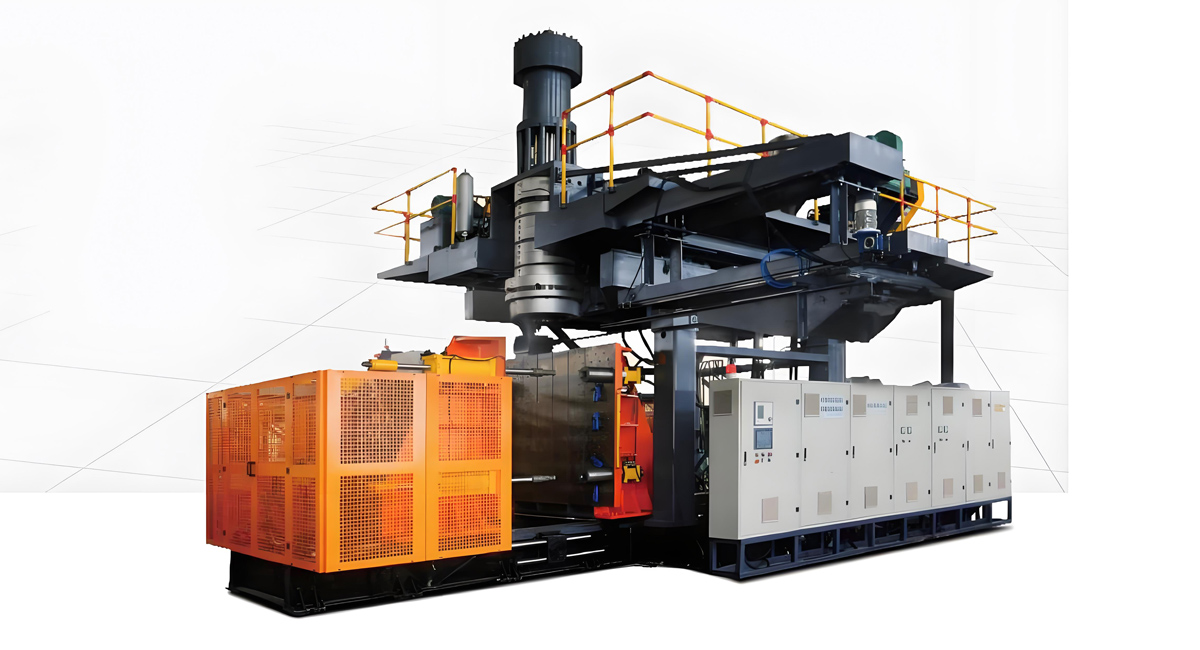
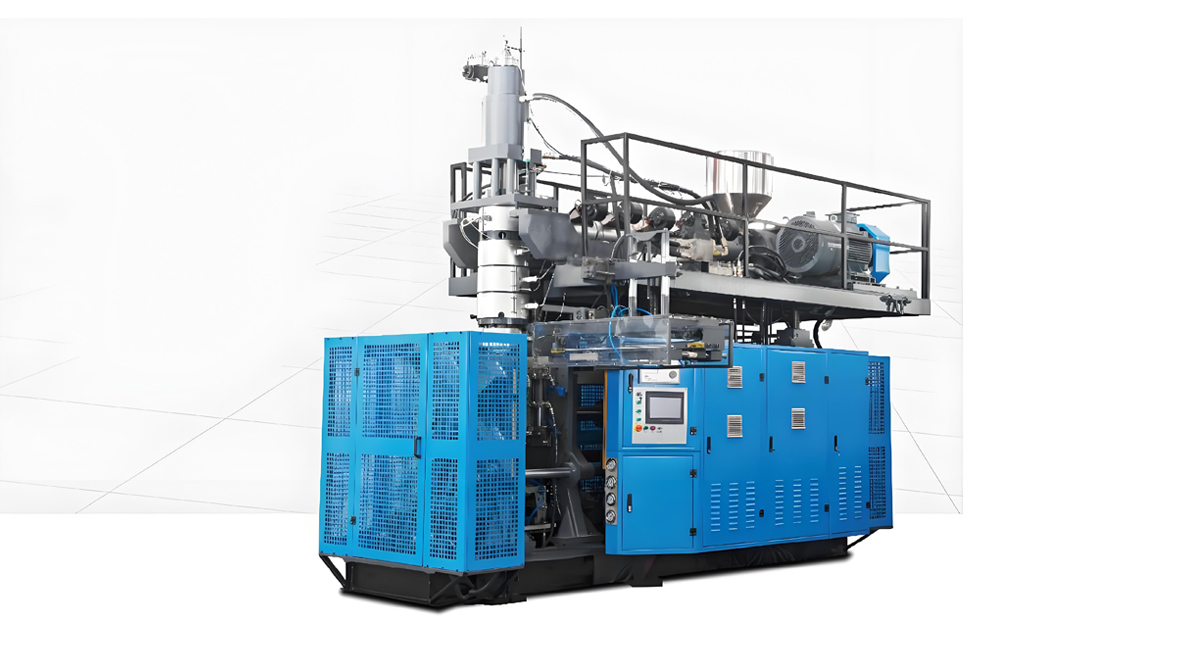
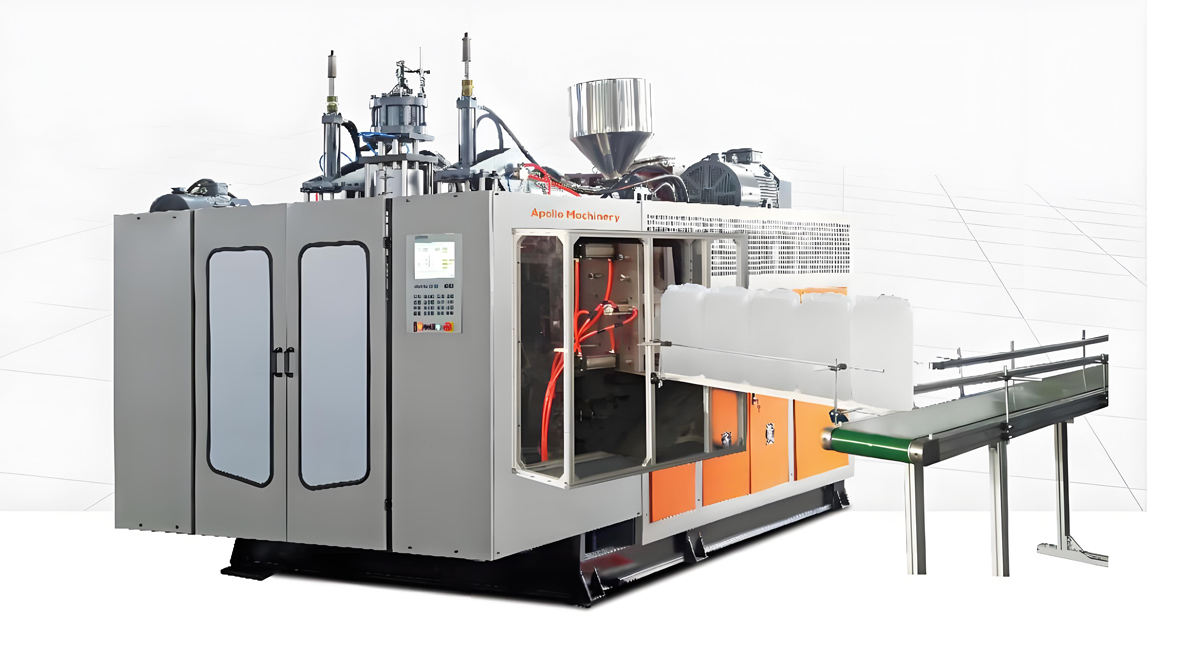
Maszyna ABLB 55 należy do serii Apollo ABLB, która obejmuje pojemniki o pojemności od 200 ml do 20 l, dostępne w 8 różnych typach maszyn. To standardowa platforma do formowania wyważanego przemysłowego Apollo, idealna dla butelki soku o pojemności 600 ml, gdy priorytetem jest sprawdzone, ekonomiczne wyroby z pełną programowaną grubością ścianek.
Urządzenie ABLB 55 posiada gwoździe o średnicy 55 mm i jest przeznaczone do pojemników o pojemności do około 3 l w jedną komorę, co oznacza, że butelka o pojemności 600 ml jest idealnie w komfortowej zasięgu. Dla formatu wynikającego z butelki o pojemności 600 ml zwykle wykonuje się od dwóch do czterech komórek, co daje duży wynik przy jednorazowej inwestycji w mały sprzęt. Urządzenie ABLB 55 obsługuje programowanie parisonu, co pozwala na optymalizację grubości ścian w celu uzyskania cienkich ścian stronowych i wzmocnionych ram i podstaw.
| Wytyczne | ABLB 55 (representative) | Wskazówka dla soków o pojemności 600 ml |
|---|---|---|
| Seria maszyn | seria ABLB (od 200 ml do 20 l) | Standardowa technologia ekstruzyjno-blowmoldingowa |
| Średnica ślimaka | 55mm | Dobry wydajność dla małych butelek |
| Stawienie L/D | 22:1 do 24:1 | Stabilna masa robocza dla HDPE i PP |
| Rozmiar pojemników | 200 ml do 3 l (jedna komora) | 600 ml to średni poziom, łatwy do obsługi |
| Cavities for 600ml | 2 do 4 | Wynik wagi ze stożkiem |
| Siła zamykania | Przeciwnie, około 55 kN | Wygładzona linia rozdzielcza, niski efekt krajowy |
| Trzymająca napęd | Opcja serwomechaniczná lub hydrauliczna | Serwomotor zalecany do sterowania |
| Kontrola parisonu | Programowalna, od 30 do 256 punktów | Optimize wall thickness |
| Moc zainstalowana | Około 30 do 40 kW | Zależy od opcji |
| Wydajność (600 ml) | Ok. 600 do 1200 butelek na godz. (przy dacie 1,5 s wahania) | Zależy od liczby pęknięć i rodzaju żywicy |
Apollo Serie pełna elektryczna - Linia sterowana servo
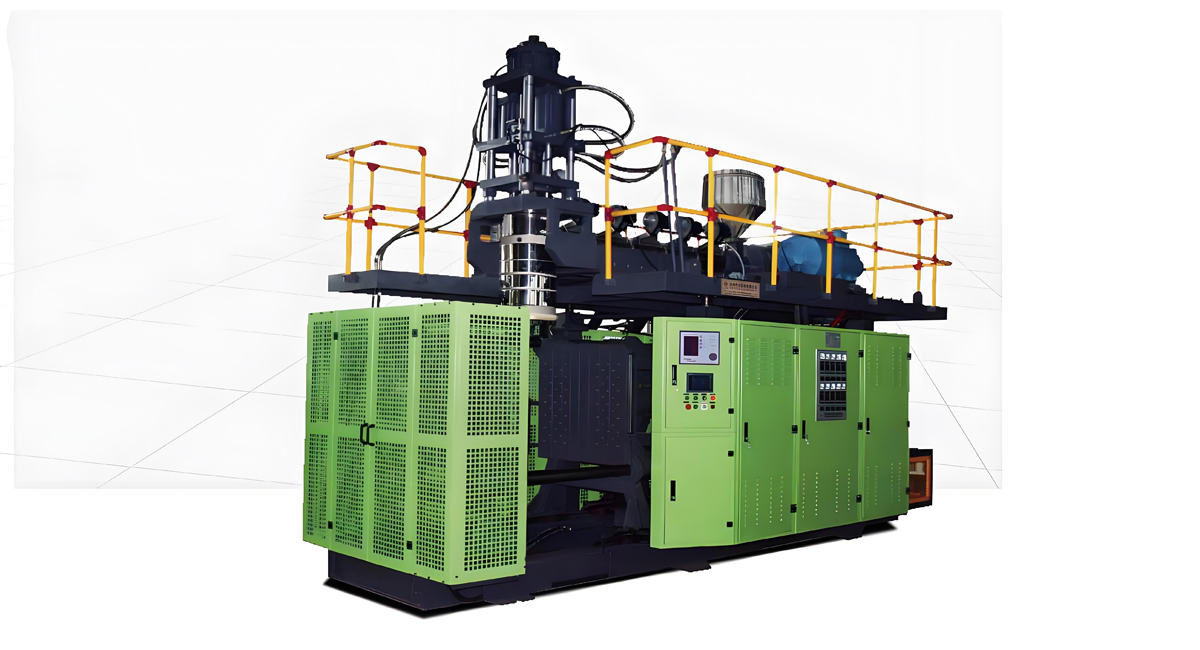
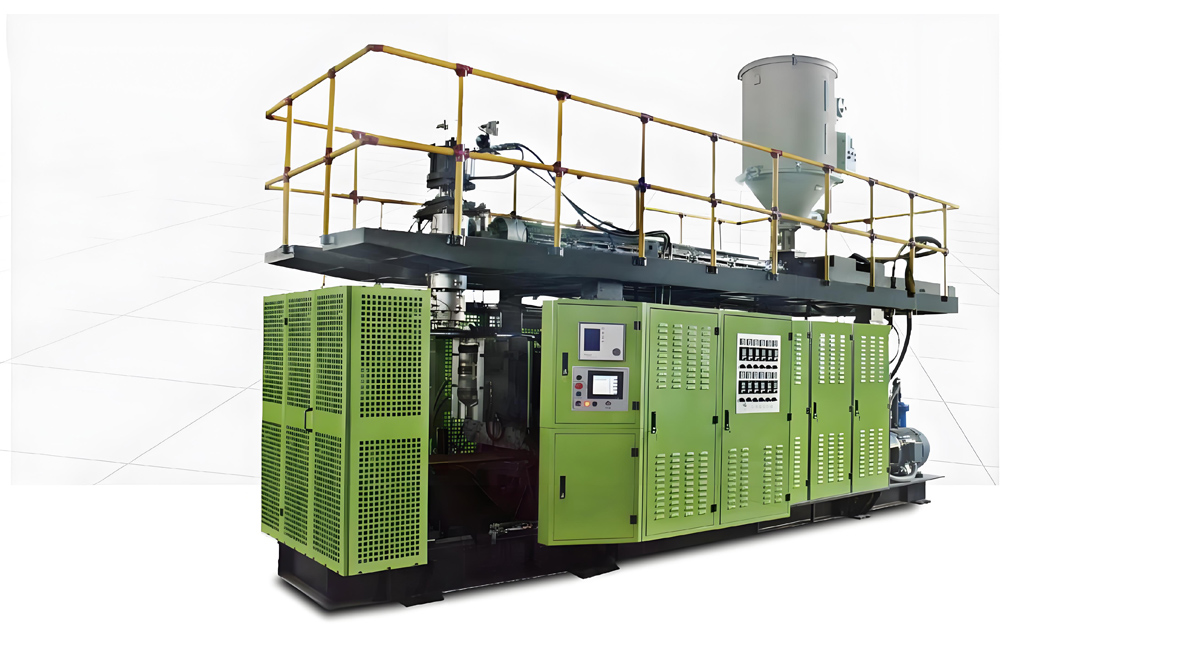
Kompletna seria elektryczna to linia, która odpowiada tytule tego artykułu. Obejmuje pojemniki od 200 ml do 20 l i jest całkowicie napędzana elektrycznie: ekstrudowanie, mocowanie, kontrola tworzenia parisonów oraz usuwanie materiału są sterowane serwomechanikami bez systemu hydraulicznego. W przypadku butelki soku o objętości 600 ml to przynosi trzy bezpośrednie korzyści: najlepszą powtarzalność grubości ścian, najmniejszy zużycie energii i najczystsze działanie, bez oleju hydraulicznego w fabryce.
Ponieważ nie ma ciągle działającej pompy hydraulicznej, seria W pełni elektryczna zużywa znacznie mniej energii niż linia hydrauliczna, często w zakresie od 30 do 50 proc. w zależności od cykliczności. Aksoni servoowskie reagują również szybciej i dokładniej niż zawory hydrauliczne, dzięki czemu programator parizoenów może śledzić bardziej precyzyjny profil ścian przy większej prędkości. W przypadku napojów, gdzie ważne jest zabezpieczenie przed promieniowaniem światła, pozbawiony oleju warunek technologiczny zniża również ryzyko zanieczyszczenia powierzchni butelki.
| Wytyczne | Kompletna seria elektryczna (od 200 ml do 20 l) | Wskazówka dla soków o pojemności 600 ml |
|---|---|---|
| Układ napędowy | Kompletnie elektroniczna, z sterowaniem serwomotorowym | No hydraulic oil, clean plant |
| Rozmiar pojemników | 200 ml daje 20 L | 600 ml jedno lub wielokomorowe |
| Średnica ślimaka | Klasa od 50 mm do 65 mm | Wybiera się go w zależności od potrzeb wypadku |
| Cavities for 600ml | 2 do 6 | Wyższy rozkład odwadniających komórek niż w modelu ABLB 55 |
| Siła zamykania | Klasa od 50 kN do 80 kN | Stabilność, brak zmiany pozycji |
| Kontrola grubości ścian | Programmer parizoenów servoowskich | Doskonały profil, wysoka powtarzalność |
| zużycie energii | Niskie naprężenie w porównaniu z hydrauliką | Czasem o 30 do 50 % mniejszy |
| Wydajność (600 ml) | Około 800 do 2000 butelek na godzinę | Zależy od komórek i resziny |
Charakterystyka butelki o pojemności 600 ml.
Butelka 600 ml soków owocowych ma jasno określone wymagania, które musi spełniać linia formowania pod ciśnieniem i program parison. Poniższe punkty to standardowy spis specyfikacji dla butelek niegazowanej.
Objętość nominalna i wypełnianie
Butelka ma pojemność 600 ml i jest napełniana do około 580 ml lub 595 ml, pozostawiając przestrzeń na płyn i niewielką pufę powietrzną. Nasionki niegazowane nie wymagają klasy ciśnienia, co ułatwia wykonanie ścianki w porównaniu do butelki z napojem gazowanym.
Kąt butelki i jej wykończenie
Butelki napoju często mają wysepek o średnicy 28 mm lub 38 mm, wychylany stopień oraz standardowy gwint nakrętki. Korpus musi zachować swoją kółkowatą formę i być wymiarowo stabilny, aby nakrętka sekcyjna oraz linia wypełniania mogły z niego korzystać przy wysokiej prędkości. Grubość ścian w regionie korpusu ustalana jest przez program uruchomienia parizoenów, dzięki czemu gwint zamykający powstaje przez całość ścięcia w sposób ciągły bez elementów stwarzających cisnienie.
Niegazowane i lekkie
Ze względu na to, że produkt nie jest gazowany, butelka może być lekkiej. Butelka na sok o pojemności 600 ml wykonana z HDPE lub PP charakteryzuje się często wagą około 18–28 g w zależności od potrzeb związanych z obustronnym i w górę wypełnieniem. Zmniejszenie masy jest możliwe dzięki programowaniu cienkiej ściany, jednocześnie zapewniając lokalne uciążliwości w okolicy góry i podstawy, co dokładnie umożliwia kontrola grubości ściany serwo.
Początek i blokowanie światła
Napój jest podatny na działanie tlenu i światła. Barierę można wdrożyć w żywice, stosując wieloplastikową konstrukcję z cienką warstwą barierną EVOH lub podobną, lub wybierając żywicę, taką jak PETG, która już zapewnia lepszą barierę niż standardowe poliolefiny. Zablokowanie światła pochodzi z opactego kolorowania lub z coextruzowanej warstwy blokującej światło. Obie podejścia są kompatybilne z wielopoziomowym ekstrudowaniem i formowaniem cieczą, a Apollo może je skonfigurować.
| Spec item | Typowy cel wydajności dla soku o pojemności 600 ml | Dlaczego to ma znaczenie |
|---|---|---|
| Objętość nominalna | 600 ml | Stanardowy format pojedynczego podania |
| Objętość wypełnienia | Ok. 580 ml do 595 ml | Puste miejsce dla produktu |
| Wykończenie szyjki | 28 mm lub 38 mm, z widocznym znakiem oznaczającym próbę | Uszczelnienie pokrywki i prędkość wypełniania |
| Permeabilność w zależności od węgla | None | Pozwolone ściany o mniejszej masie |
| Masa jednostkowa w gramach | Okiem około 18g do 28g | Koszt i obsługa kompozytów |
| Grubość ścianek bocznych | Ok. 0,35 mm do 0,55 mm | Blok i przegięcie doładowania |
| Bariera | Multiwarstwowa konstrukcja z EVOH lub PETG | Ochrona przed tlenem i aromatami |
| Blokowanie światła | Warstwa pigmentowana lub współtłoczona | Stabilność witamin i koloru |
Wybór materiałów do butelek soku
Produkcje linie wycinania i formowania wycinanego przez pryzmat Apollo przetwarzają szeroki zakres żywności: PE, PP, PVC, PA, PC, ABS, PS, EVA, TPU i PETG. W przypadku butelki soków owocowych o pojemności 600 ml najbardziej realistycznym wyborem są HDPE, PP i PETG, z opcjonalnymi warstwami barierowymi.
HDPE
Polietylen o wysokiej gęstości jest najczęstszym wyborem dla butelek soków na wielu rynkach, ponieważ jest twardszy, tańszy, łatwy do przetwarzania i homologowany do kontaktu z żywnością. Jego słabym punktem jest bariera przeciw światłu i klarowność, dlatego sok w HDPE jest zwykle mało przejrzysty i blokuje światło. Polietylen HDPE jest idealny do obróbki na obydwu liniach ABLB 55 i kompletnej serii elektrycznej.
PP
Polypropylen zapewnia wyższą temperaturę kruszenia niż HDPE, co jest korzystne w przypadku gorąco wypełnianych lub pasteuryzowanych soków. PP dysponuje również nieco lepszą barierą wodoszczelną. Jest trochę twardejszy do obróbki ze względu na mniejsze wskaźnik przejrzystości, ale linie napędzane serwomotorem radzą sobie z tym dobrze dzięki stabilnej temperaturze topnienia.
PETG i wielowarstwowe materiały z barierą
PETG zapewnia lepszą przejrzystość i barierę niż standardowy poliolinek, dlatego stosuje się go tam, gdzie potrzebna jest butelka lepszej przejrzystości lub o wyższej barierze. Aby zapewnić najdłuższy okres przydatności, stosuje się strukturę coextruzowalną z cienką warstwą bariery EVOH; do tego potrzebne jest głowica złożona z wielu warstw oraz drugi ekstruder, który fabryka Apollo jest w stanie dostarczyć w ramach rozwiązania na wymiar. Warstwa barierowa stanowi tylko kilka procent grubości ściany, dzięki czemu masowa waga jest niska, a bariera wyższa.
| Resina | Bariera | Temperatura | Clarity | Najlepsza funkcjonalność |
|---|---|---|---|---|
| HDPE | Niski | Medium | Opaque | Standardowy sok bez blokady światła |
| PP | Niska do średnia | Wysoki | Opaque | Dolowanie gorące lub pasteryzacja soków |
| PETG | Medium | Medium | Prostokątne do tynkowanych | Klarowna sokowa masa z wyższym barierem |
| HDPE z dodatkiem EVOH | High | Medium | Opaque | Jęcz z długą trwałością |
Stosunek recyklingu i grunty
Formowanie wziewne z wymazywaniem to przyjazna dla materiału z recyklingu opcja, ponieważ in-line flash i moil są skracane, ponownie mielone i wkładane do procesu w kontrolowanym stopniu. Wiele butelek napojów zawiera pewną ilość mielonki w środkowym poziomie struktury wielopokoleniowej, pozwalając na utrzymanie warstwy niewiele stosowanej do kontaktu z żywnością w stanie pierwotnym i jednocześnie obniżeniu kosztów materiałowych i obciążenia środowiska. Urządzenie do programowania parisonów utrzymuje stut i grubość ścianka na celu nawet, gdy wzrost zawartości materiału z recyklingu powoduje niewielkie zmiany w warunkach topnienia. Przewód z otworami to kolejny argument na rzecz sterowania serwomotorem, gdy cele przyjazności środowisku konieczne są realizowane z poziomu zwiększonego zawartości materiałów z recyklingu.
Poradnik wyboru modelu zgodnego z wytycznymi
Pod poniższym tabelką znajduje się mapa potrzeby zapakowania soku do odpowiedniej maszyny Apollo. Oba urządzenia z serii ABLB 55 oraz W pełni elektryczna znajdują się w zakresie od 200 ml do 20 l, więc decyzja koncentruje się na priorytetach: kosztach, efektywności energetycznej, czystości i produktywności.
| Twoje wymaganie | Model Apollo zalecany | Powód |
|---|---|---|
| Stanardowy słoik 600 ml, najmniejsze koszty inwestycji | ABLB 55, 2 czy 4 pory | Udowodniona platforma, średnie koszty, pełny programowanie |
| Najgrubsza ściana, niskie zużycie energii | Kompletna seria elektryczna, od 2 do 6 komór | Sterowany przez serwo, kontrola Premium, bez oleju |
| Dolowanie gorące lub pasteryzacja soków | W pełni elektryczna Series with PP setup | Stabilna temperatura topnienia dla PP |
| Long shelf life, oxygen barrier | ABLB lub w pełni elektryczna z głowicą coextruzji | Opcja bariery wielopłaszczyznowej EVOH |
| Niektóre SKU w zakresie objętości od 200 ml do 20 litrów | Jeden z serii z biblioteką form | Zmiana formy i programu |
| Wysoki pojemność, pojedynczy format | W pełni elektryczna seria, 4–6 jakiści | Najwyższy poziom wydajności na linii |
Planowanie wydajności i obliczenie wyprodukowanego materiału
Wytwarzanie dla butelki soku o pojemności 600 ml ustala się na podstawie czasu cyklu i ilości poszerzeń. Prosty wykaz wydajności mnoży ilość poszerzeń przez ilość cykli w godzinie. Na przykład, forma o czterech poszerzeniach i 900 cyklach w godzinę pozwala na produkcję około 3600 butelek w godzinę, czyli ok. 86 000 butelek w ciągu dnia przy dwuprzezroczystym operatorze. Skuteczność rzeczywistą zależy od resyny, wagi gramową, czasu schładzania i czasu oddrzucania szerszego materiału, dlatego obliczenia te traktujmy jako szacunki w zakresie planowania, a nie gwarancje.
| Pustki | Cycle time (s) | Cykle na godzinę | Butelki na godzinę | Butelki dziennie (16 godzin) |
|---|---|---|---|---|
| 2 | 4.0 | 900 | 1 800 | 28 800 sztuk |
| 4 | 4.0 | 900 | 3 600 | 57 600 |
| 6 | 4.0 | 900 | 5,400 | 86 400 sekund |
Aby wyliczyć linię, rozpocznij od celowego planu wydzielania butelek za dzień, podziel tę liczbę przez planowane godziny pracy i ponownie podziel przez ilość poszerzeń, aby uzyskać potrzebne ilość cykli w godzinie, a także potwierdzić, czy wybrany model jest w stanie osiągnąć tę ilość cykli. Inżynierowie z Apollo mogą wykonać tę obliczenie przy użyciu rzeczywistego rysunku butelki i resyny, dzięki czemu sięgnięte wydajności są realistyczne. Kiedy wiele SKU korzysta z jednej linii, do planu należy dodać czas przełączania; wymiana formy na maszynach Apollo została zaprojektowana tak, by była szybka, ale nadal wynosi się ono od dostępnych godzin.
Jak waga gramowa wpływa na biznesowy aspekt
Kontrola grubości ściany to nie tylko kwestia jakości, to jeden z nośników kosztów. Strefa ściany o grubości o 0,05 mm większej niż potrzebna na butelce o pojemności 600 ml może dodatkowo zwiększyć ilość resiny o kilka gramów na jednostkę i przy produkcji milionów butelek rocznie, jest to znaczący koszt sięgający kilkudziesięciu milionów euro. Programator parisonu sterowany serwo pozwala zachować strefę ściany na minimalnym poziomie, który umożliwia przejście testów odbioru na dole i na górze, dzięki czemu oszczędność materiałów zwraca się w ciągu czasu uwzględnioną różnicę w kosztach. Taki sam program chroni również przed zmianami cen resiny, bowiem nie nosimy żadnej ukrytej marży w ścianie.
Servis, wsparcie techniczne i zobowiązanie Wanplas w zakresie części zamiennych
Zakup linii ucisku jest początkiem długotrwałej współpracy, a Apollo ją wspiera jako fabryka Wanplas. Oferowane poniżej usługi są częścią standardowego asortymentu Apollo i wspólnego zobowiązania grupy Wanplas.
Dodawanie spersonalizowanych właściwości i inspekcja w fabryce
Apollo dostosowuje maszyny do wymagań formy i napięcia, dzięki czemu linia zbudowana dla jednego rynku podłączana jest do lokalnej instalacji bez modyfikacji. Przed wysyłką maszyna jest inspekcjana i testowana na fabryce, a klientom umożliwiamy udział w testach produkcyjnych na ich własnych, rysunkowych butelkach. Tą polityką otwartych fabryk niósącą korzyści dla całej grupy Wanplas kierujemy się na całym świecie.
Montaż i uruchomienie
Apollo wysyła inżynierów na miejsce do instalacji i uruchomienia linii, a po uruchomieniu śledzi status użycia z regularnymi wizytami klientów. Celem jest osiągnięcie założonej wydajności dla pewnego modelu produktu klienta, a nie tylko w przypadku próby pokazowej.
Reservedne części i gwarancja
Wyzwanie grupy Wanplas obejmuje 500 USD kosztów części rynkowych w ciągu roku trwania okresu standardowego obsługi, a także bezpłatną wymianę uszkodzonych części w ramach gwarancji. Gwarancja standardu jakości gwarantuje budowę metodą zwrotu i odszkodowaniem w wysokości 10% jeśli jakość nie spełni ustalonego standardu. Gwarancja grupy obejmuje również transport, w ramach polityki grupy.
Szkolenie i wsparcie zdalne
Operatorzy i personel konserwacji są przeszkoleni na miejscu, a receptury są przechowywane w sterowniku, dzięki czemu proces produkcji szybko się wznowuje po zmianie. Obsługa oddalonej jest od monitorowania umożliwiającego inżynierom z Apollo analizowanie danych z panelu sterowania i reagowanie na niezwykłe sygnały bez oczekiwania na wizytę na miejscu, co skraca czas przestojów.
Najczęściej zadawane pytania
Jak zmiana linii EBM zasilanej serwowej różni się od linii hydraulicznej?
Linie sterowane serwomotorem zastępuje pompy hydrauliczne sterowymi silnikami serwomotornymi do ekspozycji, zamykania i sterowania parisonem. Daje szybszą, powtarzalną programowanie grubości ścianki, niższe zużycie energii, czystszą pracę bez oleju hydraulicznego oraz szerszą tolerancję przy butelce sokowym o pojemności 600 ml.
Dlaczego jednolita grubość ścian jest ważna dla butelek z sokiem owocowym?
Jednolita grubość ściany chroni stabilność smaku i witamin poprzez uniknięcie cienkich miejsc, przez które mogą przepływać światło i tlen, wspiera efektywność wysypania od góry i wysypania poniżej w przypadku niższej horyzontalnej masy, oraz zmniejsza zużycie materiału kompozytowego. W przypadku soków butelka musi także zagwarantować blokowanie światła i zapewnić barierę.
Jaki model Apollo pasuje do butelki z sokiem bez gazu o pojemności 600 ml?
ABLB 55 stosowana w 200 ml do 3 litrowego pojemników, który stanowi oszczędny wybór dla standardowych butelek soku. W pełni elektryczna seria w klasie 200 ml do 20 l to opcja, w której sterowanie odbywa się za pomocą servo, zapewnia utrzymanie jednolitej grubości ścian, niższe zanieczyszczenia i mniejsze zużycie energii.
Ile oczek można uwzględnić na jednej linii przy korzystaniu z 600-mlowej butelki napoju?
Butelka na sok o pojemności 600 ml produkuje zwykle od dwóch do sześciu form korpuskularnych na jednym stanowisku ekstrudowania i formowania wstrzykiwarki, w zależności od resziny, masy gramowej i czasu cyklu. Produktowość zależy od ilości form korpuskularnych i modelu maszyny; reprezentacyjny zakres to około 600-2000 butelek na godzinę.
Jaką resynę powinienem użyć do butelki soku z zapobieganiem dozwolania promieniowania?
HDPE i PP są stosowane do butelek napojów. Blokowanie światła pochodzi z struktur pigmentowanych lub wielopokoleniowych, często z warstwą bariery taką jak EVOH czy PETG. Wybrana ostateczna opcja zależy od czasu trwania przydatności do spożycia, temperatury wypełniania oraz lokalnych przepisów dotyczących kontaktu z żywnością.
Czy Apollo zapewnia części zamienne i obsługę na miejscu?
Tak, fabryka Apollo należąca do Wanplas zapewnia inżynierów do instalacji i uruchamiania na miejscu, inspekcję fabryki przed wysyłką oraz zaangażowanie grupy Wanplas w wymianę części na wartość 500 USD rocznie, a także gwarancję zastąpienia.
Jak jest programowane grubość muru na parisonie?
Programistka parisonu dzieli parison na punkty, zazwyczaj od 30 do 256, a sterownik servo-wałka zmienia odległość między mandrylem i matrycą w każdym punkcie, aby zaostrzyć albo zyskać grubość ścianki. Profil jest zapisany jako recepta i powtarzany w każdym cyklu, aby zapewnić konsystencję butelek.
Czy ta sama linia może obsługiwać różne rozmiary butelek wężowniczych?
Tak, na obszarze komory maszyny. Zmiana rozmiaru butelki oznacza nową formę i zaktualizowany program parison-u. Apollo obsługuje indywidualizację formy i napędu, dzięki czemu jedna linia może obsługiwać wiele produktów w zakresie od 200 ml do 20 l.
Wnioski
Linia formowania odlewu eksploatowanego przez serwo o pojemności 600 ml dostarcza producentom napojów z owoców kontrolę, której potrzebują, aby tworzyć lekkie, solidne, jednolite butelki w niskich kosztach. Jednorodna grubość ściany wynika ze skomponowanego z równowagą głowy formującej, stabilnych ciał roztopiających oraz programatora parionu, który przesuwa nacięcie punkt po punkcie przez całą długość butelki. Rezultat to cienka wystółka, wzmocnione ramię i wierzchołek, mniej materiałów odlewowych w butelce oraz taka sama ochrona przez cały zmianę pracy.
W tej aplikacji firma Apollo oferuje dwa udokumentowane rozwiązania. ABLB 55 to standardowa platforma do formowania i obróbki za pomocą wtryski, stosowana do pojemników o pojemności 200 ml – 20 l, a jej średnia cena odpowiada zastosowaniu w 600-mlowe butelki na sok z pełną programacją grubości ścian. Całkowicie elektryczna seria jest w pełni serwomotorowa i bez użycia oleju, jest to najkrótkoterminowa linia wysokiej jakości, gwarantująca najwyższą dokładność i najniższe zużycie energii. Obie linie przetwarzają HDPE, PP, PETG oraz struktury wieloprzepustowe, a obie są wspierane przez firmę Apollo jako fabrykę Wanplas, w skład której wchodzą inżynierowie na miejscu, inspekcja fabryczna oraz 500 USD przeznaczonych na bezpłatne części w ciągu roku.
Jeśli planujesz linie do produkcji butelek napoju o pojemności 600 ml, prosimy o przesłanie rysunku butelki, celu oczekiwanej masy butelki, reszty i ilości produkty na dzień, do Apollo. Grupa inżynierów potwierdzi odpowiedni model, liczbę oczek i realistyczną wydajność, a także może zorganizować test na fabryce na podstawie próby towaru, abyś zobaczył jednolity grubość ścian przed zakupem. Apollo zaprasza na odwiedzenie fabryki i dopasuje konfigurację do potrzeb rynku klienta i produktu.