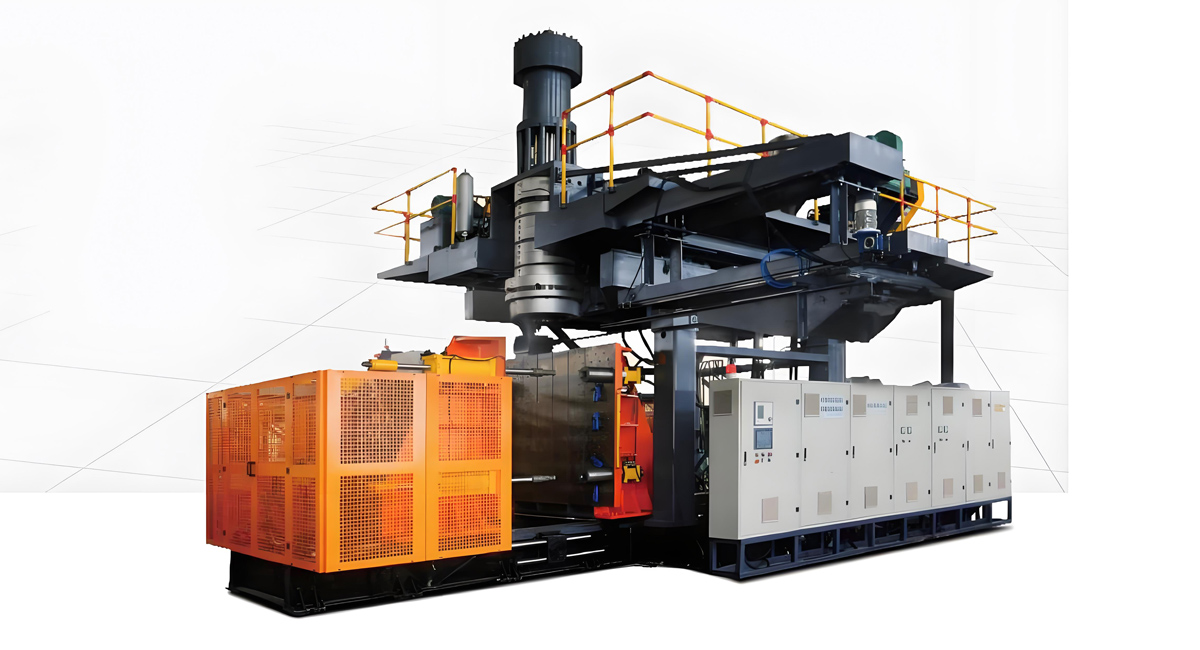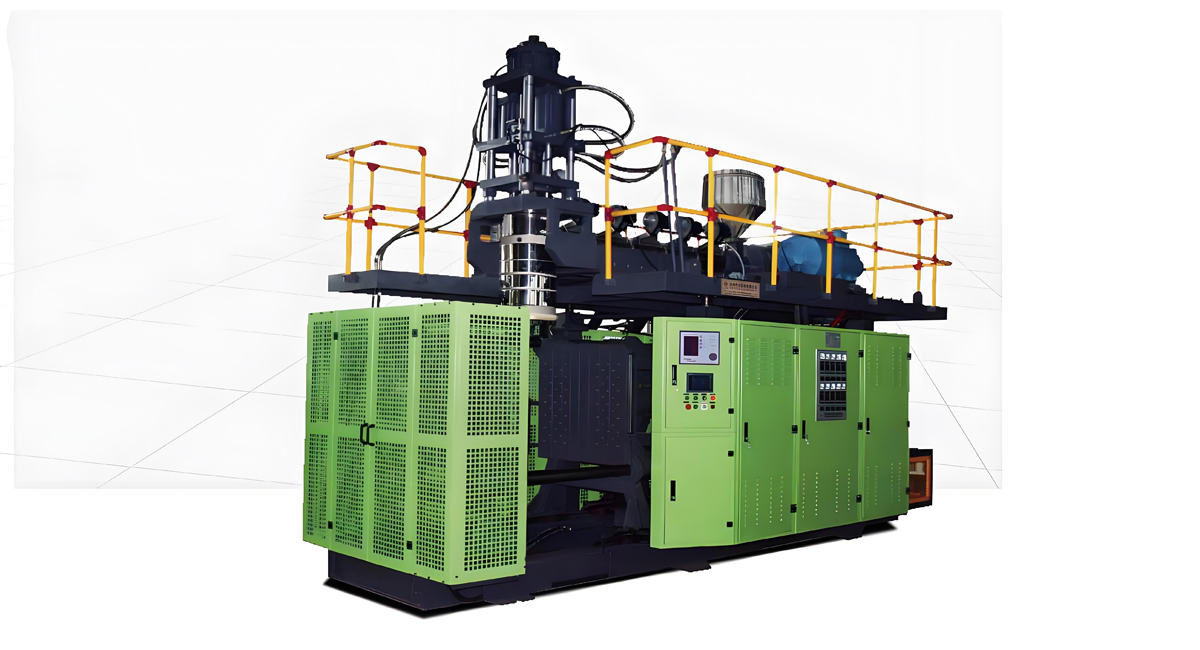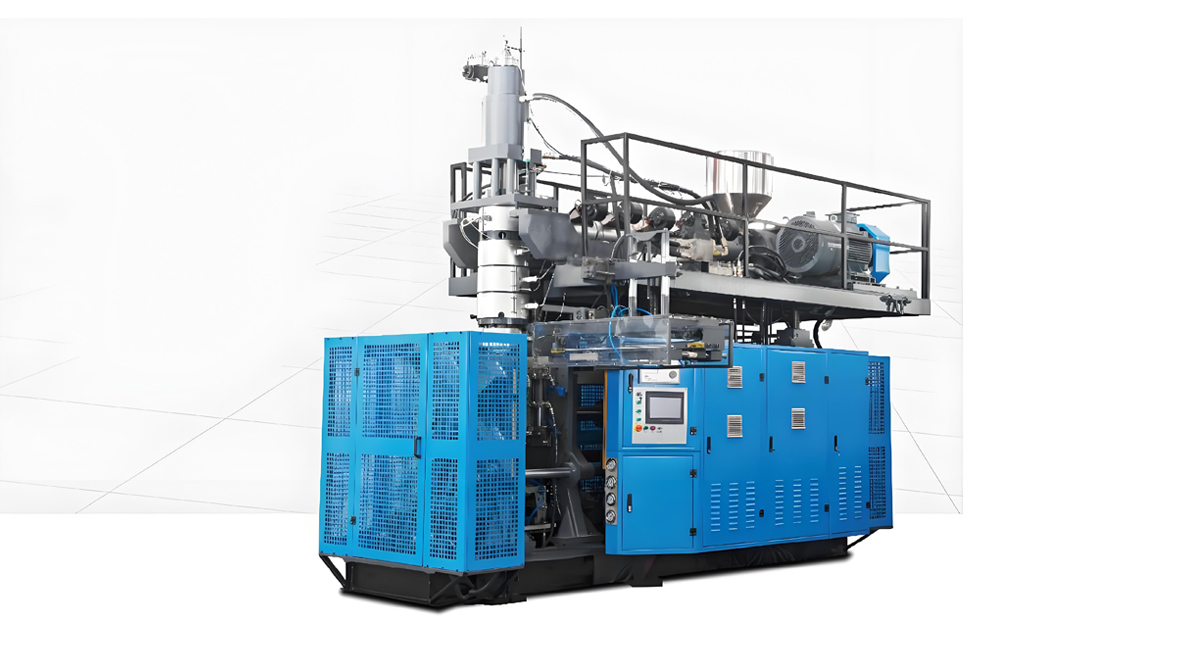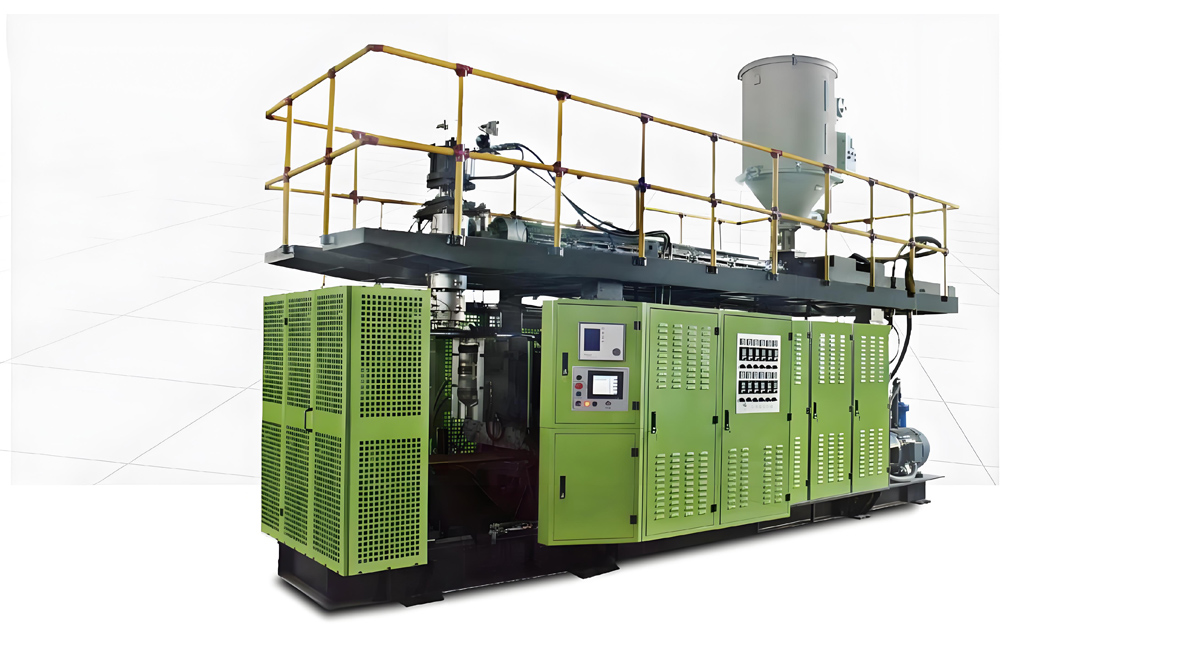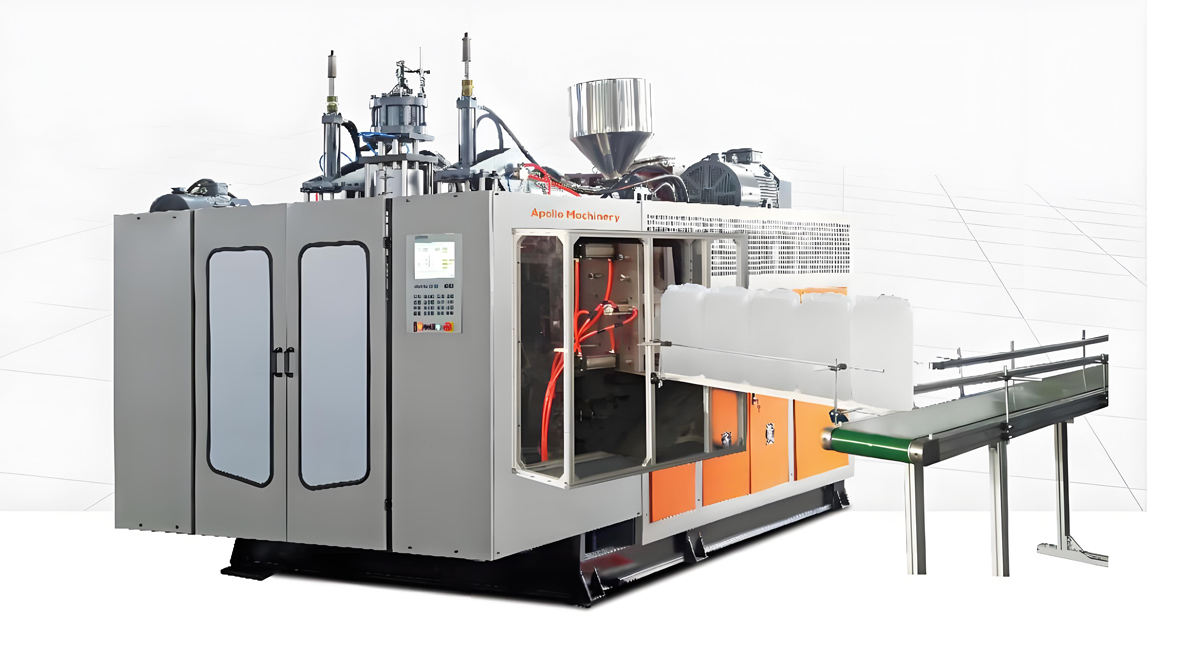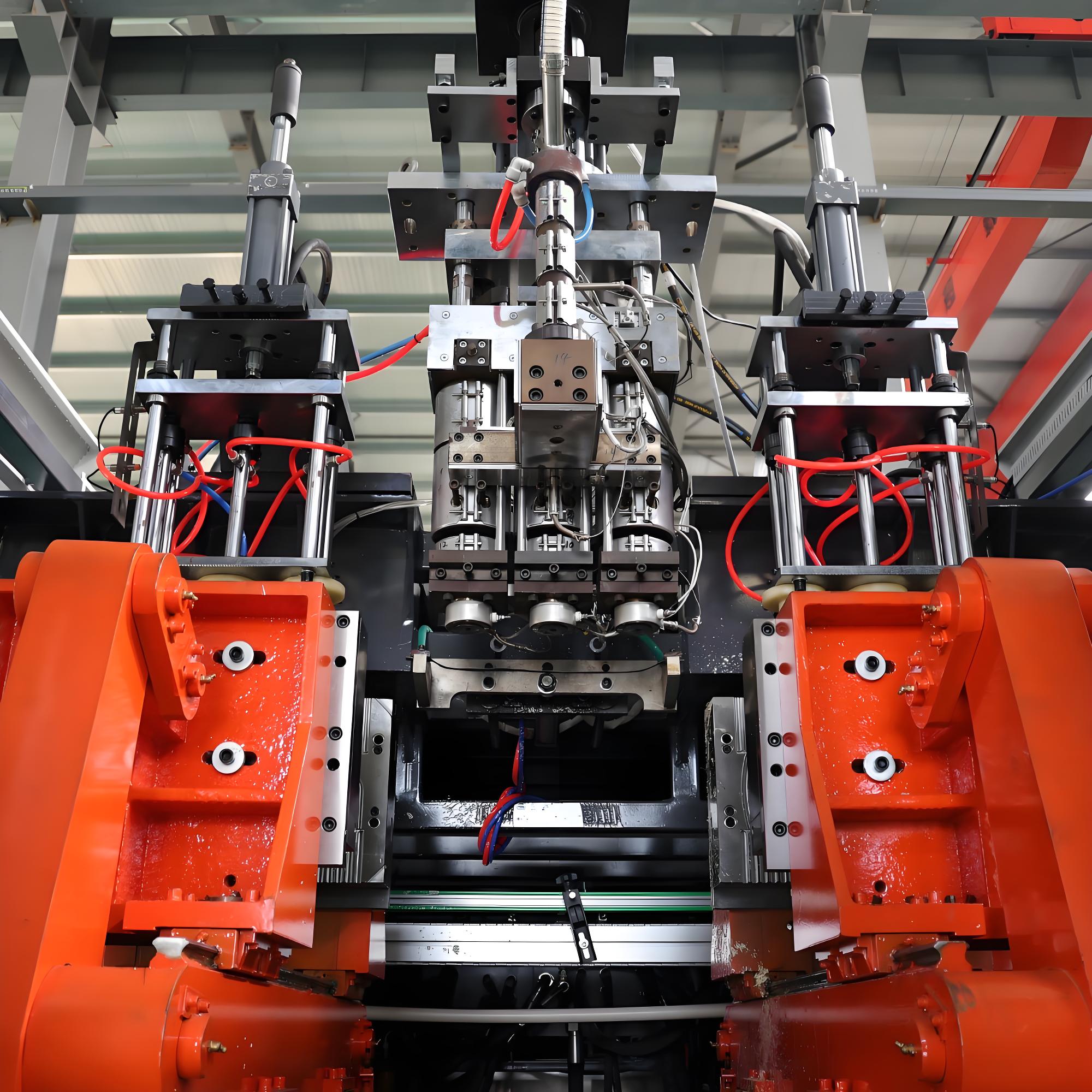
Выдувной литье под давлением (EBM) является основным процессом, лежащим в основе большинства полых пластмассовых контейнеров, которые не изготавливаются из предформ PET: химические бочки, бензобутылки, баки для воды, флаконы для косметики, фармацевтические бутылки и длинный список промышленных полых изделий. Компания Apollo, филиал Wanplas, возводит машины EBM как конфигурируемые платформы, а не как фиксированные продукты. Единая базовая машина может превратиться в линию изделий с одним полостью, линию изделий с четырьмя полостями или линию специальных химических бочек просто путем изменения пресс-форми, электрической схемы и функциональных модулей. В настоящем руководстве подробно описано, как можно настроить машину EBM, чтобы готовая линия соответствовала вашему виду контейнера, используемой смоле, местной сети и требованиям к качеству. В нем рассматривается проектирование форм и полостей, выбор напряжения и модулей управления, а также функциональные модули, которые превращают обычную машину в производственный инструмент, предназначенный для вашего товара. Всякий раз, когда приводятся реальные модели серии Apollo и типовые технические характеристики, вы можете перевести варианты настройки в конкретную ценовую предложение по машинам.
Почему стоит настроить машину EBM?
Настройка машин серии EBM предполагает адаптацию трех независимых слоев оборудования, благодаря чему вся система построена вокруг одной семьи изделий, а не привязана к конкретной машине. Первый слой – дизайн форм и полостей, определяющий форму контейнера, рисунок горловины, распределение толщины стенок и число изделий, изготавливаемых за один цикл. Второй слой – электрическая конфигурация: напряжение, частоту, платформа ПЛК и язык интерфейса человек-машина, которые должны соответствовать вашей производственной сети и вашим операторам. Третий слой – набор функциональных модулей, таких как лента-маркер, автоматическая дефляшка, встроенный тест на утечку и многолевовой экструзия, определяющий возможности машины за пределами основного цикла экструзии и выдувания.
Машина, не адаптированная для конкретного изделия, тратя материальные ресурсы, замедляет цикл и вызывает необходимость использования ручного труда на производственной линии. Производитель химических барабанов, использующий однослойную машину, когда рынок требует наличия барочного слоя, не сможет пройти тестирование соответствия. Производитель косметических флаконов, купивший пресс-форму с четырьмя полостями, когда одной полости вполне достаточно, переплатит за зажимающий момент и площадь помещения. Покупатель на рынке с частотою 60 Гц, получивший машину с частотою 50 Гц, сталкивается с затратами на трансформатор и снижением мощности двигателя. Поэтому настройка параметров не является роскошным вариантом; это разница между производственной линией, которая быстро окупается, и производственной линией, которая постоянно создает проблемы во время смены.
Компания Apollo относится к персонализации как к упражнению по конфигурации на проверенных платформах. Серия ABLB охватывает контейнеры от 200 миллилитров до 20 литров, серия ABLD охватывает от 20 литров до 1 500 литров для бочек, танков и крупных промышленных частей, а серия Полностью электрическая охватывает от 200 миллилитров до 20 литров с полностью электрическим, гидравлически не зависящим приводом для чистых и зависящих от энергопотребления производств. В пределах каждой серии форму, электрический пакет и функциональные модули выбираются по заказу, поэтому одна серия может использоваться для изготовления флаконов с моющим средством, фармацевтических банок, бочек с смазочными материалами и контейнеров с автомашинами без изменения структуры машины.
Настройка форм и полостей: сердце заказа
Вращающаяся форму является самым важным специализированным компонентом на ЕБМ-машине. Она определяет внешний контур, форму горлышка (резьбу и уплотняющую поверхность), геометрию рукоятки, фактуру поверхности и количество пазов, расположенных параллельно. Поскольку форма находится в стане крепления и получает паразион, ее конструкция также взаимодействует с силой крепления, временем охлаждения и временем цикла. Преодоление трудностей с формой является основой для каждого другого варианта индивидуализации.
Число полостей и соотношение производительности
Число пазов – это первое решение, так как оно напрямую влияет на выход. Один паз делает единый контейнер за цикл, а четыре паза делают четыре контейнера. Но больше пазов требует большего плиты крепления, большей силы крепления, более крупной головки паразиона и более высокого скорости экструзии. Практическое предельное значение для определенной металлической рамы установлено силой крепления и пропускной способностью экструдера. Металлические рамы Apollo серии ABLB предназначены для одного до шести пазов в диапазоне малых контейнеров, в то время как рамы серии ABLD поддерживают одно- или двухкамерные формы для очень больших изделий, когда одно изделие объемом 1000 литров уже заполняет зону крепления.
Соотношение между полостью и выходным давлением не является идеально линейным, поскольку время охлаждения возрастает с толщиной стены и размерами детали. Для тонкостеночной бутылки объёмом 1 литр цикл может занимать несколько секунд, поэтому четыре полости обеспечивают примерно в четыре раза больше текучести, чем при отсутствии полостей. Для жесткостенной канистры объёмом 10 литров цикл намного более продолжителен, и увеличение продуктивности от использования полостей ограничено не столько процесса экструзии, сколько временем охлаждения. Поэтому правильное расчёты должны начинаться с целевого показателя текучести в час или в год, а затем идти назад к числу полостей, которое машина может реально обеспечить.
Материал формы и дизайн охлаждения
Формы для литья обычно изготавливаются из алюминия для небольших серий и быстрого отвода тепла, либо из стали (часто биметаллической или закаленной инструментальной стали) для больших производственных партий и смол, заполненных абразивными веществами. Алюминий охлаждается быстрее и его резать дешевле, что сокращает время проработки и цикла, но он изнашивается быстрее с регриндом или смолами с содержанием стекла. Сталь служит намного дольше и сохраняет точные параметры основания, но дороже и охлаждается немного медленнее. Компания «Аполло» выбирает материал формы, соответствующий смоле и предполагаемой длине партии, и проектирует охлаждающие каналы, чтобы они соответствовали контуру детали, чтобы толщина стенок оставалась постоянной, а время цикла небольшим.
Часто остывание является скрытым узким местом. Вставка с плохо расположенными каналами вынуждает оператора продлить фазу остывания, что увеличивает продолжительность цикла и снижает производительность. Хороший дизайн вставки размещает режущий поток прямо за толстыми участками, такими как рукоятка и основа, и отдельно отводит тепло от горловины, чтобы не исказить резьбовой втулку. Поэтому при настройке вставки следует указывать не только форму, но и предполагаемый пластмассый материал и выход, так как эти параметры влияют на конфигурацию охлаждения.
Окончушение, поверхность и дополнительные характеристики
Завершение горла должно совпадать с крышкой и линией наполнения. Общие варианты исполнения включают горлышки с бесшовной нарезкой, накладной и взломостойкой конструкцией, а также с пружинным распрыскивателем, каждый из которых имеет определенный диаметр, шаг нарезки и плоскость уплотнения. Машины компании Apollo изготавливают полость горла в соответствии с чертежами крышки, чтобы уплотнение герметично заходило на первом производстве. Опции поверхностного покрытия включают высокоглянцевое полирование для косметических банок, матовый рисунок для усиления сцепления и гравировку логотипов или шкал измерений прямо в полости. Второстепенные функции, такие как встроенные ручки, отверстия для подвешивания и маркировки объема в градуировке, входят в состав формы, а не наносятся на нее позднее.
Таблица спецификаций персонализации формы
Таблица ниже связывает решения по форме с влиянием на машину и производственную линию, что позволяет перевести идею изделия в спецификацию формы.
| Выбор пресс-формы | Типичные варианты | Влияние на машину и весь процесс |
|---|---|---|
| Число камер | 1, 2, 3, 4, 6 (малые детали) | Влияет на выход; требует увеличения силы крепления и скорости экструзии |
| Материал формы | Алюминий, закаленная сталь, биметалл | Влияние на скорость охлаждения, срок службы и стоимость. |
| Neck finish | CT, устанавливаемый, с возможностью проверки неправомерного вмешательства, спусковой крючок | Внешний вид и заправщик должны быть совместимы; изготовлены по чертежу, приведенному на внешнем виде. |
| Поверхностная текстура | Высокий блеск, матовая поверхность, гравированный логотип, шкала | Оформление продукта без негативных последствий для цикла производства |
| Рукоятка и функции | Интегрированная рукоятка, отверстие, градуированные метки | Встраивается в полость; влияет на охлаждение и распределение по стенкам |
| Конфигурация охлаждения | Период непрерывного условия распределенного потока воздуха в канале | Короткий цикл, гладкая стена, меньшие отходы |
Референсная таблица пресс-форм и полостей для линейки ABLB.
Серия ABLB — это основная платформа предприятия Apollo для контейнеров от 200 миллилитров до 20 литров, которые используются для бутылок, банок, канистр и малогабаритных промышленных емкостей. Серия выпускается в нескольких размерах рамок, каждая из которых снабжается экструдером и зажимной станцией, соответствующей диапазону полостей. Так как серия построена как конфигурируемая рама, количество форм и полостей выбирается в соответствии с заказом. В таблице ниже перечислены подходящие рамки серии ABLB и диапазоны полостей и контейнеров, которые они поддерживают; точные данные подтверждаются в техническом предложении, поскольку момент вращения, сила зажима и мощность смешивания соответствуют окончальному составу смолы и выходу продукта.
| Модель (отличный образец) | Диаметр винта (мм) | Ряд контейнеров | Типичные полостные формы | Сила зажима (к Н) | Прибл. установленная мощность (кВт) |
|---|---|---|---|---|---|
| ABLB 55 | 55 | 0.2 – 2 L | 1 – 4 | 50–80 единиц/час | 22 – 30 |
| ABLB 65 | 65 | 1 – 5 л | 1 – 4 | 80 – 120 | 30–45 |
| ABLB 75 | 75 | 3 – 10 л | 1 – 3 | 120 – 180 | 45–60 единиц/час |
| серия ABLB 90 | 90 | 5 – 20 л | 1 – 2 | 180 – 260 | 55–75 |
Эти значения характерны для платформы ABLB и иллюстрируют, как рама масштабируется в зависимости от объема контейнера. При увеличении объема контейнера до 20 л на платформе становится сложнее разместить на плите дополнительные полости, поэтому требуется больше усилий для сжатия. Для балона с мылом обьемом 2 л удобнее использовать ABLB 65 с четырьмя полостями и головкой непрерывной экструзии. Для 10-литровой канистры с моторным маслом оптимальным вариантом является ABLB 75 с одной или двумя полостями и расчетной программой формирования парисонов – это позволяет достичь лучшего баланса между производительностью и контролем толщины стенок.
При настройке машины ABLB количество полостей должно соответствовать производственному циклу шнека, чтобы паризон всегда был доступен, когда затвор закрывается. Если полости требуют большего объема расплава, чем может обеспечить шнек, линия останавливается в ожидании материала; если шнек переотдает материал, то в головке накапливается расплав, и давление в ней отклоняется от нормы. Apollo устанавливает диаметр шнека, соотношение L/D и конструкцию головки вместе с количеством полостей так, чтобы линия работала стабильно и с повторяемым циклом.
Настройка напряжения и систем автоматизации.
Электрическая система — это второй слой настройки и самый часто игнорируемый, пока машина не прибудет. На каждом рынке существует разный стандарт сети, и в машине EBM находятся двигатели (двигатель экструдера, зажим, выдув, управление пористостью), нагреватели (сливоколба и головка прессформы), сервоприводы и система управления, где все предполагают определенный напряжение и частоту. Указание неверного электрического стандарта означает наличие трансформаторов, двигателей с пониженной мощностью, а в худшем случае — сгоревшего привода.
Задача выбора напряжения и частоты
«Апполо» конфигурирует машину для национальной сети клиента. Наиболее распространены стандарты 380-415 вольт при 50 герцах с тремя фазами, используемые в Европе, на Ближнем Востоке, в Африке и большинстве стран Азии; 220-240 вольт или 440-480 вольт при 60 герцах с тремя фазами, используемые в Северной и Южной Америке; а также 200 вольт при 50 или 60 герцах для Японии. Циклы управления с односторонним напряжением получаются внутри независимо от основного источника питания, но мощность главного привода и нагревателя устанавливается на заводе. Особенно нагреватель необходимо перематывать под правильным напряжением, так как нагреватель 415 вольт, работающий на 480 вольт, быстро перегреется и выйдет из строя.
| Регион/рынок | Основное напряжение | Частота | Замечание по конфигурации Apollo |
|---|---|---|---|
| Европа, Ближний восток, Африка | 380 – 415 В | 50 Гц | Стандартный трехфазный вариант; нагреватели и моторы подобраны в соответствии |
| Северная Америка | 440 – 480 V | 60 Гц | Резервуарные нагреватели; настенная табличка с названием двигателя частоты 60 Гц. |
| Южная Америка | 220–240 V или 380 V | 60 Гц | Проверьте местные коммунальные услуги перед оформлением заказа |
| Япония | 200 В | 50 / 60 Гц | Частота, зависящая от региона |
| Австралия, Новая Зеландия | 415 В | 50 Гц | Стандартная трёхфазная. |
PLC, HMI и язык управления
Система управления является ежедневным интерфейсом оператора, поэтому настройка имеет не меньшее значение, чем сама аппаратура. «Аполлон» строит машину вокруг распространенного программируемого логического контроллера (ПЛК) с оранжевым графическим дисплеем (ГД). ГД может быть настроен на английский, испанский, арабский, французский, русский, португальский или другие языки, а система управления рецептами хранит несколько рецептов для различного контейнера, так что оператор переключает продукты путем выбора сохраненного рецепта, а не повторного ввода температур и сроков. Для объектов, нуждающихся в дистанционном наблюдении, «Аполлон» настраивает удаленное наблюдение, благодаря чему инженерный персонал может читать данные ПЛК и получать предупреждения об ошибках, при этом сокращается время реагирования, когда какой-либо параметр отклоняется от требуемой величины.
Настройка управления также охватывает вопросы безопасности и данных. Световой шторка или замок двери на станке для зажима, цифровые датчики положения для обеспечения безопасности пресс-форм и контроль толщины стфоры с закрытым циклом интегрированы в программу ПЛК. Для клиентов, работающих по системам качества, таким как ISO 9001 или стандартам, касающимся контакта с пищевыми продуктами, HMI может регистрировать количество циклов, температуры и историю неисправностей для поддержки отслеживания. Выбор настройки в данном случае заключается в языке, количестве сохраняемых рецептур и уровне удаленных и данных функций, необходимых вашему предприятию.
Настраивание двигателя и привода
Помимо напряжения, тип привода является решением по настройке. Гидравлические станки используют насос и клапаны для фиксации и перемещения парезов; сервогидравлические станки добавляют сервоприводный насос, который снижает пиковые энергопотребления; полностью электрические станки полностью заменяют гидравлику на сервоприводные двигатели. Правильный выбор зависит от ваших затрат на энергию, требований к чистоте и предпочтений по обслуживанию, и он выбирается вместе с набором напряжений. Эта тема более подробно рассмотрена в разделе, касающемся полностью электрических станков, ниже.
Настраивание функционального модуля
Функциональные модули представляют собой дополнительные возможности, которые присоединяются к основному циклу экструзии и напыления. Эти модули подбираются в зависимости от продукта и рынка и делают машину EBM от основной системы отличающейся по целевому назначению. Самые востребованные модули для машин Apollo — штрихка заготовки, управляемое программно-поддерживаемое регулирование толщины стенок, автоматическое обезжиривание, встроенная проверка на герметичность и многокамерная напыляющая экструзия.
Просмотр полос (Просмотр линии, Взгляд на полосу)
Видная полоса представляет собой вертикальную полосу контрастного или прозрачного материала, сваренного в боковую часть контейнера, благодаря чему пользователь может оценивать уровень жидкости. Она формируется путем подачи тонкого потока окрашенного или прозрачного смола в пайрон определенной позиции, когда основной пайрон выдувается, затем эта полоса сваривается при нагнетании воздуха. Видные полосы широко используются в бутылках с моющими средствами, косметическими средствами и фармацевтическими контейнерами, где потребители определяют уровень наличия вещества. При настройке видной полосы программа «Apollo» добавляет подачу вторичного материала и вставку инструмента для формирования полосы, а также центрирует ее относительно полости пресс-формы, чтобы полоса появилась на передней поверхности бутылки.
Программируемый контроль толщины стенки смесителя
Управление толщиной стенки пресс-формы, часто реализуемое с использованием сервопоршня (моег-типа), изменяет зазор пресс-формы в процессе экструзии стенки, поэтому она становится толстой там, где изделию необходима прочность (основание, ручка), и тонкой там, где можно экономить материал (это ров, обращенный к ручке). Материал может быть уменьшен помощью данного модуля, что улучшает качество окрашенного изделия. Эта настройка является одни из наиболее эффективных, поскольку снижает стоимость материала на каждом изделии в течение всего срока службы машины. В период пусконаладки программа «Аполло» запрограммирует профиль стенки в соответствии с чертежом пресс-формы и контейнера.
Автоматическое удаление облоя
При экструзионном напорном литье парырон напудряется в области дна сваривания и вокруг горла. При ручном усушке процесс медленен и неравномерен. Автоматическая усушка удаляет напудренность внутри машины с помощью синхронизированных режущих инструментов, которые работают в соответствии с цикличностью открытия, обеспечивая готовые детали без станции вторичной усушки. Данный модуль снижает трудоемкость, повышает качество и позволяет сдерживать налипания для повторной переработки. Для линий по производству бутылок это строго обязательно.
Тест на утечку в машина.
Тест на утечку в машине под давлением напыляет в готовую емкость воздух и проверяет степень давления, при этом отсеивается любая часть, которая не может удерживать давление. Для химических, фармацевтических и пищевых емкостей этот тест заменяет отдельный тест и обнаруживает дырки до того, как бутылка выйдет из машины. Apollo интегрирует этот тест в устройство для выгрузки или на последующем участке и связывает сигнал об обнаружении дефекта с HMI, позволяя оператору получать информацию о частоте обнаружения дефектов в режиме реального времени.
Многослойная коэкструзия.
При многолayerной экструзии используется головка, которая объединяет два или несколько потоков расплава в структурированный штрек: например, центровую смесь из переработанного или рециклированного сырья, помещенную между слоями нового материала, или слой барьера (специальная смола плюс барьерная смола) для упаковки углеводородов, таких как химические бочки. Этот модуль используется в тех случаях, когда контейнер должен отвечать правилам барьерной защиты или оговоркам об использовании переработанного материала. Он включает в себя второй или третий экструдер и наборное полотно, а также обычно используется вместе с арочными конструкциями ABLD для бочков и резервуаров.
Таблица выбора функциональных модулей
| Функциональный модуль | Что это делает | Типовые продукты. | Эффект индивидуальных настроек |
|---|---|---|---|
| Вид полосы | Сварка видимой полосы уровня наполнения в стенке | Посуда для мыла, косметики и фармацевтики | Добавляется вторичный поток и полоса брикетов |
| Управление стенками литьевого контейнера. | Стена меняется в зависимости от положения, чтобы сэкономить смолу | Все измерители объема. | Добавляется серво-оксидец и программа для листового профилирования |
| Автоматический отмывка формы | Одноразовые расходные материалы (флаш) внутри станка | Линии для производства бутылок и банок большой производительности. | Удаляется ручное обрезание, обеспечивается переработка отходов |
| Тест на герметичность в машине | Проверка гниения под давлением воздуха, автоматическое отбраковывание | Химические, фармацевтические, продовольственные контейнера. | Добавлена станция тестирования и логика отбраковки |
| Multi-layer co-extrusion | Структуры состоят из 2–3 слоев в пресс-формах | Хранилища для химических веществ, барьерная упаковка. | Добавляются экструдеры и наборное полотно |
| Специальный конвейер для рециклинга флэш-накопителей | Сбор и переработка флаш-материалов на месте | Любые объемы производства. | Добавляется гранулятор и сырьевопровод |
Серия ABLD грузопогрузчиков и персонализация с несколькими слоями;
Серия ABLD является мощной платформой EBM компании Apollo для контейнеров объемом от 20 литров до 1 500 литров: химических барабанов, водоемов, емкостей для хранения жидкостей, баков для автомасла и крупных промышленных полых изделий. Эти детали слишком большие для непрерывного вытягивания с использованием одного парисона при высокой скорости, поэтому в ABLD используется ударная головка аккумулятора, которая регистрирует дозу расплава и затем выталкивает ее как один больший паризон. Проблема настройки в этом масштабе заключается в обеспечении однородности стенок по всему очень большому изделию и, в случае химических барабанов, в обеспечении барьерной эффективности.
Для барабанов, в которых перевозится агрессивный вкус, многослойный модуль является ключевой настройкой. Типовая трехслойная структура барабана размещает переработанную или рециклируемую сердцевину между двумя наружными кожухами из высокопрочного полиэтилена, позволяя экономить материалы без потери чистой внутренней поверхности. Где регулируется проникновение углеводородов, добавляется обводнющий и защищающий слой, благодаря чему барабан соответствует стандарту перевозки, удерживая основную часть стены из дешевого пластика. Компания «Аполло» конфигурирует количество слоев, отношение отдельных слоев и размер второго или третьего экструдера в соответствии со спецификацией барабана и местными нормативными требованиями.
| Модель (отличный образец) | Диаметр винта (мм) | Ряд контейнеров | Сила зажима (к Н) | Поддерживаемые слои | Прибл. установленная мощность (кВт) |
|---|---|---|---|---|---|
| ABLD 100/120 | 100 – 120 | 20–200 л | 300 – 600 | 1 – 3 | 90 – 150 |
| ABLD 150 | 150 | От 100 до 500 л. | 600–900 | 1 – 3 | 150-220 |
| ABLD 200 | 200 | 500 – 1500 л | 1000 – 1600 | 1 – 3 | 250–350 мл |
The ABLD frames are built around accumulator heads, so the customization discussion shifts from cavity count to accumulator shot size, head pressure and parison programming for a single very large part. The clamping force must hold the large mold closed against blow pressure, and the cooling time dominates the cycle. Apollo sizes the accumulator, the clamp and the cooling so the drum demolds cleanly without sag or weld-line weakness. For customers who also run smaller industrial parts, the same frame can be retooled with a different mold and a smaller accumulator shot, which is a form of customization that protects the investment as the product range changes.
Полностью электрическая Series for Clean & Eco Production
Линия «Снаряды полностью электрические» включает от 200 миллилитров до 20 литров, как и единница ABLB, но заменя гидравлическую систему на сервоэлектрические приводы для прессования, перемещения пластины и укладки. Это исключает использование гидротора в машине, что особенно актуально в фармацевтическом и пищевом секторах, а также в помещениях со строгими санитарно-гигиеническими требованиями, где незаконное образование накипи и утечки машинного масла недопустимы. Кроме того, использование электрических приводов позволяет снизить потребление электроэнергии, поскольку они потребляют мощность только во время работы, тогда как гидравлический насос непрерывно работает.
Настраивание полностью электрической машины происходит по такой же схеме формирования и функциональной логике, как и у ABLB, с добавлением архитектуры привода. Плюсы – постоянная сила зажима, точная повторяемость и меньший уровень шума, что особенно важно в заводах с строгими правилами по энергопотреблению или санитарии рабочего места. Для линий по производству косметических тубочек или фармацевтической тары, где чистота и постоянство деталей являются приоритетом, электрическая платформа является естественным выбором, хотя первоначальная цена выше, чем у гидравлического аналога. При заказе этой модели Apollo подтверждает марку сервопривода, класс силы зажима и функциональные модули, а затем проверяет форму на электрической раме в ходе заводских испытаний.
В таблице ниже представлены три платформы "Apollo", что позволяет четко определить выбор вариантов настройки между гидравлическим, аккумуляторным и полностью электрическим типами.
| Автомат. | Ряд контейнеров | Тип привода | Лучше для | Многослойный |
|---|---|---|---|---|
| ABLB | 0,2 – 20 л | Гидросистема / серво-гидросистема. | Бутылки, банки, канистры | Опционально |
| ABLD. | 20 – 1500 л | Аккумулятор, гидравлический | Бараны, резервуары, крупные детали. | Да, 1–3 слоя |
| Полностью электрическая | 0,2 – 20 л | Полностью электрический сервопривод | Чистые, пищевые, фармацевтические, экологически чистые | Опционально |
Отрасли применения и конечные продукты
Машины Apollo EBM используются в самых различных отраслях промышленности, и каждая сфера предъявляет особые требования в области адаптации. Та же рама ABLB, адаптированная под форму для флакона с косметикой, ячейку глянца и тест на утечку, используется в сфере бытовой химии, а та же рама с формой для канистры, полоской для обозрения и автоматический удаление краев — в сфере смазочных веществ. Предмет конечного продукта — главное, определяющее выбор метода адаптации.
- Пищевая и напитка: бутылки для воды, бутылки для растительного масла, контейнеры со соусами и приправами, бутылки для кисломолочных продуктов. Обычно из HDPE или PP, часто с тестом на утечку и смолами класса контакта с пищевыми продуктами.
- Товары для бытового использования: бутылки с моющими средствами, мылом, гелем для купания и средствами для чистки. Как правило, указывается с полоской из винила, автоматическая десташкировка и многокамерные матрицы для высоких темпов производства.
- Химическая промышленность:бутылки с химическими препаратами, канистры с растворителями и бочки от 20 до 200 литров. Настраивается с многослойными барьерными конструкциями и тестом на утечку для безопасной транспортировки.
- Готовый строительный материал:Мешки для клея и герметика, контейнеры с пеной и барабаны для фитингов. Часто это крупные детали АБЛД с надежным зажимом.
- Медицина и фармацевтика:Бочки с мазью, флаконы с таблетками и диагностические контейнеры. Рекомендуется использовать линейку полностью электрических устройств для безмасляного, чистого производства с надежным тестом на наличие утечек и системой отслеживания.
- Производство автомобилей:Металлические резервуары и шланги для помпы моечного средства, конденсатора и каналов. Большие модули ABLD или инженерные полые части, часто с интегрированными функциями.
- Транспортировкарезервуары для топлива и мочевины (AdBlue), контейнеры с технической жидкостью. Стандартные требования – использование камер барьеров и строгие испытания на протекания.
- Культурные и спортивные мероприятия:надувные и полые изделия для спорта, компоненты игрушек и рекламные материалы с индивидуальными формами.
Поскольку настройка происходит под управлением продукта, наиболее быстрым способом определения конкретной машины является начало с конечного продукта и работа назад: определение контейнера, смолы, объема и правил качества, после чего эти входные параметры используются для выбора платформы, прессофоров, электрического блока и функциональных модулей.
OEM/ODM и способ указания специальной ЕБМ-машины
Компания «Аполлон» поддерживает настройку как для OEM, так и для ODM. В системе OEM заказчик предоставляет чертеж или образец изделия, а компания «Аполлон» изготавливает машину и форму согласно этому заданию, часто с собственным брендированием на HMI и наклейке. В системе ODM компания «Аполлон» также участвует в проектировании изделия и формы, опираясь на свой ресурсный сборник данных об оборудовании контейнеров и бетоноформ, чтобы предложить форму и решение для производства. Оба пути начинаются с одного и того же подхода к заданию.
Список спецификаций.
Таблица ниже отражает, как компания Apollo использует данные для перевода идеи изделия в конкретный проект станка. Отправка этих данных в начале этапа позволит избежать самой частой причины задержки: разработки предложения, основанного на неправильных предположениях о контейнере.
| Исходные материалы. | Что необходимо предоставить | Пример |
|---|---|---|
| Рисунок или образец тары | Рисунок 2D, файл 3D или физический образец | 1 л круглый флакон, горлышко 28 мм |
| Диапазон объема | Минимальный и максимальный объем заполнения | 0.9 – 1.0 L |
| Годовая производительность | Штук в год или за одну смену. | 2. 600000 бутылок в год. |
| Сорт смолы | Материалы и параметры проектирования системы смазки. | HDPE, MFI 0,3–0,5 |
| Местное напряжение и частота | Нормальные решетки | 415 В, 50 Гц |
| Функциональные модули | Необходимые возможности | Визуальная проверка полос, обезлиствование, испытание на течь |
| Стандарты качества | Необходимость соблюдения стандартных требований. | Контакт с пищей, ISO |
Таблица рекомендаций по выбору
После того, как известны исходные материалы, выбирается платформа. В таблице ниже показаны общие требования заказчиков и рекомендуемая конфигурация Apollo.
| Необходимости заказчика: | Рекомендуемая платформа | Рекомендуемые модули |
|---|---|---|
| Небольшие флаконы для косметики, чистые помещения | Полностью электрический, 0,2 – 2 л | Тест на утечку, камера глянца |
| Бутылка с моющим средством объемом от 1 до 5 л, с высокой производительностью | ABLB 65, 4 полости. | Просмотр полос, дефлэшировки, управления стеной. |
| 10-литровые каннела с смазкой. | ABLB 75/90, 1 – 2 полости. | Контроль стенок, нанесение защитных покрытий, проверка на герметичность. |
| Химические барабаны объемом от 20 до 200 литров, барьер. | ABLD 100/120 | Многослойная конструкция, контроль протекания, предохранение |
| ТANK для воды объемом от 500 до 1500 л. | ABLD 150/200 | Головка аккумулятора, управление с помощью стены |
| Фармацевтическая бутылка, низкая энергия | Полностью электрическое устройство, 0,2–5 л | Тест на утечку, журнал отслеживания |
Выбор никогда не является окончательным до тех пор, пока изделие не будет испытано на реальном оборудовании. Компания «Аполлон» проверяет полость, программу для подготовки оттиска и функциональные модули на производственном участке, проводит испытание контейнера на герметичность и устойчивость к падению, если это необходимо, и только после этого подтверждает эксплуатационную документацию. Этот этап проверки является частью адаптации, он не является дополнением, поскольку форма, которая выглядит правильно на бумаге, все еще может потребовать настройки стен перфоратора для работы без сбоев.
Материал и логика многослойной настройки.
Резинное сырье играет одну из ключевых ролей в настройке, поскольку поведение расплава, усадка и потребность в охлаждении различного сырья существенно разнится. Машины Apollo обрабатывают ПЭ, ПП, ПВХ, ПА, ПК, АБС, ПС, ЕВА, ТПУ и ПЕТГ, а температуру шнека, цилиндра и головки пресс-формы устанавливают для каждого материала. Нужно также учитывать, что на равнине производства для каждого типа сырья разработаны свои пластики, процедуры и методики.
| Материал | Типовые продукты. | Заметка о настройке |
|---|---|---|
| ПНД / ПВД | Бутылки, бочки, канистры. | Стандарт; простое управление стенами, быстрая охлаждение |
| PP | Продукты питания, фармацевтика, неглубокое формование | Пониженная температура плавления, внимательное охлаждение для предотвращения провисания |
| PVC | Ясные бутылки, медицинские | Термочувствителен; регулировка профиля винта и температуры |
| ПК / АБС / ПС | Технические, экранные, прочные детали. | Более высокая температура плавления, полированная прессформа для глянца |
| PA/PETG/TPU | Инженерное проектирование, барьер, гибкие технологии. | Сушка и слоевая конструкция для использования в качестве барьера |
| ЭВА | Гибкость, сжатие | Мягчее сцепление; критическое управление стеной |
Многослойная настройка – это место, где логика материала и функциональные модули соединяются. Д drum с материалами из рецикловых отходов использует ядро из переработанных материалов, что снижает стоимость, но может содержать запах или цвет; слои скорлупы изолируют содержимое от такого ядра. Банка с барьерной стеною использует тонкий слой «антишнур + барьер», который составляет лишь небольшую часть стенки, но именно он решает, проходит ли балон испытание на проницаемость. Apollo задает размер каждого слоя в процентах от общей толщины стенки и настроивает экструдер для каждого слоя, чтобы структура была повторяемой от одного цикла обрабатывания к другому. Поэтому решение о настройке заключается в количестве слоев, соотношении слоев и используемых смолах, что подтверждается тестированием готового балона.
Установка, пусконаладка и служба поддержки
Настраиваемый станок полезен лишь в том случае, если он запущен. Модель обслуживания Apollo распространяется по всей группе Wanplas и содержит этапы, начиная с доставки из фабрики до стабильной работы. Штамп и станок проверяются на заводе перед отправкой, поэтому клиент получает проверенную конфигурацию, а не отдельные компоненты. Инженеры отправляются на объект для установки и наладки, настраивают программу для заготовки на действительную смолу и обучают операторов управлению рецептами и профилактической технической обслуживанием.
Группа Wanplas обеспечивает поддержку для каждого завода, включая Apollo, начиная с бесплатного запаса деталей в количестве 500 долларов США в год, гарантии, которая заменяет поврежденные детали, гарантии перевозки и гарантии производственных мощностей. Когда качество не соответствует согласованному стандарту, обещания Wanplas включают возврат средств плюс компенсацию в размере десяти процентов. Дистанционный мониторинг позволяет команде инженеров просматривать данные PLC и реагировать на неисправности, не дожидаясь визита на место, что особенно ценно для клиентов на удаленных рынках. Apollo также проводит политику открытого завода: клиенты могут посетить завод, наблюдать за производством своей машины и получить одобрение, а также провести аудит процесса перед принятием доставки.
При конструировании специальных линий наладка включает производственный пробный пуск на собственном смоле заказчика, чтобы показать зафиксированные значения цикловых сроков и показателей брака, а не только оценить их. Запасные детали матрицы, нагреватели и уплотнители являются рекомендованным запасом, поэтому линия не перестает работать из-за отсутствия запасных деталей. Обучение включает переключение матрицы, настройку программы оттиску и отбора функциональных модулей, выбранных заказчиком, чтобы предприятие могло переходить на выпуск новых изделий и настраивать оборудование самостоятельно для выполнения рутинных операций.
Затраты на подгонку
Стоимость настройки лучше всего выражается в относительных категориях, а не в фиксированных числах, поскольку окончательная сумма зависит от сложности пресс-форм, количества полостей, электрических стандартов и количества модулей. В инструкциях ниже используется язык Wanplas, употребляемый при классификации отметок: низкая, средняя, высокая, очень высокая и премиум, чтобы вы могли определить, в каком направлении нужно вложить инвестиции.
- Низкий уровень:стандартная рама ABLB с пресс-форматом из одного полости, электрическими контурами местного напряжения и отсутствием функциональных модулей, помимо базовой функции дефлашировки. Подходит для стартапов и выпусков небольшого объема, с нестандартной формой контейнера.
- Средний уровень:ABLB с пресс-форматом из нескольких полостей, с полосой просмотра и контролем толщины стенок. Часто используется в линиях по изготовлению батончиков для дезодоранта и личных гигиенических средств, когда имеет значение производительность и экономия расходных материалов.
- Высший уровень:АБЛБ или полностью электрическое устройство с испытанием на протекание, набором функций и высококачельной декоративной формой. Считается типовым для емкостей для пищевых продуктов, продуктов, предназначенных для фармацевтики, и упаковки с торговая маркой.
- Очень высокий уровень: машина с аккумулятором ABLD для банок и емкостей, часто с многослойной коэкструдировкой и испытанием на утечку. Характерен для химической и промышленной упаковки.
- Премиальный уровень: полностью электрическая линия с несколькими формами с полной автоматизацией, дистанционным мониторингом и отслеживаемостью для контролируемого производства высокоценных изделий.
Наибольшим «добавком» является контроль толщины стенки парциального инструмента, поскольку это позволяет снижать использование смолы на каждой детали в течение всего срока службы машиной. Второе по значимости – удаление отполировки автоматически, поскольку это исключает повторяющуюся работу. Многокомпонентные литье позволяют добиться больших затрат, но открывают рынки, на которые не могут войти однослойные контейнеры. Подходящий уровень – такой, который соответствует вашему объему, стоимости смолы и требованиям по стандартизации, а не тот, который имеет наибольший перечень опций.
Часто задаваемые вопросы
Что именно входит в настройку машины EBM?
Настройка машины EBM включает в себя три слоя: дизайн пресс-форм и полостей, определяющий форму контейнера и объем продукции, электрическую конфигурацию (напряжение, частота, бренд и язык ПЛК и HMI) и функциональные модули, такие как полоса просмотра, автоматическая дефлашировка, внутреннее тестирование на протекания и многокамерная экструзия. Все вместе эти элементы превращают базовую раму в линию, построенную на основе вашего продукта.
Может ли компания Apollo изготовить пресс-форму для конкретной формы бутылки или банки?
Да. Apollo разрабатывает и изготовляет пресс-формы по чертежам, образцам или 3D-файлам заказчика. В прессе отображается количество полостей, обработка горлышка, каналы охлаждения и текстура поверхности, и его валидация осуществляется на реальном оборудовании перед отгрузкой, чтобы первый цикл производства соответствовал утвержденному образцу.
Какие напряжение и частоту я должен указать для моей страны?
Укажите местную электросети. Общие стандарты – 380-415 В 50 Гц трехфазный ток (Европа, Ближний Восток, Африка, большая часть Азии), 220-240 В или 440-480 В 60 Гц трехфазный ток (Америка) и 200 В 50 или 60 Гц (Япония). Apollo перепроводит двигатели, трансформаторы и нагревательные элементы в соответствии с поставленным стандартом, чтобы машина работала без внешней перепрограммировки.
Какие языковые опции ПЛК и оператора доступны?
Поддерживаются основные платформы ПЛК и HMI, в состав которых входят языки интерфейса, включая английский, испанский, арабский, французский, русский и другие. Управление рецептами, удаленное мониторинг и получение данных настраиваются в соответствии с рабочим процессом оператора и любым системой регистрации данных о качестве завода.
Что такое лента просмотра и когда мне нужна она?
В видимой полосе, также называемой линией обзора или полосой обзора, находится горизонтальная полоса из цветного или прозрачного материала, ввариваемая в штамп, чтобы уровень наполнения был виден. Это распространенное явление для мыльных и косметических флаконов и флаконов с лекарствами, в которых потребитель следит за уровнем жидкости, и оно добавляется как вторичный материал, подаваемый с заготовкой в виде линейной формореза.
Как автоматическое удаление флюса улучшает ЛИНИЮ ЭБМ?
Автоматическая удаление отполировки удаляет внешний блеск и блеск на внутренней поверхности машины с помощью синхронизированного резания, что позволяет исключить ручной обрезку. Это улучшает однородность деталей, сокращает количество рабочей силы и позволяет содержать отполировку для повторной переработки, поэтому оно эффективно является стандартом на линиях для производства бутылок с высоким выходом.
Может ли пользовательская машина EBM производить контейнеры с многократным барьером?
Да. Можно указать головки мультислойного сопряжения с двумя, тремя или большим количеством слоев, обычно с повторно переработанным или переработанным ядром, зажатым между слоями первичной оболочки, или с разделительным и барьерным слоем для упаковки углеводородов, например химических барабанов. Количество слоев, соотношение и смола подтверждаются испытанием готового контейнера.
Какую информацию я должен отправить, чтобы получить индивидуальное предложение EBM?
Послать рисунок контейнера или образец, диапазон целевого объема, годовой выпуск, класс смолы, местное напряжение и частоту, необходимые функциональные модули и стандарты качества. Apollo возвращает настраиваемый проект с пресс-формой, моделью оборудования и подтвержденной спецификацией после проверки на заводе.
Каков типословный срок поставки на изделие EBM по индивидуальному заказу?
Срок исполнения зависит от сложности пресса, количества полостей и модулей, при этом обычно действует график, определенный самим прессом. Apollo подтверждает реалистичные сроки поставки в своем предложении и регулярно информирует заказчика посредством заводских тестов, поскольку пресс и машина проверяются вместе перед отправкой.
Заключение
Настройка машины EBM – это процесс соответствия трех слоев: формы, электрической системы и функциональных модулей – одной семейству изделий, чтобы доставленный оптимальный по условиям заводской площадки линию можно было пустить в эксплуатацию с первого дня. Компания Apollo, являющаяся заводом Wanplas, работает с проверенными платформами: серия ABLB для изделий объемом от 200 миллилитров до 20 литров, серия ABLD для изделий объемом от 20 до 1500 литров с опциями многослойной барьерной технологии и серия Полностью электрическая для чистой, безмасляной, энергосберегающей производственной линии. Форма определяет выход и форму изделия, напряжение и ПЛК-система – соответствие требованиям завода, а функциональные модули – полоса контроля облицовки, управление стенки пресс-формы, автоматическое удаление абразивных частиц, механическая проверка герметичности и многократно-экструдированные материалы детерминируют возможности устройства. Начиная с конечного изделия и переходя к пунктам спецификации, вы превращаете неясное «мне нужен литограф» в конкретное, проверенное предложение по установке.
Если вы готовите новый контейнер или модернизируете существующую линию, присылайте чертеж или образец вместе с диапазоном объемов, смолой, местной решеткой и необходимыми модулями. Компания «Аполло» создаст индивидуальную конфигурацию на подходящей платформе, проверит форму и машину в коробке на заводе и обеспечит установку, пуск в эксплуатацию и постоянное производство в соответствии с обещаниями службы «Wanplas». Кроме того, вы можете посетить завод, наблюдать за сборкой и утверждением вашей машины и провести испытания на вашей собственной смоле перед принятием доставки.