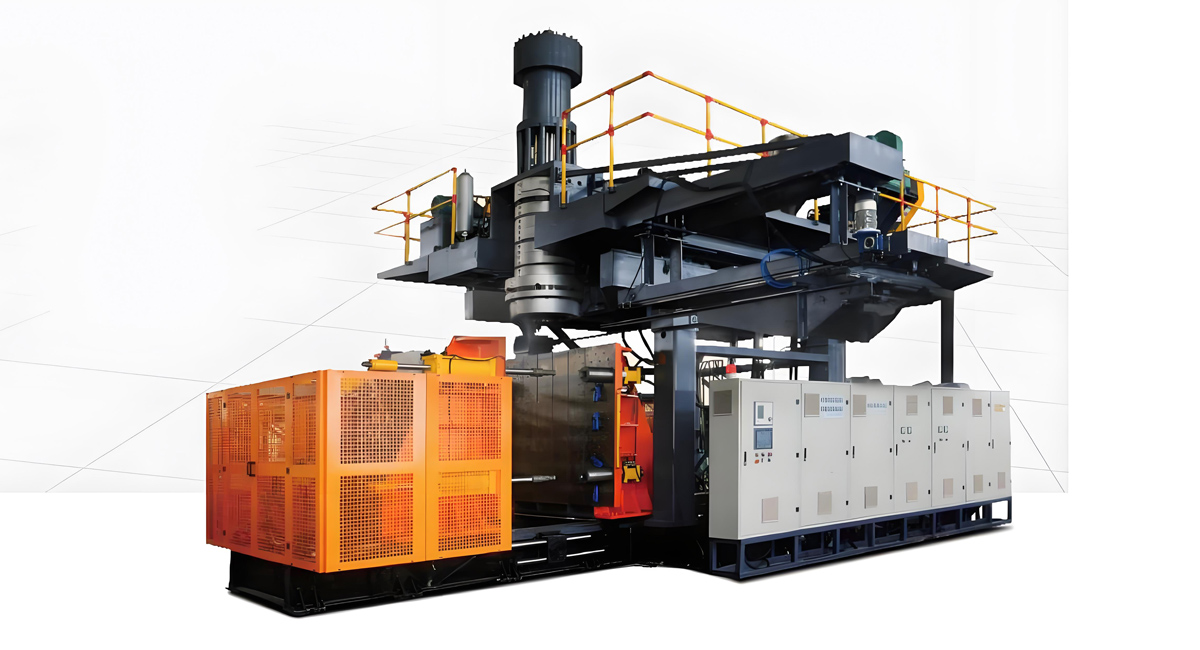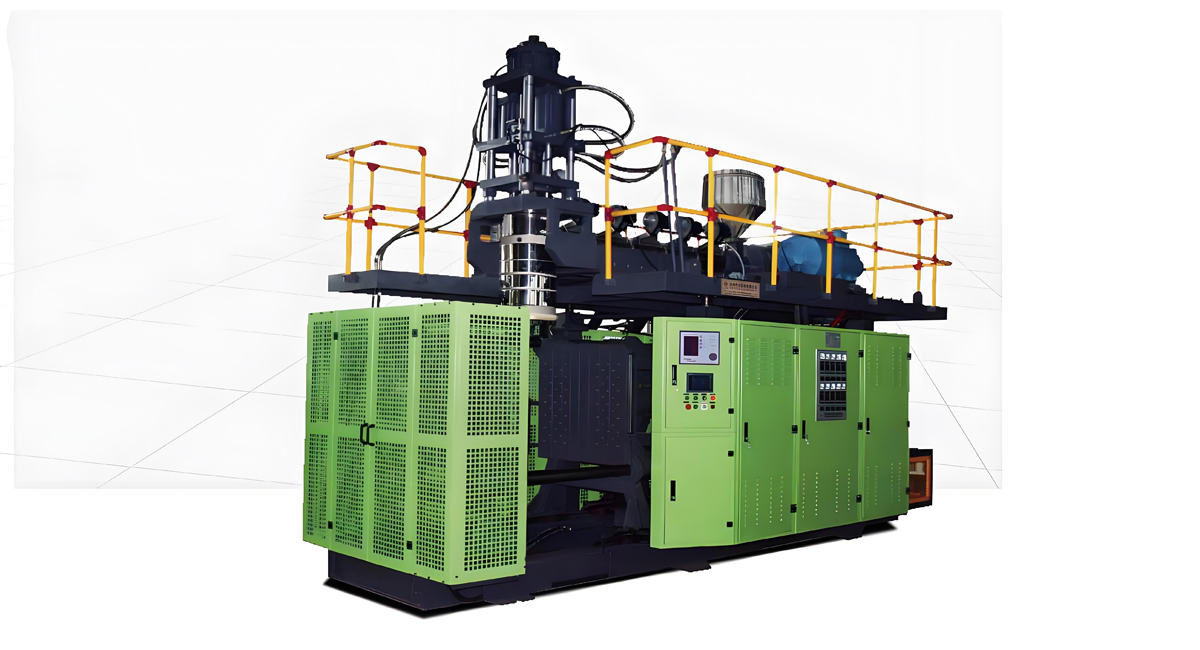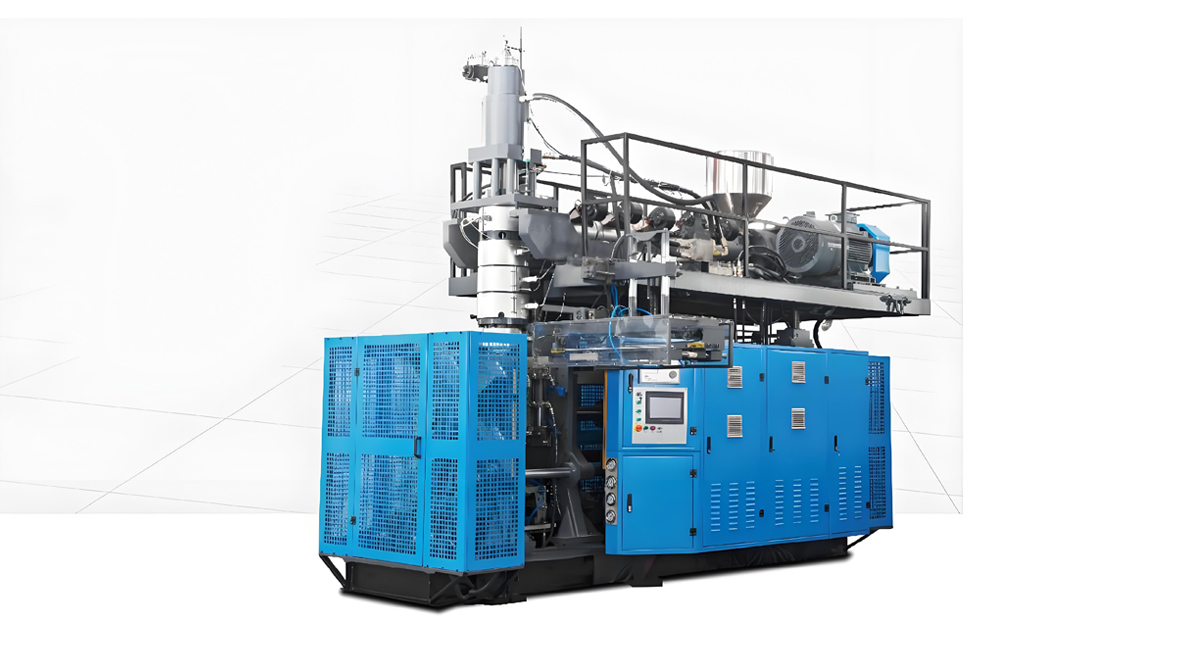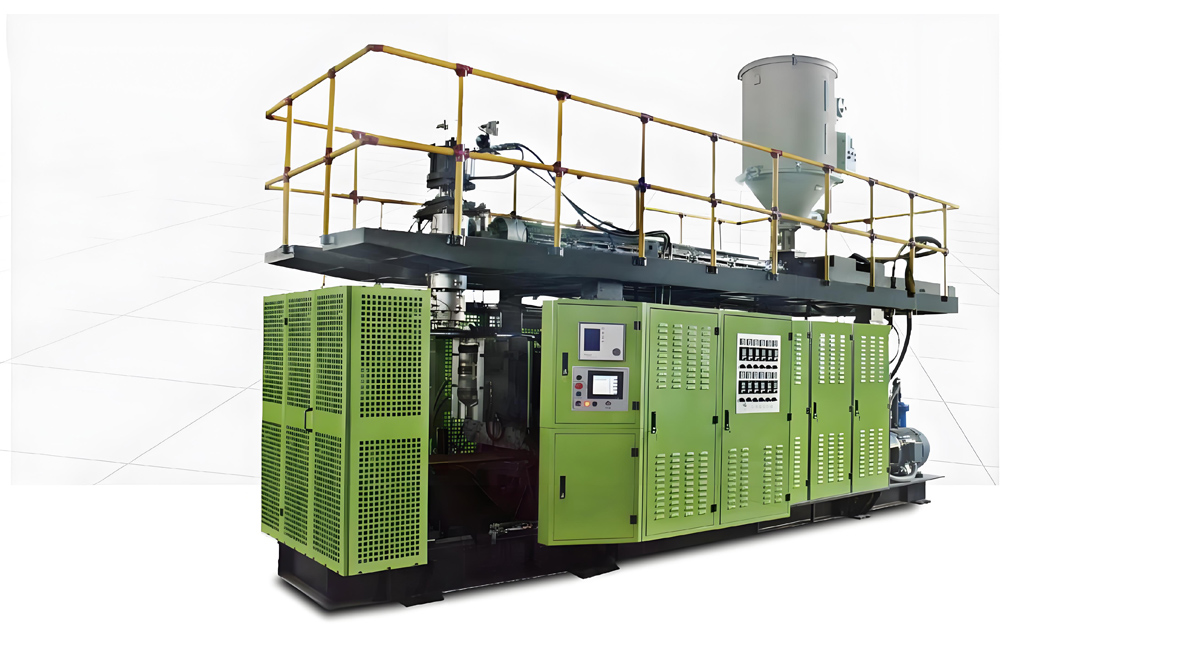
上海近郊の張家港にあるWanplas工場で20年以上にわたり、4,000台以上のEBM装置を製造してきたアポロは、また国際基準であるISO9001:2015、ISO 14001:2015、ISO 13485:2016を取得しています。本ガイドでは、6Lの高速金型変更式EBMマシーンで、調理油と酢を使用したジャリービンを単一ライン上で混合生産する方法について説明しています。プロセス、マシン構造、適切なHDPE製品グレード、そしてすべての容器を漏れないようにし、食品接触に適応する方法について学べます。
ジェリキャン用の押出ブロー成形とは
EBM(エキストルジョン吹き付け成形)は、溶融チューブ状のポリマー(パライソン)を挽き立て機で溶かして成形し、冷却されて凝固した金型内に膨らませて、空間を形成するプロセスです。このプロセスは、凹面や凸面のやや細長い容器も含む変形可能な形状を得られるため、他のほとんどの方法よりもジェリービンの形状加工に適しています。取り付け穴と四角形のボディを備えた6Lのジェリービンは、典型的なEBM製品です。
サイクルは、単一スレッドエキストルジョン機で始まります。ポリマー製品が接液部(バレル)に溶け込み、一定のL/D比に定められたスレッド内に進み、それを原画像状に形成するダイヘッドを通過します。その後、パライソン・プログラマは、柄や角の部材に十分な量の原料が供給できるように、長さ方向に厚さを調節します。
鉄瓶に吊るして二つの型片が閉じ、首元でくくられます。衝撃針が圧縮空気を注入し、柔らかい鉄瓶を形溝の壁に押します。冷却チャネルが部品を固化させ、型が開くことで、完成された鉄瓶が排出され、脱圧されます。EBM は HDPE製品、PP、PVC、およびいくつかの工学プラスチックを使用できます。そのため、食品用と非食品用の液体の両方に柔軟に対応できます。
調理用油と酢の場合、EBMは決定的な利点を提供しています。同じマシンと基材を使用することで、迅速な金型交換により両製品を生産できます。この機能が混合生産の核心であり、だから6Lの高速金型交換EBM機器は契約製造工場や地域ブランド工場における重要な存在となります。
6Lの容器で食用オイルと酢に適した理由
6Lサイズは、家庭や飲食業界向けの食品用液体のために最適です。6Lの食用油は、満杯の状態でも安全な手による持ち運びの許容量を超えないため、家族やレストランでの使用に適しています。また、6Lの酢は、ボトルングライン、調味料のキッチン、および中量のドラムで購入する洗浄用調味剤のブレンダーに使用できます。
これら両方の液体には共通の要件があります:容器は製品と相互作用しないことが求められます。調理油はポリマーの一部を徐々に浸透し、弱い壁を通して酸素が到達すると腐敗します。酢にはアセチル化された酸が含まれており、多くのプラスチックや金属に害を与えます。HDPE製品はこれら2つとも抵抗します。このため、世界でこのセグメントを支配しているのはHDPE製品製のジャーマン缶です。
長方形の6Lの脚立缶は、輸送や据えかせスペースも最適化しています。一体型のハンドルは注ぎにも対応し、太い口部は入れ物と清掃操作をスピーディーに行えます。EBMは、ハンドルと本体をワイヤー引き抜き造形で合成しているので、二次組み込みが不要となり、溶接部分での漏れも防げます。
1ラインでの混合生産では、工場は1台の機械、1つの材料ストリーム、および1つのオペレータのスキルセットを購入します。唯一の可変要素は金型と保存された工程レシピです。金型を変更するには、数時間ではなく数分で済みます。
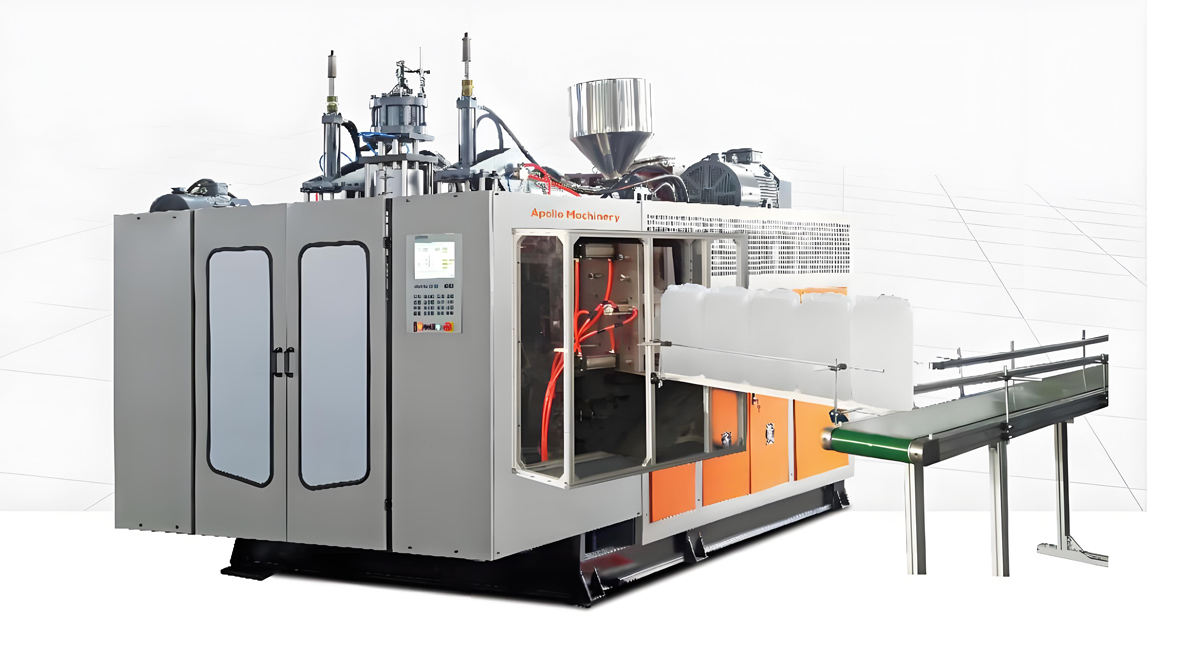
高速成形変更EBMラインの解剖図
現代的な 6L EBM ラインは、押出、パリソン制御、締め込み、吹き込み、冷却、下流処理を組み合わせた協調システムです。各サブシステムは、最終的に壁の品質、出力、および切り替え速度を決定します。レイアウトを理解することで、購入者は調理油とお醤油の SKU の実際の組み合わせに合わせた構成を選択できます。
エクストラクターとバレル
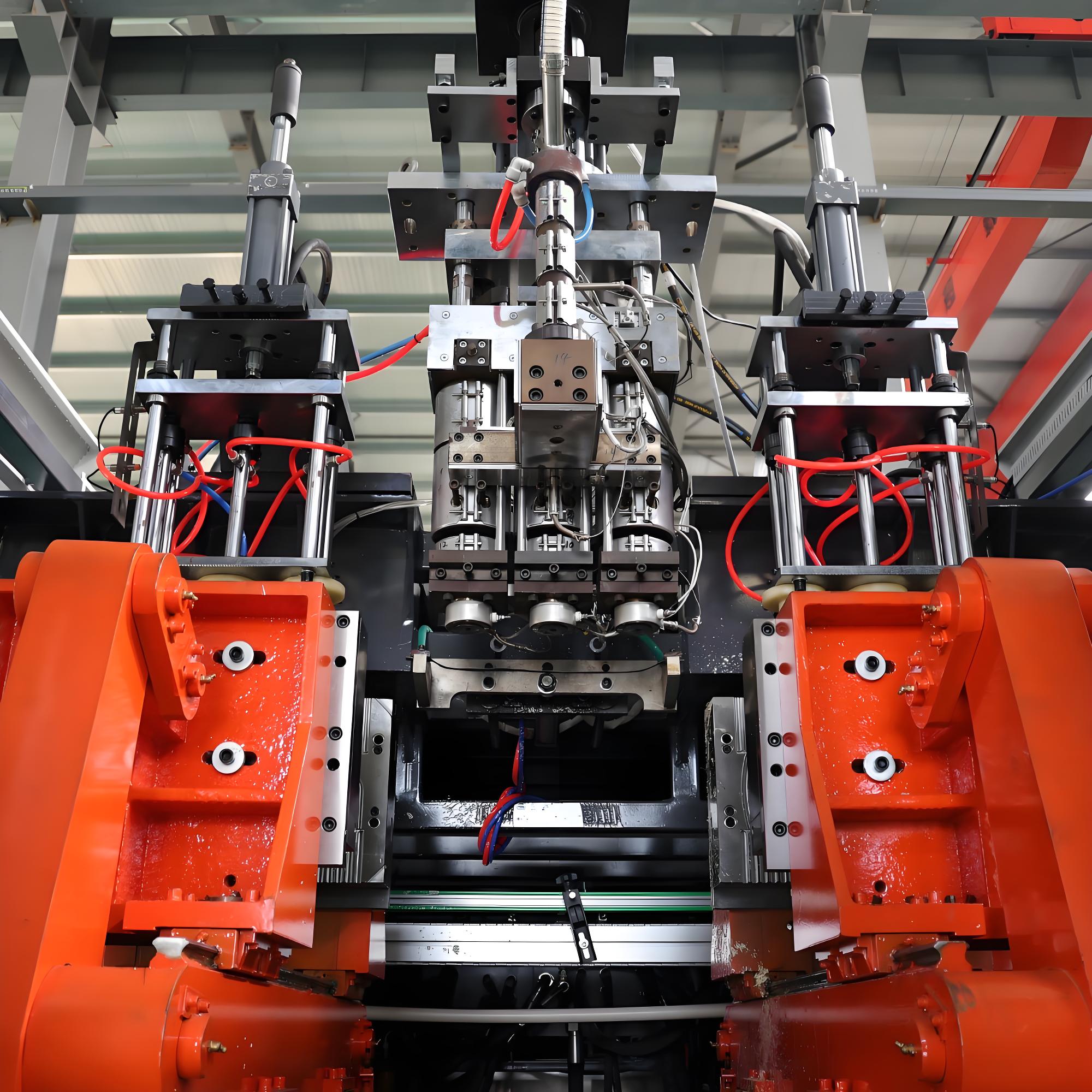
シングルスクリュー式の押出機は、安定した溶融温度で HDPE製品 を塑造します。バレルは、研磨性の高い原料と長時間の運転に耐えるために、硬化済み窒化またはバイメタルライニングを採用しています。スクリューの直径と L/D 比率により、パリソン用の可動溶融量が決まり、それにより最大容器サイズとキャビテーションが制限されます。
ダイヘッドとパリソンプログラマー
ダイヘッドはパリソンを形作り、連続的またはアキュムレータ供給方式で使用できます。安定した 6L 容量向けには連続的なヘッドが適した一方で、大容量の製品やサゲを低減するためにはアキュムレータヘッドを使用します。パリソンプログラマーは、ハンドルやコーナーに強度が必要な箇所で壁厚を調整し、ダイの隙間を多くの点で調整します。
クランプユニット
クランプユニットは、ブロー圧力によってモールドを閉じます。高速なモールド交換のために、プレートには汎用のモールドベースと油圧クランプ、およびクイックな水および空気接続が備わっています。施工工程を変更しなくても、モールドを移動できます。
ブロー、冷却、および脱フラッシュ
圧縮空気によるパリソンの膨脹、そして冷却されたモールド水による形状形成。自動フラッシュは支柱と切り分けラインのフラッシュをトリミングし、コンベアで製品を検査し、漏れ量を検出します。この全プログラムはたびたび繰り返され、PLC ではレシピが保存され、各製品が独自のパラメーターを再読込します。
6L 混合生産用アポロのABLB シリーズ
アポロのABLB シリーズは、200 ml から 20 L までの容器を包含するため、6L の調理油とお醤油ジャークャンはそのコア範囲内に位置しています。このシリーズは、二重ステーションと複数ヘッドオプションの 8 機種を提供するため、購入者は柔軟な混合運転から高キャビティ単一 SKU ラインにスケールできます。次の表は、混合食用液体生産用として使用されている典型的な 6L クラスの構成を示しています。
| パラメータ | ABLB 6L 構成 | 注記 |
|---|---|---|
| 最大容器容量 | 6 L (最大 10 L) | ABLBシリーズは200ML~20Lの取り扱いです。 |
| 取扱いステーション数。 | ダブルステーション。 | 混合型または並列型金型をサポートしています。 |
| ダイヘッドの種類。 | 連続型または蓄電方式。 | 安定した6Lの連続作動に対応しています。 |
| スクリュー径 | 70 mm | シングルスクリュー型押出機。 |
| L/D 比率 | 24:1 | 耐久性の高いHDPE製品樹脂の塑着。 |
| エクストラーダ motor | 30 kW | 閉回路制御を採用している点。 |
| 加熱方式。 | 18 kW | 缶部・ダイゾーン。 |
| 型締力 | 60 kN | 牽引圧の下で型を保持する |
| 型板のサイズ | 420 × 420mm | 6Lのジェリキャン型に対応する |
| 取付け電力 | 58 kW | 一般的な6Lクラス抽出 |
| 冷却水 | 3 m3/h | 冷却型用回路 |
| 出力 (6L、1つのキャビティ) | 110 ~ 150 個/h | 一台あたり、HDPE製品 |
| 次の形式をとる: "1. " 一行ずつ。他には何も加えていません。 | 4.5 t | Approximate |
ABLB は前述のハードウェアと アポロ のレシピ管理を組み合わせ、炒めた油と酢を入れた容器を個別に温度、凝固、作業時間の設定ポイントを維持します。ラインが切り替わると、オペレータはレシピを選択し、PLC はすべての値を復元し、手動での再入力におけるエラーをなくします。
モジュール性は投資を保護します。同じ ABLB ベースは、容量が増加するにつれてより大きなプレートや追加ヘッドを許可するため、混合 6L ジャークャンで始める工場は、後に単一 SKU の調理油のキャビティを追加して、エキスプラッサを交換せずに安定したラインを作成できます。アポロは、200 ml から 20 L までのファミリー内でクランプと制御プラットフォームをスケールするように設計しています。これにより、スペアパーツとトレーニングがアップグレードに関係なく共通化されます。
高速成形変更システム
混合生産は変更作業時間により生死を分けます。短時間の金型変更システムにより、最後の酢容器から最初の炒めた油容器への時間の差を数時間から数分に短縮できます。その節約は標準化によるもので、操作者を急いで仕事させるものではありません。
金型ベースには、6L の製品ファミリー全体で共通のプレートパターンが採用されています。水力式の固定金具は金型を解放し、ロックし、プッシュプル カップリングは一回の動作で冷却水、空気、ブローラインを接続します。アラインメント ピンは金型を正確に装着し、最初のシャットからはすでに目標の口部と取っ手である中心位置に当たるようにします。
レシピ記憶はシステムの後半部分です。各容器には、エキストルジャータの温度、スレッドスピード、凝固プロファイル、ブロー圧、冷却時間が保存されています。ラインが切り替わると、レシピが自動的にロードされ、HMI が設定ポイントを確認した後に操作者が生産を開始することができます。
実用的な混合ラインでは、調理油と酢の二つのジェリキャンを日ごと、またはシフトごとに交互に利用することもあります。15から30分の交換時間を要するため、単一のABLBラインで両方のSKUを処理でき、第二の機器を休止させる必要はありません。この柔軟性は、契約パッカーや季節的需要変動がある地方ブランドにとって重要です。
材料の選択:食品用液体用のHDPE製品グレード
材料の選択は、味の中立性、保存期間、および規制当局による承認を決定します。炒めた油と酢を入れた容器については、ブロー成形用の HDPE製品 がデフォルトとなり、PP はホット詰め込みオプションです。次の表は、両種の違いをご紹介し、なぜ HDPE製品 が 6L の食用液体市場をリードしているのかを示しています。
| 材料 | 密度 g/cm3 | MFR g/10min | 重要な性能 | 食品接触 | 最適な用途 |
|---|---|---|---|---|---|
| HDPE製品 (blow grade) | 0.945 から | 0.3 ~ 1.0 | 965 | FDA、EU10/2011 | 食用油、お酢 |
| PP(ホモポリマー) | 0.90~0.91 | 1.0~3.0 | 100 Cまでの高温充填 | FDA、EU10/2011 | 熱塗り酢 |
| HDPE製品 with ESCR add. | 0.945 ~ | 0.3 ~ 0.8 | 955 | FDA、EU10/2011 | 引張ひび割れ耐性 |
長期間の油瓶保管に耐える
食用油は、壁が何ヶ月も油と接触し続けるため、環境ストレスによる引き裂きに耐えることが求められます。ESCRが高いブロウグレードはハンドルの付け根でゆっくりとひび割れが発生しないようにします。お醤油は耐酸性が求められます。HDPE製品は、一般的な濃度の酢酸に対して無害であるため、製品と消費者の両方を保護します。6. 食品接触許容値は、レジンの証明資料と機械によって決められます。購入者は、サプライヤーのFDAおよびEU10/2011宣言を請求し、生産記録と一緒に保管する必要があります。アポルトは、味とコンプライアンスを保護するために、食用ラインをあらかじめ浄化された特別な材料流で運用することをお勧めします。
共溶融または適合した混合法を用いてリサイクル素材を使用することができますが、飲料用液体の内側の層は未使用のグレードの高密度ポリエチレン(HDPE製品: 高密度ポリエチレン)製でなければなりません。既存の規制が許す場合には、外側の層にリサイクル素材を含めることができるので、製品に問題が生じることなくコストと環境負荷を削減できます。
プロセスパラメータの最適化
よい金型は一貫したジェリーノックに変わります。以下の値は、6LのHDPE製品ジェリーノックの典型的な範囲であり、実質の金型上での実際の試験により確認する必要があります。目標は、均一な壁、清潔なネック、及び過冷却しない短いサイクルです。
| パラメータ | 推奨される幅 | 成形品への影響 |
|---|---|---|
| 溶融温度 | 160 ~ 210℃ | 流動性と塊形成の安定性 |
| スクリュースピード | 40 ~ 70 rpm | 溶融成分均質化 |
| 塩化ガス圧 | 0.6 ~ | Corner and handle fill |
| 比較ポイント | 32 ~ 64 | 壁厚の制御 |
| 金型温度 | 10~20 C | 周期と表面 |
| 冷却時間 | 8~14 s | ワープ(歪み)がない状態で抜く |
メルト温度がパリソンの安定性を確保します。あまりに低温だとパリソンが折れてしまい、あまりにも高温だと取っ手部に沈み、薄くなります。パリソンプログラマーは、ぎりぎり破損するものづくりマニュアルの表加工コンポーネントを隅部と取っ手部に移動させることで、円筒形や六角形のある容量6Lの製品でも、離れている隅部へと圧力を伝達します。フィルム抜け検査で耐水性を確認できますが、適切な吹き込みで薄い部分を作らないことで、フィルム抜け検査に合格することを確認できます。冷却時間で出力と反りをバランスすると、早めに出した製品は反りが起こり、キャップが装着できません。
ブロー圧は、長方形形状の6Lの遠い隅まで到達しなければなりません。圧力の衰減による漏れテストで後からシールを確認しますが、適切なブロー処理を行っておくことで、テストによって不合格になる薄めポイントを防ぐことができます。冷却時間によって出力と曲げのバランスがとれ、早期に部品が放出された場合、カバーのフィット状態を満たしておらず、失敗します。
アポロのABLBコントロールは、レシピ中のこれらのセットポイントを維持します。その結果、混合調理油と酢のラインは、毎回目標に戻ります。結果として、長い生産週間でもスクラップが少なく、出荷量が安定します。
漏れ防止による品質保証
調理油や酢が漏れているジェリキャンは、製品リコールの危険兆候です。漏れ防止性能は、設計、プロセス、およびテストによって実現されるものであり、単一のコントロールからは得られません。アポロは、食用液体用のABLBラインにこれらすべてを含めます。
塗膜の厚み分布は、第一の防衛です。パリゾンプログラマーは、特にハンドル接合部と底溶接部などの、負荷が集中する箇所に材料を配置します。均一でプログラミング可能な塗膜が、弱点をなくし、それがワケや漏れに発展するのを防ぎます。
ネックの仕上げと密封面は、キャップの性能を決定します。精密な溶剛金加工で、ねじと密封面を平行にして、キャップの圧縮が均等になるようにします。汚れや不完全なねじ込みは、ネックカメラやライン上のゲージで確認し、漏れの原因となるケースが多くみられます。
インライン漏れ検査では、空の缶を密閉して圧力を与え、数秒間にわたり減少量を監視します。限定値を超える部分はパッキング前に取り除きます。食用液体の場合、6Lのライン速度で100%の検査が実行可能であり、ほかのタイプの容器に比べて特に調理用オイルと酒酢の場合で推奨されます。
最後に、クリーンな冷却とモールドの保持によるダストや変形の防止がシーリング面を保護します。陸域上の小さな粒子や凹み折れたネックなどは、それ以外は完璧な容器を台無しにします。そのため、加工プロセスの安全性と同様に、清潔管理やモールドのメンテナンスも重要です。
ジェリキャン用のEBMと他のプロセスの比較
お客様中には、6Lのジャーキャンに対して注入ブロー成形や注入ストレッチブロー成形をEBMに代わる方法として求める方もいます。下記の比較表から、EBMがこのサイズの取扱い可能な食用液体の容器に適している理由がわかります。
| 判断基準 | EBM (アポロ ABLB) | IBM | ISBM |
|---|---|---|---|
| ハンドルの統合 | 1回の注入で成形 | 限定された範囲 | いいえ |
| 容器サイズ | 200 mL~20 L | 3 mL to 1 L | Up to 20 L |
| 材料 fit | HDPE製品、PP、PVC | PE、PP, PS | PET、PP |
| ツーリングコスト | 中型 | 高 | 高 |
| 壁の制御 | プログラム可能 | 良好 | 優れている |
| 複数の素材での製造 | モールドの変更が容易 | Slower | Slower |
EBMは、6Lのジェリキャンのハンドル統合とサイズ範囲において優れています。IBMとISBMは小型の高透明度のボトルと緻密な樹脂を得ることがとても得意ですが、取り扱い可能な6Lの食用容器では最も優れていません。調理油や酢の場合、取り扱い可能な四角形の小さなジェリキャンこそがEBMの最適な場所です。
取引の対象となることは表面仕上げです。EBM の部品にはパーティングラインとフラッシュが付いており、これらを除去する必要があります。一方、IBM および ISBM はフラッシュのないネックを提供できます。エディブル・リキュー用のアポロの自動デフラッシュとネックトリムは、このギャップのほとんどを埋めることができ、容器を清潔に保ち、キャップ座面を正確に保ちます。
選択ガイド:モデルに対する要件
適切な機械は、お客様の製品群、ボリューム、およびコンプライアンス要件によって異なります。表では、共通の 6L のエディブル・リキュー要件を、相応しいアポロ構成と対応させ、製品をリストアップリストにすべきかを判断するために使用します。
| 要求事項 | お勧めのアポロモデル | 理由 |
|---|---|---|
| 炭酸飲料と食品用の果実ジュース | ABLBシリーズのダブルステーション | モールド変更が速適、レシピファイルを保つ |
| 一つの 6L の製品のみ、大量生産 | ABLB多孔容器 | 時間あたりの生産量の高い |
| 低エネルギー、ハイドロリフラーなし | フルエレクトリック Series 6L | 電気駆動、清潔なプラント |
| 20L~1500Lドラム | ABLD シリーズ | 大型容器領域 |
| 80℃以上の熱灯醤油 | PPグレードでのABLB | PP耐熱性 |
ほとんどの混合食用液体工場では、ABLBシリーズのダブルステーションがスタート地点です。これは、6Lの調理油と酢のジェリキャンを現在扱っており、範囲の拡大にともない隣接したサイズにスケールできます。フルリークコントロールシリーズは、厳格なエネルギー規制や清潔さ規制を反映する工場に対応します。
すでに20Lドラムを輸出している、または輸出する予定の企業の場合は、ABLDシリーズはアポロのエンジニアリングとサービスを共有しているため、トレーニングと交換部品は共通であり、混合容器ポートフォリオのライフサイクルコストを削減できます。
アポロが取り扱うアプリケーション産業
アポロの押出成形機は、食品・飲料、日用化学品、化学品、建材、医療、自動車、輸送分野を対象としています。6Lジャーのラインは、食品と日用化学品の分野の交点で位置し、そこで調理油と醤油が日常例として挙げられます。
食品・飲料分野では、調理油や醤油以外に、同ABLBプラットフォームは、HDPE製品とクリーンなネックを使用した醤油、シロップ、はちみつ容器があり、味を保護します。日用化学品の工場では、同封を防止する衛生の厳しさを要求する洗剤や消毒剤のジャーが使用されます。
化学工業は、広範囲の酸や溶剤に対してHDPE製品とPPが耐性があるため、EBMを選択します。建材や自動車ではアドブルー、洗浄液、潤滑油缶を含んで、6L~20Lのアーキテクチャを共有します。この広範囲性により、一つのアポロラインが複数の部門または顧客を対象とすることができます。
医療および製薬グレードの容器は、検証済み素材とクリーンルームを備え、ABLBプラットフォームがどのくらい広い範囲に適用できるかを示しています。調理油と酢の場合、食品接触グレードとインライン漏洩テストは、ほとんどのベンダーが求める実用的な基準を満たしています。
サービスとサポートに関するコミットメント
アポロはWanplas工場として、すべてのラインにグループの共通の約束を提供します。出荷前に、各機械は目標のジャーと接合し、出力、壁、およびシールを確認する工場受け入れ試験に合格します。その後、エンジニアが設置と試運転のために顧客現場へ向かいます。
Wanplasグループは年間500米ドルの無料スペアパーツを提供していますので、日常的な摩耗品がラインを止めることはありません。保証は欠陥部品を無償交換するものであり、輸送保証は移動中の機械を保護します。生産能力は合意された仕様に基づいて保証されます。
トレーニングでは操作、型替え、および基本的な保守について説明しますので、お客様のチームは変更操作に精通します。リモートモニタリングにより、アポロの技術者はPLCデータを読み取り、不良品になる前に不具合を発見することができます。オープン工場方針では、ラインの運行状況を確認したり、個別に型を承認したりするために工場への訪問を歓迎しています。
品質基準は明確な約束としています。機械が合意した品質に達成しない場合、お客様は返金に加えて10%の補償を受け取ることができます。この約束は、アポロが調理油および食酢の生産用に販売する6Lの高速型替えEBMラインの背後にあります。
食用ジェリービンの不備対策
精密に作られた6LのEBMラインでも不具合が生じる可能性があり、食品用に使用されるジャージキャップでは油および食酢が薄い壁と弱い中身を示すため、不具合がすぐに発見されます。調理油および食酢製造の安定を維持し、長期間の生産中に食品接触に関する主張を保護するために、短い不具合チェックリストを利用しています。
| 瑕疵 | 考えられる原因 | ABLBでの防犯措置 |
|---|---|---|
| 細いハンドルの根 | 誤った似合形状 | プログラマー経由で壁をハンドルに移動する |
| Neck flash | 金型の分離部が汚れている | 自動デフラッシュと清浄な空気 |
| Warped body | 早期の脱型 | 冷却時間を延ばし、金型温度を下げる |
| 継ぎ目から液が滲み出す | 打撃圧の低下 | 6Lサイクルを使用して圧力を0.6-1.0 MPaまで上げる |
| Off-taste | 汚染された流れ | 特定の食品等級のHDPE製品ラインを使用する |
通常は壁の形成前に冷却が終わってしまうため、完成した部品が放出されたときに歪んでしまう。金型温度を下げて冷却時間を延ばすと、ラインの動作をそれほど遅らせることはなく、6Lサイクルではすでに十分な冷却窓が設けられているため、曲げられた体を元に戻すことができます。パリション・プログラマーは、必要以上に厚みのある体ではなく、短い体にしておくべきです。余計な壁は冷却時間を長くして得るものは一切ないからです。
ネックフラッシュは四角いキャップの敵です。また、食用缶の場合、ネックフラッシュから生産物の残留物が付着し、後に液が滲み出すことになります。アポロの自動デフラッシュ機能が、サイクルごとにネックとパーティングラインを削除し、漏れの検出器がユーザーが指定した基準に合致しない缶を排除します。金型と工場の空気を清潔に保つことで、炭水化物又はベーキングオイルなどの消耗品の長時間使用後のフラッシュが元に戻ることはありません。
異臭や異味の問題は、マシンのずれではなく材料衛生に起因します。料理用炭水化物又は酢を専用の食品等級HDPE製品ラインで使用すれば、異味の危険性を軽減できます。また、ABLBレシピストアは、異なる製品を生産するたびに、各製品の確認済みパラメーターを設定することで、間違ったセットポイントにより、柔らかい壁の缶が下流に送出されないようにします。
領域色や紫外線安定性も、光で保管される食用缶の場合に重要です。少量のマスターバッチを使用して、容器を照明下で計画的に配置しながら、溶融流動性に影響を及ぼさないようにします。また、UV安定剤は炭水化物が光の影響で臭化するのを防ぎ、長期間の小売り販売時の品質を維持します。アポロでは、着色されたグレードや安定化されたグレードを使用する場合は、その添加物の食品接触適正性を製造業者に確認することをお勧めします。
よくある質問
ブロー成形とはどのようなもので、われわれはなぜ6Lの容器をこの製造手法を使用して成形できるのでしょうか?
ブロー成形は、金型頭部から溶融したプラスチック製の管(パリション)を成形し、圧縮空気によりこの管をキャリービングして、キャビティの形状にしてから、その冷んだ部品を完成した殊空容器(6Lの缶など)として排出します。
1台のEBM機械で料理油と酢のペットボトルを同時に生産することはできますか?
可能です。高速金型交換システムとレシピのストレージを備えたABLBシリーズの同じラインでは、わずか数分で料理油の金型と酢のペットボトルの金型を切り替えられます。どちらの製品も食品に触れるHDPE製品を用いているため、素材の取り扱いが統一されます。
ABLBファストチェンジラインではモールドの交換スピードはどのくらいでしょうか?
標準化された金型ベースに油圧クランプとクイックカプラーを採用すると、完全な切り換えが15から30分以内で完了します。レシピパラメーターは自動的に更新され、手動でのセットポイントの設定を要しません。
調理油と酢の容器にはどのプラスチックを用いるのが良いでしょうか?
ブロー成形用級のHDPE製品が調理油と酢のペットボトルの標準的な選択です。油と酢に対する耐性があり、FDAやEU10/2011の食品接触規程を満たしており、取り扱われる容器として必要とされる衝撃強度を確保します。
どのようにしてこの機械は漏れのないシールを保証しますか?
漏れの防止はプログラムされたパリオン壁の厚さ、きれいなネックの仕上がり、インラインの圧力減衰漏れ試験などによって実現されます。シール地とキャップネジは、精密な金型加工により厳しい厳密性に保たれています。
6LのEBMラインの出力はどれくらいでしょうか?
単トレイの6Lラインは通常110から150個/時間の出力を実現します。ダブルステーションや複数トレイ構成は、安定したシングルSKU統制時に出力を大幅に向上させます。
アポロでは現地での設置とトレーニングを行っていますか?
はい。アポロはエンジニアを派遣して設置と試運転を行い、工場での受け入れテストを実施し、オペレーターをトレーニングします。Wanplasグループは年間500米ドルの無償スペアパーツを提供しています。
ABLBラインは食品接触規制に対応できるでしょうか?
はい。適切なHDPE製品と清潔な製造工程を用いることで、ABLBコンテナーはFDAおよびEU10/2011の食品接触要件を満たしています。正式なコンプライアンスは、樹脂認定証明書と現地登録に基づいています。
まとめ
6Lの高速型変形機を使用すると、アポロABLBシリーズラインは、簡単な型の交換と保存されたレシピによって、調理用油およびお醤油用のジャーキャンを製造できます。HDPE製品グレードの選択、パリゾンのプログラミング、およびインライン漏れ検査により、すべての容器を食品接触で安全で、漏れ証拠のないものにすることができます。ワンプラス工場のアポロは、検査、設置、年間500米ドルの無償のスペア部品、および品質返金の約束とともに、このラインをサポートしています。ジャーキャン図面と日次生産量を送って、特別に設定された構成を受けること、工場訪問を手配すること、および目標モールドでのサンプル試運転を予約することができます。