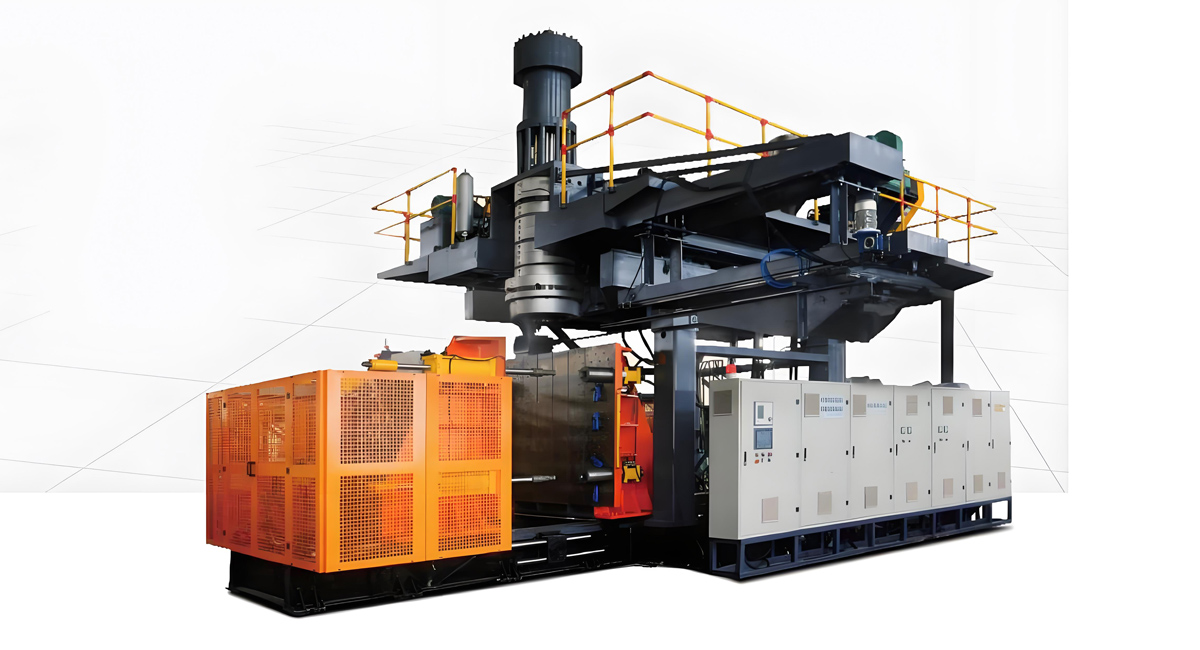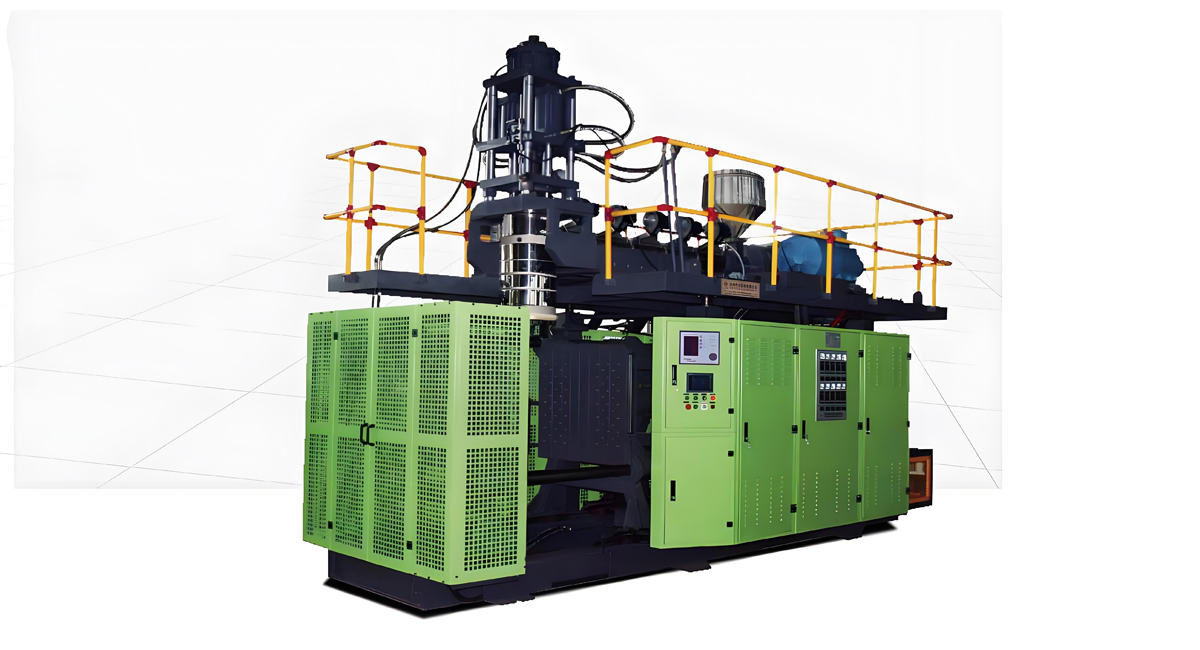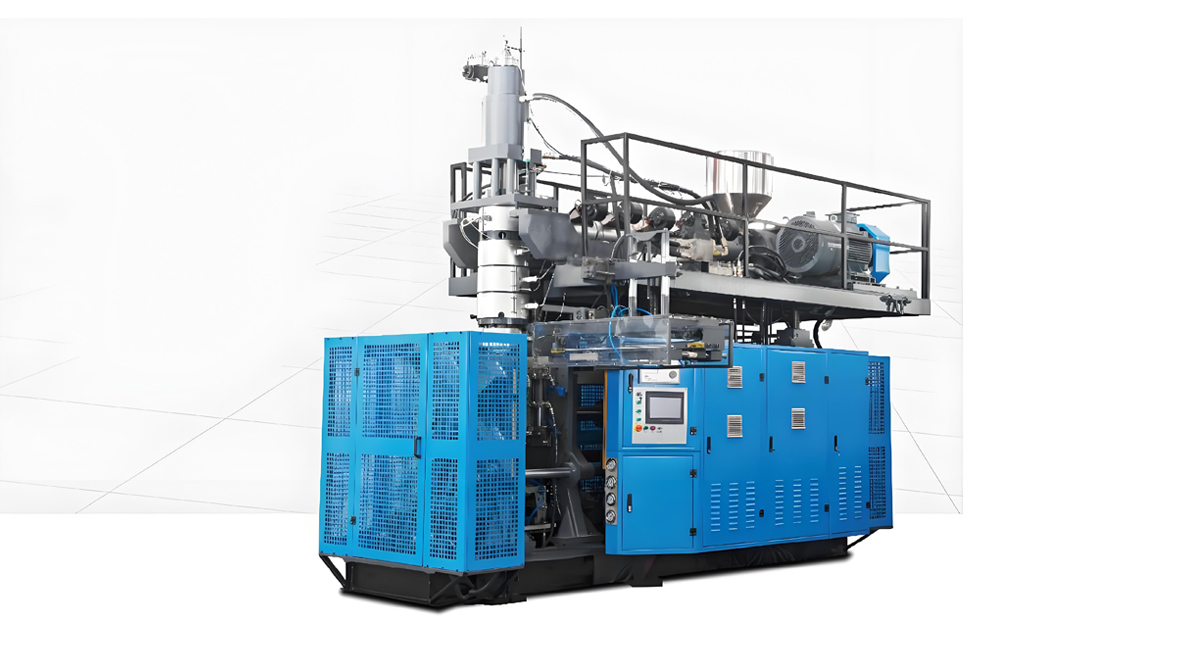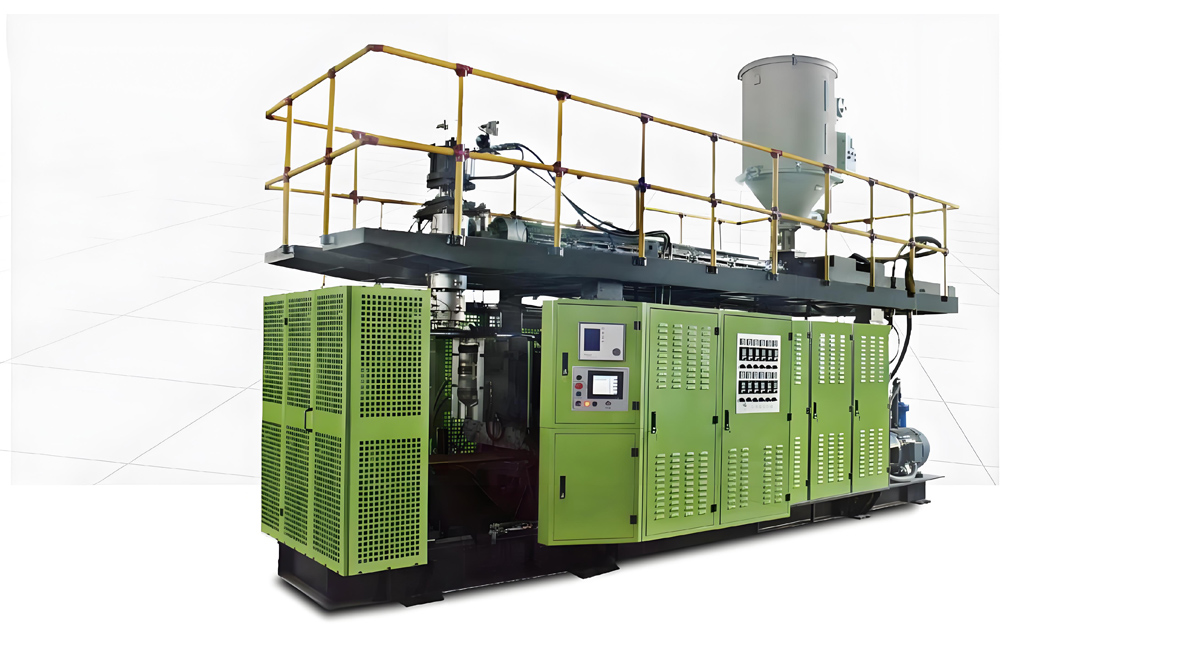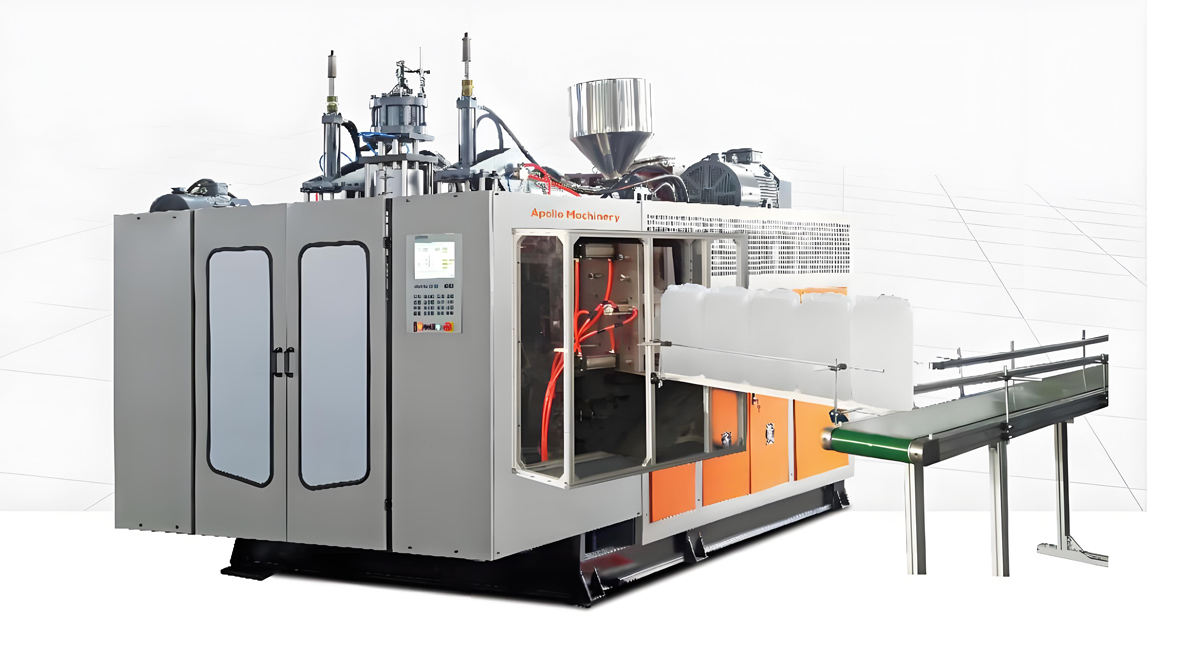
Фабрика «Апполо», принадлежащая компании Wanplas, расположенная в Янджягане недалеко от Шанхая, уже более 20 лет производит машины для экструзионного экструзионно-надувательного литья, на которых установлено более 4 000 машин и которые работают более чем в 90 странах. В этом руководстве объясняется, как машина 6 л для быстрой замены форм способствует смешенной производству бутылок для растительного масла и уксуса на одной линии. Вы узнаете процесс, архитектуру машины, необходимый вид HDPE и то, как обеспечить, чтобы каждый контейнер был герметичным и соответствовал требованиям к контакту с пищевыми продуктами.
Что такое экструзионное литье под давлением для бутылок для воды
Процесс экструзионно-надувательного литья (EBM) — это процесс формирования пластиковых контейнеров путем экструдирования расплавленного полимерного рукава, называемого паризоном, и надувания его внутри охлажденной формы. Этот процесс особенно подходит для бутылок, поскольку он лучше, чем большинство альтернатив, справляется с нерегулярными формами и большими секциями стенок. 6-л бутылка с встроченной ручкой и прямоугольным корпусом — классический продукт EBM.
Цикл начинается в экструдере с одним шнеком, в котором полимерные гранулы растворяются в трубке и продвигаются в нее с определенным отношением L/D. Раствор проходит через головку форменного патрона, которая формирует паризон нужного диаметра и протекает по стенке. Программатор паризона регулирует толщину стенки вдоль длины, чтобы ручка и углы получили достаточно материала. Два полуформ закрываются вокруг висящего паризона и захватывают его в горлышке. Шприц для надувания вводит сжатый воздух, толкая мягкий паризон вниз по стенке полости. Каналы охлаждения твердеют деталь, формы открываются, и готовая бутылка извлекается и раздувается. EBM поддерживает HDPE, ПП, ПВХ и несколько инженерных пластмасс, что делает его гибким для питьевой воды и непитьевых жидкостей.
Для растительного масла и уксуса EBM предлагает решающее преимущество: одна и та же машина и одно и то же базовое вещество используются для обеих продуктов благодаря быстрой замене форм. Эта способность лежит в основе смешанной продукции и является причиной, по которой машина 6 л для быстрой замены форм EBM заслуживает место в заводе-подготовителе или региональной заводе по производству товарных брендов.
По размеру 6 л находится в идеальном диапазоне для продуктов питания и бытовой питьевой воды. 6-л бутылка растительного масла подходит для использования в семье и в ресторане без превышения безопасной массы для ручного переноса, когда она полна. Сок уксусной кислоты поставляется в 6-л бутылки на линии по разливке, в кухни для приправ и в блендеры для чистящих жидкостей, которые закупают в средних по объему барабаны.
Почему 6-литровые емкости подходят для растительного масла и уксуса
Оба жидкости удовлетворяют одному требованию: контейнер не должен взаимодействовать с продуктом. Растительное масло медленно проникает в некоторые пластмассы и портится, если к нему попадает кислород через слабые стенки. Уксус содержит серную кислоту, которая атакует многие полимеры и металлы. HDPE противостоит и тем, и другим, поэтому бутылки из HDPE доминируют в этом сегменте во всем мире.
Регулярная 6-л бутылка также оптимизирует транспортировку и пространство на полках. Интегрированная ручка поддерживает разлив, а широкое горлышко ускоряет заправку и очистку. EBM формирует ручку и корпус одним прижимом, поэтому нит не существует второстепенного сбора брызг и несуществует путь проникновения через места пайки.
Смешанная продукция на одной линии означает, что предприятие приобретает одну машину, один поток материалов и один набор навыков оператора. Единственным изменным фактором является форму и заданная рецептура процесса, которые система быстрой замены форм подменяет за считанные минуты, а не за часы.
Современная линия 6 л с EBM — это скоординированная система экструзионного, программирования паризона, зажима, надувания, охлаждения и обработки по выгрузке. Каждая подсистема определяет качество стенки, производительность и скорость перехода. Понимание устройства поможет покупателям подобрать конфигурацию в соответствии с реальным набором позиций SKU для растительного масла и уксуса.
Анатомия линии быстрого смены формы для экструзионного литья под давлением
Экструдер с одним шнеком пластифицирует HDPE при стабильной температуре расплава. Труба содержит армированную хромонитридирующую или биметаллическую обшивку для выносливости в борьбе с перегруженной переливной и долгими сменами инструментов. Диаметр шнека и отношение L/D определяют доступный расход расплава для паризона, что ограничивает максимальный размер контейнера и кавитацию.
Extruder and Barrel
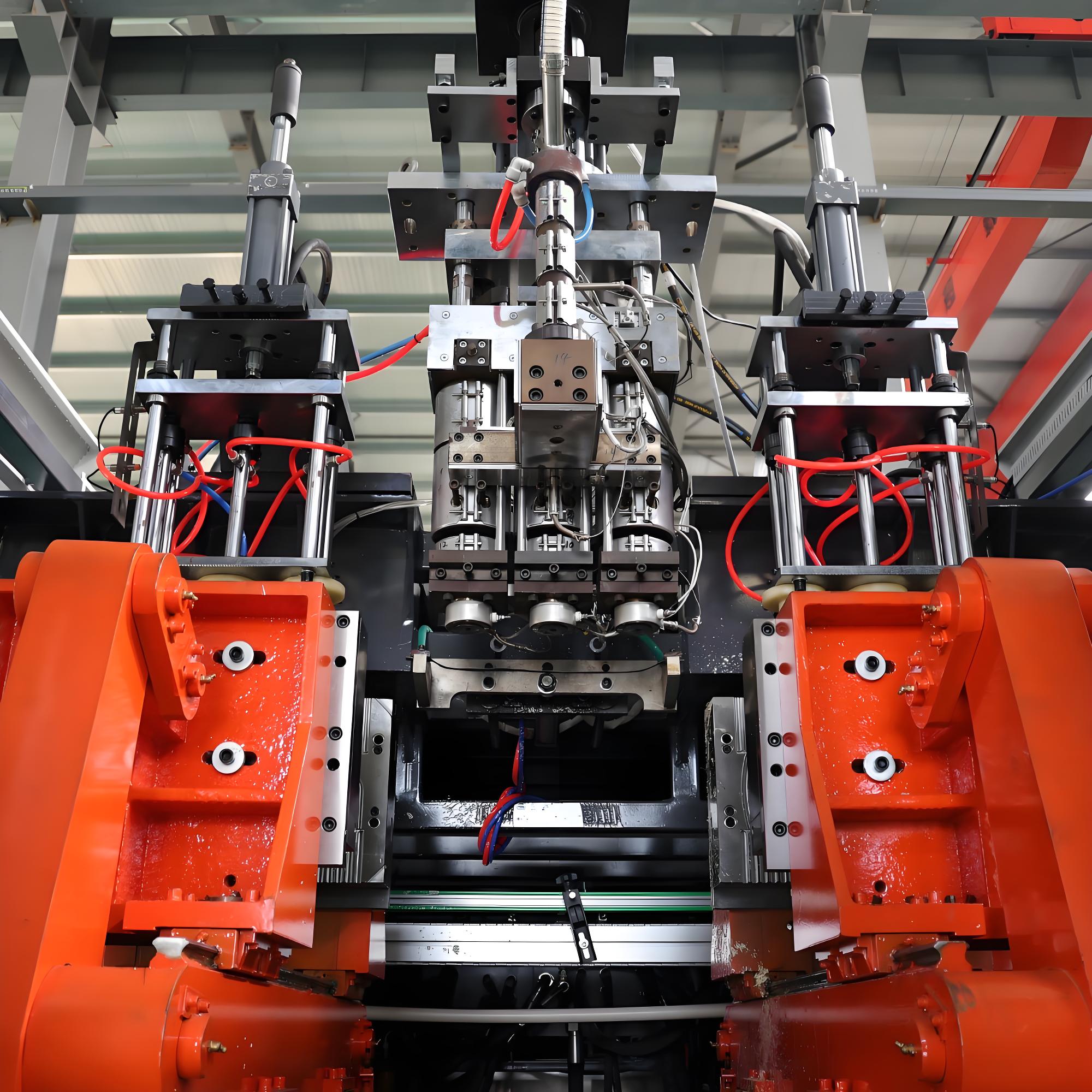
Головка форменного патрона оформляет паризон и может работать как непрерывный или аккумулятор. Непрерывная головка подходит для стабильного производства 6 л, в то время как аккумуляторная головка используется для более крупных соточных и снижает дрожание. Программёр паризона регулирует зазор в формообразующей головке в разных точках по траектории, настраивая толщину стенки там, где нужны прочность ручки и углов.
Die Head and Parison Programmer
Единственный недостаток контейнера из HDPE — это риск проникновения продуктов питания через витки витков на стенках резервуара, в зависимости от пластикового материала, используемого в процессе ЕБМ. Традиционное решение — применение трубчатой стенки справа от горлышка, что означает, что горлышко меньше скользит в инертный материал и создает ловушку для проникновения продуктов. Дополнительная защита от проникновения пищи через стенки пластикового контейнера, используемого в производстве продукции ЕБМ, может быть обеспечена за счет нанесения небольшого слоя (от 0,03 до 0,04 мм) двухкомпонентной упрочняющей краски (или этого же состава, но в виде пленки) на очень узкую часть горловины прямо по неточности вдоль двух витков витка.
Крепление и основание форм
Вспомогательное крепление удерживает форму закрытой под давлением воспламенения. Для быстрой смены форм планта позволяет операторам переставлять одну форму и заменять ее другой без отдельного обслуживания трубопроводов на каждой линии. Основание с регулируемым электромеханическим захватом и быстросъемными соединениями для воды и воздуха позволяет операторам заменять одну форму другой без ре-сервиса каждой линии.
Вдувание, охлаждение и отщипывание излишков металла. Сжатый воздух надувает полуформу, а охлажденная вода из формовочного агрегата задает форму. Автоматическое отщипывание излишков металла очищает горлышко и участки разделения, а конвейер перемещает детали на проверку на протекания. Целая цепочка повторяется при каждом цикле, а ПЛК хранит рецепты, чтобы при каждой операции новый продукт настраивал свои параметры.
Сжатый воздух надувает запар, а охлаждённая жидкость из форм даёт форму. Автоматическая очистка от штифта сбривает обрезивный и разделительный штифты, а конвейер переносит детали для проверки на течь. Весь цикл повторяется каждый раз, а ПЛК хранит рецепты, чтобы каждый продукт мог адаптировать свои параметры.
Серия Apollo ABLB для 6-литровой смешанной продукции
Специализированная серия АБЛВ компании Apollo включает емкости от 200 мл до 20 л, что позволяет 6-литровым бутылкам для растительного масла и уксуса охватить практически весь диапазон. В серии представлено восемь типов оборудования с двойными станциями и многолучковыми опциями, благодаря чему покупатель может масштабировать выпуск от гибкого смешанного производства до прямолинейного выпуска одного вида продукции. Ниже приведен список типичной 6-литровой конфигурации, используемой для смешанного производства пищевых жидкостей.
| Параметр | ABLB 6L Конфигурация, | Примечание |
|---|---|---|
| Максимальный объём контейнера | 6 л (до 10 л) | Специализированная серия АБЛВ охватывает емкости от 200 мл до 20 л. |
| Количество станций | Две станции | Supports mixed or parallel molds |
| Тип головки экструдера | Продукт непрерывной сборки или сборка из аккумуляторов | Продукт непрерывной сборки для производства 6-л банок непрерывно |
| Диаметр шнека | 70 mm | Экструдер с одним шнеком |
| Коэффициент L/D | 24:1 | Стабильное пластифицирование HDPE. |
| Extruder motor | 30 kW | Система с закрытым циклом управления |
| Мощность нагревательного элемента | 18 kW | Район стойки и зоны формовочной прессы |
| Усилие смыкания | 60 kN | Защита пресс-формы от удара давлением из бункера |
| Размер полотна пресс-формы | 420 х 420 мм | Соответствует пресс-форме для банок емкостью 6 л |
| Установленная мощность | 58 kW | Типичная линия 6L с циклами изготовления |
| Охлаждающая вода | 3 m3/h | Канал охлаждения штампов |
| Выход (6L, одноячеечная форма) | 110–150 штук/час | На одну станцию, ПВХ |
| Масса машины | 4.5 t | Approximate |
Линия ABLB сочетает вышеперечисленное оборудование с управлением процессами Apollo, таким образом, подаваемая подсолнечное масло и уксус хранятся при собственной температуре, постоянной климатической среде и выбранном времени. При переключении производства оператор выбирает рецептуру, и ПЛК восстанавливает значение всех параметров, исключая ошибки ручного внесения данных.
Модульность также защищает инвестиции. Та же базовая платформа ABLB принимает более крупные подформы и дополнительные головки в процессе увеличения объема производства, поэтому предприятие, разогнавшее на старте производство смешанных 6L-форм, в дальнейшем может добавить канавки для постоянного производства одной перепутанной линии по обмолочиванию, не меняя экструдера. Компания Apollo проектирует систему закрепления и управления таким образом, чтобы она могла масштабироваться в диапазоне от 200 мл до 20 л, что позволит использовать запасные части и обучать персонал, не меняя оборудование в процессе модернизации.
The Fast Mold Changeover System
Смешанное производство «живет» и «умирает» из-за времени переключения. Быстрый алмазный выжимной механизм сокращает разрыв между последней формой с уксусом и первой формой с подсолнечным маслом с нескольких часов до нескольких минут. Экономия достигается за счет стандартизации, а не за счет протекания операции оператором в поспешном порядке.
В основе пресс-формы находится универсальный паттерн футеровки для всей продукции 6- литрового объема. Гидроцилиндры освобождают и фиксируют пресс-форму, а штифтовые соединительные элементы соединяют линии охлаждения воды, воздуха и выдувания одним движением. Точечные штифты центрируют пресс-форму, благодаря чему от первоначального извержения соизмеряются вертикальная и горизонтальная оси входа в крышку и положение ручки.
Хранение рецептов – это вторая половина системы. Каждая бензобачка хранит температуру экструдера, скорость вращения штифта, профиль полуфабриката, давление выдувного устройства и время охлаждения. При переключении линии рецепт загружается автоматически, а индикатор ПКД подтверждает настройки перед запуском производственного процесса.
Различные типы производств могут выполнять смены между бутылками для растительного масла и уксуса через день или в течение смены. За одну смену проходит 15–30 минут на смены, поэтому на единичной линии серии АБЛВ производятся оба типа продукции без необходимости во внедрении второй машины. Эта гибкость крайне важна для подрядных предприятий и региональных брендов, у которых сезонный спрос неравномерен.
Выбор материала: сорта HDPE для пищевых жидкостей
Выбор материала определяет нейтральность вкуса, срок годности и разрешение на использование в еду. Для барабанов с растительным маслом и уксусом, грамматический HDPE предписывается по умолчанию, а PP используется в качестве вариантов горячей заливки. Таблица сравнивает оба материала и показывает, почему HDPE превосходит сегмент жидкостей пищевого назначения 6 л.
| Материал | Плотность г/см3 | MFR g/10min | Основное свойство | Использование в еду | Best use |
|---|---|---|---|---|---|
| HDPE (грамматический) | 0,945–0,965 | 0,3-1,0 | Устойчивость к маслам и кислотам | FDA, ЕС 10/2011 | Растительное масло, уксус |
| PP (гомополимер) | 0,90–0,91 | 1.0 to 3.0 | Согрев до 100 °C | FDA, ЕС 10/2011 | Уплотнение согретого уксуса |
| HDPE с добавлением ESCR. | 0,945–0,955 | 0,3-0,8 | Отказоустойчивость при разрушении под воздействием нагрузок | FDA, ЕС 10/2011 | Долгий срок хранения масла |
Для растительного масла необходим термостойкий материал с показателями устойчивости стенки к трещинам (ESCR), т.к. стенка залегает в тесном контакте с масляной субстанцией в течение длительного времени. Рядовой материал без показателей ESCR со временем начинает постепенно разрушаться на ручке бутылки. При производстве уксуса требуется материал, способный противостоять воздействию кислоты, поэтому полиэтилен высокой плотности (HDPE) реагирует на молочную кислоту при обычных концентрациях нейтрально и поэтому защищает продукт и потребителя от воздействия кислоты.
Оставляйте заявку на поставку продукта, используемого для контакта с пищевыми продуктами, и храните ее вместе с производственным рекордом. Компания «Аполло» рекомендует работать с оборудованием для производства продуктов, предназначенных для контакта с пищевыми продуктами, на отдельной, чистой потоке материала, чтобы защитить вкус продукта и обеспечить его соответствие стандартам.
Рециклирование материалов возможно посредством совместной экструзии или совместимой смеси, однако для жидкостей, предназначенных для контакта с пищевыми продуктами, внутренний слой должен оставаться ПХВ виртуального пищевого класса. Наружный слой может содержать рециркулированный материал, если это разрешено местными правилами, что снижает стоимость и нагрузку на окружающую среду без риска для продукта.
Process Parameter Optimization
Стабильные параметры позволяют изготовить отливку постоянного качества. Нижние значения — это типичные границы для 6-л. баков из ПХВ, и они должны быть подтверждены пробами на самом литце. Целю является одинаковым слоем, чистой горловиной и коротким циклом без переохлаждения.
| Параметр | Рекомендуемой границей | Влияние на деталь |
|---|---|---|
| Температура плавления | 160–210 C | Коэффициент устойчивости расплава и прессформ |
| Скорость винта | 40–70 об/мин | Гомогенизация расплава |
| Прижимное давление | 0,6–1,0 МПа | Заполнение углов и ручек |
| Точки прессования | 32 to 64 | Контроль толщины стенок |
| Температура пресс-формы | 10 to 20 C | Cycle and surface |
| Время охлаждения | 8 to 14 s | Выдувание без деформации тела. |
Температура плавления определяет стабильность парзиона. При слишком низкой температуре материал разрушается, при слишком высокой – он сгибается и становится тонким в безимённой зоне бутылки, где заканчиваются проблемы с герметичностью. Программируемый контролирующий завод Апполо перераспределяет материал стенки из толстой секции аксонометра в арку ручки, где бутылки чаще всего ломаются.
Напор воздуха должен достигать дальних углов прямоугольной формы 6 л. Испытание на прочность за счет уменьшения давления позже подтверждает герметичность, однако правильное выдувание предотвращает появление тонких участков, которые будут отвержены при проверке. Время охлаждения обеспечивает баланс между производительностью и деформацией: готовый изделие, помещенный в форму слишком рано, сгибается и не соответствует требованиям герметичности ручки.
Контролирующие устройства серии АБЛВ поддерживают заданные значения рецептуры, поэтому при смешанном производстве бутылок для растительного масла и уксуса каждый выпуск соответствует установленному стандарту. Результатом этого является низкий удельный вес брака и стабильный изделие в течение всей производственной недели.
Уплотнение защищает от протеканий
Будь то растительное масло или уксус, пробки, которые проникают, – это проблема, требующая возврата продукции в производство. Отказ от проникающих в пробку потоков является невозможным без комплексного применения методов проектирования, обработки и испытаний. Компания Апполо интегрировала все эти методы в производство бутылок для эджебильности, обеспечивая надежную герметичность.
Распределение толщины стенки – это первый слой защиты. Программист полутовара помещает материал там, где сосредотачивается напряжение, особенно в зоне соединения ручки и нижнего шва. Равномерная, программируемая толщина стенки устраняет тонкие участки, которые сначала проявляются в виде тьоков и превращаются в течь.
Финальное выдувание и герметизация горлечка определяют герметичность капота. Точное механическое обработание формы обеспечивает то же расстояние между резьбой и герметизируемой поверхностью, благодаря чему капак обеспечивает равномерное давление. Грязная гладка поверхность или короткий участок гладкой поверхности плеча – наиболее распространенная причина течи. Такие изделия улавливаются камерой/газовым измерителем на линии.
Встроенное испытание на прочность использует уменьшение давления: пустой контейнер герметизируется, нагнетается давление и контролируется падение показателя в течение нескольких секунд. Любое изделие, отклоняющееся от нормы, отбраковывается перед упаковкой. Для едких жидкостей проверка на прочность в 100% практична на скорости линии 6 л и настоятельно рекомендуется для растительного масла и уксуса.
Наконец, чистое охлаждение и последовательная деформация сохраняют герметизирующую поверхность от загрязнений и деформаций. Маленькую примесь на герметизирующей поверхности или деформированный плеч сохраняет идеальный контейнер, поэтому служба уборки и техническое обслуживание форм играет такую же важную роль, как и технологический интервал.
EBM и альтернативные процессы для бутылок для воды
Покупатели иногда спрашивают, не могли ли бы процессы инжекционного выдувания или инжекционного уплотненного выдувания заменить ЕВВ для контейнера 6 л. Ниже приведена таблица сравнения, показывающая, почему ЕВВ остается наиболее оптимальным решением для обработанных контейнеров едких жидкостей такого размера.
| Критерий | EBM (Apollo ABLB) | IBM | ISBM |
|---|---|---|---|
| Интеграция ручки | Да, за один выстрел | Limited | No |
| Размер емкости | От 200 мл до 20 л | 3 mL to 1 L | Up to 20 L |
| Material fit | HDPE, PP, PVC | PE, PP, PS | PET, PP |
| Стоимость изготовления инструментов | Средний уровень | Высокая степень очистки | Высокая степень очистки |
| Контроль стенок | Программируемая | хорошее качество | Отлично |
| Смешанное производство | Быстрая замена формы | Slower | Slower |
Лидерство в группе корпораций EBM в области выхода из горла по тяжести и прозрачности для 6-литровых бутылок демонстрируют наполнительные машины серии IBM и ISBM. Но такая гибкость по учетам большой емкости недостаточна. Машины-удлинители, разработанные для выполнения операций по поддержанию ресурсов, предназначены для испытаний или фиксации, а не для производственного использования на стадиях наполнения и закупорки. Для растительного масла и уксуса прямоугольная емкость с ручкой – это удобный тип упаковки, правила экспорта на котором легко адаптировать к требованиям крупных потребителей.
Торговая компромиссная точка — это покрытие: детали EBM имеют линию отсоединения и потеки, которые необходимо удалить, в то время как IBM и ISBM могут обеспечивать стенки без отделения. Автоматическая очистка от отделения и шлифовка горлышков от Apollo закрывает большинство этого пробела для обслуживания жидких пищевых продуктов, благодаря чему капалка плотно надевается и находится в хорошем положении.
Руководство по выбору: требования к модели
Подходящая машина зависит от вашего ассортимента, объема и требований по соответствию стандартам. Таблица привязывает общие требования к 6-литровым жидким пищевым продуктам к конфигурации Apollo, которая идеально подходит для них, поэтому покупатели могут создать короткий список перед тем, как запрашивать подробный расчет.
| требование | Recommended Apollo model | Reason |
|---|---|---|
| Смешанное производство растительного масла и уксуса, частое сменение | Сервис двойной станции серии АБЛБ. | Быстрая замена формы, хранение рецептов |
| Один SKU объемом 6 л, большой объем | АБЛБ с множеством полостей. | Высокий выход за час |
| Низкое энергопотребление, отсутствие гидравлики | Полностью электрическая Series 6L | Электрический привод, чистая фабрика |
| Бутылки в будущем от 20 л до 1500 л | Серия ABLD | Режим работы с большими контейнерами |
| Горячезаправляемое уксусное мыло при температуре выше 80°C | АБЛБ с PP-классом. | Устойчивость к высоким температурам |
Для большинства смешанных заводов, производящих жидкости, серии АБЛБ двойной станцией является отправной точкой. Она охватывает сегодня изготавливаемые в 6 л емкости для растительного масла и оцетов и разрабатывается для близких размеров в соответствии с ростом ассортимента. Серия «Полностью электрическая» отвечает на запросы заводов, имеющих строгие требования по экологии или чистоте обрабатываемых продуктов.
Если бизнес уже экспортирует бутовые баки вместимостью 20 л или планирует делать это, серия ABLD использует то же технологическое и сервисное оборудование, поэтому обучение и запасные части остаются едиными. Такая единообразие снижает общую стоимость жизненного цикла в рамках смешанного портфеля контейнеров.
Отрасли применения Served by Apollo
Машины экструзии каплеобразного литья компании Apollo используются в производстве продуктов питания и напитков, химических продуктов для повседневного применения, химических веществ, строительных материалов, продуктов медицинского назначения, в автомобилестроении и при производстве транспортных средств. Линия изготовления бутовых баков обьемом 6 л расположена на перекрестке сегментов продуктов питания и химических веществ повседневного использования, где судами примером служат растительное масло и уксус.
В сфере производства напитков и пищевых продуктов, помимо растительного масла и оцетов, на одной и той же платформе АБЛБ производятся контейнеры для соевого соуса, сиропов и меда, а также HDPE-контейнеры с чистой горловиной, позволяющие сохранять высокие вкусовые параметры. В заводских комплексах химической промышленности его используют для изготовления канистр с моющими и дезинфицирующими растворами, которые предъявляют те же требования по герметичности.
В химической промышленности EBM ценится за агрессивные жидкости, поскольку HDPE и PP благоприятно реагируют на широкий диапазон кислот и растворителей. Применение АБЛБ в производстве строительных материалов и автомобилей (контейнеры с AdBlue, мыльным разжижителем и смазочными материалами) подразумевает использование архитектуры изготавливаемых в емкостях, размер которых варьируется в диапазоне от 6 до 20 л. Это обстоятельство делает возможным обслуживание нескольких отделов или клиентов одной линией Аполлон.
В медицинской и фармакологической промышленности производятся контейнеры с материалами, прошедшими сертификацию, и в чистых цехах, что иллюстрирует, насколько далеко простирается область применения платформы АБЛБ в случае повышения требований к комплаентности. Что касается растительного масла и оцетов, то жидкости хорошо контактируют с такой продукцией, для которой и выполняется изготовление в 6 л заданных емкостей, а также проведен контроль герметичности в процессе производства.
Служба поддержки и обслуживания Commitments
Apollo, as a Wanplas factory, backs every line with the group’s shared promises. Before shipment, each machine passes factory acceptance testing that runs the target jerrycan and confirms output, wall, and seal. Engineers then travel to the customer site for installation and commissioning.
Группа Wanplas предоставляет 500 долларов США накапливаемых бесплатных запасных частей в год, благодаря чему потребители не сталкиваются с проблемами по части износа установленной заводом техники. Оборудование гарантированно работает в соответствии с согласованными параметрами. Каждый замороженный фасовщик в гарантийный срок заменит поврежденные детали бесплатно. А также компания гарантирует сохранность оборудования при транспортировке. Выпускная мощность гарантируется в соответствии с согласованными спецификациями.
Обучение сотрудников предусматривает процедуру эксплуатации, замены форм, а также выполнение основного сервисного обслуживания, с тем чтобы работники фирмы обучались заменяющей процедуре. Отдаленно контролируя оборудование, инженеры Аполлона могут анализировать данные ПЛК и устанавливать отклонения до момента, когда дефект становится невостребованным. Офис Аполлона открыт для посещения, чтобы сотрудники могли лично ознакомиться с процессом работы оборудования и просмотреть формы.
Стандарты качества несут в себе ясное обещание: если машина не соответствует поставленным параметрам, покупатель получает возврат 50 процентов от цены машины в соответствии с установленными условиями. Это обязательство лежит в основе каждого 6-литрового оборудования экструзионного каплеобразного литья Аполлона, предназначенного для производства растительного масла и уксуса.
Используйте именно этот формат: «1. » на одну строку, ничего больше.
Даже хорошо настроенная линейка 6 л ЕБМ может отклоняться от параметров, и получение дефектов в емкостях для хранения растительного масла и уксуса позволяет моментально выявить тонкие стены и хрупкую горловину. Краткий список причин поломок обеспечивает стабильную работу линии, а также гарантирует, что товары, предназначенные для контакта с пищевыми продуктами, сохранят свой статус на протяжении длительной рабочей недели.
| Дефект | Внешние факторы | Профилактика в АБЛБ |
|---|---|---|
| Тонкий ручка корня | Неправильный профиль сравнения | Перемещение стены в ручку с помощью программиста |
| Neck flash | Загрязнение разделительной камеры пресс-формы | Автоматическая дефлаш и чистая воздушная среда |
| Warped body | Ранняя извлечение из формы | Удлинение охлаждения, снижение температуры пресс-формы |
| Трещины по шву | Низкое давление удара | Поднять до 0,6…1,0 МПа |
| Off-taste | Загрязненный поток | Линия для производства продуктов питания из HDPE |
Вытянутые предметы, как правило, возникают из-за охлаждения, которое закончилось до установки стенки, поэтому извлекаемая деталь изгибается. Понижение температуры формы и увеличение периода охлаждения восстанавливают форму без существенного замедления линии, поскольку цикл 6L уже имеет продолжительное время охлаждения. Следовательно, программист формы должен поддерживать оформление предмета в тонком своем виде, а не превращать его в чрезмерно толстый, поскольку избыток стенки лишь удлиняет период охлаждения и не дает никаких преимуществ.
Флет купола является врагом квадратного крышки, а на консервах для еды он также удерживает остатки продукта, которые позже вытекают. Автоматическая подстройка флета в патроне Apollo отстраняет купол и линию сцепления каждый цикл, а прибор для обнаружения утечек отбрасывает каждый такой контейнер, в котором горловина не истинна. Сохранение чистоты формы и цеха также предотвращает появление флета после длительной обработки консервов с растительным маслом или уксусом.
Сопротивление вкусу и запах внедряются в гигиену материала, а не в дрейф машины. Работа растительного масла и уксуса на отделенной производственной линии из материала HDPE, предназначенного для пищевых продуктов, сертифицированного на нашумевшей массе, исключает большинство рисков по вкусу. Банк рецептов ABLB также предотвращает случайное установление неправильного параметра, который направляет мягкостенный контейнер по линии, поскольку каждый продукт переводит свои собственные проверенные параметры при смене процедуры.
Пигментирование и устойчивость к УФ-излучению также имеют значение для консервов для питьевой воды, которые хранятся в рассеянном свету. Небольшое количество вспомогательной смеси придает привлекательный вид общему контейнеру, не ухудшая при этом свойства текучести расплава, а стабилизатор УФ-излучения защищает масло от окисления, вызванного светом при длительном хранении в розничной торговле. Apollo рекомендует подтверждение статуса пищевого контакта вспомогательной смеси с поставщиком, прежде чем запускать рецептуру в любой цветной или стабилизированной версии.
Часто задаваемые вопросы
Что такое экструзионное литье под давлением и как оно изготавливает тару?
Сущность экструзионного литья под давлением заключается в том, что из головки пресс-форма экструдируется пластиковая трубка – паризон, который затем захватывается в двух половинах формы и надувается при помощи сжатого воздуха до конечной формовочной каркасной геометрии. Охлажденное изделие выталкивается из формы, а производят такую тару, как, например, бутылка с жидкостью объемом 10 л.
Может ли одна линия экструзионного литья под давлением изготавливать как бутылки с растительным маслом, так и с уксусом?
Да. Благодаря быстрой системе смены форм и хранимой в банке рецептуры одна и та же линия серии ABLB переключается между форм для бутылок с растительным маслом и уксусом в течение нескольких минут. Оба продукта выполнены из пищевой HDPE, так что обработка материала остается постоянной.
Насколько быстро осуществляется смягшение оснащения на линии для быстросменных отливных форм АБЛБ?
Стандартизированная подставка для форм с гидравлическим замком и быстрыми соединительными муфтами обычно выполняет полную смену формы в течение 15 – 30 минут. Параметры рецептуры автоматически перезагружаются, что исключает ручное вставление параметра настройки.
Каков лучший материал для тары с растительным маслом и уксусом?
Пластик HDPE формования – утренней породы для бутылок с растительным маслом и уксусом. Он не пропускает масло и уксус, соблюдает правила усиления пищевых продуктов FDA и ЕС № 10/2011 и обладает механической прочностью, соответствующей требованиям изделий, используемых на складе.
Как машина гарантирует герметичность уплотнения?
Устойчивость к протеканию обусловлена программируемым толщиной стенки пресс-формы, чистой обработкой горла и проведенными испытаниями на устойчивость к протеканию под давлением. Уплотнительные участки и резьба горловины соответствуют строгим допускам благодаря прецизионной механической обработке пресс-формы.
Каков выход 6L-конвейера?
Одиночный 6L-конвейер, как правило, дает 110-150 емкостей в час. Конфигурации с двумя станками и несколькими камерами значительно увеличивают выход на стабильные производственные линии с одним наименованием.
Предоставляет ли компания «Аполлон» услуги на месте установки и обучение?
Да. Компания «Аполлон» направляет инженеров для установки и пусконаладки, проводит заводскую аттестацию и обучение операторов. Группа «Ванплас» также предоставляет 500 долларов США на оплату бесплатных запасных частей в год.
Пригодна ли линия АБЛБ для соблюдения правил контакта с пищевыми продуктами?
Да. При использовании комфортного ПЭВД и соблюдении правил чистого производства емкости серии ABLB соответствуют требованиям FDA и EU 10/2011 к контакту с пищевыми продуктами. Формальное соответствие зависит от сертификата на смолу и регистрации в стране.
Заключение
Машина АБЛБ в режиме ДД для быстрой смены форм позволяет одной линии Аполлон серии АБЛБ обслуживать емкости для растительного масла и оцетов посредством быстрой смены форм и подготовленных рецептов. Изготовление в HDPE-классе, настройка форм и контроль герметичности в процессе изготовления позволяют сделать каждую такую емкость безопасной для контакта с пищевыми продуктами и герметичной. Компания Аполлон, будучи заводом Wanplas, предоставляет гарантии по содержанию оборудования в исправном состоянии, освобождение от платежей за любые потери мощности на сумму более 500 долларов США в год, а также обещает возместить разницу в качестве в том случае, если оно не соответствует заявленному. Договориться об очное посещение завода и провести пробный пуско-наладочный комплекс на выбранную форммен.