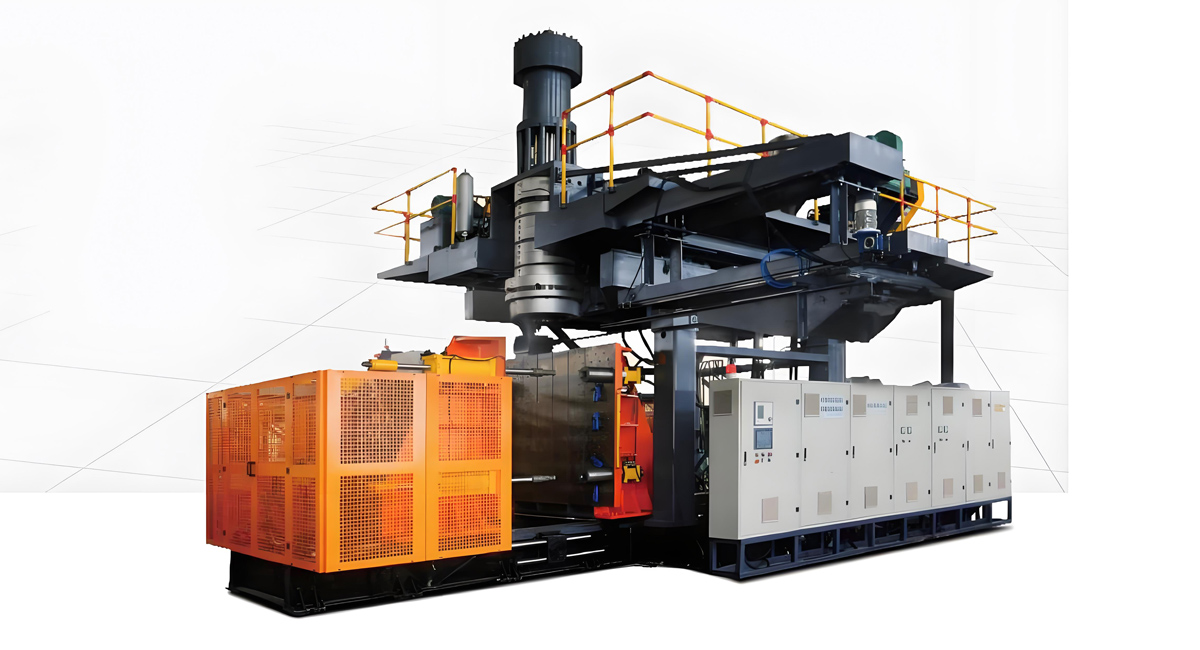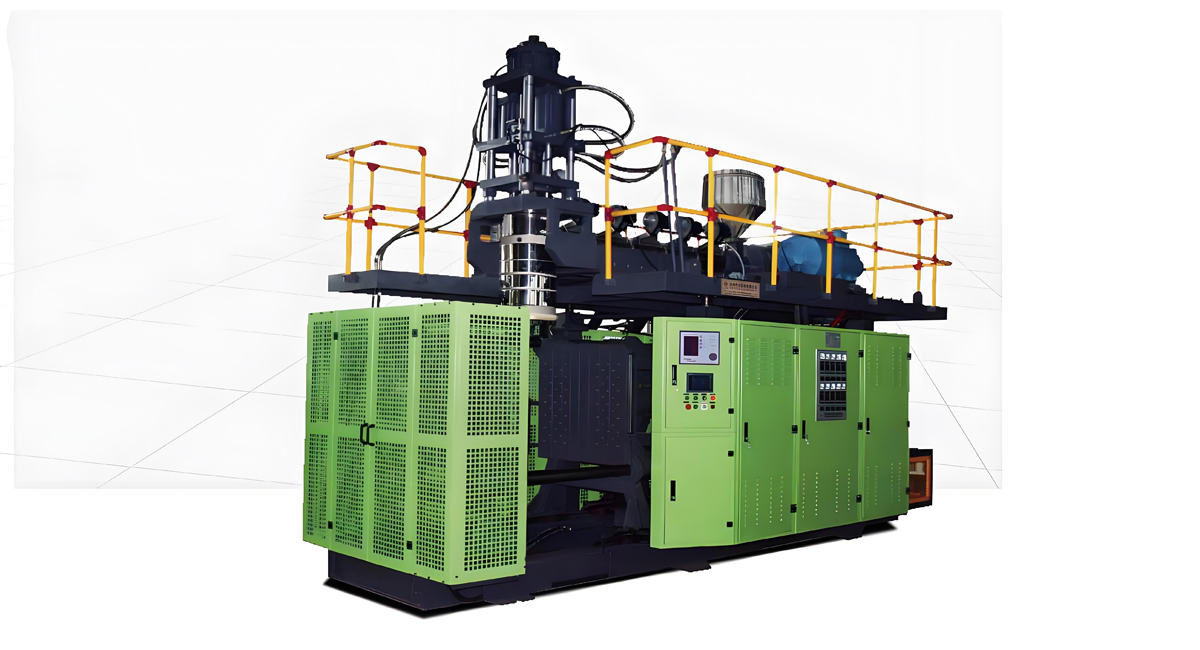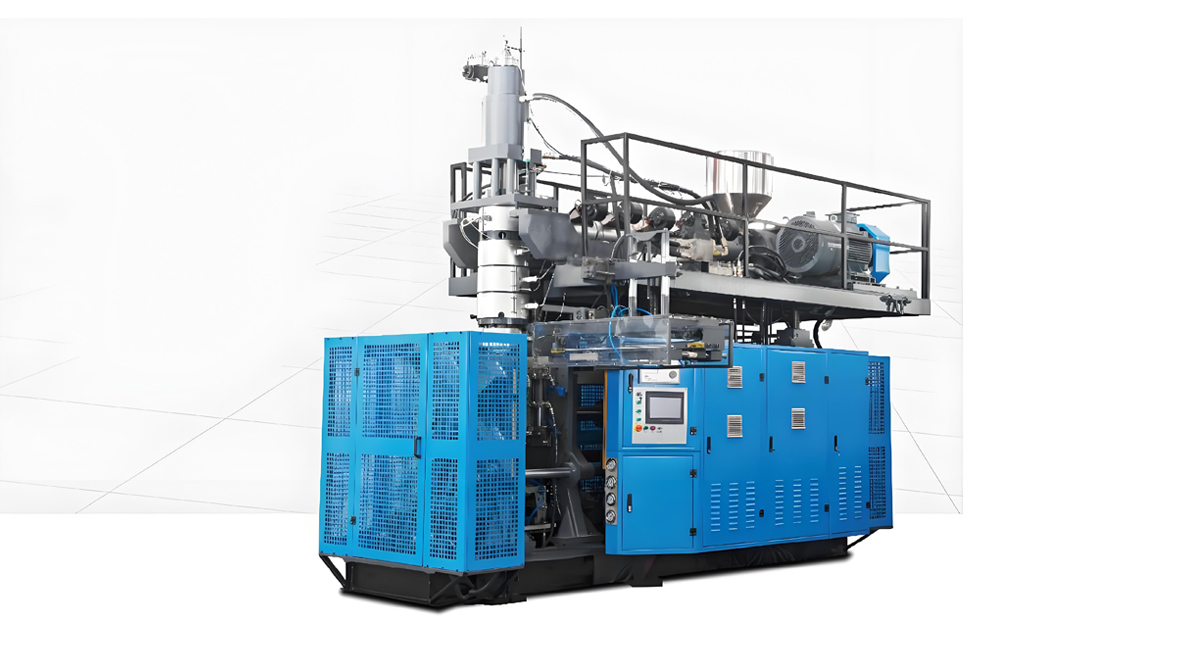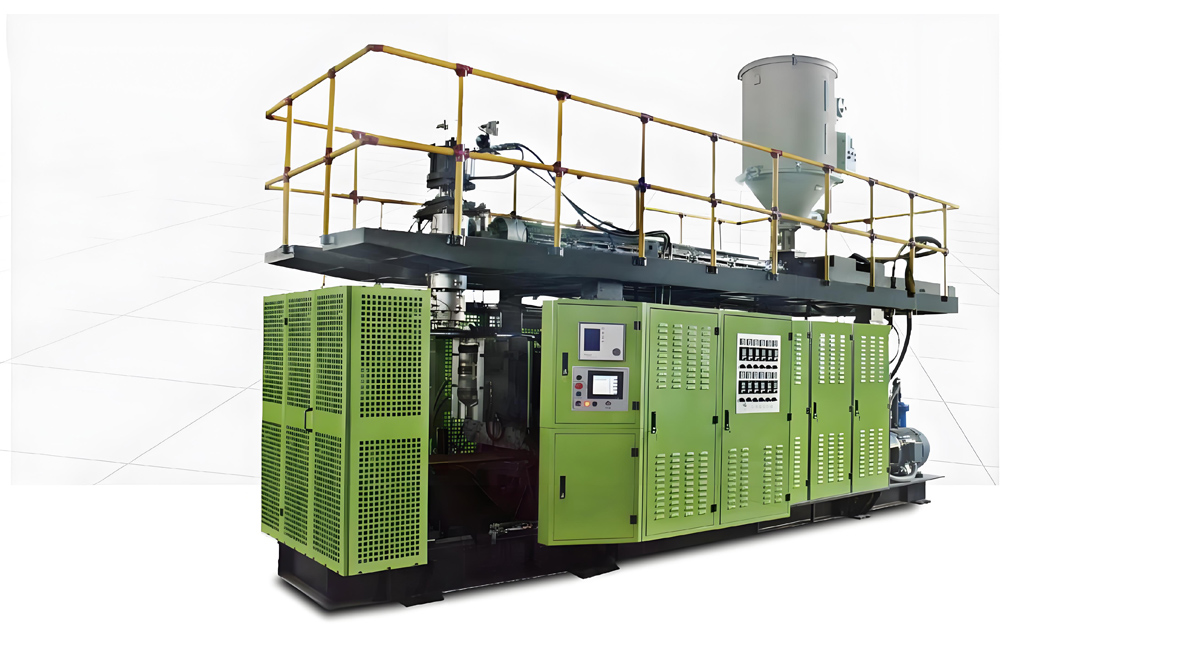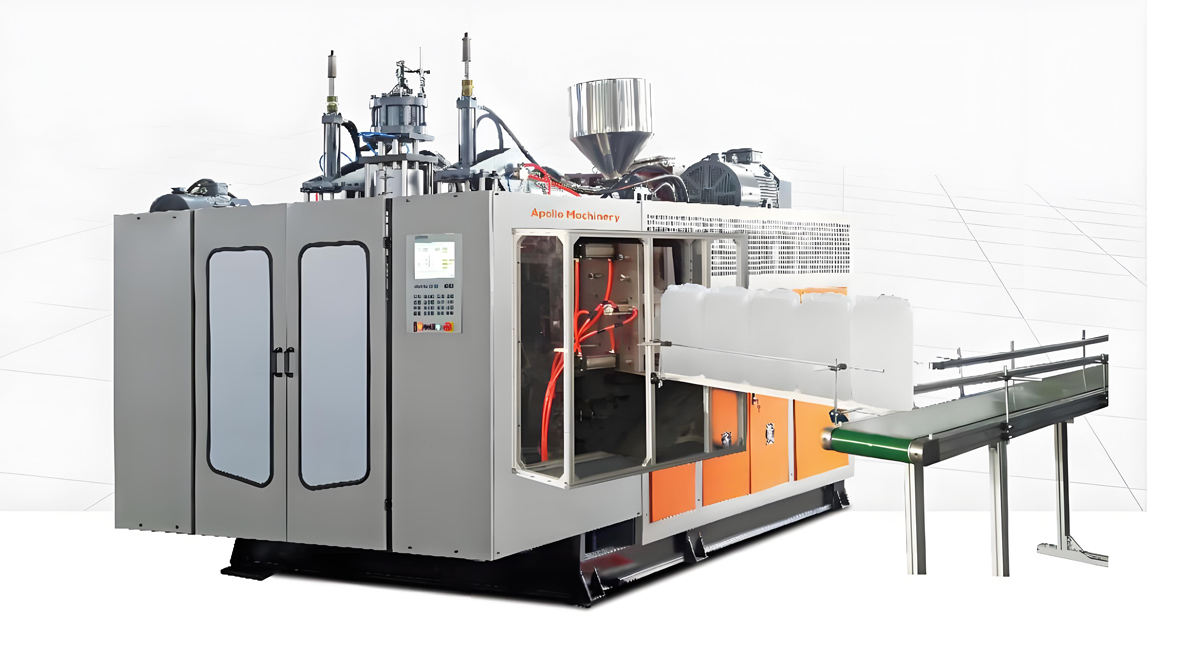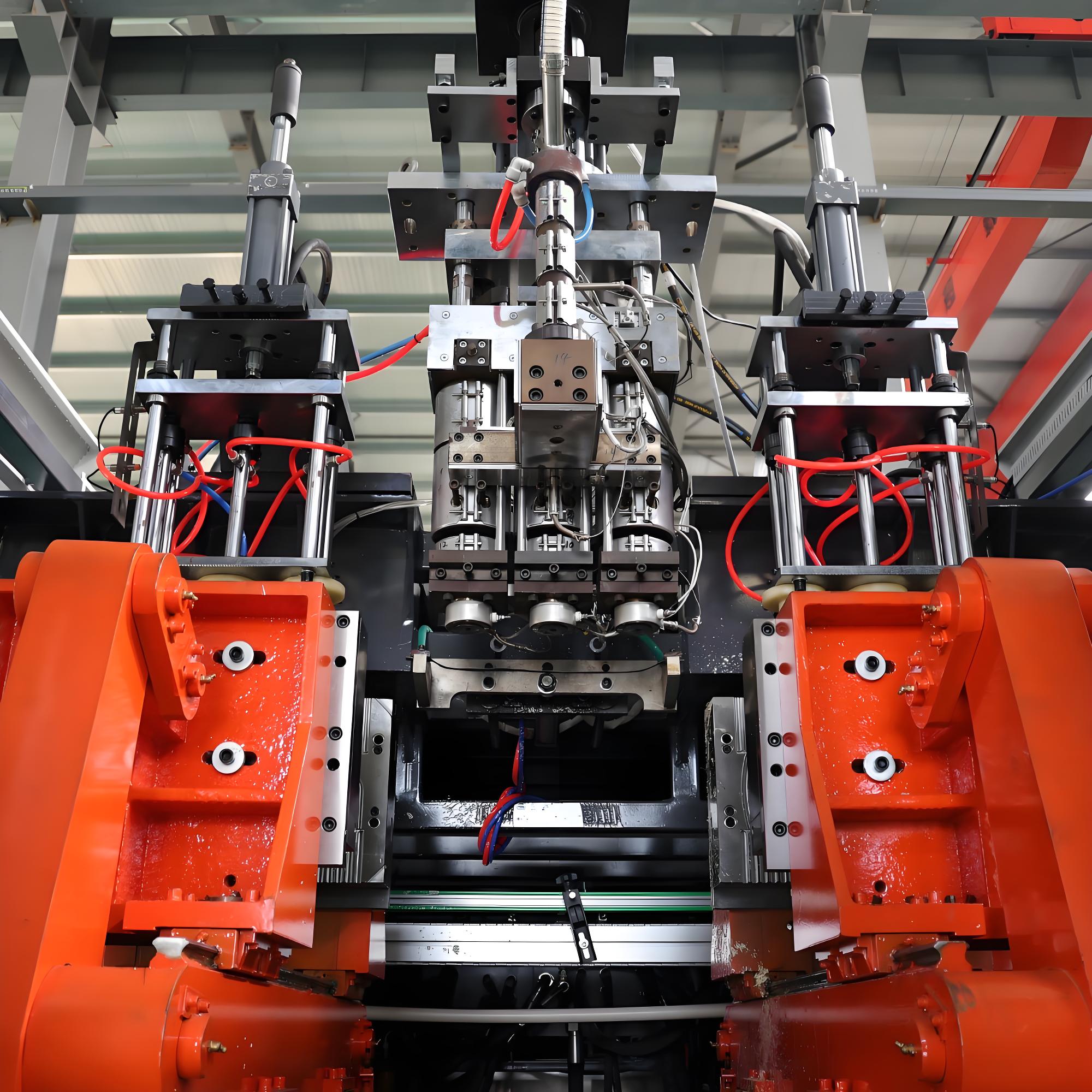

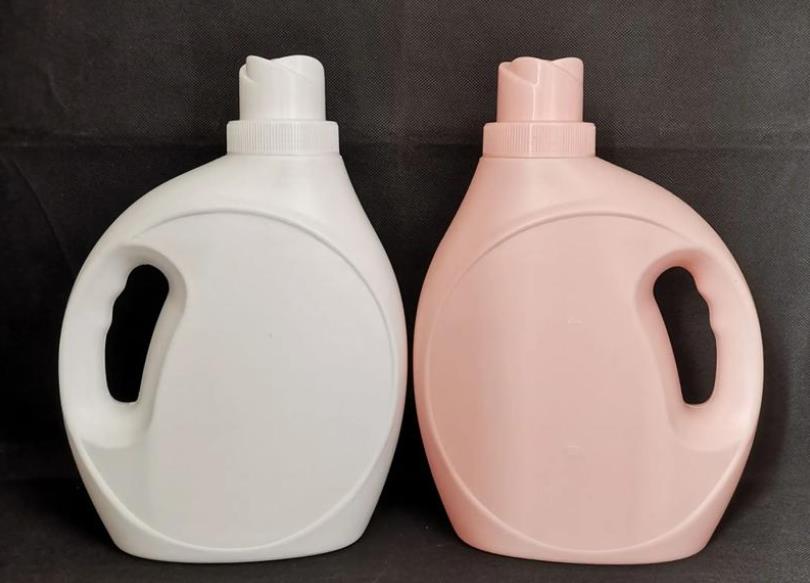
Розв'язання.
I. Process Molding Defects and Solutions
Феномен: Відмінність товщини стінки миючого засобу в одній площині або на різних частинах перевищує 10%, зокрема, характерні ситуації, коли верхня частина товщі, а нижня — тонша, а круглої товщини не є збалансованою. Це призводить до недостатності міцності флому, який легко пошкоджується під час заповнення та транспортування.
Причини:
Неналежний дизайн прес-форми, непостійне розподіл вигоджувальних каналів або відхилення положення отворів для продування повітрям, що призводить до нерівномірного заповнення пластикового розчину;
Значна коливання тиску продування, передчасне застосування продування або запізнення за час продування, що впливає на рівномірне розширення фасону;
Незбалансована температура плавлення сировини, непостійний температурний градієнт в кожному відділенні барабана, що призводить до різниць в текучості розплаву;
Механічне розслаблення фасону, через перегрів розплаву та повільну швидкість екструзії, фасон розтягується нерівномірно у поперечному напрямку під власною вагою.
Рішення:
Оптимізувати структуру прес-форми, покращити дизайн вигоджувальних каналів, настроїти положення отворів для продування повітрям, щоб забезпечити рівномірне розподілення розплаву;
Вжити систему контролю товщини стінок, стабілізувати тиск продування, контролювати коливання тиску продування у межах ±0,02 МПа і регулювати час продування відповідно до відмінності товщини стінок (наприклад, відкладати час продування, якщо верхня частина товща, а низу — тонша);
2. Ціканки та текстура апельсинової корички
Причини: поверхня інструменту не гладка, пошкоджена або має залишки матеріалу; поверхня парізованого стекла нерівна, що призводить до сліди течії під час екструзії; нерівномірний об'єм охолоджувального повітряного кільця призводить до непостійної швидкості охолодження поверхні.
Рішення: регулярно поліруйте порожнину інструменту, очищайте відкладення згустків для того, щоб зберегти гладку поверхню інструменту; регулюйте швидкість і температуру екструзії, щоб зменшити сліди течії при розплавленні; калибруйте положення охолоджувального повітряного кільця, щоб забезпечити рівномірний об'єм повітря і контролювати постійну швидкість охолодження зовнішньої стінки флакона.
3. Чорні плями і смужки
Причини: надмірна температура барабана призводить до увібнення сировини; зношення гайки та внутрішньої стінки барабана, в результаті чого метал при примиканні мішається з розплавом; забиття фільтру, що веде до зіпсування через забруднення.
2. Розв’язання.: Check and adjust the barrel temperature, replace damaged heating coils; replace worn screws or barrels, and perform hard chrome plating on the surface; regularly clean or replace the filter screen to ensure melt cleanliness.
(ІІІ) Деформація продукту і відхилення розмірів
Феномен: тіло флакона змінюється (розтягується і сварюється), має еліпсовидну форму і інші ознаки, а об'єм, зовнішній діаметр і інші розміри виходять за межі допустимих границь, що не відповідають вимогам фасування та пакування.
Причини: недостатній час охолодження або нерівномірне охолодження, в результаті чого тіло флакона не добре встановлюється; надмірна температура інструменту, що впливає на кристалізацію лиття; надмірний коефіцієнт роздування, який перевищує граничний рівень міцності матеріалу; нестабільна швидкість натягу і погане синхронізація обладнання.
Рішення: продовжити час охолодження на 20-30%, використовувати охолоджене воду, щоб посилити ефект охолодження для того, щоб забезпечити повне охолодження тіла флакона перед його зняттям з інструменту; контролювати температуру інструменту в межах 15-25 С ̊, а також досягти точного контролю температури за допомогою мішки з термометром; налаштуйте пристрій регулювання вливу, щоб контролювати коефіцієнт роздування в межах 2:1-2,5:1, щоб уникнути надмірного розтягування; стабілізуйте швидкість натягу, регулярно калібруйте клапан синхронізації обладнання, вимірюйте розміри флакона кожні 2 години і вчасно налаштовуйте параметри.
(IV) Розплавлювальні дефекти та дефекти бітери
Феномен: Поверхня бітери має вигини та розломи, а тіло пляшки має тріщини після формування, має серйозно недостатню міцність та легко лопається та пропускає рідину.
Причини: надмірно швидка швидкість екструзії призводить до надмірного натягу пластики; занадто низька температура плавлення сировини призводить до недостатньої пластифікації; нераціональний конструктив різання литаку веде до надмірного опору течії пластики; надмірна вологість сировини призводить до впливу водяних парів під час обробки.
Розв’язання: зменшити швидкість екструзії, щоб забезпечити рівномірну експлуатацію пластики; збільшити температуру барабана і розчиноутворювача, щоб забезпечити достатню пластифікацію сировини; оптимізувати структуру литака, щоб зменшити опір течії пластики, розширюючи край литака до 0,5 мм; суворо контролювати вміст вологи в сировині і, при необхідності, продовжувати час сушіння.
Помилки у коніку кришки пляшки
Феномен: в кришці пляшки відсутнє сировина, вона деформується, утворюються надмірні відвалки, погана герметизація і витікання при заповненні.
Причини: несправність системи нагнітання повітря, недостатній тиск перед-нагнітанням; ослаблений затиск форм, недостатній тиск-затиску, що призводить до полум’я; надмірна температура форми коніка кришки, недостатнє охолодження; відхил від постулацію з приводу позиціонування, що призводить до недострокарення коніка кришки.
Розв’язання: відремонтуйте систему нагнітання повітря, очистіть контакти від сторонніх частинок, щоб забезпечити сталий тиск перед-нагнітання; збільшіть затискний тиск до 80-90% номінального значення устаткування, замініть зношені опорні стовпи та ущільнювальні елементи; знизьте температуру форми коніка кришки, додайте місцеві пристрої охолодження; налагодите пристрій позиціонування постуликації для точного супроводу між постулацією і формою.
II. Equipment Operation Failures and Solutions
Розв’язання.
(I) Несправності роботи обладнання або пропуски дій
Феномен: обладнання не реагує на натискання кнопки пуску або припиняється виконання одного дії, наприклад затиску цілі, нагнітання повітря або витягування.
Причини: несправності електричної схеми, наприклад уламки замків електромагнітних клапанів та повреджені контактори; неефективна функціонування пневматичної/гидравлічної системи, недостатній тиск джерела повітря або закупорка масляного кола; запуск пристрою безпеки, наприклад незамкнене сходове дверця або не вирівняння кнопки аварійного зупинення.
(II) Abnormal Температура голівки матриці
Розв’язання: виміряйте електричну схему мультиметром, закріпіть уламки, замініть пошкоджені деталі; коригуйте тиск джерела повітря до 0,6-0,8 МПа, чистіть фільтрувальний шланг масляної системи і перевіряйте рівень гідравлічного масла; перевірте, чи закрита сходове дверця, налагодити кнопку аварійного зупинення, та шукайте несправність пристрою безпечного зв’язку.
Причини: пошкоджені нагрівальні кабелі або відсутність проводу; невірні налаштування параметрів PID регулятора температури; недостатній об’єм поточного охолоджувального рідини опалювача, поганий ефект охолодження.
Швидкі заходи: вимірювання фактичної температури інфрачервоним термометром, заміна пошкоджених нагрівальних кабелів і закріплення фітингів проводів; перекалібровка параметрів PID регулятора температури, щоб забезпечити точності контролю температури; перевірка магістралі охолоджувального рідини, чистка закупореного бруду та забезпечення швидкості протікання охолоджувальної рідини не менше 5 л/хв.
(III) Material Leakage and Die Blockage
Феномен: витікання матеріалу в зоні з’єднувальної точки опалювача з основою стану, або закупорка всередині опалювача в результаті порушення процесу екструзії.
Причини: старіння та пошкодження ущільнювальних ущільнювальних манжет опалювача; зношення гвинтів та стволів, нестабільний транспорт розплаву; тривалий період неочищення фільтрувальних екранів, що призводить до накопичення забруднюючих речовин; надмірно низька температура опалювача, погана пластичність розплавленого матеріалу.
2. Розв’язання.: Replace aging seals to ensure tight sealing at the connection; check the wear of screws and barrels, and perform surface spray wear-resistant treatment if necessary; regularly clean the filter screen and die head residual material; appropriately increase the die head temperature to improve melt fluidity.
III. Raw Material and Auxiliary System Problems and Solutions
(I) Raw Material Adaptability Problems
Феномен: складно поліпшити пластичність сировинних матеріалів, незадовільна міцність та стійкість проміжної оболонки, яка не може задовольняти вимогам стійкості до корозії для упаковки мийних засобів.
Причини: невибір сировинних матеріалів для формування з одержанням розплавленого металу, наприклад, сировина HDPE з об’ємом розплавлення (MFR) не в межах 1-5 г/10 хв; неузгоджене змішування сировини, порушення співвідношення добавок; надмірне змішування вторинної сировини, що впливає на технічні характеристики сировини.
Розв’язання: вибір сировини для формування, яка відповідає нормам, і на першому місті обирати полімери HDPE з стабільним об’ємом розплавлення; використання високошвидкісного миксера для забезпечення повного перемішування сировини і добавок з часом перемішування не менше 15 хв; жорстко контролювати співвідношення змішування вторинної сировини (рекомендується не перевищувати 30%) та забезпечити, щоб ця сировина була чистою та не містила забруднювачів.
(II) Feeding System Jamming
Феномен: негладка подача в бункер, часто відбувається утворення мостиків, що призводить до коливань обсягу екструзії і порушує безперервність виробництва.
Причини: висока вологість сировинних матеріалів, скупчення гігроскопічних полімерів; недостатній кут конуса бункера, що перешкоджує переміщенню матеріалу; несправний вібратор, який не може допомагати подачі сировини; знос секції подачі гвинтом, зменшення пропускної здатності.
Розв’язання: посилене дозування сировини, і гігроскопічні сировини потрібно зневоднювати і сушити перед використанням; збільшення кута конуса бункера або встановити пристрій для попередження утворення мостиків; технічне обслуговування вібраторного двигуна, щоб забезпечити нормальну роботу; заміна секції подачі з двома ребрами і нанесення водостійкого покриття на поверхню, щоб поліпшити пропускну здатність.
(III) Abnormal Pneumatic System
Феномен: Незвичайний шум, який генерується пневматичною системою під час роботи обладнання, повільне дії циліндра, що впливає на точність лиття під натиском і ефективність виробництва.
Причини: Непрофесійна обробка джерела повітря, надмірна кількість масла або вміст вологи в стисненому повітрі; забитий глушник, надмірний тиск відводити; зношення повітряних труб, резонанс, викликаний відривом догори від внутрішньої стінки.
Рішення: Монтуйте трійну установку (фільтр, вентиль зворотного тиску та змащувач олії) і регулярно видаляйте конденсовану воду, щоб забезпечити чисте та сухе стиснене повітря; почистіть або замініть глушник, щоб гарантувати нетривалий тиск відводу ≤ 0,05 МПа; замініть ПУ-повітряні труби відстанню стінки ≥ 3 мм, контролювати радіус вигину ≥ 5 разів від діаметра труби, щоб уникнути резонансу.
IV. Prevention and Daily Maintenance Suggestions
1. Контроль сировини: Сформулюйте механізм інспекції вихідних матеріалів, точно перевіряйте такі показники, як швидкість плавлення, вміст вологи та вміст домішок, щоб не допустити неякісних сировин до виробництва; проводите оперативне перевірку для різних партій сировини, щоб забезпечити адаптивність процесу.
2. Технічне обслуговування обладнання: Складіть стандартизовану книгу обслуговування, перевірити рівень змазкового масла, потік охолоджувальної води, та тиск джерела повітря перед запуском машини кожен день; очищати залишки матеріалу розплаву та перевіряти стан з'єднання нагрівальної скоби кожну тиждень; заміняти фільтр гідравлічного масла кожні місяці, виявляти зазори між гвинтом та посудиною, і резервувати такі уразливі деталі, як нагрівальні спіралі та ущільнення.
3. Контроль процесу: Сформуйте базу даних ключових параметрів процесу та сформулюйте стандартні процедури роботи для різних видів пляшок з засобами для миття посуду; записуйте ключові параметри, такі як температура, тиск і товщина стінки кожні 2 години під час виробництва, щоб забезпечити можливість відстеження якості.
4. Професійна підготовка персоналу: Збільшуйте кваліфікаційний рівень операторів, щоб вони вміли працювати з обладнанням, регулювати параметри, діагностувати неполадки та застосовувати відповідні навички; регулярно проводите зустрічі з аналізом якості, систематизуйте досвід вирішення загальних проблем, та покращуйте підвищення рівня обізнаності на кожного співробітника.
висновок
Контроль якості виробництва пляшок з засобами для миття посуду за допомогою машин екструзії-піддування – це комплексний проект, для якого необхідно враховувати багато факторів, таких, як сировина, обладнання, процеси та персонал. У реальному виробництві ми повинні дотримуватися принципу «попередження краще, ніж лікування» та ефективно вирішувати різні загальні проблеми, оптимізуючи параметри процесу, розширюючи технічне обслуговування обладнання та стрижно контролюючи сировину. В той же час, необхідно постійно накопичувати досвід у взаємодії з практикою виробництва і постійно оптимізувати схеми виробництва, щоб стабільно підвищувати коефіцієнт допустимої якості, зменшувати виробничі витрати та максимізувати ефективність виробництва.